Blog

  • The Surprising Biological Secrets of Apex Predators

    The Surprising Biological Secrets of Apex Predators

    Most animal lovers assume that big cats hunt successfully through sheer brute strength and speed. We believe that size is the only metric that makes a predator powerful.

    But the biological reality of these apex hunters relies on a highly complex social system. Their evolutionary advantages have allowed them to dominate the harsh African savannas.

    The Power Of Cooperation

    Three lions stand together in tall, dry grass.
    Photo by Edmund Loh on Unsplash

    Unlike most solitary cats, these predators choose to live and hunt inside highly organized family groups. According to reports from the Serengeti Lion Project, hunting in a coordinated pack increases success rates dramatically. They are highly strategic. This cooperative strategy allows them to bring down prey that is much larger than themselves. But their physical biology is also built for extreme combat.

    The Dense Muscular Frame

    brown lioness in tilt shift lens
    Photo by Allan Bueno on Unsplash

    Their skeletons are wrapped in thick layers of heavy muscle designed for explosive bursts of power. According to wildlife biology studies, their shoulders and hind legs can absorb intense forces during a strike. They are incredibly strong. This dense muscular frame allows them to wrestle massive animals to the ground safely. But their predatory tools extend far beyond heavy muscles.

    Highly Specialized Night Vision

    A close up of a cat's blue eyes
    Photo by David Yao on Unsplash

    Hunting in the pitch-black savanna requires a highly sensitive optical system to track moving prey. According to zoological research papers, their eyes feature a reflective layer that amplifies weak moonlight. They see perfectly. This visual advantage allows the pack to plan stealthy attacks when their targets are completely blind. But their massive claws have a highly unusual design.

    Retractable Weapon Systems

    Close-up of a dog's paws resting on dry leaves.
    Photo by Malama Mushitu on Unsplash

    Their paws contain sharp, curved claws that remain safely tucked away when they are walking. According to anatomy studies, keeping the claws retracted prevents them from becoming dull on the hard ground. They are razor sharp. When the hunter strikes, specialized tendons push the claws outward to grip the prey securely. But the male heavy mane serves a highly strategic protective purpose.

    The Protective Hair Shield

    brown lion
    Photo by Mika Brandt on Unsplash

    The thick dark mane surrounding a male’s head serves as a vital shield during violent territorial battles. According to evolutionary studies, the dense hair protects vulnerable neck veins from the teeth of rival males. It is a helmet. This impressive display also signals health and strength to potential mates across the pride. But maintaining a giant pride requires managing a complex social hierarchy.

    Coordinating The Pride Territory

    A male lion walks across a dry savanna landscape.
    Photo by Rafael Peier on Unsplash

    A single pride must protect a vast geographic area from competing packs and other predators. According to ecological tracking reports, the cats use loud vocalizations and scent markings to establish clear borders. The roars are deafening. This acoustic warning can travel for miles to keep intruders from entering their hunting grounds. But climate shifts are quietly challenging their dominance.

    Shifting Savanna Rain Patterns
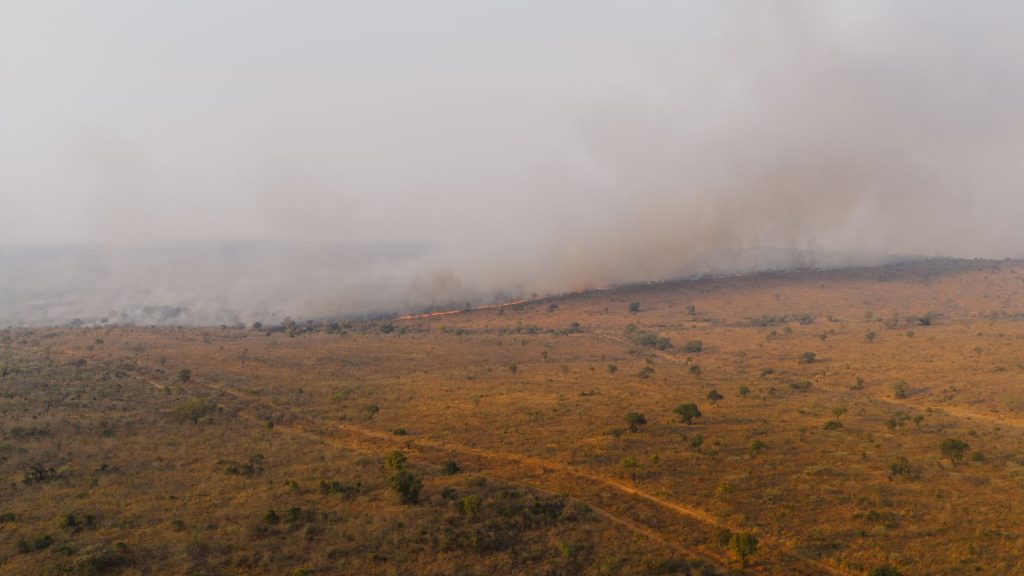
    Aerial photograph capturing a vast wildfire spreading through the savanna landscape of South Africa.
    Photo by K on Pexels

    Rapid changes in local weather are altering the migrations of the massive herds they rely on for food. According to paleoclimatologists, prolonged dry spells force prey animals to travel further to find fresh grass. The water is drying. The predators must adapt their hunting territories quickly to survive these environmental shifts. But tracking these biological changes is critical for our understanding of nature.

    Preserving The Apex Kings

    Green valley with mountains under a blue sky
    Photo by Esther Zhai on Unsplash

    The struggle of these majestic hunters reveals the delicate balance of our global ecosystems. According to conservation researchers, protecting these apex predators ensures the survival of countless other savanna species. The crown remains. This article is for informational purposes only.

    Featured Image: Photo by Matt Burke on Pexels

  • The Forbidden Global Zones Hidden From Humanity

    The Forbidden Global Zones Hidden From Humanity

    Most travelers assume that anyone can explore any corner of our planet with a passport. We believe that modern transportation has made every remote valley accessible to tourists.

    But several mysterious locations across the globe are completely closed to all human contact. These forbidden zones are guarded by strict laws to protect dangerous secrets.

    The Dangerous Island Poison

    Detailed image capturing the Jararaca snake among lush green foliage in Brazil's natural habitat.
    Photo by Gabriel Rondina on Pexels

    A remote island off the coast of Brazil is home to thousands of lethal golden lancehead vipers. According to reports from the Brazilian Navy, civilians are strictly forbidden from setting foot on the beach. It is highly deadly. This strict quarantine protects researchers and keeps the fragile serpent population undisturbed. But another forbidden island has been isolated to protect human life.

    Protecting The Isolated Tribe

    Aerial view of a rocky island in dark blue ocean
    Photo by xandro Vandewalle on Unsplash

    A tiny island in the Indian Ocean holds one of the last uncontacted human societies. According to reports from the Indian Government, the local sentinelese population actively rejects all outside visitors. They are highly protective. Approaching within five miles of the shore is illegal to prevent the spread of deadly modern diseases. But some forbidden places are hidden deep underground.

    The Secret Sacred Caves

    Man taking a picture of a cave entrance.
    Photo by Spencer Plouzek on Unsplash

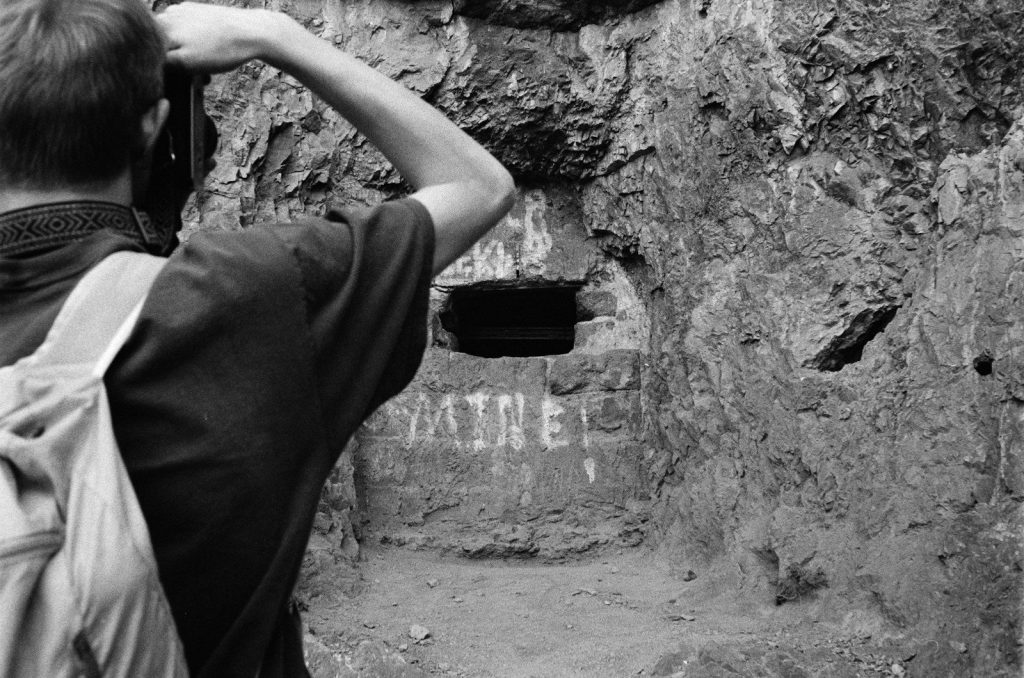
    A spectacular cave system in France contains some of the oldest prehistoric art in existence today. According to the French Ministry of Culture, the ancient paintings were being slowly destroyed by human breath. The dampness was toxic. Officials sealed the cavern permanently to preserve the delicate charcoal drawings for future generations. But some closed zones are owned by powerful governments.

    The Vault Of Secrets

    A man in smart casual attire organizing files on shelves in an archive.
    Photo by MART PRODUCTION on Pexels

    A heavily guarded archive room inside the Vatican holds centuries of private letters and historical records. According to classical historians, only a select group of qualified scholars can access these deep shelves. The security is tight. These historic documents could contain secrets that would alter our understanding of major world events. But some forbidden sites are dangerous due to technology.

    The Radioactive Wasteland Zone

    an abandoned train station with lots of windows
    Photo by Peter Herrmann on Unsplash

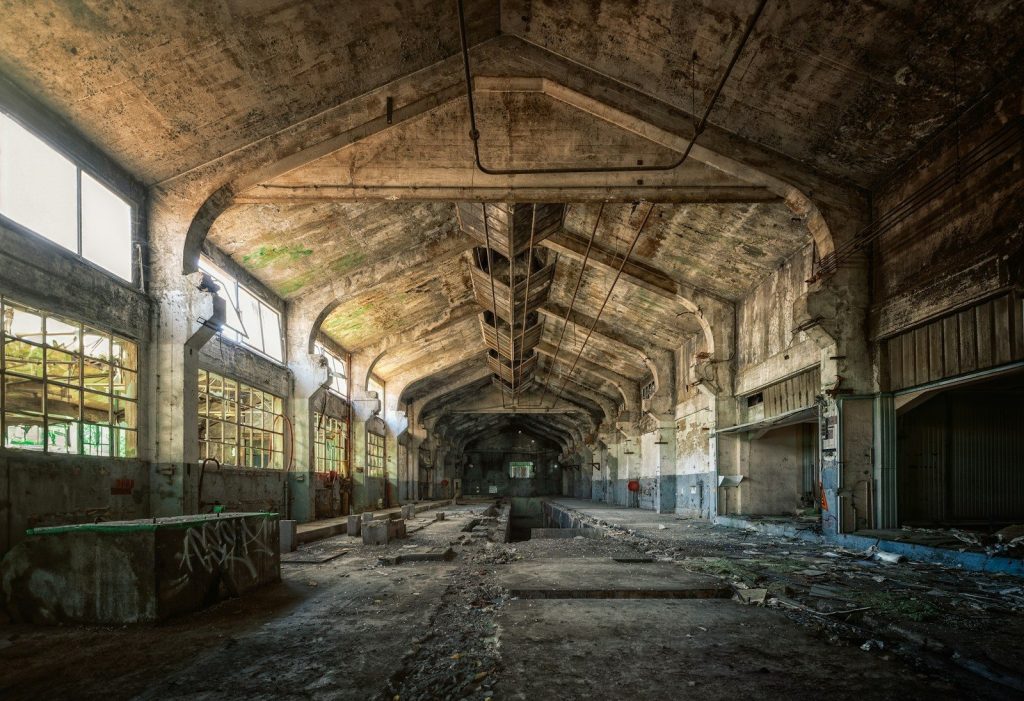
    A massive abandoned region surrounding a failed nuclear reactor remains highly toxic to living things. According to geological survey reports, soil radiation levels in the exclusion zone will remain dangerous for centuries. The air is heavy. While nature has slowly reclaimed the empty buildings, human settlement is completely outlawed. But a highly unusual vault was constructed in a frozen northern wasteland for a very different purpose.

    The Frozen Seed Vault

    brown wooden bridge
    Photo by Patrick Robert Doyle on Unsplash

    Deep inside an icy mountain on a remote Arctic island lies a secure underground repository. According to reports from the Crop Trust, this facility houses millions of crop seed samples from across the globe. It is a backup. This vault is built to survive natural disasters and nuclear wars to safeguard our food supply. But understanding why these places are sealed reveals a major pattern.

    Guarding Our Shared Future

    the sun is shining through the trees in the woods
    Photo by Jan Valečka on Unsplash

    These forbidden global zones prove that keeping some places secret is vital for survival. According to environmental geologists, restricting human access preserves the delicate balance of history and nature. We must respect borders. This article is for informational purposes only.

    Featured Image: Photo by Francesco Ungaro on Unsplash

  • The Extreme Electric Vehicle Rewriting Travel Limits

    The Extreme Electric Vehicle Rewriting Travel Limits

    Most drivers assume that electric utility vehicles must sacrifice driving range for cargo space. We believe that heavy family cars are naturally slow and inefficient on the highway.

    But a revolutionary new luxury vehicle has completely shattered these battery constraints. Its advanced design combines sports car speed with an incredibly efficient power grid.

    Bypassing The Wind Barrier

    a white sports car with a wind turbine in the background
    Photo by Carl Gelin on Unsplash

    Driving a large family vehicle normally creates intense aerodynamic drag that drains battery charge rapidly. According to testing logs from Lucid Motors, the new vehicle features an incredibly smooth exterior shell. It is highly aerodynamic. This sleek design allows the massive cabin to slide through the air with almost zero resistance. But keeping this heavy platform moving efficiently requires a highly compact motor.

    The Miniature Drive Units

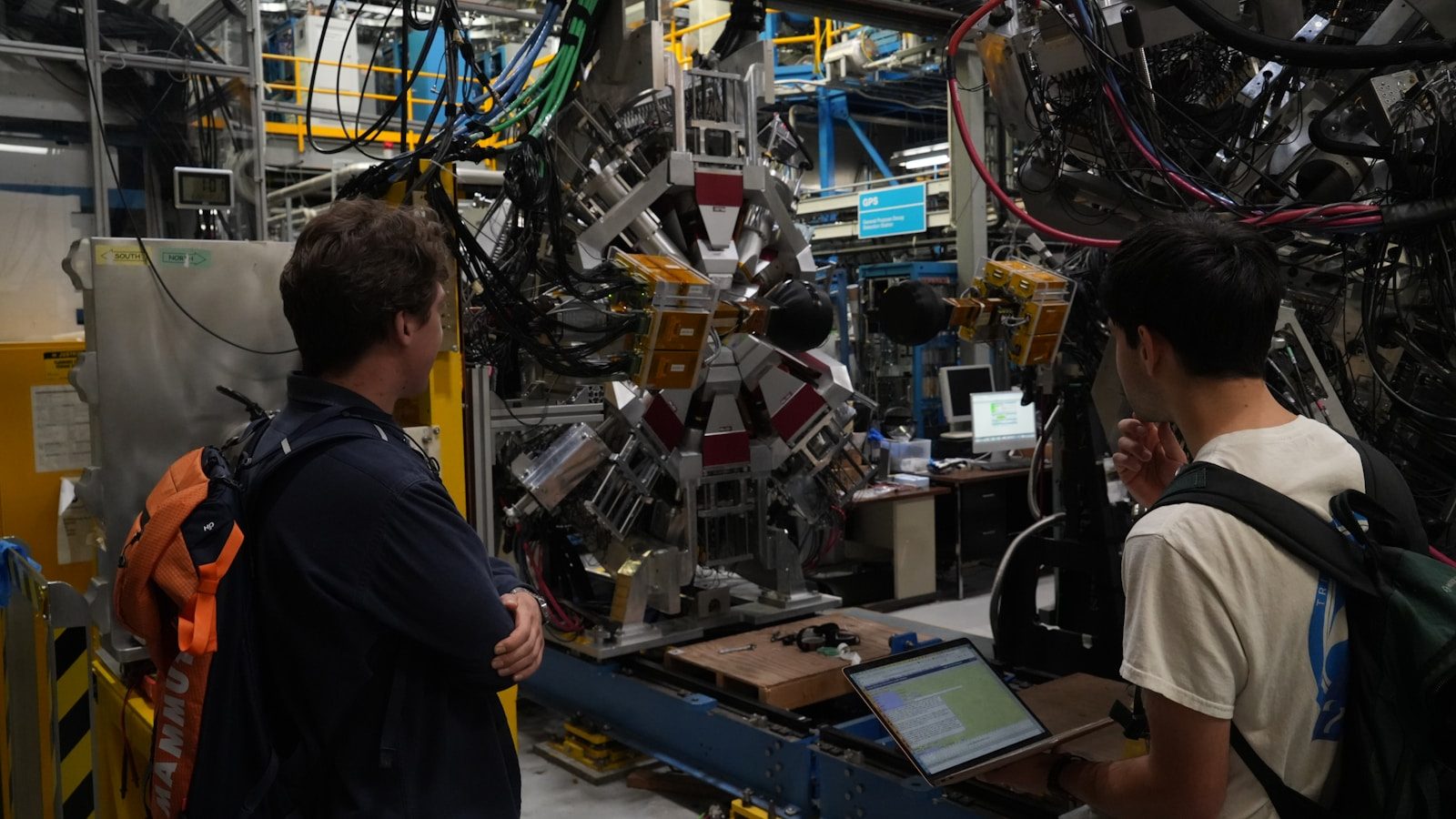
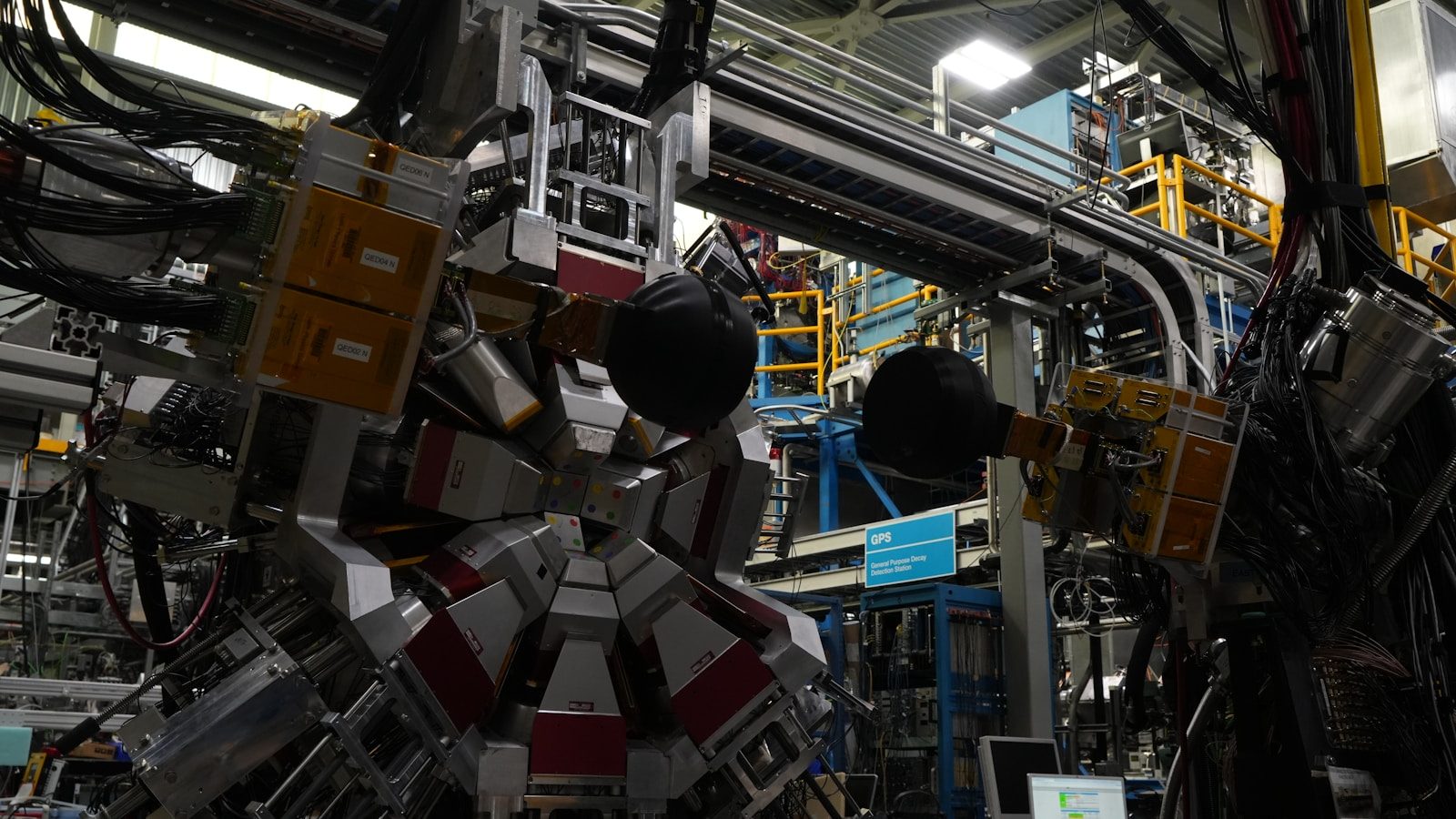
    Complex scientific machinery inside a large industrial facility.
    Photo by Daniel Miksha on Unsplash

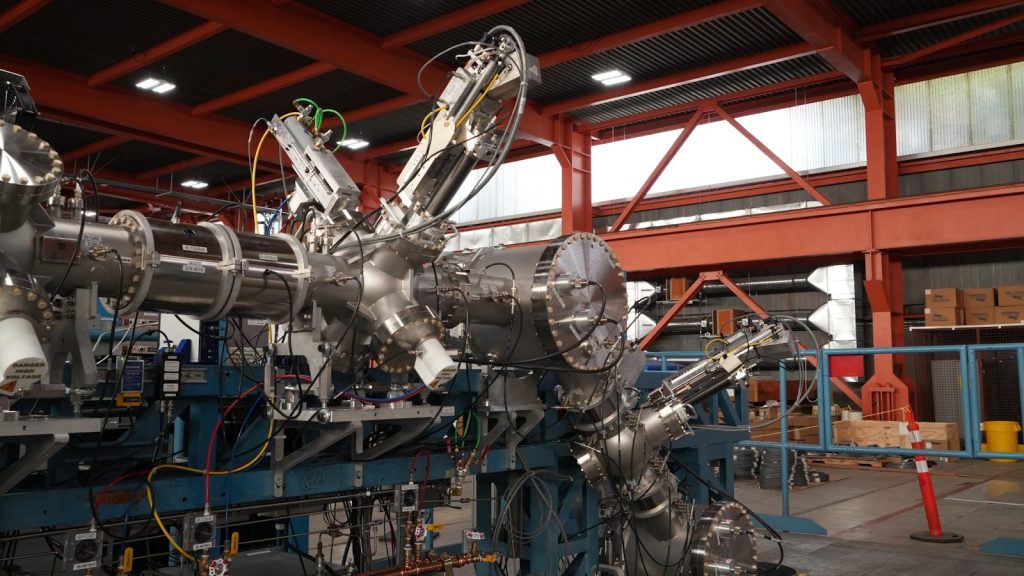
    Traditional electric motors are bulky and heavy, which reduces total passenger cabin space. According to mechanical engineering journals, the vehicle uses ultra-compact motor units that generate over eight hundred horsepower. They are tiny. This space-saving design allows the car to accelerate faster than many classic sports cars. But managing this intense power requires an advanced electrical grid.

    High Voltage Battery Grids

    electrical room
    Photo by Dean Brierley on Unsplash

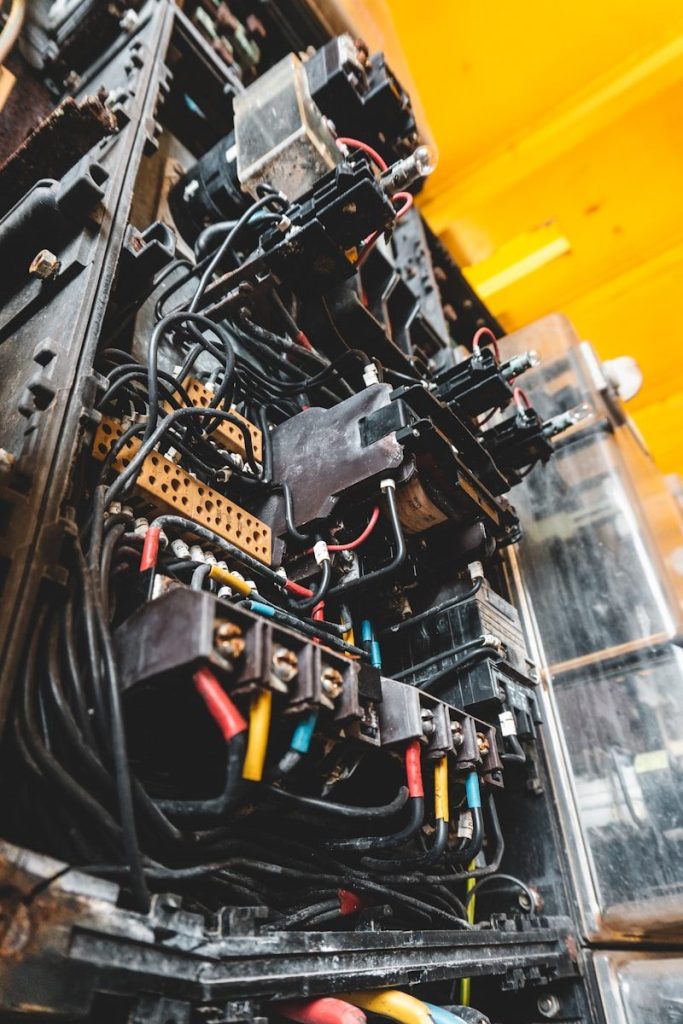
    Distributing electrical current efficiently across a massive vehicle requires a highly robust battery setup. According to electrical engineering reviews, the vehicle uses an advanced nine-hundred-volt architecture. The current is strong. This advanced grid allows the car to charge faster and run thinner wiring to reduce total weight. But achieving epic driving range requires a major battery chemistry breakthrough.

    Surpassing Four Hundred Miles

    a person pumping gas into a car at a gas station
    Photo by Zaptec on Unsplash

    Most modern electric family cars struggle to travel past three hundred miles on a single charge. According to consumer hardware reviews, this new platform easily breaks the four-hundred-mile range barrier. The range is historic. This efficiency allows drivers to tackle long road trips without experiencing constant charging anxiety. But the interior of the cabin offers its own technological wonders.

    The Curved Digital Glass

    Modern car interior with large touchscreen display.
    Photo by Vitalii Khodzinskyi on Unsplash

    Sitting in the driver’s seat reveals a massive curved glass display that floats above the dashboard. According to software engineering logs, the screen utilizes high-resolution organic light panels to show navigation maps. It is beautiful. This automated interface displays critical travel details instantly without cluttering the driver’s field of view. But maintaining a smooth ride requires a smart suspension setup.

    Adapting Air Suspension Struts

    White truck driving on a dirt road.
    Photo by Royce Fonseca on Unsplash

    Carrying a heavy battery pack through tight city streets requires a highly reactive suspension system. According to vehicle test reports, smart air struts adjust the ride height automatically based on terrain feedback. The adjustment is instant. This real-time leveling allows the heavy vehicle to navigate rugged mountain paths with absolute ease. But keeping passengers comfortable requires managing intense external noises.

    Active Noise Cancellation Tech

    Interior of a vintage tram with red lights
    Photo by Bernd 📷 Dittrich on Unsplash

    Riding in a quiet electric vehicle can make standard tire and wind noises feel incredibly loud. According to acoustic engineering studies, the cabin features a built-in active noise control system. The silence is absolute. Specialized microphones monitor external sounds and emit opposing sound waves to neutralize the noise. But the long-term success of this luxury platform remains a major industry test.

    Redefining The Electric Era

    A tram rides through a street at sunset.
    Photo by Irma Bopp on Unsplash

    This advanced family vehicle is pushing materials science and autonomous driving into an entirely new era. According to automotive historians, this engineering shift will redefine how we view sustainable transportation. The future is arriving. These design breakthroughs will soon shape how consumer cars are built around the globe. This article is for informational purposes only.

    Featured Image: Photo by Jetour Georgia on Pexels
  • How Hidden Water Channels Raised the Great Pyramid

    How Hidden Water Channels Raised the Great Pyramid

    Most history lovers assume that ancient Egyptian builders raised their massive monuments using only simple dirt ramps. We believe that thousands of workers dragged heavy stones up long slopes using raw muscle.

    But a ground-breaking engineering study has challenged this traditional narrative. Researchers have identified a highly advanced system of water channels and cargo lifts that did the heavy lifting.

    Reimagining Primitive Labor

    brown pyramid under blue sky during daytime
    Photo by Osama Elsayed on Unsplash

    For centuries, scholars assumed that building the Giza monuments required an almost impossible amount of manual labor. According to reports from the Land Decompression Institute, building traditional sand ramps would require more material than the pyramid itself. The math fails. This physical limitation has forced modern engineers to search for a more logical building method. But the answer lay hidden inside the local geology.

    The Ancient Water Network

    people riding on boat on river during daytime
    Photo by Ruben Hanssen on Unsplash

    A team of civil engineers mapped a massive network of dry channels surrounding the pyramid site. According to geological surveys, these canals once connected the Nile River directly to the construction area. The water was abundant. This fluid network could have played a vital role in transporting heavy limestone blocks over vast distances. But this river flow was about to reveal a much larger engineering secret.

    The Central Shaft System

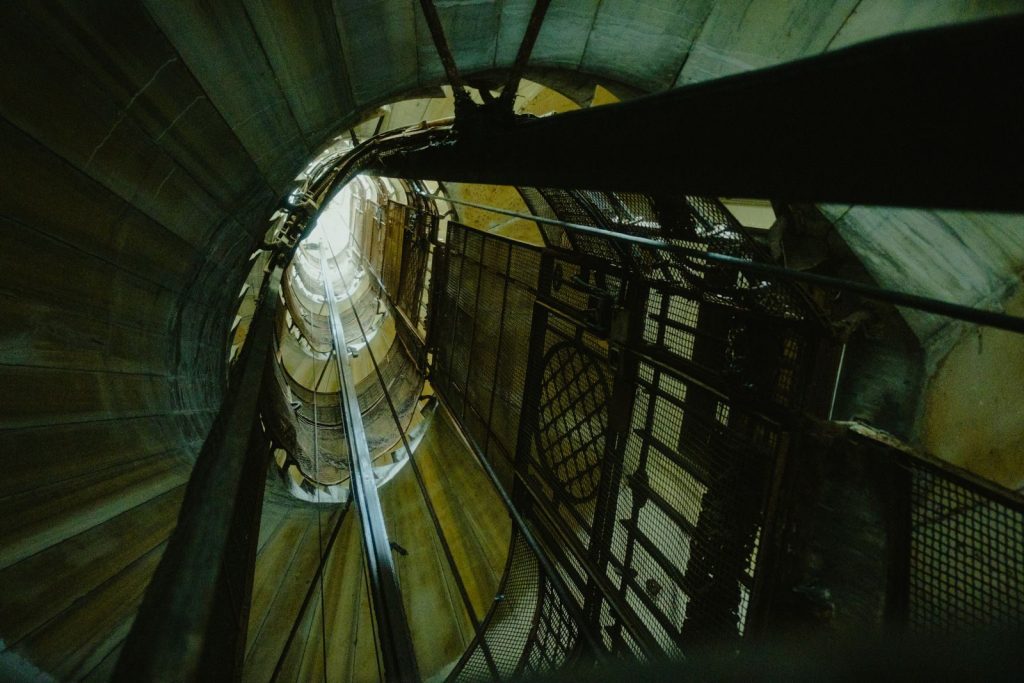
    A striking view looking up a spiral elevator shaft with metal structures and wires.
    Photo by Faruk Tokluoğlu on Pexels
    Excavating the vertical chambers inside the Step Pyramid of Djoser revealed a highly unusual design. According to archaeological geologists, the main shaft drops straight down to link with the underground water tables. It was a well. This direct connection allowed water pressure to rise naturally from the deep subterranean channels. But how the builders managed to control this hydraulic pressure remained a mystery.

    Floating The Limestone Blocks

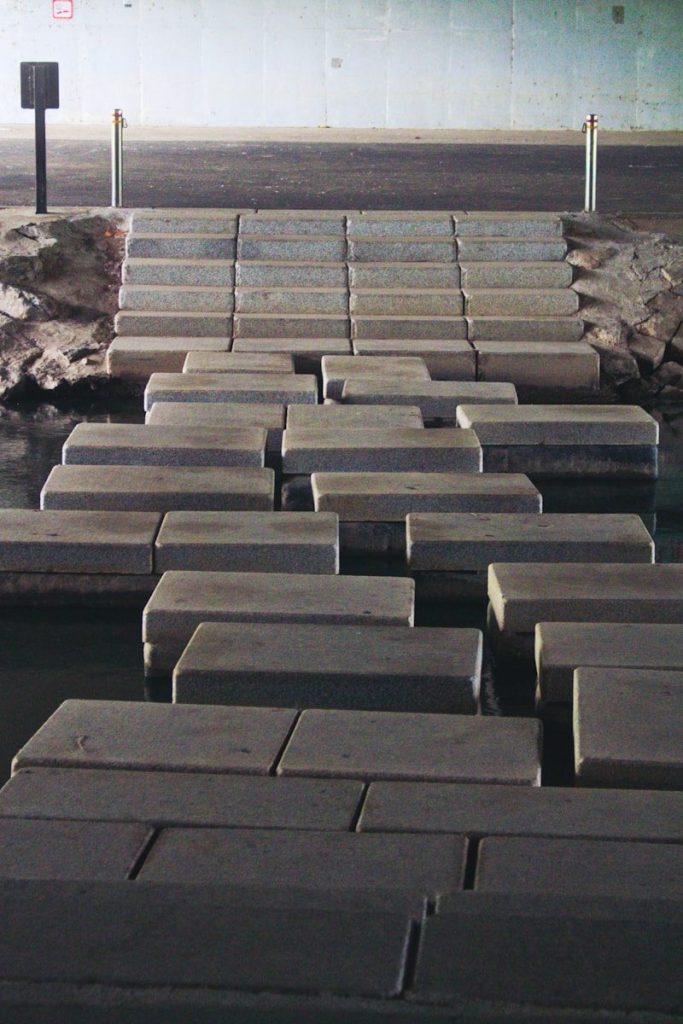
    a walkway made out of cement blocks next to a body of water
    Photo by hyun-su Jung on Unsplash

    Engineers suggest that the ancient builders used a series of floating platforms to move the heavy stones. According to hydraulic modeling software, filling the central shaft with water would float a heavy wooden raft upward. The mechanics were simple. This upward lift allowed workers to elevate massive granite blocks without dragging them up steep ramps. But this fluid system required a highly complex valve mechanism to function.

    The Sliding Stone Valves

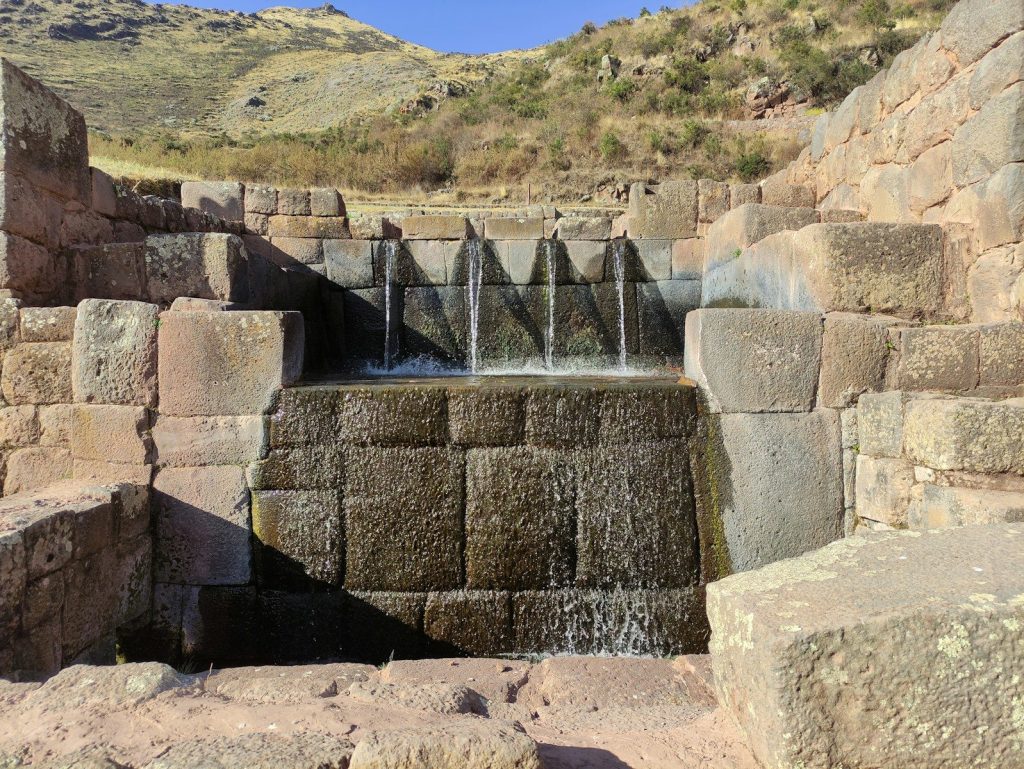
    a water fall in the middle of a stone wall
    Photo by Yuri Rodríguez Rodríguez on Unsplash

    A close inspection of the underground channels revealed several large stone blocks that operated as sliding gates. According to structural analysts, these blocks could be raised or lowered to regulate the water pressure. The seal was tight. This precise pressure control is what allowed the hydraulic elevators to move predictably. But finding where the water eventually escaped led to a surprising discovery.

    Massive Silt Settling Pools

    Step Pyramid of Djoser in Saqqara under restoration with clear blue sky.
    Photo by Tamer Soliman on Pexels

    A series of large rectangular depressions surrounds the ancient temple complex of Saqqara. According to a study published in PLOS One, these deep basins functioned as massive settling pools for the water system. They held sediment. This advanced filtration system prevented sand from clogging the delicate underground channels and valves. But tracing the ultimate source of this water network required satellite mapping.

    Mapping Prehistoric Desert Rivers

    Sand dunes with rows of planted vegetation and irrigation channels.
    Photo by Lok Kwan on Unsplash

    Modern radar imagery helped researchers map the prehistoric water flows across the desert. According to NASA geologists, a massive ancient river system once flowed directly through the region thousands of years ago. The desert was green. This abundant water source provided the constant flow required to run the heavy hydraulic elevators. But some traditional Egyptologists remain highly skeptical of these findings.

    A Masterful Engineering Legacy

    Sunlight streams into ancient stone temple corridor
    Photo by Tilak Teja on Unsplash

    The hydraulic elevator theory proves that ancient builders possessed a master grasp of physics and fluid mechanics. According to researchers, studying these forgotten water channels helps us appreciate the true scale of early human intelligence. Nature always surprises us. This article is for informational purposes only.

    Featured Image: Photo by Dario Morandotti on Unsplash

  • The Humanoid Robots Quietly Taking Over Factory Work

    The Humanoid Robots Quietly Taking Over Factory Work

    Most people assume that humanoid robots only exist in science fiction movies. We believe that walking machines are decades away from entering our daily lives.

    But a spectacular breakthrough in bipedal engineering is quietly changing the workplace. Next-generation humanoids are already marching straight onto active assembly lines.

    Designing Bipedal Machine Movements

    brown wooden ship wheel scale model
    Photo by Arif DALKIRAN on Unsplash

    Building a robot that balances on two legs presents an extreme physical challenge. According to engineers at Boston Dynamics, replicating the natural sway of human hips requires constant algorithmic adjustments. The math is incredibly complex. If a single sensor lags by a millisecond, the entire machine falls over instantly. But solving this balance problem was only the first step.

    The Custom Joint Actuators

    white sewing machine
    Photo by patricio davalos on Unsplash

    Traditional gears are far too rigid to handle the delicate movements of human limbs. According to reports from Tesla, developers had to design custom high-torque actuators to rotate the robot joints smoothly. They are remarkably powerful. This mechanical flexibility allows humanoids to lift heavy boxes and walk up steep staircases easily. But teaching these metal fingers to grip objects required another breakthrough.

    Mastering Tactile Hand Grips

    Mannequin hand holding delicate white lace fabric.
    Photo by Sou Jest on Unsplash

    Squeezing fragile glass or tools requires an incredibly responsive sensory system. According to materials science studies, advanced robotic hands now feature flexible pressure sensors that mimic human skin. They are highly sensitive. This real-time feedback allows the metallic fingers to adjust their grip automatically to avoid crushing delicate components. But guiding these limbs requires a highly advanced digital brain.

    Neural Networks Driving Bodies

    Photo by Brecht Corbeel on Unsplash

    No human programmer can write instructions for every variable in a busy factory. According to artificial intelligence developers, humanoids run on the same deep learning networks that power self-driving cars. The software learns constantly. This onboard intelligence allows the machine to navigate around unexpected obstacles without any human guidance. But introducing these mobile machines to the workforce raises serious safety questions.

    Safe Humanoid Coworker Mechanics

    Man working on a large 3D printed sculpture.
    Photo by Snapmaker 3D Printer on Unsplash

    Heavy factory machines are usually bolted down inside protective metal cages. According to safety engineering protocols, next-generation humanoids use force-limiting sensors to halt movement immediately upon touching a person. The shield is absolute. This safety feature allows humans and walking machines to work side-by-side on the same line. But the high cost of these machines remains a major obstacle.

    The Extreme Price Barrier

    white robotic arm in display showroom
    Photo by ZHENYU LUO on Unsplash

    Manufacturing advanced bipedal hardware currently requires spending hundreds of thousands of dollars per unit. According to robotics industry reports, high component costs prevent smaller businesses from adopting walking helpers. The barrier is high. But developers are racing to mass-produce the hardware to drop prices dramatically. But the long-term economic benefits are already driving a massive transition.

    Solving Global Labor Shortages

    A warehouse worker organizing parts in a storage facility with blue bins and a clipboard.
    Photo by GB The Green Brand on Pexels

    Many essential manufacturing and warehouse jobs remain completely unfilled across the globe. According to reports from the International Labor Organization, humanoids can fill these dangerous and repetitive physical roles easily. This is a massive shift. Automated workers will keep assembly lines running smoothly while humans handle creative management tasks. But the ultimate impact of this transition will soon reshape our economy.

    Rebuilding The Industrial Era

    a street light on a pole with a tree in the background
    Photo by Huiping Chen on Unsplash

    The rapid rise of walking robots represents a major milestone in our technological history. According to manufacturing historians, we are stepping into a future where manual labor is entirely optional. The machines are ready. This transition will redefine how we build products and manage resources forever. This article is for informational purposes only.

    Featured Image: Photo by Daniel Miksha on Unsplash

  • The Hidden American Cave Rewriting Modern Human Timelines

    The Hidden American Cave Rewriting Modern Human Timelines

    Most history textbooks state that early humans arrived in the Americas fifteen thousand years ago. We believe that ice age hunters were the very first pioneers to explore the continent.

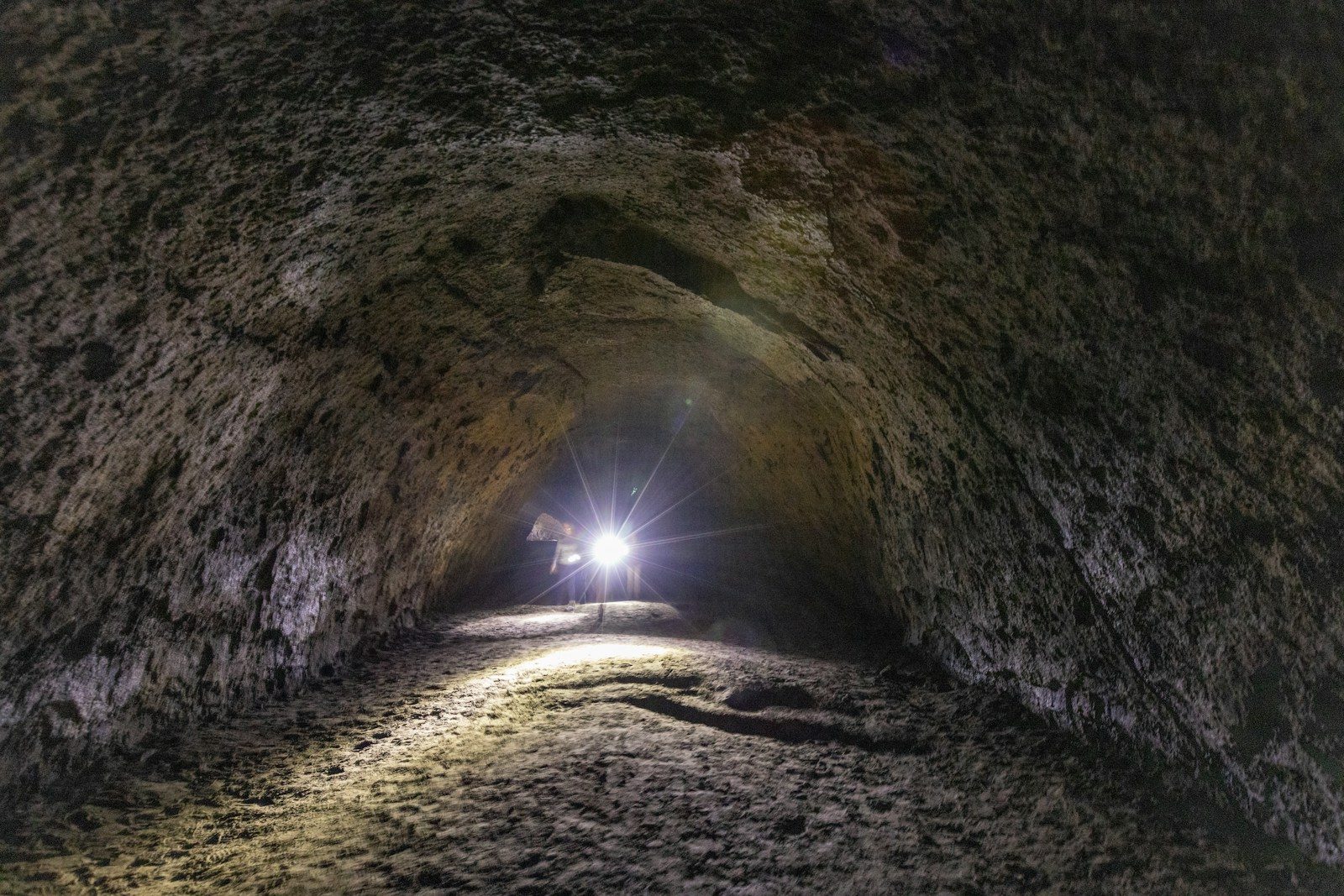
    But a spectacular discovery inside a dusty Oregon cave is completely breaking this historical timeline. Newly uncovered evidence suggests that humans occupied the continent far earlier than believed.

    Reaching Into The Past

    A winding river flows through a lush green valley.
    Photo by Dennis Zhang on Unsplash

    Deep in the dry hills of southern Oregon lies a monumental archaeological treasure. According to the Bureau of Land Management, this massive system of caves dates back over twelve thousand years. It is incredibly old. The raw data stunned researchers when they first analyzed the ancient sediment layers. But the real mystery centers on how primitive groups settled this rugged territory.

    The Ancient Biological Proof

    water droplets on black wooden surface
    Photo by Mason on Unsplash

    Excavators recovered fossilized organic material that turned out to be ancient human waste. According to a study published in Science, advanced radiocarbon tests dated these organic samples to over fourteen thousand years old. They were incredibly ancient. This dating proved that humans were living in the region long before the famous Clovis hunters arrived. But the team also needed to find the tools they used.

    Missing Stone Projectiles Found

    a bunch of knives are on display in a glass case
    Photo by Eyforis Lurt on Unsplash

    Sifting through the cave floor revealed highly unique stone weapon tips called Western Stemmed points. According to archaeological surveys, these hand-carved stone projectiles are completely different from the standard spears found across North America. They were highly lethal. This tool style suggests that a totally separate human culture was thriving in the region at the same time. But how these early travelers arrived is another puzzle.

    Traveling Along The Coast

    a rusted boat sitting on top of a rocky beach
    Photo by Bethany Reeves on Unsplash

    Traditional migration models suggest that ice age travelers walked through a narrow inland glacier corridor. According to coastal migration theories, early groups likely used simple wooden boats to navigate the Pacific shorelines instead. They were skilled sailors. This water route allowed them to settle in places like Oregon much faster than walking across the ice. But proving this sea route required checking the local climate.

    Surviving The Green Wetland

    Aerial view of a sheep herd grazing near a winding river in lush green fields of Ordu, Turkey.
    Photo by EYÜP BELEN on Pexels
    The dry Oregon desert was once a lush basin filled with deep lakes and grassy plains. According to geological climate models, these ancient wetlands supported massive herds of camels, horses, and mammoths. The food was abundant. This rich environment provided everything the early pioneers needed to survive and multiply. But this prehistoric paradise began to shift rapidly.

    The Vanishing Ice Age

    Abstract marbling pattern with green, purple, and beige hues.
    Photo by Logan Voss on Unsplash

    Dramatic shifts in global temperatures slowly turned the green wetlands into dry sagebrush plains. According to paleoclimatologists, the rapid drying forced many large animal species into extinction over several centuries. The lakes shrank. Human populations had to adapt their hunting tools and lifestyle to survive the new environment. But the physical traces they left behind survived the dry heat.

    Unlocking Pre-Clovis DNA

    Close-up of a sepia toned vintage map highlighting Russia and Siberia.
    Photo by Nothing Ahead on Pexels

    Modern genetic mapping of the cave samples has confirmed a direct connection to early Siberian populations. According to DNA studies, these genetic markers match some of the oldest human lineages in the Americas. The link is undeniable. This biological evidence successfully bridges the gap between Asian roots and early American history. But this discovery is also changing how we search for other ancient sites.

    A Redefined Historical Journey

    Bryce Canyon, Utah
    Photo by Matthias Cooper on Unsplash

    The discoveries inside the Oregon caves prove that early human history is far more complex than textbooks show. According to archaeologists, our ancestors were brave explorers who conquered a dynamic, changing world. They were highly adaptive. This article is for informational purposes only.

    Featured Image: Photo by Mick Haupt on Unsplash

  • The Ancient Mountain Basin Holds Most of the Earth’s Gold

    The Ancient Mountain Basin Holds Most of the Earth’s Gold

    Most geologists assume that precious gold deposits are scattered evenly across our planet’s crust. We believe that no single geographic location can dominate global mineral wealth.

    But an ancient mountain basin in South Africa holds a nearly impossible concentration of treasure. Its deep rock layers contain almost half of all the gold ever mined in human history.

    The Giant Golden Ring

    Mineral deposits and water flow in a natural landscape.
    Photo by Zihao Wang on Unsplash

    Exploring the Witwatersrand Basin reveals a massive geological formation stretching across hundreds of miles. According to reports from the South African Council for Geoscience, this ancient basin formed over two billion years ago. The wealth is staggering. Over several decades, miners extracted thousands of metric tons of precious metal from these deep veins. But the exact origin of this treasure sparked a massive scientific debate.


    Rain of Celestial Metal

    Stunning image of a colorful space nebula with stars in the background.
    Photo by Marek Pavlík on Pexels

    Some geologists suggest that a massive meteorite impact delivered the colossal golden riches to the region. According to planetary impact studies, a giant space rock crashed into the basin shortly after it formed. The shock was intense. This cosmic event could have shattered the crust and concentrated existing precious ores deep underground. But other researchers found a much slower explanation.

    Rivers Draining Ancient Alps

    Aerial view of a large island in a blue lake
    Photo by Alexander Gluschenko on Unsplash

    A different theory argues that ancient rivers slowly washed the gold down from massive mountain ranges. According to sedimentologists, prehistoric rivers spent millions of years eroding highly concentrated gold veins from nearby peaks. The water was persistent. This slow flow deposited the heavy metal into a massive shallow lake bed that eventually turned to solid stone. But proving this river theory required looking inside the microscopic rock.

    Microscopic Golden Bubbles

    a close up of a rock on a black background
    Photo by Dulcey Lima on Unsplash

    High-powered microscopes revealed that the gold is bound together by microscopic organic structures. According to a study published in Nature Geoscience, prehistoric microbes played a vital role in trapping the heavy metal. They were incredibly tiny. These primitive organisms acted like chemical sponges to pull dissolved gold straight out of the ancient water currents. But these gold-rich layers are sinking deeper into the earth.

    Under Crushing Deep Pressure

    person sitting in tunnel near yellow turned on lamp
    Photo by david carballar on Unsplash

    Extracting this treasure requires mining deeper into the hot crust than anywhere else on the globe. According to operational logs from Mponeng Gold Mine, workers travel over two miles beneath the surface to reach the richest veins. The heat is brutal. Specialized cooling systems are required to keep the air safe for human survival at these extreme depths. But the total value of the remaining gold remains astronomical.

    Half A Trillion Remaining

    Close-up of robotic arm automating lab processes with precision.
    Photo by Youn Seung Jin on Pexels

    Financial analysts believe that billions of dollars in gold still sit untouched inside the deep rocky basin. According to market estimates, the remaining reserves could exceed five hundred billion dollars in value. The potential is limitless. But reaching these deep pockets requires developing highly advanced robotic drilling technology. But this extreme mining push has raised serious environmental safety questions.

    Balancing Wealth And Planet

    Yosemite National Park, California
    Photo by Cosmic Timetraveler on Unsplash

    Managing these deep geological reserves requires a careful balance between resource extraction and environmental protection. According to environmental geologists, protecting local aquifers from mining chemical spills remains absolutely vital. We must be careful. This article is for informational purposes only and does not constitute scientific or professional advice.

    Featured Image: Photo by Pix Tresa on Unsplash

  • The Sealed Ice Age Cave Hiding Impossible Ancient Tools

    The Sealed Ice Age Cave Hiding Impossible Ancient Tools

    Most historians assume that early humans only possessed the skills to shape basic stones. We believe that prehistoric survival relied on crude handaxes and shattered rocks.

    But a recently unsealed cavern in Europe is forcing experts to question our entire evolutionary timeline. Deep inside this ancient tomb lies a collection of highly precise objects that bypass human handiwork.

    The Untouched Subterranean Vault

    brown rock formation during daytime
    Photo by Bradley Dunn on Unsplash

    Exploring a deep limestone fissure led researchers to an incredibly surprising subterranean discovery. According to reports from the French National Center for Scientific Research, a massive rockfall sealed this dark chamber over fifty thousand years ago. The air was dead. This absolute isolation preserved the fragile floor in its original state. But scientists quickly noticed something that did not belong in that primitive era.

    Flawless Microscopic Symmetry

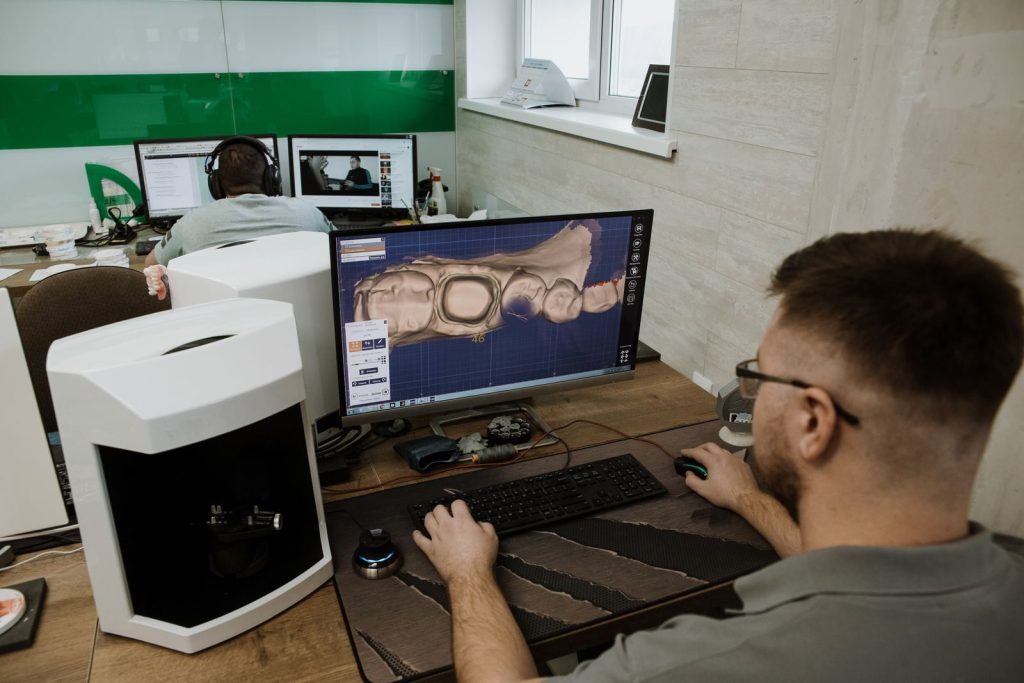
    Back view of anonymous male programmer sitting at table and creating 3d model of teeth while working in modern dental laboratory
    Photo by Ivan Babydov on Pexels

    High-tech scanners revealed that the strange tools possessed perfect geometric proportions. According to archaeological micro-wear studies, the objects show absolutely zero signs of erratic human carving. They are perfectly smooth. The lack of standard tool marks suggests that these items were shaped by an advanced manufacturing method. But the chemical composition of the stone was even more baffling.

    Impossible Thermal Fingerprints

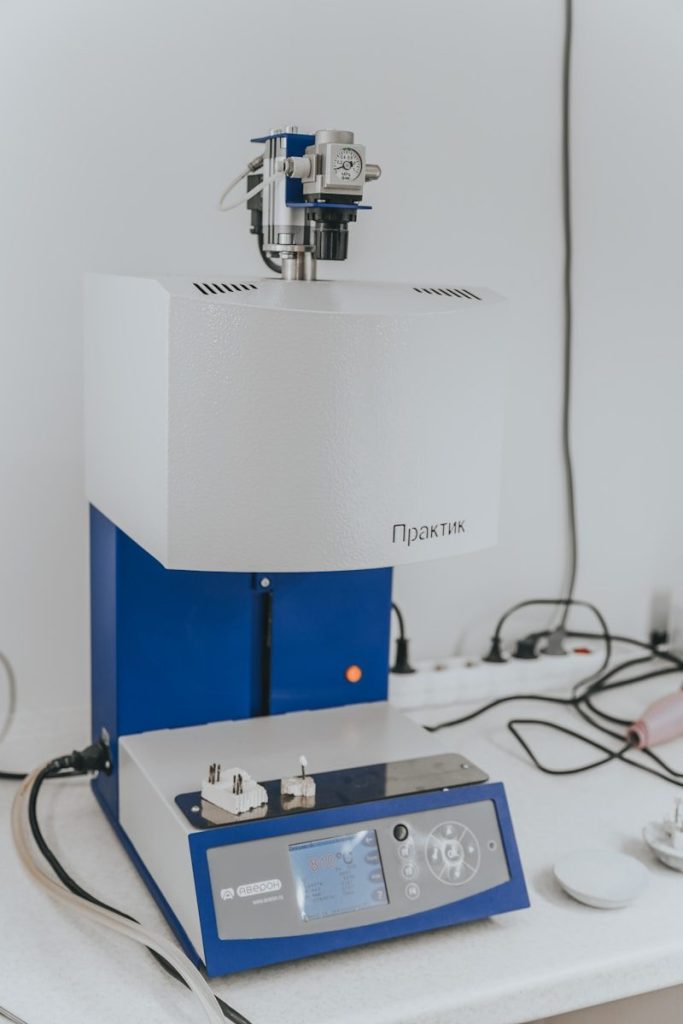
    white and blue digital device on white surface
    Photo by Mitya Abrosimov on Unsplash

    Laboratory testing showed that the rocks underwent extreme heating during their creation. According to mineral analysts at the University of Paris, the crystalline structures inside the tools were forged at temperatures exceeding one thousand degrees. It was incredibly hot. No known early hominid possessed the technology to control such intense heat sources. And the mystery deepened when experts began looking for the actual builders.

    Tracing The Ghost Builders

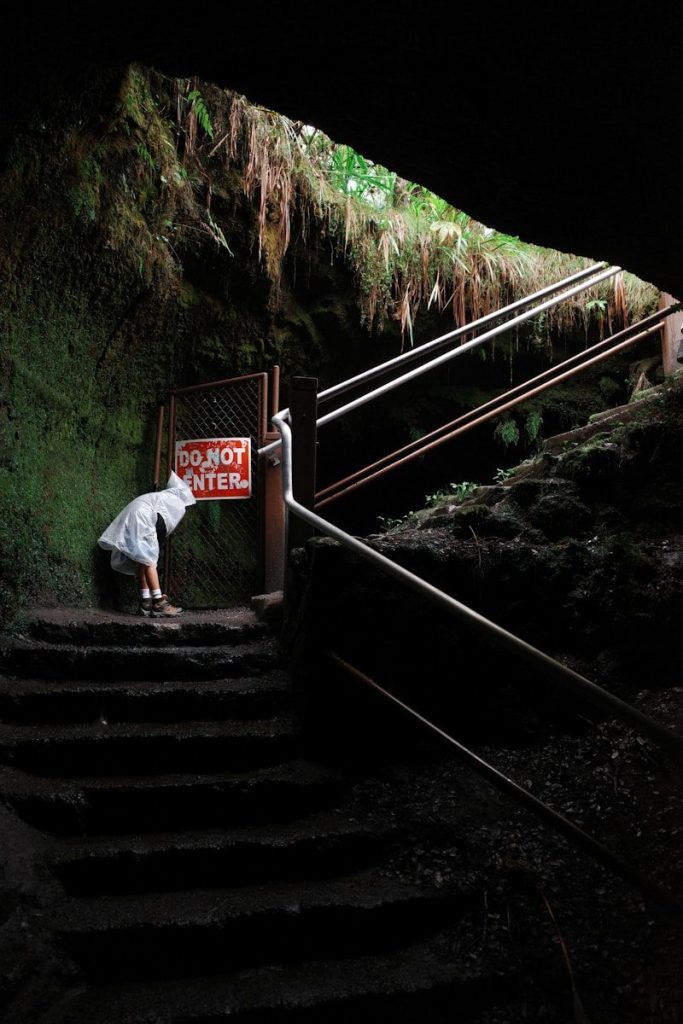
    Child peeks through a gate at cave entrance
    Photo by Liosha Shyp on Unsplash

    Excavating the entire cave floor yielded a highly puzzling biological result. According to forensic anthropologists, the team found absolutely no fossilized bones or organic matter from prehistoric humans. The vault was empty. This total absence of skeletal remains suggests that the creators did not live in the cavern. But a surprising discovery on the rock walls offered a brand new clue.

    Cryptic Geometric Codes

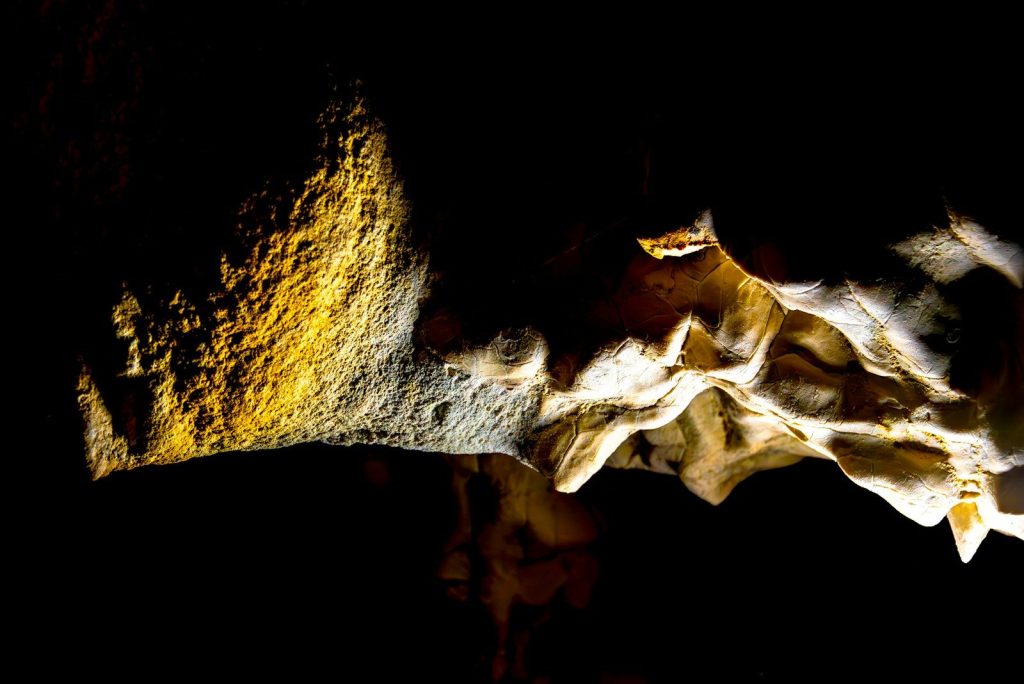
    Cave formations illuminated by dramatic lighting
    Photo by Philippe BONTEMPS on Unsplash

    Light mapping technology revealed faint geometric patterns carved high above the tool site. According to digital epigraphers, these symbols display a complex mathematical language that predates any known writing system. The shapes were dazzling. This highly organized layout suggests that the builders possessed a deep grasp of spatial relationships. Yet scientists were still struggling to identify the intelligence behind these carvings.

    An Unidentified Prehistoric Cousin

    a black and white photo of various mri images
    Photo by National Cancer Institute on Unsplash

    Evolutionary pathways might hold the final answer to this deep archaeological puzzle. According to research published in Nature, unrecognized human relative groups like the Denisovans possessed highly sophisticated mental abilities. They were highly capable. This advanced cognitive skill might explain how these incredible artifacts were designed and executed. But the team still needed to reconcile the extreme age of the geological layers.

    Redefining Our Ancient Roots

    a man standing on top of a wooden ramp
    Photo by wu yi on Unsplash

    This pristine cave forces us to reconsider the intellectual landscape of prehistoric Earth. According to modern geologists, our ancestors shared the planet with highly intelligent species capable of advanced crafting. The past remains open. This realization is pushing research teams to search for other lost industrial sites across the region. But one final detail about the tools would reveal their true age.

    The Final Chronological Verdict

    Red rock formations and desert landscape at sunrise
    Photo by Nathan Foster on Unsplash

    Advanced testing has locked the timeline of these artifacts into a secure window. According to the French National Center for Scientific Research, these items prove that prehistoric technology was far more advanced than modern humans assume. Our history is fluid. This article is for informational purposes only.

    Featured Image: Photo by Jonathan Kemper on Unsplash

  • The Carbon Wrapped Motor Defying Laws of Physics

    The Carbon Wrapped Motor Defying Laws of Physics

    Most electric car owners assume that electric motors are already built to their maximum mechanical limits. We believe that standard copper and steel rotors cannot spin any faster.

    But a radical engineering breakthrough has completely shattered this physical ceiling. A highly advanced motor utilizes an ultra-thin carbon fiber wrap to prevent the engine from tearing itself apart.

    The Centrifugal Force Threat

    Close-up of a neon light tube with motion blur.
    Photo by Hansheng Zhao on Unsplash

    Spinning a metal rotor at high speeds generates massive outward physical pressures. According to mechanical engineering reports, standard copper rotors begin to expand and deform at fifteen thousand revolutions per minute. The metal stretches. This slight deformation destroys the magnetic gap inside the motor and triggers a catastrophic engine failure. But stopping this metal expansion requires an incredibly strong structural sleeve.

    Wrapping In Carbon Fiber

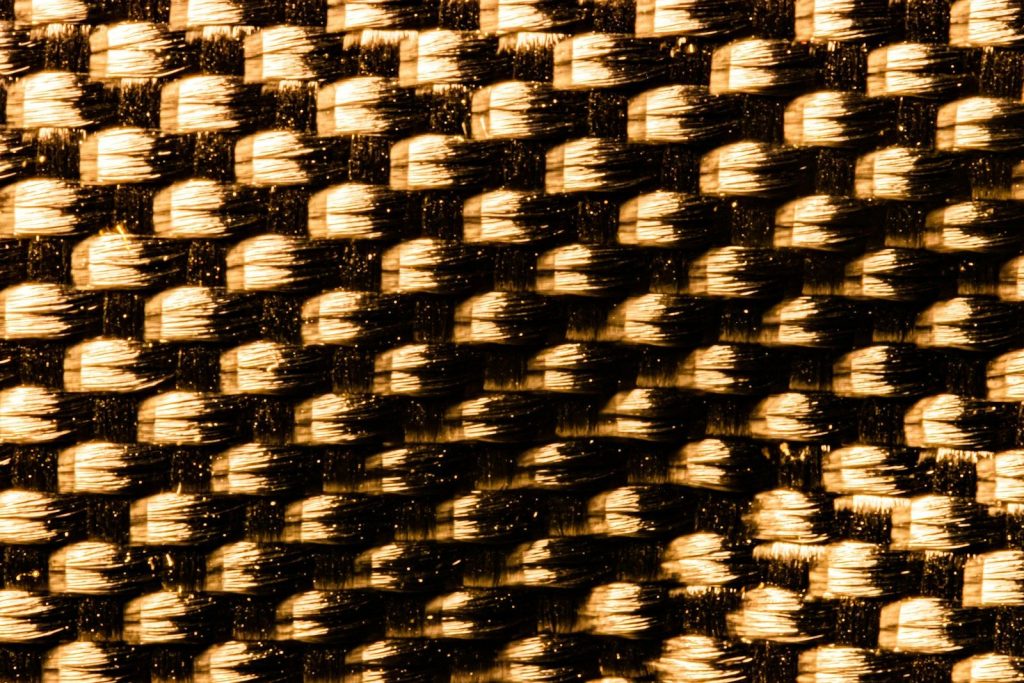
    brown and black woven textile
    Photo by Lucas Santos on Unsplash

    Engineers solved the expansion problem by wrapping the copper rotor in high-strength carbon thread. According to materials science studies, carbon fiber possesses an incredible tensile strength that easily resists outward pressures. The hold is tight. This lightweight sleeve prevents the copper from expanding even a millimeter during high-speed runs. But wrapping this thread tightly around the metal core required a specialized manufacturing machine.

    The High Tension Winders

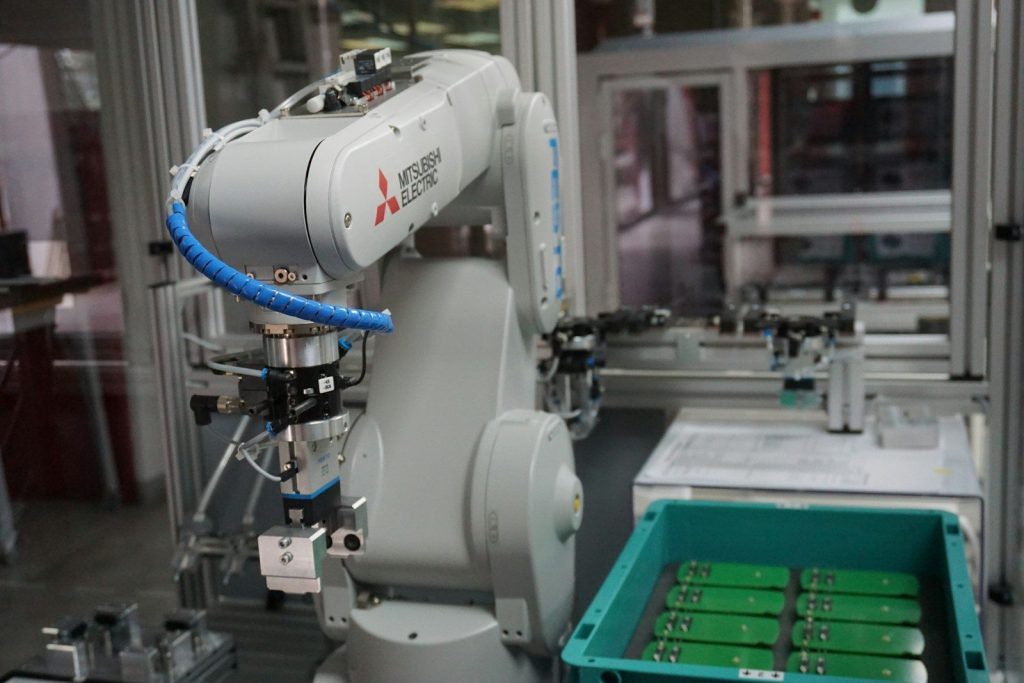
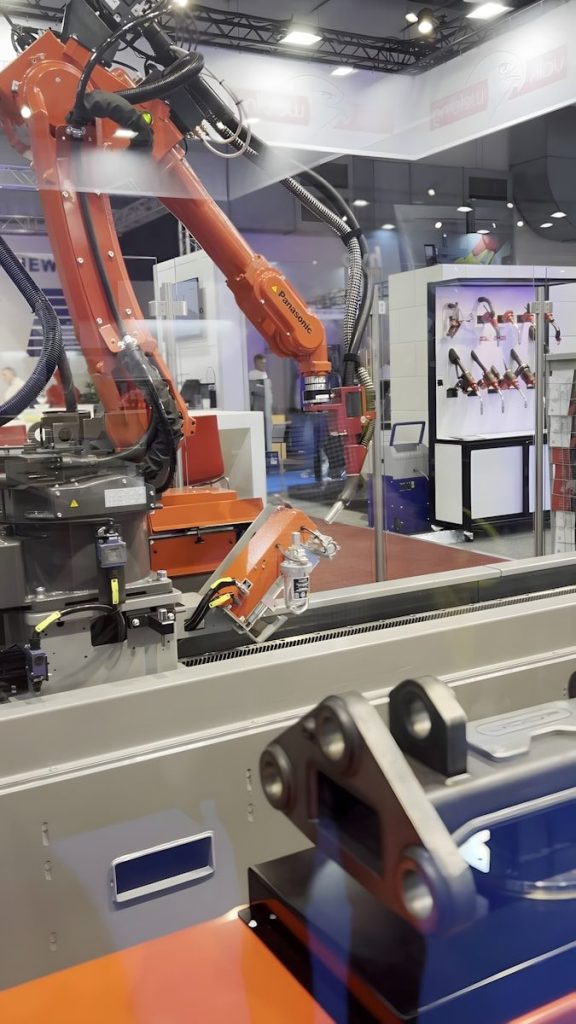
    An industrial robot is working inside.
    Photo by Oso-rio on Unsplash

    Applying carbon thread requires winding the material under immense physical tension to ensure stability. According to automotive manufacturing logs, specialized robotic arms wind the carbon fiber directly onto the rotor core. The process is precise. Any loose thread would quickly unravel and destroy the motor when it reaches maximum speed. But this carbon sleeve also introduces a highly unusual magnetic advantage.

    Shrinking The Magnetic Gap

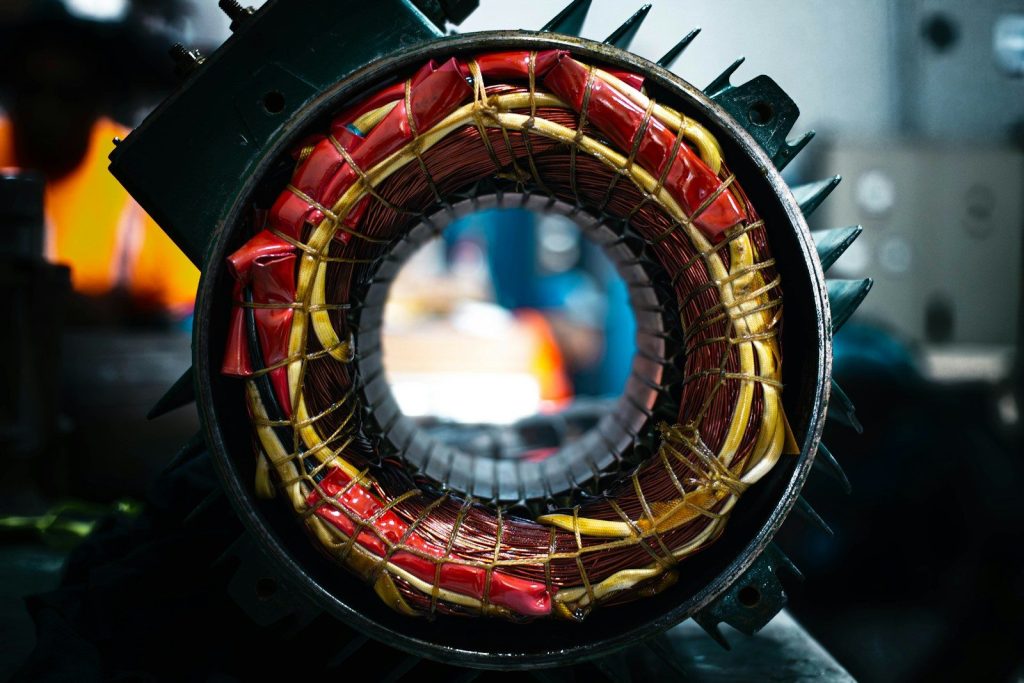
    a close up of a circular object on a table
    Photo by Troy Winther on Unsplash

    Traditional steel sleeves are thick and require a wide space between the rotor and stator. According to electromagnetic physics papers, the ultra-thin carbon wrap allows the magnetic fields to sit much closer together. The efficiency skyrockets. This tight magnetic gap increases the total torque and power output of the motor significantly. But managing this intense rotational energy requires a highly advanced electrical controller.

    The High Frequency Inverter

    a close-up of a circuit board
    Photo by Anne Nygård on Unsplash

    Feeding a constant electrical current to a motor spinning at twenty thousand RPM is incredibly difficult. According to silicon hardware trials, the motor uses specialized power transistors to switch current thousands of times per second. The timing is perfect. This rapid power delivery prevents the motor from losing momentum during hard acceleration. But this extreme performance has a surprising impact on passenger comfort.

    Silencing Cosmic Motor Whine

    Detailed view of a vehicle's steering wheel with sunlight casting shadows inside the car.
    Photo by James Collington on Pexels

    Standard high-speed electric motors produce a highly loud and annoying high-frequency scream. According to cabin acoustic reports, the carbon-wrapped rotor operates with almost zero physical vibration or wind noise. The cabin is silent. This quiet operation allows hypercars to achieve record-breaking speeds without disrupting the passenger experience. But the engineering lessons from this motor are already reshaping other industries.

    Unlocking Next Generation Transport

    train station during daytime
    Photo by 孙 铭泽 on Unsplash

    Mastering carbon-wrapped rotor technology is paving the way for ultra-efficient industrial machinery and aerospace propulsion. According to transit history experts, this engineering shift will redefine high-speed transportation limits forever. The race is on. This durable design allows us to build powerful electric motors that are lighter and more efficient than ever before. This article is for informational purposes only.

    Featured Image: Photo by Daniel Miksha on Unsplash

  • The Radioactive Diamond Batteries That Run For Centuries

    The Radioactive Diamond Batteries That Run For Centuries

    Most portable device owners assume that batteries will always require frequent recharging from a wall outlet. We believe that chemical decay forces all power packs to eventually die.

    But a revolutionary nuclear battery design is challenging this permanent energy limit. These microscopic diamond devices harvest power from decaying radioactive waste to run for thousands of years.

    Inside The Carbon Core

    a picture of a bunch of rocks in the dark
    Photo by Sofi Cervantes on Unsplash

    Standard lithium batteries rely on chemical reactions that slowly degrade over a few years. According to materials science reports, beta-voltaic batteries use radioactive isotopes locked inside synthetic diamonds to generate constant energy. They are extremely stable. This unique atomic setup directly converts nuclear decay particles into a steady stream of electricity. But harvesting this radiation safely requires an incredibly strong crystalline shield.

    The Indestructible Diamond Shield

    a machine in a room
    Photo by RephiLe water on Unsplash

    Diamonds are the hardest known natural material on Earth and offer absolute physical protection. According to nuclear safety journals, the outer synthetic diamond structure blocks all harmful radiation from escaping. The protection is passive. This ensures the battery remains completely safe for human contact while operating in daily electronics. But creating these synthetic energy blocks requires sourcing nuclear waste.

    Recycling Leftover Reactor Waste

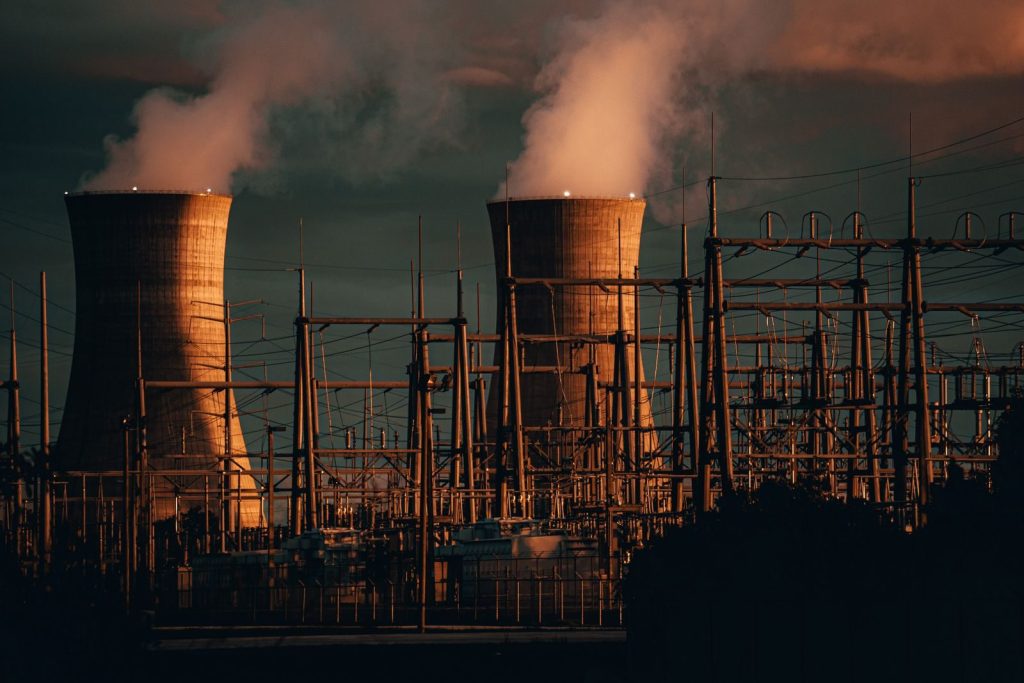
    A nuclear power plant's cooling towers emit steam at sunset, highlighting industrial infrastructure.
    Photo by Kyle Miller on Pexels

    Our raw fuel for these long-lasting batteries comes directly from old nuclear power generators. According to public utility files, designers harvest radioactive carbon isotopes from the waste graphite blocks of retired reactors. The source is abundant. This recycling process turns a dangerous environmental hazard into a highly valuable energy source. But generating enough current to power large devices remains a major hurdle.

    The Micro Watt Current Limit

    a couple of electronic devices sitting on top of a table
    Photo by Axel Richter on Unsplash

    Decaying carbon isotopes release energy slowly to ensure the battery lasts for several centuries. According to electronics engineering studies, this slow decay produces a highly constant but very low electrical current. The flow is tiny. This micro-power limit means a single diamond cell cannot run a heavy smartphone on its own. But engineers are developing a clever way to stack these cells.

    Stacking Cells In Series

    A picture of a purple and blue object
    Photo by Steve A Johnson on Unsplash

    Combining thousands of microscopic diamond layers allows developers to multiply the total voltage output. According to battery design reports, these stacked arrays can be paired with small capacitors to store energy. The power accumulates. This setup can release sudden bursts of high current whenever the device requires extra power. But this constant charging cycle raises unique questions for electric vehicles.

    Powering Future Space Probes

    a jet flying through the air next to a full moon
    Photo by Iván Díaz on Unsplash

    Deep space missions traveling far from the sun cannot rely on standard solar panels. According to aerospace engineering logs, diamond batteries are ideal for running delicate navigation computers on interstellar probes. They never freeze. This reliable power source ensures the vehicle remains functional during centuries of travel through the absolute dark. But some automotive developers are looking at this tech for cars.

    The Infinite Car Battery

    electric vehicle charger plugged into car
    Photo by CHUTTERSNAP on Unsplash

    Using nuclear batteries in consumer vehicles could theoretically eliminate the need for charging stations entirely. According to automotive industry analysts, these diamond packs could trickle-charge a car’s main battery continuously while parked. The charging is constant. This hybrid setup would ensure the vehicle always has range without ever needing to plug into the grid. But proving this technology is safe for daily driving requires rigorous testing.

    A Century Of Safe Power

    Capture of a vibrant cityscape with sun glare and a clear blue sky, showcasing modern urban architecture.
    Photo by Flickr on Pexels

    Mastering beta-voltaic energy is the ultimate key to unlocking maintenance-free personal electronics and transport. According to clean energy researchers, nuclear batteries will eventually redefine our relationship with electricity. The future is bright. This transition will allow humanity to operate devices for generations without draining natural resources. This article is for informational purposes only.

    Featured Image: Photo by Towfiqu barbhuiya on Pexels