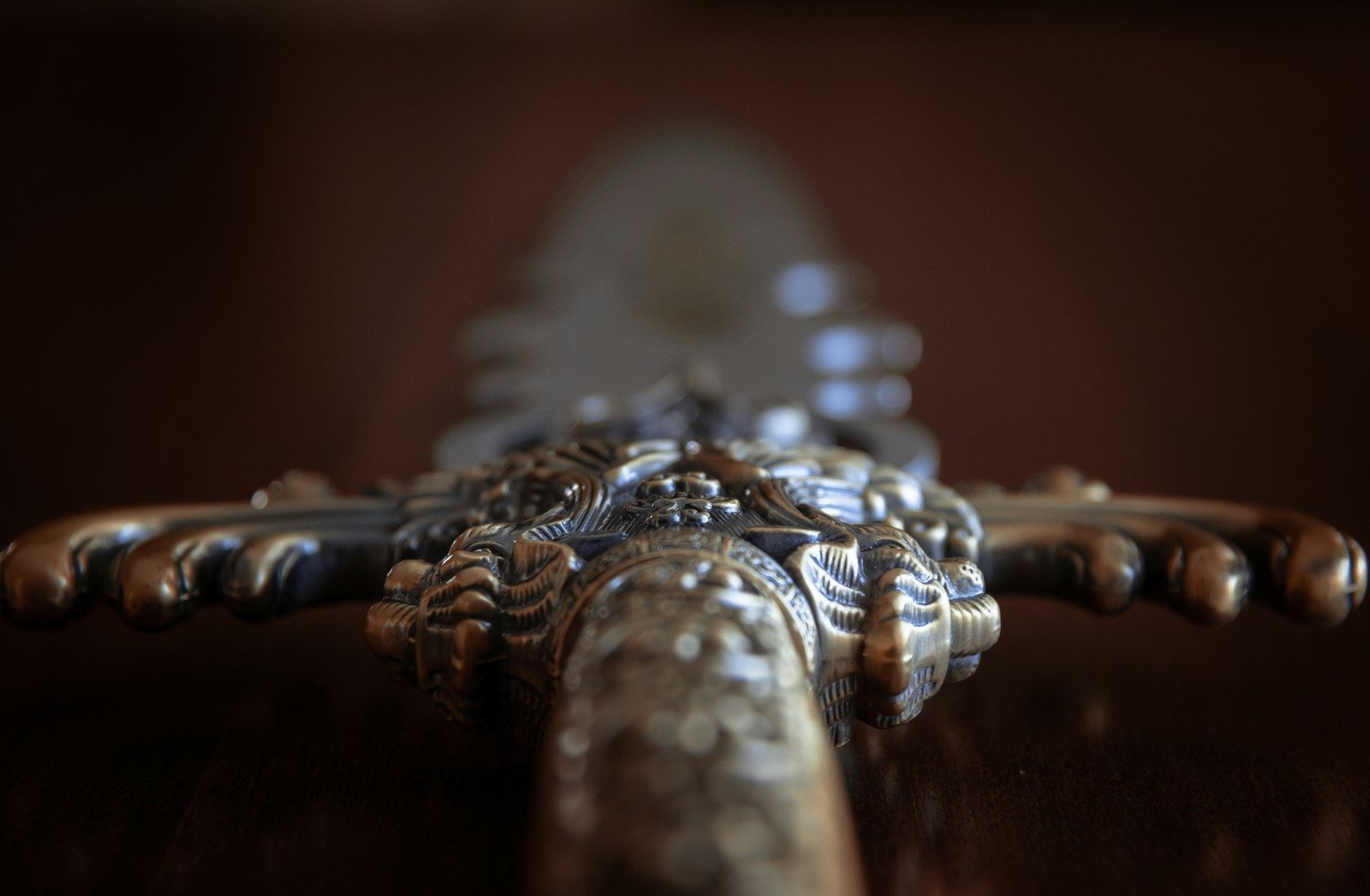
Most history lovers assume that ancient Egyptian craftsmen only worked with basic metals like copper and bronze. We believe that advanced iron metallurgy was entirely unknown until the rise of later empires.
But a spectacular dagger discovered inside the tomb of King Tut has completely shattered this timeline. Modern scientific scans have proved that this royal weapon originated from deep space.
The Lucky Tomb Discovery
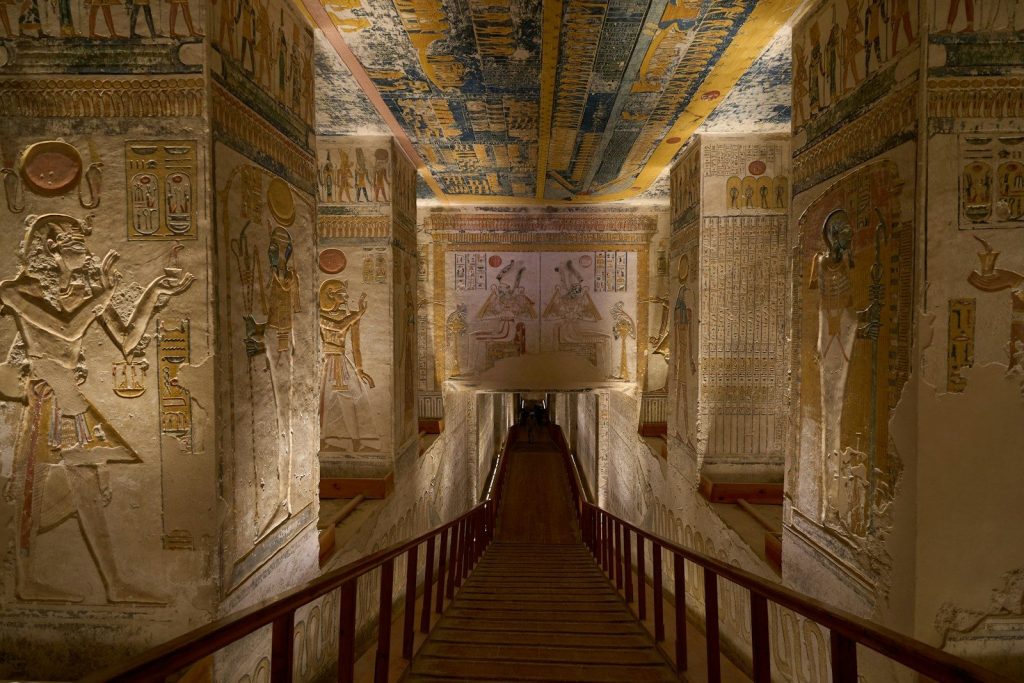
An elite excavation team exploring the Valley of the Kings uncovered a wealthy burial vault in 1922. According to historical archives, archaeologist Howard Carter spent years cataloging the pristine treasures. The wealth was staggering. Among the golden artifacts lay an ornate iron dagger that showed absolutely zero signs of rust. But this clean metal surface hid a highly bizarre molecular secret.
ifting Through Iron Crystals

The preservation of the iron blade baffled researchers who expected to find crumbling orange rust. According to a study published in Meteoritics and Planetary Science, scientists used X-ray scanners to analyze the metal. The results were shocking. The blade contained high levels of nickel and cobalt. But this specific chemical blend does not occur in standard Earth iron ores.
Sourcing From Fallen Stars

The unique ratio of nickel and cobalt is a definitive fingerprint of iron meteorites. According to planetary geologists, the royal dagger was forged from a space rock that crashed into the desert. The metal fell from above. This discovery proved that ancient blacksmiths were actively harvesting meteors to create precious weapons. But how they managed to shape this hard metal remains a puzzle.
Impossible Bronze Age Heat
Forging iron requires temperatures exceeding 1500 degrees Celsius, which bronze age furnaces could not reach. According to structural engineers, early artisans likely used a cold-working technique to hammer the meteorite metal. The work was intense. This delicate process required extreme skill to prevent the rare space metal from cracking. But the Egyptians had a highly specific name for this iron.
Iron From The Sky
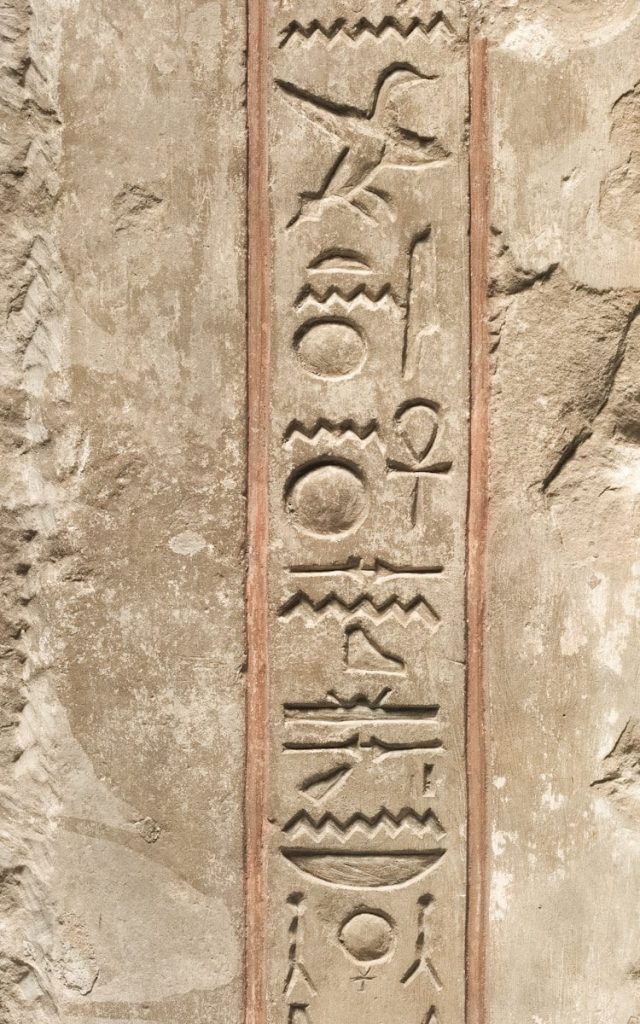
Ancient hieroglyphic texts from the era begin using a new term that translates directly to iron from the sky. According to classical historians, the Egyptians believed that these fallen stones were literal gifts from the gods. The connection was sacred. This explains why the space dagger was placed directly next to the mummified king. But this royal weapon was not the only space artifact.
The Cosmic Scarab Amulet
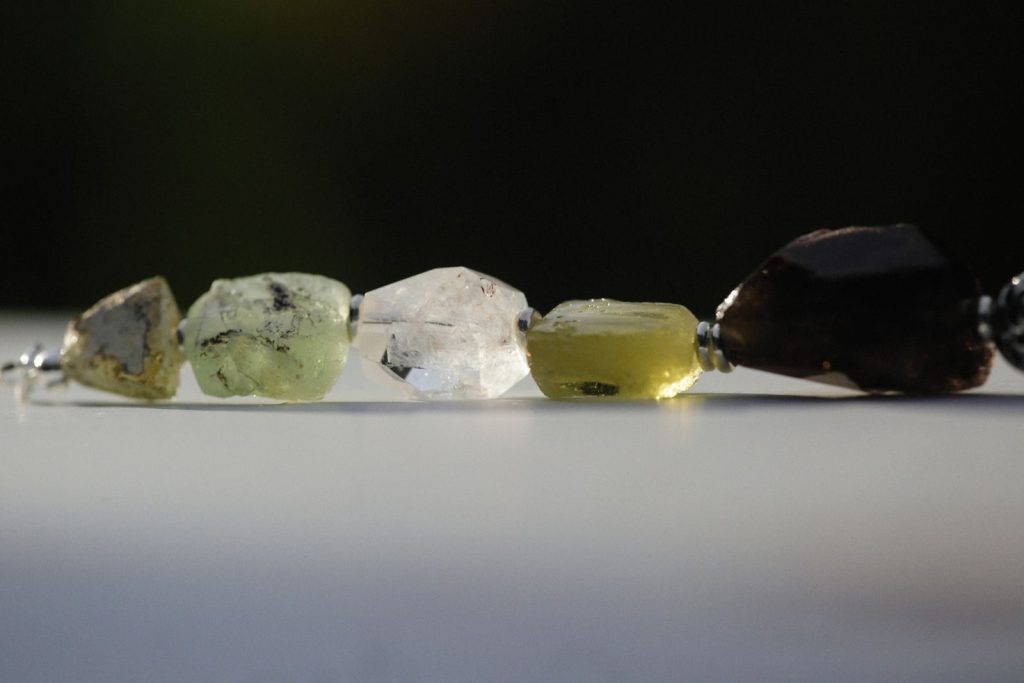
A beautiful yellow gemstone set in the king’s pectoral jewelry also had a cosmic origin. According to mineral analysts, the translucent scarab was carved from Libyan desert glass. The glass is ancient. This rare silica formed when a massive meteorite exploded over the sand dunes millions of years ago. But tracing these cosmic items is rewriting our view of ancient trade.
Mapping Prehistoric Trade Networks

The specific meteorite used for the dagger blade matches a fallen rock located hundreds of miles away. According to archaeological surveys, the space iron was likely traded across vast distances before reaching the royal court. The routes were active. This proves that early empires possessed incredibly complex supply channels. But the ultimate legacy of these cosmic treasures continues to inspire.
Decoding Our Ancient Past

The space dagger of King Tut proves that ancient societies were highly resourceful and technologically adaptive. According to researchers, studying these space metal artifacts helps us understand the true limits of early human engineering. The soil holds secrets. This article is for informational purposes only.
Featured Image: Photo by Vlad Markov on Unsplash
Leave a Reply