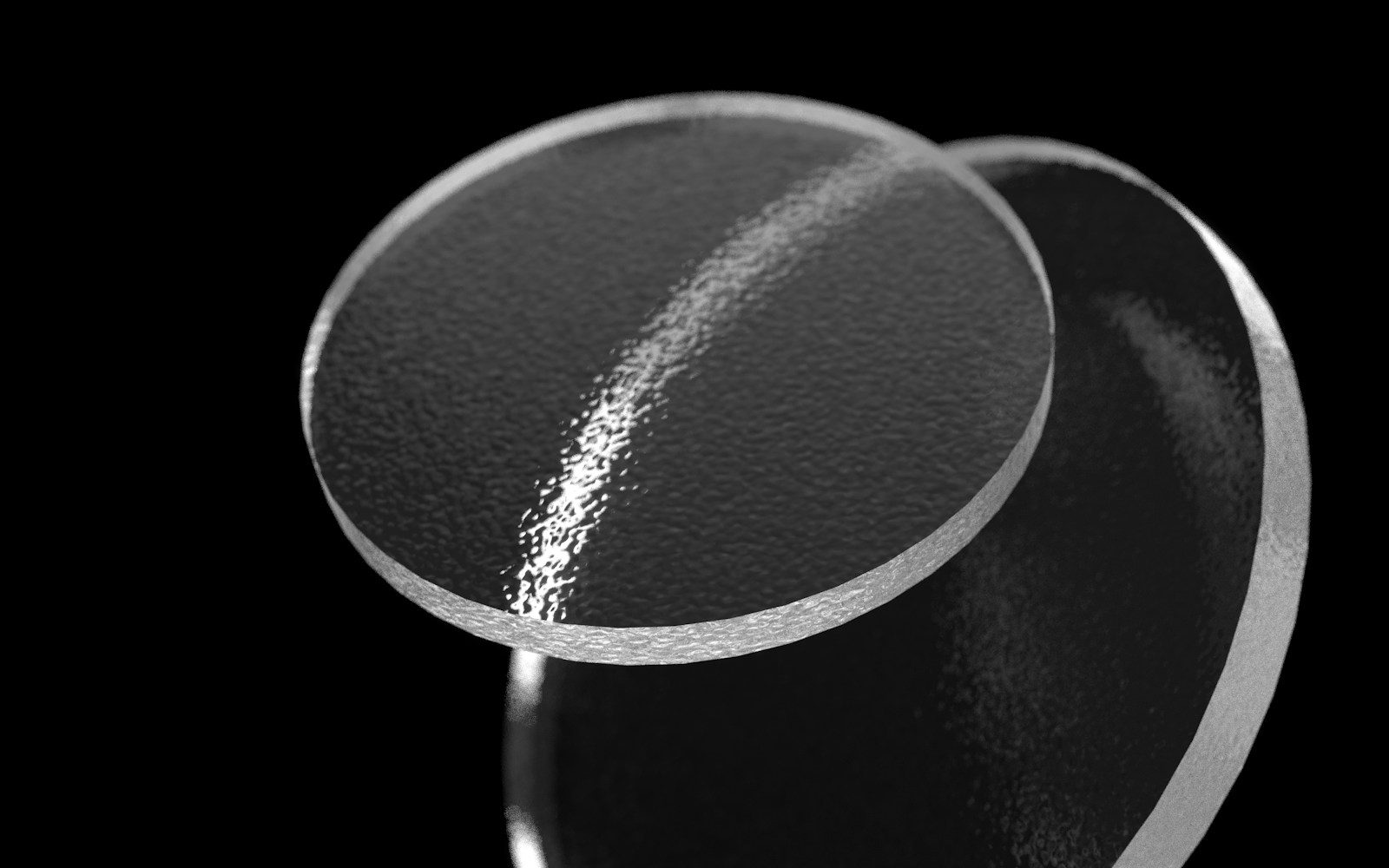
Most tech enthusiasts assume that durable smartphone glass has reached its absolute physical limits. We believe that current screens are as tough as modern engineering can possibly make them.
But a breakthrough in atomic glass structure is challenging this material constraint. Engineers have designed an ultra-tough glass alloy that can survive extreme real-world impacts.
The Search For Durability
Creating transparent materials that resist shattering has been a major goal for mobile developers. According to reports from material science laboratories, standard silicate glass breaks easily because microscopic cracks spread rapidly under pressure. The stress kills. Engineers must alter the atomic structure of the material to stop these cracks from expanding. But finding the right molecular formula required a radical approach.
Shifting The Molecular Grid

Standard glass relies on a highly rigid crystalline structure that offers very little flexibility during impacts. According to structural engineers, modifying the molecular grid allows the material to absorb shock waves instead of resisting them. The glass bends. This unique chemical layout mimics the shock-absorbing qualities of natural organic structures. But testing this flexible alloy required exposing it to extreme forces.
The Famous Heavy Test
The early public trials of this advanced glass material yielded some highly surprising results for onlookers. According to automotive test reports, designers hurled heavy steel balls directly at the window prototype to prove its strength. The crowds gasped. While the original demo faced unexpected flaws, the underlying science proved highly durable. But scientists still needed to explain how the atoms behaved during the impact.
Absorbing The Energy

The secret behind the strength lies in how the material disperses physical force across its surface. According to physics studies, the glass contains highly compressed outer layers that actively push back against incoming kinetic energy. It fights back. This compression prevents the energy from concentrating in a single vulnerable point. But manufacturing this pressurized glass required a specialized thermal process.
The Chemical Bath
Strengthening the material involves submerging the hot glass into a specialized molten potassium bath. According to chemical technicians, this immersion forces larger potassium ions to replace the smaller sodium ions near the surface. The atomic grid tightens. This chemical substitution creates a dense protective layer that resists deep scratches. But this hardened shield introduces a new design challenge.
The Curving Problem
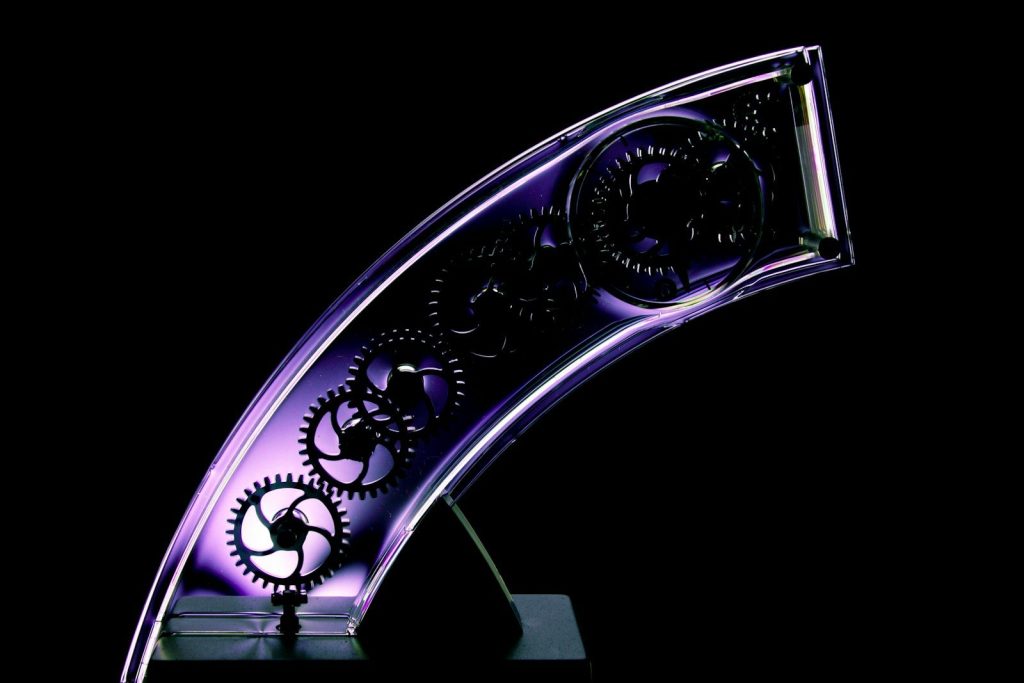
Durable glass is incredibly difficult to shape into elegant curves for modern portable devices. According to manufacturing logs, applying extreme heat to bend the glass often weakens the protective compression layer. The structure warps. Designers had to invent specialized cooling rigs to maintain material strength during the shaping process. But this complex engineering process is already starting to pay off.
Smarter Device Screens
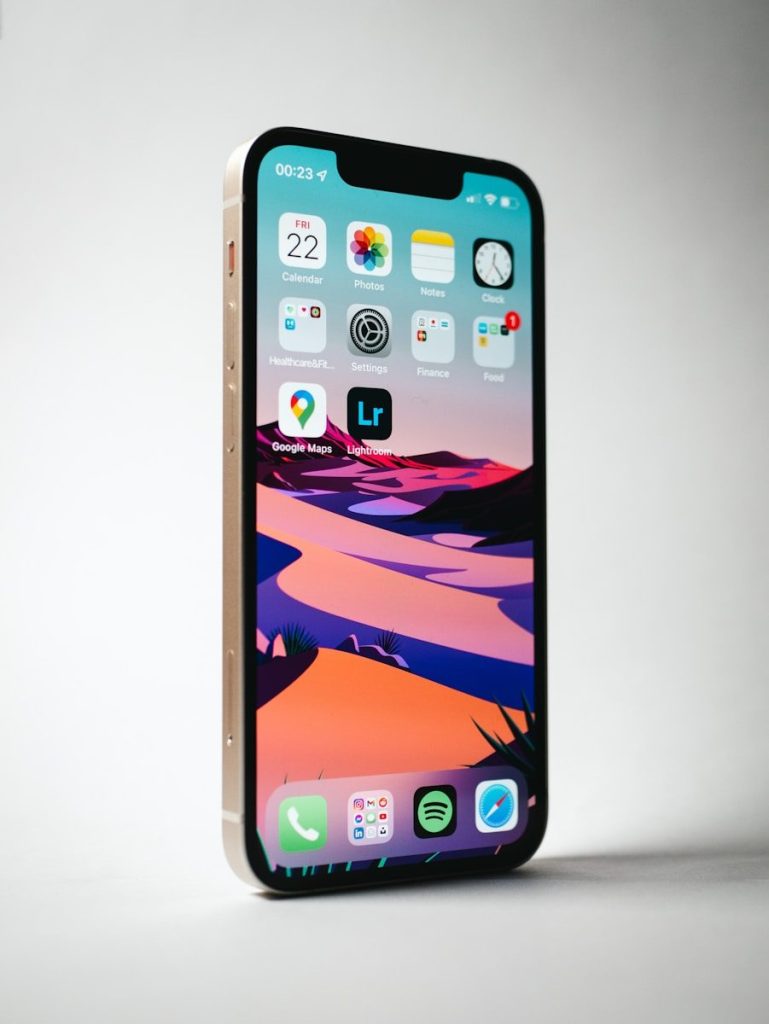
This advanced glass tech could soon make broken screens a thing of the past for consumers. According to industry analysts, applying these shock-absorbing materials to mobile phones will significantly reduce daily accidental damage. The savings are massive. This durable design could soon become the standard for all personal electronics. But the future of material science goes far beyond simple devices.
A Shield For Tomorrow

Understanding how to manipulate transparent materials at the molecular level is redefining human engineering limits. According to developers, this durable glass will soon protect everything from deep-sea vessels to aerospace structures. Innovation is unstoppable. This article is for informational purposes only.
Featured Image: Photo by Mehdi Mirzaie on Unsplash
Leave a Reply