Blog

  • How a Rejected Scientific Theory Completely Rewrote Earth History

    How a Rejected Scientific Theory Completely Rewrote Earth History

    Most students assume that major scientific discoveries are immediately accepted by the academic community. We believe that logical evidence always wins over old beliefs without any struggle.

    But the theory of continental drift faced decades of absolute mockery before proving to be entirely correct. This historic scientific battle forever changed how we see the ground beneath our feet.

    The Puzzle Of Continents
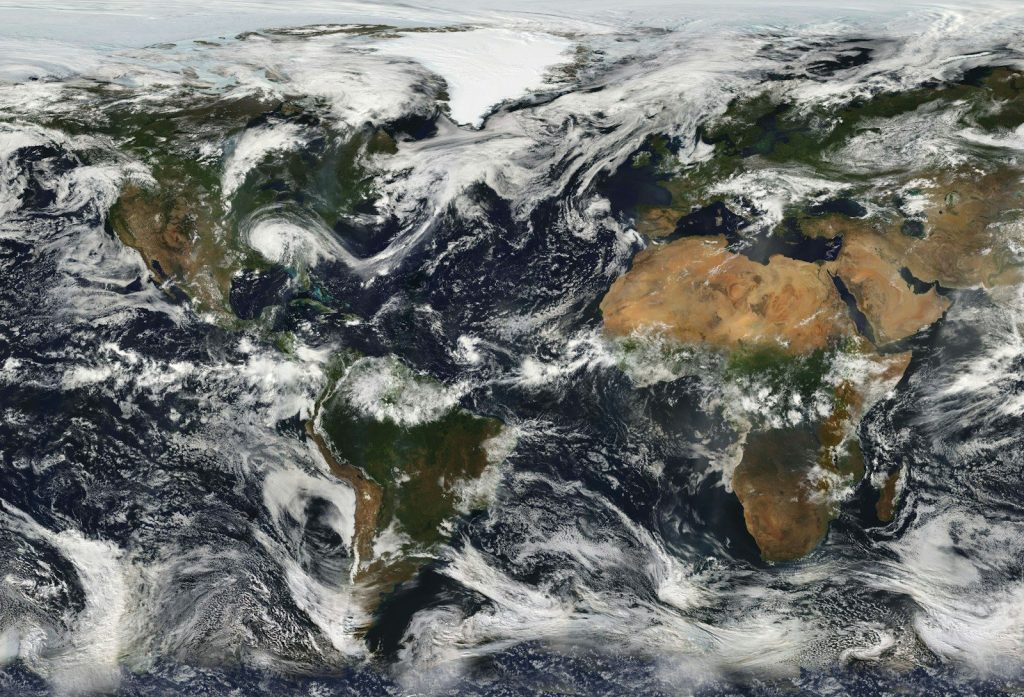
    The continents and oceans with clouds
    Photo by NASA on Unsplash

    A German meteorologist noticed a highly unusual pattern while studying world maps in nineteen twelve. According to historical records, Alfred Wegener realized that the coastlines of South America and Africa fit together perfectly. They were like puzzle pieces. This visual link suggested that the continents were once joined as a single massive landmass. But explaining how these giant landmasses moved was incredibly difficult.

    Matching Ancient Fossils
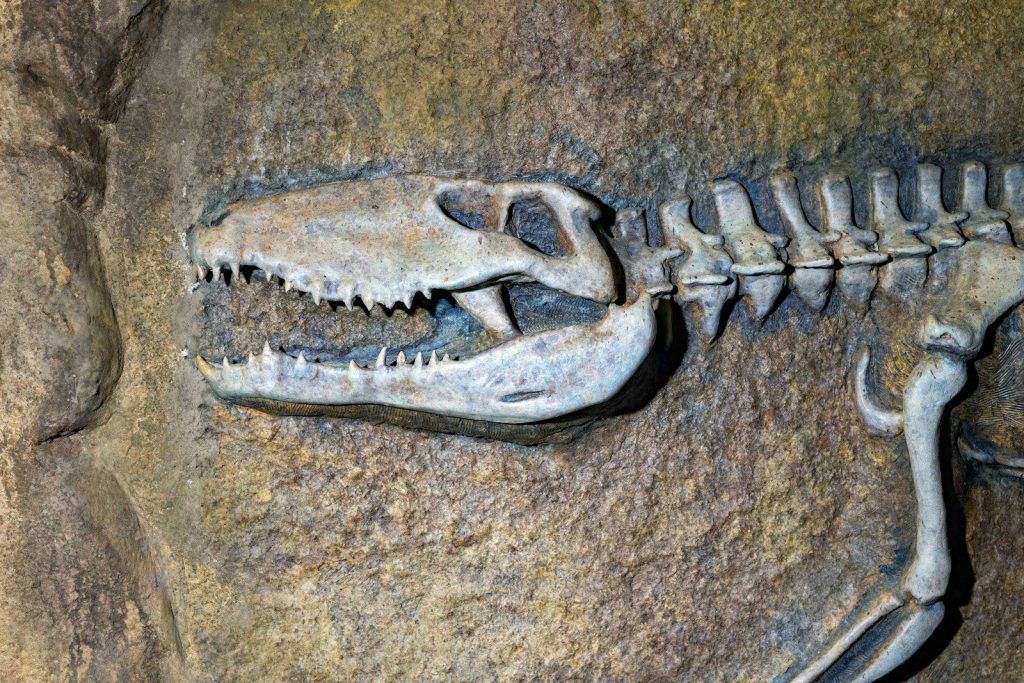
    A skeleton of a dinosaur is shown in a museum
    Photo by David Clode on Unsplash

    Wegener began searching for physical evidence to support his controversial continental puzzle theory. According to paleontological reports, identical fossilized remains of ancient reptiles were discovered in both Brazil and South Africa. This was stunning proof. These small land creatures could not have swum across thousands of miles of open ocean. But mainstream scientists rejected the biological evidence immediately.

    Absolute Academic Mockery
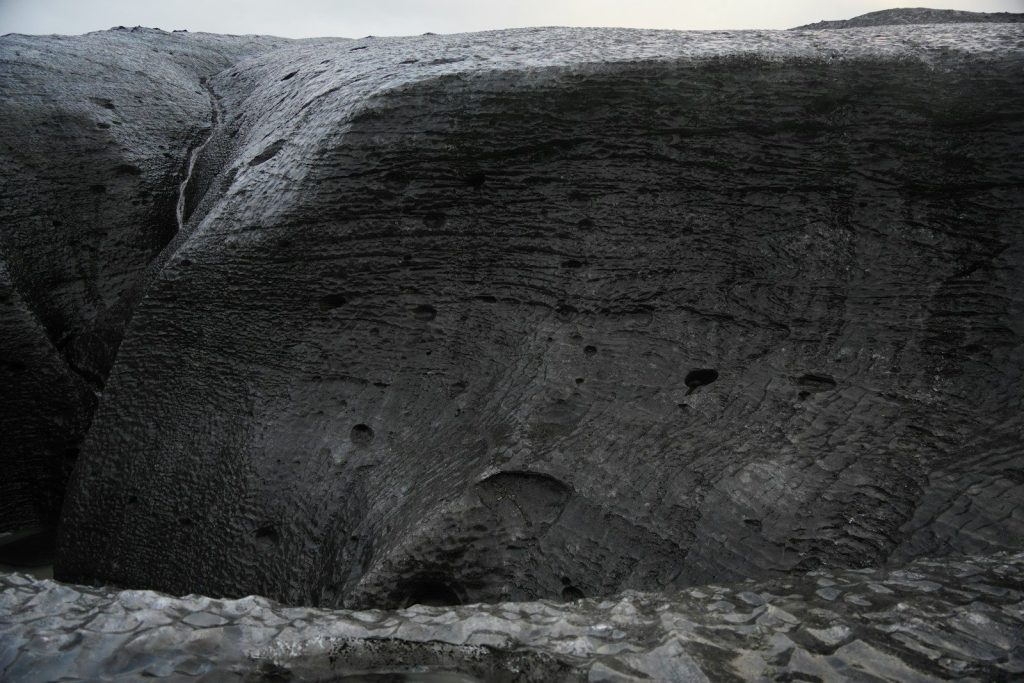
    A black and white photo of a rock formation
    Photo by liang zi on Unsplash

    Many members of the global scientific community refused to believe that solid granite continents could slide across the ocean floor. According to historical archives, elite geologists publicly called the theory a wild fairy tale. They were highly hostile. They argued that Wegener lacked a physical mechanism to explain what could push entire continents. But the truth was waiting deep on the ocean floor.

    Mapping The Seafloor Mountains

    man in black jacket standing in front of black and gray industrial machine
    Photo by NOAA on Unsplash

    A pioneering female geologist began mapping the Atlantic Ocean floor during the nineteen fifties. According to geological survey logs, Marie Tharp used sonar data to discover a massive mountain range running down the center of the ocean. It was a giant rift. This discovery proved that the seabed was actively tearing itself apart. But confirming this underwater movement required studying Earth’s magnetic fields.

    The Magnetic Stripe Evidence
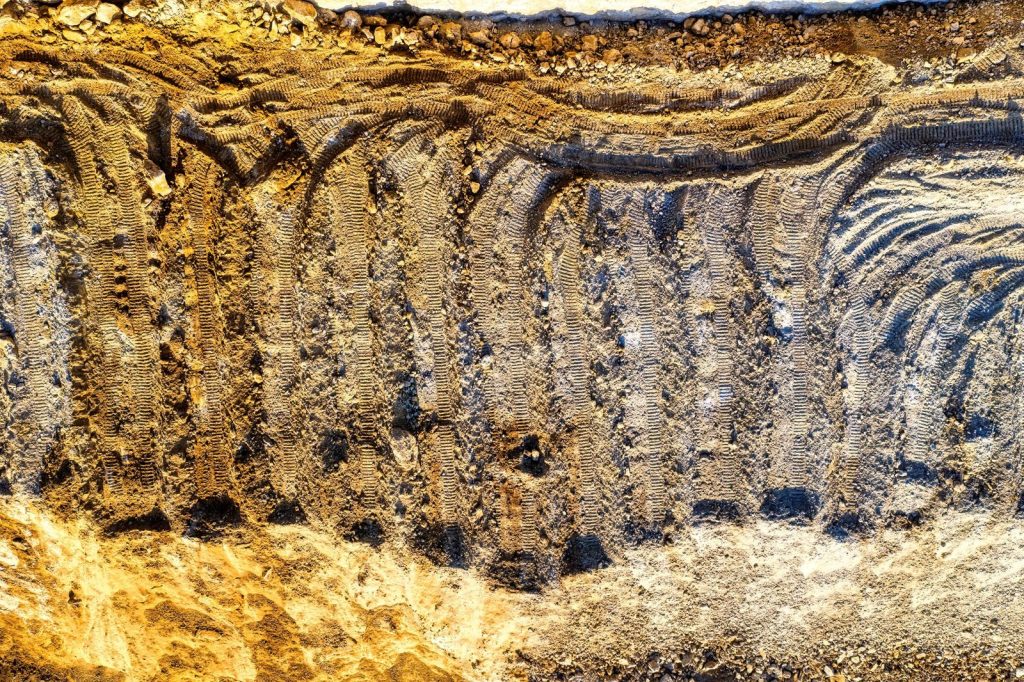
    Aerial view of construction site showing machinery tracks and soil patterns in Rochester, MN.
    Photo by Tom Fisk on Pexels

    Analyzing the ocean floor revealed a symmetrical pattern of magnetic stripes on both sides of the ridge. According to geophysics reports, these stripes prove that new crust is constantly forming and spreading outward. The sea is widening. This discovery finally provided the exact physical mechanism that Wegener was missing decades earlier. But this realization came too late for the original creator.

    Vindicated Long After Death

    Serene frozen lake landscape surrounded by snow-covered mountains and icy waters at sunset.
    Photo by Yaroslav Shuraev on Pexels

    Alfred Wegener perished in the freezing wilderness of Greenland before his theory was officially accepted. According to historical biographies, he died during an expedition in nineteen thirty without ever knowing he won the debate. He was a pioneer. Today, the theory of plate tectonics is the absolute foundation of modern Earth science. But these moving plates are still shaping our global future.

    Lessons From The Past

    Spectacular eruption of Sakurajima Volcano with ash plume rising above Kagoshima Bay at dawn.
    Photo by Marek Piwnicki on Pexels

    The struggle of continental drift reminds us that established science must always remain open to radical new ideas. According to modern geologists, understanding plate tectonics helps us predict volcanic eruptions and protect coastal cities from earthquakes. Balance is vital. This article is for informational purposes only.

    Featured Image: Photo by Aaditya Arora on Pexels

  • The Terrifying Apex Bird Hunting Sloths in the Canopy

    The Terrifying Apex Bird Hunting Sloths in the Canopy

    Most nature lovers assume that eagles only hunt small rabbits or tiny field mice. We believe that birds of prey are too light to attack larger forest mammals.

    But a colossal canopy predator is shattering these biological expectations. Its massive claws allow it to snatch heavy sloths straight out of the trees.

    Meet The Canopy Giant

    Birds flying and perched in a green tree.
    Photo by Angel Maldonado on Unsplash

    The harpy eagle is one of the largest and most powerful birds on the planet. According to the San Diego Zoo, these massive avian predators hunt in the dense tropical rainforest canopy. They are incredibly stealthy. Their wide wings allow them to navigate tight tree branches without making any noise. But their real hunting advantage is a highly terrifying physical weapon.

    Claws Like Grizzly Bears

    blue and white ice on tree branch
    Photo by Markus Spiske on Unsplash

    These powerful talons are larger than the claws of a grizzly bear. According to wildlife biologists, these curved weapons can measure up to five inches in length. They are razor sharp. This extreme size allows the bird to grip slippery prey with absolute security. But the sheer crushing power of this grip is what truly shocks researchers.

    Crushing Bones With Ease

    Woman stands on pressure plate with sensors on-screen interactive game.
    Photo by Neuro Equilibrium on Unsplash

    A harpy eagle can exert hundreds of pounds of pressure with its feet. According to biomechanics studies, this force is strong enough to crush the bones of a mammal instantly. The grip is absolute. This intense power ensures that prey cannot fight back once the eagle strikes. But spotting target animals inside the dense forest requires a highly advanced sensory system.

    Supercharged Eyesight In Shadows

    Illuminated owl lantern hanging in a dark forest
    Photo by Kushan Janith on Unsplash

    Hunting in the dim light of the jungle canopy requires highly sensitive eyes. According to researchers at the Peregrine Fund, these eagles possess vision that is eight times sharper than a human’s. They see everything clearly. This incredible visual power allows them to spot a sleeping sloth from hundreds of yards away. But executing a stealthy strike requires a highly silent flight path.

    Gliding Without A Sound

    red and white toy plane in the sky
    Photo by Walter Sturn on Unsplash

    Specialized feathers allow the heavy eagle to dive through the canopy in complete silence. According to aerodynamics experts, the unique shape of their wings reduces air turbulence during high-speed descents. The attack is instant. This silent flight prevents target animals from hearing the predator until it is too late to escape. But their favorite prey is surprisingly difficult to pull from the branches.

    The Strong Canopy Anchor

    A sloth climbing up a tree in a forest
    Photo by Bernd 📷 Dittrich on Unsplash

    Sloths use their curved claws to lock themselves securely onto strong tree limbs. According to biological reports, their muscles are wired to maintain a tight grip even when sleeping. They are anchored deeply. Prying these mammals loose requires the eagle to hit them with immense kinetic force during flight. But this violent hunting strategy is facing a severe threat from modern environmental changes.

    Preserving The Jungle Kings

    green trees under orange sky during sunset
    Photo by Janek Valdsalu on Unsplash

    The rapid loss of ancient tropical forests is shrinking the hunting grounds of these magnificent birds. According to conservation researchers, protecting these apex predators is vital to maintaining the health of the entire ecosystem. We must act quickly. This article is for informational purposes only.

    Featured Image: Photo by Andrea Huls Pareja on Unsplash

  • How Giant Energy Reservoirs Could Save Our Power Grid

    How Giant Energy Reservoirs Could Save Our Power Grid

    Most environmentalists assume that switching to solar and wind energy will automatically solve the climate crisis. We believe that building more clean generators is the only obstacle to a carbon-free world.

    But renewable energy is highly erratic and fails when the sun sets or the wind stops. A massive shift toward giant battery storage facilities is quietly saving our failing electrical grids.

    The Renewable Intermittency Problem

    a large array of solar panels in a desert
    Photo by Dad hotel on Unsplash

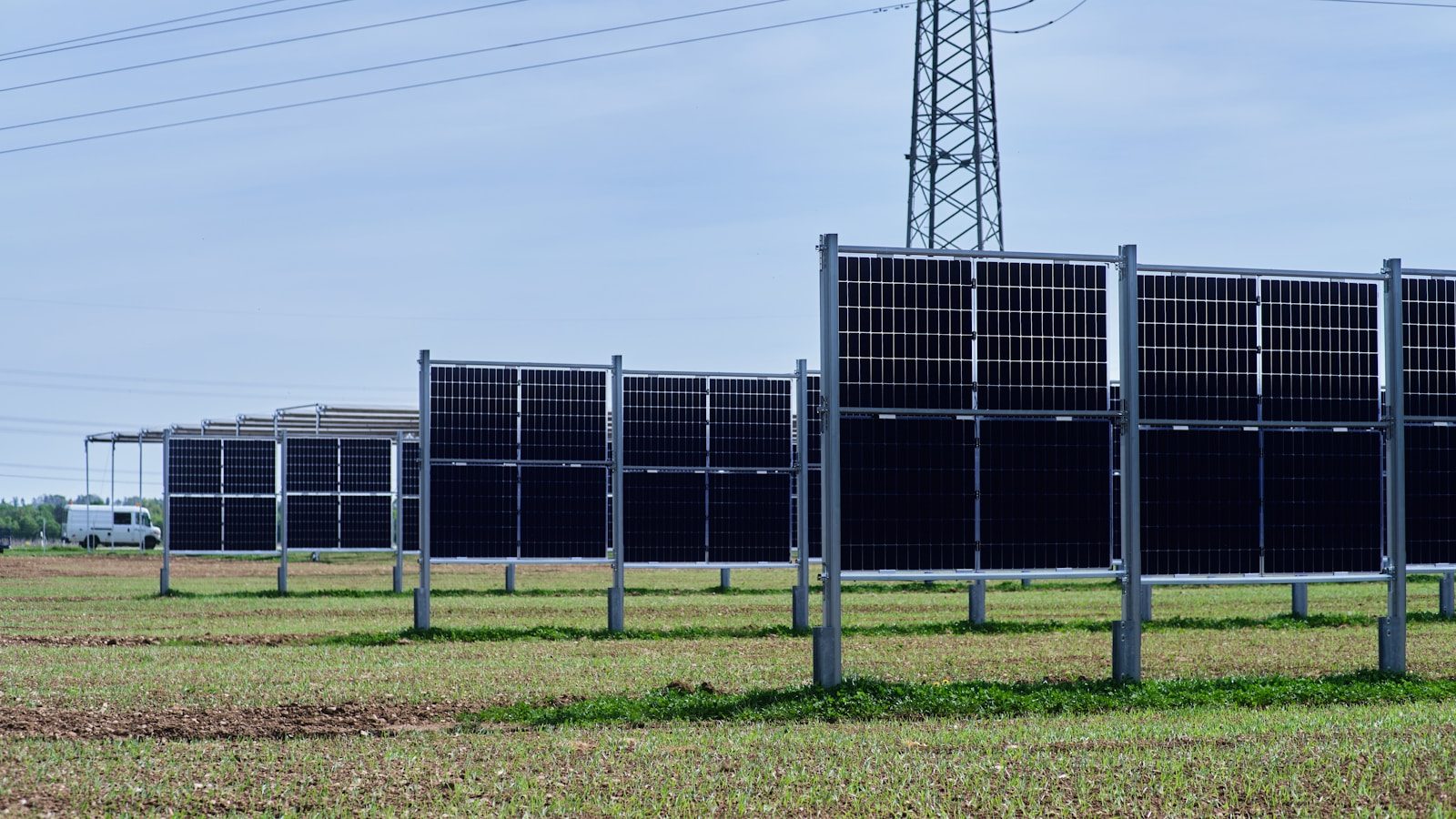
    Solar panels generate massive amounts of cheap electricity during the brightest hours of the day. According to energy grid reports, this generation peak occurs when public electricity demand is actually at its lowest. The mismatch hurts. When night falls, and families turn on appliances, the clean power disappears completely. But a massive battery setup is designed to capture this wasted afternoon current.

    Building Colossal Battery Parks

    A worker checking many industrial batteries inside a facility. Indoor, industrial setting.
    Photo by Heru Dharma on Pexels

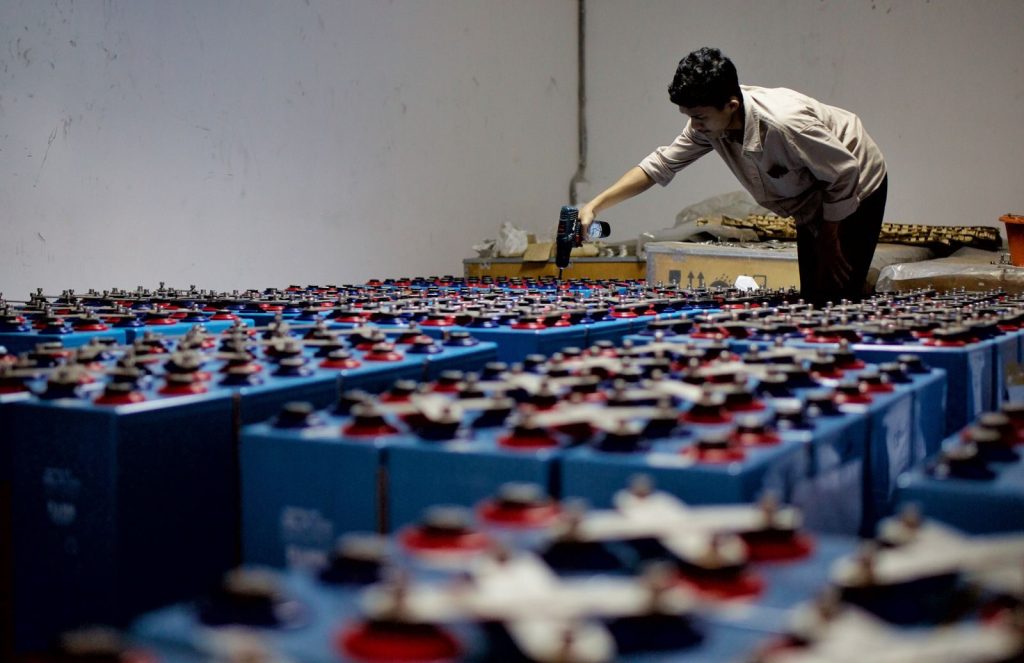
    Power operators are installing rows of massive metal battery containers near major electrical junctions. According to public utility files, these facilities are packed with millions of dense lithium-ion cells. They are enormous. These energy parks can absorb gigawatts of excess electricity in seconds to stabilize the grid. But discharging this stored current requires a highly advanced software controller.

    The Automated Microsecond Switch

    gray transmission tower
    Photo by American Public Power Association on Unsplash

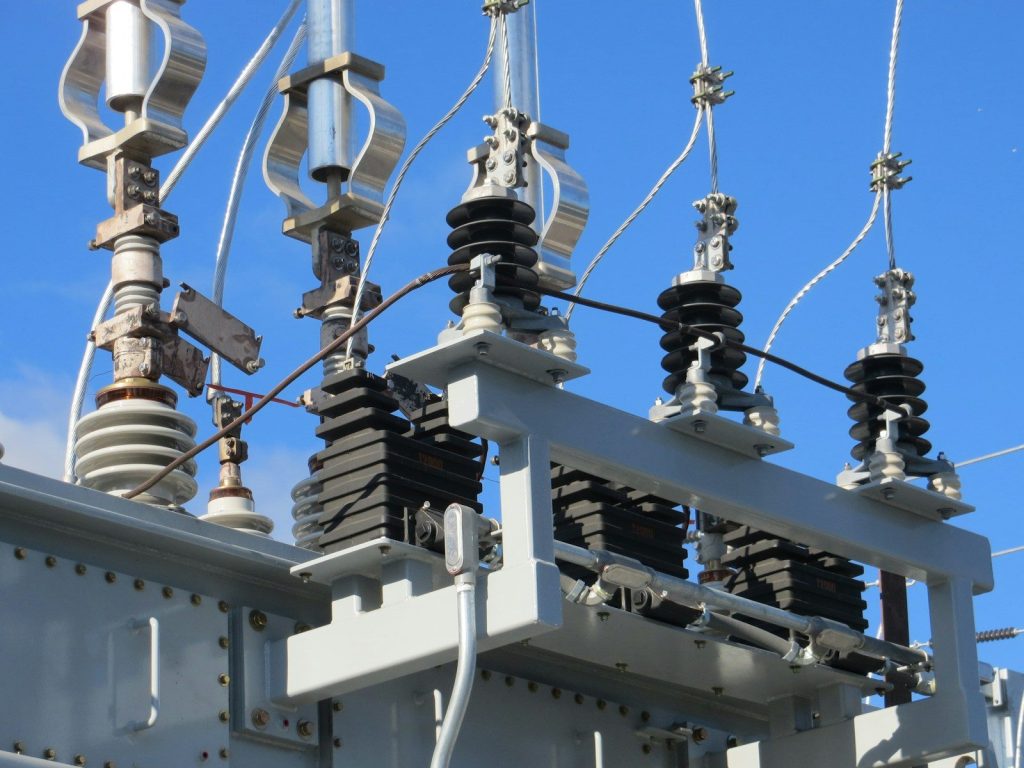
    When a traditional generator suddenly fails, the energy grid experiences a dangerous voltage drop. According to power transmission engineers, automated software can trigger the battery packs to discharge current instantly. The switch is a microsecond. This rapid response prevents rolling blackouts before human operators can even register the fault. But these massive batteries are also replacing expensive fossil fuel systems.

    Retiring The Peaker Plants

    gray and red factory building under a calm blue sky
    Photo by Alex Simpson on Unsplash

    Utilities traditionally run highly expensive gas turbines to meet sudden spikes in electricity demand. According to environmental policy studies, using battery storage is significantly cheaper and cleaner than running these dirty peaker plants. Change is happening. Replacing these old generators with clean battery parks reduces urban air pollution significantly. But keeping these massive cells running safely requires managing intense temperatures.

    Liquid Cooling Thermal Safety

    brass-colored and black metal tubes
    Photo by Bruce Warrington on Unsplash

    Squeezing millions of lithium cells together creates a high risk of localized heat build-up. According to fire safety engineering reports, modern utility batteries use an integrated liquid cooling network to regulate cell temperatures. The cooling is constant. This protective setup keeps the batteries running at their peak efficiency while preventing dangerous thermal runaways. But developers are already searching for cheaper alternative battery chemistries.

    Shifting Beyond Lithium Chemistry

    man in blue scrub suit standing near white and black office rolling chair
    Photo by RephiLe water on Unsplash

    Relying entirely on expensive lithium creates massive supply chain pressures for grid developers. According to material science publications, researchers are testing alternative battery chemistries like sodium-ion and iron-air systems. They are cheap. These alternative materials could drop grid storage costs by half and unlock massive global expansion. But the ultimate impact of this storage revolution is already reshaping our energy future.

    Unlocking a Carbon-Free Grid

    The sun is setting over a city with tall buildings
    Photo by Eugene Chystiakov on Unsplash

    Mastering massive energy storage is the final piece of the clean power puzzle. According to electrical infrastructure historians, batteries will allow humanity to operate entire cities on pure renewable energy around the clock. The transition is inevitable. This article is for informational purposes only.

    Featured Image: Photo by Michael Förtsch on Unsplash

  • The Hidden Smartphone Feature Quietly Recording Your Movements

    The Hidden Smartphone Feature Quietly Recording Your Movements

    Most smartphone users believe that their location is only tracked when they actively use mapping applications. We assume that our private movements remain completely confidential when our devices are locked in our pockets.

    But a deeply buried factory setting is quietly recording every place you visit. This hidden digital ledger keeps a highly detailed map of your life without your active knowledge.

    The Great Geographic Leak

    A person holding a smart phone in their hand
    Photo by Serg Magpie on Unsplash

    Our digital networks coordinate dozens of background activities to ensure devices run smoothly. According to mobile security reports, a hidden background system actively logs your coordinates at all times. It is highly detailed. This specialized directory can tell exactly when you leave your home or arrive at an office. But locating this secret ledger requires digging through multiple software barriers.

    Digging Into Settings Menus

    A hand holding a smartphone displaying a VPN app screen for secure online browsing.
    Photo by Dan Nelson on Pexels

    Finding this tracking directory requires navigating through several layers of confusing privacy options. According to software engineering guides, users must locate the system services tab buried inside their location settings. The path is hidden. Most people never scroll deep enough to find where this data is actually stored. But seeing the recorded list has left many users completely shocked.

    Viewing Your Daily Maps

    a close up of a cell phone screen with a line graph on it
    Photo by lonely blue on Unsplash

    Opening the folder reveals a highly precise map displaying your exact movements over several months. According to consumer privacy audits, the device groups your coordinates into highly specific local neighborhood categories. The accuracy is terrifying. It knows exactly where you buy coffee and where you sleep every night. But technology developers claim this tracking serves a highly useful purpose.

    Personalizing Your Digital Experience

    Man working at a desk with computer and tablet
    Photo by Mahmudul Hasan on Unsplash

    Operating systems use this spatial data to speed up your daily search queries. According to official device support pages, the tracking helps the virtual assistant suggest commute times and local weather updates. They want efficiency. The software relies on these patterns to customize your home screen widgets in real time. But security experts are warning about a major vulnerability.

    The Risk Of Physical Access

    Facebook profile lock screen on a smartphone
    Photo by Smartupworld on Unsplash

    If someone gets access to your unlocked phone, they can view your entire travel history. According to digital forensics experts, this local file represents a goldmine of highly sensitive personal information. Protection is vital. Anyone with physical access to your device can easily discover your daily routines. But you can turn off this tracking setting instantly.

    Silencing The Location Tracker

    a close up of a cell phone on a table
    Photo by Dominic Wajda on Unsplash

    Disabling the background tracking feature only takes a few simple taps in your privacy menu. According to mobile support documentation, turning off the service does not disrupt your basic map navigation apps. Action is easy. Once disabled, the device immediately stops logging your coordinates in the background. But keeping your data safe requires taking a few secondary steps.

    Clearing Your Old Data

    Four broken hard drives arranged on a green background, showcasing data destruction.
    Photo by Markus Spiske on Pexels

    Turning off the setting does not automatically erase the travel logs that have already been recorded. According to network privacy advocates, users must manually select the clear history option to wipe the slate clean. Do not forget. Doing this ensures that your past movements are completely deleted from the device memory. But developers are constantly designing new background features.

    Guarding Our Digital Sovereignty

    the sun is shining through the windows of a building
    Photo by Nguyen Phan Nam Anh on Unsplash

    Taking control of your smartphone privacy settings is the easiest way to secure your connected life. According to cybersecurity professionals, regular device audits are essential to protect your personal details. Vigilance is necessary. This article is for informational purposes only.

    Featured Image: Photo by Maël BALLAND on Unsplash

  • The Shocking New Map Of The Living Human Mind

    The Shocking New Map Of The Living Human Mind

    Most people believe that modern neurology has already mapped all the major regions of the human brain. We assume that our thoughts, emotions, and memories reside in well-known mental zones.

    But a spectacular brain scanning project has revealed a highly complex hidden network. This discovery proves that our minds are wired in a completely unexpected way.

    Peering Into Neural Pathways

    A brain over cpu represents artificial intelligence.
    Photo by Sumaid pal Singh Bakshi on Unsplash

    Scientists are using highly advanced imaging tools to trace individual connections inside living brains. According to a study published by researchers at Harvard University, traditional scans only captured the surface of our mental geography. The truth is deeper. This new imaging reveals thousands of active neural highways firing simultaneously in real time. But these active highways are crossing regions we once thought were completely silent.

    Connecting Unrelated Brain Regions

    A computer generated image of a brain surrounded by wires
    Photo by Bhautik Patel on Unsplash

    Traditional textbooks teach that separate brain lobes handle highly distinct physical and mental tasks. According to neurobiology research updates, the new map shows unexpected communication lines linking emotional and logical centers directly. They are partners. This means your logical decisions are constantly shaped by silent emotional signals. But this integrated communication system relies on a highly unusual brain cell.

    The Super Fast Glial Cells

    silhouette of person using microscope
    Photo by National Cancer Institute on Unsplash

    Neurologists previously assumed that simple neurons performed all the heavy lifting of our thoughts. According to a study from the Salk Institute, specialized supporting cells called glia actively accelerate signal speeds. They are vital. These overlooked cells function like biological routers to coordinate the rapid flow of data. But this coordinated data flow is highly sensitive to external stress.

    How Chronic Stress Warps Networks

    a close up of a human brain on a white surface
    Photo by KOMMERS on Unsplash

    Prolonged pressure alters the physical wiring of our neural pathways in highly destructive ways. According to clinical psychiatry reports, constant stress hormones slowly dissolve the delicate connections between your brain cells. The brain shrinks. This loss of connectivity impairs your ability to learn and manage daily emotional challenges. But the mind has a highly resilient way of fighting back.

    Triggering Growth With Movement

    Full length of determined elderly male with stylish hairstyle and beard stretching on fitness mat while training alone
    Photo by Anna Shvets on Pexels

    Physical activity can actively stimulate the creation of brand-new neural pathways. According to exercise science papers, regular movement releases a specialized protein that acts like fertilizer for brain cells. We can rebuild. This protein encourages the hippocampus to grow and improve your long-term memory systems. But scientists are now trying to read these growing networks.

    Translating Thoughts Into Text

    A computer circuit board with a brain on it
    Photo by Ecliptic Graphic on Unsplash

    Advanced computer algorithms are learning to decode brain signals and turn them into words. According to computer science researchers, brain-computer interfaces can translate silent thoughts with up to ninety percent accuracy. The tech is real. This breakthrough is already helping paralyzed individuals communicate with the world once again. But this incredible mental reading power is raising serious privacy concerns.

    Guarding Our Cognitive Privacy

    a computer generated image of a circular object
    Photo by Growtika on Unsplash

    Mapping the living human mind is opening up the final frontier of absolute personal privacy. According to ethical scholars, we must protect our thoughts from being tracked or digitized without consent. The stakes are high. This article is for informational purposes only and does not constitute scientific or professional medical advice.

    Featured Image: Photo by Growtika on Unsplash

  • The Surprising Air Physics That Keep Planes Flying

    The Surprising Air Physics That Keep Planes Flying

    Most passengers assume that jet engines simply push an airplane through the sky like a powerful rocket. We believe that raw horsepower is the only thing holding thousands of pounds of steel in the air.

    But the actual physics of flight rely on a beautiful manipulation of invisible air currents. This clever engineering allows massive commercial jets to glide effortlessly on thin cushions of wind.

    Shaping The Curved Wing

    The tail of an airplane flying in the sky
    Photo by Ben Wicks on Unsplash

    The secret to generating flight begins with the highly specialized curved shape of the airplane wing. According to aerodynamics reports, this curved design is called an airfoil. It is remarkably elegant. The curved top forces incoming air to travel faster over the wing than underneath it. But this speed difference is what triggers a massive change in air pressure.

    The Pressure Difference Push

    background pattern
    Photo by Steve A Johnson on Unsplash

    Faster-moving air over the top of the wing creates a zone of lower pressure. According to fluid dynamics studies, the higher pressure beneath the wing pushes the heavy aircraft upward into the sky. This is a lift. This continuous upward push is what keeps the massive steel frame floating safely in the air currents. But overcoming gravity requires a secondary forward force.

    Harnessing Extreme Engine Thrust

    a black and white photo of a jet engine
    Photo by Joao on Unsplash

    Heavy wings cannot generate lift without constant forward movement through the atmospheric currents. According to aerospace engineering logs, massive jet engines pull in cold air and compress it violently to create thrust. The reaction is instant. This intense exhaust push drives the plane forward at hundreds of miles per hour. But moving forward so fast creates a massive wall of resistance.

    Fighting Invisible Drag Forces

    a close-up of a wind turbine
    Photo by Daniel Li on Unsplash

    Air behaves like a highly viscous fluid that actively resists the movement of any fast object. According to aerodynamic testing reports, this physical resistance is known as drag. It is a relentless brake. Designers must shape the metal fuselage to be incredibly smooth to slice through the atmosphere easily. But keeping the heavy plane perfectly balanced requires highly active control surfaces.

    Steering With Wing Flaps

    A fighter jet sitting on top of an airport tarmac
    Photo by Grant Charsley on Unsplash

    Pilots alter the flow of air around the wings to steer the massive plane in multiple directions. According to civil aviation manuals, small moving panels called ailerons adjust the roll of the aircraft. They are highly responsive. By tilting these flaps, the pilot can easily bank the plane through complex maneuvers. But controlling these rapid movements under extreme air pressure requires automated assistance.

    The Automated Fly By Wire

    a car with a large mirror
    Photo by Oriel Mizrahi on Unsplash

    No human hands are fast enough to balance flight flaps during sudden high-speed wind shifts. According to computer software engineers, modern flight systems translate pilot inputs into precise digital signals automatically. The computer never sleeps. This constant digital monitoring ensures the ride remains perfectly smooth even through severe atmospheric turbulence. But landing this massive machine safely requires one final physical trick.

    Dumping Speed For Landing

    An empty airport runway stretching into the distance.
    Photo by Jens Darup on Unsplash

    Touching down safely requires pilots to dramatically increase the drag forces on the wings. According to flight operation files, extending the large main flaps slows the plane down without losing vital lift. The timing is critical. This configuration allows the heavy jet to glide slowly onto the hard concrete runway. But understanding these aerodynamic forces is now paving the way for future aviation designs.

    Tomorrow In The Sky

    a plane flying in the sky at sunset
    Photo by Jakub Gałązka on Unsplash

    Exploring new wing configurations could soon deliver incredibly efficient and silent passenger flights. According to aviation historians, manipulating air currents remains the absolute foundation of all transportation engineering. The future is wide open. This article is for informational purposes only.

    Featured Image: Photo by Lumin Osity on Unsplash

  • The Secret Massive Planet Hiding Inside Our Solar System

    The Secret Massive Planet Hiding Inside Our Solar System

    Most stargazers assume that we have fully mapped every major object orbiting our sun. We believe that modern space telescopes have already cataloged all the large planets in our local neighborhood.

    But highly advanced mathematical orbits suggest that a massive hidden world is quietly lurking in the outer darkness. This undiscovered giant could soon rewrite our entire map of the solar system.

    Gravitational Pull In The Dark

    Abstract swirling blue and green patterns on black background
    Photo by Logan Voss on Unsplash

    Outer space rocks are behaving in a highly erratic manner near the edge of our system. According to NASA researchers, a massive unseen object is using gravity to pull these icy bodies out of their normal orbits. The pull is immense. This strange orbital grouping is the first major clue pointing to a hidden world. But tracking this giant requires looking far past Pluto.

    The Frozen Kuiper Belt Mystery

    an artist's rendering of a distant star system
    Photo by NASA Hubble Space Telescope on Unsplash

    Millions of icy space rocks drift through a vast frozen ring beyond the outer gas giants. According to planetary geologists, many of these distant orbits are tilted at highly unusual angles. The math is weird. These extreme tilts suggest that a heavy planetary mass cleared a path through the debris long ago. But explaining how this world formed requires analyzing early space history.

    Born In The Early Chaos

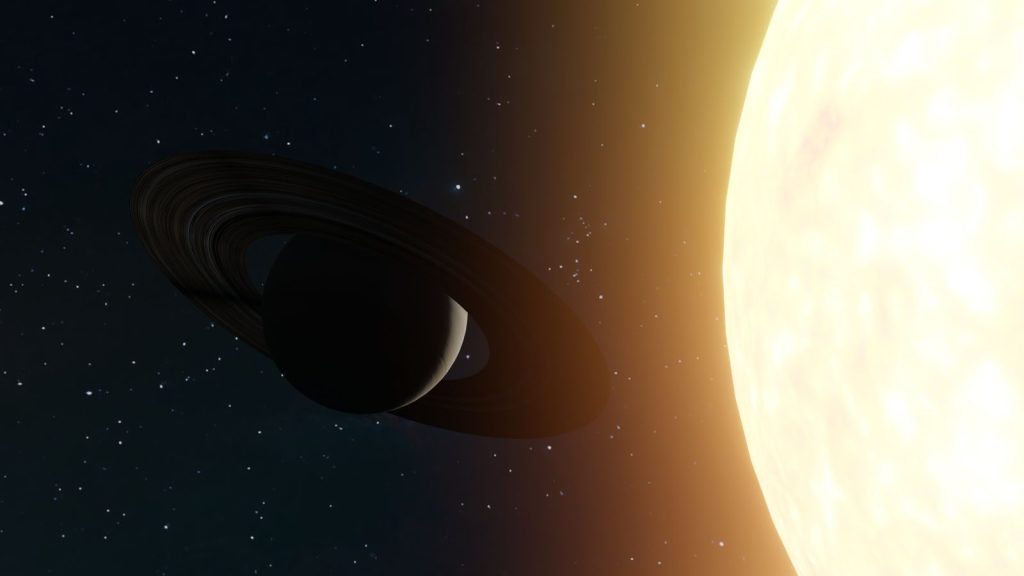
    A ringed planet silhouetted against a bright star in outer space.
    Photo by Zelch Csaba on Pexels

    The early solar system was a highly violent playground of colliding gas and rocky debris. According to astronomical simulations, young planets were frequently kicked out of their original orbits by giant gravitational shifts. It was pure chaos. Some theories suggest our sun threw the hidden planet into the frozen outer dark. But finding this silent world presents an extreme observational challenge.

    Hunting An Invisible Giant

    A black and white photo of a mountain at night
    Photo by Slava Taukachou on Unsplash

    Scanning the outer edges of space is incredibly difficult because very little starlight reaches those coordinates. According to reports from the Subaru Telescope, researchers are using wide-field cameras to scan the dark sky systematically. The search is intense. Finding a dark planet in the black void is like looking for a black needle in a dark room. But a fresh orbital model has narrowed down the coordinates.

    The Elusive Planet Nine Hypothesis

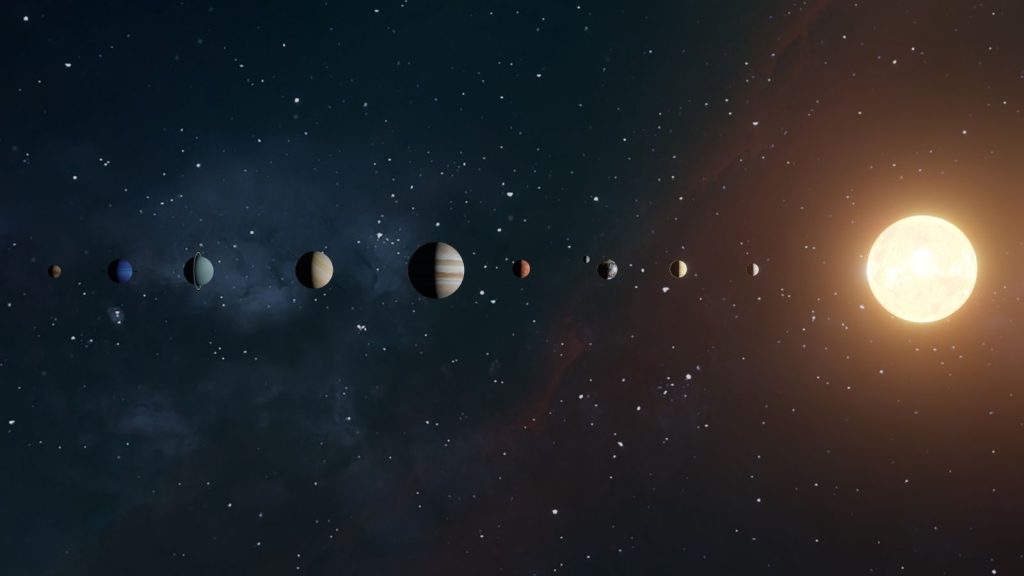
    An artistic representation of the solar system showing planets orbiting the sun.
    Photo by Zelch Csaba on Pexels

    Mathematically modeling the outer orbits suggests a world roughly ten times the mass of Earth exists. According to Caltech researchers, this hypothetical giant takes up to twenty thousand years to complete a single orbit around the sun. The distance is staggering. This extreme path keeps the planet permanently hidden in the deep dark. But some astronomers believe a different telescope will capture the first proof.

    Advanced Infrared Scanning Power

    A man with short hair covers his face, seated behind a thermal imaging screen indoors.
    Photo by cottonbro studio on Pexels

    Even cold planets in the deep void release a tiny amount of residual thermal heat. According to the James Webb Space Telescope team, sensitive infrared sensors can detect these extremely weak thermal signatures against the cold space background. The tech is brilliant. This thermal search could soon reveal the precise location of the hidden planetary giant. But confirming its existence will change our cosmic perspective forever.

    Redefining Our Cosmic Neighborhood

    A miniature solar system with labeled planets.
    Photo by Anurag Sarkar on Unsplash

    Discovering a massive new planet will permanently reshape our understanding of how solar systems form. According to astrophysicists, our local neighborhood is far more complex and mysterious than we ever imagined. The cosmos holds endless secrets. This article is for informational purposes only.

    Featured Image: Photo by NASA Hubble Space Telescope on Unsplash

  • Why Engineers Built A Clock To Outlast Modern Civilization

    Why Engineers Built A Clock To Outlast Modern Civilization

    Most people assume that modern digital clocks are the most reliable timekeepers ever created. We believe that microchips and constant internet connections will preserve our records forever.

    But a group of visionary engineers is completely challenging this digital dependency. They have constructed a massive mechanical monument designed to tick for ten millennia without human help.

    Buried Deep In Stone

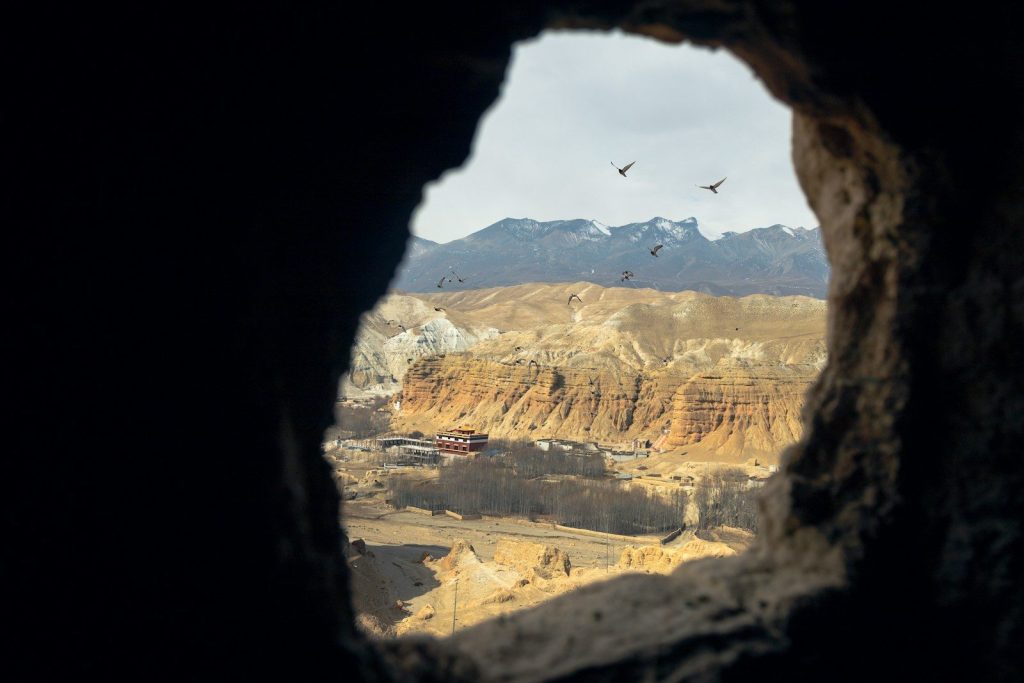
    View of a quarry through a cave opening
    Photo by ashok acharya on Unsplash

    Building a machine to last ten thousand years requires absolute physical protection from the elements. According to the Long Now Foundation, engineers blasted a deep chamber inside a remote Texas mountain to house the clock. The scale is massive. This subterranean vault keeps the fragile gears completely safe from extreme weather and changing surface climates. But the materials used to build these gears are even more surprising.

    Forged To Outlast Empires

    a large group of metal flanges sitting on top of a table
    Photo by alerkiv on Unsplash

    Standard metals like iron or steel would easily rust and decay over centuries of constant ticking. According to engineering project files, designers crafted the primary clock components from specialized marine-grade stainless steel and solid stone. It is remarkably tough. These durable alloys prevent friction wear without relying on modern petroleum lubricants that dry up over time. But driving this heavy physical machinery requires a reliable power source.

    Powered By Daily Shifts

    brown rocky mountain under cloudy sky during daytime
    Photo by Florian Schönbrunner on Unsplash

    Batteries cannot store energy for thousands of years, and power grids will eventually fail. According to technical documentation, the mechanical clock harvests energy from daily temperature shifts between day and night. The system is self-sufficient. This slight thermal expansion winds the heavy weights that keep the gears rotating constantly in the dark. But keeping accurate time over eons introduces a major astronomical challenge.

    Tracking Moving Solar Paths

    Open road leads to sunlit hills at sunrise
    Photo by Tim Mossholder on Unsplash

    Mechanical gears naturally drift over time due to tiny variations in friction and gravity. According to astronomical design plans, the clock uses a specialized solar synchronizer that aligns itself with the sun at noon. This correction is vital. This solar check automatically corrects any mechanical drift to ensure absolute precision across the millennia. But the way this clock communicates time to humans is highly unusual.

    A Different Song Daily

    A very large metal object inside of a building
    Photo by Tomasz Zielonka on Unsplash

    The clock contains a complex mechanical computer designed to ring a series of heavy bells. According to software engineering reports, the chime system will never repeat the same sequence of bells twice over ten thousand years. The math is beautiful. This ensures that every visitor hears a unique melody that has never been played before in human history. But this monumental project carries a far deeper philosophical warning for our future.

    Thinking Beyond Our Lives

    a grassy field with a star trail in the sky
    Photo by Anthony Cantin on Unsplash

    This slow-ticking monument serves as a direct challenge to the short-term thinking of modern society. According to project founders, the clock encourages humanity to make decisions that protect the planet for distant generations. Time moves slowly here. It forces us to consider our legacy as ancestors of a future world. But the final success of this design depends on proving we can survive to see it.

    A Message For Tomorrow

    Sunrise over rugged mountains with a bright sunburst.
    Photo by boris misevic on Unsplash

    The ten-thousand-year clock remains a stunning testament to human engineering and long-term vision. According to planetary scholars, building monuments that outlast our current civilization helps preserve our collective knowledge. The future is unwritten. This article is for informational purposes only.

    Featured Image: Photo by Josh Redd on Unsplash

  • The Ancient Living Organisms Surviving Deep Within Modern Earth

    The Ancient Living Organisms Surviving Deep Within Modern Earth

    Most biology fans assume that living things are fragile and short-lived. We believe that nature forces all organisms to decay and vanish within a single century.

    But some ancient living treasures have defied this natural rule. These evolutionary champions have been growing silently since the dawn of human civilization.

    The Five Thousand Year Tree

    a dead tree on a hill with a blue sky in the background
    Photo by Donna Elliot on Unsplash

    Deep in the White Mountains of California sits an ancient bristlecone pine named Methuselah. According to tree-ring analysis reports, this gnarled pine has been growing for nearly five thousand years. It is incredibly resilient. This ancient tree was already a seedling when the first pyramids were built in Egypt. But this pine is not the oldest living structure on land.

    Giant Underground Aspen Clones

    A forest filled with lots of tall trees
    Photo by Denise L on Unsplash

    A massive forest in Utah is actually a single living organism connected by a giant root network. According to genetic research studies, this grove of quaking aspens is estimated to be eighty thousand years old. They are completely identical. The forest regenerates constantly by sending up new shoots from its ancient core. But a different ocean giant has been swimming for centuries in cold waters.

    The Ancient Greenland Shark

    A large group of icebergs floating on top of a body of water
    Photo by Naja Bertolt Jensen on Unsplash

    Swimming in the freezing depths of the Arctic Ocean is a vertebrate with a stunning lifespan. According to radiocarbon dating of eye proteins, Greenland sharks can live for nearly four hundred years. They are extremely slow. This sluggish pace of life helps them conserve energy in the freezing dark. But the land hides even older, silent organisms beneath the forest floor.

    Hidden Ancient Underground Fungi

    Macro photograph of mold spores on a dark surface, highlighting intricate structures.
    Photo by Jeremy Wong on Pexels

    A single honey mushroom system in Oregon covers nearly four square miles of soil. According to forestry experts, this underground network has been spreading silently for over eight thousand years. It is a giant. The fungus grows slowly by digesting the root systems of ancient trees. But some dormant organisms have survived for millions of years in ice.

    Bacteria Waking From Ice

    Scientist in laboratory holding petri dish with cultures, wearing protective gloves and coat.
    Photo by Timothy Nkwasibwe on Pexels

    Scientists drilling in the Siberian permafrost recovered ancient bacterial strains locked in frozen dirt. According to reports from the Russian Academy of Sciences, these dormant microbes are over three million years old. They are still alive. Researchers successfully revived the ancient cells in a warm laboratory environment. But we must look at hard stones to find the oldest solid structures.


    Fossilized Prehistoric Algae Mats

    brown and white rock formation
    Photo by Neroli Wesley on Unsplash

    Strange layered rocks called stromatolites contain the fossilized records of Earth’s earliest life. According to geological dating tests, these ancient microbial formations are over three billion years old. They are the pioneers. These early organisms filled our atmosphere with the oxygen we breathe today. But the oldest physical material on our planet did not originate on Earth.

    Cosmic Space Stardust Grains

    a rock that looks like it is made of rocks
    Photo by MiningWatch Portugal on Unsplash

    Researchers analyzing a meteor that crashed in Australia found microscopic grains of stardust inside the rock. According to planetary geologists, some of these silicon carbide grains are over seven billion years old. The dust is ancient. These particles formed inside dying stars before our own sun even existed. But studying these ancient things is changing our future.

    Unlocking Earth’s Deepest Timeline

    the sun shines brightly over a valley in the mountains
    Photo by Marek Piwnicki on Unsplash

    Exploring these ancient survivors allows us to map the true history of our living planet. According to evolutionary biologists, understanding how these ancient organisms survive helps us protect modern biodiversity. Balance is essential. This article is for informational purposes only.

    Featured Image: Photo by William Liu on Pexels

  • Why A Strange Incident Left Deep Scars On One Man

    Why A Strange Incident Left Deep Scars On One Man

    Most people assume that close encounter stories are simple exaggerations told by attention seekers. We believe that physical evidence of unidentified flying objects is completely nonexistent.

    But a shocking historical event in the Canadian wilderness challenged this skepticism. A prospector returned with real burns and metal contamination that baffled doctors for decades.

    Walking Into Falcon Lake

    Woman in red jacket overlooks vast lake landscape
    Photo by Hanna Lazar on Unsplash

    It started with a routine mining search in Falcon Lake, Manitoba, in May of nineteen sixty-seven. According to official historical reports, prospector Stefan Michalak was examining rock veins when he spotted two silver objects hovering nearby. The forest went quiet. One of the craft landed on a flat rock right in front of him. But approaching this silent machine would change his life forever.

    Searing Blast Of Heat

    Crystal clear river flowing through Yumthang Valley, SK, India, surrounded by lush evergreen forests.
    Photo by PerfectlyImperfect on Pexels

    As he drew closer, the craft suddenly released a powerful burst of hot exhaust gas. According to medical examination files, the intense heat instantly set his clothing on fire and knocked him backward. The pain was immediate. He scrambled to extinguish his shirt but felt a strange chemical smell fill his lungs. But the physical damage to his chest was highly unusual.

    Bizarre Grid Pattern Scars

    person holding man's face
    Photo by National Cancer Institute on Unsplash

    Doctors treating him found a precise grid of circular burn marks across his abdomen. According to Canadian health records, these geometric scars matched the ventilation pattern of the exhaust vent perfectly. They looked highly engineered. The grid was a perfect layout of multiple small circles. But his physical suffering was only starting to grow.

    Falling Into Sudden Illness

    A medical professional takes a blood sample from a patient for testing.
    Photo by Amornthep Srina on Pexels

    Within hours, he suffered from severe nausea, vomiting, and rapid weight loss that resembled radiation poisoning. According to hospital laboratory tests, his white blood cell count dropped to dangerously low levels. He was incredibly weak. Doctors struggled to explain how a simple thermal burn could cause such systemic physical decay. But the site of the encounter held its own secrets.

    Radioactive Rock Deposits Found

    CSI team investigates a crime scene at night, using tools and flashlights for forensic analysis.
    Photo by cottonbro studio on Pexels

    Investigators returning to the rock coordinate detected highly unusual levels of radioactivity in the soil. According to Royal Canadian Mounted Police files, the physical rocks where the craft supposedly landed were intensely hot. The ground was glowing. They also recovered small melted pieces of metal fused directly into the stone cracks. But identifying the composition of this metal raised new questions.

    Pure Silver Contamination Tested

    Detailed close-up of a natural rock formation with striking patterns and textures.
    Photo by Karolina on Pexels

    Laboratory testing showed that the recovered metal was highly refined pure silver. According to government research reports, this level of purity is rarely found in raw natural ore deposits. The results were bizarre. Skeptics argued he might have planted the metal himself to support his claims. But his painful grid scars continued to reappear on his skin for the next several years.

    Unresolved Wilderness Mystery

    Captivating long exposure of stargazers under the Milky Way, showcasing the beauty of the night sky.
    Photo by Mohammed Abubakr on Pexels

    This incident remains one of the most thoroughly documented close encounters in modern history. According to military historians, the Falcon Lake case was never officially solved by defense investigators. The scars were permanent. His story serves as a chilling reminder of the unknown forces hiding in the wild. This article is for informational purposes only.

    Featured Image: Photo by Free Nature Stock on Pexels