Blog

  • The Ancient Biblical Relic Uncovered by High Tech Radar

    The Ancient Biblical Relic Uncovered by High Tech Radar

    Most history lovers believe that legendary biblical treasures exist only in old religious texts. We assume these sacred items were lost to time thousands of years ago.

    But a groundbreaking archaeological discovery has challenged this quiet assumption. Advanced scanning technology has unmasked an ancient stone relic that matches the ancient descriptions perfectly.

    Searching Under Holy Ground
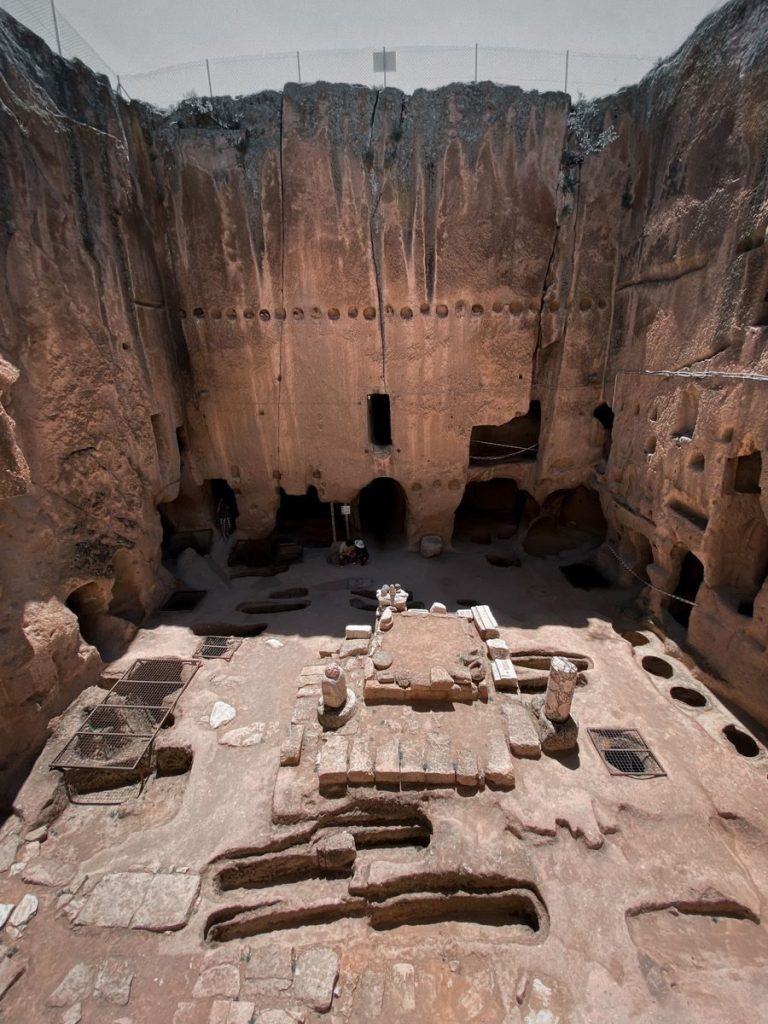
    Explore the majestic ruins of an ancient underground cave dwelling with intricate rock formations.
    Photo by Şevval Karataş on Pexels

    Archaeologists exploring ancient ruins have spent decades looking for physical evidence of early biblical events. According to reports from the Israel Antiquities Authority, researchers began scanning a remote hill using advanced radar systems. The ground was old. The sensors detected a massive underground chamber hidden deep beneath the rock. But what lay waiting in the darkness would shock the team.

    Striking the Sealed Vault
    brown rock formation during daytime
    Photo by Ignat Kushnarev on Unsplash

    Excavators carefully cleared away centuries of heavy soil to reach the target coordinate. According to geological survey logs, the team uncovered a sealed chamber made of solid limestone blocks. The room was cold. This structural barrier successfully kept the inner contents safe from moisture and looters for millennia. But the artifacts resting inside the chamber were highly unusual.

    The Gilded Wooden Chest

    a statue of a man and a woman
    Photo by Angel Luciano on Unsplash

    At the center of the vault sat a large wooden chest wrapped in thick gold sheets. According to historical researchers, the dimensions of the chest match the biblical measurements of the Ark. The design is beautiful. This gold plating prevented the wood from decaying inside the damp underground space. But the carvings on the lid held an even stranger detail.

    Whispers in the Stone

    Intricate metal relief of a medieval battle scene.
    Photo by CGabriel on Unsplash

    Two golden figures of winged guardians were welded directly to the top of the chest. According to classical scholars, these figures represented sacred protectors guarding the ancient contents within. The craftsmanship was flawless. This intricate metalwork proved that early artisans possessed highly advanced smelting techniques. But dating this incredible artifact would spark a fierce academic debate.

    Checking the Carbon Dates

    a person in a lab holding a pipe
    Photo by National Institute of Allergy and Infectious Diseases on Unsplash

    Scientists extracted tiny organic samples from the wooden core of the gilded chest. According to radiocarbon dating reports, the wood was harvested over three thousand years ago. The dates are shocking. This timeline aligns perfectly with the historical era of the early Israelite kings. But some skeptical historians still reject this physical link.

    The Academic Divide
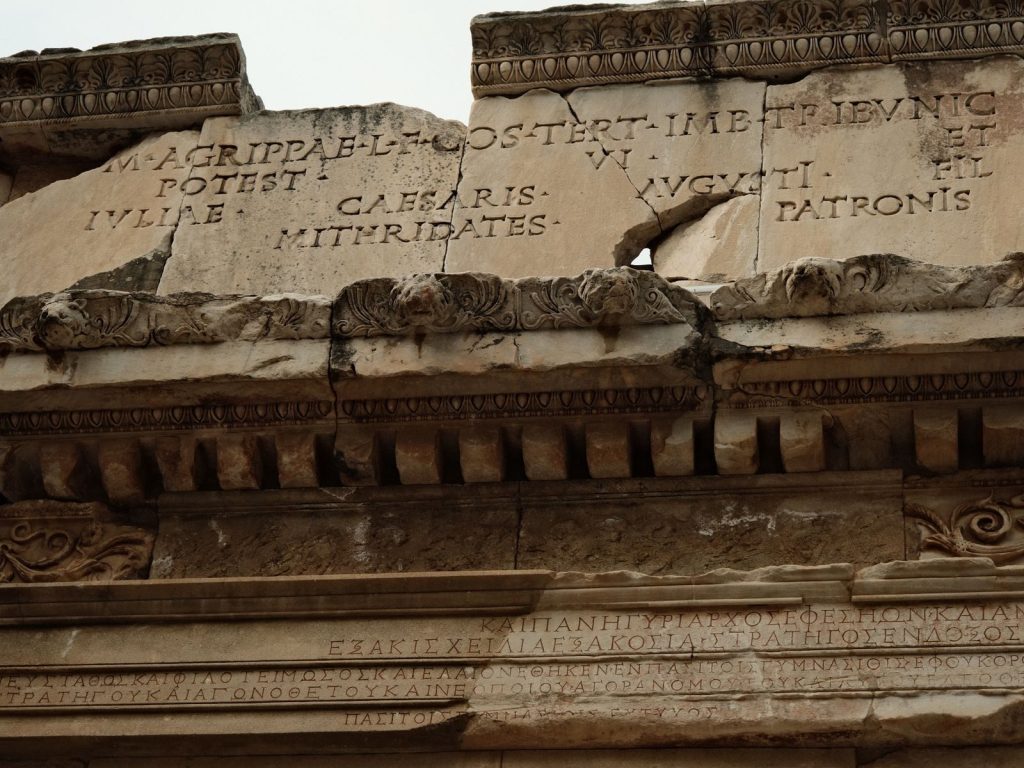
    Close-up of ancient Roman architecture featuring Latin inscriptions carved into stone.
    Photo by TEBESSÜM PROVALARI on Pexels

    Skeptics argue that the gilded chest could be a later replica built for symbolic religious ceremonies. According to traditional archaeologists, we must find more physical inscriptions before declaring this the actual biblical relic. They are highly cautious. They believe that associating the find with King Solomon requires absolute proof. But the discovery of the chamber has already transformed local history.

    Unlocking Our Deep Past
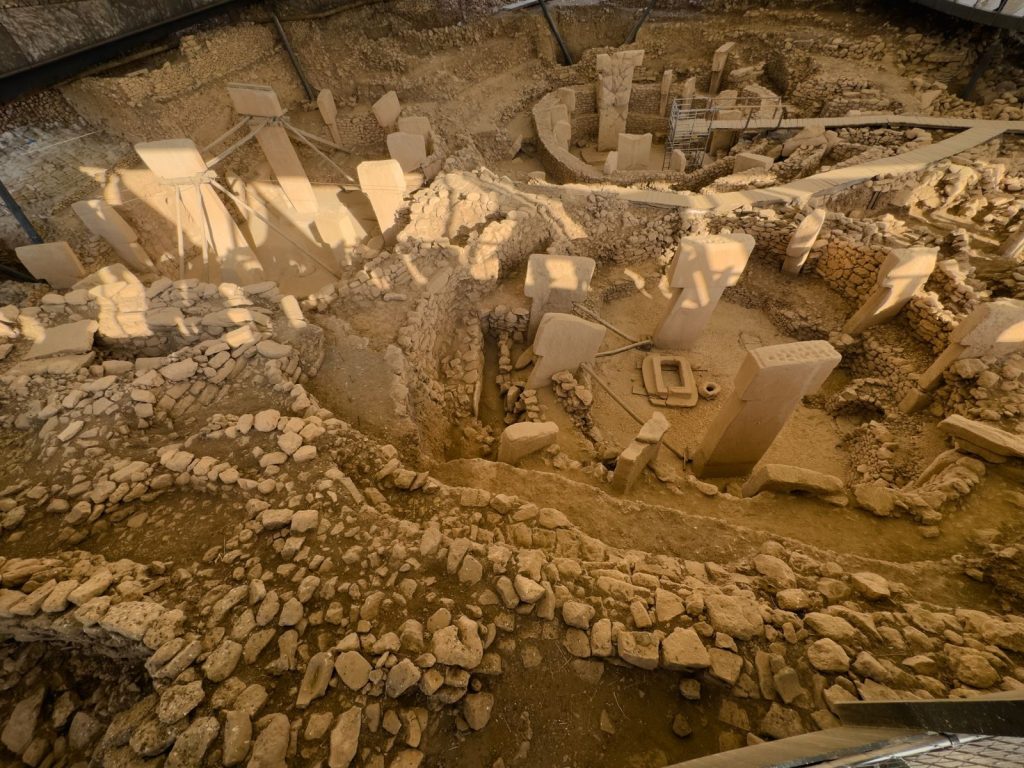
    Explore the ancient stone circle at Göbekli Tepe in Türkiye, a UNESCO heritage site.
    Photo by Zülfü Demir📸 on Pexels

    This spectacular archaeological discovery proves that ancient legends are often built on real physical events. According to researchers, studying these silent stone chambers helps us map the true history of early human societies. The past is active. This article is for informational purposes only.

    Featured Image:Photo by Aleksandr Galichkin on Unsplash
  • Why Wealthy Elites Are Building Giant Underground Fortresses

    Why Wealthy Elites Are Building Giant Underground Fortresses

    Most citizens assume that billionaires spend their massive fortunes only on luxury yachts and private islands. We believe that their investments are entirely focused on high-tech business startups.

    But a spectacular wave of subterranean construction is revealing a different survival trend. Elite tech executives are quietly building giant self-sufficient fortresses deep beneath the earth.

    Digging Deep For Safety

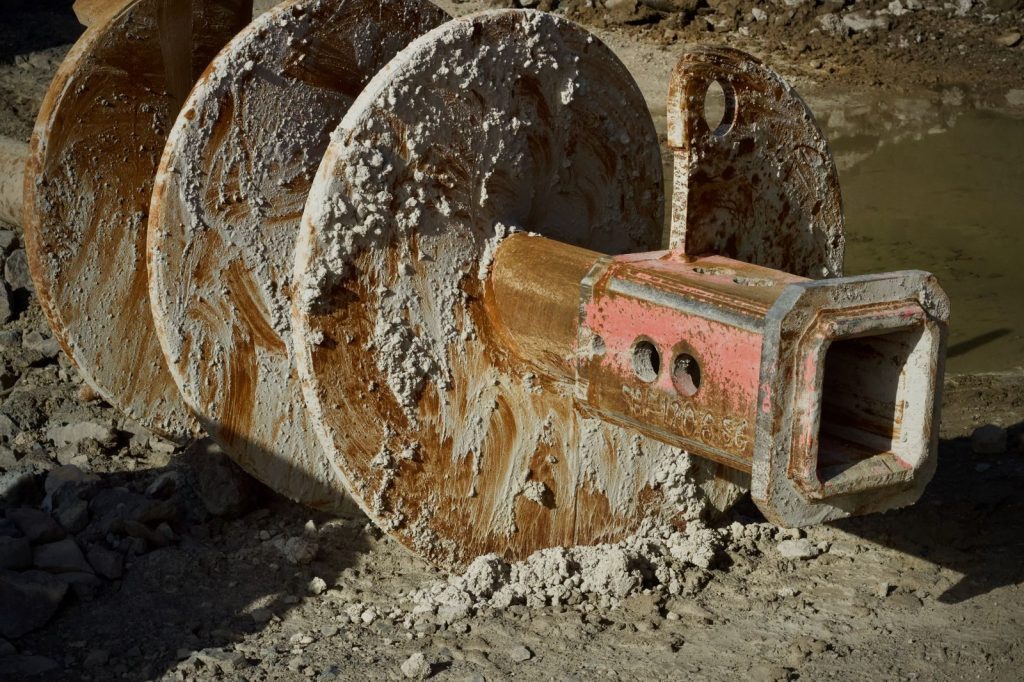
    Detailed view of a large rusty industrial drill bit with mud, set outdoors on rough terrain.
    Photo by Peter Dyllong on Pexels

    A routine land survey in multiple remote regions has uncovered a massive surge in deep excavation projects. According to reports from the Federal Emergency Management Agency, several wealthy individuals are constructing sprawling survival bunkers. The scale is monumental. These underground complexes are designed to operate entirely independent of the grid. But keeping these sites powered requires an incredible amount of preparation.

    Powering The Hidden Chambers

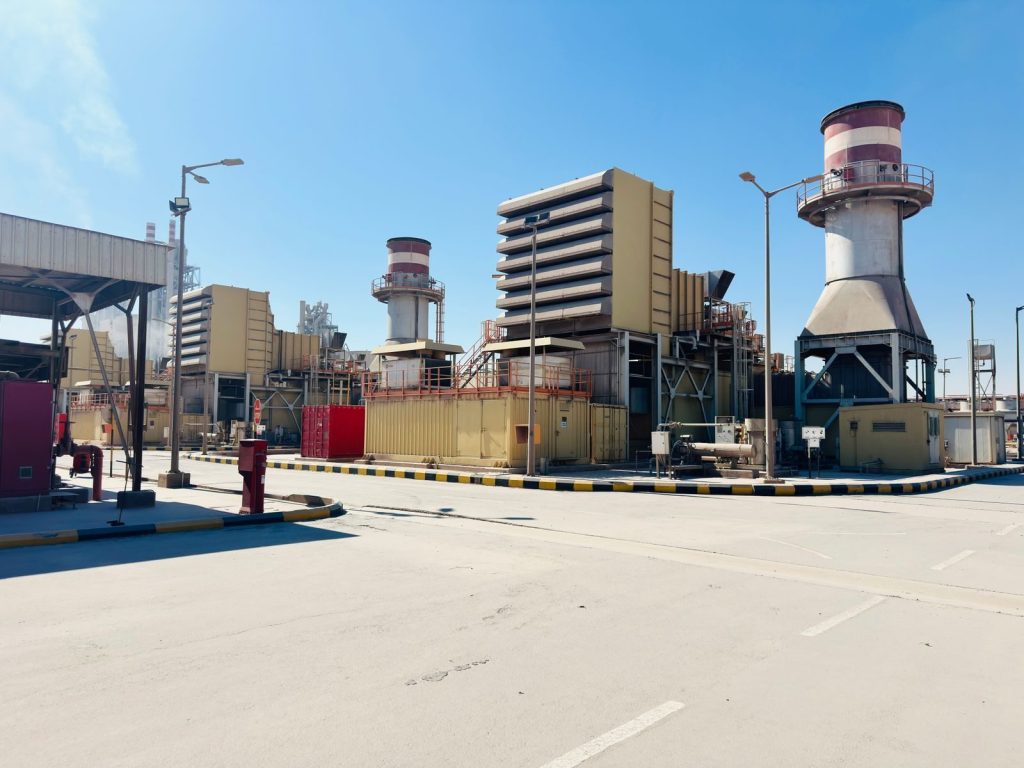
    A modern power plant with turbines and chimneys under a clear blue sky in Saudi Arabia.
    Photo by Mumtaz Niazi on Pexels

    The sheer volume of power required to keep the processors active is staggering. According to power transmission engineers, these bunkers utilize specialized geothermal generators and miniature nuclear reactors. They run silently. This independent power setup ensures that the security systems remain active during a total collapse of the local grid. But managing this electrical current is only the first challenge.

    Water From Ancient Wells

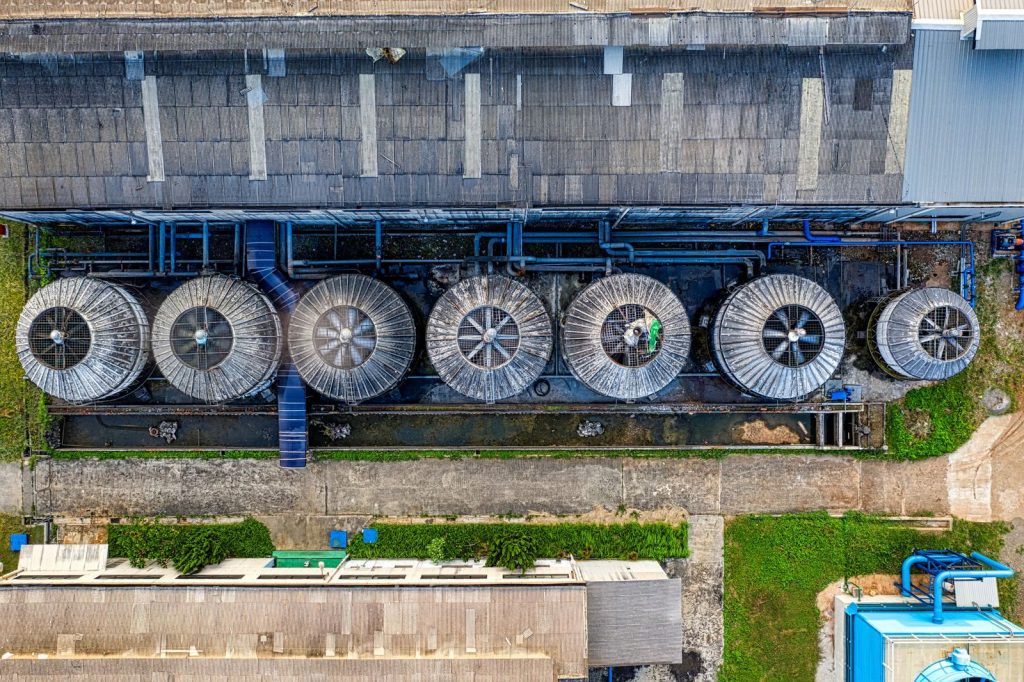
    Drone view of industrial terrain with treatment plants located in suburban area in sunlight
    Photo by Tom Fisk on Pexels

    A permanent survival base cannot rely on standard public water lines that could easily be shut off. According to hydrological impact studies, these bunkers feature deep water filtration systems that tap into pristine underground aquifers. The water is pure. This advanced filtering allows the residents to recycle and reuse every single drop of liquid on board. But keeping the air fresh requires another mechanical marvel.

    Breathing Through HEPA Shields

    Blue industrial dust collector with yellow ladder
    Photo by Spencer Plouzek on Unsplash

    The air supply inside the fortress must be protected from external chemical or biological hazards. According to reports from the Defense Threat Reduction Agency, builders install military-grade air filtration systems that block toxic particles. The barrier is absolute. This active pressure setup prevents any contaminated surface air from entering the living spaces. But growing food in the dark is the next hurdle.

    Farming Without Solar Rays

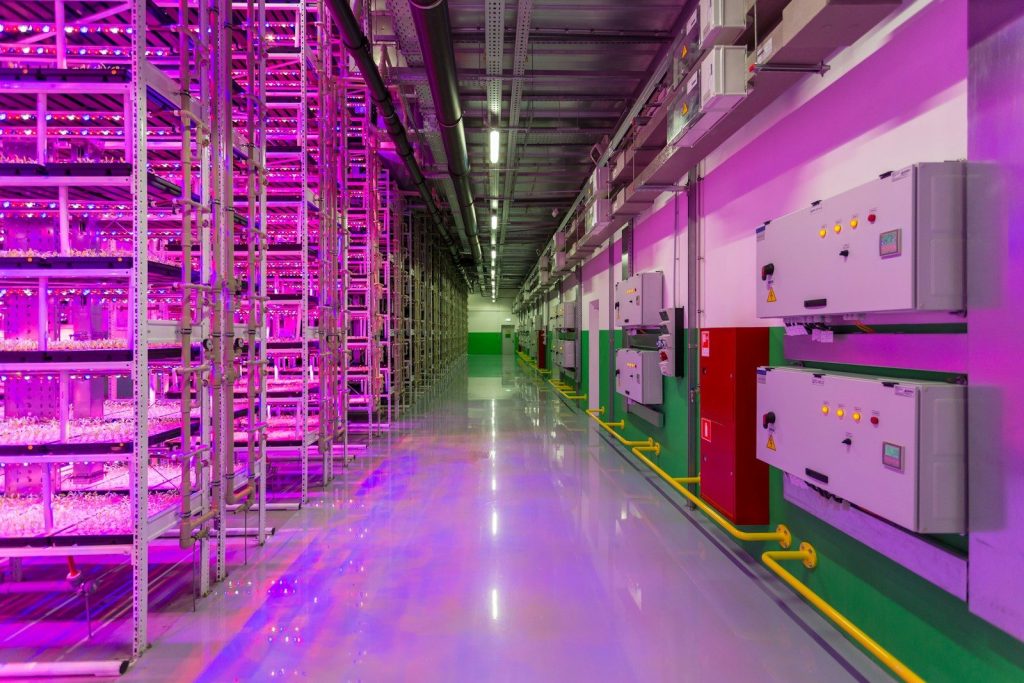
    pink white and yellow hallway
    Photo by Petr on Unsplash

    Living underground for years requires a reliable way to produce fresh food without natural sunlight. According to agricultural geologists, these complexes are equipped with automated vertical farms running on high-efficiency LED lights. They are highly efficient. These closed-loop hydroponic systems can cultivate vegetables and fruits rapidly using minimal resources. But keeping the residents sane during long stays is a massive psychological struggle.

    Simulated Natural Windows

    Vibrant false-color landscape with orange trees and bright blue sky.
    Photo by Wolfgang Hasselmann on Unsplash

    Spending months in solid rock chambers can cause intense feelings of claustrophobia and mental fatigue. According to clinical psychology reports, these luxury bunkers feature giant high-resolution screens that simulate sunny outdoor landscapes. The view looks real. These digital windows shift color dynamically to mimic natural day and night cycles to regulate sleep patterns. But this massive survival trend is raising serious ethical questions.

    The Ultimate Security Shield

    Modern building illuminated by the golden sunset.
    Photo by Francis Nie on Unsplash

    This private fortress boom reminds us of the growing divide between global elites and regular citizens. According to social scientists, building these survival structures shows a profound lack of faith in our shared future. Balance remains essential. This article is for informational purposes only.

    Featured Image: Photo by Julia Volk on Pexels

  • Why Astronomers Tracked a Mysterious Ninth Space Planet

    Why Astronomers Tracked a Mysterious Ninth Space Planet

    Most stargazers assume that we have fully mapped every single planet in our solar system. We believe that decades of telescopic surveys have revealed all major celestial neighbors.

    But a series of bizarre gravitational disruptions suggests a highly different cosmic picture. Space researchers are actively tracking a mysterious ninth planet hiding at the freezing edge of space.

    Bizarre Orbit Tilts Detected

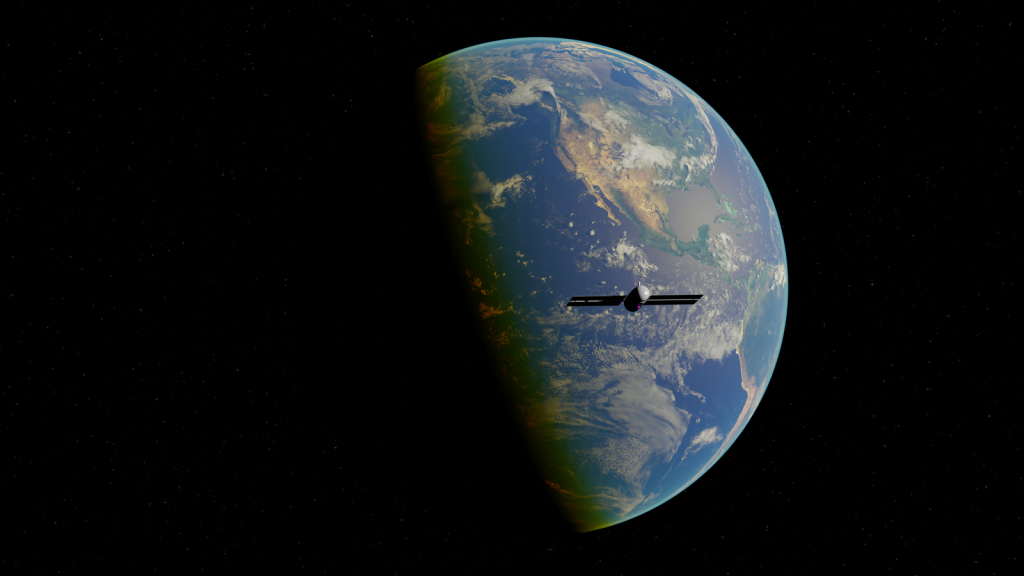
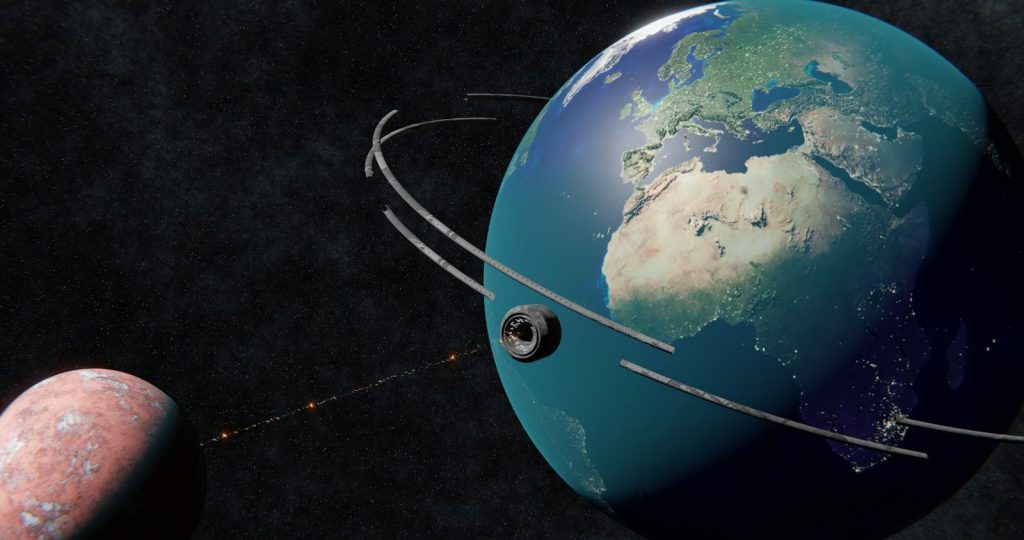
    A stunning digital rendering of Earth from space, featuring a satellite and the vast universe.
    Photo by Zelch Csaba on Pexels

    Astronomers studying the icy rocks drifting beyond Neptune noticed a highly unusual movement pattern. According to reports from the California Institute of Technology, several small space rocks have extremely tilted orbits. They are highly grouped. This organized alignment suggests that a massive unseen object is pulling these icy bodies with intense gravity. But finding this hidden giant is an extreme observational challenge.

    Scanning the Absolute Dark

    A beautiful wide-angle shot of a clear starry night sky, featuring distant galaxies shimmering brightly.
    Photo by Alexandre P. Junior on Pexels

    The mysterious planet sits billions of miles away from the warm light of our Sun. According to planetary geologists, any planet operating at these distances receives almost zero solar reflection. The world is dark. This lack of light makes detecting the object with standard optical telescopes nearly impossible. But astronomers are using mathematical models to calculate its exact coordinates.

    The Giant Math Formula

    Close-up of a computer screen displaying colorful programming code with depth of field.
    Photo by Godfrey Atima on Pexels

    Calculations suggest the ninth planet is significantly larger than Earth but smaller than Neptune. According to astronomical models, this super-Earth likely has a mass ten times greater than our home world. The math is precise. This massive weight would easily explain the gravity tugs seen in the outer solar system. But predicting its exact orbital path takes centuries to complete.

    Ten Thousand Year Orbit

    a planet in space
    Photo by Norbert Kowalczyk on Unsplash

    This distant world travels on an incredibly long and stretched-out path around the Sun. According to space weather monitoring stations, a single orbit could take up to twenty thousand years. The wait is long. This means generations of stargazers must wait millennia to view the planet pass its closest coordinate. But this orbital loop is also shaping our natural environment.

    Interstellar Gas Capture Clues

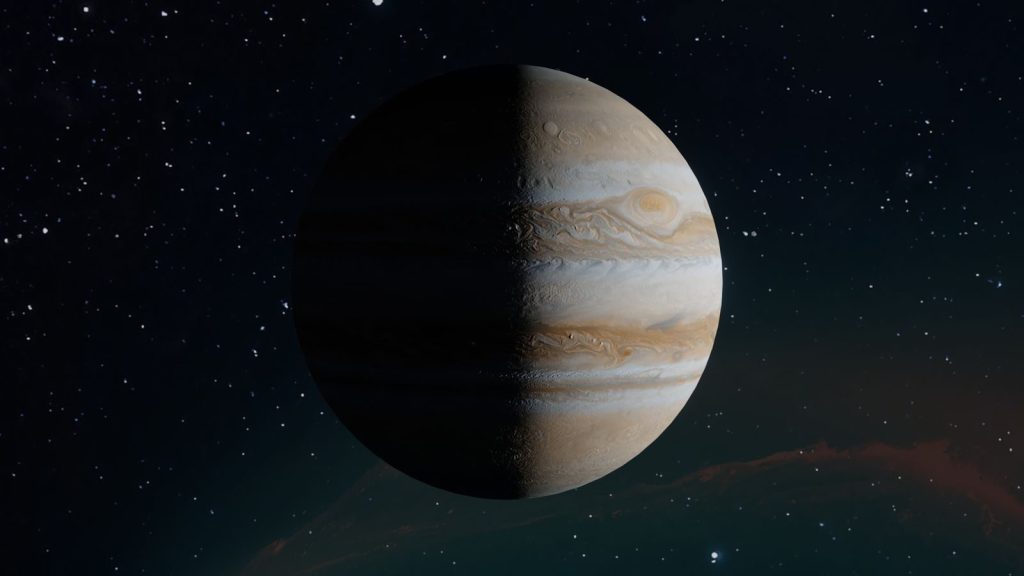
    Stunning view of planet Jupiter with visible cloud bands and darkened hemisphere against a starry sky.
    Photo by Zelch Csaba on Pexels

    Some astrophysicists believe the planet did not originate inside our local solar system. According to a study published by Harvard University, our Sun may have captured the rogue planet during an early close pass. The theft was quiet. This would explain why its orbit is so tilted compared to the other eight planets. But proving this interstellar origin requires launching a new generation of telescopes.

    Wide Field Infrared Scanners

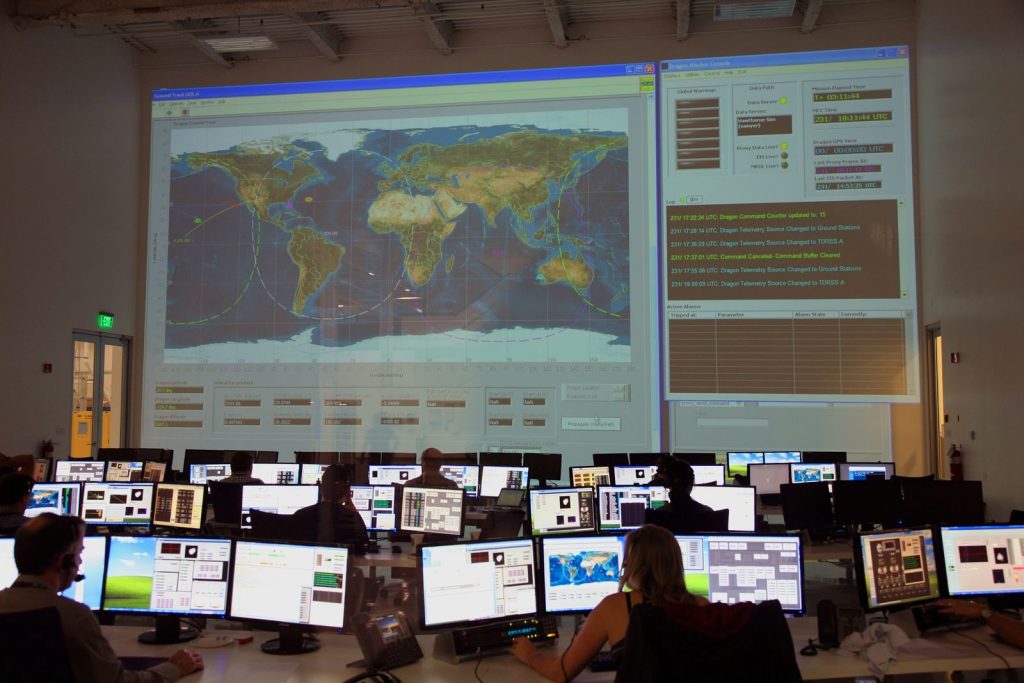
    Back view of unrecognizable employees working on computers in flight control room with big interactive map on wall and analyzing data
    Photo by SpaceX on Pexels

    Scientists are preparing to search the skies using highly sensitive infrared camera arrays. According to reports from the European Southern Observatory, these advanced sensors can detect the weak thermal glow of a planet. The sensors are active. This thermal signature is the best way to locate the planet against the cold background of space. But the search continues to face extreme natural limits.

    Rebuilding the Solar Map

    People watch kelp forest in large aquarium window
    Photo by Vincent Y @USA on Unsplash

    If the ninth planet is officially located, it will force scientists to update our entire solar system layout. According to planetary scientists, finding this world would rewrite our theories of how solar systems form. The race is on. Multiple international research teams are currently competing to capture the first pristine image of this distant giant. But the final lessons of this search will change physics.

    Unlocking Cosmic Mysteries

    stars in the sky
    Photo by Sky Replacement Pack on Unsplash

    The search for the ninth planet proves that our solar system still holds profound stellar secrets. According to astrophysicists, exploring these cold outer horizons expands our understanding of planetary evolution across the galaxy. We are still learning. This article is for informational purposes only.

    Featured Image: Photo by Caden Tormey on Unsplash

  • How Science Fiction Shapes Real Space Travel Technology

    How Science Fiction Shapes Real Space Travel Technology

    Most space enthusiasts assume that rocket designs are only shaped by strict mathematical formulas. We believe that aerospace engineers ignore creative stories and focus entirely on raw physics.

    But legendary science fiction designs have quietly guided the development of real spacecraft. These creative models are actively helping humanity build vehicles to explore other worlds.

    Imagining The Final Frontiers

    Hands on a detailed architectural floor plan paper, showcasing home design layout.
    Photo by SHVETS production on Pexels

    Early writers dreamed of traveling to the stars long before the first metal rocket left Earth. According to reports from the Smithsonian Institution, classic fictional spaceships inspired the pioneers of modern aerospace engineering. They were highly ambitious. These early stories pushed young scientists to turn fictional blueprints into real metal machines. But matching these fictional shapes with real physics brings a major structural challenge.

    Designing The Sleek Hulls

    silver steel tools on black table
    Photo by Bjorn Agerbeek on Unsplash

    Fictional starships often feature streamlined wings and sharp noses designed to cut through the atmosphere. According to aerospace engineering logs, real deep-space vehicles do not need aerodynamic shapes because space has no air. The designs are practical. However, engineers still use sleek metallic hulls to protect delicate cargo from tiny space debris. But this structural shielding is only the first design puzzle.

    Powering The Galactic Engines

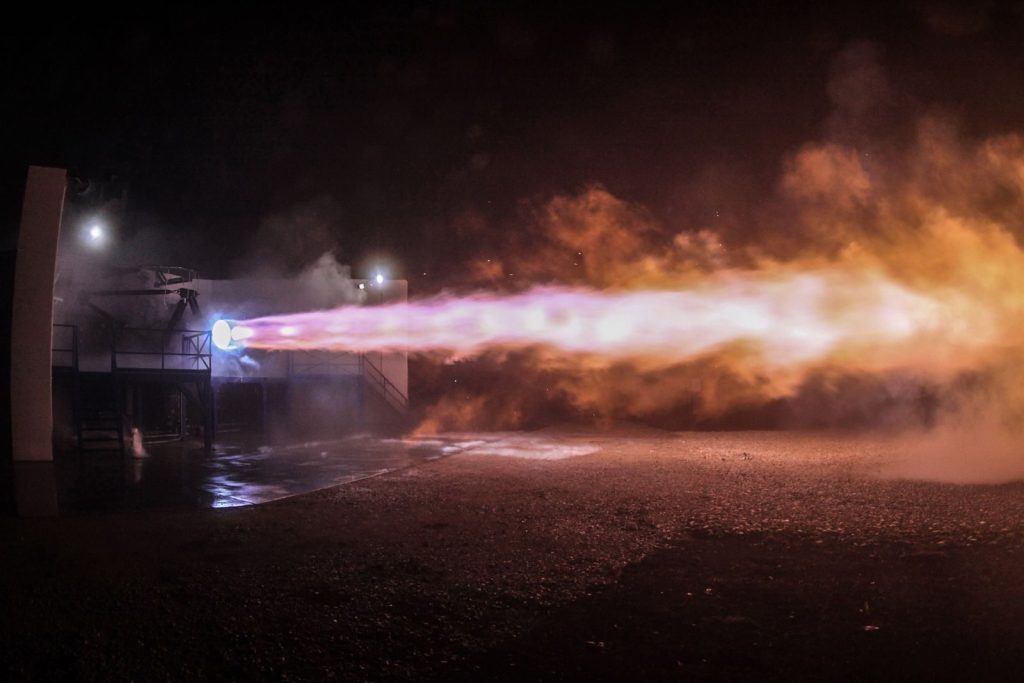
    A powerful rocket engine test firing with vibrant flames illuminating the night sky.
    Photo by SpaceX on Pexels

    Sci-fi vessels rely on exotic power sources like antimatter or fusion to cross the cosmos. According to reports from NASA, modern researchers are actively testing advanced ion thrusters and solar sails to mimic these fictional engines. They are highly efficient. This real-world technology uses light pressure to pull a vehicle through the dark void. But managing these propulsion systems requires a smart onboard pilot.

    Operating On Autonomous Software

    a female mannequin is looking at a computer screen
    Photo by Andres Siimon on Unsplash

    Fictional starships utilize powerful central computer brains to navigate dangerous asteroid belts. According to software engineering logs, modern space probes rely on built-in artificial intelligence to map their paths in real time. The code is smart. This automated system allows spacecraft to make critical flight corrections without waiting for delayed commands from Earth. But these smart systems are also changing our cabins.

    Building Bionic Living Quarters

    A modern sauna heater with stones in a wooden room.
    Photo by HUUM on Unsplash

    Keeping astronauts healthy during long space transits requires a highly stable internal climate. According to space medicine studies, modern capsule designs copy the modular living quarters seen in classic sci-fi movies. The layout is cozy. These compact rooms use smart air recycling systems to keep crews safe during long journeys. But the ultimate success of these designs relies on a major launch network.

    Reusing Massive Steel Boosters

    rocket under heavy clouds
    Photo by Felipe Simo on Unsplash

    Fictional ships can land and take off repeatedly without needing a team of mechanics. According to reports from SpaceX, building fully reusable steel rockets is turning this old fictional dream into a daily reality. The progress is rapid. This capability slashes the cost of space travel to unlock the next era of stellar exploration. But our journey beyond Earth is just beginning.

    Reaching Toward The Stars

    rocket ship photography
    Photo by SpaceX on Unsplash

    The connection between science fiction and aerospace engineering proves that imagination is a vital driver of human progress. According to researchers, studying creative designs helps us build a more resilient multiplanetary future. The stars are waiting. This article is for informational purposes only.

    Featured Image: Photo by Sergey Koznov on Unsplash

  • The Search For Earth Twin Worlds in Space

    The Search For Earth Twin Worlds in Space

    Most stargazers assume that we have fully mapped every single planet in our solar system. We believe that decades of telescopic surveys have revealed all our planetary neighbors.

    But the search for a second home is taking scientists far beyond our local orbits. Advanced space observatories are actively tracking distant rocky worlds that resemble our own.

    Scanning The Distant Stars

    A sophisticated telescope pointing towards the starry night sky, perfect for astronomy enthusiasts.
    Photo by Jason Pittman on Pexels

    Finding rocky planets orbiting other stars requires technology that can bypass the blinding glare of starlight. According to reports from the Kepler Space Observatory, researchers use a method called the transit technique to detect hidden worlds. They watch patiently. This system measures the tiny dip in brightness when a planet passes in front of its star. But analyzing these distant coordinates reveals a highly diverse cosmic picture.

    Defining The Habitable Zone

    A textured sphere with brown, green, and yellow patches.
    Photo by Liosha Shyp on Unsplash

    To support liquid water, a planet must orbit within a highly specific temperature range from its host star. According to planetary geologists, this comfortable orbit is known as the Goldilocks zone. The climate is stable. Having a stable surface temperature is vital because it allows complex organic chemistry to develop safely. But searching for these temperate worlds brings a major optical challenge.

    Reading The Gas Barcodes

    yellow, blue, and purple sketch
    Photo by Cody Dagg on Unsplash

    Astronomers no longer rely on simple visual observations to study distant planets. According to NASA, specialized space telescopes analyze the starlight passing through a planet’s outer atmosphere. This is brilliant. The gas layers absorb specific wavelengths of light to create a unique molecular barcode. But reading these cosmic signatures is only the first step in the search.

    Spotting Rare Biological Gases

    Colorful abstract representation of molecular structures with 3D spheres and connections.
    Photo by Google DeepMind on Pexels

    Certain volatile gases are highly reactive and disappear quickly without a constant organic source. According to research from the University of Cambridge, detecting a gas called dimethyl sulfide is a major clue. It is highly unique. On Earth, this specific compound is only produced by tiny marine organisms inside our oceans. But confirming this finding requires ruling out all natural causes.

    Sifting Non-Organic Chemistry

    A lone mountain under a fiery orange sky.
    Photo by Wolfgang Hasselmann on Unsplash

    Mainstream scientists remain highly cautious about claiming definitive proof of extraterrestrial life. According to planetary geologists, extreme volcanic outgassing can sometimes mimic organic chemical signatures under high pressures. The math is complex. Researchers must run thousands of computer simulations to rule out every possible natural cause. But the target world holds other highly promising features.

    Exploring Temperate Sea Worlds

    Deep blue underwater scene with captivating light and shadow play.
    Photo by Jonathan Borba on Pexels

    Some of the most promising candidates are worlds covered entirely by deep global oceans. According to reports from the European Space Agency, these aquatic worlds offer a stable environment for complex life. The waters are vast. Lacking solid continents, any biological organisms in these oceans must adapt to a completely fluid lifestyle. But tracking these distant worlds requires extreme precision.

    The Starshade Shield Solution

    A white ball on a black background with a flower in it
    Photo by Bryce Craig on Unsplash

    Capturing clean light samples from a distant exoplanet requires blocking the overwhelming glare of its host star. According to optical engineering reports, scientists are designing giant flower-shaped shields to fly ahead of the telescope. The shadow is perfect. This starshade allows the sensitive camera to isolate the planet’s true colors and surface details. But launching these missions requires international cooperation.

    Rebuilding The Solar Map

    a very large star in the middle of the sky
    Photo by arnaud girault on Unsplash

    Finding even a tiny sign of biological activity on another planet will permanently alter human history. According to astrobiologists, proving that life exists elsewhere confirms that biology is a universal force. Nature holds many surprises. This article is for informational purposes only and does not constitute scientific or professional advice.

    Featured Image: Photo by NASA Hubble Space Telescope on Unsplash

  • The Human Skills Surviving the Smart Automation Shift

    The Human Skills Surviving the Smart Automation Shift

    Most professionals assume that technical training is the only way to secure a stable career. We believe that learning complex coding languages guarantees a permanent place in the future workforce.

    But advanced automation is quietly shifting the job market in a different direction. Creative human soft skills are actually becoming the most valuable assets you can possess.

    Bypassing Standard Coding Tasks

    laptop computer beside monitor with keyboard and mouse
    Photo by Pakata Goh on Unsplash

    Modern software programs can now generate complex coding scripts in a matter of seconds. According to reports from the World Economic Forum, this rapid automation is reducing the need for basic programming skills. The shift is fast. This efficiency means companies are looking for workers who can manage these systems rather than write lines manually. But guiding these machines requires a different mental skill.

    Mastering Smart Problem Solving

    Colleagues collaborate while examining computer designs.
    Photo by Evgeniy Surzhan on Unsplash

    While computer algorithms are highly efficient, they struggle to adapt when unexpected bugs disrupt a system. According to reports from technology industry analysts, human managers are essential to evaluate and correct these computer errors. They are brilliant. This critical thinking allows workers to solve complex challenges that confuse simple software. But coordinating these solutions requires bringing different people together.

    Leading Dynamic Team Collaboration

    Business people in a meeting around a table.
    Photo by Vitaly Gariev on Unsplash

    Computers cannot understand the subtle emotional dynamics that drive a creative business team. According to reports from organizational psychologists, leaders who possess high emotional intelligence are highly successful at managing workplace relationships. Empathy is key. This human touch helps to build trust and keep employees motivated during stressful projects. But communicating these ideas effectively requires another unique skill.

    Translating Complex Data Simply

    Man presenting charts on a large screen.
    Photo by Vitaly Gariev on Unsplash

    Raw digital data is completely useless unless someone can explain its real meaning to others. According to reports from business consultants, workers who can translate technical statistics into simple stories are highly valued. Stories connect people. This narrative skill helps companies make smart strategic decisions based on computer research. But finding these creative storytellers is becoming a major challenge for recruiters.

    Designing Creative Core Concepts

    person holding silver fork on white paper
    Photo by Kelly Sikkema on Unsplash

    Smart algorithms are trained to copy existing patterns rather than invent completely new art styles. According to reports from creative designers, human artists are still necessary to push aesthetic boundaries and draft unique marketing campaigns. Originality is rare. This creative spark ensures that a company’s branding remains fresh and engaging for consumers. But adapting to these changes requires a flexible mind.

    Training For Cognitive Flexibility

    a group of people sitting around a table
    Photo by Bernd 📷 Dittrich on Unsplash

    The modern workplace changes so rapidly that memorizing specific facts is no longer enough to succeed. According to reports from educational specialists, learning how to learn is the ultimate survival tool for the future. Adaptability is everything. Professionals who can quickly master fresh tools will always remain valuable to employers. But the final success of this transition relies on our self-awareness.

    Shaping A Human Economy

    The sun is shining through the windows of a building
    Photo by Yihan Wang on Unsplash

    Understanding our unique qualities as humans allows us to appreciate technical progress. According to reports from researchers, using smart software to automate repetitive tasks can free up time for creative discoveries. Innovation remains essential. This article is for informational purposes only.

    Featured Image: Photo by Vitaly Gariev on Unsplash

  • The Forgotten Ancient Technology Baffling Modern Science

    The Forgotten Ancient Technology Baffling Modern Science

    Most history lovers assume that ancient cultures only worked with basic bronze and simple stone hammers. We believe that advanced engineering is a unique product of our modern industrial era.

    But spectacular archaeological discoveries have challenged this historical timeline. Several ancient inventions reveal highly complex designs that baffle modern scientists and engineers.

    The Ancient Greek Computer

    cogs and gears
    Photo by Tim Mossholder on Unsplash

    Divers exploring an ancient Roman shipwreck recovered a heavily corroded bronze block in nineteen one. According to reports from the National Archaeological Museum in Athens, the relic was actually an analog computer. It was remarkably complex. The device utilized dozens of interlocking bronze gears to track astronomical cycles with absolute precision. But this mechanical marvel was lost for a millennium.

    The Secret Glass Formula

    a wooden table sitting next to a window filled with vases
    Photo by Raihan Kibria on Unsplash

    Ancient Roman glassmakers possessed a highly unique recipe that allowed them to create flexible vessels. According to historical records, an artisan presented a glass bowl that could bend without breaking to the emperor. The formula was hidden. Fearing the new material would devalue gold, the ruler ordered the craftsman beheaded to protect the economy. But some ancient concrete holds an even stronger secret.

    Concrete That Heals Itself

    brown concrete building near body of water during daytime
    Photo by Grant Durr on Unsplash

    Massive Roman harbors and monuments have stood secure against ocean waves for over two thousand years. According to a study from the Massachusetts Institute of Technology, their concrete contains specialized lime clasts. They are highly active. This unique ingredient allows the concrete to self-heal cracks automatically when exposed to rainwater or seawater. But this advanced construction method vanished with the empire.

    The Baghdad Battery Mystery

    brown ceramic vase on brown wooden table
    Photo by Trnava University on Unsplash

    Excavators working near the ancient capital of Mesopotamia uncovered a highly unusual clay jar in nineteen thirty-six. According to archaeological reports, the jar contained a copper cylinder and an iron rod. The design was simple. When filled with an acidic liquid, this simple setup could generate a weak electrical current. But whether ancient priests used this setup for electroplating remains a mystery.

    The Flexible Damascus Steel

    black and white striped textile
    Photo by Ussama Azam on Unsplash

    Medieval blacksmiths forged incredibly sharp swords that could bend without shattering during intense combat. According to metallurgical reports, these legendary weapons contained highly aligned carbon nanotubes inside the steel core. They were incredibly tough. This advanced nanotechnology gave the blades their unmatched strength and famous wavy patterns. But the original smelting recipe was lost in the eighteenth century.

    The Roman Lycurgus Cup

    A bubble floats above a can with lights.
    Photo by Wolfgang Vrede on Unsplash

    An ancient decorative glass cup changes color dynamically depending on the angle of the light. According to reports from the British Museum, the glass was infused with microscopic nanoparticles of gold and silver. The work was flawless. This prehistoric nanotechnology is what allowed the cup to shift from green to vibrant red when lit. But how ancient glassmakers achieved this precision remains unknown.

    The Self-Lit Tombs

    a dimly lit room with egyptian writing on the walls
    Photo by Matt Benson on Unsplash

    Early explorers entering sealed Egyptian tombs reported finding ancient lamps still burning in the dark chambers. According to historical diaries, these legendary perpetual lamps could burn for centuries without consuming any oil. They were highly silent. While skeptics dismiss these claims as simple legends, some alternative theorists believe they used basic electrical currents. But proving this theory requires launching new excavations.

    Lessons From The Past

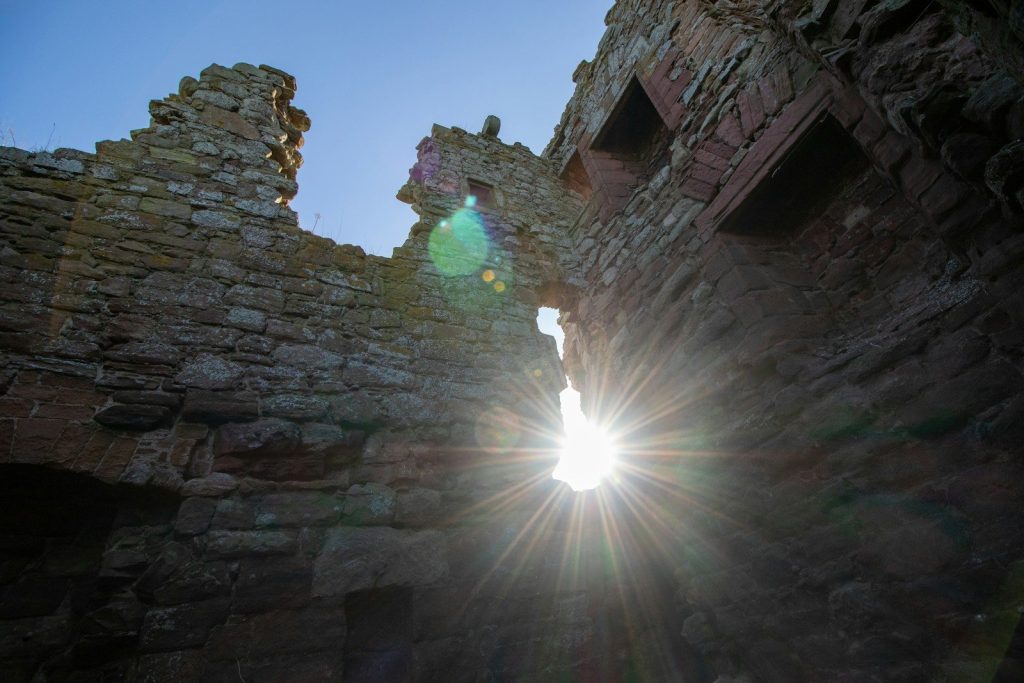
    Sunlight streams through a castle's broken walls.
    Photo by Trevor Minett on Unsplash

    The mystery of these forgotten inventions proves that ancient builders possessed a master grasp of materials science. According to researchers, studying these silent relics helps us appreciate the true scale of early human intelligence. Nature and art unite. This article is for informational purposes only.

    Featured Image: Photo by Ahmet Yüksek ✪ on Unsplash

  • The Alien Moons Defying The Rules Of Our Space Neighborhood

    The Alien Moons Defying The Rules Of Our Space Neighborhood

    Most stargazers assume that moons are just quiet rock spheres orbiting simple planets. We believe that these satellites follow identical and predictable geological cycles.

    But a closer look at our solar system reveals a highly chaotic collection of moons. These alien satellites behave in ways that completely challenge our theories of planetary science.

    Volcanic Eruptions In Deep Freeze

    a close up of a human eye
    Photo by Linc Yin on Unsplash

    Voyager probes first captured massive geysers shooting active sulfur plumes miles into space on Io. According to NASA, this extreme activity is driven by intense gravitational tidal friction from Jupiter. The ground actually bends. This continuous squeezing heats the internal core to create a highly volatile volcanic world. But a different frozen moon hides a liquid secret beneath its crust.

    Giant Hidden Oceans Flowing Silently

    two planets are shown in the dark sky
    Photo by NASA Hubble Space Telescope on Unsplash

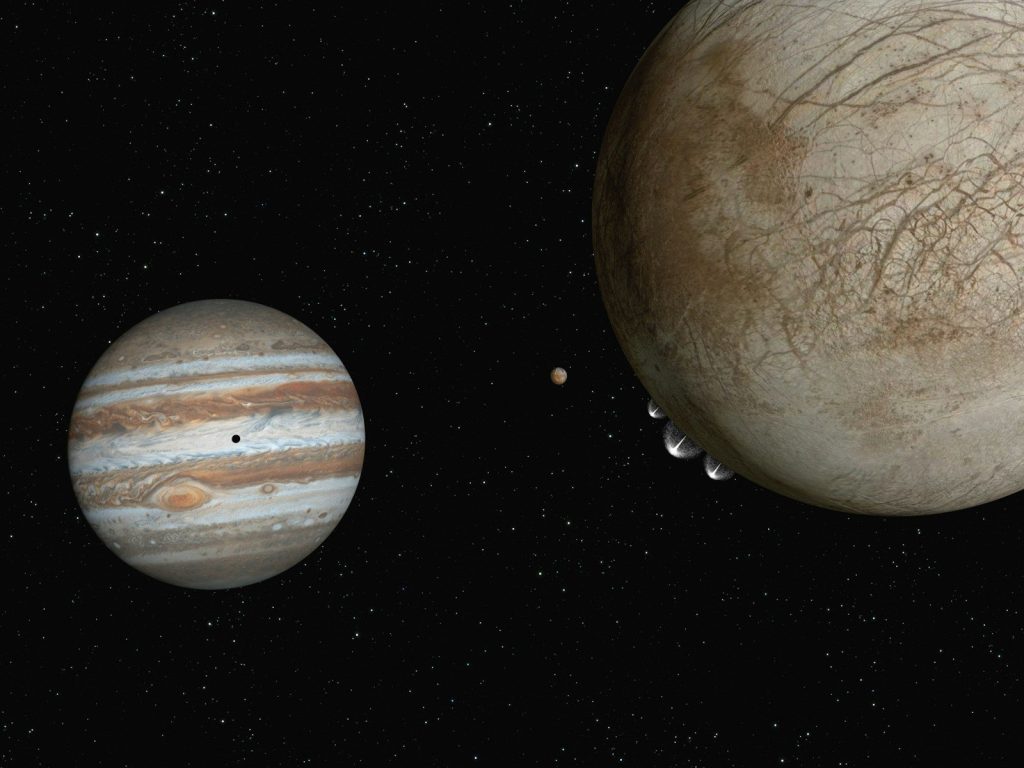
    Astronomers believe that Europa contains twice as much liquid water as Earth. According to the Hubble Space Telescope, giant plumes of water vapor regularly erupt through cracks in the thick ice shell. They are incredibly deep. This vast subsurface ocean is kept warm by gravitational pulling from nearby planets. But another nearby moon features a dense atmosphere resembling early Earth.

    Heavy Methane Rain Shading Landscapes

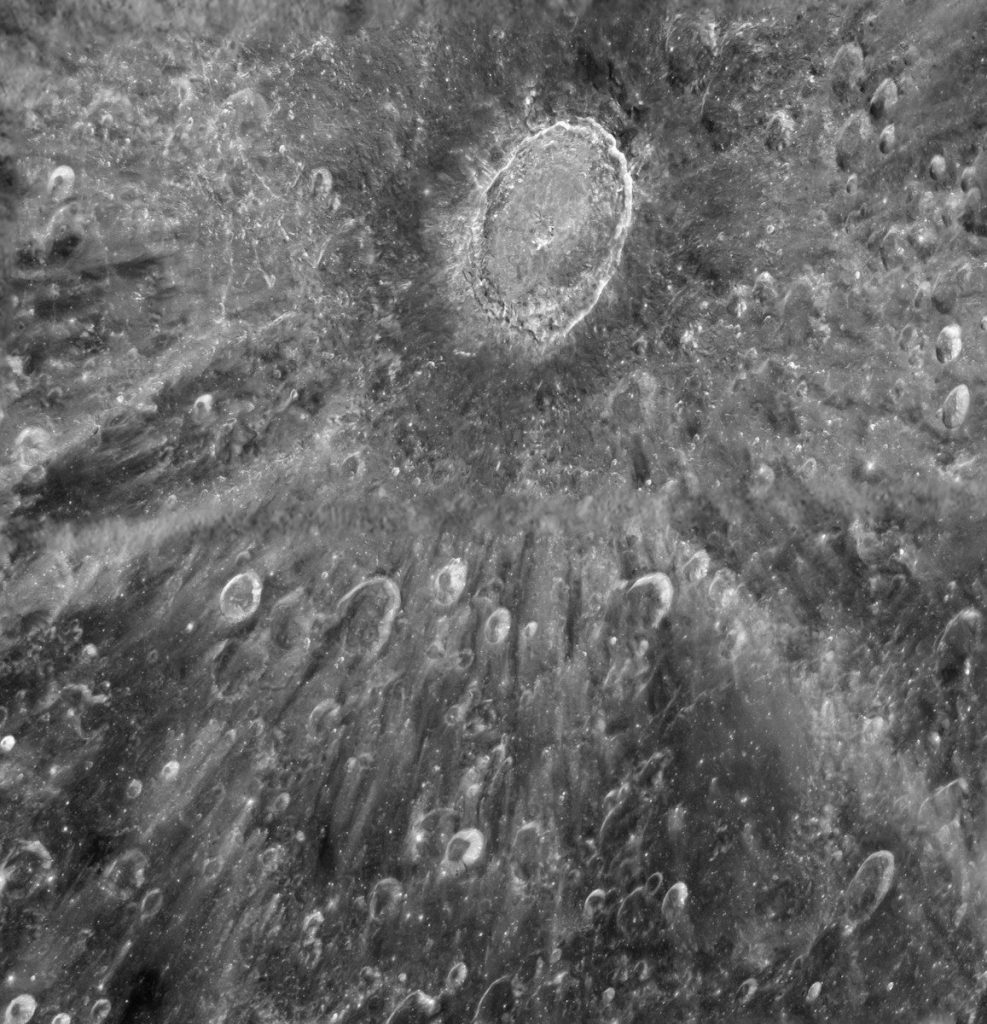
    Image of a unique celestial body with a cratered surface in space, offering a view of its mysterious terrain.
    Photo by Rodolfo Boscan on Pexels

    Titan remains the only satellite in our solar system with a dense nitrogen atmosphere. According to the Cassini spacecraft, this freezing moon has active liquid methane lakes and rivers flowing across its surface. The climate is strange. This unique hydrologic cycle mirrors our own water cycles in a highly bizarre way. But an even smaller ice world displays a perfect white mirror.

    Perfect White Mirrors Reflecting Light

    moon photography
    Photo by NASA on Unsplash

    Enceladus reflects nearly ninety-nine percent of the sunlight that hits its surface. According to planetary geologists, this extreme brightness is caused by a pristine layer of fresh snow. It is a mirror. This snow falls from massive geysers that erupt through cracks at the south pole. But this icy water also contains the essential building blocks for biological life.

    Two Tone Moons Splitting Colors

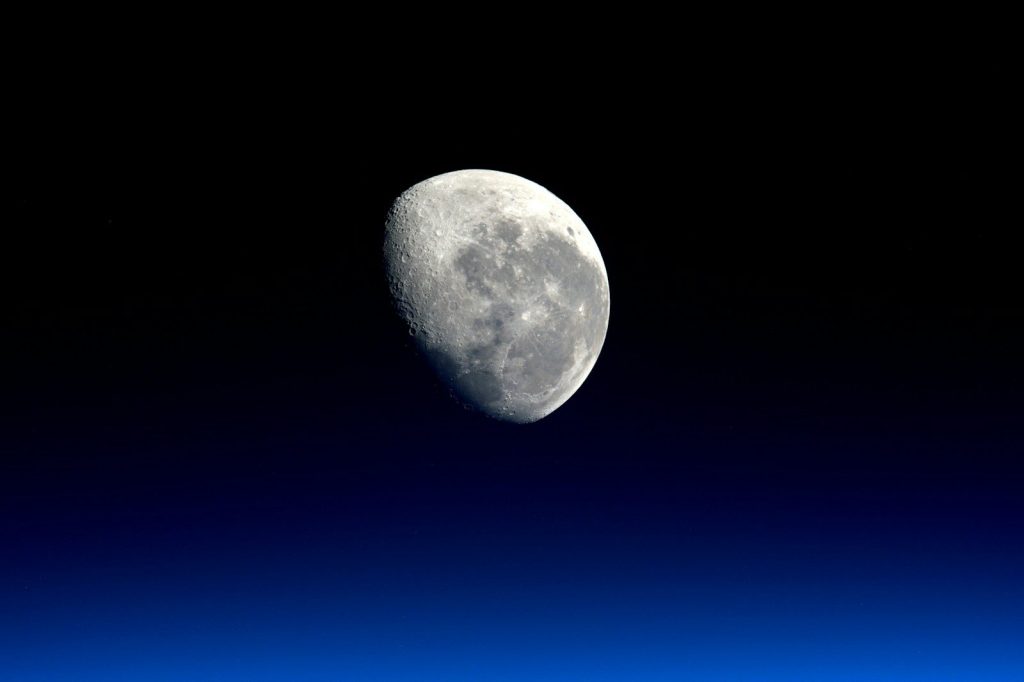
    High-resolution image of the crescent moon with clear details against a black sky.
    Photo by Juan Poblete on Pexels

    Iapetus displays a highly bizarre layout where one half is dark as coal while the other is bright as snow. According to space agency models, this mismatch is caused by dust migrating from distant outer rings. The divide is sharp. This dark dust absorbs solar heat and causes the water ice to evaporate toward the colder side. But this changing surface is not the only mystery.

    Spongy Textures Floating In Space

    a black and white photo of the surface of the moon
    Photo by NASA Hubble Space Telescope on Unsplash

    Hyperion looks remarkably like a massive cosmic sponge drifting through the dark void. According to astrophysical models, this low-density satellite is packed with empty cavities that absorb space debris impacts. They are highly porous. This unique structure prevents the moon from shattering during violent collisions over billions of years. But another satellite behaves like a captured space traveler.

    Backward Orbits Defying Planet Rotations

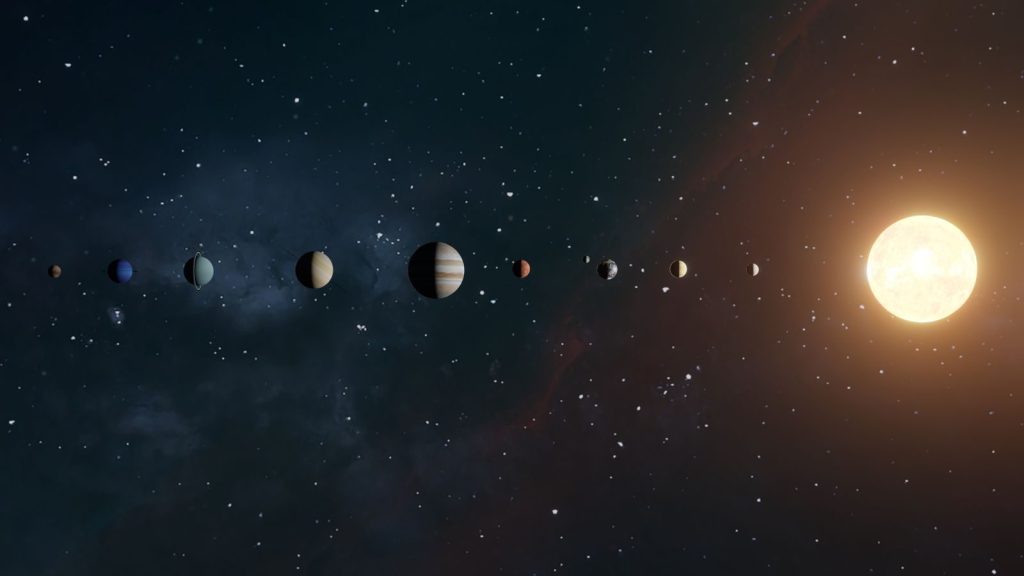
    An artistic representation of the solar system showing planets orbiting the sun.
    Photo by Zelch Csaba on Pexels

    Triton travels around Neptune in a highly unusual backward direction against the natural spin of the planet. According to orbital dynamics studies, this retrograde motion suggests the moon was once a rogue traveler. It was captured cleanly. This gravitational capture pulled the icy world into a stable loop that continues to shift today. But understanding these moons is changing how we look at life.

    Expanding Our Biological Frontiers

    Nebula
    Photo by NASA on Unsplash

    Finding liquid water and organic elements on distant satellites proves that habitability does not require a sunlit surface. According to astrobiologists, these outer moons represent our best target coordinates to locate alien microbial life in the dark. We are still learning. This article is for informational purposes only.

    Featured Image: Photo by NASA Hubble Space Telescope on Unsplash

  • Why The Sudden Solar Magnetic Flip Alters Our Sky

    Why The Sudden Solar Magnetic Flip Alters Our Sky

    Space enthusiasts assume that the Sun is a completely static and stable cosmic reactor. We believe that our star maintains a constant and unchanging magnetic structure.

    But a massive magnetic reversal is currently taking place at the center of our solar system. This regular solar cycle shift alters the entire space environment surrounding Earth.

    Explaining The Celestial Clockwork

    Earth and mars with orbital rings in space
    Photo by Michael Mwangi on Unsplash

    The solar magnetic field reverses its polarity approximately once every eleven years. According to reports from NASA, this event marks the absolute peak of the solar cycle. It is a cycle. This process causes the magnetic north and south poles of our star to swap places entirely. But this cosmic flip triggers a massive wave of activity across the solar surface.

    Tracking The Solar Peak Activity

    an artist's impression of two planets in front of a star
    Photo by NASA Hubble Space Telescope on Unsplash

    Sunspots and massive solar flares become far more frequent during the magnetic flip. According to solar physicists, these violent eruptions release giant clouds of charged particles into deep space. The energy is immense. These solar winds travel rapidly across the space neighborhood and head straight toward our home planet. But Earth has a highly robust way of defending itself.

    Squeezing The Current Sheet Wide

    A striking geometric grid structure at Chadstone Shopping Centre in Australia.
    Photo by Goran Dojcinovic on Pexels

    This solar wind warps a massive cosmic boundary called the heliospheric current sheet. According to space weather monitoring stations, this warped surface ripples like a giant spinning skirt in space. The waves are massive. This rippling sheet acts like a protective shield that blocks highly dangerous cosmic rays from entering our local system. But the shift is also changing space weather.

    Blocking Toxic Space Radiation

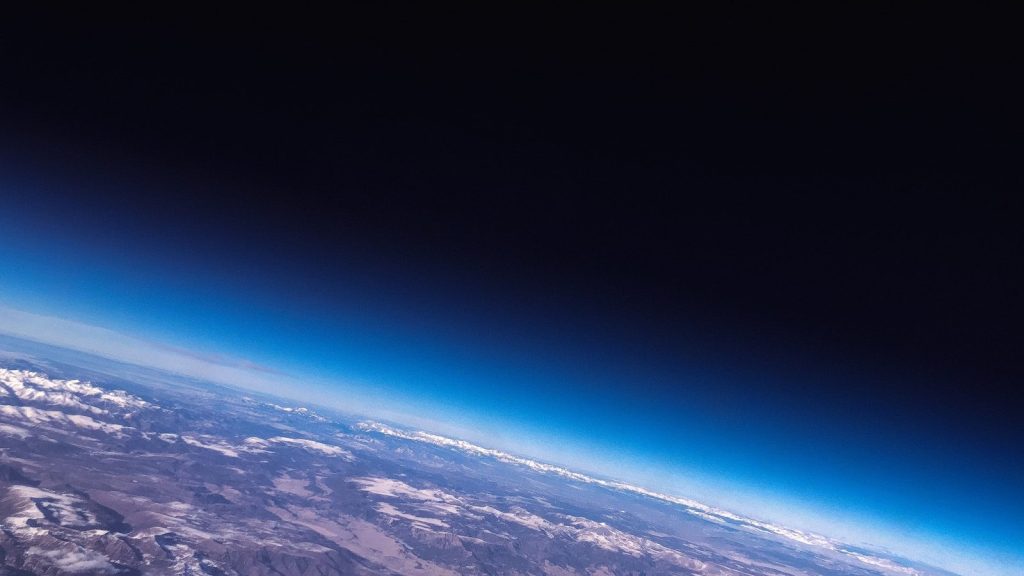
    outer space photography of earth
    Photo by ActionVance on Unsplash

    Cosmic rays from distant dying stars constantly threaten to penetrate our inner solar system. According to reports from the National Oceanic and Atmospheric Administration, the warped solar field deflects these toxic rays away from Earth. The defense is passive. This temporary protection helps safeguard our satellite networks and high-altitude flight crews from radiation. But this magnetic shift also creates unique hazards.

    Disrupting National Power Grids

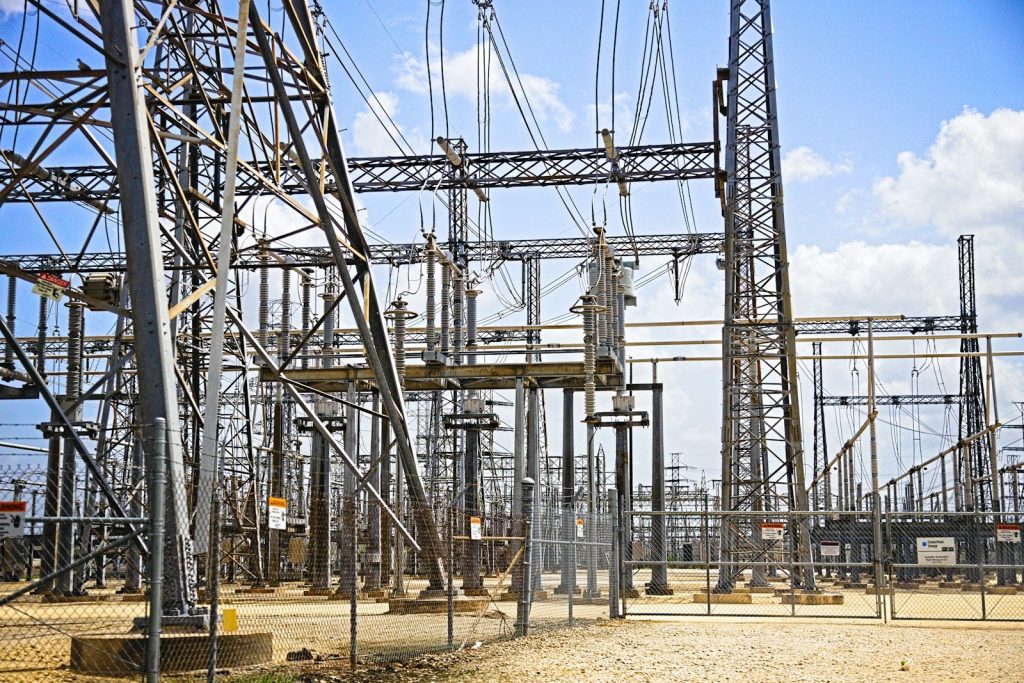
    a bunch of power lines that are in the dirt
    Photo by Sam LaRussa on Unsplash

    Heavy solar winds from magnetic eruptions can interact violently with our upper atmosphere. According to utility energy studies, these magnetic storms can induce strong electrical currents in long power lines. The threat is real. This extra energy can overload transformers and trigger rolling blackouts across major cities. But scientists are already designing smart shields to protect us.

    Navigating The Space Storms

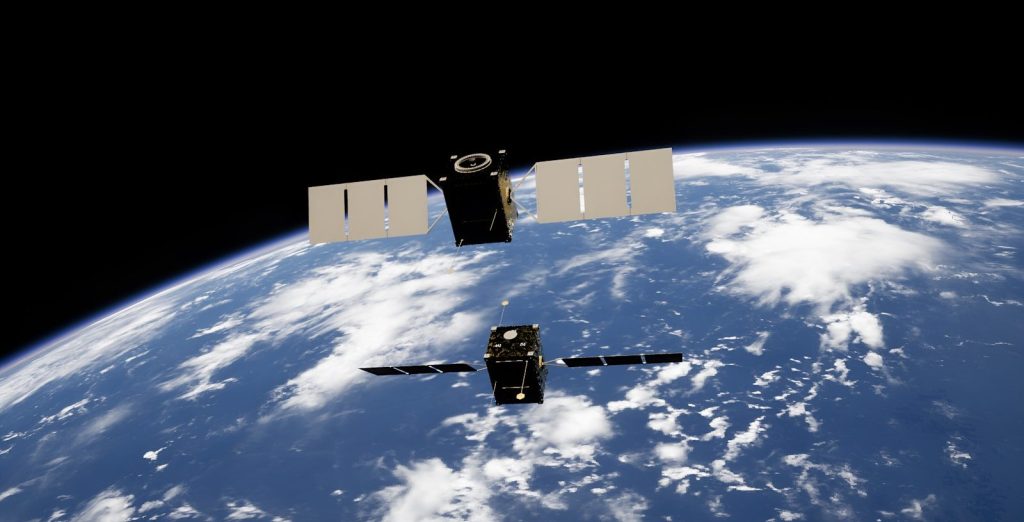
    a satellite satellite flying over the earth
    Photo by Kevin Stadnyk on Unsplash

    Modern satellites must adjust their orbits to survive the swelling atmosphere during solar maximum. According to aerospace engineering logs, increased drag forces can pull low-orbit craft down toward Earth prematurely. They must adapt. Specialized thruster adjustments allow these high-tech platforms to maintain stable coordinates until the solar storm passes. But this solar flip is only a temporary transition.

    Restoring Calm Cosmic Cycles

    a city skyline with the sun setting
    Photo by Aymeric Lamblin on Unsplash
    Once the solar poles complete their swap, the magnetic activity will slowly fade into a quiet minimum. According to researchers, this cycle has repeated reliably for billions of years without destroying our planetary environment. Nature maintains balance. This article is for informational purposes only.

    Featured Image: Photo by Nicola Narracci on Pexels

  • The Bizarre Animals Surviving With Seemingly Useless Traits

    The Bizarre Animals Surviving With Seemingly Useless Traits

    Biology lovers assume that natural selection always produces highly efficient and streamlined animal bodies. We believe that every physical feature must serve an active survival purpose.

    But multiple strange creatures are thriving with traits that appear completely counterproductive. These evolutionary anomalies prove that survival in the wild has highly unexpected strategies.

    Growing Teeth That Spiral Backward

    A capybara stands on a log in a forest setting.
    Photo by Ting Chen on Unsplash

    Babirusas grow massive tusks that curve backward and can eventually pierce their own skull. According to zoological studies, these bizarre teeth offer absolutely zero help during hunting or self-defense. They are dangerous. Yet these strange pigs continue to survive and breed in the dense Indonesian rainforests. But explaining why these tusks evolved requires looking at social rankings.

    Navigating With Blind Eyes

    A dark cave with a light at the end.
    Photo by Marco Grosso on Unsplash

    Naked mole rats spend their entire life in pitch-black underground tunnels with useless eyes. According to biological reports, these rodents have completely lost their visual processing skills over millions of years. They are blind. Instead, they rely on highly sensitive whiskers and touch to navigate the dark clay safely. But this lack of vision is actually a clever energy saver.

    Building Incredibly Heavy Shells

    A tortoise eating a leaf with its mouth open
    Photo by Joel Ambass on Unsplash

    Giant land tortoises carry massive protective shells that weigh hundreds of pounds and slow them down. According to evolutionary history reports, this heavy weight makes escaping fast predators nearly impossible. The shield is static. However, this thick armor protects the gentle giants from bites and territorial fights when cornered. But this sluggish lifestyle requires another major physical adaptation.

    Floating With Gelatinous Bodies

    a group of jellyfish swimming under a blue light
    Photo by Oleksandr Sushko on Unsplash

    Blobfish look remarkably like a melting lump of pink gelatin when brought to the surface. According to deep-sea biology studies, this lack of muscle allows the fish to float without swimming. They are efficient. This structural adaptation preserves precious energy in the high-pressure and food-poor deep water. But this gelatinous body is highly vulnerable to shallow environments.

    Singing With Giant Inflated Sacks

    A small bird pecks at a mushroom in grass.
    Photo by Moritz R on Unsplash

    Kakapos grow too heavy to fly but use a massive booming voice to find partners. According to conservation researchers, the flightless parrot digs shallow bowls in the dirt to amplify its voice. He is patient. These loud, low-frequency booms can travel for miles across the forest floor. But this loud calling also attracts hungry predators directly to the bird.

    Moving At Sluggish Speeds

    A sloth hanging upside down on a tree branch
    Photo by Bernd 📷 Dittrich on Unsplash
    Three-toed sloths crawl so slowly that green algae grows directly on their thick, coarse fur. According to wildlife biology reports, this sluggish movement makes them look like simple mossy tree branches. They are virtually invisible. This active camouflage keeps the mammals safe from hungry eagles searching the canopy from above. But their slow metabolism requires a highly unique digestive system.

    Growing Massive Fragile Claws

    A small bird swims in muddy water
    Photo by Callum on Unsplash
    Male fiddler crabs grow one giant claw that is far too heavy to use during feeding. According to marine ecologists, this massive claw is used primarily to wave at potential mates. The display is vital. While the heavy claw slows down their escape, it secures their place in the next generation. But these evolutionary trades are still changing our view of nature.

    Reinterpreting Nature Complex Designs

    A group of trees sitting on top of a lush green hillside
    Photo by Bernd 📷 Dittrich on Unsplash

    These seemingly useless physical traits prove that survival in the wild is not always about pure efficiency. According to biologists, evolution often trades speed and agility for unique defensive or social advantages. Nature keeps secrets. This article is for informational purposes only.

    Featured Image: Photo by Luis Villasmil on Unsplash