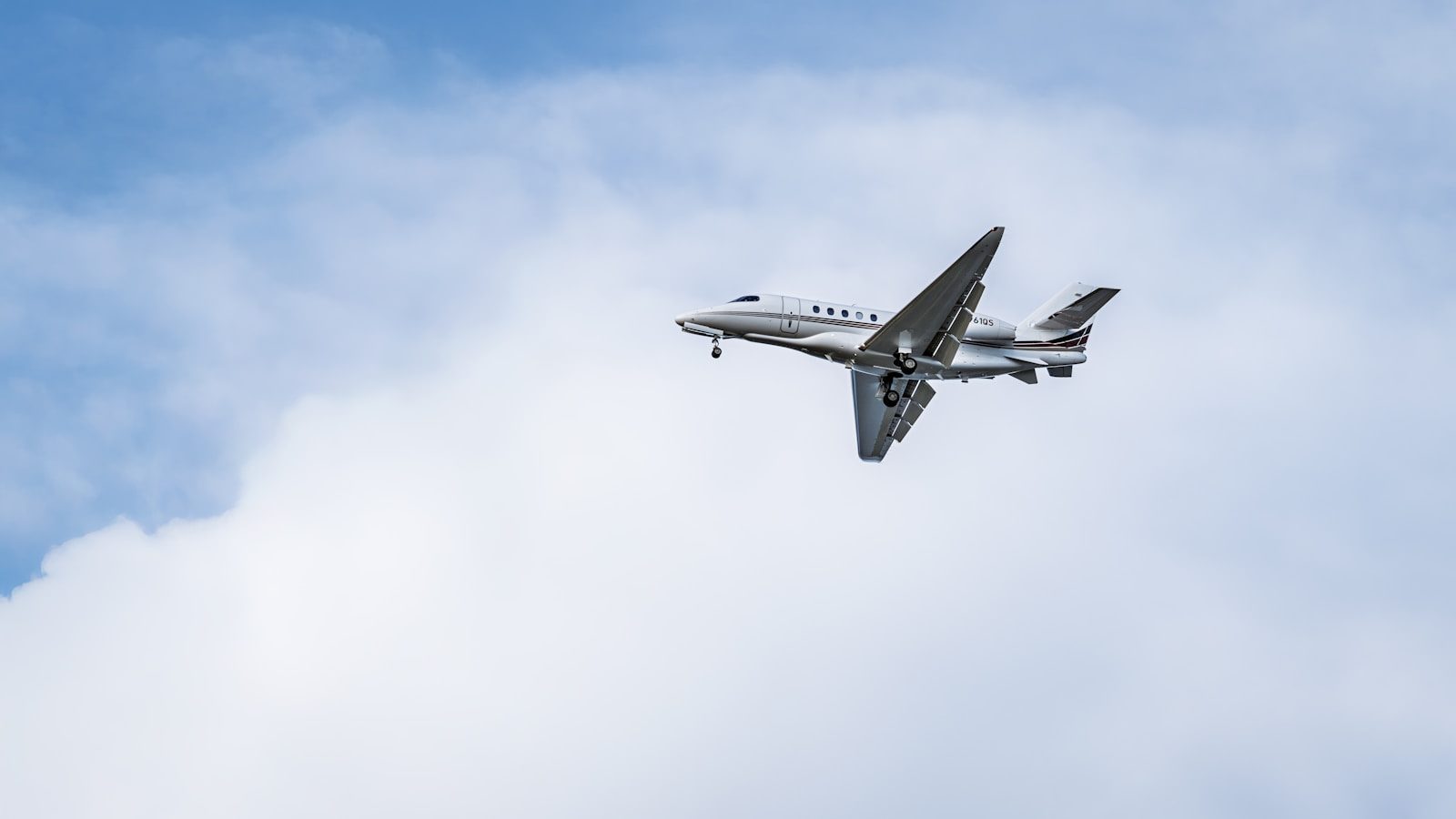
Most passengers assume that jet engines simply push an airplane through the sky like a powerful rocket. We believe that raw horsepower is the only thing holding thousands of pounds of steel in the air.
But the actual physics of flight rely on a beautiful manipulation of invisible air currents. This clever engineering allows massive commercial jets to glide effortlessly on thin cushions of wind.
Shaping The Curved Wing
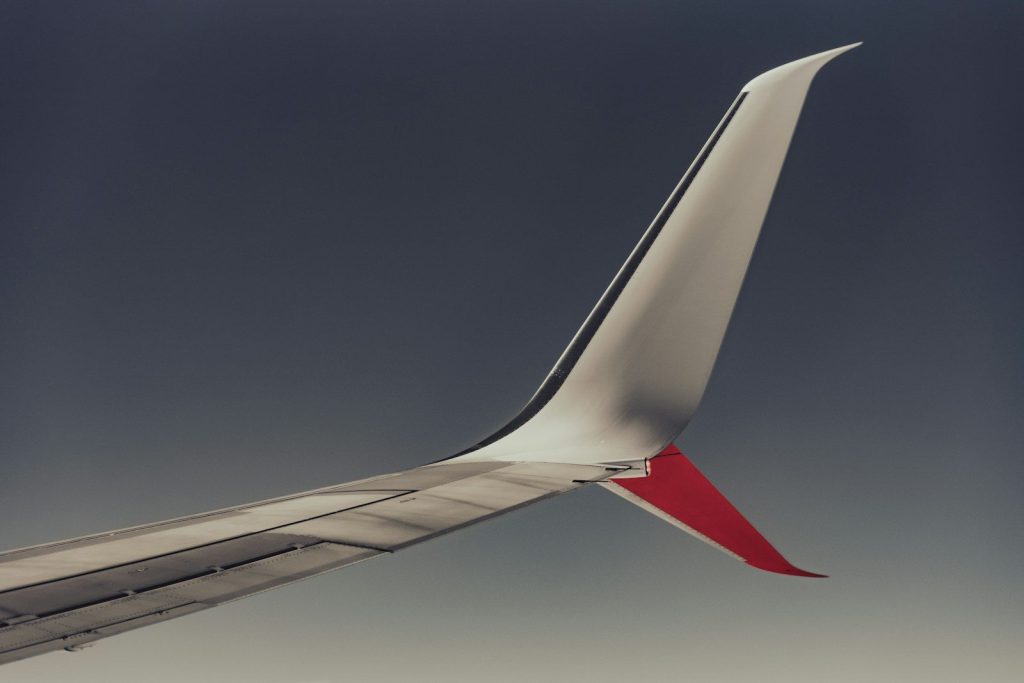
The secret to generating flight begins with the highly specialized curved shape of the airplane wing. According to aerodynamics reports, this curved design is called an airfoil. It is remarkably elegant. The curved top forces incoming air to travel faster over the wing than underneath it. But this speed difference is what triggers a massive change in air pressure.
The Pressure Difference Push
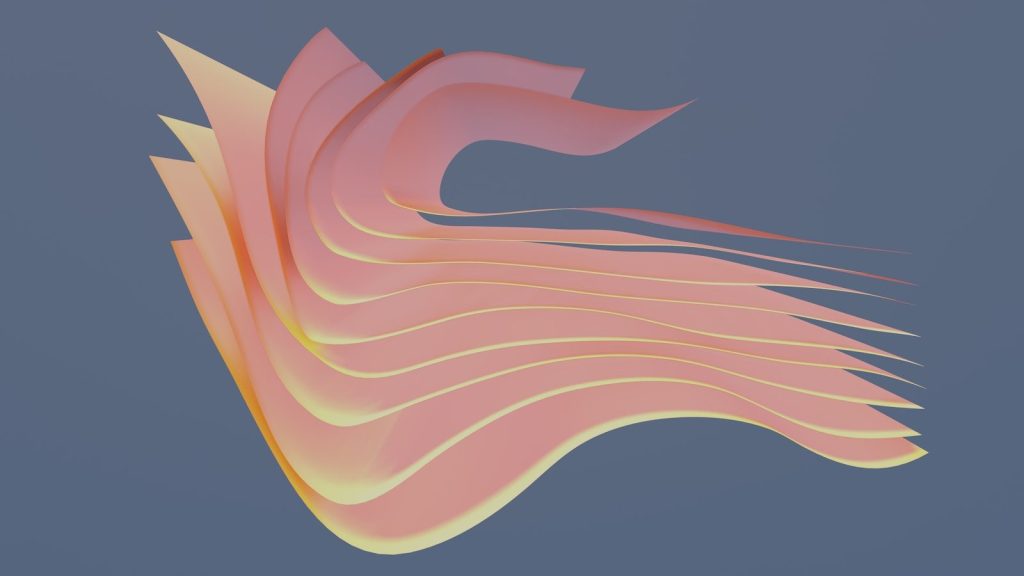
Faster-moving air over the top of the wing creates a zone of lower pressure. According to fluid dynamics studies, the higher pressure beneath the wing pushes the heavy aircraft upward into the sky. This is a lift. This continuous upward push is what keeps the massive steel frame floating safely in the air currents. But overcoming gravity requires a secondary forward force.
Harnessing Extreme Engine Thrust
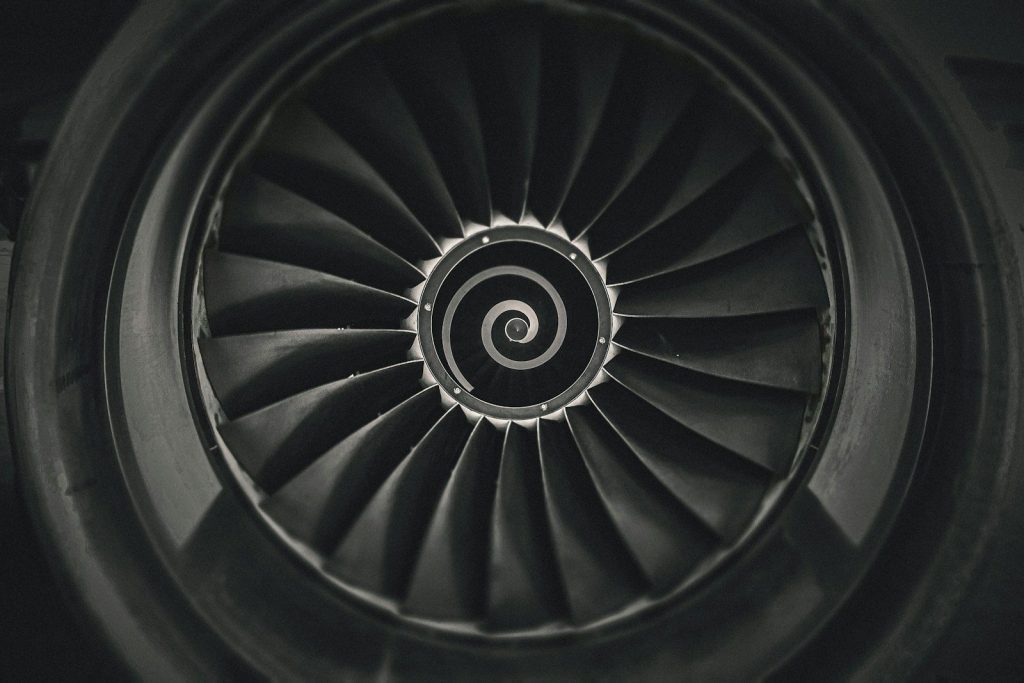
Heavy wings cannot generate lift without constant forward movement through the atmospheric currents. According to aerospace engineering logs, massive jet engines pull in cold air and compress it violently to create thrust. The reaction is instant. This intense exhaust push drives the plane forward at hundreds of miles per hour. But moving forward so fast creates a massive wall of resistance.
Fighting Invisible Drag Forces
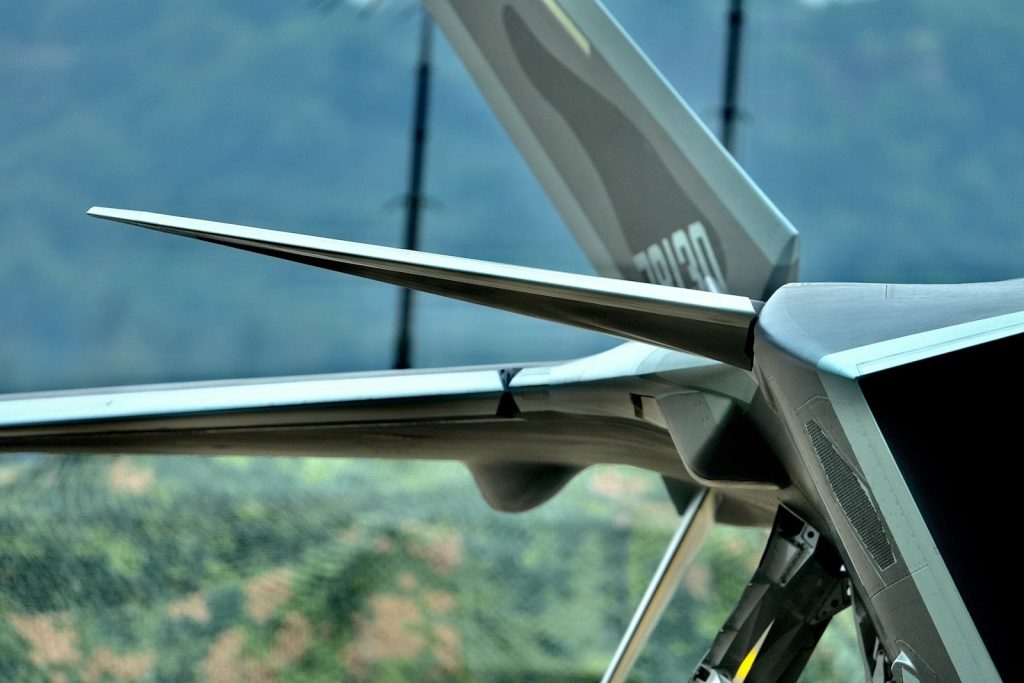
Air behaves like a highly viscous fluid that actively resists the movement of any fast object. According to aerodynamic testing reports, this physical resistance is known as drag. It is a relentless brake. Designers must shape the metal fuselage to be incredibly smooth to slice through the atmosphere easily. But keeping the heavy plane perfectly balanced requires highly active control surfaces.
Steering With Wing Flaps
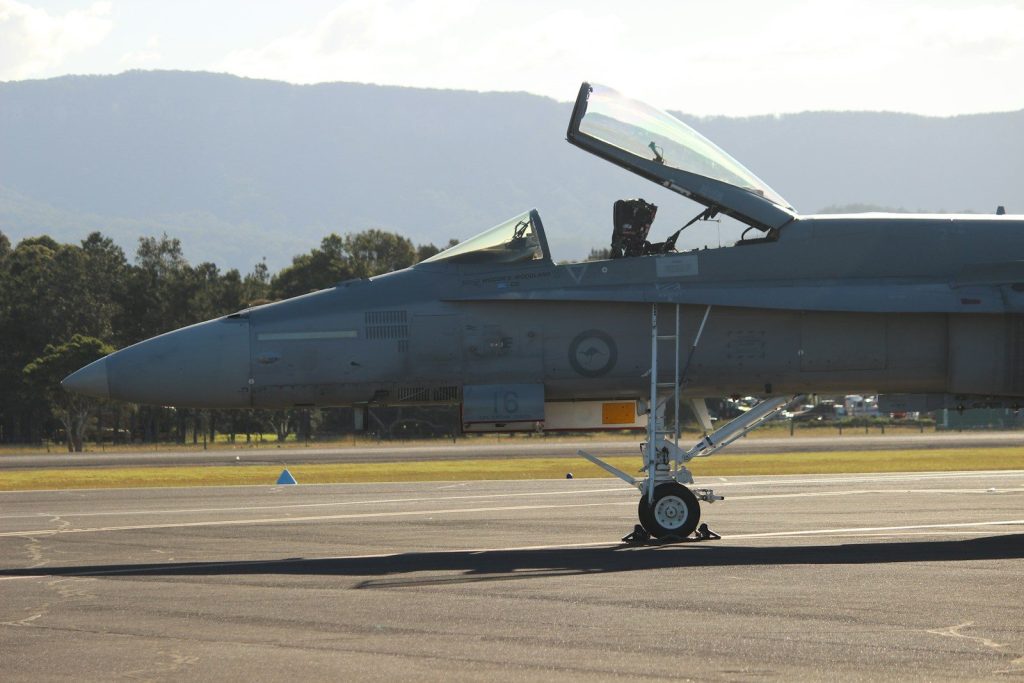
Pilots alter the flow of air around the wings to steer the massive plane in multiple directions. According to civil aviation manuals, small moving panels called ailerons adjust the roll of the aircraft. They are highly responsive. By tilting these flaps, the pilot can easily bank the plane through complex maneuvers. But controlling these rapid movements under extreme air pressure requires automated assistance.
The Automated Fly By Wire
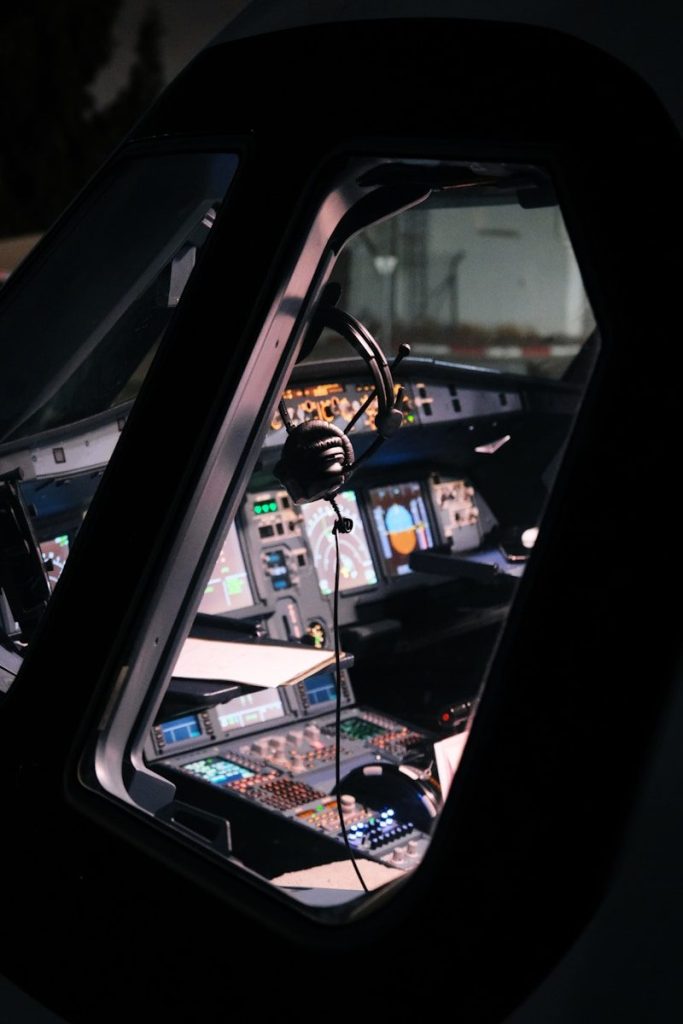
No human hands are fast enough to balance flight flaps during sudden high-speed wind shifts. According to computer software engineers, modern flight systems translate pilot inputs into precise digital signals automatically. The computer never sleeps. This constant digital monitoring ensures the ride remains perfectly smooth even through severe atmospheric turbulence. But landing this massive machine safely requires one final physical trick.
Dumping Speed For Landing
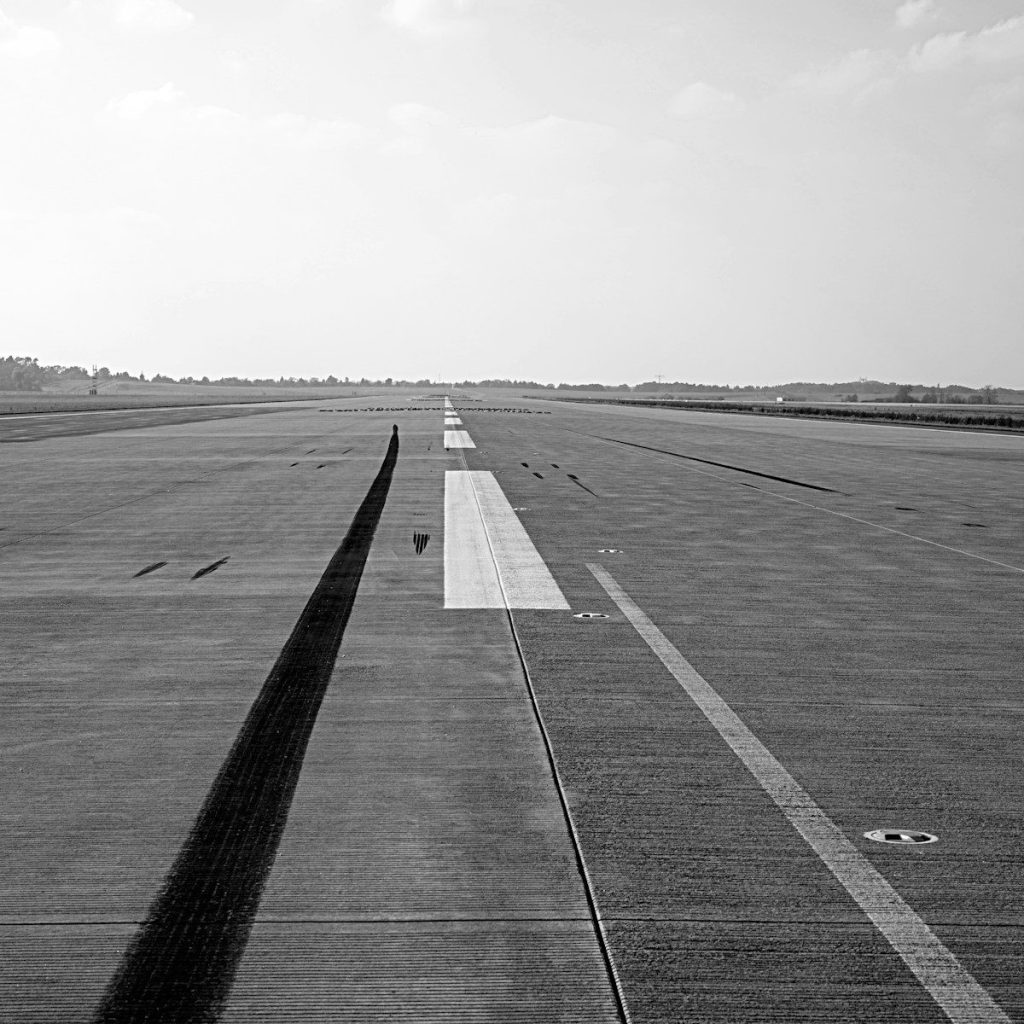
Touching down safely requires pilots to dramatically increase the drag forces on the wings. According to flight operation files, extending the large main flaps slows the plane down without losing vital lift. The timing is critical. This configuration allows the heavy jet to glide slowly onto the hard concrete runway. But understanding these aerodynamic forces is now paving the way for future aviation designs.
Tomorrow In The Sky

Exploring new wing configurations could soon deliver incredibly efficient and silent passenger flights. According to aviation historians, manipulating air currents remains the absolute foundation of all transportation engineering. The future is wide open. This article is for informational purposes only.
Featured Image: Photo by Lumin Osity on Unsplash
Leave a Reply