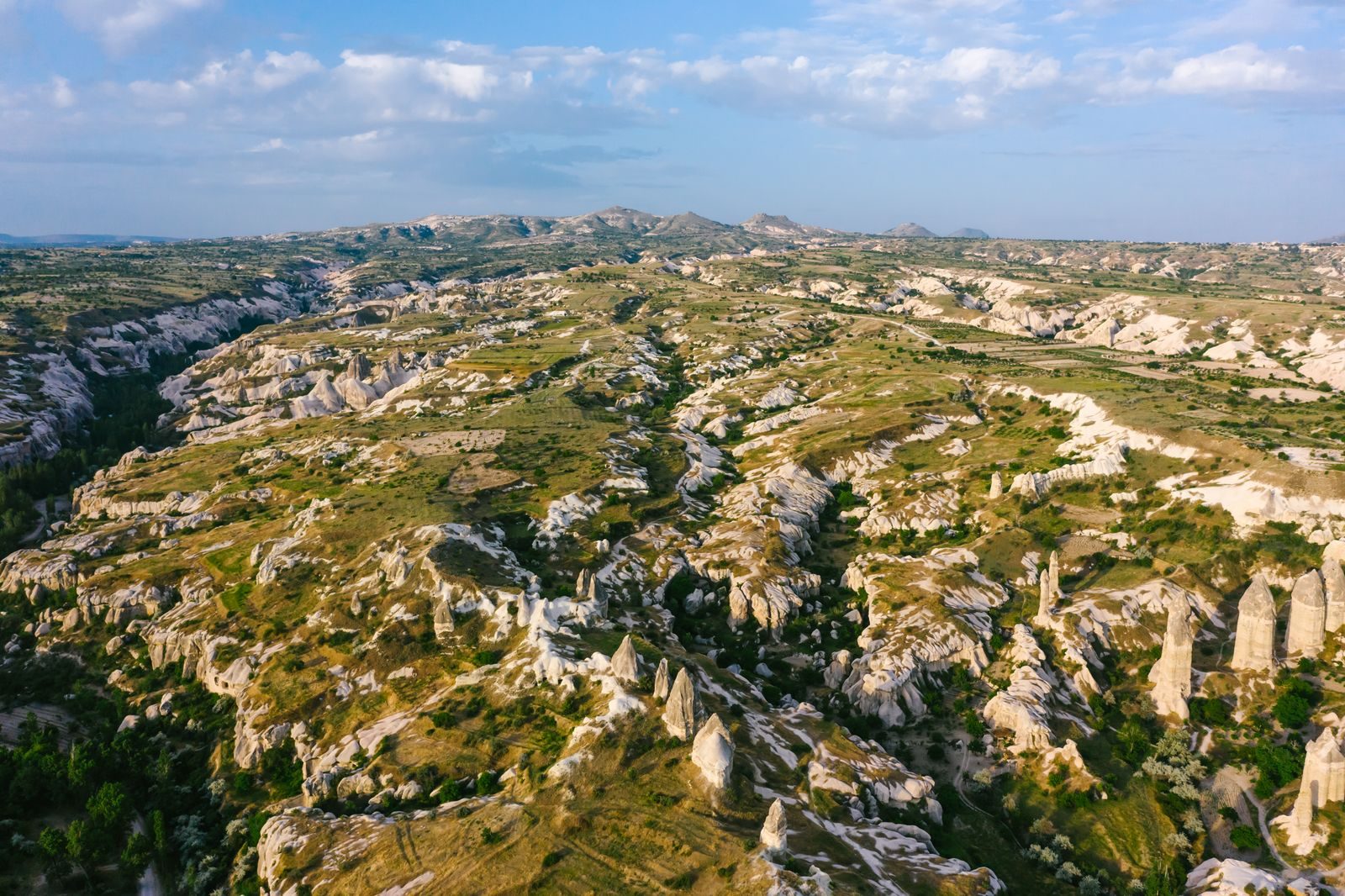
Most tourists believe that our planet’s greatest natural landmarks are just pretty sights to photograph. We think of these massive landforms as static monuments that have always existed.
But deep scientific analysis reveals that these famous sites are actually active, evolving engines of geology. Each one tells a shocking story of planetary survival and change.
The Giant Waterfalls Of Ignition
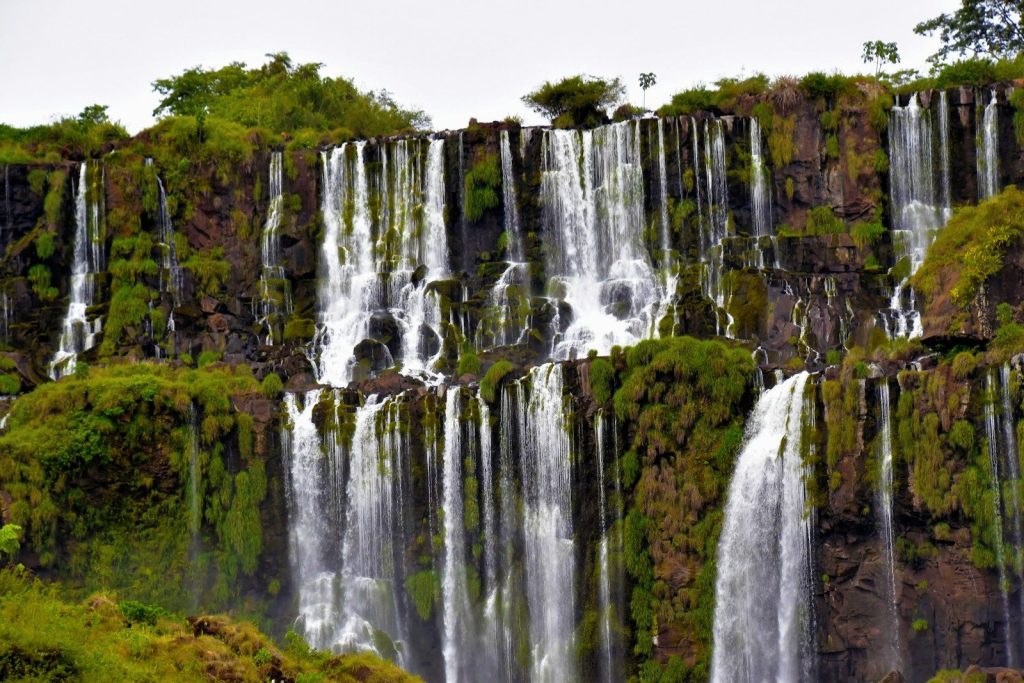
South America’s massive Iguazu Falls feature hundreds of separate cascades plunging into a deep basalt gorge. According to tectonic research from the University of São Paulo, this immense system was born from a massive volcanic rift. The earth literally split. This ancient eruption created a geological step that still channels millions of gallons of rushing water every single day. But this incredible water network supports a highly unusual microclimate.
The Breathing Island Of Fire
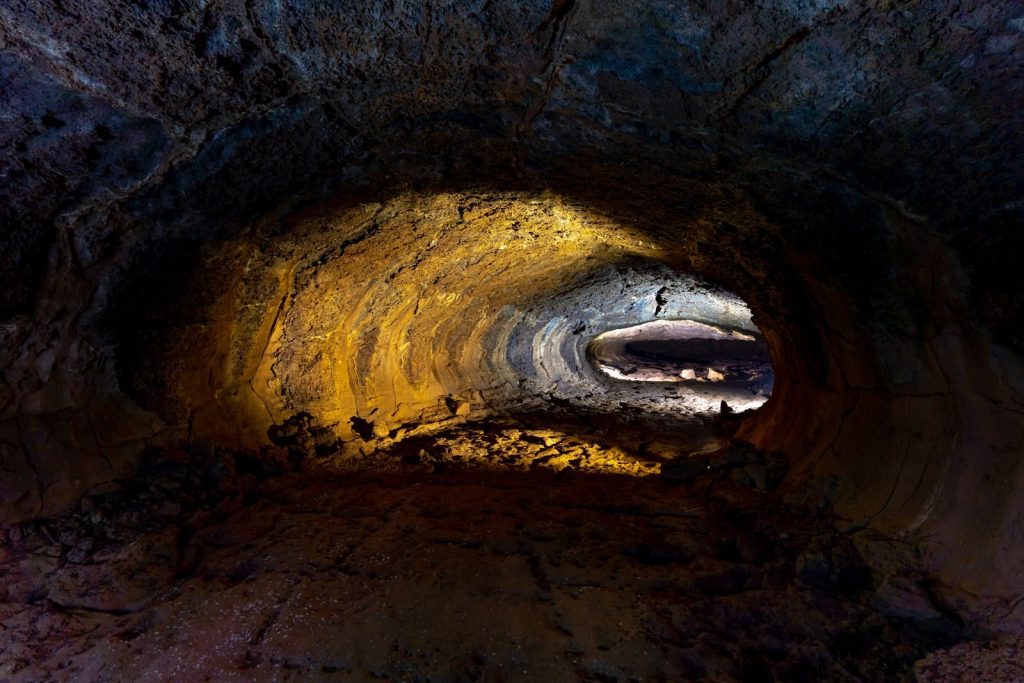
Jeju Island in South Korea features a stunning volcanic landscape shaped by ancient lava flows. According to geological reports from the Korea Institute of Geoscience, a network of hollow lava tubes runs deep beneath the surface. They are incredibly vast. These dark underground chambers act as natural climate vents that preserve rare plants found nowhere else on the peninsula. But this subterranean world is not the only isolated sanctuary on Earth.
The Island Of Ancient Giants
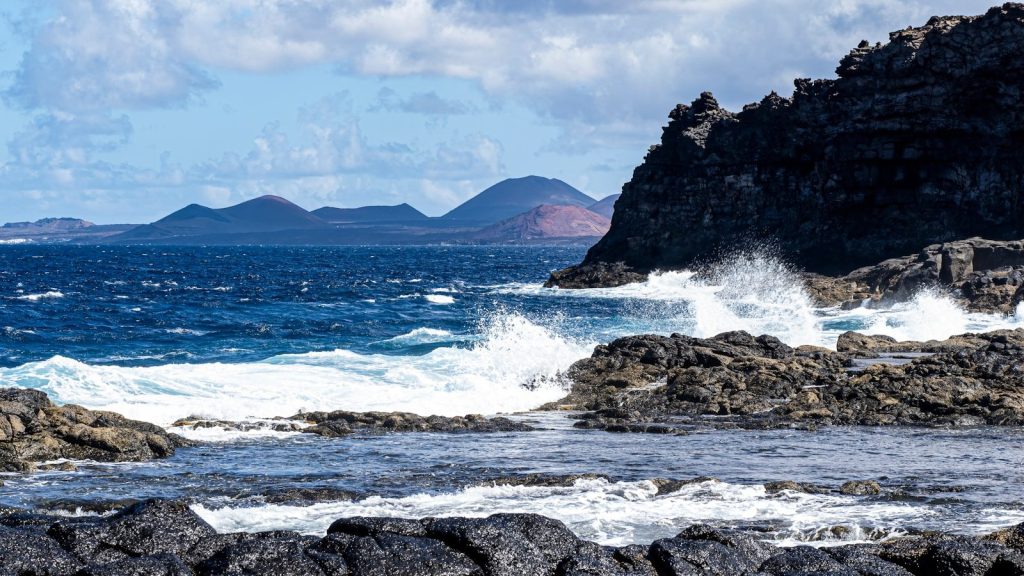
In the middle of the Pacific, Komodo Island rises as a dry, rugged volcanic outpost. According to ecological studies from the Smithsonian Institution, the isolated geography allowed prehistoric reptiles to grow to massive proportions. They are formidable hunters. These giant creatures survive in a harsh environment of extreme heat and seasonal drought. But this ancient biology relies heavily on a highly specific geological balance.
The Sunken Spires Of Stone
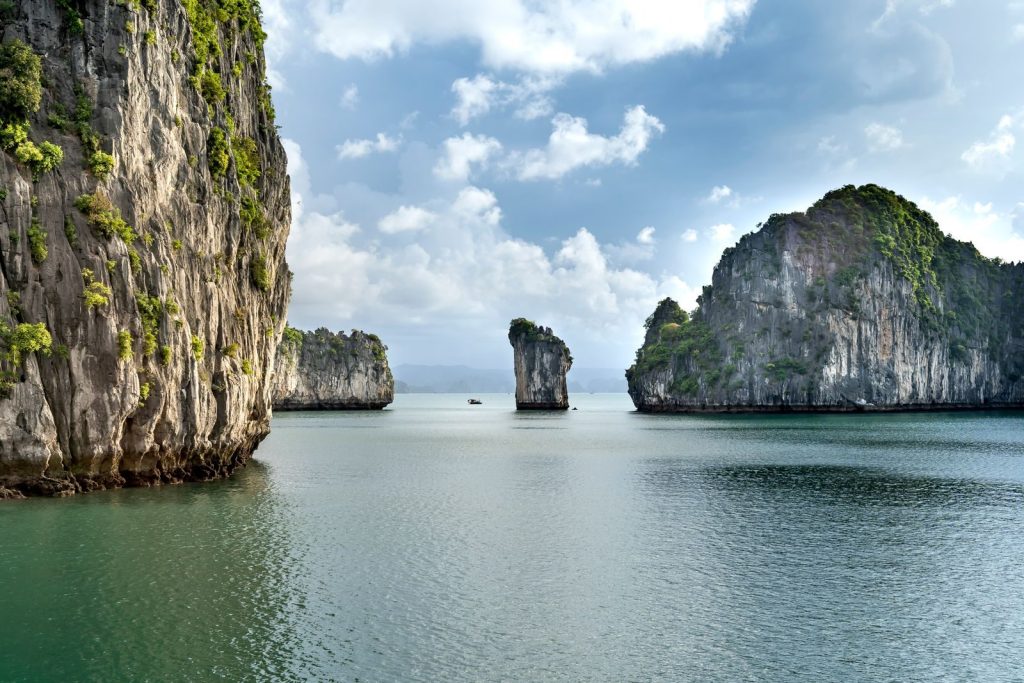
Vietnam’s Ha Long Bay features thousands of towering limestone pillars rising directly from the emerald sea. According to marine geology reports from the Vietnam Academy of Science and Technology, these dramatic structures are the remains of ancient limestone blocks. Wind carved them slowly. Over millions of years, rising sea levels and tropical rain slowly dissolved the softer rock to leave behind these vertical islands. But this marine maze hides another spectacular wonder.
The Underground River Of Secrets
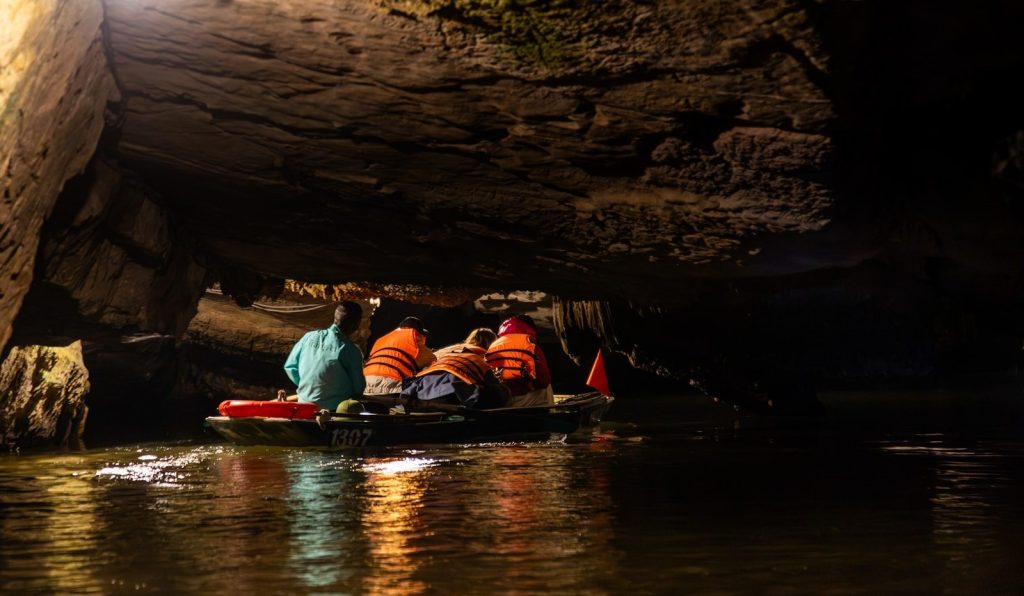
Deep beneath the rainforests of Puerto Princesa, a massive subterranean river winds through dark caverns. According to speleological studies from the University of Florence, this underground channel connects directly to the open ocean. The air is heavy. This unique connection creates a tidal zone inside the cave system where salt water and fresh water mix in complete darkness. But this dark mixing zone has produced a highly unusual biosphere.
The Mountain Of Red Sands
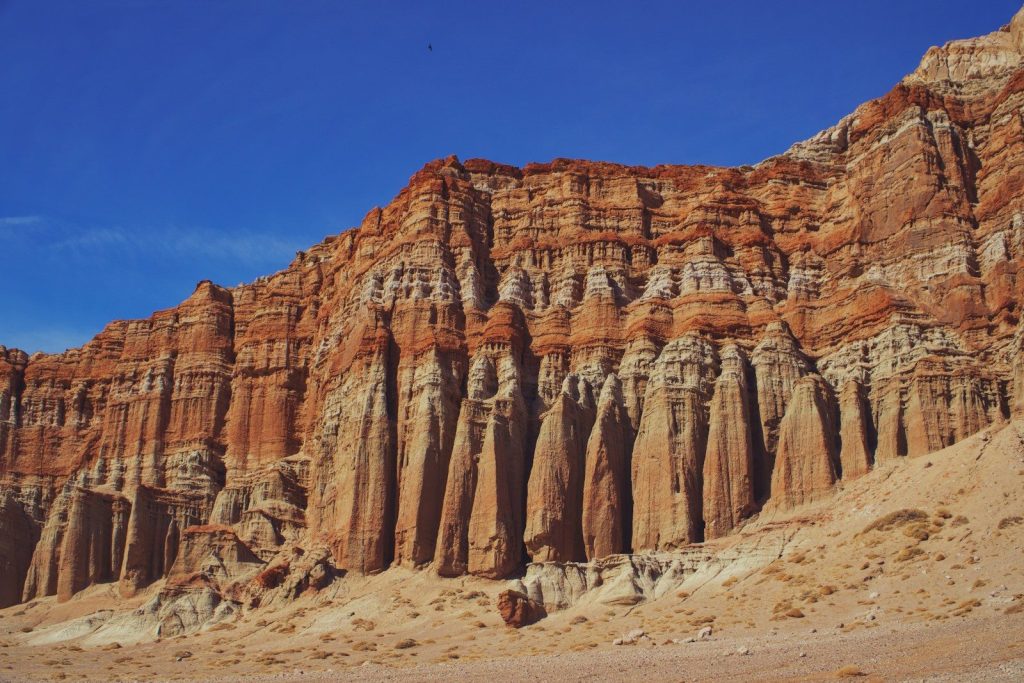
Table Mountain in South Africa stands as a massive, flat-topped landmark overlooking the southern seas. According to geological analysis from the University of Cape Town, this giant plateau is composed of highly resistant quartzitic sandstone. It is extremely ancient. This hard rock layer has survived hundreds of millions of years of intense erosion while surrounding lands washed away. But this survival has created an isolated biological island.
Preserving Our Living Planet
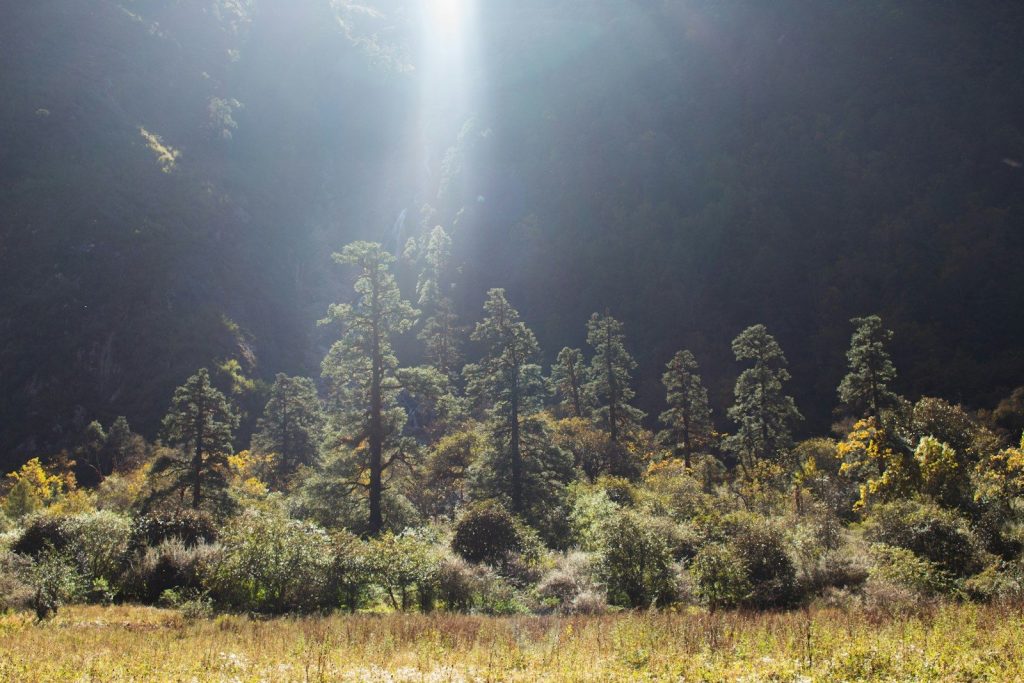
These natural monuments are not static landscapes but living systems that require constant global protection. Our world is delicate. According to international conservation agencies, preserving these unique environments is vital to maintaining our planet’s ecological health. This article is for informational purposes only.
Featured Image: Photo by Mikhail Nilov on Pexels
Leave a Reply