
Most historians believe that structured human writing started only five thousand years ago in ancient Sumeria. We assume our earliest ancestors could only express thoughts through crude sounds.
But microscopic marks found on prehistoric bones are shattering this conventional timeline. These bizarre carvings suggest that complex communication is actually far older than we ever imagined.
Ancient Markings In The Stone
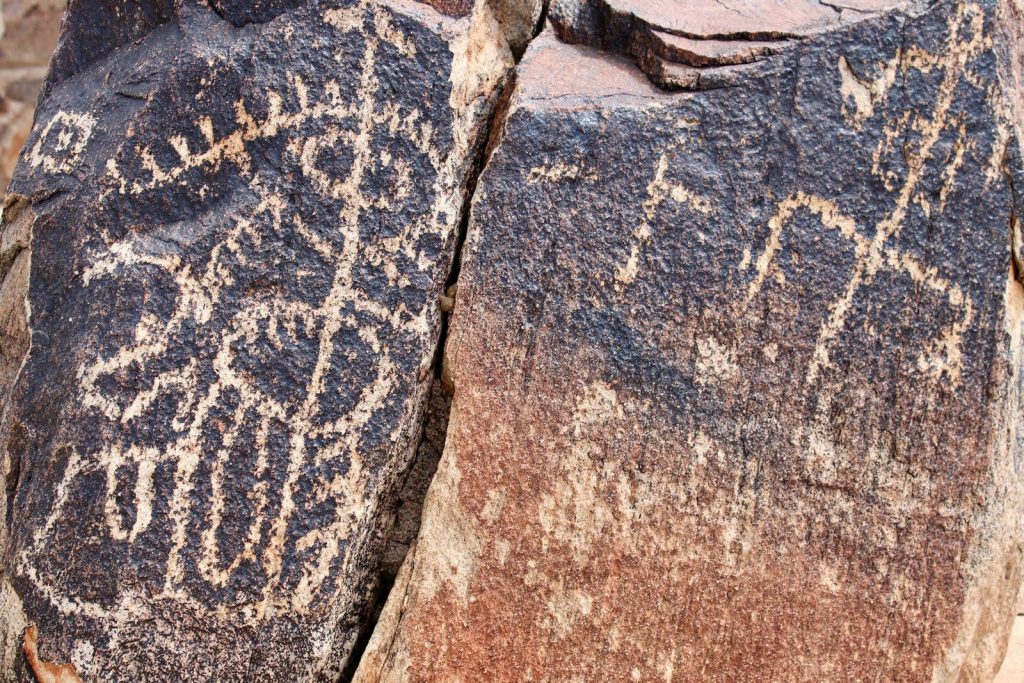
While examining prehistoric mammoth ivory, scientists noticed incredibly precise geometric engravings. According to research published by the University of Tubingen, these regular incisions are not accidental damage. They were carefully planned. This realization means our ancestors were recording data tens of thousands of years before the invention of paper. But the meaning behind these deliberate lines was still a mystery.
Counting Cycles Of The Moon

Ancient hunters needed a reliable way to track migrating wild herds and changing seasons. According to archaeological reports from the German Research Foundation, the ivory markings match lunar cycles perfectly. This was crucial. By tracking the moon, early humans could predict exactly when seasonal food would be abundant. But this record-keeping system was far more advanced than a simple calendar.
Sharing Secrets Over Great Distances

Modern researchers wondered if different nomadic tribes could understand these bizarre ivory carvings. According to anthropological studies from the Max Planck Institute, identical symbols have been discovered hundreds of miles apart. They shared a code. This widespread agreement shows that a structured symbolic system existed across entire regions. But this early network of shared knowledge relied on a highly specific natural material.
The Perfect Canvas Of Ivory

Prehistoric humans chose to carve these messages on durable materials that could survive intense weathering. According to paleontological research from the University of Cologne, mammoth tusks offered the perfect density for microscopic engraving. They were remarkably resilient. This tough material preserved the micro-grooves for millennia without decaying in the frozen dirt. But these durable records also reveal a surprising level of physical dexterity.
Precision Tools Of Prehistory
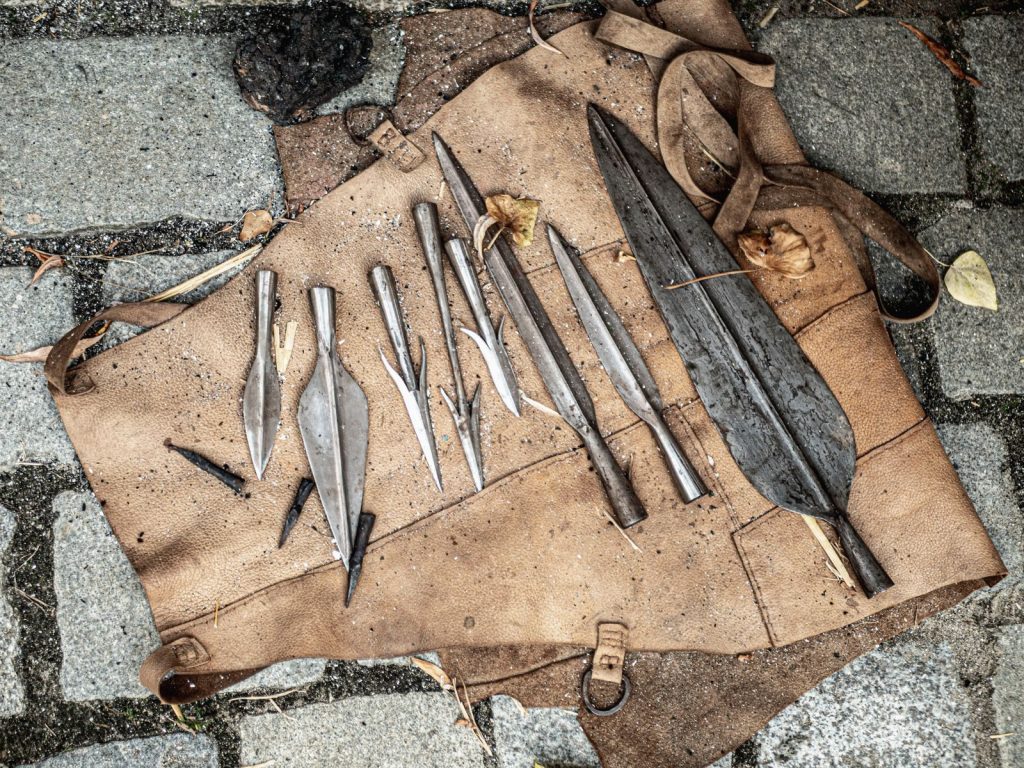
Carving microscopic lines into dense bone requires specialized equipment and incredible physical control. According to trace-wear analysis from the Neanderthal Museum, artisans used ultra-sharp flint blades to score the ivory. The work was delicate. These craftsmen could control their pressure to create uniform lines less than a millimeter wide. But this high level of craftsmanship points to an even deeper evolutionary shift.
A Leap In Human Cognition

Engraving abstract symbols to represent physical events shows a major shift in how early humans processed thoughts. According to cognitive science papers from Oxford University, this symbolic behavior proves that ancient minds functioned just like ours. They were deep thinkers. This incredible cognitive leap allowed early societies to pass critical survival tips down through generations. But this ancient library of ice-age information was about to vanish.
Unlocking Our First Written Words
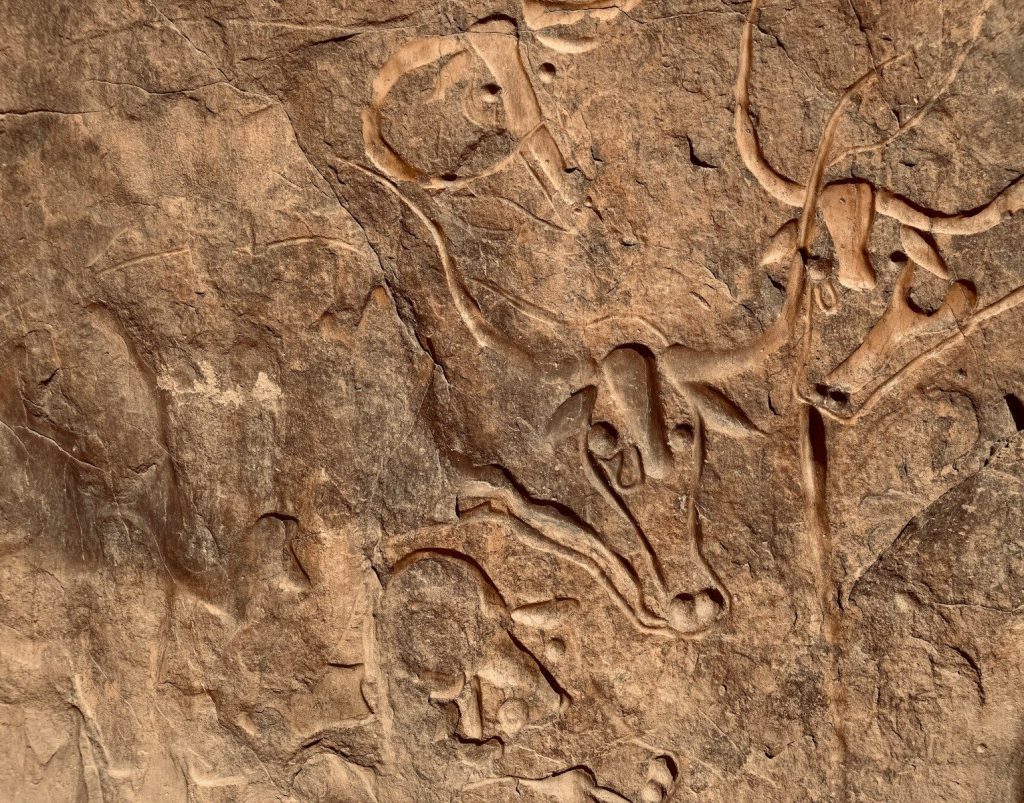
These ancient ivory lines represent the very first steps toward the modern alphabet we use today. According to global historical consensus, understanding these early systems helps us trace the origins of human thought back to the Ice Age. Our ancestors were incredibly creative. This article is for informational purposes only.
Featured Image: Photo by Ricardo Ferro on Unsplash
Leave a Reply