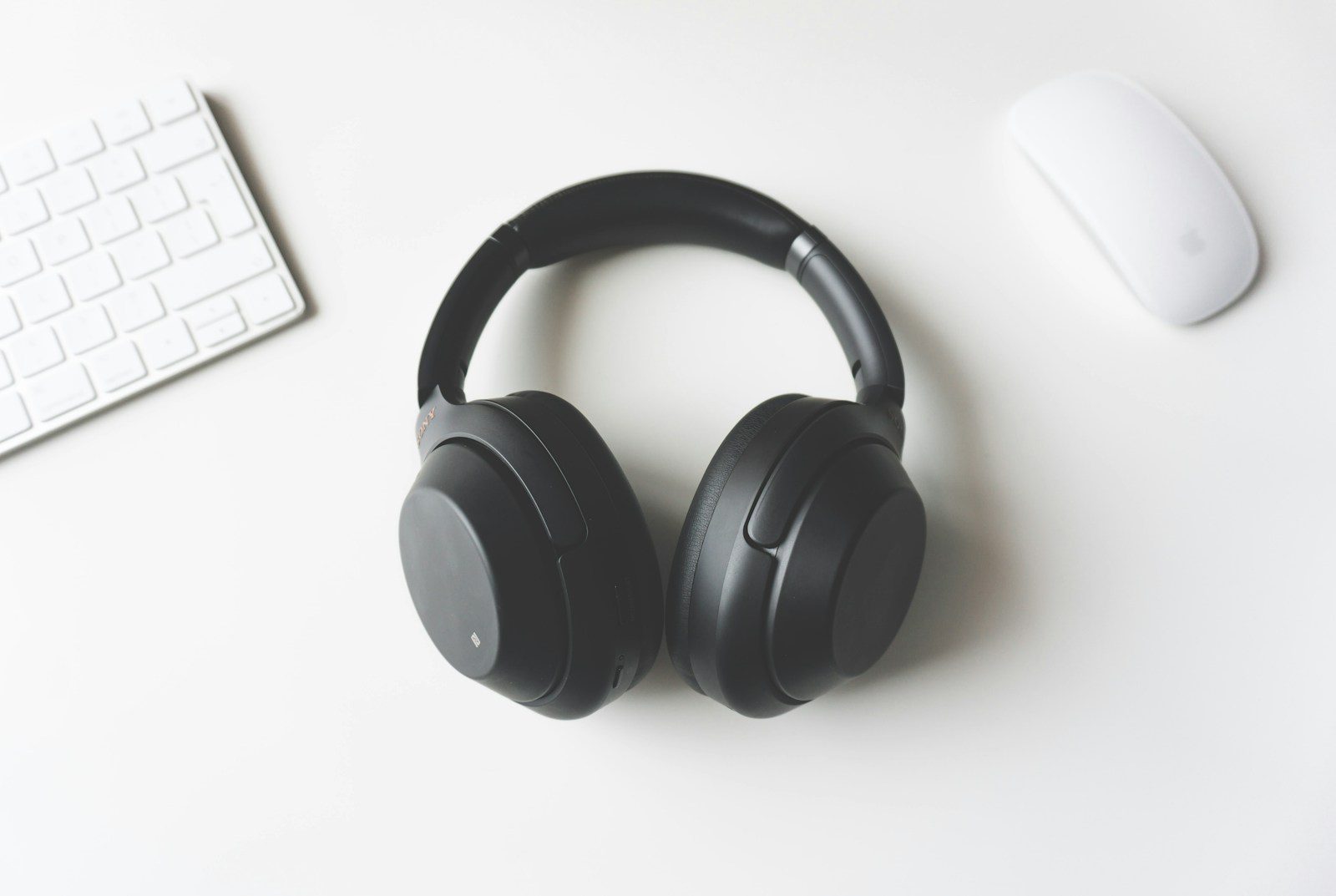
Work used to depend on desks, phones, meeting rooms, and office doors. Now, a huge part of the workday happens through video calls, voice chats, team apps, and quick online check-ins. That shift made clear audio much more important than many people expected. A laptop speaker may work for a short call, but it can struggle when homes, offices, and shared spaces get noisy.
Headsets became essential because they solve a simple problem: people need to hear clearly and be heard clearly. Hybrid work remains a major part of U.S. work life, and many remote-capable employees still prefer flexible work setups. That makes reliable audio gear more than a nice extra. It has become everyday work technology.
Clear calls became a work need

Modern work runs on calls, meetings, and quick voice conversations. When the sound is poor, even a simple update can become frustrating.
Headsets help workers hear clearly without turning up the volume for everyone nearby. They also help voices sound closer and more focused, which makes meetings easier to follow from home, the office, or a shared space.
Hybrid work changed everything
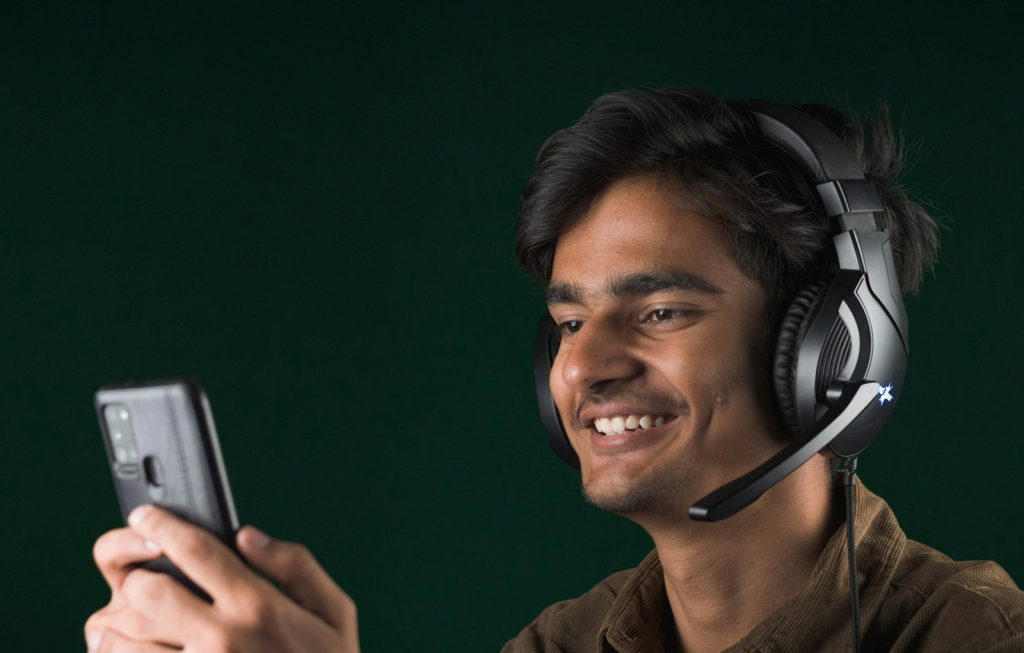
Hybrid work made people move between desks, homes, conference rooms, and travel days. That created a need for tools that work almost anywhere.
Gallup says most remote-capable U.S. employees work in hybrid or fully remote setups, and many prefer that flexibility. Headsets fit that routine because they are portable, personal, and easy to use across different work locations.
Meetings depend on good audio
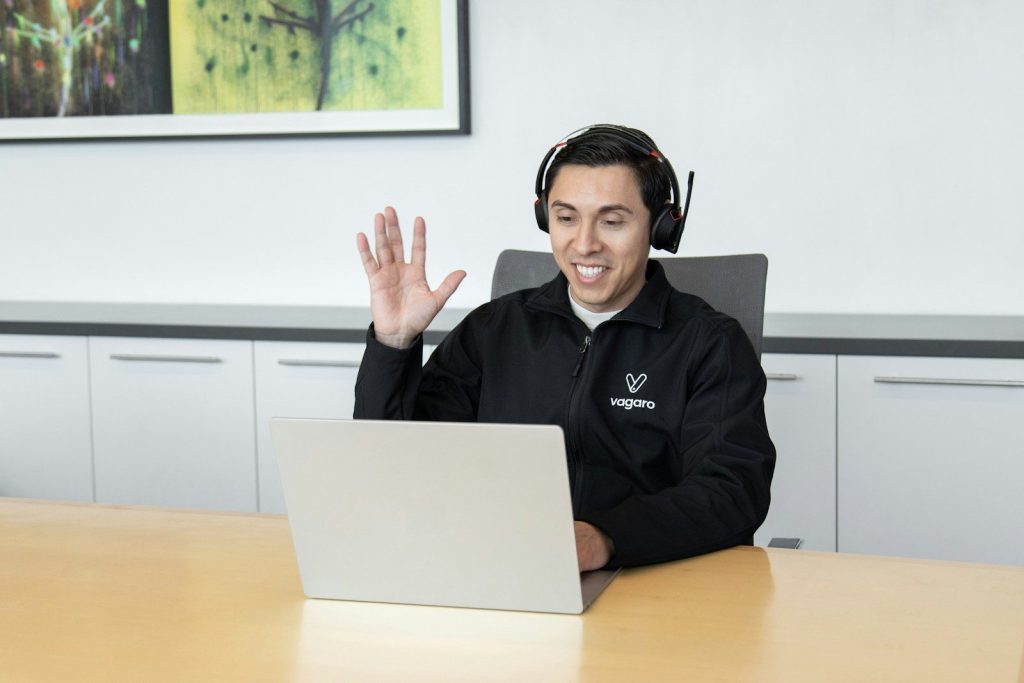
A video meeting can survive a frozen face for a moment, but bad sound can stop the whole conversation. People need to catch names, numbers, deadlines, and instructions.
That is why audio quality became a serious workplace issue. Microsoft’s Work Trend Index has also pointed to inefficient meetings as a major productivity problem, making better meeting tools more important.
Microphones got much smarter

Older headsets were often just about listening. Today, many work headsets focus just as much on microphone quality.
A good microphone can help separate a speaker’s voice from background sound. That matters during interviews, client calls, training sessions, and team meetings where every word needs to be easy to understand.
Comfort became part of productivity

Workers may wear headsets for several calls in one day. If a headset feels heavy, tight, or awkward, it can become a distraction.
That pushed companies and users to care more about comfort, fit, battery life, and easy controls. A headset that feels good for longer sessions can quietly make the workday smoother and less tiring.
Work apps helped drive demand
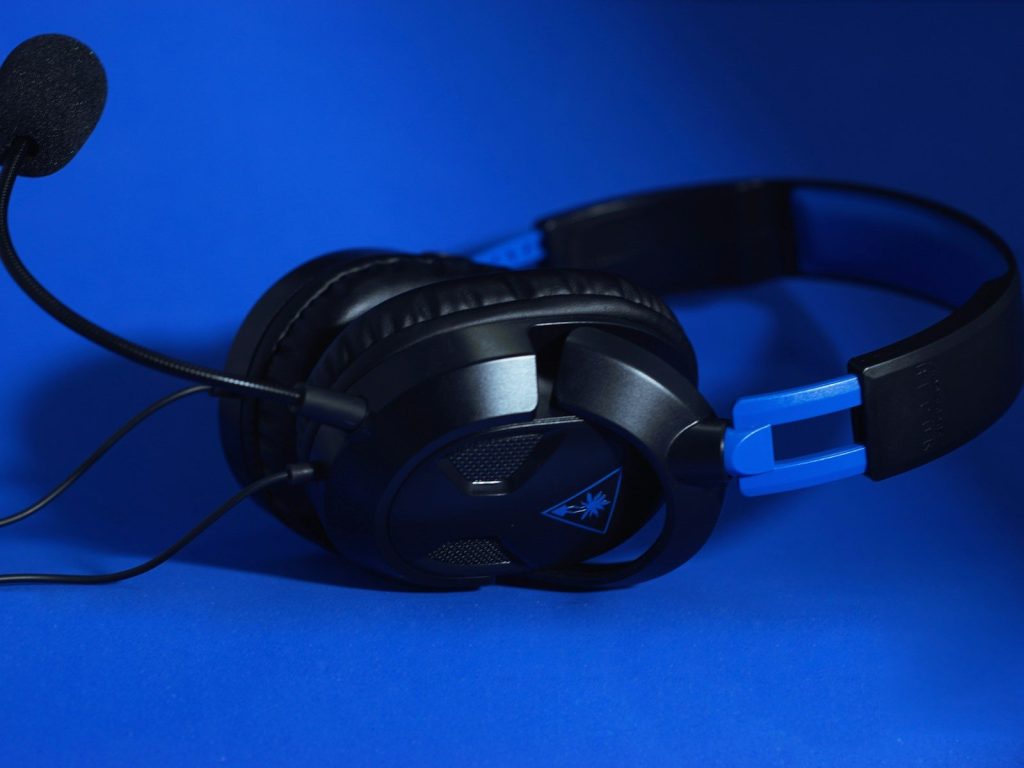
Popular work apps made headsets more useful by turning computers into daily communication hubs. Calls, chats, webinars, and screen shares all became normal parts of the workday.
Zoom notes that professional headsets are built for hybrid work settings where people move between places and tasks. That flexibility helped headsets become a standard part of many work setups.
Better tech became expected
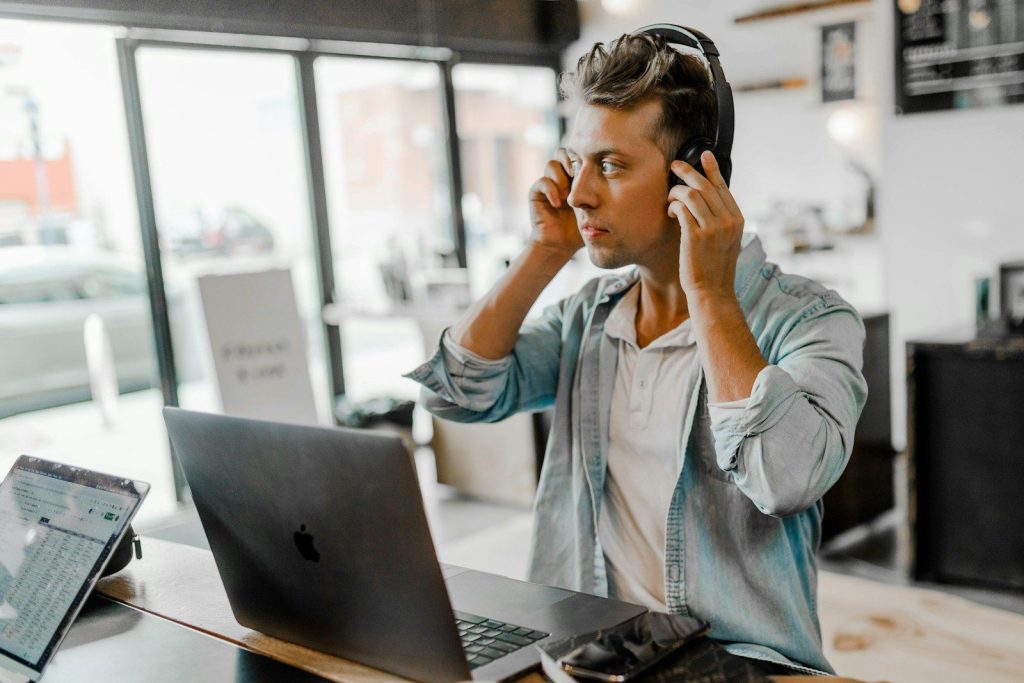
Workers now expect digital tools to support them, not slow them down. When meetings start late or audio breaks up, it can waste time and hurt focus.
Owl Labs’ 2025 hybrid work reporting found that many companies are upgrading meeting-room video and audio equipment, while workers rate good technology as an important part of work life.
Headsets are now work basics
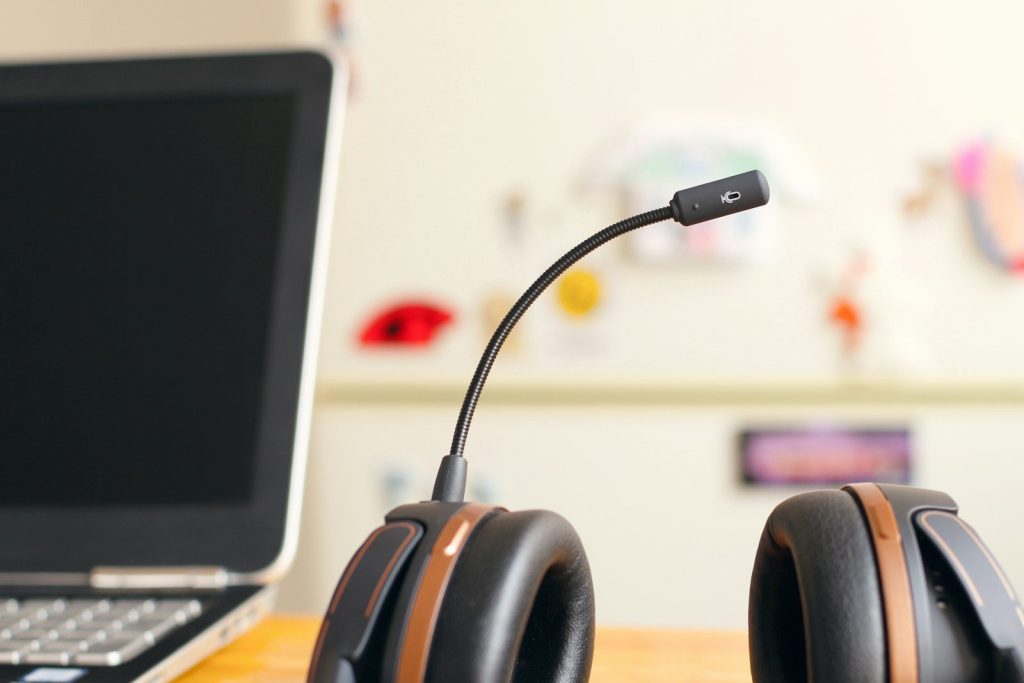
Headsets are no longer just call-center gear or gaming accessories. For many workers, they are as practical as a keyboard, webcam, or laptop charger.
They help with focus, clearer conversations, and smoother meetings across different work settings. As hybrid and digital work continue, the humble headset has become one of the sim
Leave a Reply