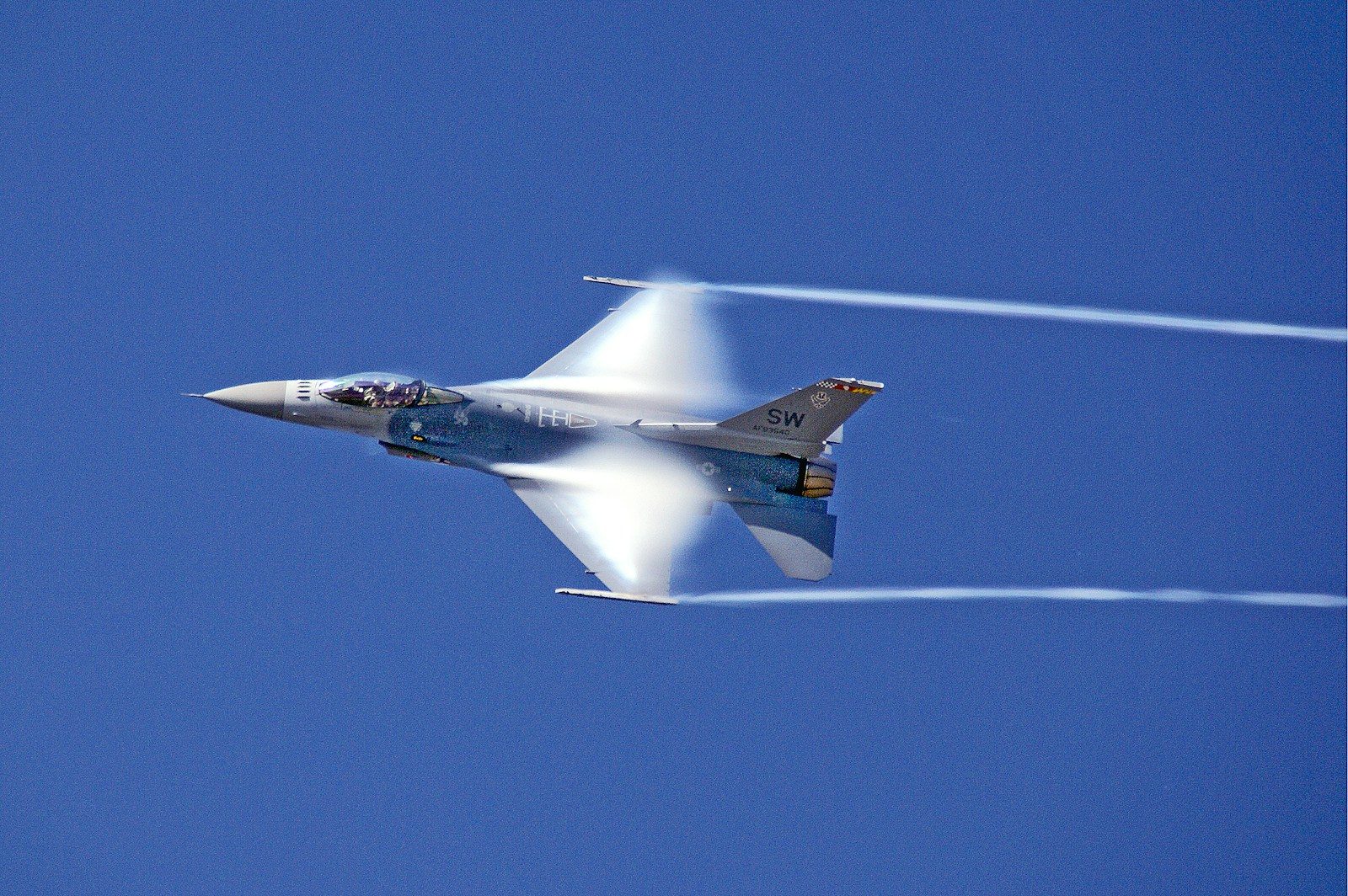
Aviation pioneers assumed that the speed of sound was an absolute physical wall for aircraft. We believed that any vehicle attempting to fly faster would instantly shatter in midair.
But a spectacular breakthrough in aerodynamic design completely proved this old limit wrong. Engineers designed highly streamlined hulls that successfully tamed the violent shockwaves.
The Invisible Air Wall
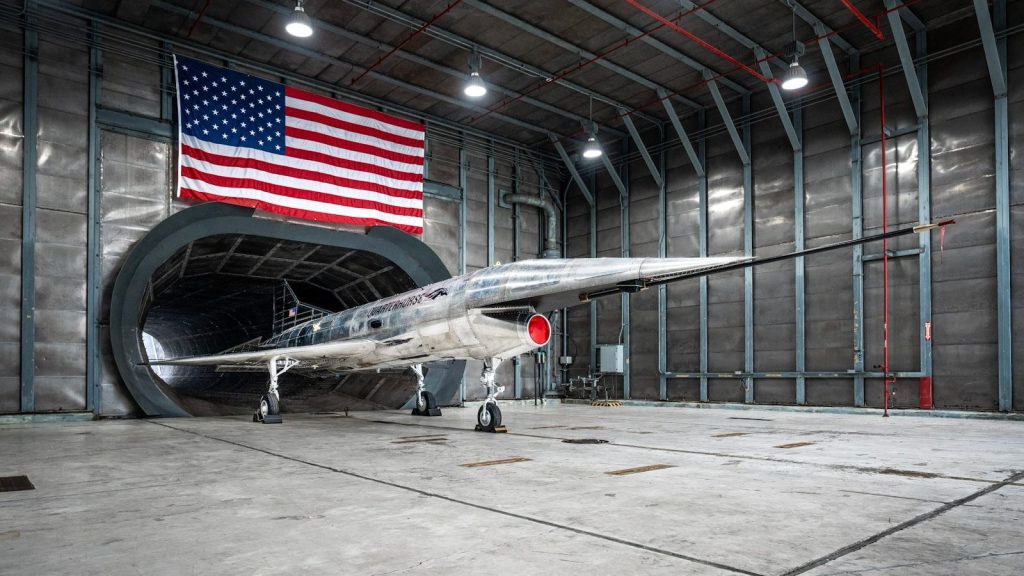
Traveling near the speed of sound compresses air molecules violently against the front of an aircraft. According to reports from the Federal Railroad Administration, this compression creates a massive physical wall of resistance. The pressure is intense. This air barrier causes extreme vibrations that can easily tear standard metal wings apart. But engineers solved this issue by copying a bullet shape.
Copying The Bullet Shape
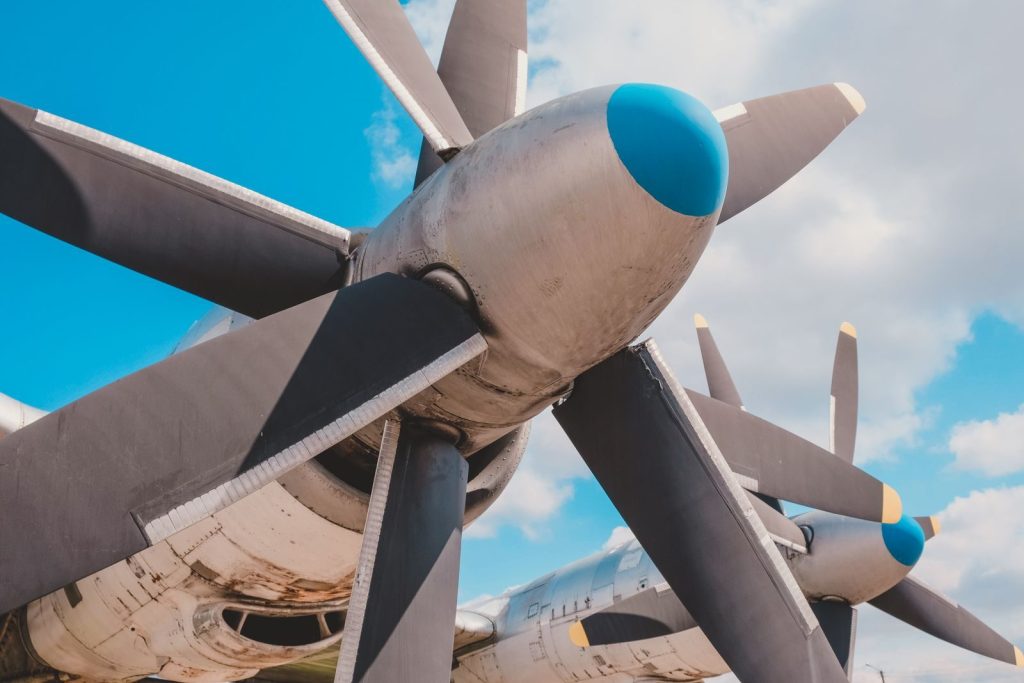
Designers realized that high-velocity ammunition could cross the sound barrier without shattering in flight. According to historical aerospace reports, the first supersonic aircraft copied the exact shape of a fifty-caliber bullet. The design was practical. This sleek metallic hull allowed the vehicle to slide through the air waves cleanly. But guiding this fast vehicle required another major invention.
Swept Wing Angle Solutions
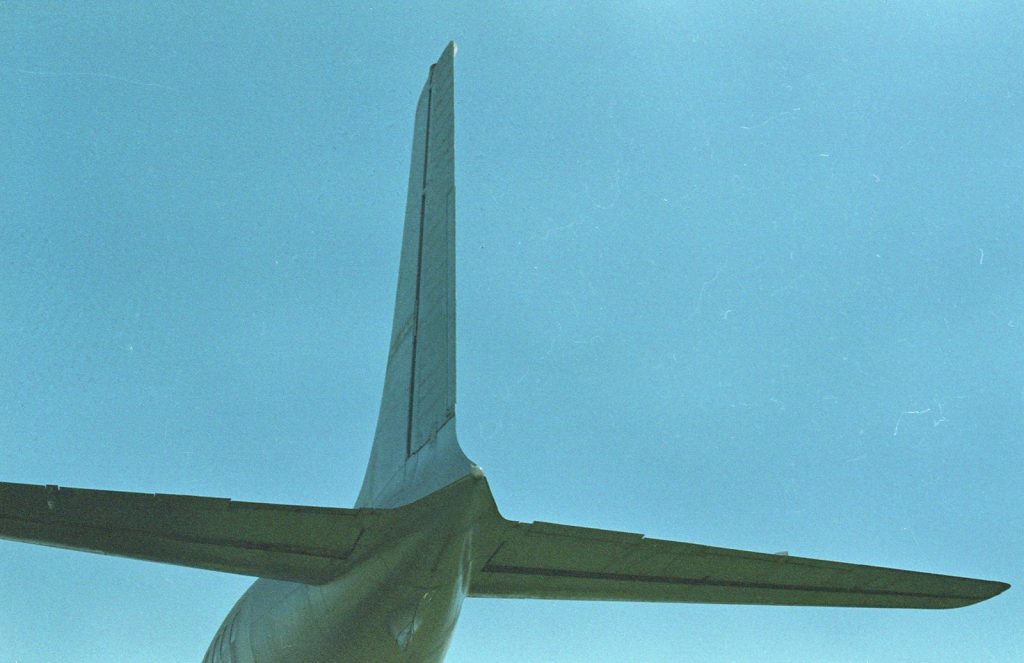
Straight wings experience intense drag forces when traveling past the speed of sound in the sky. According to wind tunnel test reports, sweeping the wings backward reduces this atmospheric friction significantly. The shift was radical. This angle allows the shockwave to slide off the wing tips without destabilizing the flight path. But breaking this barrier releases a massive acoustic wave.
The Exploding Sonic Boom
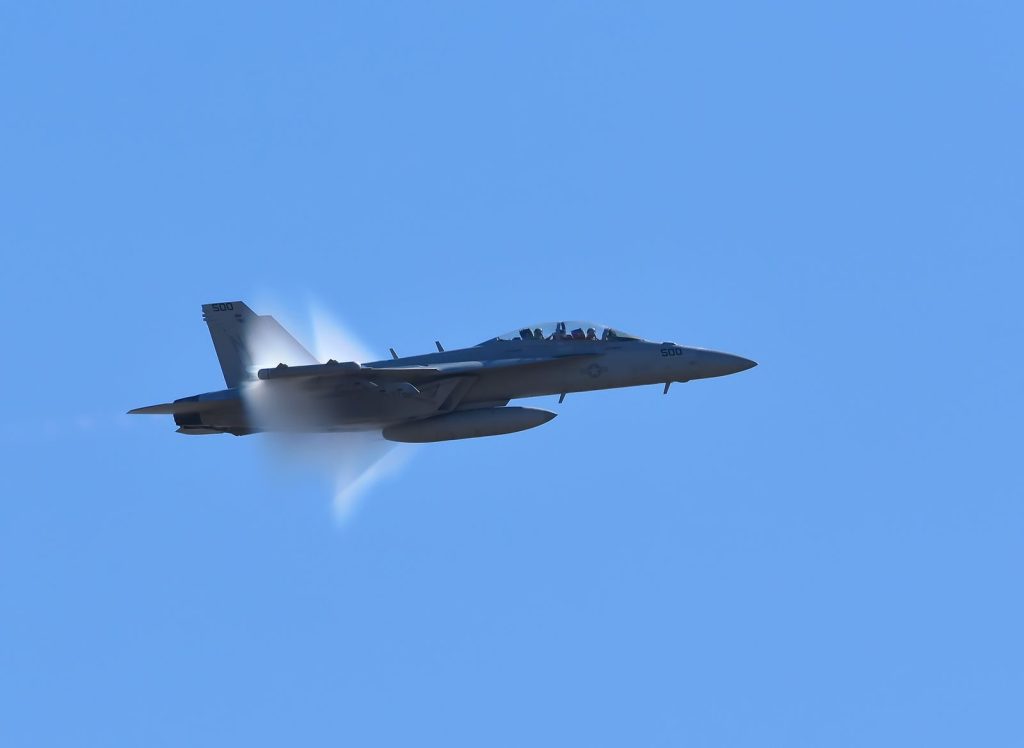
Crossing the sound barrier releases a massive shockwave of compressed air that travels to the ground. According to environmental geologists, these intense sonic booms can shatter glass windows and terrify local wildlife. The sound is deafening. This severe environmental impact eventually led to a strict government ban on supersonic flights over dry land. But scientists are now working on a quiet solution.
Silencing The Supersonic Waves
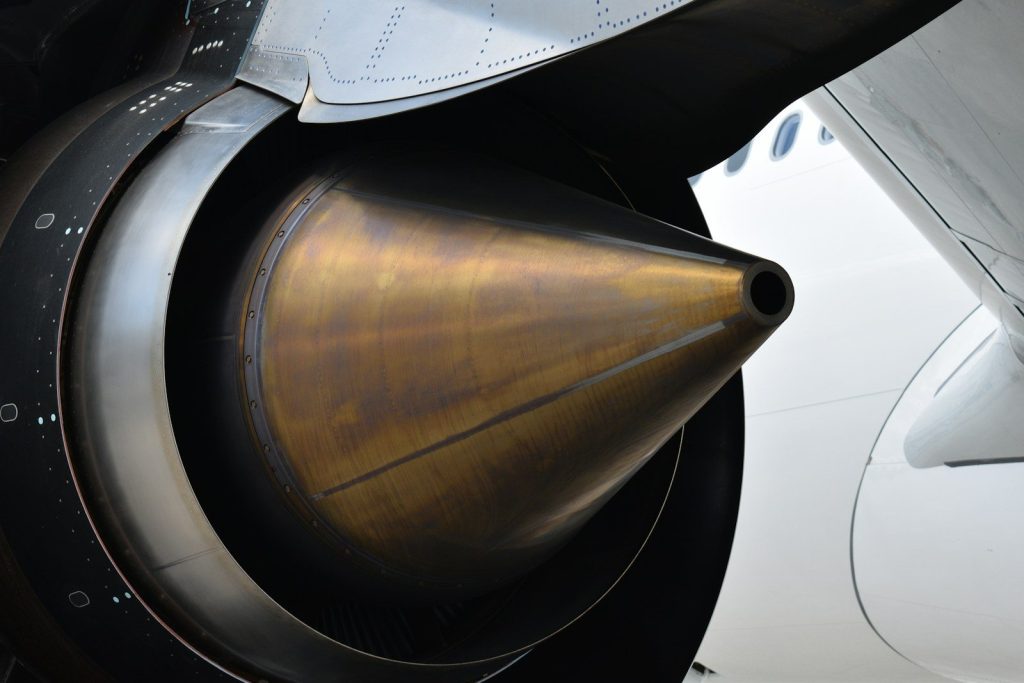
Aerospace engineers are designing specialized nose cones to disperse the compressed air shockwaves quietly. According to NASA research, new aerodynamic designs can reduce the loud sonic boom to a quiet thump. The future is silent. This breakthrough could soon allow passenger jets to fly supersonic across land once again. But managing these extreme speeds requires highly advanced flight controls.
Smart Flight Computer Control

No human pilot can react fast enough to balance an aircraft traveling at supersonic speeds. According to software engineering logs, digital fly-by-wire systems make hundreds of micro-adjustments every single second. The system is smart. This automatic piloting ensures the ride remains perfectly smooth through slight turns in the upper sky. But the ultimate future of flight is heading toward even faster systems.
Hypersonic Travel Frontiers
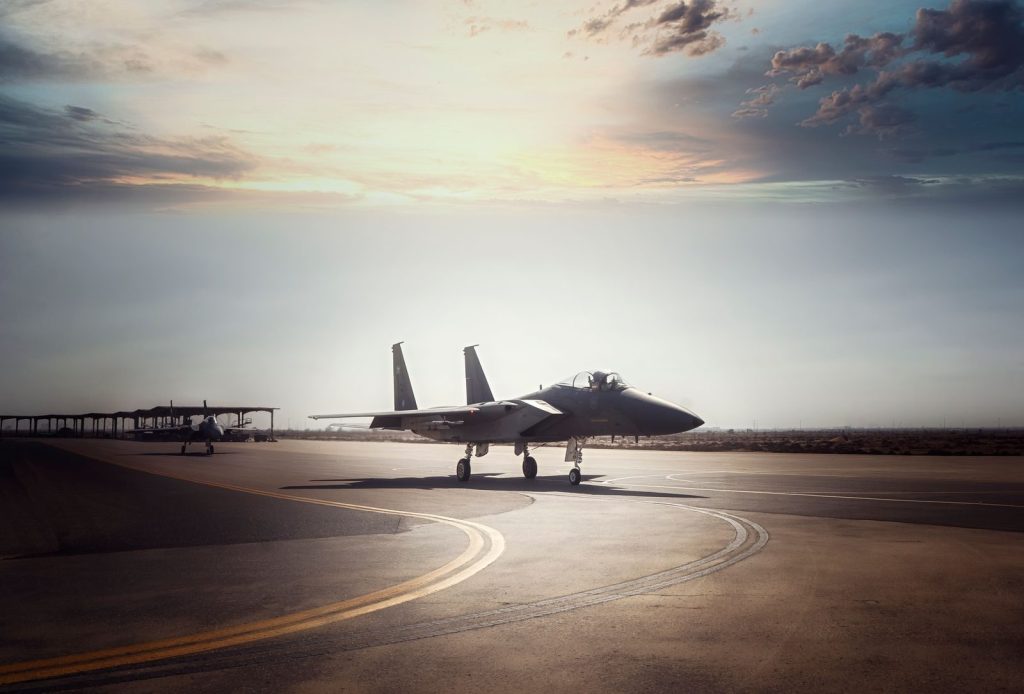
Modern researchers are already testing unmanned vehicles that can fly five times the speed of sound. According to defense science agencies, these hypersonic machines will soon cross continents in minutes. Speed has no limits. This article is for informational purposes only.
Featured Image: Photo by Phyllis Lilienthal on Unsplash
Leave a Reply