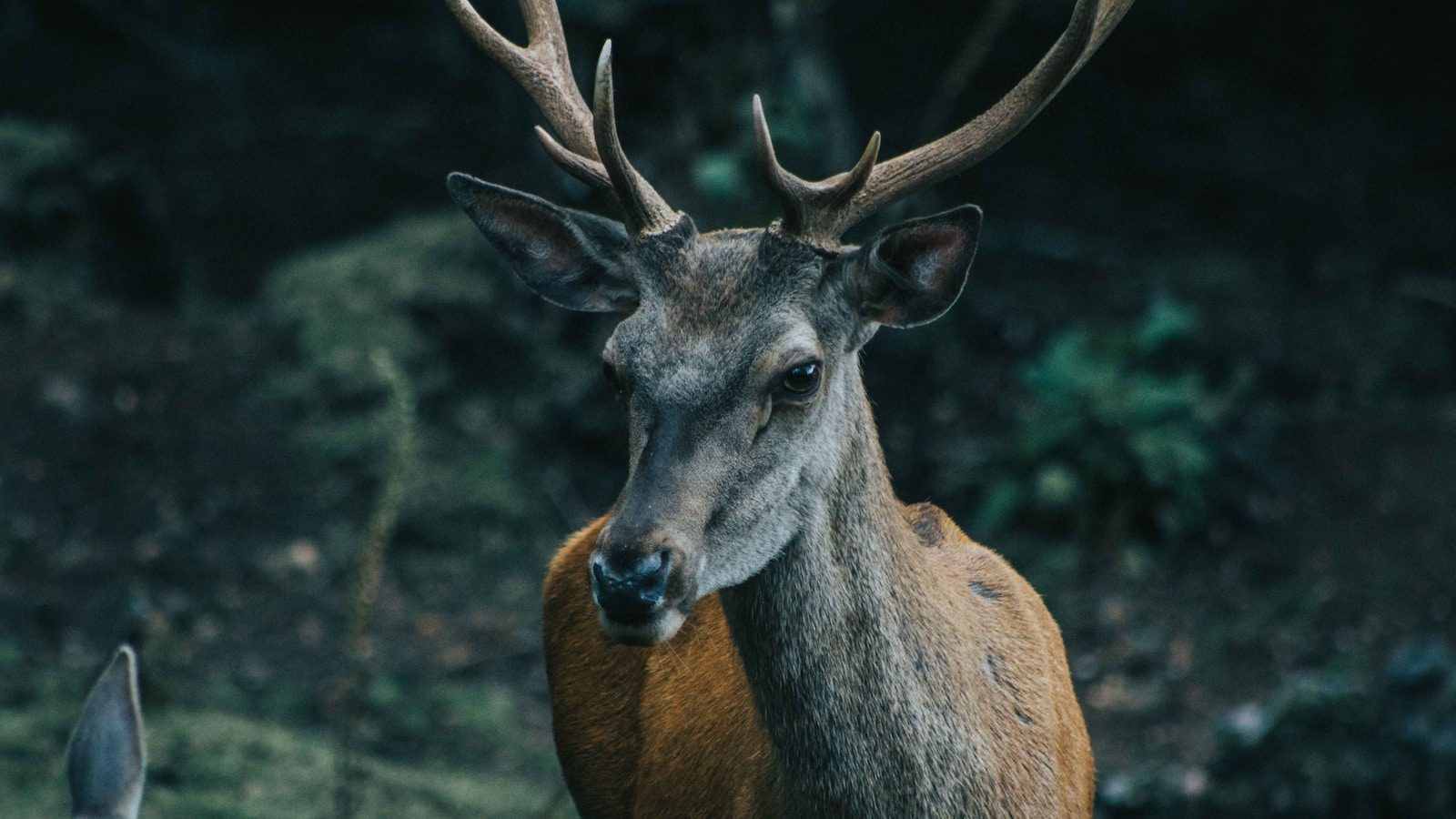
Biology lovers assume that natural selection always produces highly efficient and streamlined animal bodies. We believe that every physical feature must serve an active survival purpose.
But multiple strange creatures are thriving with traits that appear completely counterproductive. These evolutionary anomalies prove that survival in the wild has highly unexpected strategies.
Growing Teeth That Spiral Backward
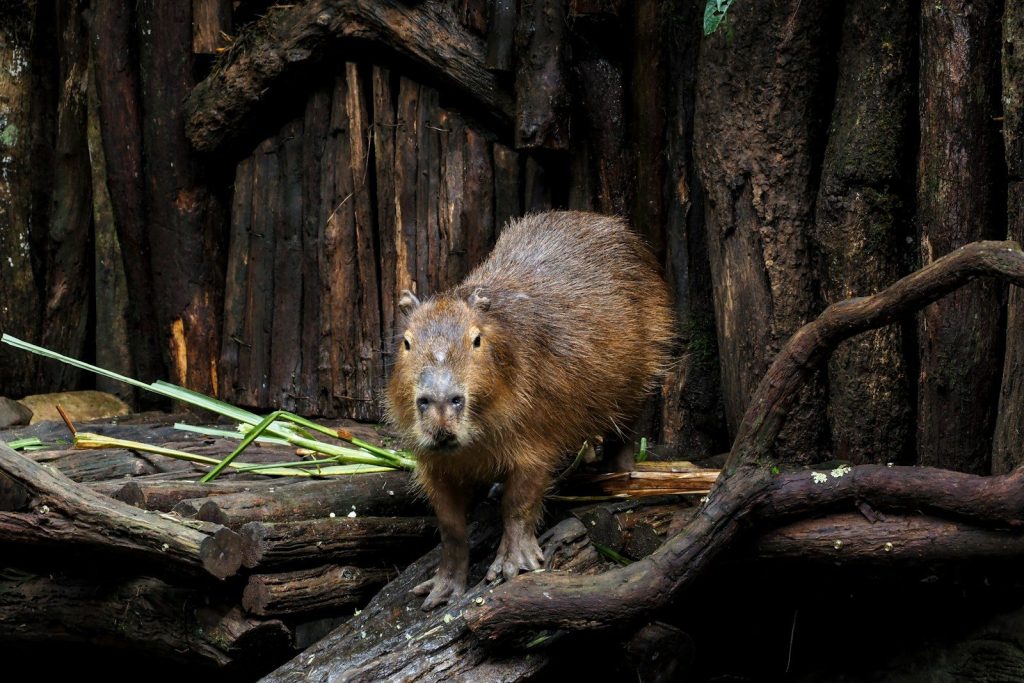
Babirusas grow massive tusks that curve backward and can eventually pierce their own skull. According to zoological studies, these bizarre teeth offer absolutely zero help during hunting or self-defense. They are dangerous. Yet these strange pigs continue to survive and breed in the dense Indonesian rainforests. But explaining why these tusks evolved requires looking at social rankings.
Navigating With Blind Eyes
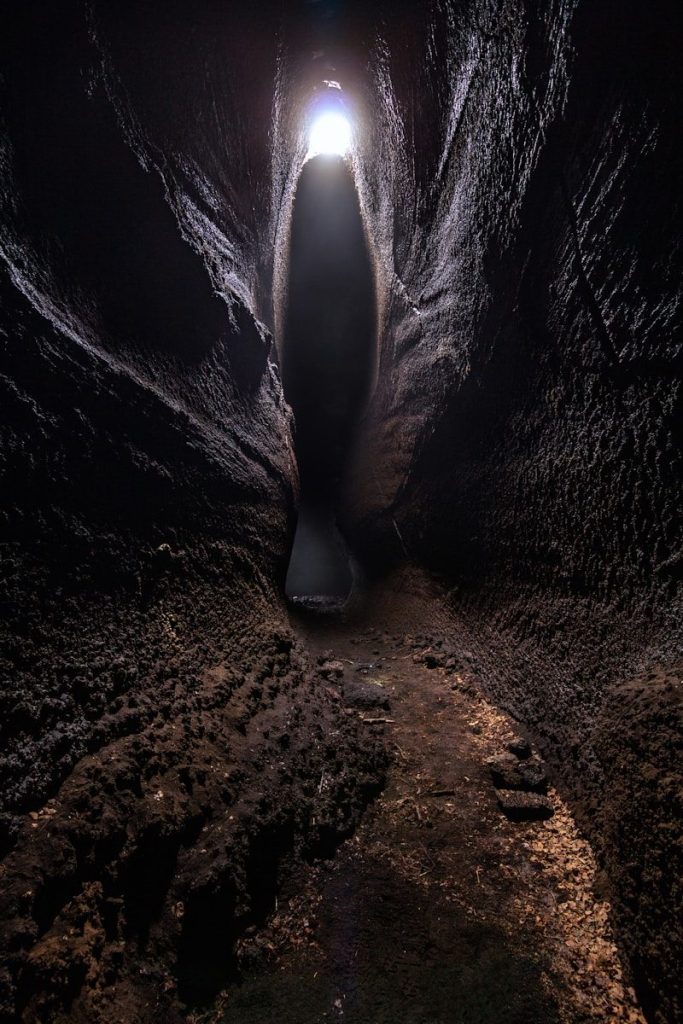
Naked mole rats spend their entire life in pitch-black underground tunnels with useless eyes. According to biological reports, these rodents have completely lost their visual processing skills over millions of years. They are blind. Instead, they rely on highly sensitive whiskers and touch to navigate the dark clay safely. But this lack of vision is actually a clever energy saver.
Building Incredibly Heavy Shells
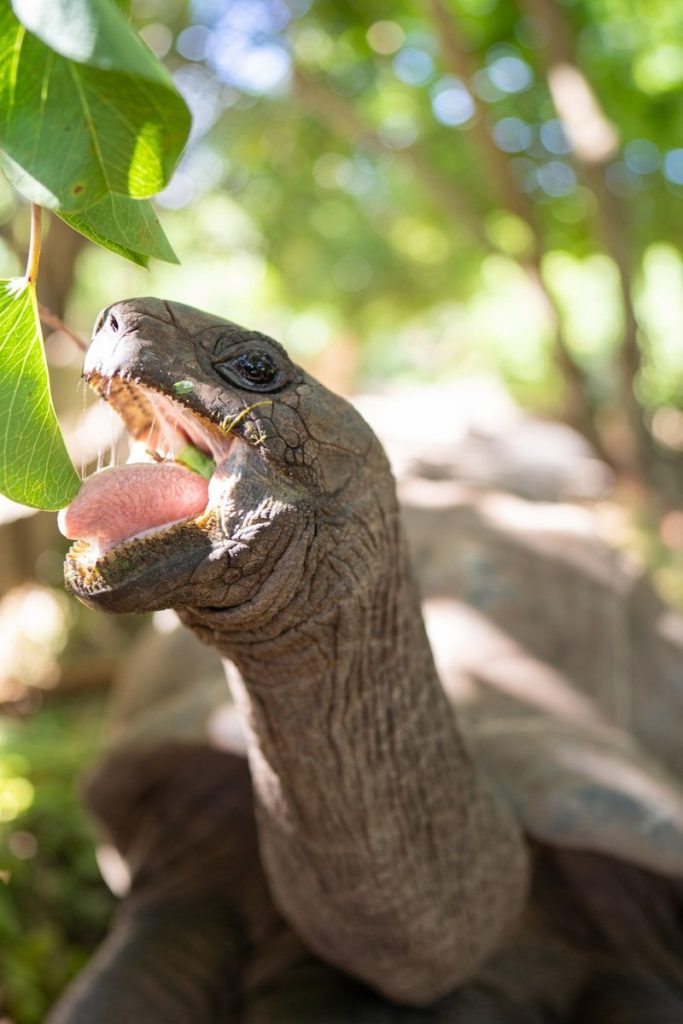
Giant land tortoises carry massive protective shells that weigh hundreds of pounds and slow them down. According to evolutionary history reports, this heavy weight makes escaping fast predators nearly impossible. The shield is static. However, this thick armor protects the gentle giants from bites and territorial fights when cornered. But this sluggish lifestyle requires another major physical adaptation.
Floating With Gelatinous Bodies

Blobfish look remarkably like a melting lump of pink gelatin when brought to the surface. According to deep-sea biology studies, this lack of muscle allows the fish to float without swimming. They are efficient. This structural adaptation preserves precious energy in the high-pressure and food-poor deep water. But this gelatinous body is highly vulnerable to shallow environments.
Singing With Giant Inflated Sacks
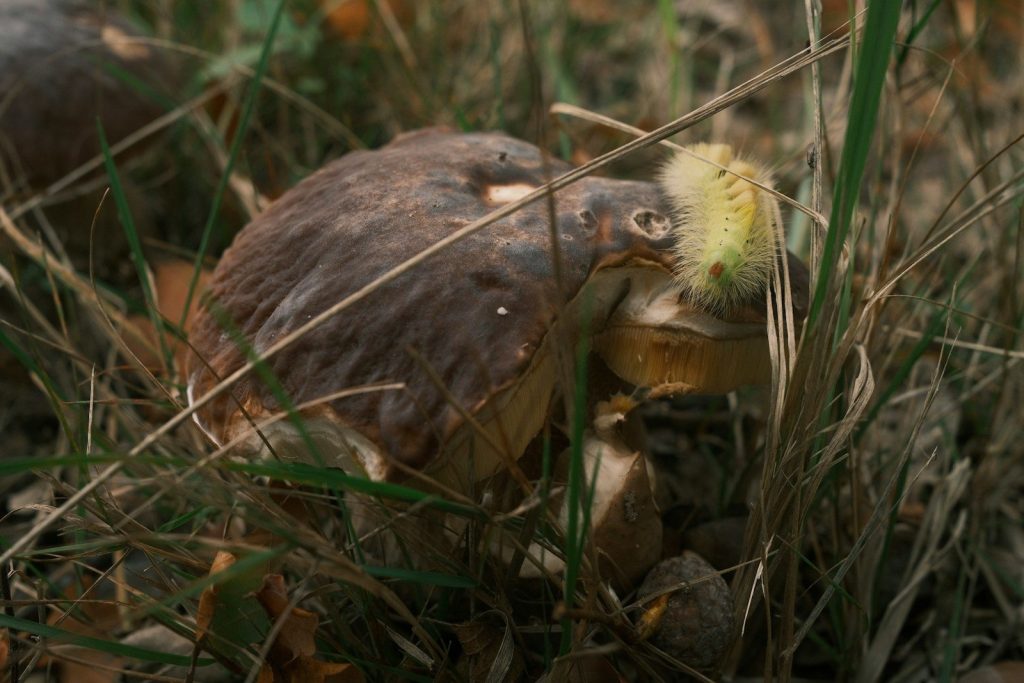
Kakapos grow too heavy to fly but use a massive booming voice to find partners. According to conservation researchers, the flightless parrot digs shallow bowls in the dirt to amplify its voice. He is patient. These loud, low-frequency booms can travel for miles across the forest floor. But this loud calling also attracts hungry predators directly to the bird.
Moving At Sluggish Speeds
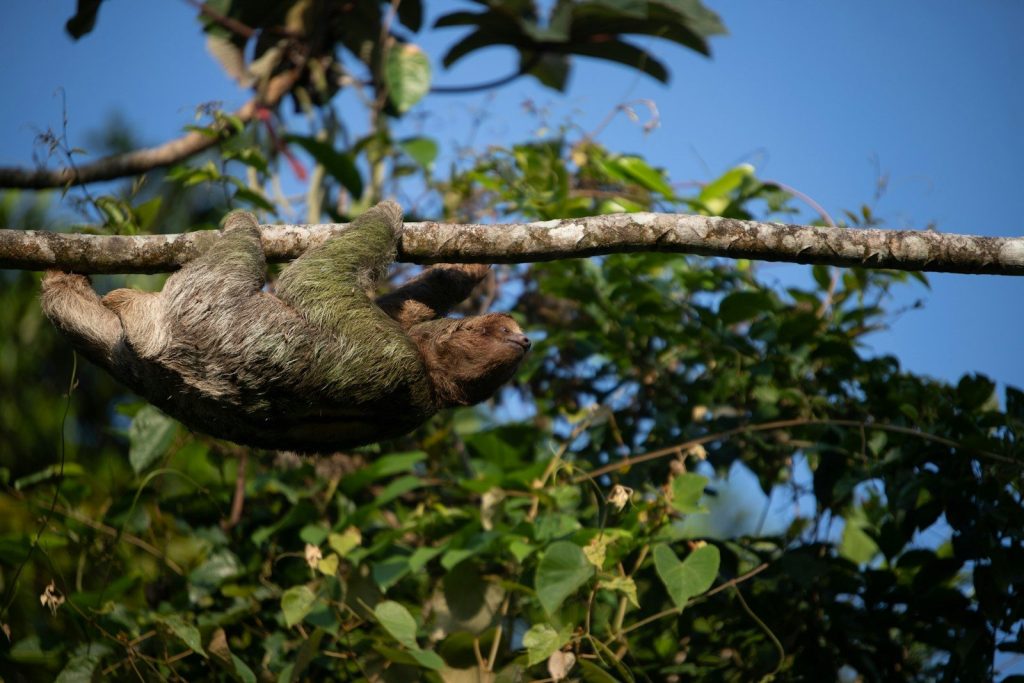
Three-toed sloths crawl so slowly that green algae grows directly on their thick, coarse fur. According to wildlife biology reports, this sluggish movement makes them look like simple mossy tree branches. They are virtually invisible. This active camouflage keeps the mammals safe from hungry eagles searching the canopy from above. But their slow metabolism requires a highly unique digestive system.
Growing Massive Fragile Claws
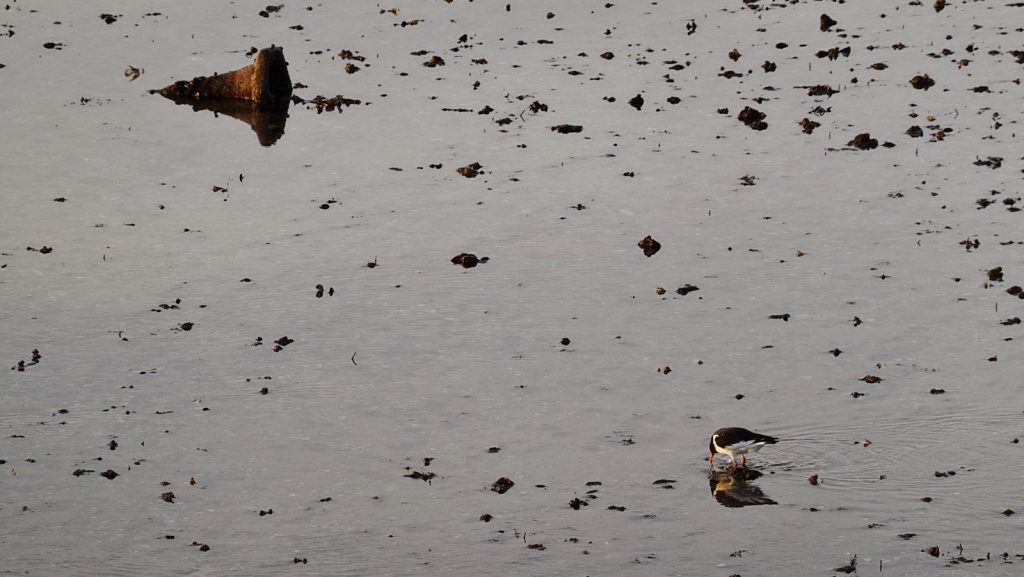
Male fiddler crabs grow one giant claw that is far too heavy to use during feeding. According to marine ecologists, this massive claw is used primarily to wave at potential mates. The display is vital. While the heavy claw slows down their escape, it secures their place in the next generation. But these evolutionary trades are still changing our view of nature.
Reinterpreting Nature Complex Designs
These seemingly useless physical traits prove that survival in the wild is not always about pure efficiency. According to biologists, evolution often trades speed and agility for unique defensive or social advantages. Nature keeps secrets. This article is for informational purposes only.
Featured Image: Photo by Luis Villasmil on Unsplash
Leave a Reply