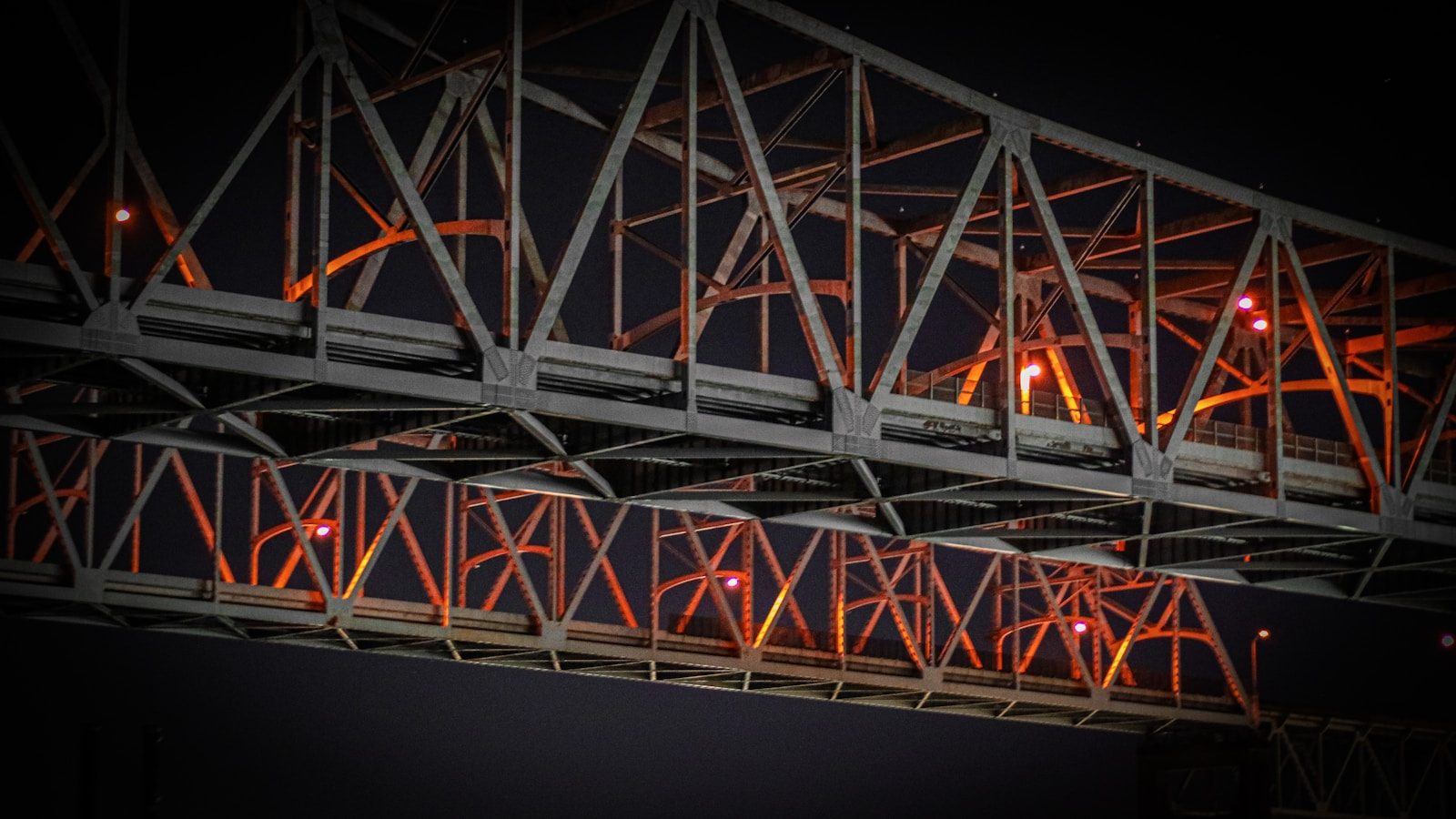
Most taxpayers assume that large building projects are always designed with flawless structural calculations. We believe that professional architects never overlook simple environmental forces.
But spectacular engineering failures have repeatedly proved how easily a tiny blind spot can ruin a project. These structural errors reveal highly surprising lessons about material science.
The Wobbling Bridge Disaster
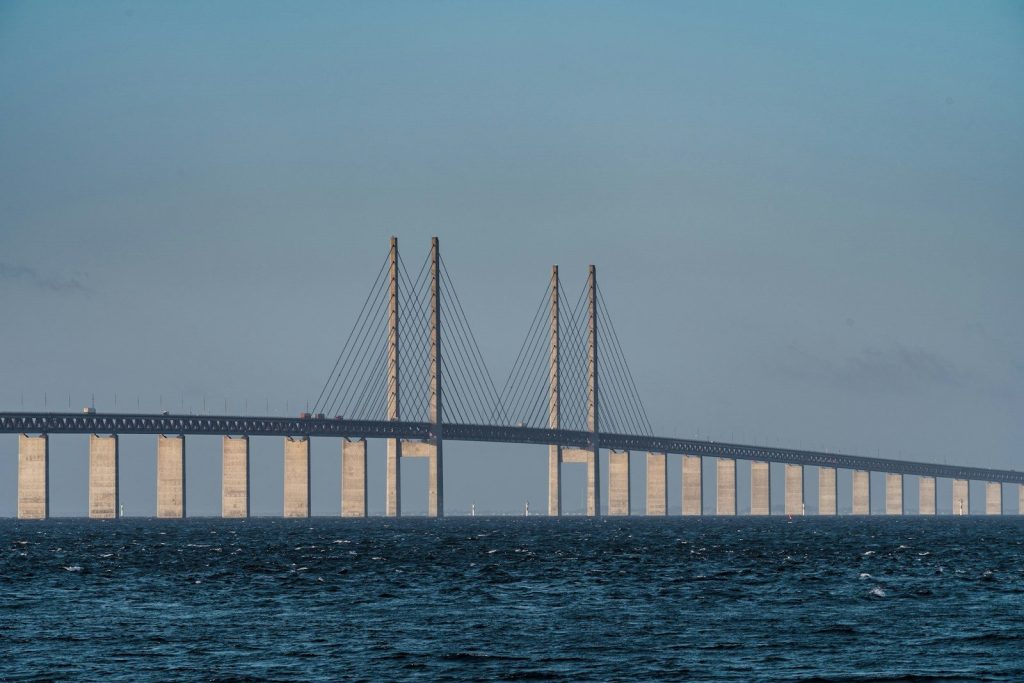
A famous suspension bridge in Washington collapsed into the river after experiencing moderate wind currents. According to civil engineering reports, the structure lacked aerodynamic vents to let the wind pass through safely. It twisted violently. This physical phenomenon caused the bridge to wobble like a giant ribbon before snapping entirely. But another design flaw was actually caused by a simple shadow.
The Melting Building Ray
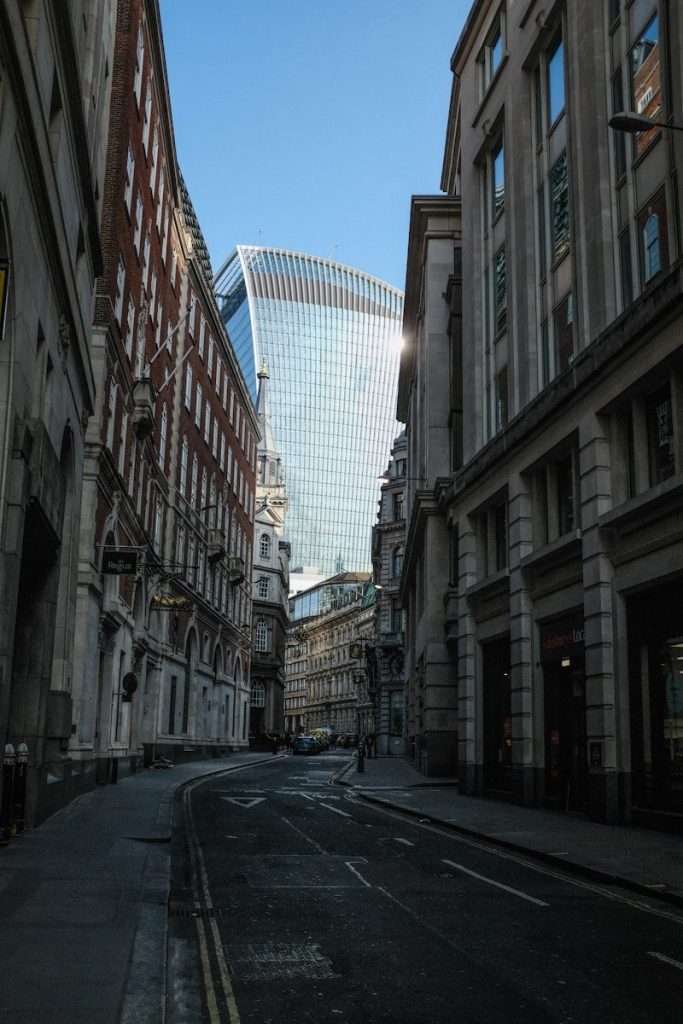
A curved glass skyscraper in London focused sunlight directly onto the streets like a massive mirror. According to optical physics reports, this concentrated beam was hot enough to melt plastic car parts parked below. The light was intense. This architectural mistake forced the builders to install specialized non-reflective screens across the glass facade. But some structural errors happen deep underground.
Sinking Cities In Mud
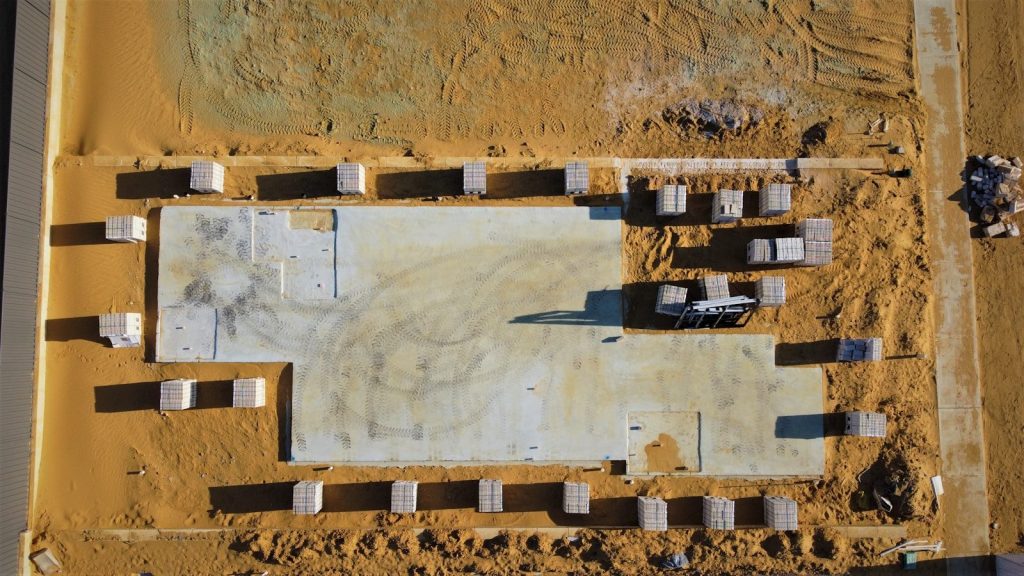
Building a massive airport on a soft mud island in Japan led to severe structural settling. According to geological survey logs, the heavy concrete buildings began sinking faster than engineers calculated. The ground gave way. This constant shift forced builders to install massive adjustable jacks beneath the support pillars to level the structures. But managing this heavy load is only the first challenge.
Slicing Metal With Rust
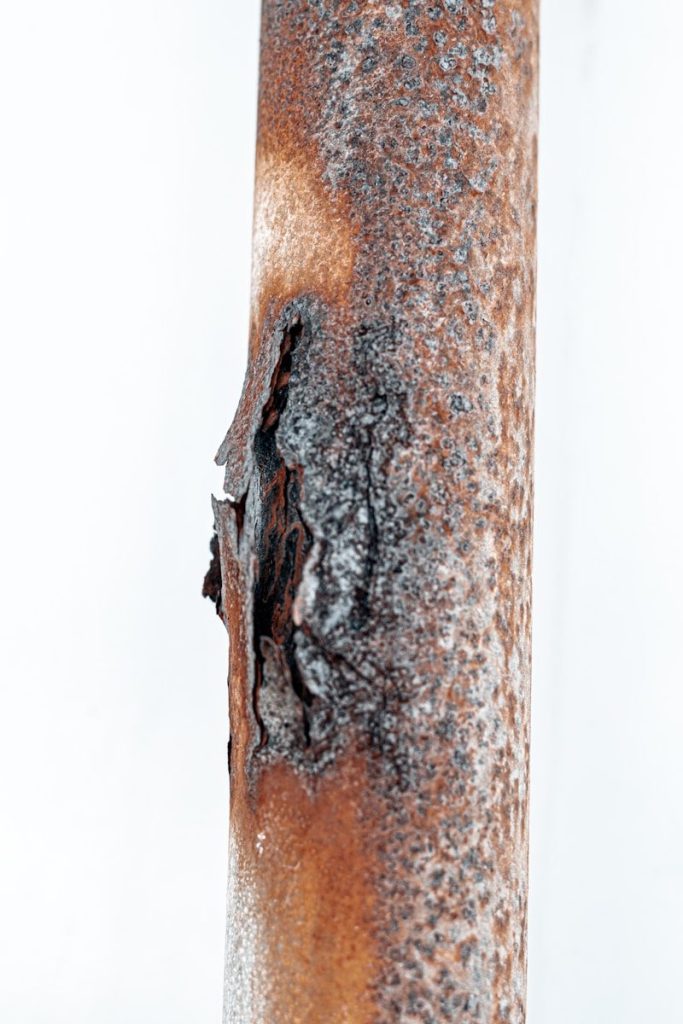
Choosing the wrong metal alloys to build a massive bridge can cause rapid chemical decay. According to metallurgical reports, combining separate metals without protective seals triggers an aggressive process called galvanic corrosion. The joints crumble. This silent chemical reaction can weaken thick steel cables in a few short years. But some failures are driven by simple wind rhythms.
The Rhythmic Sway Danger
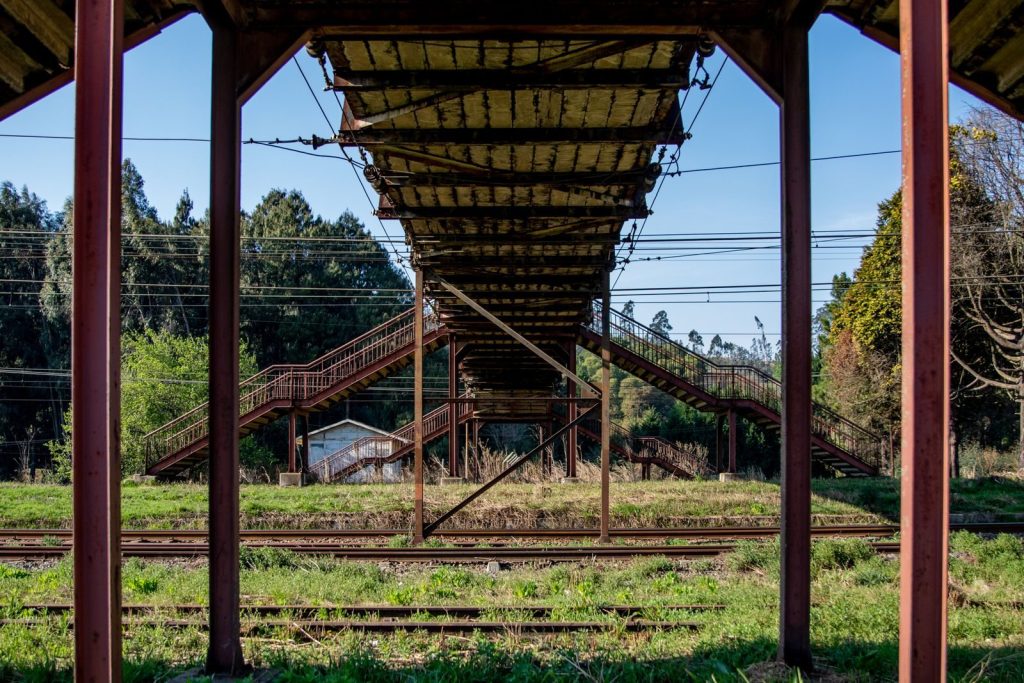
A modern footbridge in London began swaying violently when thousands of pedestrians walked across it in unison. According to structural engineers, the footsteps matched the natural frequency of the bridge frame. The sway was alarming. This resonance effect forced officials to shut down the bridge and install heavy dampeners to absorb the vibrations. But some design flaws are completely invisible.
Microscopic Glass Impurities Bursting
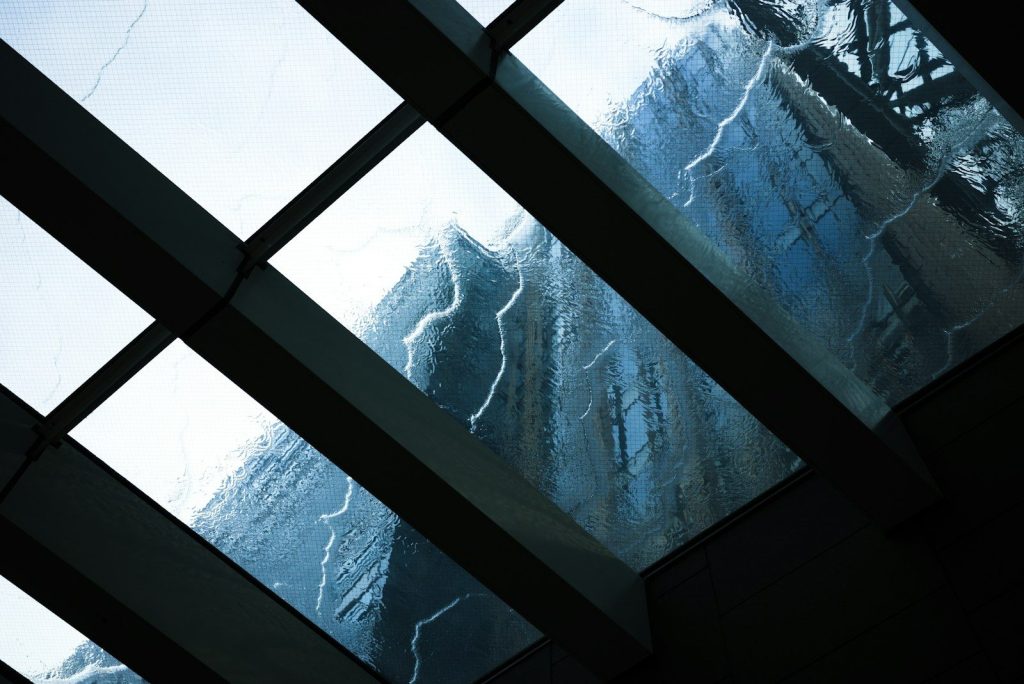
Tempered glass panels on high-rise buildings can suddenly explode without warning due to tiny chemical faults. According to materials science studies, nickel sulfide impurities can expand slowly under solar heat. The glass shatters. This spontaneous breakage has forced developers to replace thousands of expensive windows on modern skyscrapers. But keeping these massive structures safe requires running constant audits.
Checking Structural Stress Points
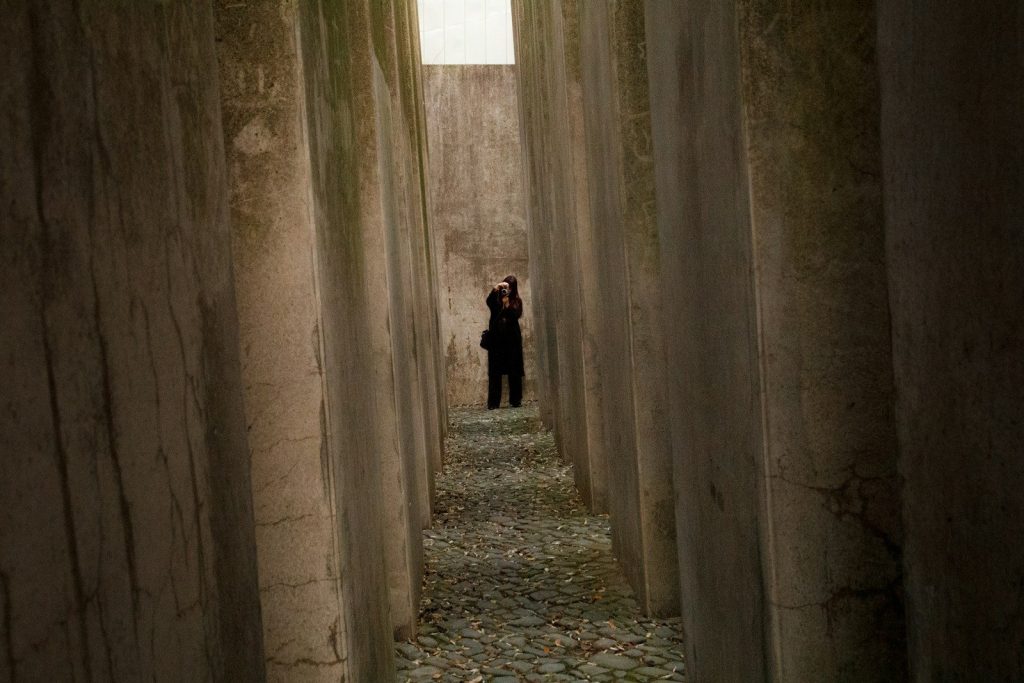
Modern safety inspectors use highly sensitive acoustic sensors to detect microscopic cracks inside concrete pillars. According to public safety logs, these advanced tools can hear the silent groaning of a weak frame. Action is critical. Finding these early signs of fatigue allows teams to repair the damage before a catastrophic collapse occurs. But the legacy of these structural failures continues to change engineering.
Learning From Structural Failure
The history of these engineering mistakes reminds us that natural forces must always be respected. According to historians, analyzing these design blind spots is what allows us to build safer and more resilient cities for tomorrow. Balance is essential. This article is for informational purposes only.
Leave a Reply