Category: Technology

  • 10 ways AI could quietly change the TV in your living room

    10 ways AI could quietly change the TV in your living room

    Your TV may look like the same big screen on the wall, but what happens behind that screen is changing fast. New smart TVs are starting to use AI for far more than simple voice search or show suggestions. They can adjust picture settings, improve sound, reduce menu digging, sharpen older videos, and make large screens feel more natural in different rooms.

    Major TV brands are already building AI deeper into their latest models. LG says its AI TVs can optimize picture and sound based on content and environment, while Samsung has added AI-powered answer tools to some smart TV experiences. Sony and Panasonic also use advanced processors to analyze scenes and improve viewing quality in real time.

    Your TV may know your taste

    black flat screen tv turned on displaying man in black suit
    Photo by Marques Kaspbrak on Unsplash

    AI can study what you watch, when you watch it, and which apps you open most. Over time, the home screen may feel less random and more useful.

    Instead of scrolling through endless rows, you may see shows, sports, games, or family-friendly picks that better match your habits. The goal is simple: less searching, more watching.

    Picture settings may adjust alone

    black flat screen tv on brown wooden tv rack
    Photo by Jonas Leupe on Unsplash

    Many people never touch brightness, contrast, or color settings after buying a TV. AI can quietly handle those changes in the background.

    A bright daytime room may need a different picture than a darker evening room. AI can adjust the screen based on lighting and the type of scene, so the image feels easier to watch.

    Older videos could look sharper

    tv, popcorn, movie, streaming, watch tv, movie night, action, movie theater, netflix, tv, popcorn, movie, movie, movie, movie, watch tv, watch tv, watch tv, watch tv, watch tv, movie night, movie night, movie night, netflix, netflix, netflix, netflix
    Photo by Frank_Rietsch on Pixabay

    Not everything you watch is made in the newest format. Older shows, lower-resolution streams, and online clips can look soft on today’s huge screens.

    AI upscaling can help by studying each frame and filling in detail more smoothly. It cannot turn every old video into a perfect new one, but it can make many sources look cleaner.

    Sound may fit each scene

    flat screen TV
    Photo by Jens Kreuter on Unsplash

    TV sound is not always easy to hear. Dialogue can seem too quiet, while music and effects may feel too loud.

    AI sound tools can balance voices, background noise, and action scenes more naturally. That can make dramas, live events, and family movie nights easier to enjoy without reaching for the remote every few minutes.

    Voice search may get smarter

    black and white digital device
    Photo by Brett Jordan on Unsplash

    Voice controls used to feel limited. You had to say the right words, and the TV did not always understand what you wanted.

    AI could make voice search feel more like a normal question. You may ask for a light comedy, a cooking video, or a movie with a certain actor, and get more useful results.

    Big screens may feel smoother

    Large screen displays abstract graphic art.
    Photo by You Le on Unsplash

    As 85-inch and 100-inch TVs become more common, small picture flaws become easier to notice. Motion, sharpness, and lighting all matter more on a bigger screen.

    AI can help manage fast movement in sports, games, and action scenes. It can reduce blur, sharpen key parts of the image, and make large-screen viewing feel more stable.

    Gaming could feel more responsive

    two people playing Sony PS4 game console
    Photo by JESHOOTS.COM on Unsplash

    For gamers, a TV is not just for watching. Smooth motion, quick response, and steady frame rates can change how a game feels.

    AI-powered performance tools may help adjust settings for gaming automatically. The TV can focus on lower delay, cleaner motion, and brighter detail, so players spend less time changing menus.

    The remote may matter less

    turned-on flat screen television
    Photo by Glenn Carstens-Peters on Unsplash

    The remote is still useful, but AI may make it less central. Smart TVs are getting better at voice control, app shortcuts, and connected home features.

    That means you may be able to change settings, find content, or control nearby devices with fewer clicks. The TV becomes less like a screen and more like a living room control hub.

    Answers may appear on screen

    A person holding a remote control in front of a laptop
    Photo by Jakub Żerdzicki on Unsplash

    Some TVs are starting to bring AI answer tools directly to the big screen. That could help with quick questions while watching, planning, or searching.

    For example, a viewer might ask about a movie, a travel idea, or a recipe and see a clear answer card on the TV. It keeps the experience in one place instead of reaching for another device.

    Privacy choices will matter

    a flat screen tv sitting on top of a white cabinet
    Photo by Oscar Nord on Unsplash

    Smarter TVs often depend on data, including viewing habits, voice commands, and app activity. That makes privacy settings more important than ever.

    Families should check what data is collected, which features are turned on, and whether voice tools are needed. AI can make TV easier, but users still deserve clear control over their own settings.

  • Why AI agents may soon handle tasks before you ask

    Why AI agents may soon handle tasks before you ask

    You know that moment when you realize you forgot to book something, answer an email, compare prices, or pull together notes for a meeting? AI agents are being built to make those small digital chores feel less like chores. Instead of only replying when you type a question, these tools can plan steps, use apps, browse the web, and complete certain tasks with your guidance.

    OpenAI describes ChatGPT as a system that can “think and act” using tools to handle tasks such as research, bookings, and slide shows. Google’s Gemini Agent also focuses on multi-step tasks such as managing inboxes, planning projects, and researching online. The big shift is simple: AI is moving from answering questions to helping get things done.

    AI is becoming more active

    Smartphone screen displaying chatgpt interface on keyboard
    Photo by Zulfugar Karimov on Unsplash

    AI used to feel like a smart search box. You typed a question, waited for an answer, and then did the rest yourself.

    AI agents are different. They are designed to follow a goal, break it into steps, use tools, and help finish the task. That makes them feel more like a digital helper than a chatbot.

    They can plan several steps

    a woman is reading a book with her hands
    Photo by Shantanu Kumar on Unsplash

    A normal chatbot may answer one question at a time. An AI agent can look at the bigger job and decide what needs to happen first, second, and third.

    That matters for tasks like planning a trip, organizing research, or preparing a report. Instead of asking ten separate questions, you may give one goal and watch the agent build a path.

    They may use your apps

    A person holding a cell phone in their hand
    Photo by Amanz on Unsplash

    Many future AI agents will not work alone. They may connect with email, calendars, files, browsers, and workplace tools when users allow it.

    Google says Gemini Agent can help with inboxes, calendars, Google apps, online research, and multi-step projects. That shows where everyday AI help is heading.

    They could save small minutes

    Someone is using their phone to find a restaurant.
    Photo by Aerps.com on Unsplash

    Most people do not lose time on one giant task. They lose it through dozens of tiny steps, like opening tabs, checking dates, copying details, and comparing options.

    AI agents may reduce that busywork. If they can safely handle the routine parts, people may spend more time making decisions instead of clicking through the setup.

    Work may feel more guided

    A close up of a cell phone with icons on it
    Photo by Saradasish Pradhan on Unsplash

    Microsoft has described Copilot and agents as tools that can use work data, files, meetings, chats, and patterns to help people get things done.

    That could make office tasks feel more guided. Instead of starting from a blank page, workers may get drafts, summaries, next steps, and reminders shaped around their projects.

    Research could get faster

    A smartphone shows a ChatGPT interface placed on an Apple laptop in a leafy environment.
    Photo by Solen Feyissa on Pexels

    Research is one of the clearest uses for AI agents. They can search, gather details, compare sources, and turn scattered information into something easier to understand.

    OpenAI says ChatGPT agent can help with research and action-based work, while still keeping the user involved. That balance is important because facts, choices, and final decisions still need human judgment.

    Online tasks may change

    Minimalistic display of OpenAI logo on a monitor with a gradient blue background, representing modern technology.
    Photo by Andrew Neel on Pexels

    Some agents are being built to use a browser and complete certain web tasks. OpenAI’s earlier Operator research preview focused on a browser-based agent that could perform actions online.

    That points to a future where users may ask for help with forms, reservations, comparisons, or routine web steps. The agent handles the process, while the person approves the important parts.

    Safety still matters

    Cybersecurity professionals working on computer systems, focusing on data protection in a dimly lit room.
    Photo by Tima Miroshnichenko on Pexels

    AI agents sound useful, but they also need limits. A tool that can take action should be careful with money, private data, messages, and important decisions.

    The safest versions will likely ask before taking major steps. Clear permissions, user review, and easy ways to stop an action will matter just as much as speed.

    They will learn your patterns

    car parked in front of building
    Photo by Matthew Manuel on Unsplash

    Future agents may become better by understanding how you like to work. Microsoft describes “memory” and work patterns as part of how Copilot agents can support users.

    That could help with repeated tasks. An agent might learn your meeting style, your usual project steps, or the kind of summary you prefer, then use that context to help faster.

    The next assistant may act first

    a person holding a cell phone in their hand
    Photo by Solen Feyissa on Unsplash

    The next big change may not be louder AI or flashier chat windows. It may be quieter help that starts the right task before you have to spell out every step.

    AI agents are still developing, and they will need strong guardrails. But their direction is clear: the assistant of the future may not just answer your question. It may help finish the job.
  • 5 Samsung Galaxy features you still won’t find on Apple or Google phones

    5 Samsung Galaxy features you still won’t find on Apple or Google phones

    Samsung Galaxy phones are still Android phones, but they often feel like they come with their own extra toolbox. Apple keeps iPhone features tightly controlled, while Google’s Pixel line focuses on a cleaner version of Android.
    Samsung goes the other way with tools for multitasking, customization, note-taking, privacy, and quick access. Some of these features have been around for years, while others are newer and more advanced.

    DeX can turn a supported Galaxy into a desktop-style workspace, Good Lock opens deep customization, Dual Messenger supports two accounts for certain apps, and Edge Panels keep shortcuts one swipe away. Add the S Pen and newer Privacy Display tools, and Galaxy phones can feel very different from their biggest rivals.

    Samsung DeX turns phones into PCs

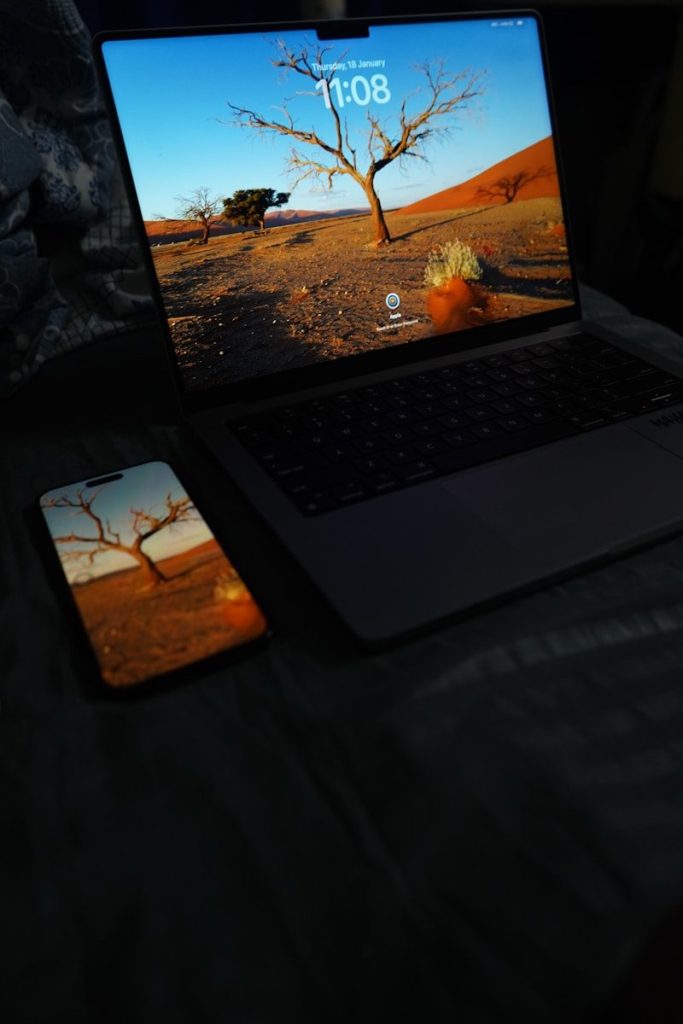
    A cell phone and a laptop on a table
    Photo by Evgeny Opanasenko on Unsplash

    Samsung DeX lets supported Galaxy phones and tablets open a desktop-style workspace on a monitor or TV. Samsung says DeX can turn a Galaxy device into a “true desktop PC experience” when connected with a supported USB-C to HDMI cable or adapter.

    That means apps can feel more like computer windows instead of phone screens. Add a keyboard and mouse, and the phone becomes useful for writing, browsing, file work, or light productivity without carrying a laptop.

    Privacy Display hides side views

    Hand holding a smartphone with green foliage background.
    Photo by Amanz on Unsplash

    The Galaxy S26 Ultra’s Privacy Display is built to reduce what people can see from the side. Samsung says the feature limits peripheral visibility and can be turned on in Settings, including for specific apps.

    That can help in public places like buses, offices, airports, or coffee shops. Instead of using a stick-on privacy filter, the phone can manage screen visibility itself while keeping the display clear for the person looking straight at it.

    The S Pen still feels special

    A smartphone with a stylus rests on a wooden surface.
    Photo by Amanz on Unsplash

    The S Pen remains one of Samsung’s most recognizable Galaxy features. It is useful for quick notes, sketching, marking screenshots, signing files, and tapping small screen areas with more control than a finger.

    Samsung’s S Pen support page shows that different Galaxy devices use different S Pen models, and some models support extra features depending on the device. That tight hardware-and-software pairing is what makes the S Pen feel built in, not like a random add-on.

    Dual Messenger separates accounts

    Person mirroring phone screen to a smart tv.
    Photo by Harold Hizon on Unsplash

    Dual Messenger lets Galaxy users run two separate accounts for the same supported messaging app. Samsung says turning it on creates a second app icon on the Home screen, making it easier to keep accounts apart.

    This can be handy for people who use one account for personal chats and another for work or community groups. It keeps logins separate without forcing users to switch phones or constantly sign in and out.

    Edge Panels speed up daily taps

    Hand holding a smartphone displaying a colorful user interface
    Photo by Gavin Phillips on Unsplash

    Edge Panels give Galaxy phones a swipe-in sidebar for quick access to apps and tools. Samsung says users can turn Edge Panels on in Display settings, then open the panel with a side swipe.

    It may sound small, but it can save taps all day. You can keep favorite apps, shortcuts, contacts, or tools close by, even while using another app. For large phones, that quick side menu can make one-handed use feel easier.

  • A Raspberry Pi can make these 6 hobbies way more exciting

    A Raspberry Pi can make these 6 hobbies way more exciting

    A Raspberry Pi is tiny, affordable, and easy to hide on a desk, shelf, or workbench. But this little computer can do a lot more than run basic code. It can power retro games, track the weather, control lights, stream media, run cameras, and help new makers learn real tech skills at home.

    The Raspberry Pi Foundation offers official documentation for hardware, software, cameras, remote access, and AI tools, making it easier for beginners to start small and grow into bigger projects. Its Raspberry Pi 5 model also brought a faster quad-core Arm processor, giving hobby projects more room to run smoothly. For anyone who likes building, fixing, gaming, or experimenting, a Raspberry Pi can turn a quiet weekend hobby into something hands-on and surprisingly useful.

    Build a retro game station

    Detailed image of a Raspberry Pi microcomputer circuit board in a clear case.
    Photo by Pixabay on Pexels

    Old-school gaming feels even better when you build the setup yourself. A Raspberry Pi can become a small retro-style game system connected to a TV or monitor.

    This hobby mixes gaming with light tech learning. You get to set up controllers, organize game files you legally own, adjust display settings, and create a fun little entertainment box that feels personal.

    Make a smart home hub

    red and white circuit board
    Photo by Praveen Thirumurugan on Unsplash

    A Raspberry Pi can help you experiment with smart home ideas without buying a full system right away. You can use it to control lights, sensors, simple routines, or connected devices.

    This makes home tech feel less mysterious. Instead of only tapping an app, you learn how devices talk to each other and how small automations can make daily life easier.

    Create a weather station

    a cell phone tower in the middle of a park
    Photo by Jorge Ramirez on Unsplash

    Weather apps are useful, but building your own weather station feels much more satisfying. With sensors, a Raspberry Pi can track things like temperature, humidity, and air pressure.

    It is a great hobby for curious people who like data. You can watch changes over time, compare your readings with local forecasts, and learn how real-world measurements become useful information.

    Upgrade photography projects

    Raspberry Pi clear case.” by inrepose is licensed under CC BY-NC-SA 2.0

    Raspberry Pi works with official camera modules, including models made for regular images and NoIR versions for special lighting projects. That opens the door to creative photo experiments.

    You can try time-lapse videos, nature cameras, stop-motion clips, or a simple desk camera project. It gives photography fans a way to mix images, coding, and custom builds.

    Power a media setup

    raspberry pi, pi, electronics, computer, technology, chip, pi zero, outside, wood, nature, wooden, brown computer, brown technology, brown laptop, raspberry pi, raspberry pi, raspberry pi, raspberry pi, raspberry pi
    Photo by BenjaminNelan on Pixabay

    A Raspberry Pi can also become part of a simple media project. It can help organize videos, music, or photos on a small screen or home setup.

    This is useful for people who enjoy tinkering with their entertainment space. You can learn about storage, networks, displays, and remote access while making something the whole family may actually use.

    Learn coding by building

    Detailed view of a Raspberry Pi circuit board with visible components and connections.
    Photo by Mathias Wouters on Pexels

    Coding can feel boring when it is only text on a screen. Raspberry Pi makes it easier to connect code to real actions, like lighting an LED or reading a sensor.

    That makes learning feel more like play. Each small project teaches problem-solving, patience, and confidence, which are useful whether the hobby becomes a career path or stays a fun weekend activity.

  • 6 upgrades the iPhone 18 needs if Apple wants to pull ahead

    6 upgrades the iPhone 18 needs if Apple wants to pull ahead

    Apple is still the phone brand to beat in the U.S., with StatCounter showing Apple at about 63% of the U.S. mobile vendor market in April 2026. The iPhone 17 lineup also raised expectations with features like ProMotion, stronger battery claims, faster charging, and updated cameras.

    But being popular does not mean the iPhone has no room to grow. Android rivals keep pushing bigger batteries, faster charging, sharper zoom, and more flexible software. That puts extra pressure on the iPhone 18. Apple does not need to reinvent the iPhone, but six smart upgrades could make its next phone feel more complete, more modern, and harder for rivals to catch.

    A denser battery

    Orange smartphone with dual cameras placed on a soft gray fabric surface.
    Photo by thiago japyassu on Pexels

    Apple already gets strong battery life from smart hardware and software control. The iPhone 17 Pro Max is rated for up to 39 hours of video playback, according to Apple’s support page.

    Still, the next step should be better battery technology. A denser battery could help the iPhone 18 last longer without making the phone feel too bulky. For heavy users, that matters more than almost any flashy feature.

    Faster charging speeds

    smartphone on wireless charging case at 83 percent charge
    Photo by Daniel Korpai on Unsplash

    Battery life is only half the story. When a phone does run low, people want it charged quickly before work, school, travel, or a night out.

    Apple says the iPhone 17 Pro Max can reach up to 50% charge in about 20 minutes with a 40W or higher adapter. That is useful, but Apple still has room to make charging feel faster and more competitive.

    Stronger zoom cameras

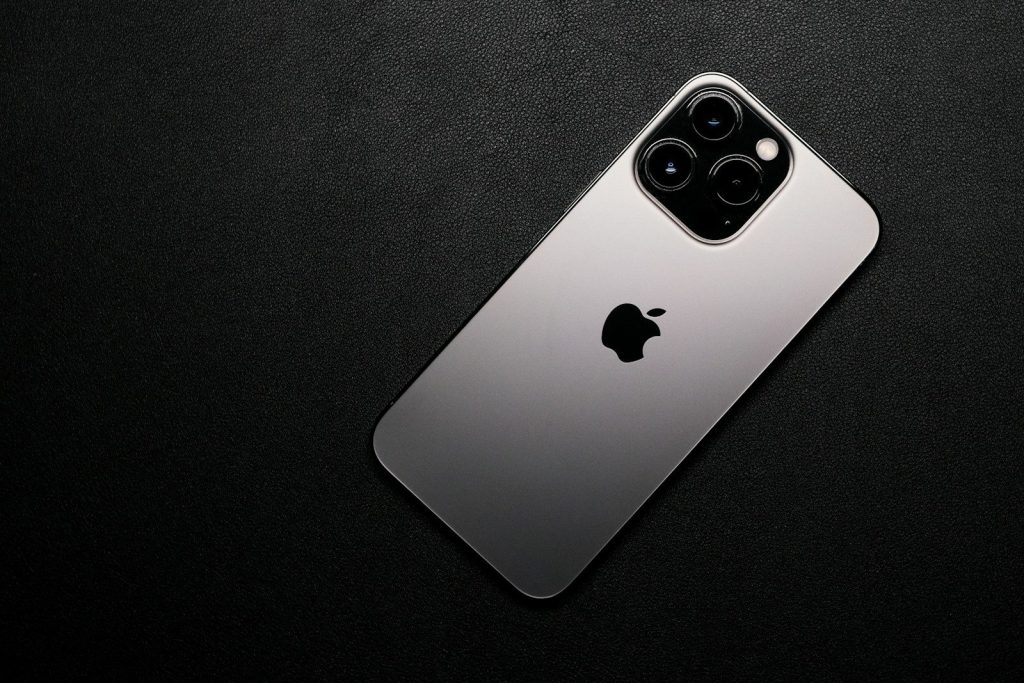
    Black smartphone with three camera lenses on back
    Photo by ubeyonroad on Unsplash

    The iPhone is already one of the safest camera picks for most people. Apple lists the iPhone 17 Pro models with a 48MP Pro Fusion camera system and up to 8x optical-quality zoom.

    For the iPhone 18, better zoom hardware would make a real difference. A sharper telephoto camera could help with concerts, pets, sports, travel, and everyday shots where stepping closer is not easy.

    Smarter camera control

    A person taking a picture of a lamp on a cell phone
    Photo by Amanz on Unsplash

    The iPhone 18 Pro is rumored to get a variable aperture camera, which could let the lens adjust how much light reaches the sensor. MacRumors says this may give users more control over lighting and depth of field.

    That would be a meaningful camera upgrade, not just a bigger number on a spec sheet. It could help photos look better in bright scenes, low light, and portrait-style shots.

    A smaller screen cutout

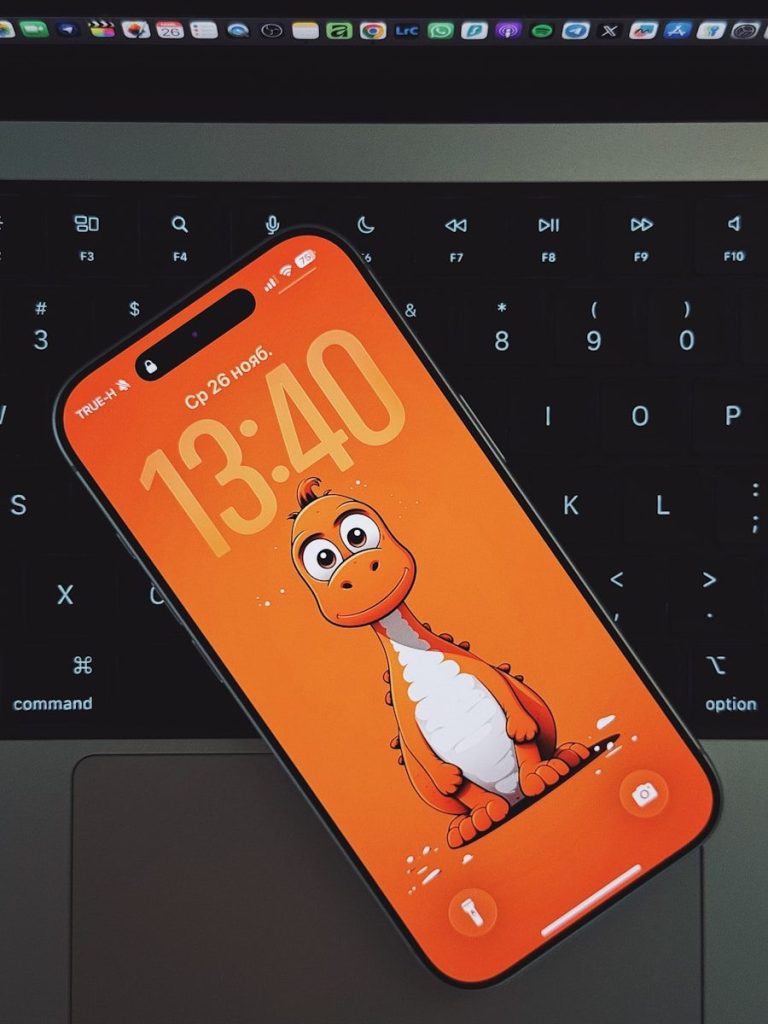
    Smartphone with cartoon dinosaur wallpaper on keyboard
    Photo by Max Bvp on Unsplash

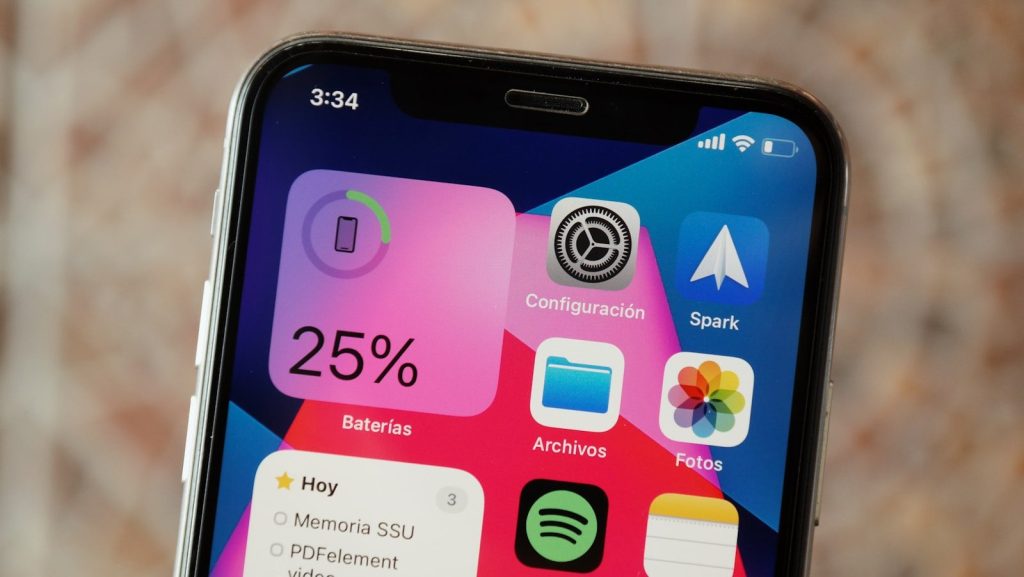
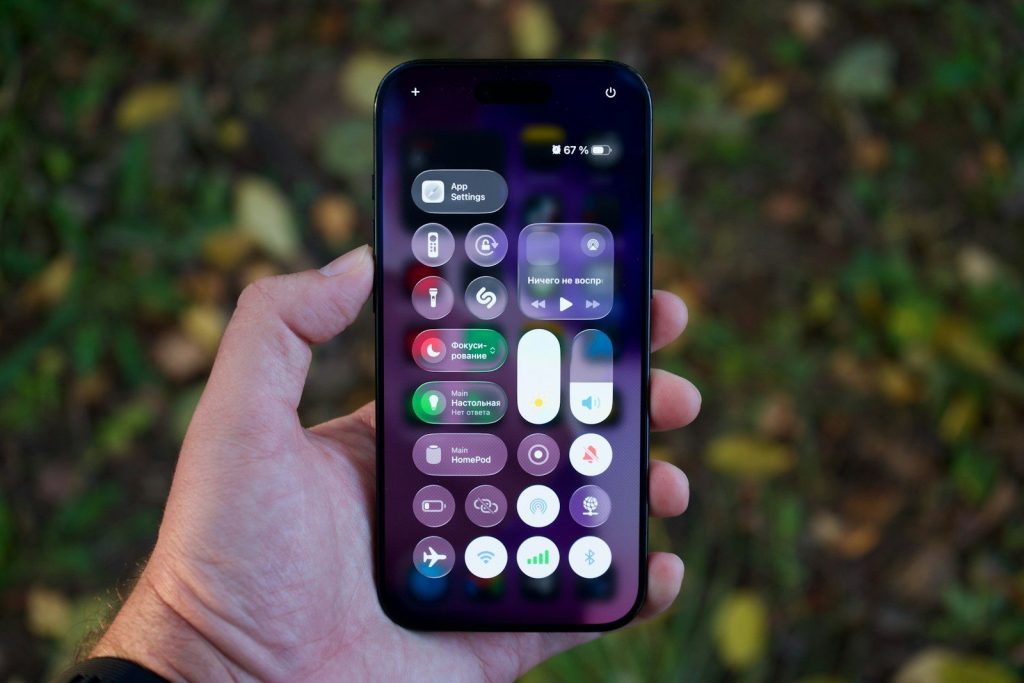
    Apple turned the iPhone’s front camera area into the Dynamic Island, and it has become a useful place for alerts and live activities. Still, the cutout can get in the way during videos and games.

    A smaller cutout would make the iPhone 18 feel more immersive. Apple does not need to remove it completely yet, but shrinking it would help the screen look cleaner and more modern.

    A smoother iOS release

    iPhone charging on MacBook
    Photo by Szabo Viktor on Unsplash

    The iPhone 18 also needs software that feels steady from day one. Recent reports say iOS 27 may focus more on stability, performance, and cleanup instead of only adding flashy new tools.

    That would be a smart move. A better keyboard, smoother animations, fewer bugs, and stronger battery performance could make the iPhone 18 feel polished in ways people notice every day.

  • The Island Nations Powering Themselves Using Just Sea Water

    The Island Nations Powering Themselves Using Just Sea Water

    For many island nations, energy has always been a struggle. They usually have to import expensive oil and coal by ship, leaving them vulnerable to price spikes and climate change. But in 2026, several nations in the Pacific and Indian Oceans have declared “Energy Independence.” They are powering their entire grids using nothing but the salt water that surrounds them.

    Using a mix of wave power, saltwater batteries, and “Ocean Thermal Energy Conversion” (OTEC), these islands have become the greenest places on Earth. They are turning the ocean’s vast power into a reliable, 24-hour energy source. It is a blueprint for a world that no longer needs fossil fuels. But how do you get electricity from the temperature of the water?

    The Power of the Ocean’s Heartbeat

    Factory with smoking chimneys by a steaming shore in Keflavík, Iceland.
    Photo by Piotr Kowalonek on Pexels

    The secret is “Ocean Thermal Energy Conversion.” The surface of the ocean is warm from the sun, but the deep water is freezing cold. OTEC systems use this temperature difference to run a turbine and create electricity.

    Because the ocean is always warm on top and cold on the bottom, this power never stops. Unlike solar or wind, it works 24 hours a day, 365 days a year. It is the ultimate “base-load” power for the modern world. It is the heartbeat of the planet turned into energy. But is there a side benefit to this process?

    Fresh Water for Free

    bubbles water
    Photo by CHUTTERSNAP on Unsplash

    When the OTEC plant pumps up cold water from the deep, it also creates a massive amount of condensation. This condensation can be collected and turned into pure, fresh drinking water. A single energy plant can provide enough water for an entire city.

    This is a massive breakthrough for islands that suffer from droughts. They are essentially getting “energy and water” for the price of one. It is a total survival kit for the 21st century. But what happens to the energy when the sun goes down?

    The World’s First Salt Water Batteries

    battery, energy, electricity, battery pack, flashlight, alkaline, lamp, technology, voltage, storage, battery, battery, battery, battery, battery, flashlight
    Photo by fotoblend on Pixabay

    To store the excess power, these islands are using “Salt Water Batteries.” Unlike lithium batteries, which are expensive and can catch fire, these use common sea salt as the electrolyte. They are safe, cheap, and can be built locally.

    They are the perfect storage solution for an island nation. They can store days of power to ensure the lights never go out during a storm. We are moving toward a world where the very elements of the sea are our greatest technology. But how do we capture the power of the waves?

    Harvesting the Power of the Surf

    Wind turbine overlooking a rocky coastline with waves, showcasing renewable energy by the sea.
    Photo by Annelies Brouw on Pexels

    Along the coastlines, “Wave-Energy Converters” bob in the water like giant mechanical whales. As the waves move them up and down, they generate high-voltage electricity. These devices are designed to be “reef-friendly,” providing a home for coral and fish while they work.

    They are the ultimate “hidden” power plant. You can’t see them from the beach, but they are providing the energy that runs the local schools and hospitals. It is a seamless integration of human tech and the natural world. But can this scale up for big countries?

    The Blue Energy Economy

    fish, nature, underwater, corals, sea, ocean, coral reef, school of fish, school, diving, water, underwater world, reef, water creatures
    Photo by joakant on Pixabay

    The success of these island nations is attracting the attention of the world’s biggest economies. Countries like Japan and the USA are now investing in their own “Blue Energy” projects. We are realizing that 70 percent of our planet is covered in a giant, untapped power source.

    The ocean is the “battery” that has been waiting for us to plug in. This shift could finally end our reliance on oil for good. We are entering the era of the “Blue Economy,” where the ocean is our greatest partner. But what does this mean for the future of the planet?

    A Planet That Recharges Itself

    a group of wind turbines in the ocean
    Photo by Jesse De Meulenaere on Unsplash

    With the combination of bacteria-eaten trash, mammoth-restored tundra, vertical city farms, and seawater energy, we are looking at a planet that is finally starting to heal. We have moved from “fighting” nature to “working with” it.

    We are no longer just surviving; we are thriving. The technology of 2026 is proof that we can build a world that is clean, fair, and full of life. It is the best time in history to be an inhabitant of Earth. Are you ready for the next breakthrough that’s already in the news?

    The Journey Has Just Begun

    wind turbine, sea, ocean, nature, blue, drawing, blue drawing
    Photo by rdaudt on Pixabay

    We have explored the most incredible breakthroughs hitting the news in 2026. From the smallest bacteria to the largest prehistoric giants, the world is changing at lightning speed. These stories remind us that the future isn’t something that happens to us—it’s something we build together.

    Stay curious, stay informed, and keep looking for the next miracle in your backyard. The revolution is happening all around us, and it’s time to pay attention. The future is here, and it is more beautiful than we ever imagined.

    Featured Image: Photo by Bernd 📷 Dittrich on Unsplash

  • How NASA is Successfully Turning the Red Planet’s Air Breathable

    How NASA is Successfully Turning the Red Planet’s Air Breathable

    NASA just proved that humans can survive on Mars without bringing their own oxygen tanks. A small device tucked inside the Perseverance rover has been quietly making history. It is called MOXIE, and it does something that sounds like science fiction. This lunchbox-sized machine pulls in the thin, toxic carbon dioxide of the Martian atmosphere and turns it into pure, breathable oxygen. It works much like a mechanical tree, but in a world where nothing grows. This isn’t just a lab experiment anymore. It is a working technology that has been tested in different seasons and temperatures on the Red Planet.
    The success of this mission means we are one step closer to building permanent bases on Mars. If we can make air there, we can also make rocket fuel for the trip back home. But the real surprise isn’t just that it works. It is how much oxygen this tiny machine can actually produce during a Martian storm. Wait until you see why the size of this device is about to change everything for future astronauts.

    The Tiny Machine That Breathes Like a Tree

    vacuum cleaner, carpet cleaner, housework, housekeeping, appliance, electrical, chores, domestic, equipment, dirty, machine, floor, household, hygiene, dust, hoover, vacuum cleaner, vacuum cleaner, vacuum cleaner, vacuum cleaner, vacuum cleaner, carpet cleaner, housekeeping
    Photo by stevepb on Pixabay

    MOXIE is built to be tough. It uses a process called solid oxide electrolysis to heat the Martian air to 1,472 degrees Fahrenheit. This intense heat splits the carbon dioxide molecules apart. What stays behind is pure oxygen while the waste gases are puffed back out. It is a delicate dance of chemistry and engineering. NASA engineers were worried the dust might clog the system, but the results were better than expected. But how much air does one astronaut actually need to stay alive on a desert world?

    Generating Oxygen for the First Human Colonies

    astronaut, space suit, space, universe, galaxy, outer space, space travel, astronautics, astronomy, cosmonaut, astronaut suit, space walk, astronaut, astronaut, astronaut, astronaut, space, space, space, space, space
    Photo by WikiImages on Pixabay

    In its latest tests, MOXIE produced enough oxygen to keep a small dog alive for several hours. This might not sound like much, but it is a massive breakthrough. For a full human crew, NASA plans to build a version of MOXIE that is 100 times larger. This “super-size” version would run continuously before humans even land. It would fill large tanks with liquid oxygen so the air is waiting when the first door opens. But there is a hidden danger in the Martian air that MOXIE still has to face.

    Surviving the Toxic Dust of the Red Planet

    An astronaut in a spacesuit ventures across a barren, Mars-like desert landscape.
    Photo by RDNE Stock project on Pexels

    Mars is famous for its global dust storms that can last for months. This fine powder is static-charged and sticks to everything. Scientists feared the dust would kill MOXIE’s ability to “inhale” the air. However, the machine’s filtering system proved to be a masterpiece of design. It managed to produce oxygen even when the sky turned dark with sand. This resilience proves that life is possible even in the harshest Martian weather. But wait, what if oxygen isn’t the only thing we can extract from the Martian soil?

    Making Rocket Fuel from Thin Air

    low-angle photography of red space shuttle
    Photo by Kurt Cotoaga on Unsplash

    Oxygen is more than just air for breathing. It is also the main ingredient in rocket propellant. Currently, a return trip from Mars would require bringing tons of fuel from Earth, which is incredibly expensive. By using MOXIE’s technology, we can turn the Martian atmosphere into the very gas we need to fly back. This turns Mars into a literal gas station in space. It cuts the cost of a mission by billions of dollars. But humans need more than just fuel to survive; they need a place to hide from the radiation.

    Natural Lava Tubes as Secret Martian Shelters

    mountains, desktop backgrounds, scenery, mac wallpaper, full hd wallpaper, wallpaper 4k, 4k wallpaper, windows wallpaper, nature background, 4k wallpaper 1920x1080, free wallpaper, beautiful nature, free background, beautiful wallpaper, cool backgrounds, nature, wallpaper hd, laptop wallpaper, nature wallpaper, hd wallpaper, wallpaper
    Photo by dukeejoeXRT on Pixabay

    NASA is now looking at underground caves called lava tubes to house the MOXIE units and the crews. These tubes were formed by ancient volcanoes and offer perfect protection from solar radiation. By pumping oxygen directly into these natural bunkers, we could create massive living spaces without building a single wall. It is the ultimate “pre-built” home. However, keeping the air inside these caves is a whole different engineering nightmare. But wait until you see the new material that could seal these caves forever.

    A Future Where We Don-t Need Spacesuits

    A stylized moon with green domes and structures in space.
    Photo by majed swan on Unsplash

    The dream of “terraforming” Mars starts with small steps. If we can scale up MOXIE technology, we could eventually fill large greenhouses with Martian-made air. Imagine walking through a forest on Mars without a heavy suit. Plants would take over the job of MOXIE, recycling the carbon dioxide and keeping the air fresh. We are transitioning from a mechanical solution to a biological one. But there is one more thing NASA hasn’t told the public about: the cost of these oxygen machines.

    The Race to the First Martian Breath

    monolith, astronaut, monument, space, mars, planet, red planet, alien, sci-fi, future, futuristic, mars surface, nasa, cosmos, monolith, monolith, monolith, monolith, monolith, astronaut, astronaut, astronaut, astronaut, mars, alien, mars surface
    Photo by Placidplace on Pixabay

    NASA isn’t the only one trying to master Martian air. Private companies like SpaceX are also developing their own oxygen-generation systems. This competition is speeding up the timeline for the first human landing. We could be breathing Martian air as early as the 2030s. The technology is ready, and the plan is in motion. It is no longer a question of “if” but “when” the first human takes a breath on another world. While NASA looks at the stars, another group of scientists is looking back at Earth to find thousands of hidden ancient secrets.

    Featured Image: Photo by Iain on Unsplash

  • How Algorithms Just Discovered 1000-plus New Nazca Lines

    How Algorithms Just Discovered 1000-plus New Nazca Lines

    For nearly a century, humans have flown over the Peruvian desert searching for the famous Nazca Lines. These massive ancient geoglyphs are world-famous, but we were only seeing a small fraction of the truth. Scientists just teamed up with advanced AI to scan the landscape, and the results are shocking. In just six months, the AI discovered over 1,000 new figures that human eyes had missed for decades. These aren’t just simple lines; they are complex drawings of strange creatures and human figures.
    The Nazca people created these images over 2,000 years ago, but many were too faded or small for traditional archaeology to find. The algorithms use satellite data and “shadow analysis” to spot patterns that are invisible from the ground. This discovery has effectively doubled the number of known ancient artworks in the region. But the real mystery is why the AI found so many “human-like” figures in places where humans were never supposed to be.

    AI vs Human Eyes in the Desert

    sahara, desert, satellite image, nature, aerial view, country, africa, continent, red sea, congo
    Photo by WikiImages on Pixabay

    Archaeologists used to spend years walking the desert to find a single new line. The sun and wind have eroded many of these ancient carvings until they are almost gone. However, the new AI doesn’t get tired and doesn’t miss a single pixel. It can scan thousands of square miles in seconds, looking for the specific way the soil was moved. It found figures that are only a few feet wide, hidden among the larger, more famous ones. But what exactly are these new shapes supposed to be?

    Strange Humanoids and Mythical Beasts

    a carving of a man and a woman on a wall
    Photo by Aravind Shivkumar on Unsplash

    Among the 1,000 new finds, scientists discovered many “humanoids” that look like they are wearing headdresses or masks. Some figures appear to be holding decapitated heads or tools. Others look like animals that don’t exist in Peru, such as strange birds and long-necked beasts. The AI has categorized these into two groups: those built for “the gods” to see from above and those built for people to see from the ground. But wait until you see the secret paths that connect these drawings to ancient water sources.

    The Secret Map to Hidden Water

    map, land, egypt, geography, satellite image, satellite map, map, egypt, egypt, egypt, egypt, egypt
    Photo by WikiImages on Pixabay

    The new AI analysis suggests that the Nazca Lines weren’t just art; they were a massive communication system. Many of the lines point directly to underground aquifers or river beds. In a desert where it almost never rains, water was more valuable than gold. The geoglyphs acted like giant road signs for travelers. By mapping the new lines, scientists can now see exactly how the Nazca people moved through the desert to survive. But wait, some of these lines appear to be moving over time.

    A Ghost in the Machine or a Real Find?

    saint-tropez, port, france, street, village, nature, aerial, town, ocean, water, aerial photography
    Photo by LAL23 on Pixabay

    When the AI first delivered the results, some scientists thought it was a mistake. Some of the “new” lines were so faint they looked like natural cracks in the earth. To prove the AI was right, teams had to go into the desert with drones to verify every single find. To their amazement, the AI was 98% accurate. It was seeing 3D depressions in the ground that are only a few centimeters deep. This level of precision is changing archaeology forever. But there is a dark side to these discoveries that is worrying local officials.

    The Race Against Modern Destruction

    a large rock structure
    Photo by sirena studio on Unsplash

    Now that we know there are thousands of lines, we realize how many we have already destroyed. Modern roads, mining, and even tourists have accidentally crushed these ancient treasures. Many of the newly discovered lines are located right next to active construction sites. The AI is now being used to create a “digital shield” to protect these areas from being paved over. We are in a race to map everything before it vanishes. But what happens if the AI finds something that doesn’t fit the history books?

    Re-writing the History of Ancient Peru

    machupicchu, peru, valley, inca, cuzco, mountain, andes, heritage, landmark, landscape, machu, picchu, ruin, tourism, travel, america, archaeological, unesco, wonder, world, sacred, stone, historic, history, ancient, civilization, old, architecture, latin, inca face
    Photo by fe31lopz on Pixabay

    These 1,000 new lines prove that the Nazca civilization was much larger and more organized than we ever imagined. They weren’t just a small group of artists; they were a massive society that spent centuries carving their identity into the earth. The variety of the drawings suggests that different families or tribes may have “owned” specific parts of the desert. This AI discovery is forcing historians to throw away their old maps and start over. But the most shocking find was a set of lines that look exactly like modern tools.

    What the AI Will Find Next

    Planet earth seen from space with clouds and landmasses.
    Photo by ostudio on Unsplash

    The Peruvian desert is just the beginning. Scientists are now planning to use the same algorithms to scan the Amazon rainforest and the deserts of Egypt. We are on the verge of a “Golden Age” of discovery where no ancient secret can stay hidden. Every pixel of our planet is being watched by machines that can see into the past. While AI looks at the ground, another new technology is about to let you “feel” the digital world like never before.

    Featured Image: Photo by JP Desvigne on Unsplash

  • A Look at the Biometric Tech Replacing Every Login You Own

    A Look at the Biometric Tech Replacing Every Login You Own

    The password is officially dying. For years, we have struggled to remember long strings of numbers and symbols, only for hackers to steal them in seconds. But a new era of “Passwordless” security is here, and it uses your body as the key. We aren’t just talking about a simple fingerprint on your phone. New biometric systems can identify you by the way you walk, the pattern of your veins, and even the unique rhythm of your heartbeat.
    Major companies like Apple, Google, and Microsoft are pushing “Passkeys” to replace traditional logins. This tech uses your device’s biometric sensors to prove you are you, without ever sending a password over the internet. It is faster, safer, and much harder to hack. But as we hand over our biological data to tech giants, the question of privacy is reaching a breaking point. But wait until you see the “Palm Scan” that is already being used at your local grocery store.

    Your Palm is the New Credit Card

    Man using credit card on a payment terminal for a cashless transaction indoors.
    Photo by RDNE Stock project on Pexels

    Amazon is already rolling out “Amazon One” at stores across the country. This tech uses a camera to map the surface of your palm and the veins underneath. Every person’s vein pattern is as unique as a snowflake and almost impossible to fake. You don’t need a wallet or a phone; you just wave your hand to pay. It is the ultimate convenience. But how safe is your vein data if the store’s servers get breached?

    The Iris Scan That Works From 40 Feet Away

    eye, iris, biometrics, iris recognition, security, authentication, identity verification, identification, security concept, eyes, irisscan, access control, eye scan, hazards, data retention, personality rights, sensitive, data security, threat, symbol, information, iris scanner, biometrics, biometrics, biometrics, biometrics, biometrics, security, authentication, authentication, identification
    Photo by geralt on Pixabay

    We used to think iris scans were only for top-secret military bases. Now, the technology has become so powerful that it can scan your eye while you are walking through a busy airport. These systems are much more accurate than facial recognition because your iris never changes as you age. It can even see through glasses and contact lenses. But this “ubiquitous” tracking means you could be identified anywhere without ever knowing it. But wait, your heartbeat might be the most secure key of all.

    The Unique Rhythm of Your Heartbeat

    Close-up of ECG device with leads and electrodes on printed heart rate graph, showcasing medical technology.
    Photo by Marta Branco on Pexels

    Your heart has a specific electrical signature that is different from everyone else’s. New wearable devices can use an ECG sensor to identify you based on your heart’s rhythm. Unlike a face or a fingerprint, a heartbeat is very difficult to “steal” or recreate with a photo. It only works if you are alive and wearing the device. This “continuous authentication” means your computer stays unlocked as long as you are near it, but locks the moment you walk away. But wait, the way you type might also be giving you away.

    Behavioral Biometrics and the Way You Move

    man with hand tattoo
    Photo by Seyi Ariyo on Unsplash

    This is the “invisible” layer of security. Banks are now using AI to monitor the way you move your mouse, the speed at which you type, and how you hold your phone. If someone else tries to use your account, the system will notice the “wrong” rhythm and freeze the login instantly. Even if they have your password, they can’t mimic your muscle memory. It is a brilliant way to stop fraud. But what happens when hackers start using AI to mimic us?

    The Rise of Deepfakes and Biometric Spoofing

    a female mannequin is looking at a computer screen
    Photo by Andres Siimon on Unsplash

    As biometric tech gets better, so do the hackers. AI can now create “deepfake” voices and faces that can fool some security systems. Researchers have even managed to 3D-print “master fingerprints” that can open many different phones. We are in a constant arms race between security experts and digital criminals. To stay safe, we are moving toward “Multi-Modal” biometrics. But what does that mean for the future of your privacy?

    Combining Every Body Part Into One ID

    man, face, facial recognition, biometric, identify, security, people, authentication, identification, database, scanning, facial recognition, facial recognition, facial recognition, facial recognition, facial recognition, biometric

    The future of security isn’t just one scan; it is all of them at once. “Multi-Modal” systems check your face, your voice, and your location simultaneously. If the pieces don’t fit together perfectly, you are denied access. This creates a “Digital Twin” of your physical self that exists only in the cloud. It is virtually unhackable, but it also means a company knows more about your body than your own doctor. But there is one last step that will change humanity forever.

    Is the Next Step a Brain-Chip Login?

    ai generated, cyber brain, artificial intelligence, ai, machine learning, neural network, futuristic, technology, computer chip
    Photo by PWLPL on Pixabay

    We are already seeing the first brain-computer interfaces being tested. In the future, you might not even need to wave your hand or look at a camera. Your unique neural patterns could be your ultimate login. You would simply “think” your way into your accounts. It is the end of the line for passwords and the beginning of a totally connected existence. Are you ready to let the internet into your mind?

    Featured Image: Photo by TheDigitalArtist on Pixabay

  • How AI-Powered Plants are Sorting a Ton of Trash in Seconds

    How AI-Powered Plants are Sorting a Ton of Trash in Seconds

    Recycling has always been a “dirty” job that humans struggled to do well. We are slow, we miss things, and the work is dangerous. But a new generation of AI-powered plants is changing the game. These facilities use high-speed cameras and “electronic eyes” to scan trash as it zooms by on a belt. The AI can identify different types of plastic, paper, and metal in milliseconds. It then triggers robotic arms that can pluck 80 items a minute with perfect accuracy.
    This tech is solving the biggest problem in recycling: contamination. If one wrong plastic bottle ends up in a bale of paper, the whole thing goes to the landfill. AI doesn’t make those mistakes. These “smart plants” are currently operating in major cities, sorting thousands of tons a day. But the most impressive part isn’t the robot’s speed. It is how the AI can “see” through solid objects.

    Hyperspectral Eyes That See the Invisible

    eye, macro, human, close up, macro shot, eyes iris, close, eyelashes, see, datailaufnahme, recognize, green, green eye, watercolor, multicoloured, eye, eye, eye, eye, eye, human, see, watercolor
    Photo by fotografierende on Pixabay

    Standard cameras only see what we see. But the AI in these plants uses “hyperspectral imaging.” This allows the machine to see the chemical signature of every object. It can tell the difference between a milk jug and a detergent bottle even if they are the same color. It can even detect food residue that would ruin a batch of recycled plastic. But wait until you see the “suction” robots that move faster than the eye can follow.

    Suction Cups That Move Faster Than a Human Blink

    A pink and black picture of a pink tractor
    Photo by Marija Zaric on Unsplash

    Traditional robotic claws are often too slow for modern waste streams. Instead, engineers are using “spider robots” with vacuum suction cups. These arms move in a blur, picking up light plastics and paper without slowing down the conveyor belt. They can work 24 hours a day without a break and never get bored. This allows plants to process twice as much trash as before. But how does the AI handle items that are crushed or dirty?

    Deep Learning for Crushed and Dirty Waste

    the bottle, plastic, segregation, processing, recycling, reflection, container, waste, garbage, responsibility, throw, blue, services, pollution, empty, shine, wet, problem, to treat with, transparent, plastic waste, earth day, plastic, plastic, plastic, plastic, plastic, recycling, waste, plastic waste
    Photo by pasja1000 on Pixabay

    A crushed bottle doesn’t look like a bottle to a standard computer. That is why these plants use “Deep Learning.” The AI has been trained on millions of images of trash in every possible state—smashed, wet, or torn. It learns the “essence” of a material. This constant learning means the plant gets smarter every single day. But the tech is doing more than just sorting; it is finding hidden treasures in our electronics.

    Mining Our Phones for Rare Earth Metals

    a factory filled with lots of orange machines
    Photo by Simon Kadula on Unsplash

    Our old electronics are full of gold, silver, and lithium. Traditionally, recovering these was toxic and expensive. AI robots can now dismantle phones with surgical precision, separating the valuable chips from the plastic cases. This “urban mining” is far cleaner than traditional mining. It ensures we have the materials we need for the next generation of gadgets. But wait until you see the robots that can sort trash directly on our streets.

    The Smart Trash Cans That Sort at the Source

    A woman standing next to a trash can in a kitchen
    Photo by Neakasa on Unsplash

    Why wait for the trash to reach the plant? New “Smart Bins” are being installed in airports and malls. When you drop an item in, the bin uses AI to figure out which compartment it belongs in. It even compresses the waste to save space. This prevents the trash from getting mixed up in the first place. But the real goal is a world where “waste” doesn’t even exist.

    Turning Old Plastic Into New Oil

    gray metal funnel
    Photo by milan degraeve on Unsplash

    Sorting is just the first step. Once the AI has perfectly grouped the plastics, new “chemical recycling” plants can turn them back into raw oil. This oil can then be used to make brand-new plastic that is as strong as the original. It creates a “circular economy” where we never need to pump new oil for plastic ever again. But wait, what if we could build our cities out of something that actually grows?

    The Future of Sustainable Manufacturing

    a large machine in a large building
    Photo by Homa Appliances on Unsplash

    The success of AI trash sorting is proof that technology can fix the problems it created. We are moving toward a world where every piece of waste is a resource. Manufacturing is becoming a closed loop. As we master the recycling of our current world, we are also reinventing the most ancient building material of all time.

    Featured Image:Photo by Nathan Cima on Unsplash