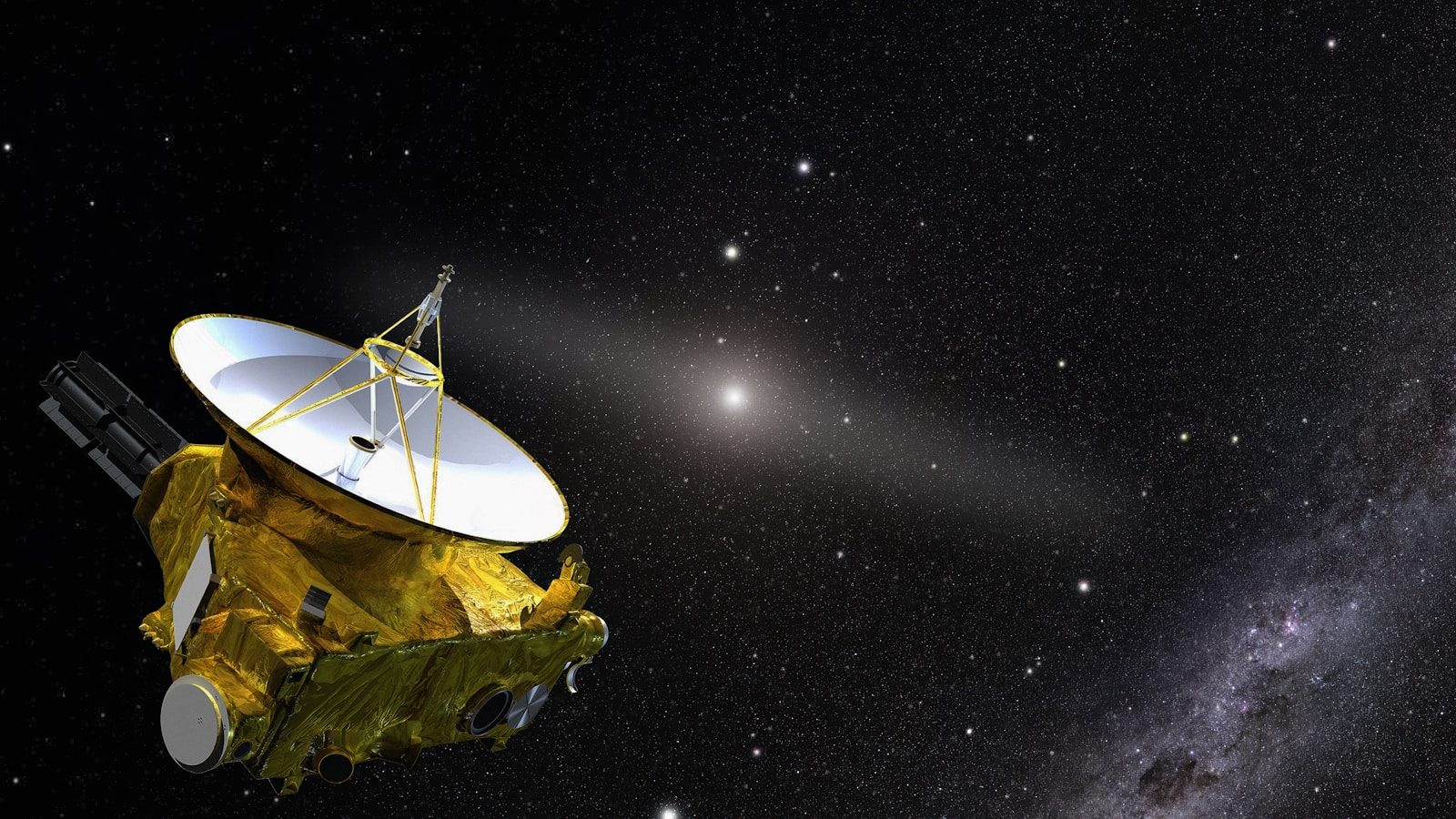
Most stargazers assume that we can only see nearby stars and planets through our telescopes. We believe the deep edges of the universe are permanently hidden in absolute darkness.
But a spectacular space observatory has shattered these celestial boundaries. Its sensitive infrared sensors can look back billions of years to see the first galaxies.
The James Webb Breakthrough
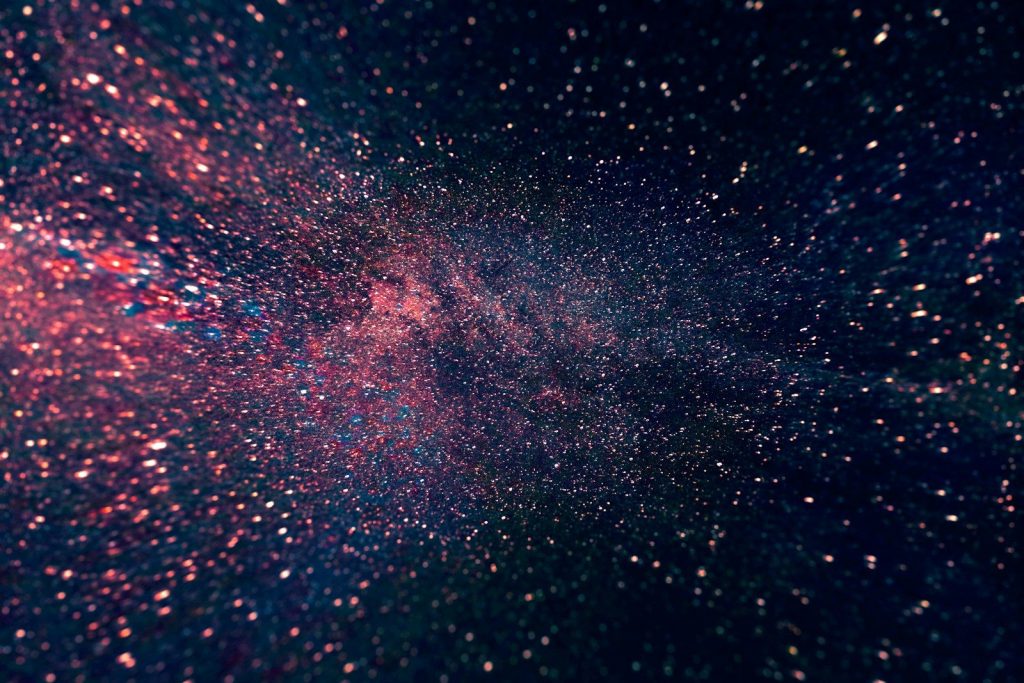
Observing the oldest objects in the universe requires technology that can bypass thick cosmic dust clouds. According to reports from NASA, the James Webb Space Telescope uses advanced infrared sensors to see hidden stellar structures. The view is magnificent. This infrared capability allows astronomers to scan through dirty cosmic screens that block visible light. But the sheer distance of these targets is hard to imagine.
Capturing The Ancient Light
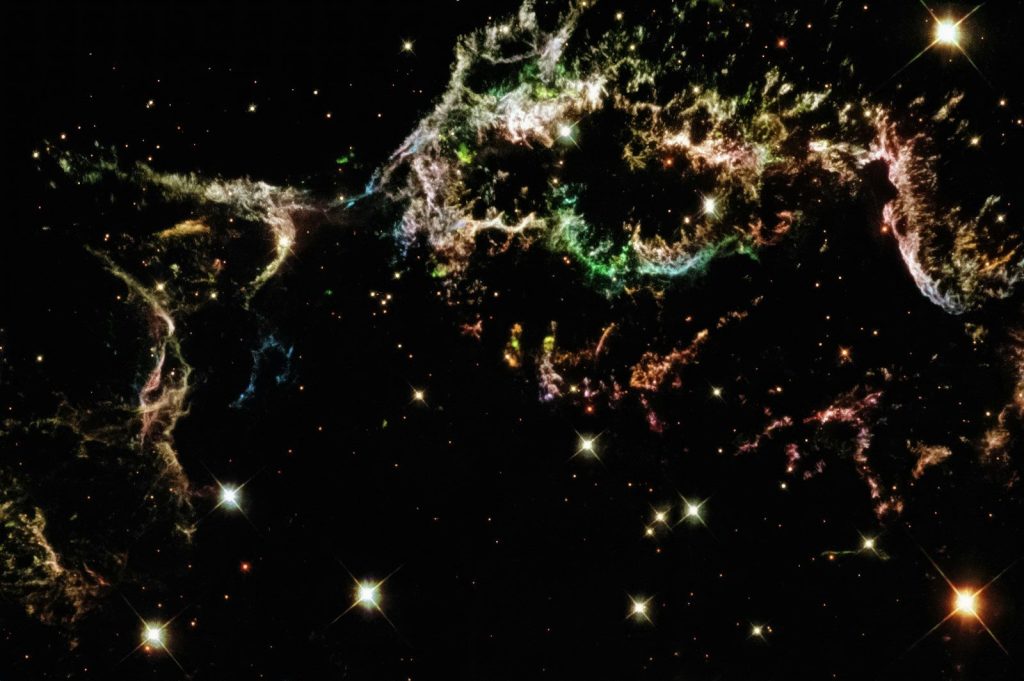
Because light takes years to travel across the cosmos, we are actually viewing deep space as it existed in the past. According to astrophysicists, looking at a galaxy thirteen billion light-years away is like opening a historic window. The physics is wild. We are observing these stars as they looked shortly after the Big Bang. But measuring the exact limit of our sight requires extreme calculation.
Reaching Thirteen Billion Years
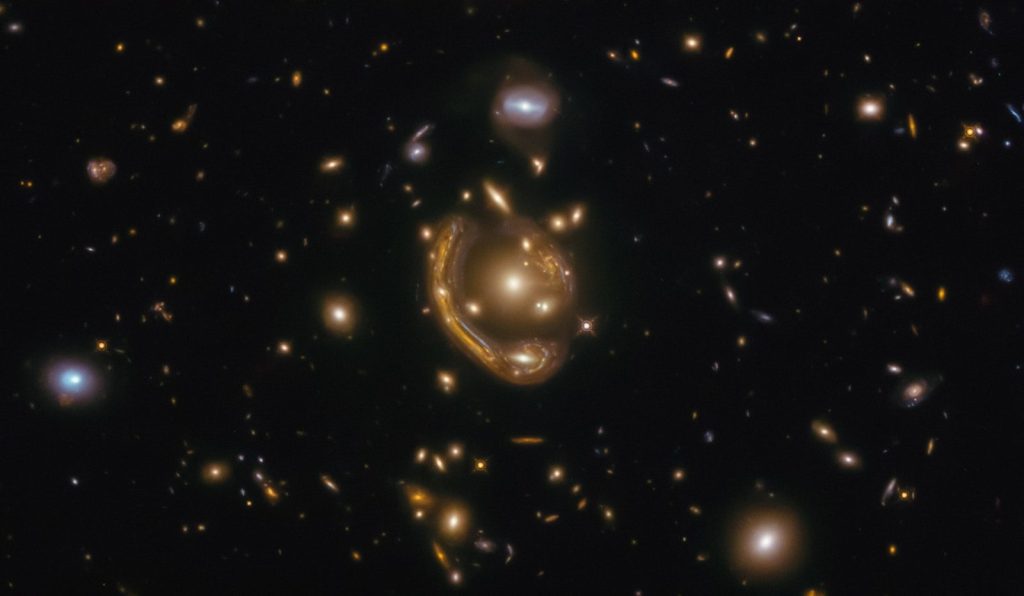
The space telescope has successfully captured images of galaxies that formed when the universe was in its infancy. According to astronomical measurements, the farthest tracked galaxy dates back over thirteen billion years. The scale is monumental. These ancient star clusters are incredibly bright despite their extreme distance from our local neighborhood. But identifying how these early stars grew so fast is a massive puzzle.
Bypassing Standard Cosmic Models
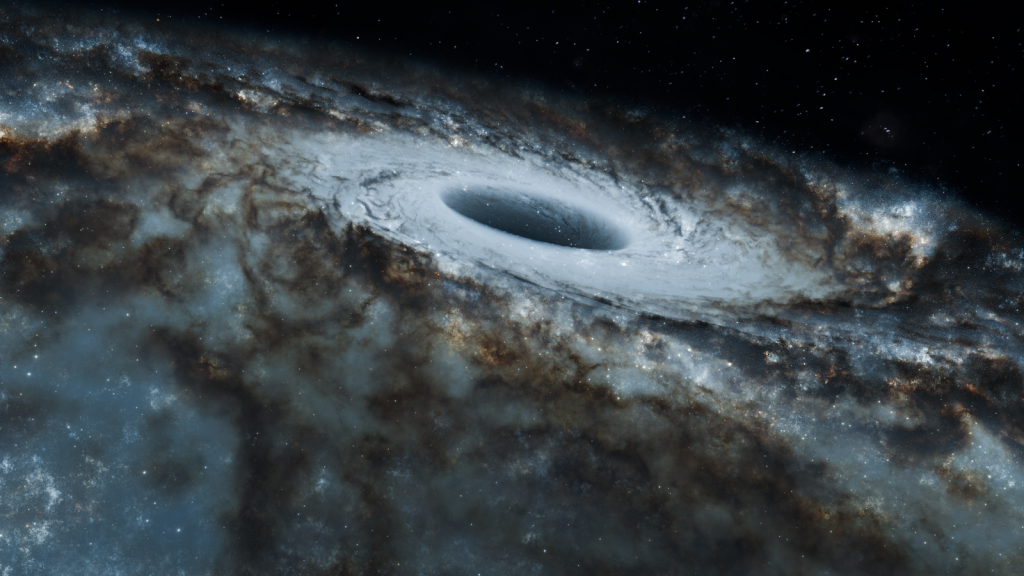
Finding highly organized galaxies so early in cosmic history was completely unexpected for astronomers. According to space science researchers, early gas clouds should not have been able to form such dense star systems so quickly. The models fail. This timing suggests that gravity behaved in ways we are still trying to calculate. But the telescope is also scanning much closer targets.
Analyzing Far Exoplanet Clouds
Analyzing the light filtering through the clouds of distant exoplanets can reveal hidden gases. According to reports from the European Space Agency, spectrometers can identify the chemical signatures of water and carbon dioxide. The accuracy is stunning. This atmospheric search could soon reveal the first definitive proof of biological life on another world. But the harsh environment of space threatens the telescope.
Floating Near Lagrange Point
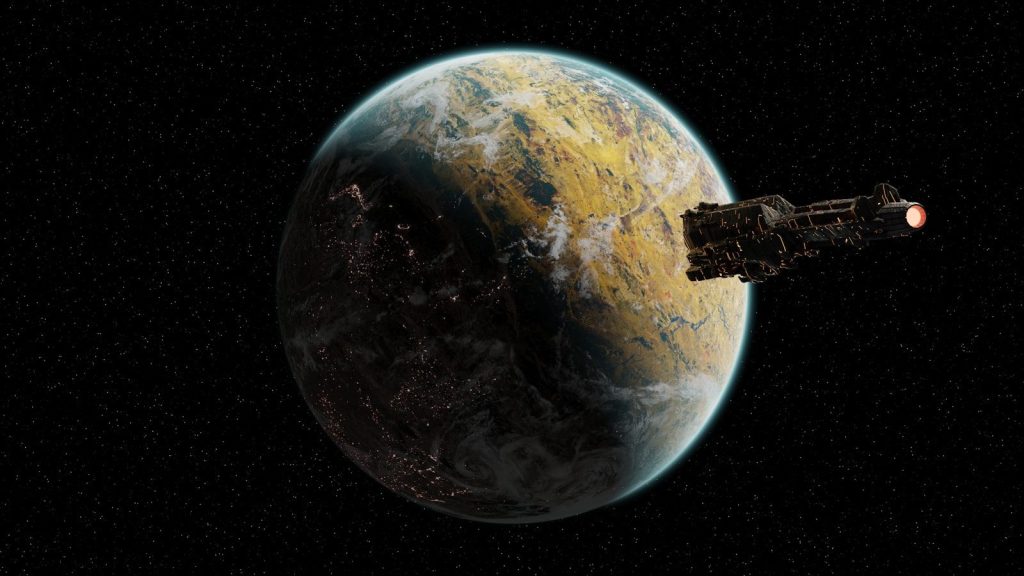
To capture faint infrared heat, the observatory must remain colder than any natural environment on Earth. According to spacecraft engineers, the telescope operates at nearly absolute zero behind a massive five-layer sunshield. It is incredibly quiet. The vehicle orbits a stable coordinate one million miles away from our warm planet. But keeping the delicate mirrors aligned requires constant monitoring.
Eighteen Gold-Coated Mirror Segments
Eighteen gold-coated hexagonal segments work together as a single massive lens in the sky. According to mechanical audits, automated motors adjust the alignment of these segments with microscopic precision. The detail is perfect. This flawless coordination is what allows the telescope to produce the sharpest cosmic images in human history. But this stellar eye is only the beginning of deep space discovery.
Writing The True History
Peering into the deepest corners of the universe allows us to trace the true history of all matter. According to researchers, studying these ancient galaxies helps us understand how our own solar system evolved. We are still learning. This article is for informational purposes only.
Featured Image: Photo by NASA Hubble Space Telescope on Unsplash
Leave a Reply