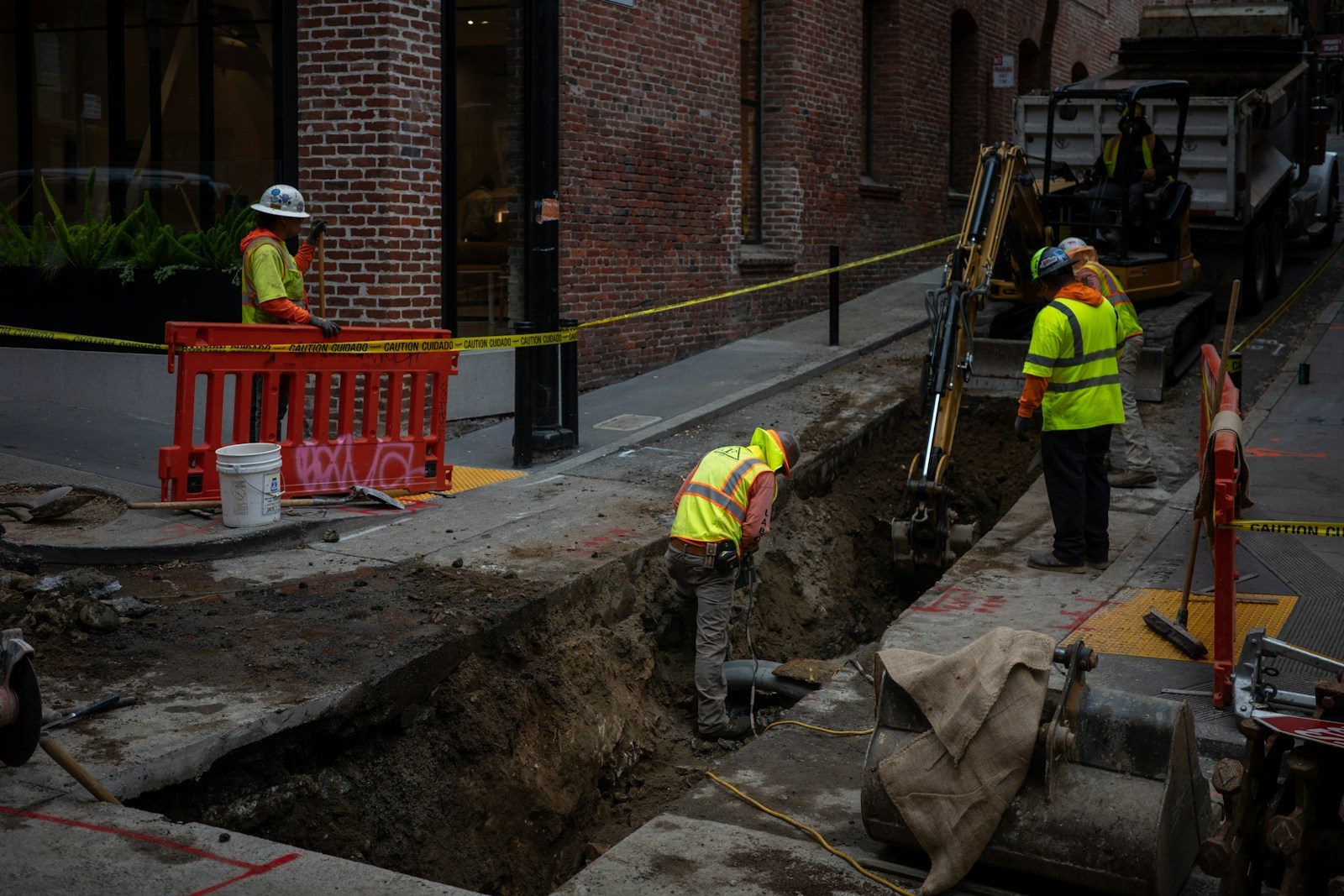
Every day, thousands of people walk over a secret they never knew existed. In the heart of a bustling European city, a routine construction project for a new subway line has just hit the jackpot. Construction workers digging thirty feet below the pavement stopped their machines when they saw a flash of color in the grey dirt. They had accidentally uncovered a massive, perfectly preserved Roman mosaic floor featuring the legendary “Solomon’s Knot.”
This geometric pattern, consisting of two interlocking loops, was considered a symbol of eternity and protection in the ancient world. Finding it here, in the middle of a modern shopping district, is a “historical bomb.” The mosaic is over forty feet wide and likely belonged to a luxury villa that was the center of power 1,800 years ago. It is a total transformation of what we know about the city’s origins. But what exactly does this mysterious knot represent?
The Symbol That Crosses Continents
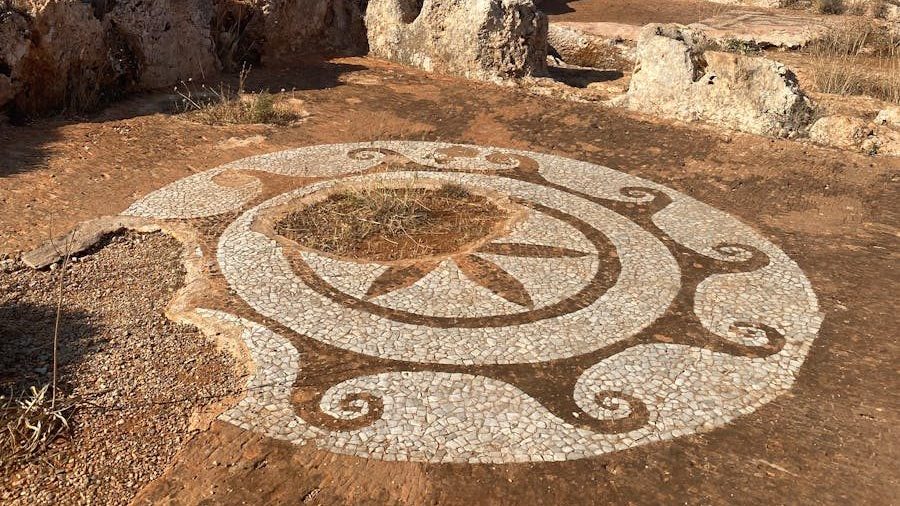
The Solomon’s Knot isn’t just a pretty design. It is one of the oldest symbols in human history, appearing in cultures from Rome to China. Because the loops have no beginning and no end, they were used as a “spiritual lock” to keep out demons. In this newly discovered villa, the knot was placed at the very center of the dining hall. It was meant to protect the guests while they ate and talked. But who were the people walking on this masterpiece?
Life in the Underground Villa
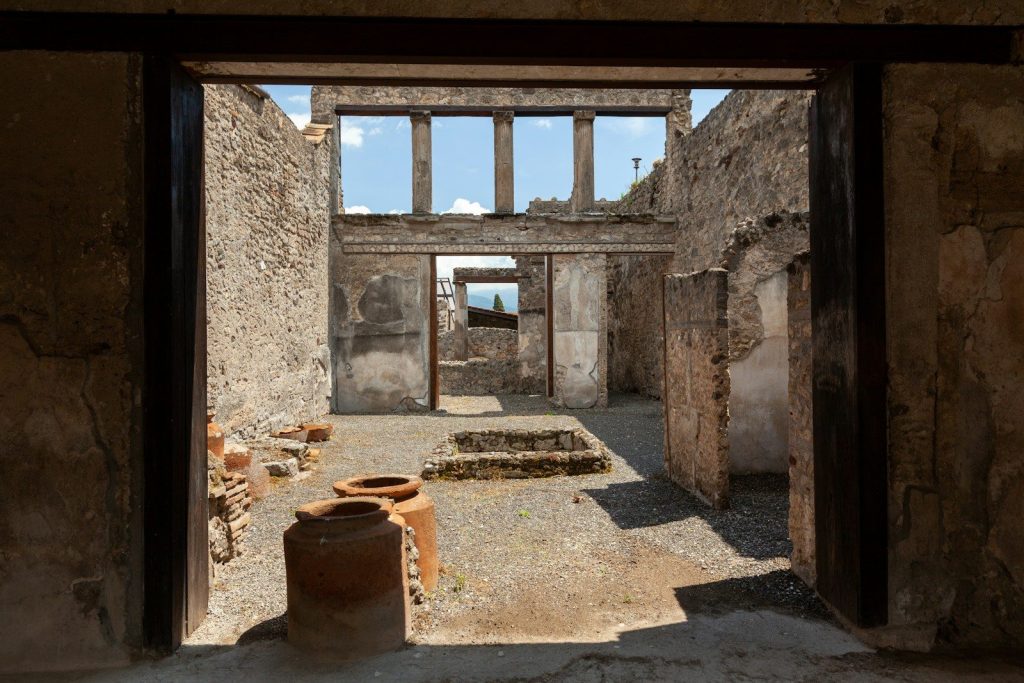
Archaeologists believe the villa belonged to a high-ranking Roman governor. Along with the mosaic, they have found fragments of painted plaster walls and bronze lamps. The level of luxury is staggering for what was supposed to be a small frontier town. It seems this city was much more important to the Roman Empire than history books ever suggested. The villa was essentially a “smart home” of the ancient world, complete with heated floors. But how did the mosaic stay so bright?
The Secret of the Roman Stone
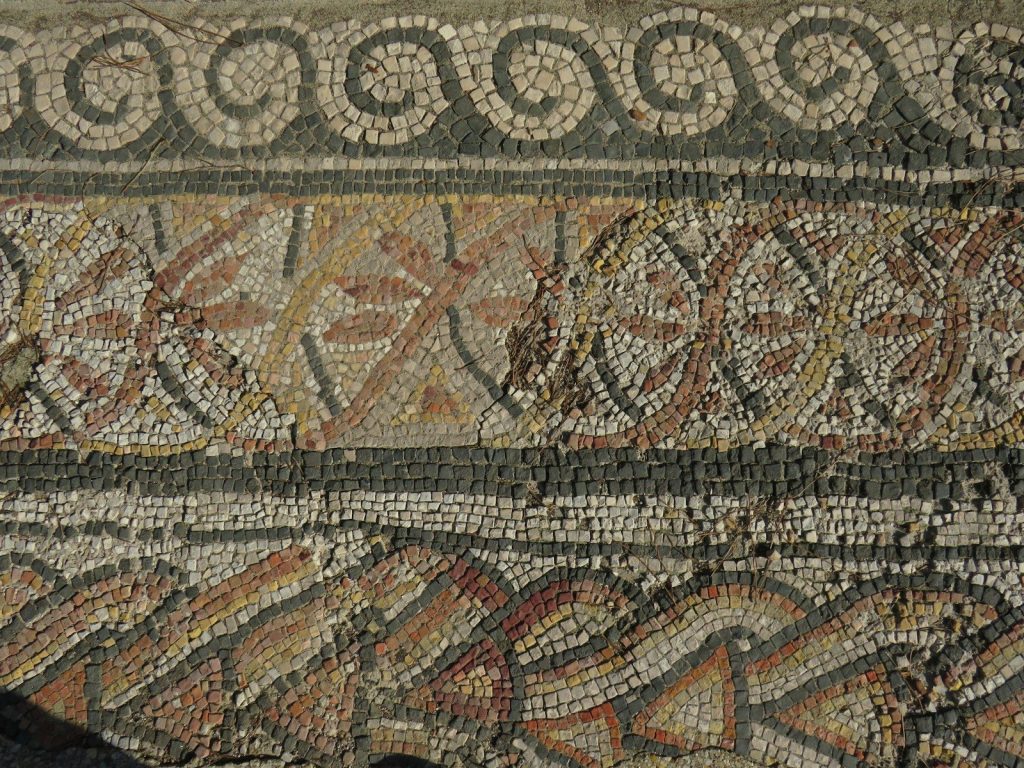
The mosaic is made of thousands of tiny cubes called “tesserae.” The Roman artists used natural stones like marble, limestone, and even glass to get the colors just right. Because the city was built directly on top of the villa, the layers of asphalt and concrete acted as a protective seal. The moisture was kept out, and the colors never faded. It is a biological miracle that the stones haven’t shifted at all in 1,800 years. But wait until you see what was found hidden under the knot.
A Hidden Message in the Mortar
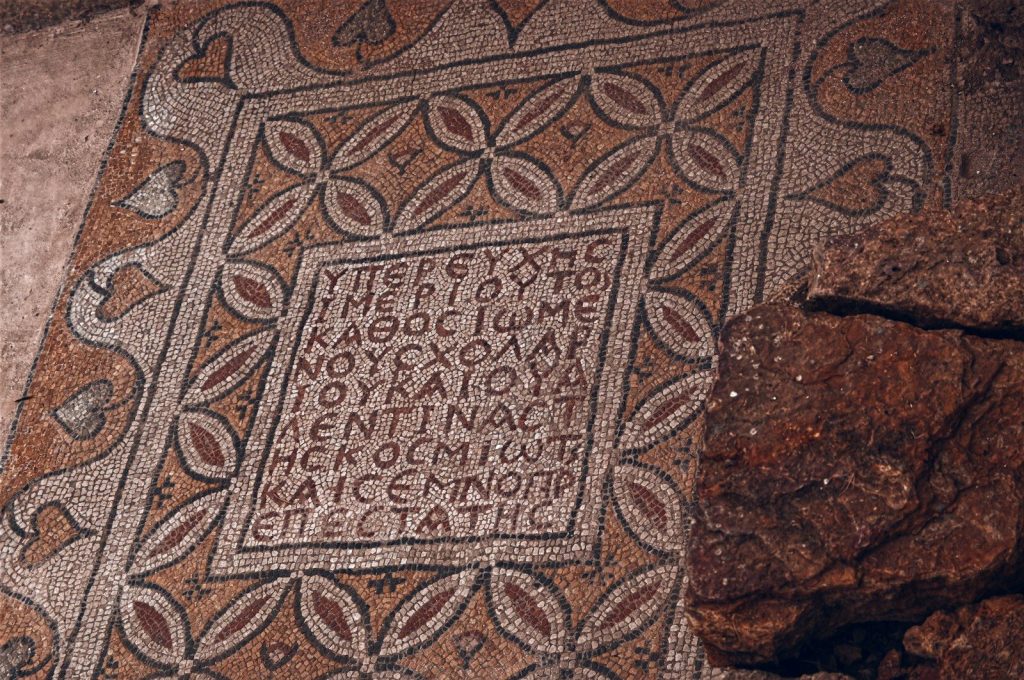
When researchers lifted a small, loose section of the Solomon’s Knot, they found a surprise. Scratched into the drying mortar underneath was the name of the artist: “Felix.” In the Roman world, mosaic artists were usually anonymous slaves or low-wage workers. For Felix to leave his name suggests he was a “superstar” of his time. This discovery gives a human name to a masterpiece that has been nameless for centuries. But the city’s modern growth is now a major threat.
The Battle Between Progress and History
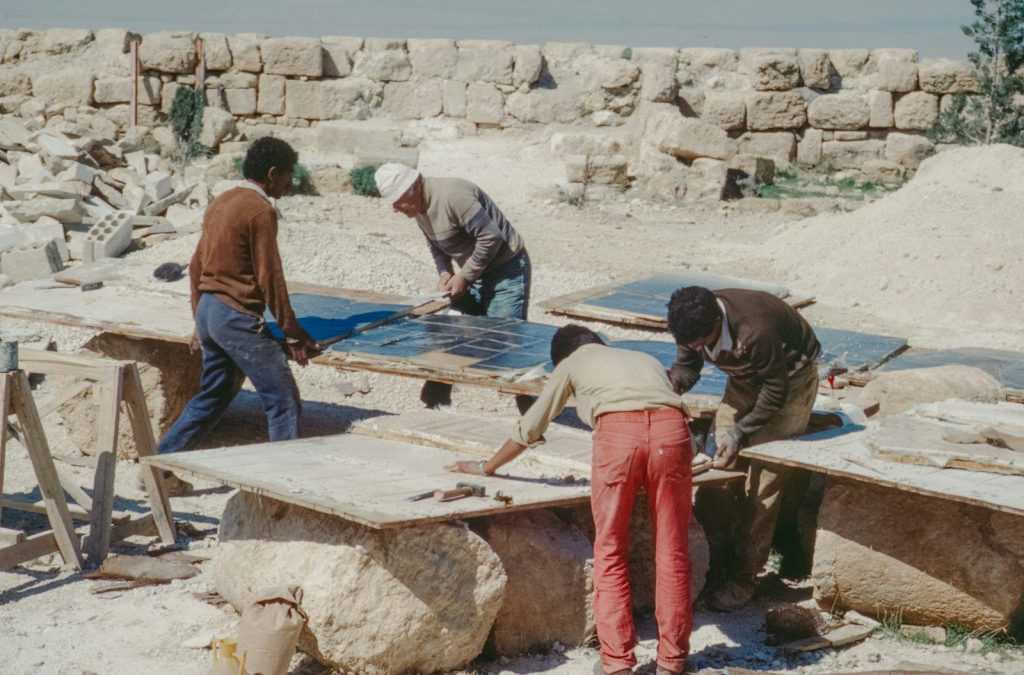
Now that Solomon’s Knot has been found, the billion-dollar subway project has been put on hold. There is a massive public debate happening right now: should the mosaic be moved to a museum, or should the subway be rerouted to keep the history where it belongs? Moving such a large mosaic is incredibly risky and could shatter the stones. Rerouting the subway would cost millions. It is a high-stakes standoff between the past and the future. But the knot is telling us another secret.
A Global Network of Knowledge

Finding Solomon’s Knot in this specific city proves that ancient architects were following a “global blueprint.” They were sharing design tips and symbolic meanings across thousands of miles without the internet. It shows a level of “intellectual trade” that we are only just beginning to map. The knot is a reminder that humans have always been connected. But while these Romans were building cities, they were still doing something very “primitive.”
The Final Verdict on the City’s Roots
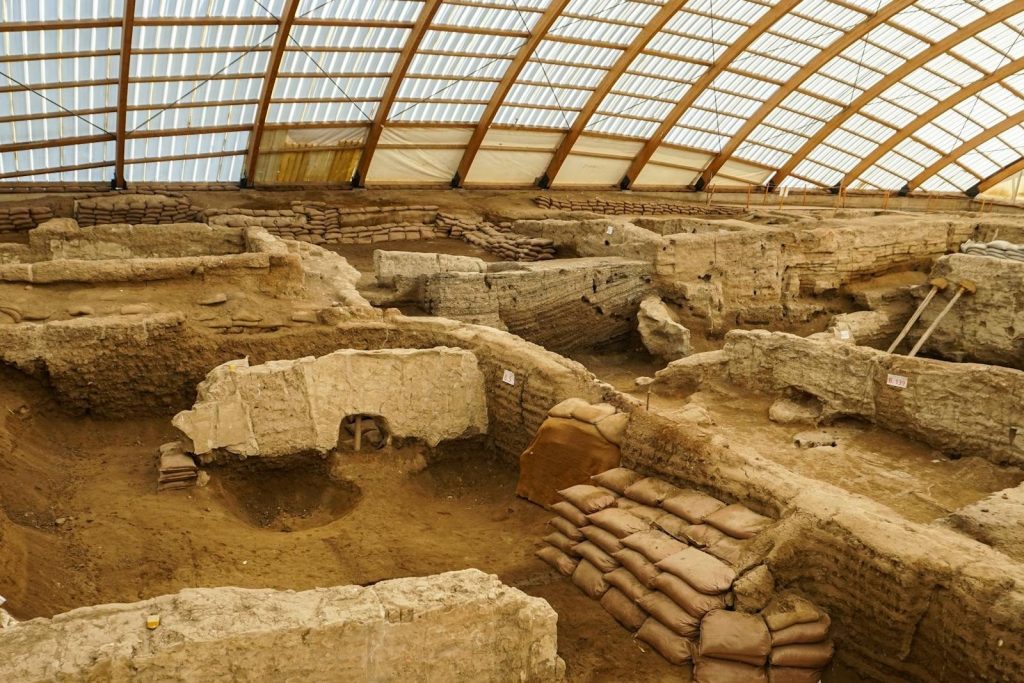
The Solomon’s Knot discovery is a wake-up call for modern urban planners. It reminds us that we are just the latest layer in a long story. As we continue to dig, we are finding that our ancestors were much more like us than we thought. They loved beauty, security, and luxury. The mystery of the knot is finally opening up, but are you ready to hear why the arrival of farming didn’t stop people from fishing?
The Puzzle is Just Beginning
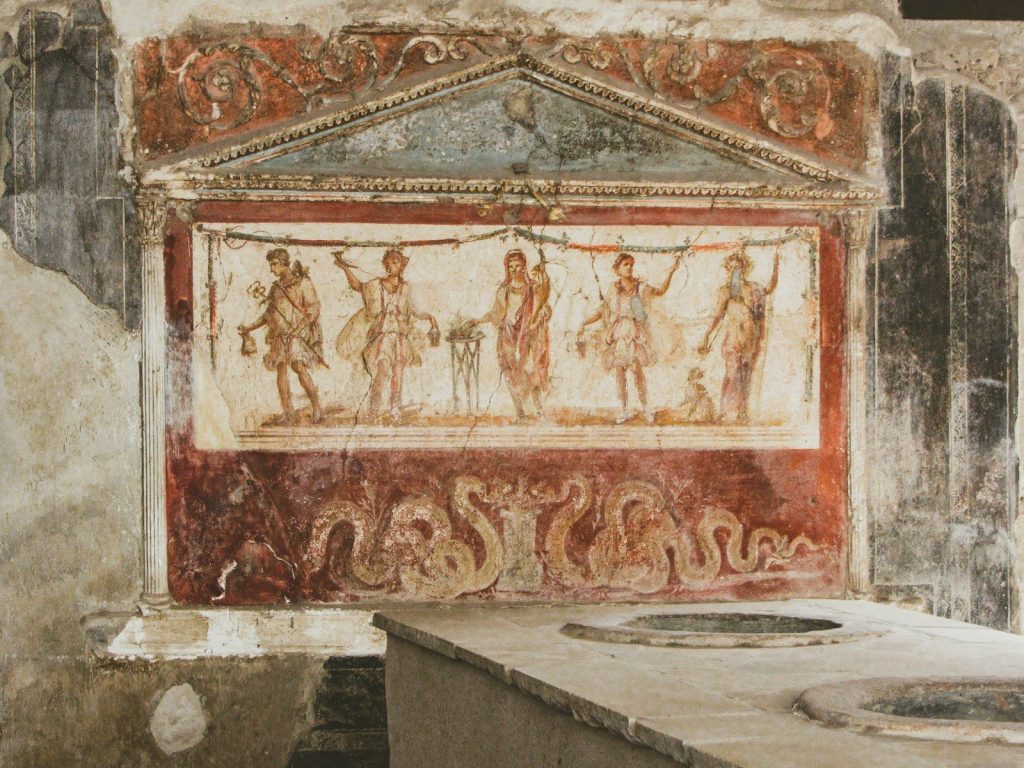
We have only uncovered about 20% of the villa. There is so much more to find beneath the city streets. Every time a bulldozer hits the ground, we might be seconds away from the next world-changing discovery. The Solomon’s Knot was just the first piece of the puzzle. Keep your eyes on the dirt, because the history books are being rewritten in real-time. But why did our ancestors keep their fishing poles even after they learned to farm?
Featured Image: Photo by David Klein on Unsplash
Leave a Reply