
Maintaining a fresh personal scent is a daily priority for most people. We buy expensive deodorants, shower regularly, and wash our clothes. However, personal body odor is an intricate biological process that is shaped by silent environmental triggers, stress, and lifestyle choices. Many common everyday habits can secretly alter your skin chemistry and produce unpleasant odors without your knowledge. According to research from the American Academy of Dermatology, these changes happen on a cellular level and are often difficult to notice. By understanding the science behind these hidden triggers, you can easily protect your personal scent and long-term wellness. It turns out that some of the most healthy habits might be working against you. This article is for informational purposes only and does not constitute medical advice.
The surprising sweat reaction to daily stress

We often think of sweat as just water. But your body actually possesses two different types of sweat glands. According to the Mayo Clinic, your eccrine glands produce watery sweat to cool you down, while apocrine glands react directly to emotional stress. This stress-induced sweat is thick and packed with lipids and proteins. When this mixture meets the natural bacteria on your skin, it produces an incredibly strong, pungent odor. Learning to manage daily stress can actually keep you smelling fresh. But your diet holds an even bigger chemical secret.
Saturated lipids in spicy meals alter your sweat.

The foods you eat can directly impact how your skin breathes. Onions, garlic, and hot spices contain volatile organic compounds that enter your bloodstream after digestion. According to clinical studies published in the journal Chemical Senses, your body flushes these compounds out through your lungs and sweat glands. This process can create a lingering, spicy aroma that resists regular soap. Cutting back on these intense ingredients before important social events is highly recommended. But a simple lack of water can also throw your system off balance.
Dehydration concentrates volatile organic compounds.

Drinking enough water is crucial for flushing out bodily waste. When you are dehydrated, your sweat becomes much more concentrated. According to reports from the Cleveland Clinic, this concentration makes it much easier for skin bacteria to break down the organic compounds in your sweat. This breakdown leads to a significantly stronger personal scent. Hydration keeps your metabolic engine running cool and clean. But the clothes in your closet might be doing silent damage as well.
Certain fabrics act as bacteria magnets.
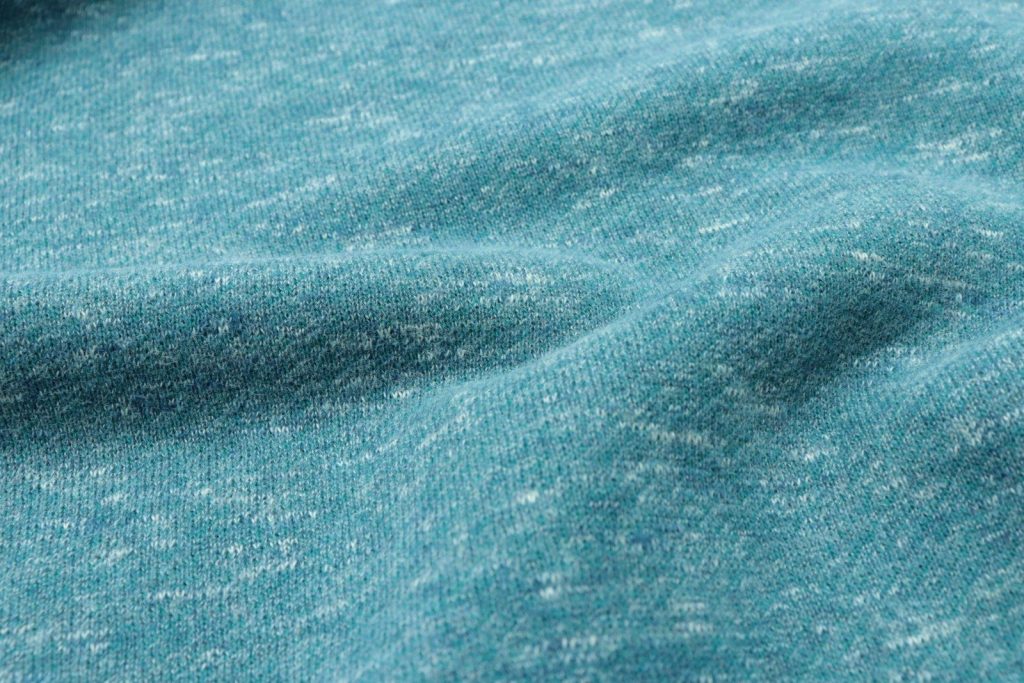
The materials you wear can make a massive difference in how you smell. Synthetic fabrics like polyester and nylon are excellent at trapping moisture. According to a study published in the journal Applied and Environmental Microbiology, these fibers serve as the perfect breeding ground for odor-causing bacteria. Natural fibers like cotton and wool allow your skin to breathe and dry quickly. Choosing breathable clothing is a simple way to stay fresh throughout a busy day. But a common bottle in your medicine cabinet might hold another clue.
Common medications can alter your chemical profile.

Many standard medications can have surprising side effects. Over-the-counter pain relievers and prescription antidepressants can interfere with your body’s natural temperature regulation. According to reports from the National Institutes of Health, these drugs can trigger excessive sweating as your body works to process the active ingredients. This chemical reaction can alter your natural skin pH and attract unwanted bacteria. Consulting with a medical professional is always the best way to manage these subtle side effects. But a hidden imbalance in your stomach is also a major factor.
Hidden yeast imbalances in your digestive tract

Your digestive health is closely linked to your skin chemistry. An overgrowth of yeast or harmful bacteria in your gut can produce volatile gases during digestion. According to gastroenterology research, these gases can escape through your skin pores, creating a musty or sweet aroma. Eating a balanced diet rich in prebiotic fiber can help support your gut microbiome. This adjustment keeps your digestive system happy and your skin clear. Fortunately, resetting your personal scent is incredibly simple.
Simple steps to reset your natural chemistry

You do not need an expensive medical regimen to smell great. Start by drinking plenty of water and swapping synthetic shirts for organic cotton. Focus on eating whole, unprocessed foods and managing daily stress through light movement. These simple lifestyle adjustments help your body run smoothly and protect your natural scent over time. Your body is highly resilient and will quickly respond to the extra care. Taking charge of your wellness starts with these small, daily choices.
Featured Image: Photo by Elsa Olofsson on Unsplash
Leave a Reply