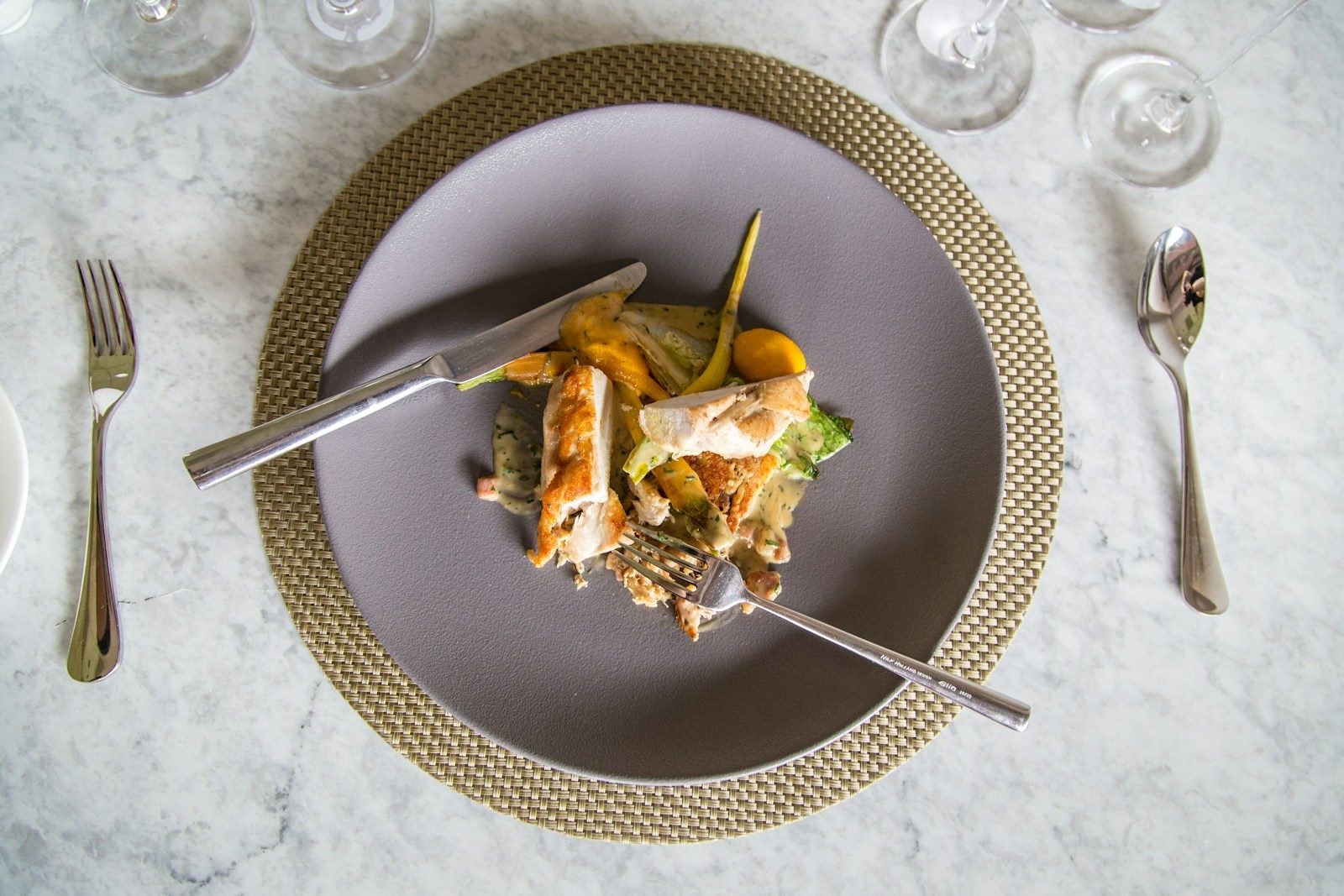
Culinary luxury goes far beyond basic nutrition. For some, dining is an extreme status symbol that involves rare ingredients, dangerous harvests, and complex geography. Every year, wealthy gourmands spend thousands of dollars on a single meal. According to research by the Food and Agriculture Organization, these astronomical prices are driven by extreme scarcity and labor-intensive production methods. Some of these foods are harvested from the wild at great personal risk. Others require generations of specialized farming traditions. By exploring these extravagant delicacies, we can see how culture and economics shape our appetite. The stories behind these luxury items are absolutely fascinating. The first delicacy on our list requires a high-tech hunt deep beneath the forest floor.
The deep subterranean hunt for white truffles
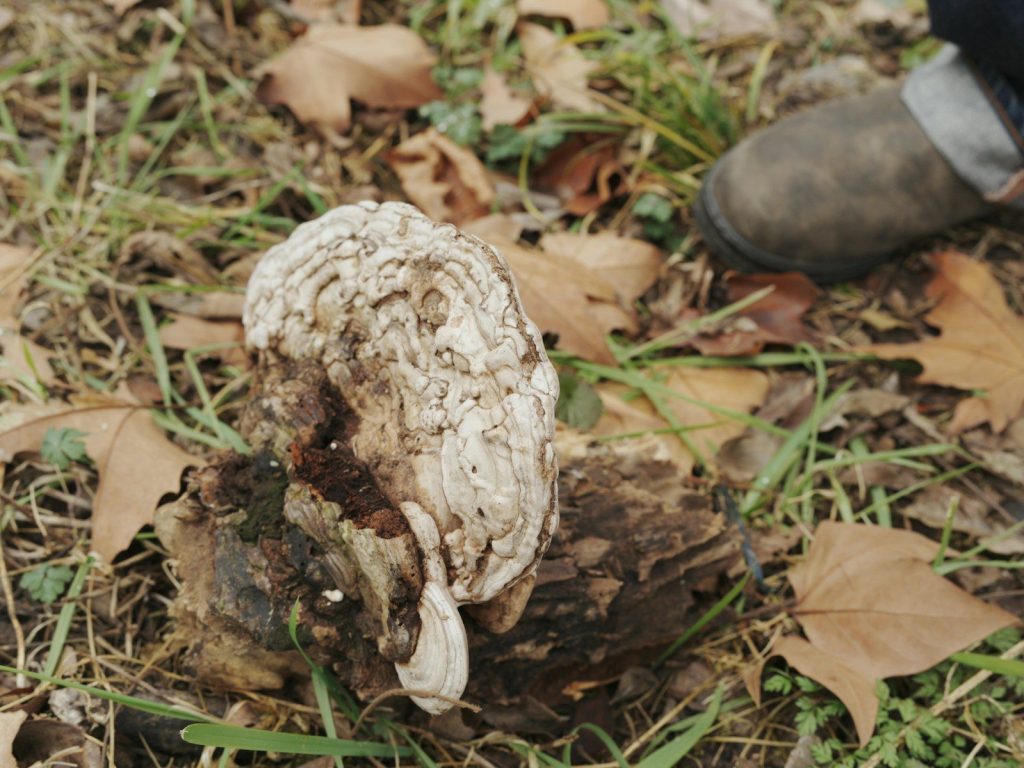
White truffles are among the most coveted ingredients on Earth. They cannot be cultivated easily. According to reports from the Italian Culinary Institute, these rare fungi grow only in specific regions of Italy during a brief autumn window. Harvesters must use specially trained dogs to sniff them out from beneath the roots of oak trees. A single large truffle can sell for hundreds of thousands of dollars at private auctions. The market is highly competitive and shrouded in secrecy. But another famous delicacy is harvested from the side of sheer ocean cliffs.
Harvesting swallow nests on sheer cliffs
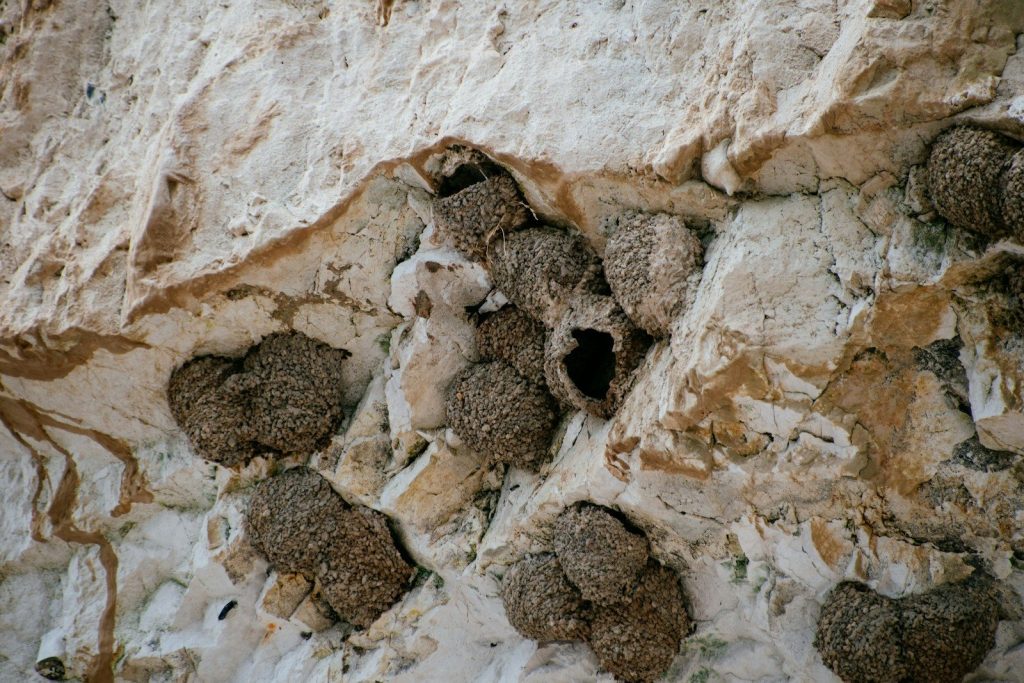
Bird’s nest soup is a legendary delicacy in Chinese cuisine. It is made from the solidified saliva of cave-dwelling swiftlets. According to research published in the journal Food Chemistry, harvesters must climb dangerous bamboo scaffolding inside dark caves to reach the nests. This risky harvest has led to strict regulations to protect the bird populations. The high demand keeps prices soaring, with top-grade nests costing thousands of dollars per kilogram. It is a dangerous trade that has survived for centuries. But a different luxury food is harvested from the depths of the Caspian Sea.
The black gold of Iranian Beluga caviar
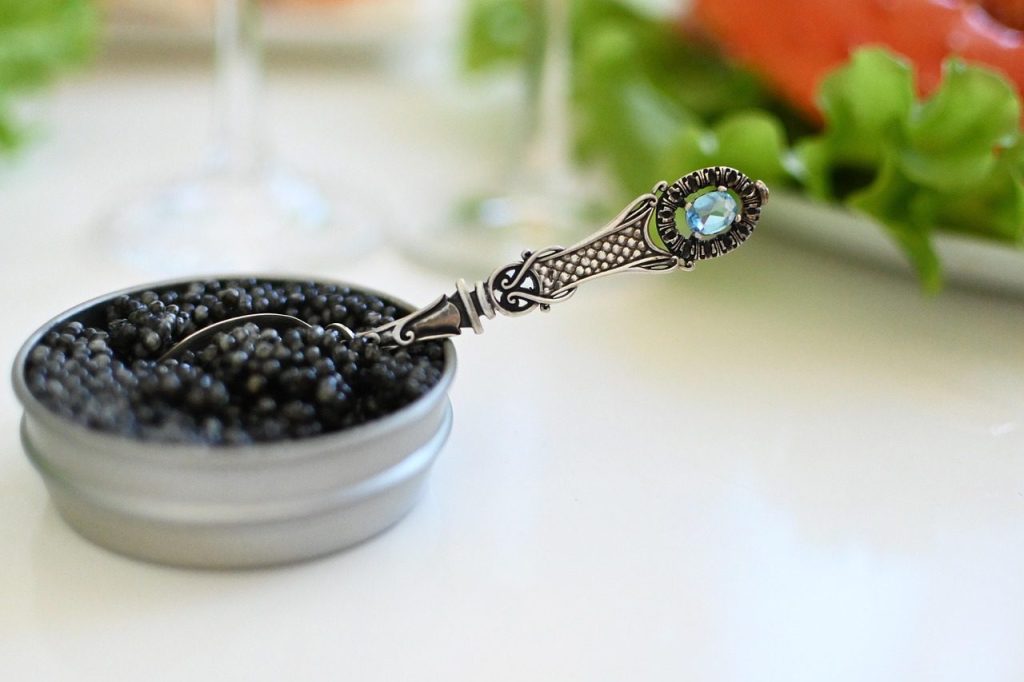
Caviar has long been a symbol of ultimate wealth. The most expensive variety comes from the rare Almas sturgeon. According to the World Sturgeon Conservation Society, these prehistoric fish can take up to twenty years to mature and produce eggs. The albino variety from the Caspian Sea is particularly prized for its delicate flavor. It is often packaged in tins made of actual gold to match its value. This extreme luxury remains a favorite among global elites. Meanwhile, a legendary meat from Japan relies on a highly pampered lifestyle for its animals.
Raising the legendary Wagyu beef of Kobe
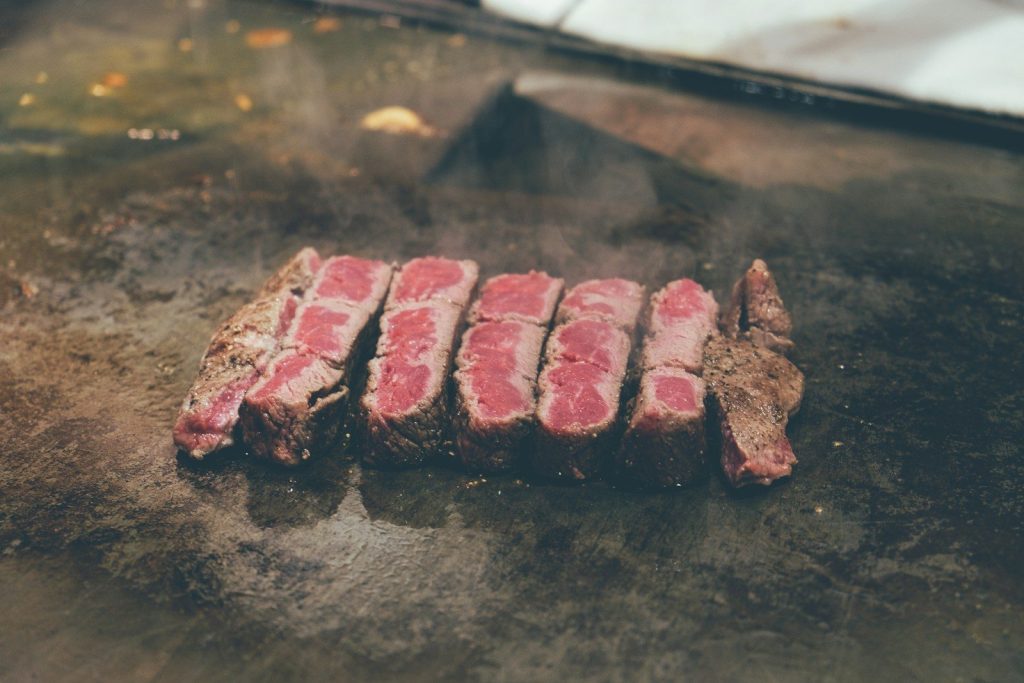
Kobe beef is famous for its rich marbling and melt-in-your-mouth texture. The production process is strictly controlled. According to the Kobe Beef Marketing and Distribution Promotion Association, the cattle must be raised under highly specific conditions in Hyogo Prefecture. They are fed a special diet to ensure the fat is distributed evenly throughout the muscle. This careful raising results in some of the most expensive steaks in the world. The authentic product is a culinary masterpiece. But a tiny flower in the Mediterranean offers a different kind of expensive harvest.
Hand-harvesting saffron in the Iranian plains
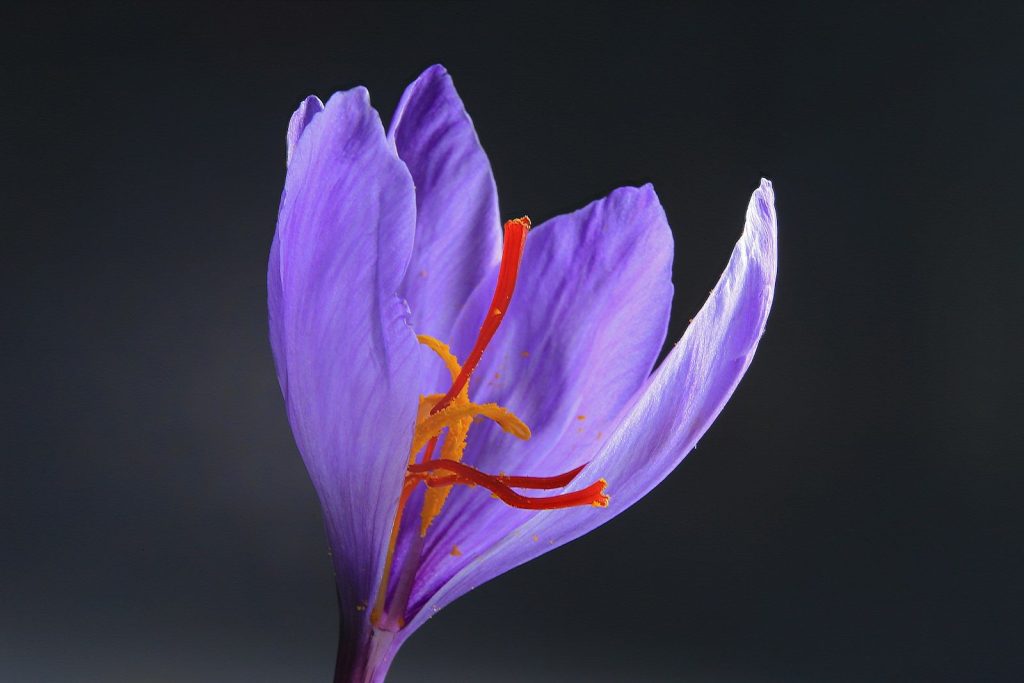
Saffron is the most expensive spice by weight in the world. It is harvested from the purple crocus flower. According to reports from the International Bureau of Saffron, it takes over seventy thousand flowers to produce just one pound of the spice. Workers must carefully harvest the delicate red stigmas by hand during a very brief blooming season. The intense labor and low yield keep prices incredibly high. A small jar can cost as much as a luxury watch. But a Swedish farm produces a dairy product that is even rarer.
The dangerous quest for moose cheese in Sweden
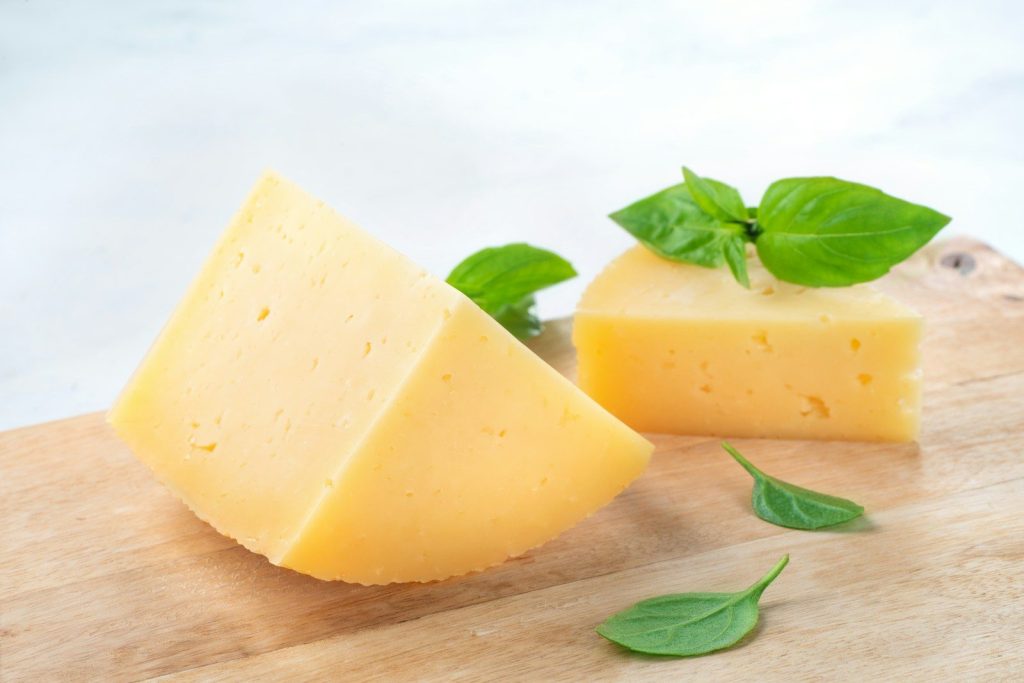
Moose cheese is one of the rarest dairy products on Earth. It is produced on a single specialized farm in Sweden. According to agricultural reports, the family milks only three specific moose during a brief summer window. The milking process is slow and requires absolute silence to keep the animals calm. This limited production yields only a few hundred pounds of cheese annually. It is a highly exclusive delicacy that attracts food collectors from around the globe. But our final food item comes from the volcanic soils of Japan.
Cultivating the perfect ruby Roman grapes
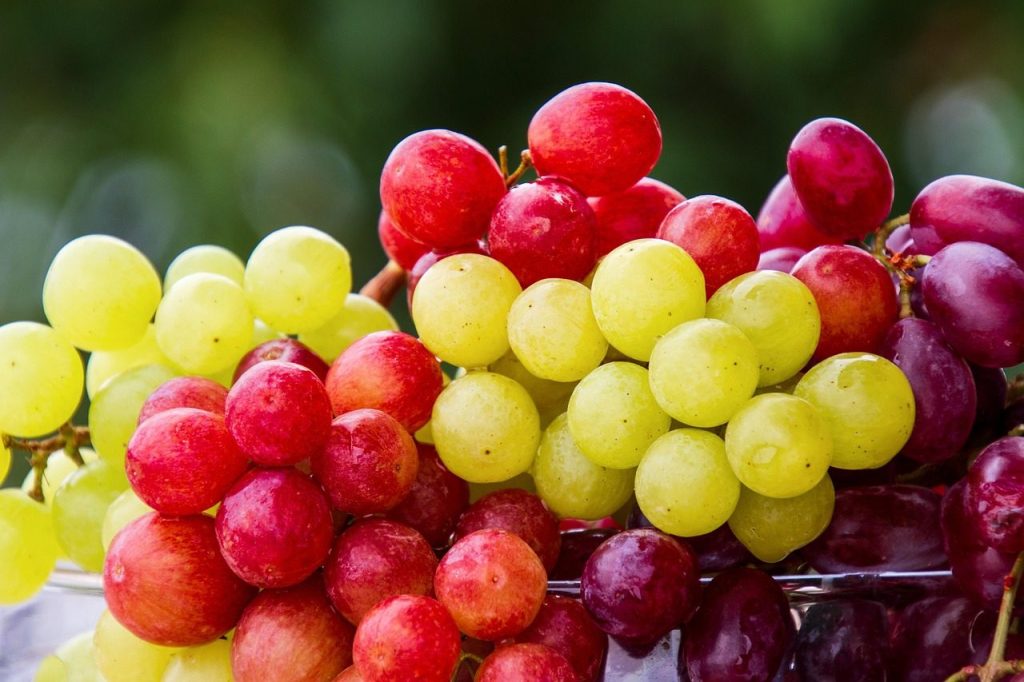
Ruby Roman grapes are grown exclusively in Ishikawa Prefecture, Japan. They are evaluated under incredibly strict quality standards. According to local agricultural boards, each grape must weigh at least twenty grams and possess a high sugar content. A single bunch of these massive, ruby-red grapes can sell for over ten thousand dollars at auction. They are often purchased as prestigious gifts to celebrate business achievements or weddings. Ultimately, these extreme foods prove that dining is an art form built on passion, patience, and absolute exclusivity.
Featured Image: Photo by Ambitious Studio* | Rick Barrett on Unsplash
Leave a Reply