Author: Dylan

  • Why Longevity Experts Avoid These Supposedly Healthy Foods

    Why Longevity Experts Avoid These Supposedly Healthy Foods

    We are constantly bombarded with advice on what to eat to live a longer life. Health food stores are packed with colorful packages promising eternal youth. But many of these trendy items are actually doing the exact opposite. Longevity experts who study the world’s oldest populations are sounding the alarm. They have identified several common health foods that can actually accelerate cellular aging. These deceptive products trigger chronic inflammation and disrupt your metabolic pathways. They slowly damage your delicate blood vessels without any warning signs. By cutting these silent offenders out of your diet, you can protect your DNA. This simple adjustment can help you maintain high energy levels as you get older. The first major offender might be sitting in your pantry right now.

    The Hidden Sugar Trap of Protein Bars

    Top view of homemade nut muesli bars on parchment paper, a perfect healthy snack.
    Photo by Vladimir Gladkov on Pexels

    Protein bars look like the perfect post-workout snack. However, many commercial brands contain as much sugar as a standard chocolate bar. They are packed with high-fructose corn syrup and artificial sweeteners. According to research from the Harvard T.H. Chan School of Public Health, excess sugar promotes cellular aging. It causes insulin spikes that stress your pancreas over time. This sweet trap can lead to chronic metabolic issues. But your morning breakfast bowl hides an even bigger health secret.

    Glucation Hazards in Crispy Breakfast Cereals

    white soup on stainless steel bowl
    Photo by Dom . on Unsplash

    Many people eat whole-grain cereals to protect their hearts. But the extreme heat used to manufacture these flakes destroys their natural nutrients. This industrial process creates advanced glycation end products. These harmful compounds damage your skin’s collagen and stiffen your blood vessels. Longevity experts suggest swapping processed cereals for slow-cooked steel-cut oats instead. This simple swap protects your cellular health. But a common cooking oil might be doing silent damage.

    The Inflammatory Threat of Seed Oils

    a white table topped with different types of food
    Photo by Tucker Good on Unsplash

    Vegetable and seed oils are promoted as heart-healthy alternatives to butter. But oils like canola, corn, and soy are highly processed. They contain massive amounts of omega-six fatty acids. While your body needs some omega-6, an excess can trigger chronic systemic inflammation. This inflammation is a primary driver of age-related diseases. Experts suggest using extra virgin olive oil or avocado oil instead. This adjustment keeps your cardiovascular system running smoothly.

    Agave Nectar is Not a Safe Sugar Substitute

    clear glass bottle pouring red liquid on clear drinking glass
    Photo by Benyamin Bohlouli on Unsplash

    Agave nectar is often marketed as a natural, low-glycemic sweetener. But this syrup is incredibly high in fructose. In fact, it can contain up to ninety percent fructose. Unlike glucose, fructose must be processed entirely by your liver. This process can lead to fatty liver disease and insulin resistance. Longevity researchers suggest using small amounts of raw honey or real maple syrup instead. But another popular beverage might surprise you with its impact.

    The Toxic Load of Commercial Fruit Juices

    Refreshing orange juice being poured from a glass pitcher into a jar, set against a turquoise background.
    Photo by DS stories on Pexels

    Drinking a glass of fresh orange juice seems like a great way to get vitamin C. But juicing removes all the beneficial fiber from the fruit. This leaves you with a concentrated dose of liquid sugar. Your body absorbs this liquid sugar instantly, causing a massive blood sugar spike. This rapid rise damages your blood vessels and exhausts your metabolism. It is much better to eat the whole fruit instead to keep your digestion balanced.

    The Hidden Chemicals in Diet Soda

    blue and silver can with water droplets
    Photo by NIKHIL on Unsplash

    Diet sodas promise zero calories and zero guilt. But they rely on powerful artificial sweeteners like aspartame. These chemicals can disrupt your delicate gut microbiome. A damaged gut microbiome can weaken your immune system and increase systemic inflammation. According to studies published in Nature, artificial sweeteners can also trigger intense food cravings. This can lead to unexpected weight gain over time.

    Building a Simple Foundation for Long Life

    blue berries on white background
    Photo by Hanna Balan on Unsplash

    Protecting your longevity does not require a complicated diet. Focus on eating whole, unprocessed foods that come straight from the earth. Choose leafy greens, wild fish, and plenty of fresh berries. These natural foods deliver the essential antioxidants your cells need to repair themselves. By avoiding modern processed substitutes, you can support your body’s natural healing systems. This simple approach is the ultimate secret to a long, vibrant life.

    Featured Image: Photo by Vanessa Loring on Pexels
  • The Surprising Metabolic Truth Behind King Charles Dinner Routine

    The Surprising Metabolic Truth Behind King Charles Dinner Routine

    The daily routine of the British monarch is legendary. King Charles lives a highly structured life that is shaped by ancient royal traditions. This intense routine extends directly to his daily diet. According to reports from former royal chefs, the King follows a surprisingly strict eating schedule. He routinely skips lunch entirely and eats his final meal late in the evening. Nutritionists have spent years analyzing this unique dietary pattern to see how it impacts healthy aging. They are finding that his daily routine aligns closely with modern metabolic science. This extreme discipline might be the secret behind his high energy levels at an advanced age. But his eating habits are actually shaped by a very specific philosophy. His daily menu reveals a deep commitment to environmental health and personal wellness.

    The Scientific Impact of Skipping Lunch

    a plate with a fork and knife on it
    Photo by Jonathan Greenaway on Unsplash

    Skipping lunch is a form of intermittent fasting. This practice triggers a cellular process called autophagy. According to research published in The New England Journal of Medicine, fasting helps the body clear out damaged cells. This process can reduce chronic inflammation and improve cellular repair. For a busy monarch, this dietary choice keeps his mind sharp during long afternoon engagements. But skipping a meal requires intense discipline to avoid sudden energy crashes.

    The Environmental Footprint of a Royal Menu

    greenhouse interior
    Photo by Abigail Lynn on Unsplash

    King Charles is a passionate champion of organic farming. He established the famous Duchy Home Farm in 1985 to practice sustainable agriculture. The King eats organic fruits and vegetables harvested directly from his estate. He also avoids eating meat or fish on certain days of the week to reduce his carbon footprint. This plant-based approach is highly praised by environmental scientists. It shows that luxury dining can be both healthy and sustainable.

    The Dynamic Power of Local Sourcing

    red and yellow tomatoes in brown woven basket
    Photo by Vije Vijendranath on Unsplash

    The royal family does not rely on imported processed foods. The King prefers locally sourced ingredients that are in season. This means his diet changes naturally throughout the year. Eating seasonal foods ensures he gets the highest concentration of vitamins and minerals. Nutritionists agree that local produce is much easier on the digestive system. But his beverage choices are just as deliberate as his food.

    A Royal Obsession with Organic Tea

    tea, hot, cup, drink, cup of tea, tea cup, tea time, teacup, mug, beverage, black tea, hot beverage, hot drink, tea, tea, tea, tea, tea
    Photo by 822640 on Pixabay

    Water and tea are the primary beverages served at the royal table. The King is particularly fond of Darjeeling tea served with a small spoonful of organic honey. Honey contains natural antioxidants that help soothe the digestive tract. It also offers a gentle energy boost without causing a massive blood sugar spike. This simple beverage choice helps keep his hydration levels steady. But his dinner routine holds a very different kind of challenge.

    The Metabolic Challenge of Late Night Dining

    dinner, table, home, table setting, dining, celebration, elegant, interior, candles, dinner, dinner, dinner, dinner, dinner
    Photo by JillWellington on Pixabay

    Eating late in the evening can sometimes disrupt sleep patterns. The body must work hard to digest food when it should be resting. However, the King keeps his evening meals relatively light to offset this effect. He often enjoys wild game or fresh fish paired with garden vegetables. This protein-rich combination supports muscle maintenance without overloading the stomach. But there is one specific food item that never appears on his plate.

    Banishing Garlic From the Royal Household

    garlic, ingredient, flavoring, seasoning, garlic cloves, cooking, culinary, garlic, garlic, garlic, garlic, garlic
    Photo by stevepb on Pixabay

    You will never find garlic or excess onions in a royal dish. This rule was established to prevent bad breath during important public meetings. While garlic is highly beneficial for the immune system, the King substitutes it with fresh herbs. He uses rosemary, thyme, and mint to flavor his dishes. These herbs are packed with essential oils that support gut health. This clever culinary swap keeps his meals flavorful and professional.

    The Longevity Lessons of a Disciplined Life

    Woman meditating in a park on an autumn day.
    Photo by Vitaly Gariev on Unsplash

    The King’s diet proves that consistency is key to healthy aging. While his routine might seem eccentric, it is highly effective. By combining fasting, organic sourcing, and light dinners, he supports his metabolic health. This disciplined lifestyle allows him to fulfill his demanding royal duties. It shows that true wellness starts on your plate.

    Crafting Your Own Sustainable Wellness Plan

    fruit salads
    Photo by Ella Olsson on Unsplash

    You do not need to be a king to eat like one. Anyone can adopt a more sustainable, organic diet. Start by choosing local produce and reducing your meat intake. Listen to your body and find an eating rhythm that keeps your energy steady. Small, disciplined changes can have a massive impact on your long-term health. Your body will definitely thank you for the extra care.

    Featured Image: Photo by Alexander Kovalev on Unsplash

  • Why Famous Parents Are Suddenly Hiding Their Children From Public View

    Why Famous Parents Are Suddenly Hiding Their Children From Public View

    The digital age has changed parenting forever. Many of us routinely post photos of our kids online without thinking twice. But Hollywood stars are heading in the exact opposite direction. Famous actress Sandra Bullock recently shared a rare, carefully composed photo of her two children. This sweet moment caught the attention of millions of fans. It also highlighted a growing trend among celebrity parents. They are fighting desperately to keep their children out of the public eye. They are using clever photography tricks and strict legal teams to shield their kids. This choice is not just about avoiding annoying paparazzi. It is actually backed by modern child psychology and security science. The reasons behind this extreme privacy movement are eye-opening.

    The High Stakes Game of Celebrity Privacy

    brown wooden chair inside the building
    Photo by stefano stacchini on Unsplash

    Living in the spotlight is incredibly stressful. Sandra Bullock has been candid about her journey as an adoptive mother. She adopted her son Louis and daughter Laila from the foster care system. This process requires intense emotional care and stability. Bullock realized early on that constant media exposure could disrupt their development. She made a conscious decision to limit their public appearances. This choice is becoming the standard for famous families worldwide.

    The Psychological Toll of Instant Fame

    silhouette photography of person in front of window
    Photo by Isai Ramos on Unsplash

    Child psychologists warn that growing up in the public eye can be damaging. Children who are constantly photographed can develop intense anxiety. They may struggle to understand where their public persona ends and their real self begins. By keeping their faces off social media, famous parents allow their kids to have a normal childhood. They can play at parks and make mistakes without being judged by millions of strangers. But privacy is also a matter of physical safety.

    Shielding Children From Modern Digital Threats

    teal LED panel
    Photo by Adi Goldstein on Unsplash

    The internet can be a dangerous place for children of high-profile figures. Facial recognition software can easily track a child’s location from a simple photo. This raises serious security concerns for wealthy families. According to security experts, stalkers often use social media posts to map out daily routines. By blurring faces or showing only the backs of their heads, parents neutralize these digital tracking systems. This simple photography trick keeps kids safe.

    Fighting Back with the No Kids Policy

    person writing on white paper
    Photo by Cytonn Photography on Unsplash

    Celebrities are not just hiding their kids. They are actively changing the law. Kristen Bell and Dax Shepard famously launched the No Kids Campaign in 2014. They urged media outlets to stop buying and publishing photos of celebrity children. This movement successfully pressured several major publications to change their editorial policies. It was a massive victory for family privacy. But the battle is far from over in the digital space.

    The Rise of the Emoji Face Block

    Close-up of a person editing photos on a smartphone with a stylus indoors.
    Photo by finn foto on Pexels

    Many famous parents are using creative ways to share their lives. They use digital editing tools to cover their children’s faces with cute emojis before posting. This allows them to celebrate family milestones without exposing their kids to the public. It strikes a perfect balance between sharing and protecting. Fans still get to see the warm family moments, but the child’s identity remains completely private. This trend is now spreading to everyday parents who want to protect their kids.

    Shifting the Focus Back to Creative Work

    clap board roadside Jakob and Ryan
    Photo by Jakob Owens on Unsplash

    Keeping children private also helps stars maintain professional boundaries. It ensures that their children are not used to promote products or generate cheap clicks. Sandra Bullock has always prioritized her craft over public drama. By keeping her family life quiet, she keeps the focus on her incredible acting career. This professional boundary is highly respected by her peers in the industry. But this privacy movement is about to face its biggest challenge yet.

    A New Blueprint for Modern Digital Parenting

    A mother and daughter sitting on the floor with a tablet
    Photo by Siwawut Phoophinyo on Unsplash

    The choices made by Hollywood stars are shaping how we view digital privacy. They remind us that our children’s photos are not public property. Every child has a right to privacy and a safe upbringing. Sandra Bullock’s beautiful family photos show that you can share love without exposing everything. This thoughtful approach is a powerful lesson for all parents in our highly connected world. Protecting our children is always worth the effort.

    Featured Image: Photo by Ka Ho Ng on Unsplash

  • Can Europe Survive The Dramatic Return Of Its Apex Predator

    Can Europe Survive The Dramatic Return Of Its Apex Predator

    Wolves are reclaiming Europe. After being hunted to near extinction over a century ago, these clever predators are staging an incredible comeback. They are crossing national borders and moving into populated areas. This ecological success story is causing intense panic among local farmers. Many rural communities feel completely abandoned by urban lawmakers who protect these predators. The battle over wolf conservation has turned highly emotional. Today, scientists are using satellite collars and DNA tracking to monitor their movements in real time. They want to know if humans and wolves can actually coexist in modern Europe. The answers they are finding are surprising. It turns out that the greatest threat might not be the wolves themselves.

    The Rapid Expansion Across European Borders

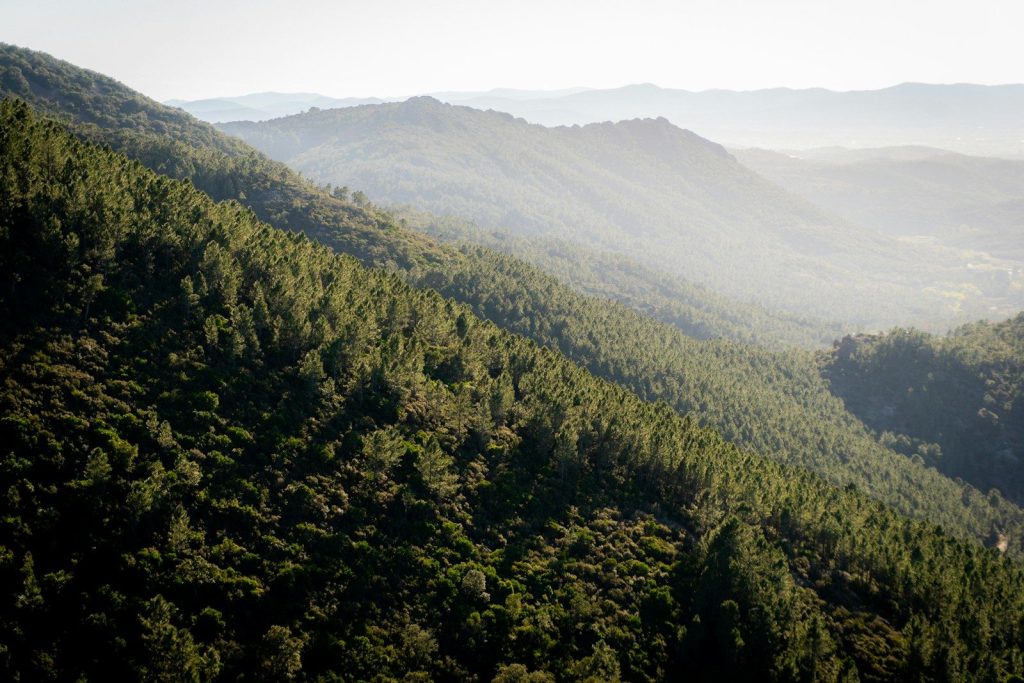
    Lush green forest covering rolling hills under a hazy sky
    Photo by Tom Nazaret on Unsplash

    Wolf populations have exploded by over twenty-five percent in several European regions. According to reports from the World Wildlife Fund, there are now thousands of wolves roaming the continent. They are no longer confined to remote wilderness areas. Packs have been spotted near major cities in Germany and France. This rapid expansion is a testament to strict conservation laws. But this growth has also triggered a massive clash with traditional agriculture.

    Terror in the Quiet European Pastures

    animals, grazing, sheep, flock, herd, highlands, mountains, pastures, meadows, livestock, grass, landscape, nature, outdoors, panoramic, scenic, cloudy, sheep, sheep, sheep, sheep, sheep
    Photo by Pexels on Pixabay

    Livestock owners are facing a crisis. Thousands of sheep and goats are lost to wolf attacks every year in the French Alps. This has forced shepherds to adopt expensive security measures. They are building tall electric fences and hiring large guard dogs. These guard dogs are specially trained to fight off apex predators. But even these defenses are not always enough to stop a hungry pack. The financial strain is driving many small farmers out of business.

    The Ecological Miracles of a Restored Apex Predator

    shallow focus photo of bare trees during daytime
    Photo by Eric Prouzet on Unsplash

    Environmentalists view the return of the wolf as a massive victory. Apex predators play a crucial role in maintaining healthy ecosystems. They keep deer and wild boar populations in check. This prevents overgrazing and allows forests to regenerate naturally. Biologists have documented improved biodiversity in areas where wolves have returned. But the scientific benefits do not always ease the fears of the local population.

    Clashing Laws and the Battle of Brussels

    wolf pack on rock formation
    Photo by Thomas Bonometti on Unsplash

    The European Union currently grants wolves strict legal protection under the Habitats Directive. This makes killing a wolf a serious criminal offense in most member states. However, some politicians are pushing to downgrade this status. They argue that the wolf population is no longer endangered. They want to allow controlled hunting seasons to manage the growing packs. This political struggle is dividing urban voters and rural communities. But science is offering a new way to keep the peace.

    High Tech Shepherding in the Twenty-First Century

    the sheep, animal, sheep, collar, bell jar, bells, portrait, pasture, meadow, sheep breeding, agriculture mammal, farm yard, cattle, wool, fur, farm animal, the world of animals, nature
    Photo by manfredrichter on Pixabay

    Researchers are testing innovative non-lethal deterrents to protect livestock. They are installing solar-powered lights that flash randomly to scare away predators. Some farmers are even using GPS tracking collars on their sheep. These collars send instant smartphone alerts if the herd suddenly starts running. This technology allows shepherds to react quickly to potential threats. Yet, technology is only part of the solution.

    The Surprising Success of Ancient Dog Breeds

    sheep, shepherds, shepherd, dog, flock of sheep, shepherd dog, pet, nature, animal, domestic animal
    Photo by Sushuti on Pixabay

    Many farmers are turning back to history for answers. They are importing ancient livestock guardian dogs like the Maremma Sheepdog. These massive dogs live with the sheep from birth and treat them as family. They are fiercely loyal and will put their lives on the line to protect the herd. Studies show that using these dogs can reduce livestock losses by over ninety percent. But this ancient solution requires a lot of patience and training.

    Finding a Fragile Path to Coexistence

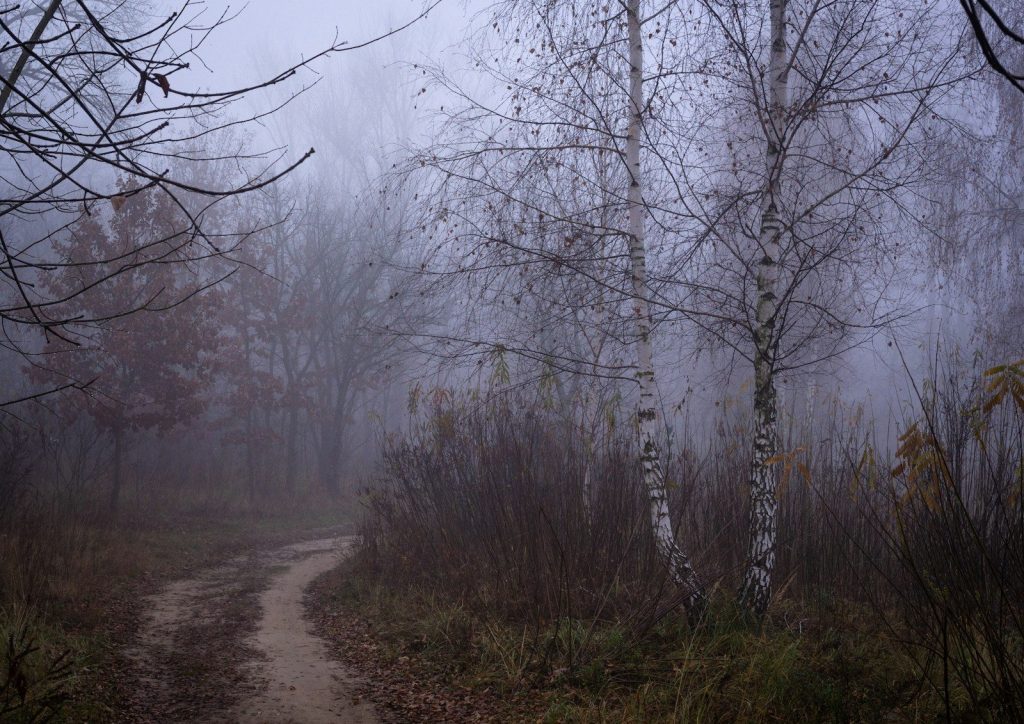
    a path through a forest in the fog
    Photo by Seven Colors on Unsplash

    The European wolf debate is far from over. It is a complex issue that involves science, culture, and economics. Both sides must find common ground to move forward. Total eradication is no longer an option in a modern society that values biodiversity. But rural communities cannot bear the financial burden of conservation alone. By working together, humans and wolves might just find a way to share the changing landscape.

    Featured Image: Photo by Federico Di Dio photography on Unsplash

  • Why Did These Famous Figures Disappear Without A Single Trace

    Why Did These Famous Figures Disappear Without A Single Trace

    People do not just vaporize. Yet, history has recorded several high-profile cases where famous individuals vanished into thin air without leaving a single clue behind. From brilliant aviators to powerful politicians, these disappearances continue to baffle modern forensic scientists. Investigators have spent decades analyzing weather patterns, geological anomalies, and wireless communication logs to solve these cases. Today, new technology is slowly shedding light on what might have actually happened to them. Ground-penetrating radar and deep-ocean mapping are revealing secrets that classic search parties missed. We are looking beyond the basic conspiracy theories. Instead, we are examining the raw physical evidence left behind at these mysterious scenes. The first case takes us deep into the unforgiving Pacific Ocean, where a world-famous pilot suddenly went silent.

    The Unresolved Flight Path of Amelia Earhart

    Biplane flying through dramatic clouds at sunset
    Photo by Matias Luge on Unsplash

    Amelia Earhart was a global icon of courage. In 1937, she vanished while attempting to fly around the globe. Classic theories suggest her plane simply ran out of fuel and crashed into the ocean. However, researchers from the International Group for Historic Aircraft Recovery have spent years exploring a different possibility. They believe she may have landed on a remote island called Nikumaroro. Skeletal remains found there in 1940 showed striking physical similarities to the famous pilot. But this was not the only mystery that left investigators staring at empty horizons.

    A Mystery Writer Steps Into Her Own Plot

    typewriter, antique, vintage, old, retro, mechanical typewriter, typewriter, typewriter, typewriter, typewriter, typewriter, vintage
    Photo by Tama66 on Pixabay

    Agatha Christie was already a household name in 1926. Suddenly, her empty car was found abandoned near a chalk quarry. A massive search party of over fifteen thousand volunteers combed the British countryside for days. Even fellow writers like Sir Arthur Conan Doyle joined the hunt. Eleven days later, she was found living under a different name in a luxury hotel. She claimed she had no memory of how she got there. While Christie survived her strange ordeal, a powerful American labor union boss would not be so fortunate.

    The Suburban Silence Surrounding Jimmy Hoffa

    cars parked in parking lot
    Photo by Luismi Sánchez on Unsplash

    Jimmy Hoffa was one of the most powerful men in America. In 1975, he walked out of a Detroit restaurant and was never seen again. Police found his unlocked car in the parking lot with no signs of a struggle. Countless FBI searches at nearby farms and garbage dumps yielded absolutely nothing. Rumors spread that his body was buried beneath a famous sports stadium. That theory was eventually debunked by soil scientists. But a brilliant young student would soon vanish under even stranger circumstances.

    An Intellectual Giant Walks Into The Australian Bush

    A large wave crashing over a rocky shore
    Photo by Eric Prouzet on Unsplash

    Harold Holt was the active Prime Minister of Australia. In 1967, he went for a swim at a beach notorious for its deadly undertow. He plunged into the rough surf and disappeared. Witnesses watched him swim out into the deep water before he was engulfed by the waves. Despite one of the largest search operations in Australian history, his body was never recovered. This sparked bizarre rumors of espionage and submarine escapes. Yet, the ocean holds onto its secrets tightly. The next disappearance happened on dry land inside a major American city.

    A Wealthy Heiress Wanders Out of a Gallery

    a group of people walking down a street next to tall buildings
    Photo by Annie Spratt on Unsplash

    Dorothy Arnold was a prominent socialite in New York City. In 1910, she walked down Fifth Avenue to buy a book and some chocolate. She smiled at a friend on the street and then vanished into the bustling crowds. Her wealthy family did not contact the police for weeks to avoid a public scandal. Detectives searched hospitals and European ports but found no trace of her. The case remains one of the oldest unsolved missing persons files in the city. But sometimes, people disappear because they are actively fleeing their own lives.

    A Master of Finance Leaves a Floating Clue

    A solitary man floats submerged underwater, releasing air bubbles into the deep, dark ocean.
    Photo by Baran Haznedaroğlu on Pexels
    Lord Lucan was a wealthy British aristocrat. In 1974, he became the prime suspect in a brutal crime at his London home. Hours later, he drove to a friend’s house in a borrowed car. That car was later found abandoned near the English Channel with blood stains inside. Some believe he drowned himself in the cold sea. Others claim he escaped to Africa with the help of wealthy friends. This unresolved mystery continues to haunt the British public. But the most terrifying vanishings are those that happen in broad daylight with witnesses nearby.

    The Desert Highway That Swallowed a Star

    brown rocky mountain
    Photo by Yelena Vakker on Unsplash

    Everett Ruess was a young artist and poet who loved the American Southwest. In 1934, he packed his burros and walked into the rugged canyons of Utah. He was only twenty years old. His pack animals were later found corralled in a canyon, but Ruess had vanished. Some believe he fell from a cliff. Others suspect he was murdered by cattle rustlers. His beautiful landscape prints are highly collectible today. But the physical evidence of his final days remains lost in the shifting sands.

    Seeking Finality in an Era of Advanced Science

    Scientist points to microscopic view on computer screen.
    Photo by Faustina Okeke on Unsplash

    Modern forensic science continues to chase these cold cases. DNA analysis and satellite imaging are slowly stripping away the myths. Historians believe that some of these mysteries will eventually be solved as old files are digitized. For now, they remind us of the fragile nature of human existence. Even the most famous lives can be snuffed out in a single moment. These silent legacies continue to capture our collective imagination.

    Featured Image: Photo by Angelo Casto on Unsplash

  • Why an Accidental Find Under a French Church Shocked Experts

    Why an Accidental Find Under a French Church Shocked Experts

    A team of restoration workers in Dijon, France, recently made a startling discovery under the floorboards of an ancient church. They were trying to repair structural damage caused by salt and moisture. When they pulled up a heavy section of stone, they found a hidden staircase. This secret passage led them directly into a dark, sealed burial vault. What started as a routine maintenance project quickly transformed into an extraordinary archaeological dig. Researchers have spent months uncovering layers of history that span over a thousand years. This single church has preserved secrets from the Middle Ages and the Roman Empire. The findings have stunned experts and are completely rewriting the history of the region. It is a powerful reminder that ancient secrets can lurk directly beneath our feet. But the journey into this hidden world began with a disastrous modern mistake.

    A Botched Restoration Wreaks Havoc on History

    a close up of a cobblestone pavement
    Photo by Chris Curry on Unsplash

    The Saint-Philibert Church has stood in Dijon for over eight hundred years. It is a beautiful Romanesque building with a long and troubled past. After the French Revolution, the church was decommissioned and used to store salt. This salt slowly seeped into the stone foundations over the centuries. In the 1970s, workers installed a heated concrete slab in a misguided attempt to restore the building. This concrete trapped the moisture and caused the stone walls to split apart. This structural disaster forced experts to take drastic action.

    Uncovering a Secret Pathway Below the Floor

    grayscale photo of cathedral interior
    Photo by David Edkins on Unsplash

    Archaeologists from the French National Institute for Preventive Archaeological Research stepped in to help. They carefully removed the destructive concrete slab to assess the damage. Beneath the floor, they noticed a strange structural alignment. They cleared away loose soil and uncovered a staircase that was not on any of the church plans. This stone pathway was at least four hundred years old. It had been sealed and forgotten since the 1940s. The team carefully descended the dark stairs to see what was at the bottom.

    A Sealed Vault Packed With Human Remains

    a dimly lit tunnel with stone walls and cobblestones
    Photo by Francesco Ungaro on Unsplash

    At the bottom of the staircase, the team discovered a massive burial vault. This dark chamber was the final resting place of dozens of individuals. The room contained the coffins of both children and adults. Surprisingly, the bones of earlier burials had been pushed to the sides of the vault. This was done to make room for the newly deceased when space became scarce. This macabre arrangement suggests a sudden influx of deaths. But what could have caused so many people to die at once?

    The Somber Clues of a Historical Catastrophe

    A detailed view of antique artifacts including glasses and documents on display.
    Photo by Uğur Çetinkaya on Pexels

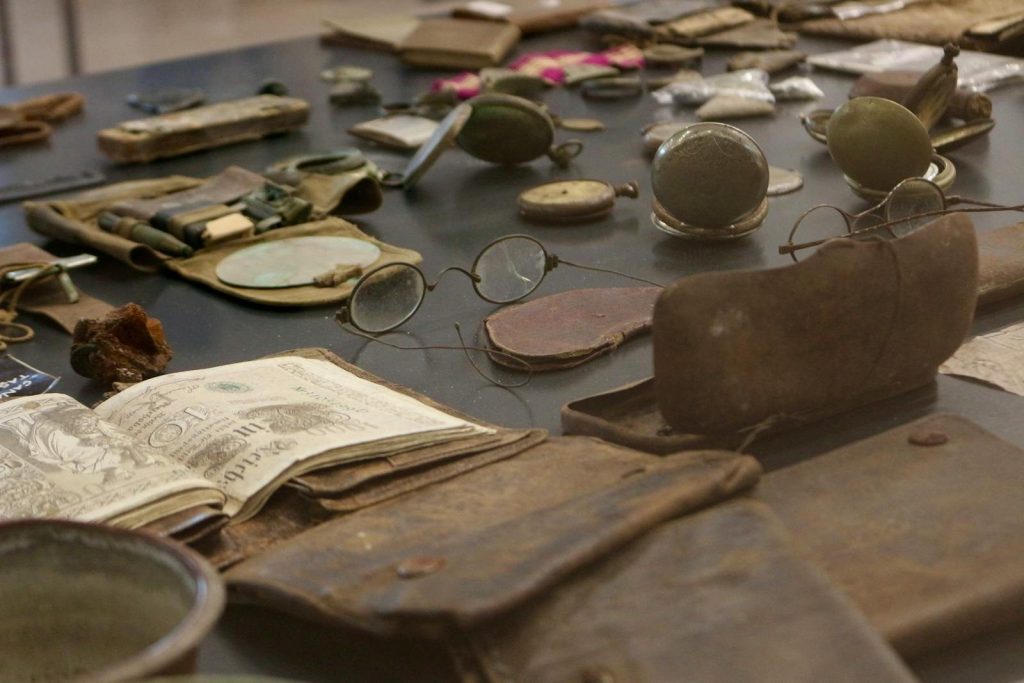
    The researchers analyzed the remains to determine how these people died. They found very few luxury items inside the coffins, apart from two rosaries and some small coins. This lack of wealth suggests these were ordinary citizens rather than elite clergy. Experts believe these mass burials were the result of a sudden historical catastrophe. A severe pandemic or a devastating famine likely overwhelmed the community. This forced them to bury their loved ones quickly in a shared space. However, this vault was only the first layer of history.

    Digging Deeper Into the Medieval Past

    a close up of a rock formation with a bird perched on top of it
    Photo by dami2n on Unsplash

    Digging deeper, the team excavated beneath the vault floor. They carefully dug through the soil and uncovered another layer of graves. This time, they found slab tombs dating from the eleventh to the thirteenth centuries. These graves were even older than the current Romanesque church itself. This proved that the location had been used for sacred burials long before the current building was constructed. It was a fascinating discovery. But the earth was holding an even older secret.

    Sarcophagi From the Dawn of the Middle Ages

    a close up of a statue on a building
    Photo by Liligance on Unsplash

    As the archaeologists dug deeper, they struck heavy stone. They uncovered six ancient sarcophagi dating from the sixth to the eighth centuries. This era is known as the Merovingian period, the very dawn of the Middle Ages. Some of these stone coffins were beautifully sculpted, indicating they belonged to wealthy individuals. Their presence proved that this spot had been considered sacred for over fourteen hundred years. This incredible timeline shocked the researchers. But the site still had architectural secrets to share.

    Tracing the Footprints of a Lost Church

    Weathered ruins of an old church facade set against a moody stormy sky.
    Photo by praveen kumar on Pexels

    Below the sarcophagi, the team uncovered ancient masonry. They found walls built in a unique herringbone pattern typical of the tenth century. This masonry is the footprint of an earlier church that existed before the current structure. A brief excavation in 1923 first hinted at this building, but it was never fully explored. Now, we have direct evidence of how this sacred space evolved over time. Each generation built its place of worship directly on top of the old one. This vertical layout creates a spectacular puzzle.

    A Vertical Time Capsule of French History

    grayscale photography of building
    Photo by Margarida CSilva on Unsplash

    The Saint-Philibert Church is no longer just a place of worship. It is a stunning vertical time capsule of French history. From ancient Roman-style sarcophagi to medieval tombs and early modern vaults, the site preserves a continuous story of human life. This accidental discovery has given historians a rare opportunity to study how burial practices changed over a thousand years. It shows how the past is always waiting to be found. The secrets of Dijon are finally seeing the light of day.

    Featured Image: Photo by Reno Laithienne on Unsplash

  • How Ancient Humans Actually Looked Will Shatter Your Assumptions

    How Ancient Humans Actually Looked Will Shatter Your Assumptions

    We often imagine our ancient ancestors as wild and beastly. History textbooks frequently depict them with exaggerated features and blank stares. But a revolution in forensic archaeology is completely shattering these old ideas. Scientists are now using cutting-edge DNA analysis and 3D printing to rebuild ancient faces. The results are absolutely stunning. These reconstructed individuals do not look like aliens or cavemen. They look like people you would easily pass on the street today. This scientific breakthrough bridges a gap of thousands of years. It allows us to look directly into the eyes of individuals who lived long before modern civilization. This process combines rigorous biology with delicate art to reveal our shared humanity. But this incredible journey begins with the work of one master sculptor.

    The Swedish Artist Rebuilding the Past

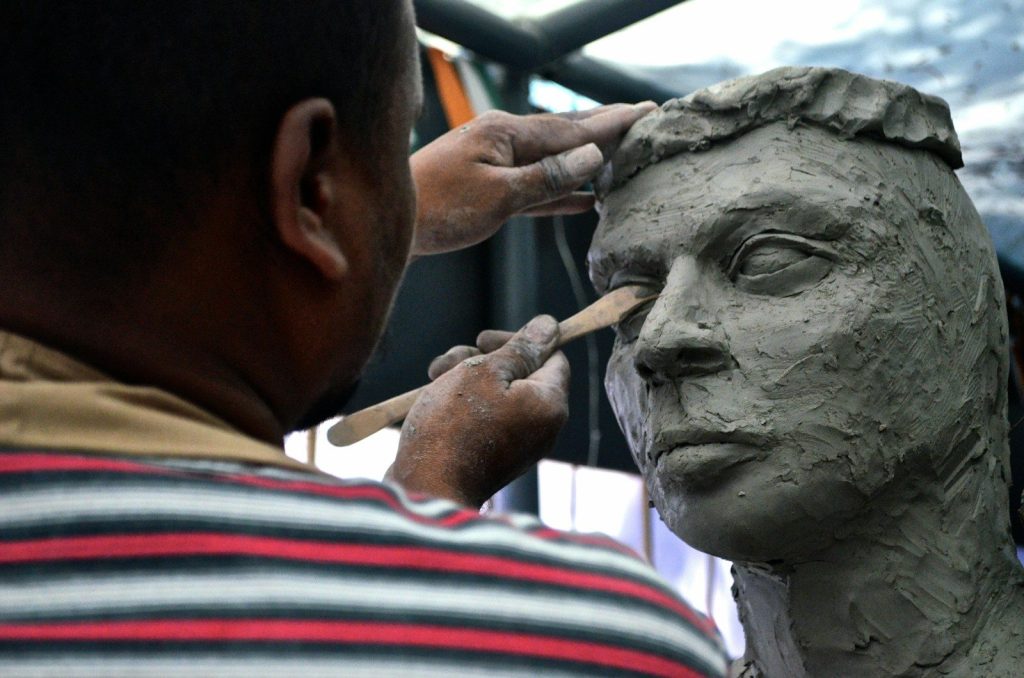
    man sculpting man's eye
    Photo by Palash Jain on Unsplash

    Oscar Nilsson is a forensic artist and archaeologist who has perfected this craft. He works directly with skulls recovered from ancient burial sites. First, he creates an exact 3D-printed replica of the skull to avoid damaging the original bone. He then uses forensic data to determine the thickness of the facial tissue. Nilsson carefully applies clay layer by layer to represent muscles and skin. This tedious process takes hundreds of hours to complete. The first face he brought to life shocked the scientific world.

    Recreating a Teenager From the Stone Age

    Two lifelike stone sculptures of faces against a leafy backdrop, showcasing artistic craftsmanship.
    Photo by Magda Ehlers on Pexels
    One of his most famous projects was a teenager named Avgi. She lived in Greece around seven thousand BCE. This was during a period when humans were transitioning from hunting to farming. Nilsson used her skull to reconstruct her facial features. She had a prominent jaw and a fierce, determined expression. Seeing her face allowed historians to connect with her on a deeply personal level. She was not just a collection of bones anymore. But a different reconstruction from England revealed an even more surprising detail.

    The Surprising Features of a Neolithic Woman

    girl, portrait, smile, hair, model, person, woman, female, long hair, profile, monochrome, black and white, studio photography, smile, smile, smile, smile, smile, hair, hair, hair, profile, profile
    Photo by xusenru on Pixabay

    Nilsson reconstructed the face of a woman who lived in England around thirty-six hundred BCE. She is known as the Whitehawk Woman. DNA analysis of nearby remains revealed fascinating details about her appearance. She had dark skin, dark hair, and striking light eyes. This combination of features challenged the traditional assumptions of what early Europeans looked like. It proved that ancient populations were incredibly diverse. This genetic evidence is reshaping historical narratives. Yet, another face from the Roman era had a tragic story to tell.

    The Troubled Life of a Romano-British Woman

    topless woman with head resting on palm
    Photo by Zulmaury Saavedra on Unsplash

    The Patcham Woman lived in Britain around two hundred and fifty AD. Her skeleton was found with a nail driven into the back of her head, suggesting a violent death. Despite her tragic end, her reconstructed face looks remarkably peaceful. She has soft features and a gaze that feels incredibly modern. Looking at her face makes her struggles feel real and immediate. It reminds us that ancient people experienced the same complex emotions we do. But the next reconstruction showed a different kind of strength.

    A Saxon Warrior With a Familiar Face

    man in white crew neck shirt
    Photo by Mitchell Griest on Unsplash

    A fierce warrior named the Stafford Road Man lived around five hundred AD. He died in his forties and was buried with his favorite weapons. His skull showed signs of severe dental issues and physical stress. Yet, his reconstructed face reveals a rugged, handsome man with a thick beard. He looks like someone you might meet at a local coffee shop today. This striking familiarity makes the distant past feel incredibly close. But the artist did not stop in Europe.

    Bringing a Peruvian Queen Back to Life

    woman in brown shirt painting
    Photo by Raimond Klavins on Unsplash

    Traveling to South America, the artist reconstructed a Wari Queen. She lived in Peru about twelve hundred years ago. Her tomb was found filled with gold, silver, and precious stones. This proved she was a woman of immense power and status. Her face reveals strong, noble features that match her royal standing. Reconstructing her face allowed the local community to connect with their ancestral heritage in a new way. But how can we be sure these faces are accurate?

    The Rigorous Science Behind the Art

    white and black electronic device
    Photo by Tom Claes on Unsplash

    This process is not a matter of artistic guesswork. Nilsson relies on precise scientific charts that detail tissue depth for different demographics. He looks at forensic indicators on the skull to determine muscle attachments. DNA analysis provides clues about eye color, skin tone, and hair texture. This combination of science and art ensures the reconstructions are as accurate as possible. It is a beautiful fusion of disciplines. This high-tech method is changing how we view our place in history.

    Looking Directly Into Our Own History

    a close up of a person's eye with a black background
    Photo by Aliyah Jamous on Unsplash

    Reconstructing these faces does something that skeletons cannot. It forces us to recognize ancient humans as our equals. They had families, worries, and dreams just like us. These lifelike sculptures remove the distance created by thousands of years. They remind us that history is not just about dates and battles. It is a story of real people who built the foundation of our world. When we look at them, we are truly looking at ourselves.

    Featured Image: Photo by Vilkasss on Pixabay

  • Why an Intact Spanish Tomb Rewrites Bronze Age Trade

    Why an Intact Spanish Tomb Rewrites Bronze Age Trade

    A team of researchers in Spain has recently made an extraordinary discovery. They uncovered a massive stone tomb that has remained completely intact for five thousand years. This monument is known as Dolmen I and lies in Malaga. It is a prehistoric marvel that is rewriting our understanding of ancient Europe. The structure is packed with unique artifacts and ancient human remains. What makes this find so special is its incredible state of conservation. It has survived the passage of five millennia without being looted or destroyed. Scientists from the University of Cadiz are currently studying the site. They are finding objects that should not exist in this region. These exotic treasures suggest that prehistoric humans were connected to vast trade networks that stretched across continents. The secrets hidden inside this stone chamber are changing history. The story of this discovery began with a massive pile of stones.

    A Megalithic Giant Unearthed in Malaga

    gray rock formation on green grass field under gray cloudy sky
    Photo by K. Mitch Hodge on Unsplash

    The stone monument is truly monumental. It measures nearly forty-two feet in length, which is comparable to the size of a large bus. Builders constructed the tomb using upright stone slabs that stand over six feet tall. This required incredible physical effort and coordination. The entire structure was buried under a massive mound of sand and small stones. This clever design kept the interior safe from both weather and grave robbers. But the real surprises were waiting inside the complex chambers.

    Unlocking the Lifestyles of Prehistoric Communities

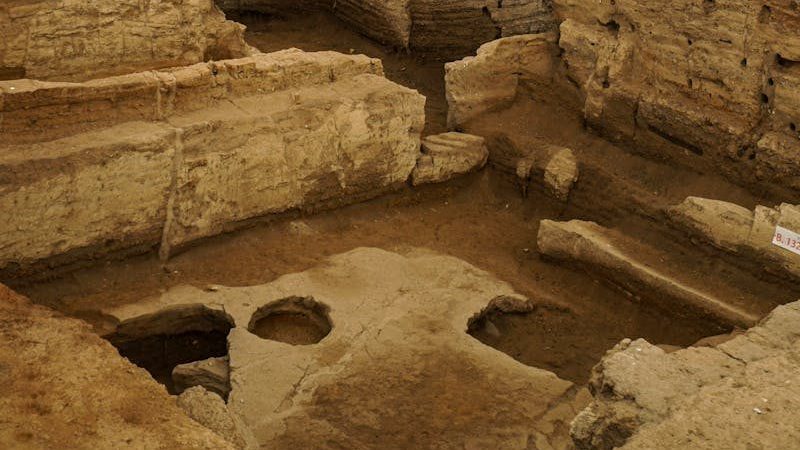
    Explore the ancient ruins at the renowned Çatalhöyük archaeological site in Türkiye.
    Photo by Talha Aytan on Pexels
    Archaeologists were thrilled by the preservation of the tomb. Many ancient graves are disturbed by modern farming or construction. This monument remained untouched. Eduardo Vijande, a lead researcher on the project, explained that this conservation allows us to study the exact burial rituals of these communities. They can see precisely where and how objects were placed. The team uncovered several distinct rooms within the tomb. These compartments held a dark secret that began to emerge during the dig.

    Collective Burials and the Mystery of the Bones

    brown concrete building
    Photo by Malcolm Lightbody on Unsplash

    This tomb was not built for a single king. It served as a collective burial ground for the entire community. Archaeologists located multiple container rooms called ossuaries. These rooms held the bones of many different individuals. The community buried their loved ones together over several generations. This practice shows a deep sense of social unity. But the dead were not buried alone. They were surrounded by exotic items that shocked the research team.

    The Shocking Presence of Exotic Amber and Ivory

    a close up of a mixture of brown and yellow crystals
    Photo by engin akyurt on Unsplash

    Finding luxury goods was a massive shock. Yet, the container rooms held raw ivory and beautiful amber. These materials are not native to southern Spain. Ivory came from African elephants, while amber traveled from the Baltic regions of northern Europe. This proves that these ancient people were not isolated. They had access to luxury items from distant lands. This discovery reveals a highly organized system of exchange. But these precious materials were not the only valuable items found inside.

    Deadly Flint Weapons Crafted With Amazing Skill

    a close up of the tip of a leaf against a blue sky
    Photo by diego fabra on Unsplash

    Deadly weapons also filled the tomb. Archaeologists recovered carved flint arrowheads and large-format blades. They even found a massive two-handed weapon similar to an axe. These flint pieces were crafted with incredible precision. They served as symbols of protection or prestige for the deceased. The presence of these weapons shows that the community valued hunting and warfare. However, a different type of artifact pointed to a peaceful connection with the sea.

    Sea Shells Used as Prehistoric Status Symbols

    sea shells, shells, sea, sea shell, ocean, nature, seashell, summer, texture, pattern, brown sea, brown texture, brown summer, brown ocean, brown pattern, sea shells, sea shells, sea shells, sea shells, sea shells, shells, sea shell, seashell
    Photo by Anestiev on Pixabay

    Coastal materials also made an appearance. The researchers found beautiful sea shells buried alongside the bones. This was a surprising find because the tomb sits far inland. Juan Jesus Cantillo, another professor involved in the study, noted that these shells were highly valued. They served as status symbols of prestige. Having objects from the sea in an inland area proves the existence of long-distance trade. These networks connected coastal communities with inland settlements. This shows that ancient trade was much more complex than we thought.

    Reshaping Our View of Ancient European Society

    mountains, peak, aerial view, dolomites, italy, shelter, house, nature, landscape
    Photo by winluk on Pixabay

    The discovery of the Dolmen I is a major breakthrough. It proves that prehistoric people in Spain were part of a sophisticated, interconnected world. They designed massive structures, traded across continents, and honored their dead with prestigious items. This tomb acts as a beautiful time capsule of a forgotten era. It shows that ancient humans were far more advanced than history books suggest. We are only beginning to uncover the full story of their remarkable lives.

    Featured Image: Photo by Howard Walsh on Unsplash

  • Why This Extreme Hollywood Fortress Survived the Wrecking Ball

    Why This Extreme Hollywood Fortress Survived the Wrecking Ball

    Los Angeles is a city that constantly tears down its own past. Glamorous mid-century mansions routinely fall to modern bulldozers. Yet, a massive fifty-five million dollar Tudor Revival estate in the heart of Hollywood has miraculously survived. This stone fortress stands as a dramatic defiance of modern real estate trends. Built during the golden age of cinema, it preserves ancient European craft techniques that have completely vanished today. Historians consider the property an architectural triumph. Its survival was not just a matter of luck. A series of eccentric owners fought desperately to protect every hand-carved beam and secret passageway from demolition. The home reveals how medieval fantasy captured the imagination of early Hollywood. The secrets behind its heavy oak doors are finally coming to light.

    A Medieval Castle Built in the Golden Age of Cinema

    Captivating view of the iconic Hollywood Theatre in Portland, OR at sunset.
    Photo by Jason Schliecher on Pexels

    Wealthy movie moguls in the 1920s rejected simple beach houses. They wanted grand monuments instead. Builders imported entire truckloads of weathered stone and ancient timber directly from England. They assembled the structure like a medieval puzzle. This colossal construction project took years to complete. The builders used reinforced steel to make the massive stone walls earthquake-proof. This hidden structural choice saved the home from natural disasters. But the greatest threats to its survival were actually human.

    The Hidden Masterpieces of European Stone Carving

    Cozy and stylish living room interior with a marble fireplace, modern furniture, and plants.
    Photo by Gustavo Galeano Maz on Pexels

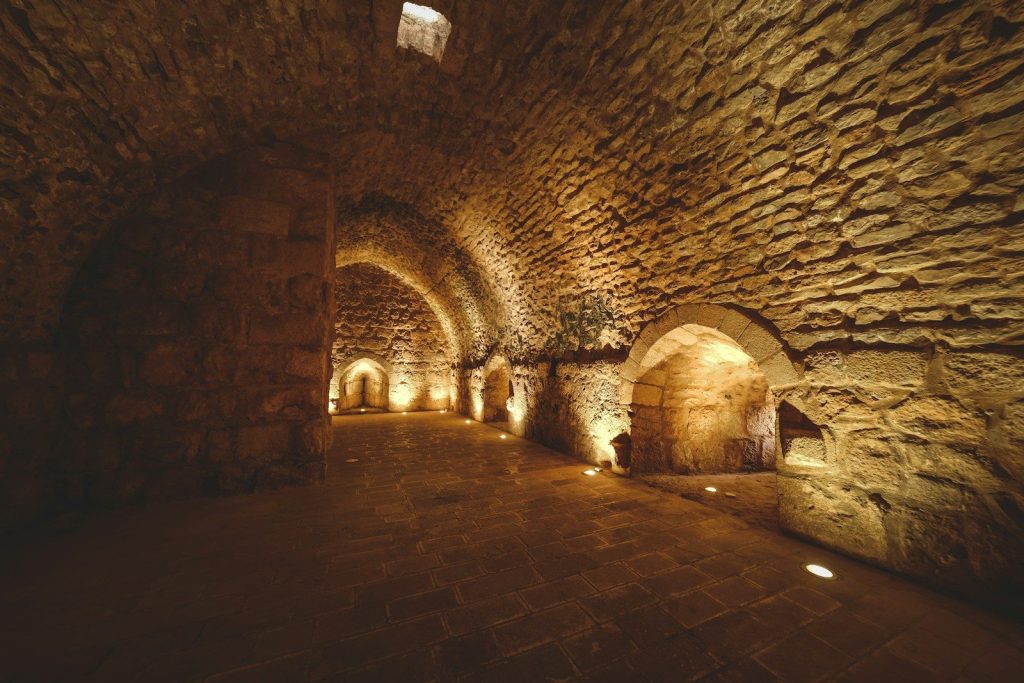
    Modern houses often rely on prefabricated materials. This Tudor estate features unique limestone fireplaces hand-sculpted by European artisans. The walls display intricate wood panels that took months to carve. Walking through the halls feels like stepping into a royal court. You will find massive leaded glass windows that frame the California sunshine. This level of craftsmanship is impossible to replicate today. However, one specific room holds a feature that most modern buyers never expect.
    Secret Passages From the Era of Prohibition

    stairway, spiral stairs, architecture, stairs, staircase, spiral stairway, spiral staircase, fibonacci stairs, fibonacci stairway, fibonacci staircase, architecture, stairs, stairs, stairs, stairs, stairs, staircase, staircase, spiral staircase, spiral staircase
    Photo by 16692474 on Pixabay

    The 1920s were a wild time in Los Angeles. This estate hides several concealed rooms behind heavy oak bookcases. Guests could slip away into private chambers without being noticed. A narrow stone staircase leads directly down to a hidden underground cellar. Bootleggers used these secret pathways to store forbidden liquor during Prohibition. The current owners preserved these eccentric rooms exactly as they were. But these fun architectural features were not the only things keeping the estate safe.

    Fending Off the Celebrity Wrecking Balls

    High-rise building restoration project using modern lift equipment.
    Photo by _ Whittington on Pexels

    Many historic Hollywood estates are purchased by celebrities who quickly gut them. This property avoided that tragic fate. A succession of wealthy preservationists purchased the home over the decades. They refused to modernize the historic floor plans. Instead of adding sleek minimalist lines, they restored the original plasterwork. This dedication saved the estate from the wrecking ball. Yet, the outside of the home is just as historic as the interior.

    A Rare English Forest in Urban Los Angeles

    Sunlight filtering through tall green trees in a forest.
    Photo by Junpeng Ouyang on Unsplash

    Step outside, and the dry California heat seems to disappear. The estate is surrounded by a dense canopy of ancient oaks and towering redwoods. Landscape architects designed these sprawling grounds to look like a wild English park. This lush forest requires immense care to survive the dry climate. It offers a cool sanctuary from the surrounding concrete jungle. This preservation effort shows that luxury is not just about expensive modern appliances. A hidden treasure in the garden reveals a forgotten lifestyle.

    Why Preserving the Past Trumps Modern Luxury

    a room with a table and chairs
    Photo by Ries Bosch on Unsplash

    Many billionaires today are tired of glass box mansions. They want character and historic weight. This Tudor estate proves that true luxury is irreplaceable. You cannot buy history at a store. Investing millions into restoration keeps a beautiful piece of the past alive. Experts believe this trend is reshaping the luxury real estate market. The focus has officially shifted from building bigger to protecting what remains. But this leaves us with one final mystery.

    The Lasting Legacy of Hollywood Historical Architecture

    a large building with a clock on the top of it
    Photo by Diogo Brandao on Unsplash

    This extraordinary property is more than a home. It is a living museum that teaches us about early American craftsmanship. By saving these grand structures, we keep our cultural storytelling alive. The estate stands as a testament to the artists who shaped the look of early Los Angeles. It reminds us that some things are worth protecting at all costs. Future generations will continue to marvel at this beautiful stone fortress.

    Featured Image: Photo by Eli Monjaras on Unsplash

  • Why This 5300-Year-Old Tool Shattered Egyptian History

    Why This 5300-Year-Old Tool Shattered Egyptian History

    A tiny metal object lay in a quiet university museum for nearly a century. Archaeologists in the 1920s dismissed it as a simple copper tool. They described it in a single brief line of a catalog and stored it away. However, a groundbreaking study by Newcastle University has completely shattered this old narrative. Researchers have discovered that this artifact is a highly advanced five thousand three hundred year old rotary tool. This is a bow drill that dates back long before the first pharaohs ruled Egypt. This remarkable find pushes the timeline of advanced engineering back by two thousand years. It proves that prehistoric craftsmen were using sophisticated mechanical concepts much earlier than anyone believed. The tiny object is currently rewriting history textbooks around the world. But the path to this discovery began with a closer look at a very dusty grave.

    A Forgotten Relic From a Predynastic Grave

    a wall with pots and pans
    Photo by Artur Alexander Holmski on Unsplash

    Archaeologists excavated the cemetery at Badari in Upper Egypt nearly a century ago. They opened Grave 3932 and found the remains of an adult male. Among his possessions was a short copper rod wrapped in leather. The excavators did not think much of it at the time. They cataloged it as a little hand awl and moved on. The object sat in a storage drawer at the University of Cambridge for decades. But modern technology was about to expose a massive secret.

    Microscopic Lines Reveal a Spinning Motion

    microscope, medical, lab, science, research, biotechnology, microbiology, laboratory, equipment, analysis, microscope, microscope, microscope, microscope, microscope, lab, biotechnology, biotechnology, biotechnology, microbiology, microbiology, microbiology, microbiology, laboratory
    Photo by OsloMetX on Pixabay

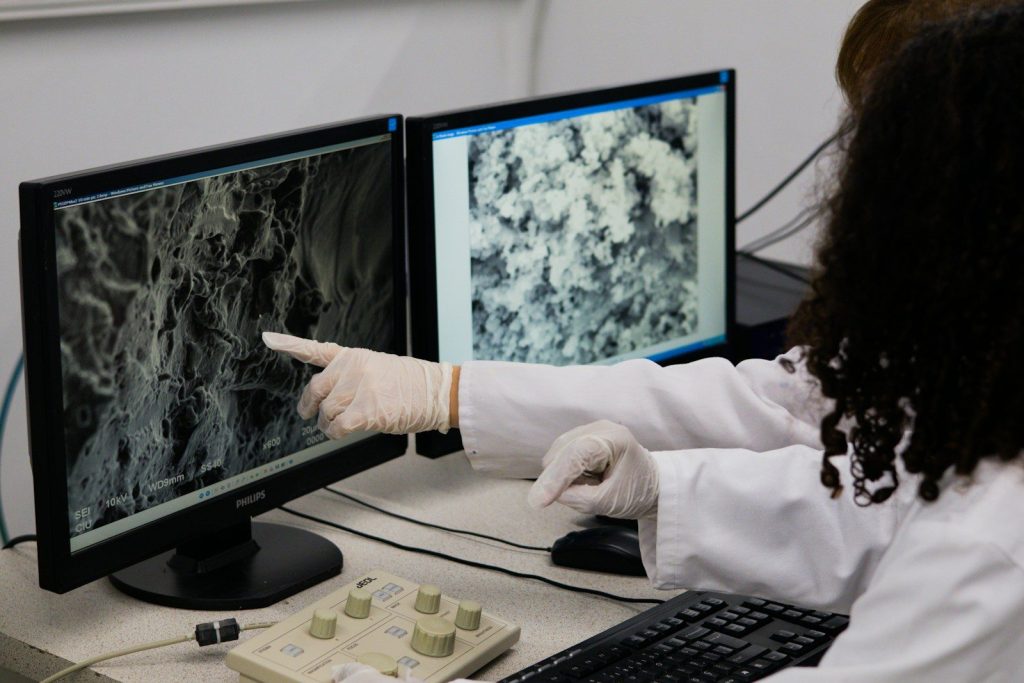
    A team of European researchers decided to re-examine the tiny object. They placed the metal rod under high magnification. The results shocked them. The tip of the tool did not show the typical wear of a simple pushing instrument. Instead, they spotted fine parallel lines and rounded edges. This wear pattern could only be caused by a rapid spinning motion. This meant they were looking at the earliest known rotary metal drill in Egyptian history. But how did the ancient craftsmen make it spin so fast?

    The Fragile Clues of an Ancient Bowstring

    gray surface
    Photo by JF Martin on Unsplash

    The answer lay in the fragile material wrapped around the metal shaft. Six small coils of dried leather still cling to the copper. Scholars previously ignored these fibers. The new study suggests these coils are actually the remains of a bowstring. A craftsman would wrap a flexible cord around the shaft and attach it to a wooden bow. Moving the bow back and forth caused the drill to spin at high speeds. This simple mechanism was incredibly powerful. But why did the metal itself puzzle the research team?

    An Advanced Chemical Recipe for Metal

    an abstract orange and purple background with lots of smaller orange shapes
    Photo by Rick Rothenberg on Unsplash

    Highly unusual metal recipes were used instead of standard copper. Researchers analyzed the tool using portable X-ray technology to find its composition. They discovered a highly unusual mixture. The drill contains copper blended with arsenic and nickel. It also features notable amounts of silver and lead. This advanced alloy created a much harder metal than pure copper. It was perfect for boring through tough wood and stone. The origin of these metals points to something even more surprising.

    Prehistoric Networks Reaching Beyond the Nile

    An aerial view of a river running through a valley
    Photo by Himmel S on Unsplash

    These unique materials did not come from their backyard. The presence of silver and lead suggests access to distant trade routes. These materials likely came from the Eastern Desert or across the Mediterranean Sea. This shows that predynastic Egyptians were not isolated. They participated in complex networks of trade and resource gathering. This allowed them to gather the ingredients needed for high-quality tools. But how did they use this drilling power in their daily lives?

    Building Masterpieces Long Before the Pharaohs

    a close up of a wall with egyptian writing on it
    Photo by Amador Loureiro on Unsplash

    A rapid rotary drill changed everything for ancient workers. They could easily drill precise holes in delicate beads and stone vessels. This technology also made complex woodworking and furniture making possible. Beautiful artwork and structures from later Egyptian dynasties relied heavily on this exact tool. But this recent discovery shows the technology did not start with the grand kingdoms. It was already fully mature during prehistoric times. This realization forces us to ask a big question about ancient history.

    Rewriting the Timeline of Human Innovation

    clear hour glass on white and brown textile
    Photo by ROCCO STOPPOLONI on Unsplash

    Prior to this study, the earliest evidence of Egyptian bow drills came from later paintings. These images date to the New Kingdom, which was thousands of years later. Historians assumed that rotary drilling was a relatively late invention. This single tiny tool proves that theory wrong. It pushes the history of advanced mechanical tools back by two thousand years. The continuity of this design shows that the bow drill was a massive success. But this discovery also highlights a major issue in modern archaeology.

    The Hidden Treasures Waiting in Modern Museums

    a couple of people sitting on a bench in a room
    Photo by Konstantin Ignatovich on Unsplash

    We do not always need to dig up new sites to find history. Millions of artifacts sit in museum storage drawers without being properly analyzed. This five thousand three hundred year old drill is a perfect example. A single line in a century-old catalog completely missed its true significance. Modern science is giving us the tools to look closer at what we already have. The next major historical breakthrough might be waiting in a quiet museum basement down the street.

    Featured Image: Photo by Tomasz Zielonka on Unsplash