Author: Dylan

  • Did Roman Voyagers Reach Mexico Centuries Before Columbus?

    Did Roman Voyagers Reach Mexico Centuries Before Columbus?

    History books tell a very simple story. Christopher Columbus reached the New World in 1492. But a tiny terracotta artifact found in a sealed Mexican tomb threatens to shatter this timeline. This is the Tecaxic-Calixtlahuaca Head. It is a small bearded clay face. Curiously, it does not resemble any indigenous Mesoamerican art style. It has European features and a classic Roman beard. For decades, archaeologists have debated its origin. Some believe it proves ancient Roman voyages across the Atlantic. Others smell a hoax. The scientific evidence is highly controversial. It raises questions that mainstream historians struggle to answer. The mystery began during a routine excavation in central Mexico.

    Archaeologists Uncover an Unlikely Bearded Face
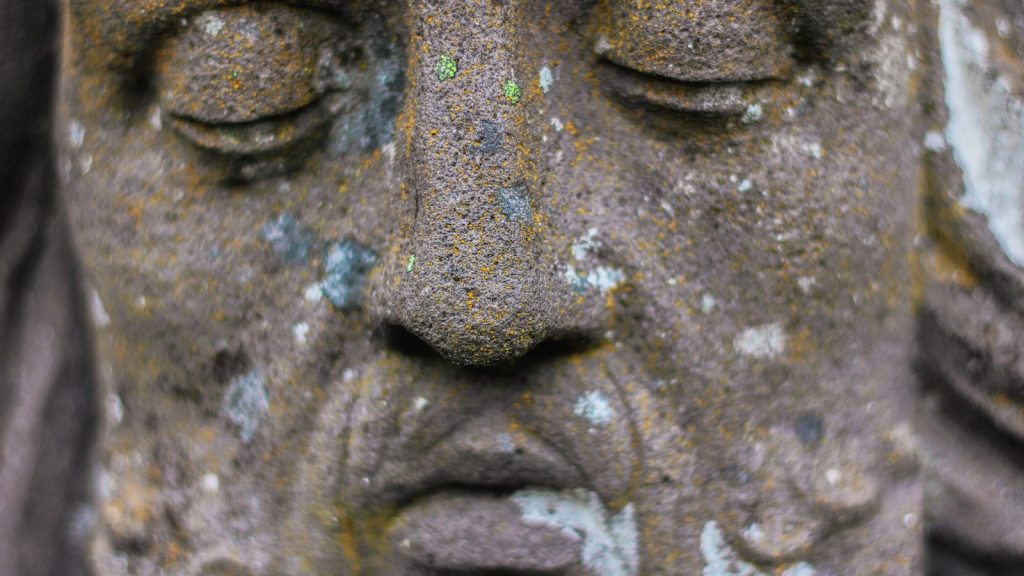
    man's face statue
    Photo by DDP on Unsplash

    José García Payón excavated a pyramid site in 1933. This was in the Toluca Valley. He was clearing a sealed burial tomb. Among the pre-Columbian pottery, he found something shocking. It was a tiny terracotta head. The figure had a thick beard. Mesoamerican artists rarely depicted facial hair. This style was completely foreign. Payón documented the find immediately. A European art specialist would later identify the exact origin of this face.

    Artistic Styles Match the Ancient Roman Empire
    grayscale photo of child holding on white metal fence
    Photo by Paolo Chiabrando on Unsplash

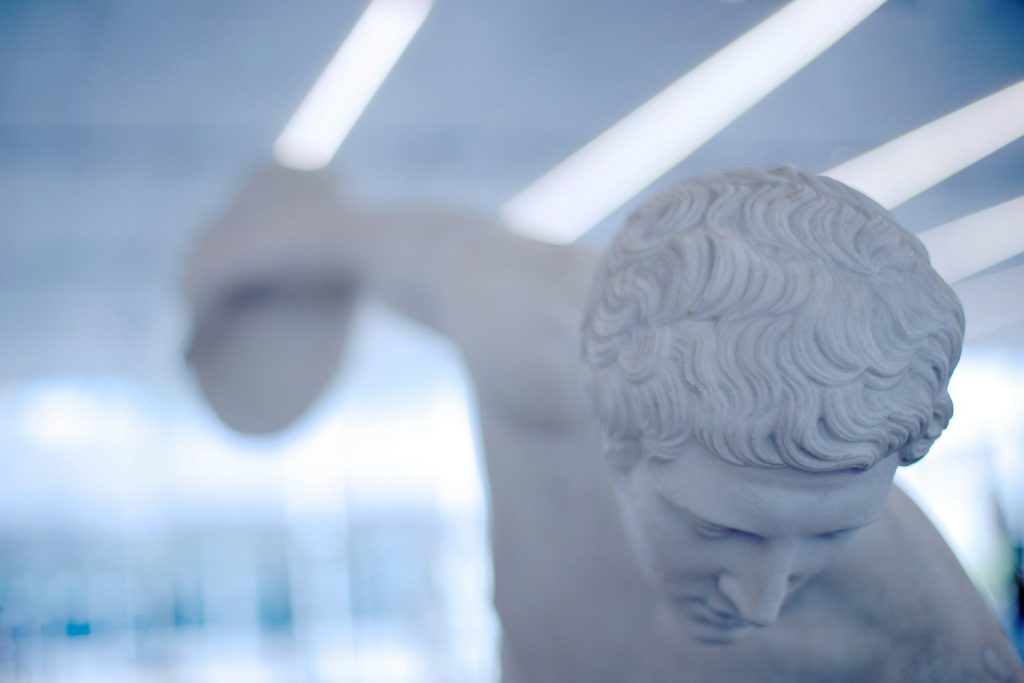
    German archaeologist Bernard Andreae examined the artifact. He was a leading expert on classical Roman art. Andreae concluded the head was, without a doubt, Roman. He analyzed the hair and beard. They matched the fashion of the Severan Dynasty around 200 AD. The execution was identical to Mediterranean art. But style is not physical proof. Scientists needed to test the clay itself to verify its true age.

    Physics Testing Verifies the Artifact is Ancient
    grayscale photo of man standing in front of sewing machine
    Photo by Austrian National Library on Unsplash

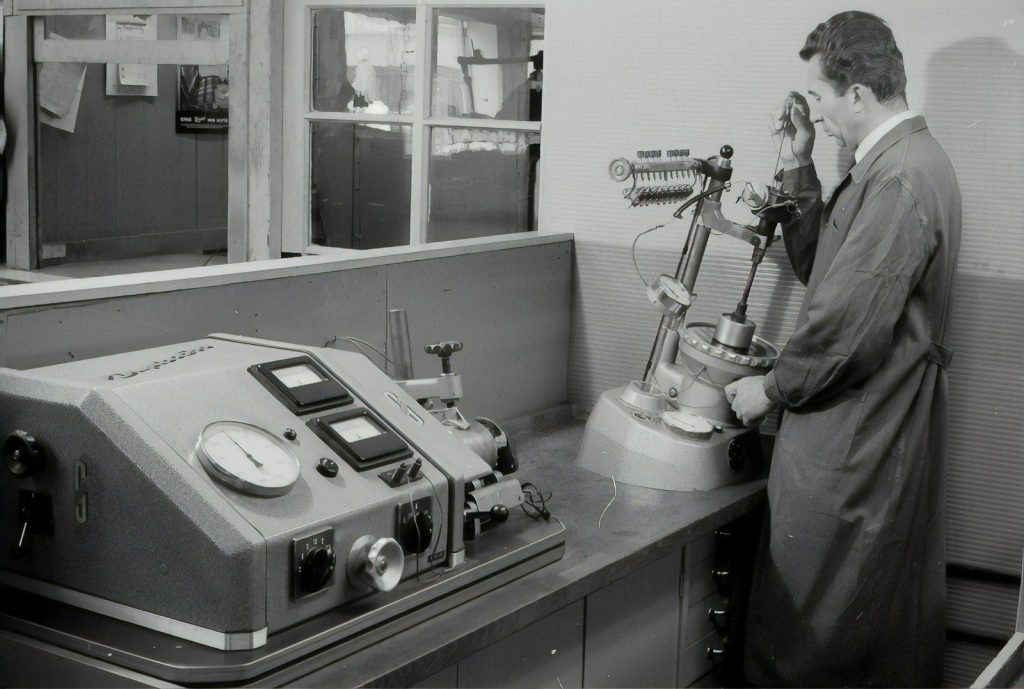
    Researchers sent clay samples to a lab in Germany. They performed thermoluminescence testing. This scientific method measures light energy to date pottery. The results shocked the team. The test dated the head to between 900 BCE and 1200 CE. This range is wide. However, it officially proved the artifact was ancient. It existed before any European contact. The mystery of its burial location was about to deepen.

    Intact Clay Layers Prove No Modern Interference
    a dirt field with a white line in the middle of it
    Photo by Wolfgang Hasselmann on Unsplash

    The tomb was sealed. Payón found the head beneath three intact layers of clay. These layers were completely undisturbed. This indicates that nobody could have sneaked the head into the grave in modern times. The burial took place around 1500. This was just before Cortés arrived. So how did a Roman object cross the ocean? One theory involves the power of the sea.

    Atlantic Currents May Have Carried Ancient Ships
    ocean waves crashing on shore during daytime
    Photo by César Couto on Unsplash

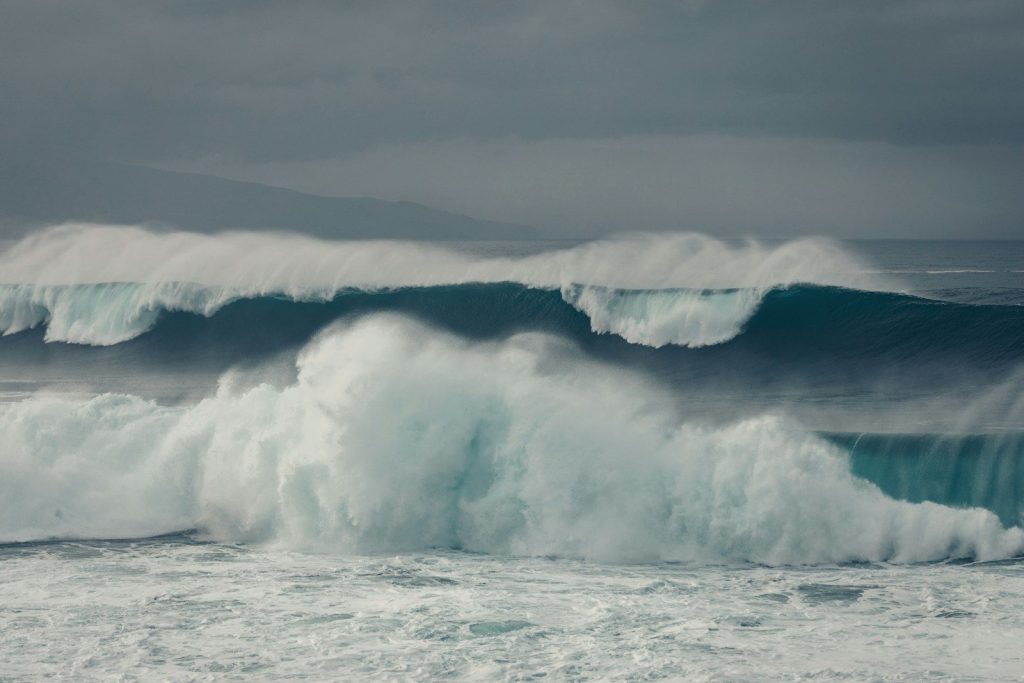
    Ancient Mediterranean ships were highly durable. Roman, Phoenician, and Berber vessels routinely traveled the African coast. Sometimes storms struck. A ship blown off course could get caught in powerful Atlantic currents. These currents flow directly toward South America. A drifting vessel might have crossed the sea accidentally. Local people would have scavenged the shipwreck. They could have traded the terracotta head inland. But critics point to a darker possibility.

    A Historic Hoax or Excavation Prank

    person holding magnifying glass
    Photo by Mick Haupt on Unsplash

    Mainstream archaeologists remain highly skeptical. They point out a major problem. No other Roman coins, weapons, or ruins have ever been found in the Americas. This makes a full voyage unlikely. Some scholars suggest a hoax. They believe an excavation worker may have planted the artifact as a prank. Payón was not always supervising the trenches. However, the sealed clay layers make a modern prank nearly impossible. This bizarre scientific standoff continues to puzzle researchers today.

    The Mystery Remains Unsolved in Mesoamerica
    a person standing on a stone structure surrounded by trees
    Photo by Laura LaBrie on Unsplash

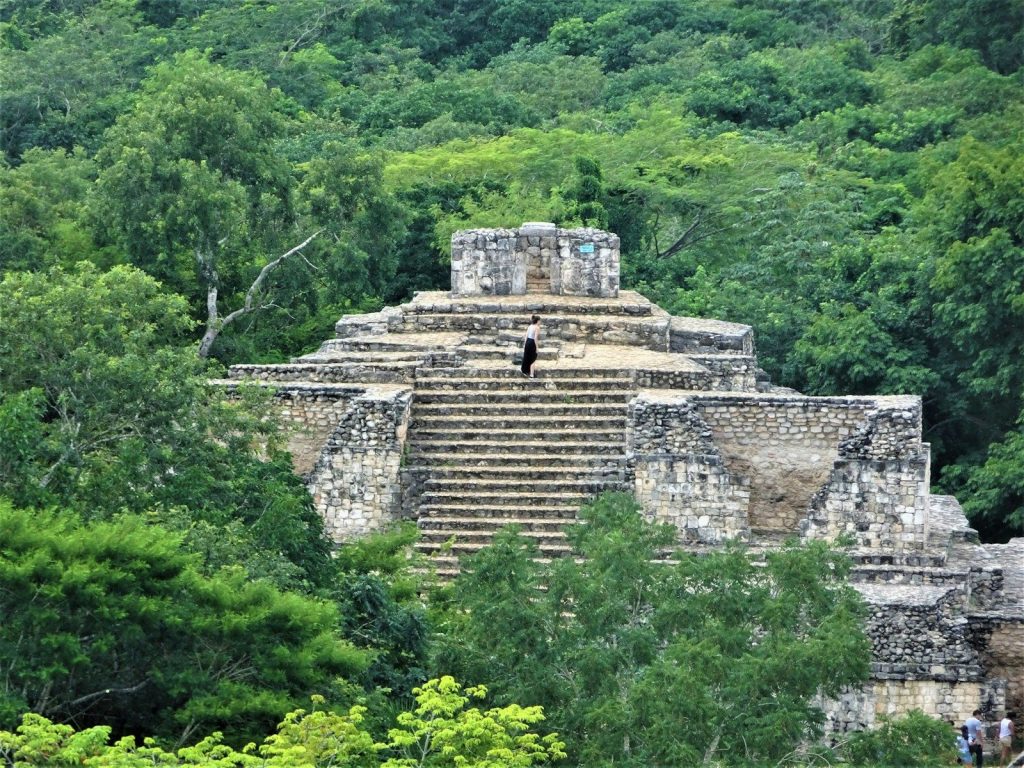
    The terracotta head is an archaeological anomaly. It defies explanation. Without further discoveries, we cannot prove ancient contact. Yet, we cannot easily dismiss the physical evidence either. The artifact rests silently in a Mexican museum. It remains a fascinating puzzle. Perhaps future excavations will finally solve the riddle of its transatlantic journey. Until then, history keeps its secrets.

    Featured Image: Photo by Marv Watson on Unsplash
  • Ancient Lake Fleet Reveals Prehistoric Bioengineering Secrets

    Ancient Lake Fleet Reveals Prehistoric Bioengineering Secrets

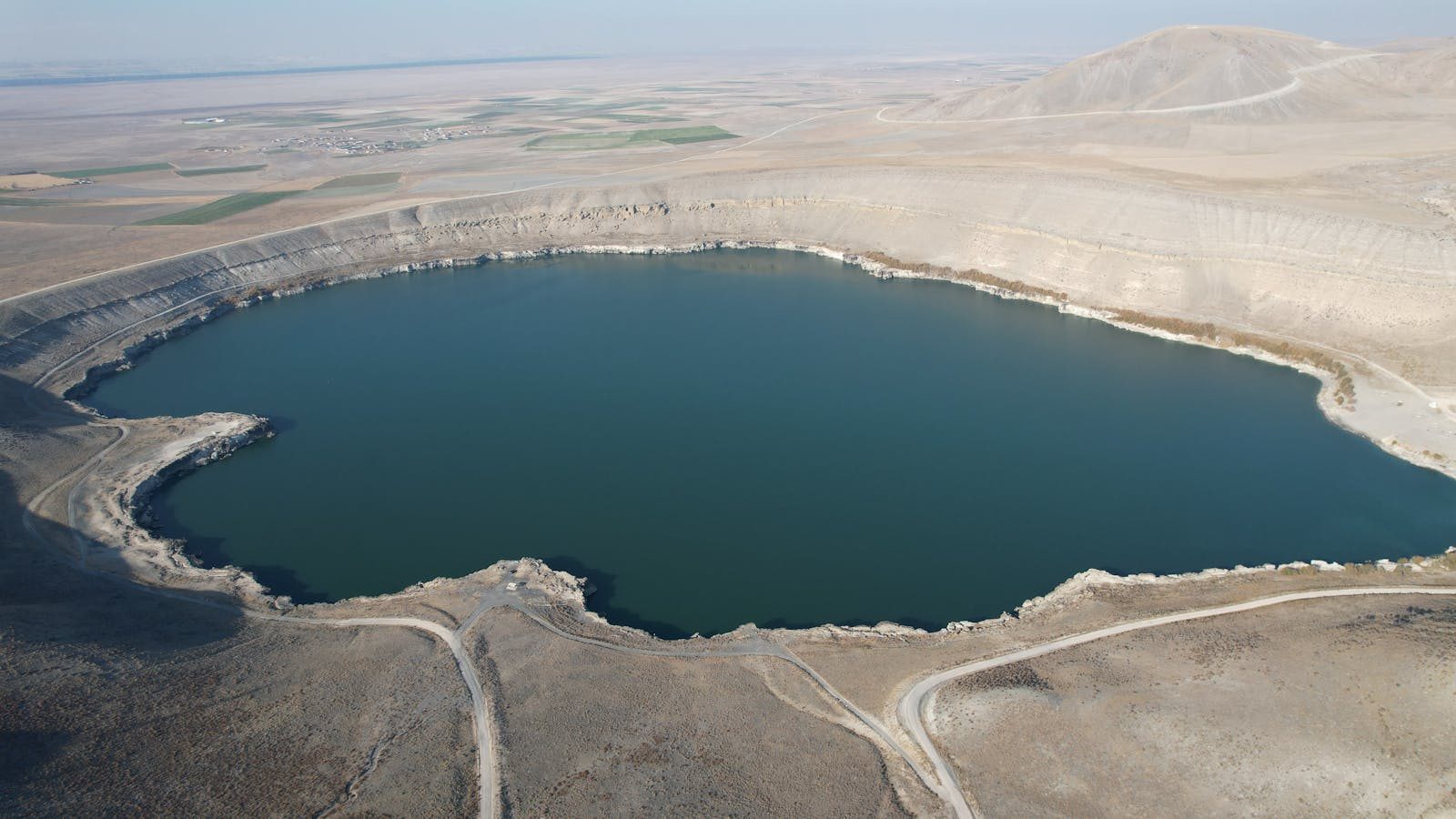
    Deep beneath the cold waters of Lake Mendota, a stunning historical treasure has emerged. It changes everything. Archaeologists have discovered an entire fleet of ancient dugout canoes buried in the silt. These vessels are old. Some were built before the Great Pyramid of Giza was constructed in Egypt. They reveal a highly sophisticated civilization. These ancient builders possessed advanced knowledge of forestry and materials science. It looks like prehistoric bioengineering. The scale of this discovery is actively rewriting American history. It proves native communities were highly skilled travel networks. The story of this find began with an unexpected dive. A single researcher spotted a strange shape in the deep water.

    A Diver Spots Something Strange Underwater

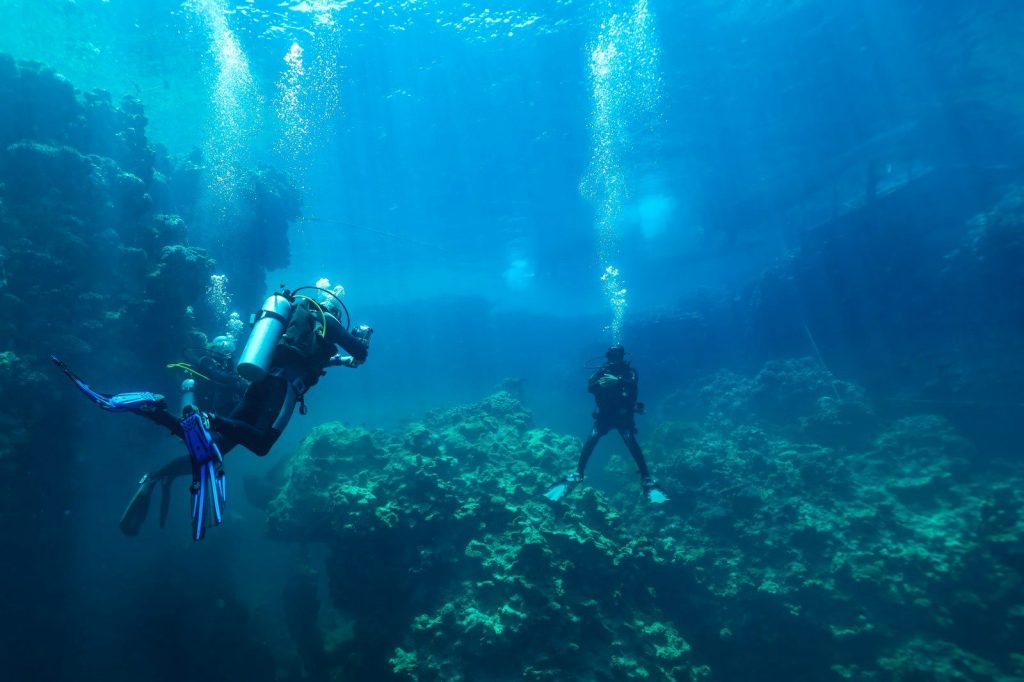
    Divers explore a coral reef underwater with bubbles rising.
    Photo by Ekaterina Zlotnikova on Unsplash

    Tamara Thomsen went for a dive in 2021. She is a maritime archaeologist with the Wisconsin Historical Society. Suddenly, she spotted wood. It did not look like a fallen tree trunk. Closer inspection revealed a carefully hand-carved dugout canoe. This initial find was twelve hundred years old. It was a major discovery. However, nobody realized that this single vessel was just the tip of an ancient iceberg. An even older craft was waiting nearby.

    Carbon Dating Reveals a Prehistoric Timeline

    grayscale photography of scientist using microscope in the zoological division
    Photo by The New York Public Library on Unsplash

    Researchers returned to the lake. They quickly uncovered a second canoe. This one was three thousand years old. By 2025, the team had identified sixteen ancient canoes in the exact same waters. Carbon dating provided a shocking timeline. The oldest canoe was crafted around five thousand two hundred years ago. This puts its creation in 3000 BCE. That is the exact era when writing was first invented in ancient Sumer. This prehistoric boat building required incredible skills. But the real surprise was the wood they used. The builders intentionally manipulated living trees to make their boats water-resistant.

    Wounded Oak Trees Created Waterproof Vessels

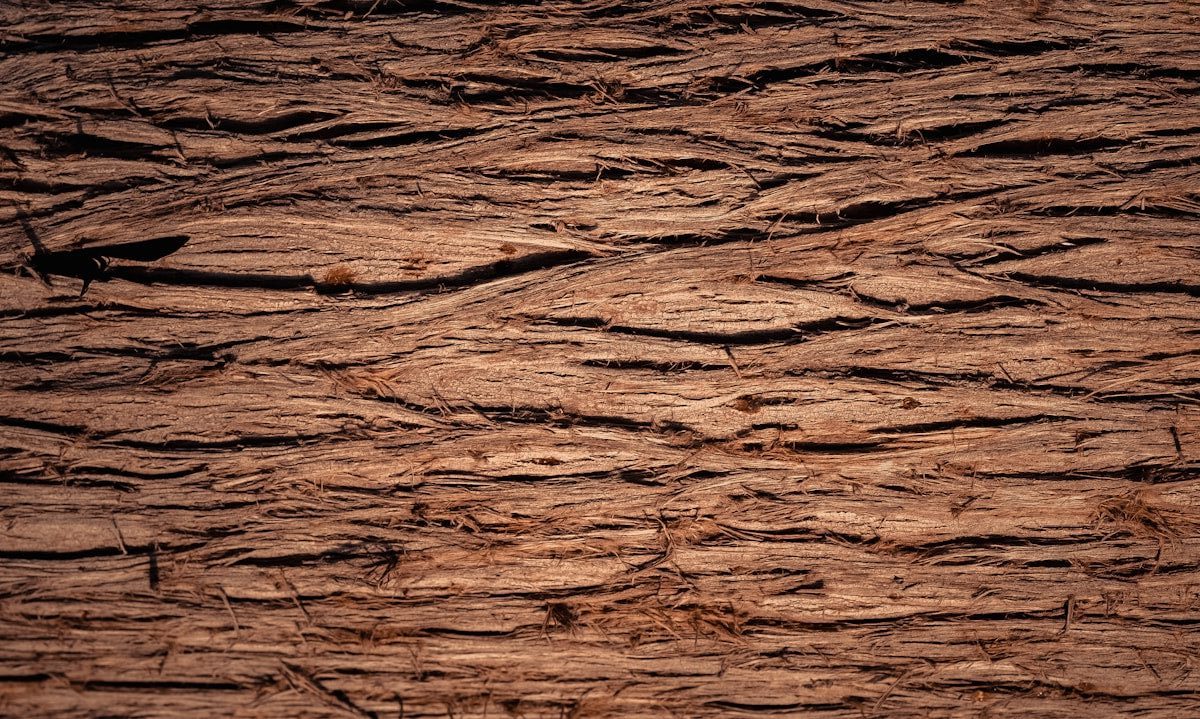
    brown and black tree trunk
    Photo by omid armin on Unsplash

    Half of the canoes were made of oak. Red oak is usually a terrible choice for watercraft because it absorbs water and rots quickly. But these ancient builders knew a natural secret. When an oak tree is wounded, it produces tyloses. This cellular outgrowth blocks the movement of water inside the wood. It acts like a natural sealant. The ancient builders were bioengineering their timber. This was not a coincidence. They purposefully damaged trees to trigger this response. The evidence of this intentional wounding is still visible in the wood fibers today.

    Ancient Builders Used Clever Wood Selection Methods

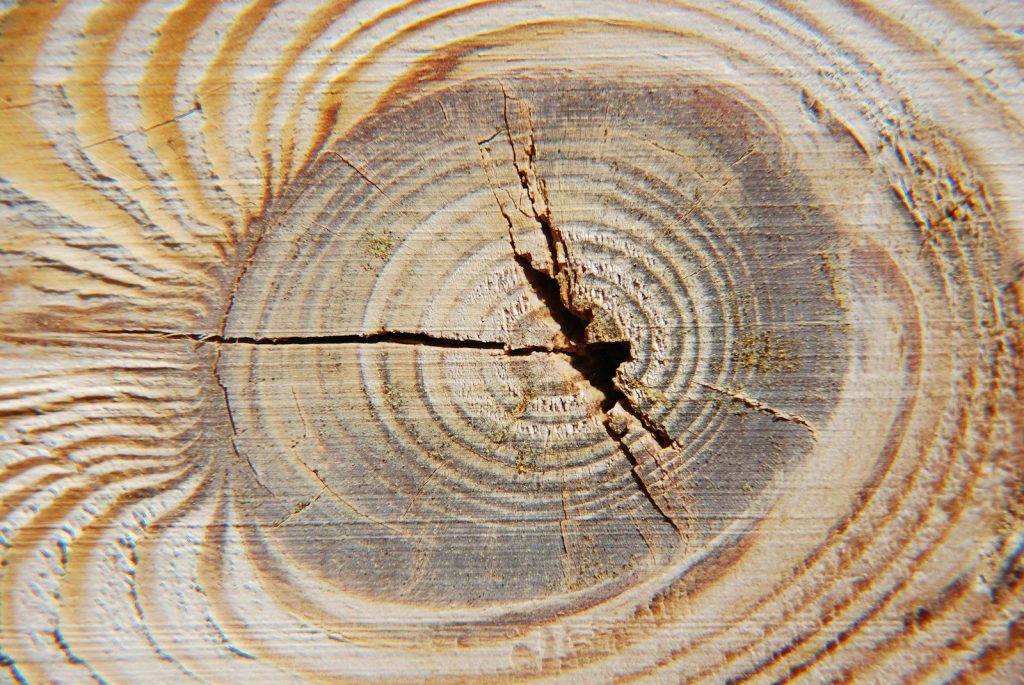
    a close-up of a tree stump
    Photo by Olga Kovalski on Unsplash

    Scientists analyzed the wood growth rings. They found clear signs of controlled wounding. Builders cut into living trees during their active growth cycles. This forced the oaks to produce protective tyloses. They harvested them years later. This shows an incredibly deep understanding of forest biology. These people worked with nature across generations. It was a highly organized system. This planning extended far beyond just preparing the wood. The canoes were placed in very specific patterns across the lake floor.

    Lake Mendota Served as a Sophisticated Highway

    a group of boats in a lake
    Photo by Jay Alexander on Unsplash

    The canoes were found in two distinct groupings. They were not scattered randomly. Archaeologists believe these locations were strategic landing points. Lake Mendota acted as a busy regional highway. It connected different communities. The canoes allowed people to travel easily between points of interest. This was a sophisticated transport network. It was much faster than walking through dense prehistoric forests. But who actually owned these valuable boats? The answer reveals a beautiful community culture.

    A Prehistoric Bike Share in the Lakes

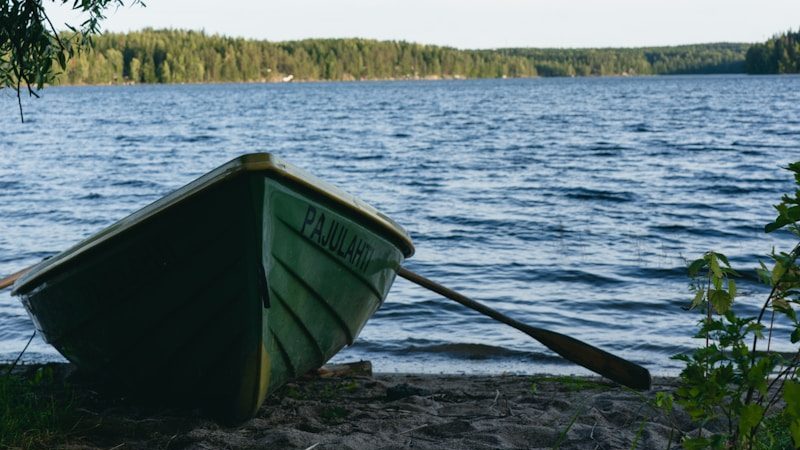
    Green rowboat rests on a sandy shore near lake.
    Photo by Guillaume Didelet on Unsplash

    These boats did not belong to single individuals. Archaeologists believe they were shared community assets. They were stored at designated public points. This functioned exactly like a modern community bike-share program. Anyone could use a canoe to travel. When they finished, they returned it to the landing. This communal system required high levels of social trust. It made travel highly accessible. These trips were not just for fun. They were essential for survival. The artifacts found inside the canoes prove exactly what they were catching.

    Net Sinkers Prove Thriving Fishing Traditions

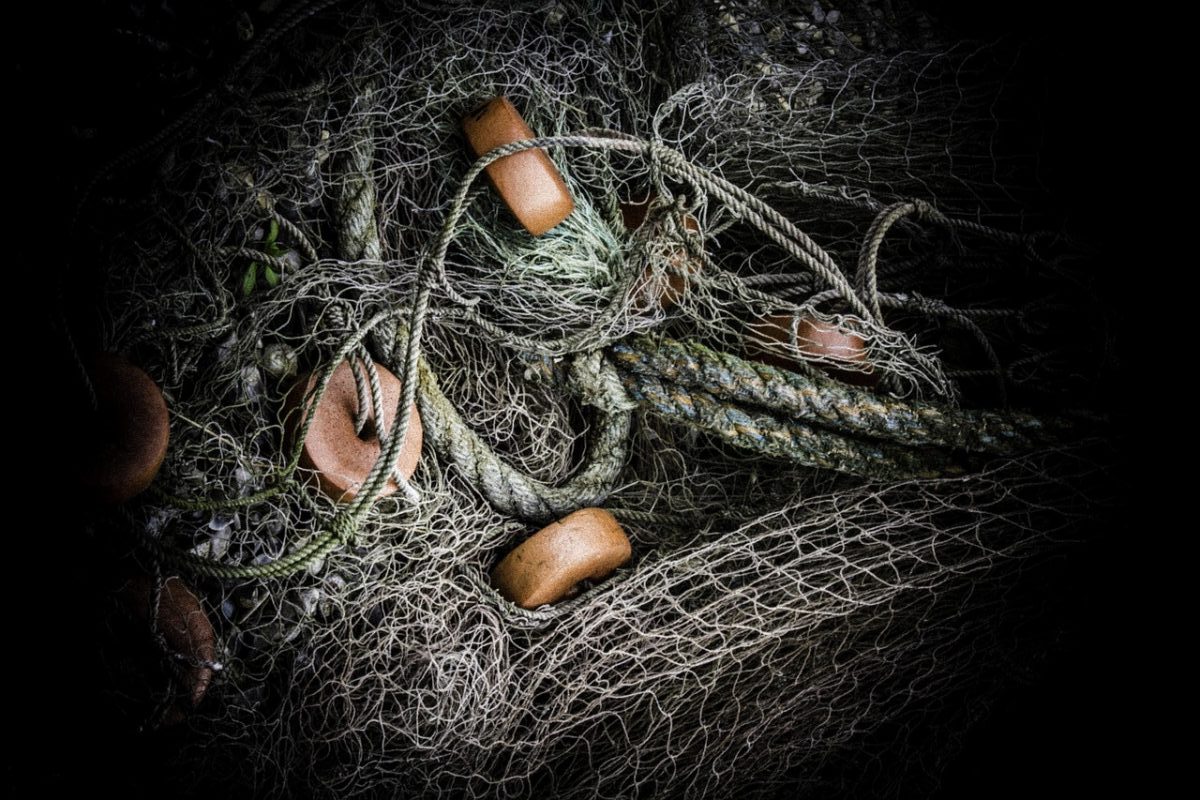
    fishing, nets, rope, fish, catch, sea, fisherman, fishnet, equipment, fishing-net, nature, ocean
    Photo by LunarSeaArt on Pixabay

    Researchers found stone net sinkers inside some dugouts. These heavy stones weighted down fishing nets. This proves that the ancient lake dwellers harvested fish on a massive scale. They fed large populations. The lake was a rich pantry. Canoes made it possible to access the deepest, most productive waters. This sustained communities for thousands of years. Today, this heritage is finally being rescued. Scientists are working directly with the descendants of these ancient boat builders.

    Working Hand in Hand with First Nations

    Two men looking at a document outdoors
    Photo by Mugabi Owen on Unsplash

    The Wisconsin Historical Society is collaborating with local tribes. This includes the Bad River Band of Lake Superior Chippewa. Tribal preservation officers are helping retrieve the wood. They ensure the canoes are treated with respect. This partnership blends modern science with ancestral knowledge. The recovered canoes are currently being chemically preserved. This prevents rotting. It will take several years to complete the preservation process. But it ensures that this incredible story of ancient engineering will live on forever.

    Featured Image: Photo by Batuhan Kocabaş on Pexels

  • Does This Ancient Fermented Bread Benefit Your Digestion?

    Does This Ancient Fermented Bread Benefit Your Digestion?

    Bread has a bad reputation. Many modern health guides tell us to avoid wheat entirely to protect our stomachs. They warn of weight gain and blood sugar spikes. But an ancient, slow-fermented loaf is completely rewriting the rules of nutrition. Sourdough is different. It does not rely on modern commercial yeast. Instead, a wild starter culture of living bacteria rises the dough slowly over many hours. This long fermentation process completely transforms the flour before baking. The loaf is delicious. It is also incredibly gentle on your digestive tract. Science is finally proving what ancient bakers knew all along. Sourdough acts as a living food. The secret lies in wild lactic acid bacteria.

    Wild Fermentation Activates Living Bacteria

    sourdough starter, baking, bread starter, yeast, bake, nutrition, sourdough starter, sourdough starter, sourdough starter, sourdough starter, sourdough starter, yeast, yeast, yeast, yeast
    Photo by JillWellington on Pixabay

    Sourdough starters are alive. They contain millions of beneficial lactic acid bacteria and wild yeasts. These microbes feast. They consume the natural sugars found in wheat flour. As they eat, they produce organic acids. This lactic acid gives sourdough its famous signature tang. The resulting acidic environment does something amazing to the bread structure. It breaks down difficult proteins. One of those tough proteins is gluten. This process helps explain why so many people can digest sourdough easily.

    Lactic Acid Breaks Down Tough Gluten

    dough, flour, knead, bake, loaf, yeast, kitchen, chef, baker, dough, flour, knead, yeast, yeast, chef, baker, baker, baker, baker, baker
    Photo by congerdesign on Pixabay

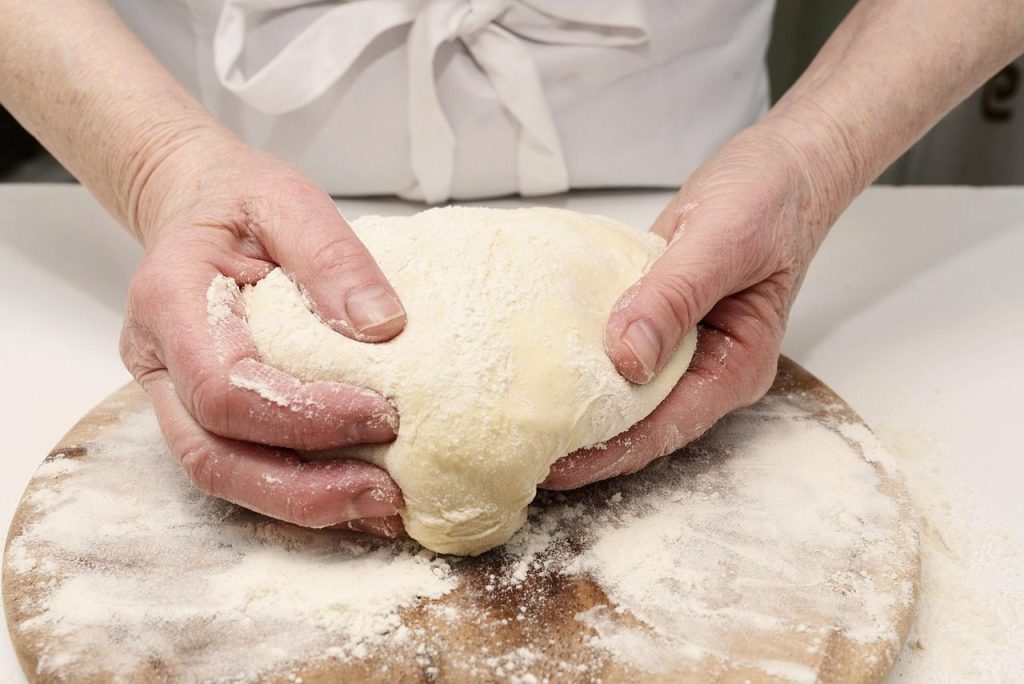
    Gluten is hard to digest. Modern commercial bread is rushed through factory production in under an hour. This rush leaves gluten intact. True sourdough fermentation takes up to twenty-four hours. During this long rest, the living bacteria break down complex gluten proteins into simpler amino acids. Your stomach does less work. Many people with mild sensitivities can enjoy authentic sourdough without any bloating. But gluten is not the only digestive irritant that gets neutralized. Another group of sneaky carbohydrates is about to vanish.

    Fewer FODMAPs Mean Less Bloating

    anatomy, x-ray, human body, health, genetics, background, stomach, digestive system, microbiota, digestion, stomach, digestive system, digestive system, digestive system, digestive system, digestive system
    Photo by julientromeur on Pixabay

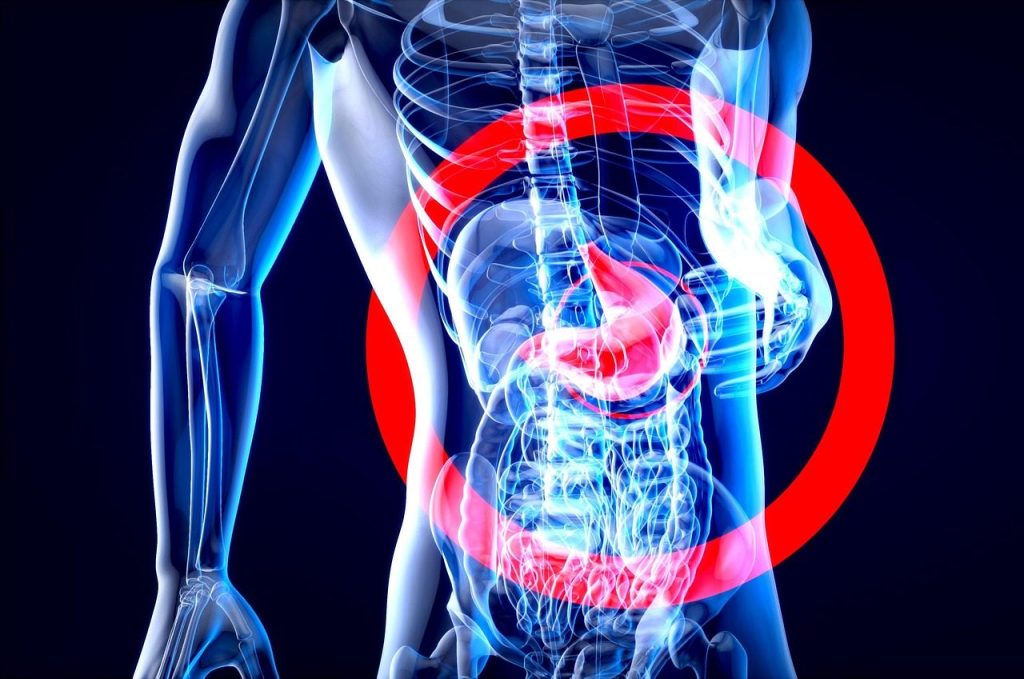
    FODMAPs are fermentable sugars. These short-chain carbohydrates are notoriously difficult for your small intestine to absorb. They sit in your gut. This stagnation causes painful gas, bloating, and cramps. It is a major issue for anyone with irritable bowel syndrome. Fortunately, sourdough bacteria consume these troublesome sugars during fermentation. The bacteria do the work. This digestive relief is a massive benefit. But this living bread also does wonders for your blood sugar. The science behind this blood glucose reaction is incredibly simple.

    Starch Digestion Slows Down Significantly

    a person blood glucose testing using gluco-meter
    Photo by Sweet Life on Unsplash

    Standard white bread causes blood sugar spikes. It digests rapidly. According to Mayo Clinic reports, sourdough bread has a much lower glycemic index than industrial loaves. The organic acids slow down starch absorption. This means glucose is released gradually into your bloodstream over several hours. You avoid sudden crashes. Your insulin levels stay steady. This makes sourdough a safer option for energy management. Beyond blood sugar, your gut microbiome is waiting for a feast.

    Prebiotics Feed Your Beneficial Gut Flora

    a field of grass with the sun shining in the background
    Photo by Anton Palmqvist on Unsplash

    Baked bread lacks live bacteria. The extreme heat of the oven kills off the active cultures. But do not worry. The fermentation process leaves behind powerful prebiotics that survive the baking process. These special fibers feed your existing gut microbes. They act as fuel. Nourishing your microbiome supports your immune system. This living bread also helps unlock hidden nutrients trapped inside the grain. You are about to absorb far more minerals than usual.

    Fermentation Unlocks Trapped Micronutrients

    bread, slices, organic, healthy, nutritious, sliced bread, white bread, brown bread, bread slices, wheat bread, food, bread, bread, bread, bread, bread
    Photo by sofi5t on Pixabay

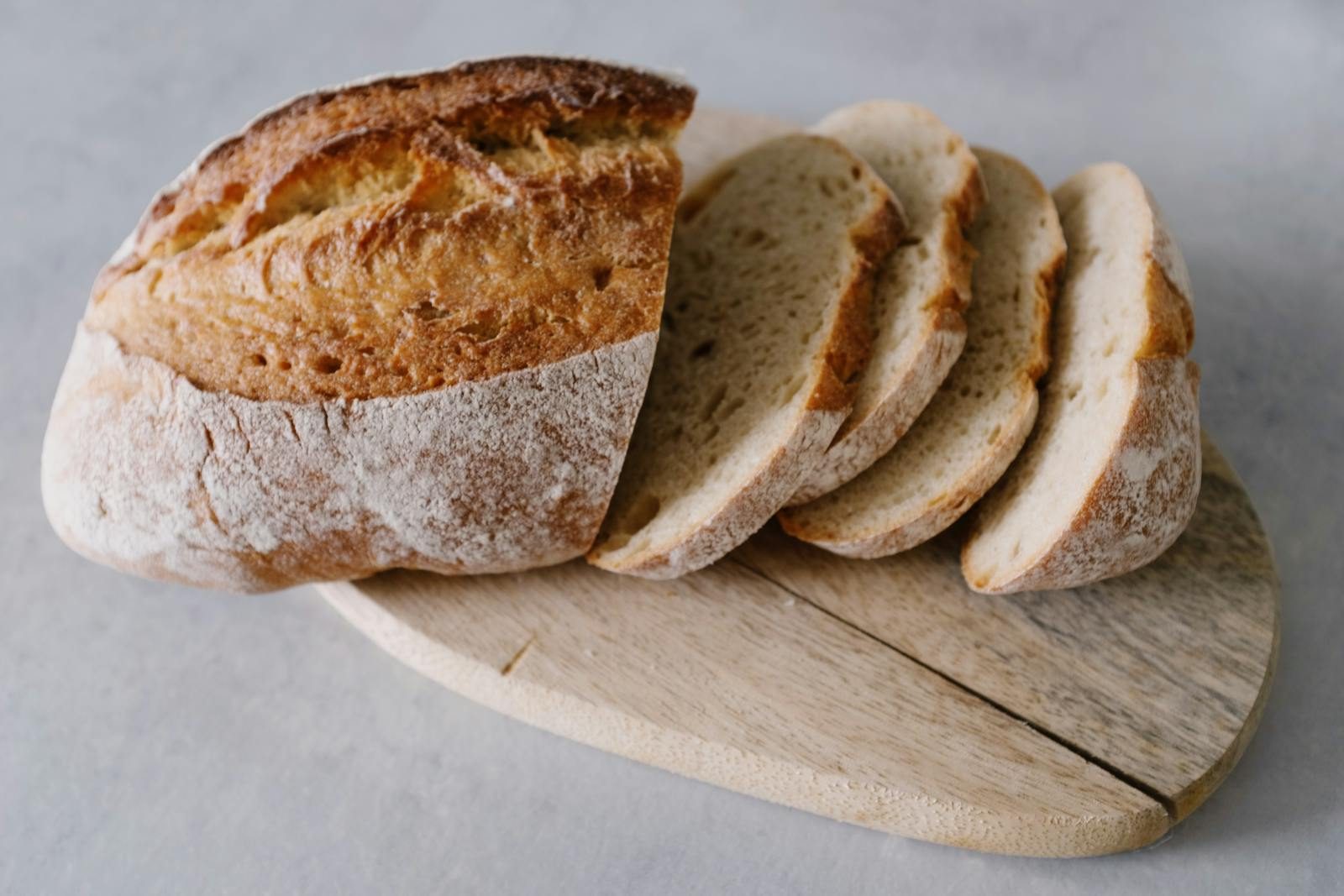
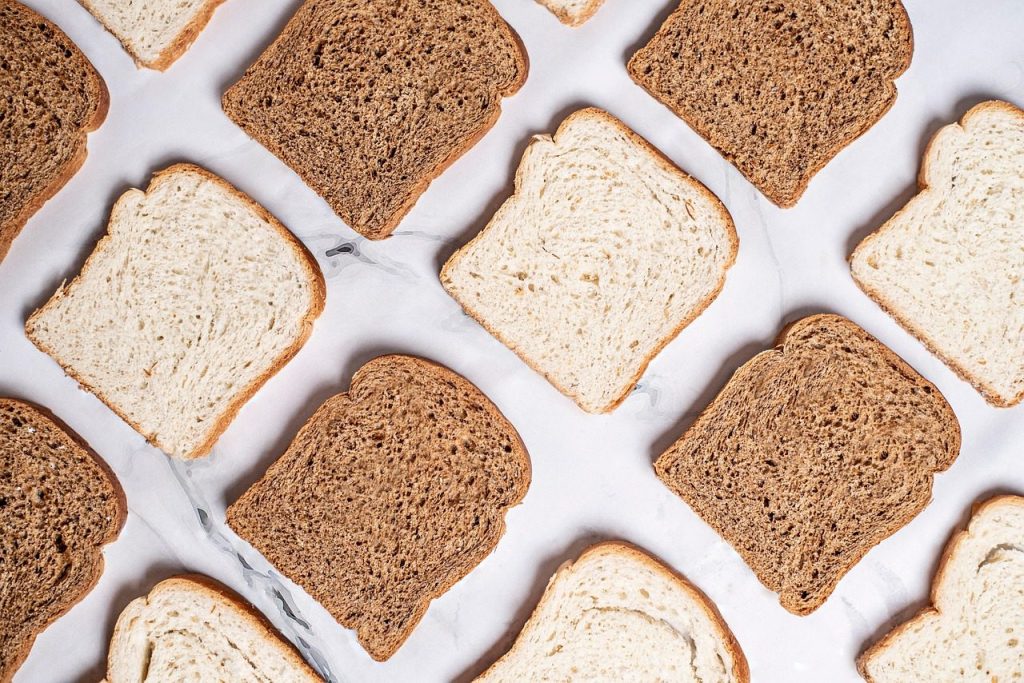
    Grains contain phytic acid. This natural compound is an anti-nutrient. It binds tightly to essential minerals like iron, zinc, and magnesium. Your body cannot absorb them. Fortunately, sourdough fermentation activates an enzyme called phytase. This enzyme destroys phytic acid completely. It releases the trapped minerals. You absorb far more nourishment from a sourdough slice than from standard factory bread. But you must be careful when buying your next loaf. The commercial bread aisle is full of clever impostors.

    Choosing the Best Sourdough for Your Health

    cooking, ingredients, flat lay, bake, baking, baking ingredients, whisk, cooking utensils, eggs, orange slices, orange, sugar, salt, cooking, cooking, cooking, cooking, baking, baking, baking, baking, baking, sugar, salt, salt
    Photo by sontung57 on Pixabay

    Fake sourdough is common. Many large commercial bakeries use chemical sour flavorings and industrial yeast to mimic the real thing. They skip the long fermentation. This shortcut deprives you of all the digestive benefits. To find the real deal, look closely at the ingredient list. Authentic loaves contain only flour, water, salt, and wild culture. Avoid added yeast or vinegar. Real sourdough takes time. Your health is worth the wait. Enjoy your toast knowing your gut is happy.

    Featured Image: Photo by ready made on Pexels

  • Are Stealth Foods Clogging Your Arteries Without You Knowing?

    Are Stealth Foods Clogging Your Arteries Without You Knowing?

    Your arteries might be in danger. Many people cut out greasy burgers and fries to keep their hearts pumping smoothly. That is a great start. However, several common foods can secretly raise your bad cholesterol without a single warning sign. These silent offenders look healthy. Yet, they slowly deposit fatty plaque inside your delicate blood vessels over time. Read labels carefully. The American Heart Association urges everyone to inspect the nutrition facts on every package. Look deeper. Our list reveals the most deceptive foods you should avoid. Watch out. The first offender might be sitting on your kitchen counter right now.

    The Saturated Trap of Fast Casual Meals

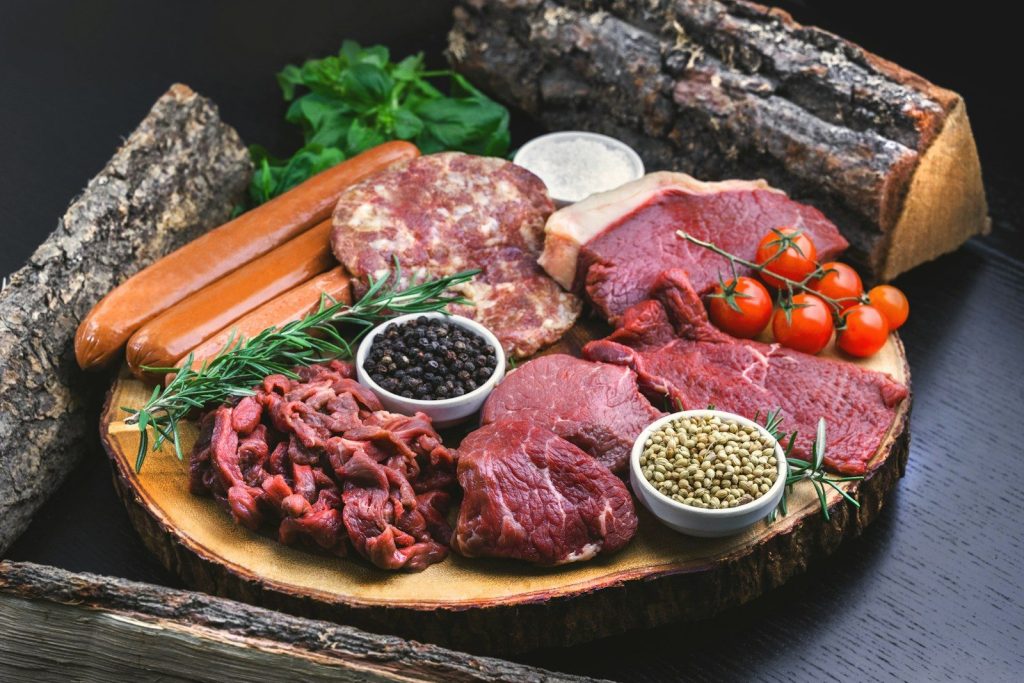
    raw meat on white ceramic plate
    Photo by Eiliv Aceron on Unsplash
    Processed meats are a major threat. Sausages and packaged deli cold cuts contain incredibly high levels of saturated fat. They also pack sodium. These bad ingredients cause your liver to manufacture a dangerous amount of cholesterol. This triggers immediate swelling. Many people eat these meats daily in quick lunch wraps. Is your lunch safe? Your morning breakfast pastry hides an even bigger secret.

    Baked Goods are Hiding Trans Fats

    a group of cupcakes with frosting
    Photo by Valeriano G on Unsplash

    Store-bought pastries look delicious. However, many commercial cakes and cookies rely on partially hydrogenated vegetable oils. These are trans fats. They are the absolute worst offender for your cardiovascular health. They damage vessels. These artificial lipids actively raise your bad cholesterol while lowering the good kind. Your heart suffers. A common cooking spread in your fridge might be doing the exact same thing.

    Full-Fat Dairy and Arterial Plaque

    sliced cheese on brown wooden chopping board
    Photo by Andra C Taylor Jr on Unsplash

    Butter tastes delicious. But whole milk products are packed with dense saturated fats that your body struggles to clear. They clog arteries. Regularly eating full-fat cheese can raise your bad cholesterol levels significantly. Scientists agree on this. The Journal of the American College of Cardiology published key research about this threat. Reduce your intake. The golden side dish you order with your burger holds a greasy secret.

    The Hidden Cost of Golden Fried Foods

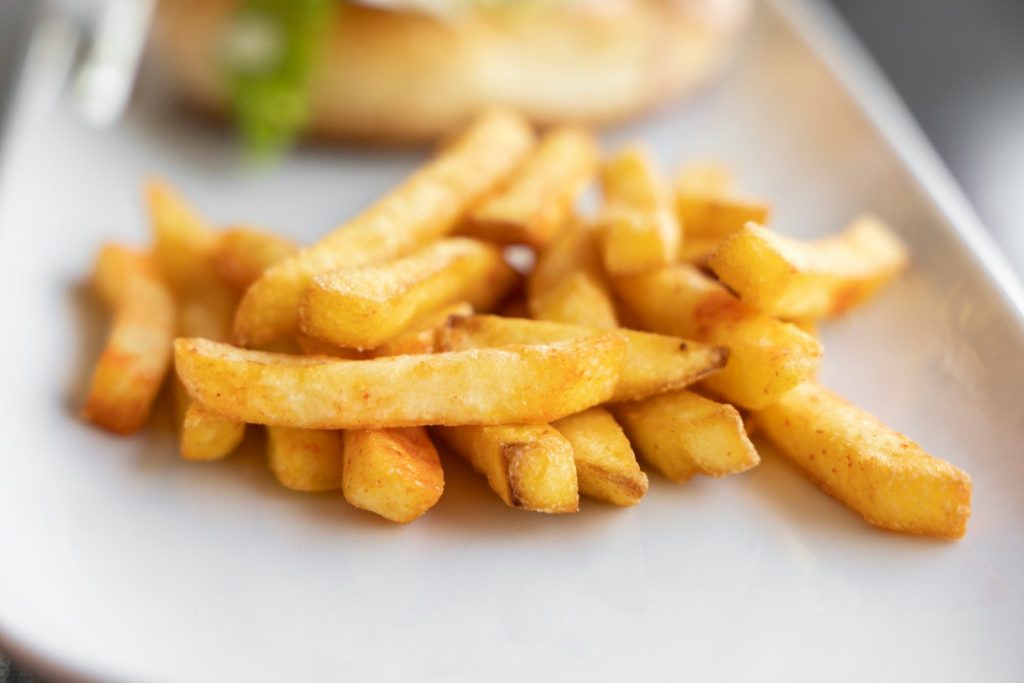
    a white plate topped with french fries next to a sandwich
    Photo by engin akyurt on Unsplash

    Deep frying ruins food. Restaurant fryers heat vegetable oils over and over at extreme temperatures. This process alters lipids. It creates harmful trans fats that stick to your delicate artery walls. Avoid fast food fries. These damaged fats promote chronic inflammation inside your cardiovascular system. Eat fresh instead. Next, a seemingly light seafood dish might surprise you with its hidden impact.

    Shellfish and the Butter Connection

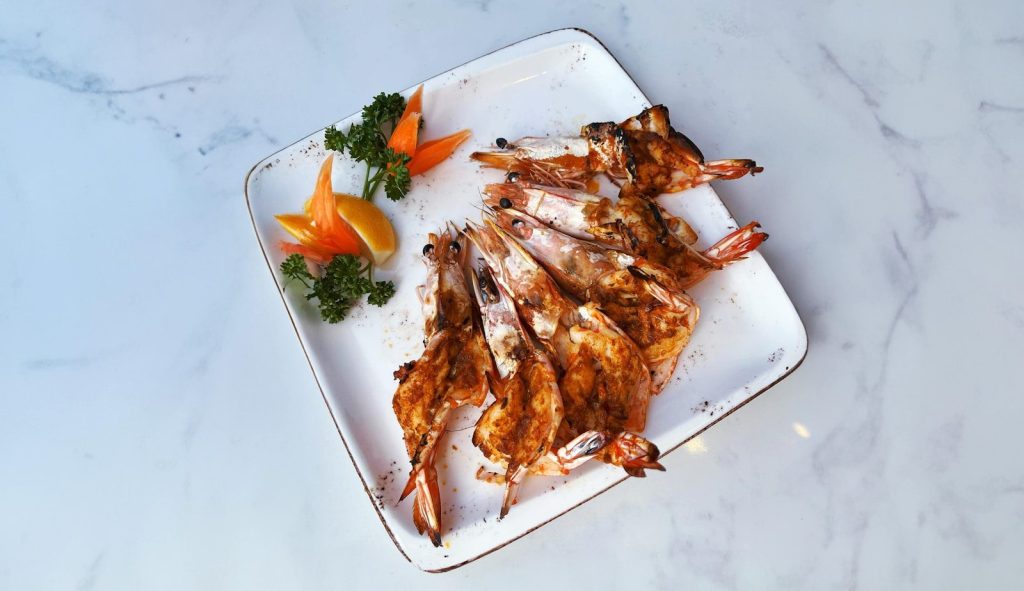
    a white plate topped with grilled shrimp and veggies
    Photo by Md Shohan Ridoy on Unsplash

    Shrimp contain natural cholesterol. However, these sea creatures are naturally very low in saturated fats. They should be healthy. But the real danger lies in how we prepare them. Chefs love butter. Drenching fresh seafood in heavy cream destroys its natural health profile. Do not fry them. Additionally, a popular evening beverage can also throw your system off balance.

    Excess Alcohol Disrupts Your Fat Metabolism

    three glasses of alcohol on a bar with a view of a city
    Photo by Ambitious Studio* | Rick Barrett on Unsplash

    Evening drinks feel relaxing. But drinking too much alcohol can heavily damage your hard-working liver. This organ regulates fats. When alcohol enters your system, your liver must stop filtering fats to clear out the toxins. Your heart suffers. Fortunately, protecting your cardiovascular system does not require starvation. Start swapping foods. Simple daily food swaps can easily put you back on track.

    Simple Dietary Swaps to Safeguard Your Heart

    Fresh vegetables and a bottle of wine.
    Photo by Jon Druker on Unsplash

    You can heal today. Start by swapping butter for heart-healthy extra virgin olive oil. Choose lean proteins. Skinless poultry and grilled fish are excellent alternatives to processed deli meats. Eat more fiber. Foods like oats, lentils, and fresh vegetables actively bind cholesterol in your digestive tract. This blocks absorption. Your hardworking heart will definitely thank you for making the smart change.

    Featured Image: Photo by Daria-Yakovleva on Pixabay

  • What Really Happens If You Eat An Avocado Daily?

    What Really Happens If You Eat An Avocado Daily?

    Avocados are everywhere right now. People mash them on toast and blend them into healthy green smoothies. But is eating this creamy green fruit every single day actually good for you? Nutritionists have been studying this trend closely. They want to know how daily consumption impacts your digestion, heart, and brain. The results are incredibly surprising. Eating avocados regularly might transform your body from the inside out in ways you never expected. This dietary habit affects several major biological systems. We analyzed the latest clinical research to find out the truth. Your digestive system is the very first thing to experience a shift.

    A Sudden Spike in Crucial Nutrients

    sliced fruits on black plate
    Photo by Jan Landau on Unsplash

    Your body needs vitamins. Avocados are packed with several essential nutrients that many modern diets lack. They deliver folate. Just half of this fruit provides ten percent of your daily potassium needs. These elements repair cells. They keep your daily energy levels incredibly steady. But your blood is not the only thing getting a boost. Your stomach is about to undergo a massive change.

    Your Gut Bacteria Thrives on Rich Fiber

    fruit lot on ceramic plate
    Photo by Jannis Brandt on Unsplash

    Fiber keeps digestion moving. One single avocado contains about fourteen grams of natural dietary fiber. That is nearly half of your recommended daily value. The Journal of Nutrition published a fascinating study on this exact topic. Researchers tracked over one hundred adults. Daily avocado consumption significantly increased the beneficial microbes in their stomachs. This microflora keeps your gut safe. Yet, this digestive shift is only the first major benefit. Your circulatory system is about to feel the effects.

    Potassium Helps Calm Your Nervous System

    a bunch of bananas sitting on top of a white table
    Photo by Gabriel Mihalcea on Unsplash

    Your heart needs potassium. This critical mineral regulates blood pressure by helping your body flush out excess sodium. It relaxes blood vessels. Most adults do not consume enough potassium in their everyday meals. Avocados help bridge this nutritional gap. Keeping your blood pressure at a stable level protects you from strokes. But potassium is not the only heart protector here. The healthy fats in this fruit are doing something even more impressive.

    Monounsaturated Fats Protect Your Heart

    cooked food with sliced vegetables in white bowl
    Photo by Hermes Rivera on Unsplash

    Avocados contain high fat. However, these are healthy monounsaturated fats that your body uses for clean energy. They keep arteries clear. The American Heart Association tracked over one hundred thousand people for several decades. Their data revealed that regular avocado eaters reduced cardiovascular disease risk by sixteen percent. This is a massive drop. Replacing butter with fresh avocado shields your heart. This simple adjustment also has a dramatic impact on your cholesterol levels.

    Bad Cholesterol Levels Begin to Drop

    text
    Photo by Maxim Tolchinskiy on Unsplash

    Bad cholesterol damages blood vessels. It forms hard plaques that restrict your vital blood flow over time. You must fight this. Studies show that daily avocado consumption actively lowers oxidized bad cholesterol levels. This specific lipid is highly associated with arterial clogging. Meanwhile, avocados keep your heart-protective good cholesterol high. This balance cleans your circulatory system. But the benefits do not stop at your chest. Your brain is also about to get a powerful dose of protection.

    Carotenoids Give Your Brain a Boost

    a close up of a potted plant on a table
    Photo by Rens D on Unsplash

    Avocados contain powerful antioxidants. These organic compounds shield your delicate brain cells from everyday damage. Lutein is the key player here. A clinical study proved that eating an avocado daily raises lutein levels in your blood. This boost supports sharp memory. It keeps your mind young as you get older. It protects your eyes, too. But eating this heavy fruit can also help you manage your weight. The reason behind this weight control seems totally backward.

    Healthy Fats Keep Hunger Away Longer

    a woman sitting at a table with a plate of fruit and pancakes
    Photo by Priscilla Du Preez 🇨🇦 on Unsplash

    These green fruits are calorie-dense. One medium fruit packs roughly three hundred calories. Yet, they actually prevent weight gain. The unique combination of rich fiber and monounsaturated fats keeps your appetite quiet. This feeling is called satiety. It stops you from reaching for unhealthy processed snacks later in the afternoon. You stay full for hours. But you must still be careful. Eating an avocado daily can sometimes backfire if you do not watch your portions.

    Finding Your Ideal Daily Avocado Portion

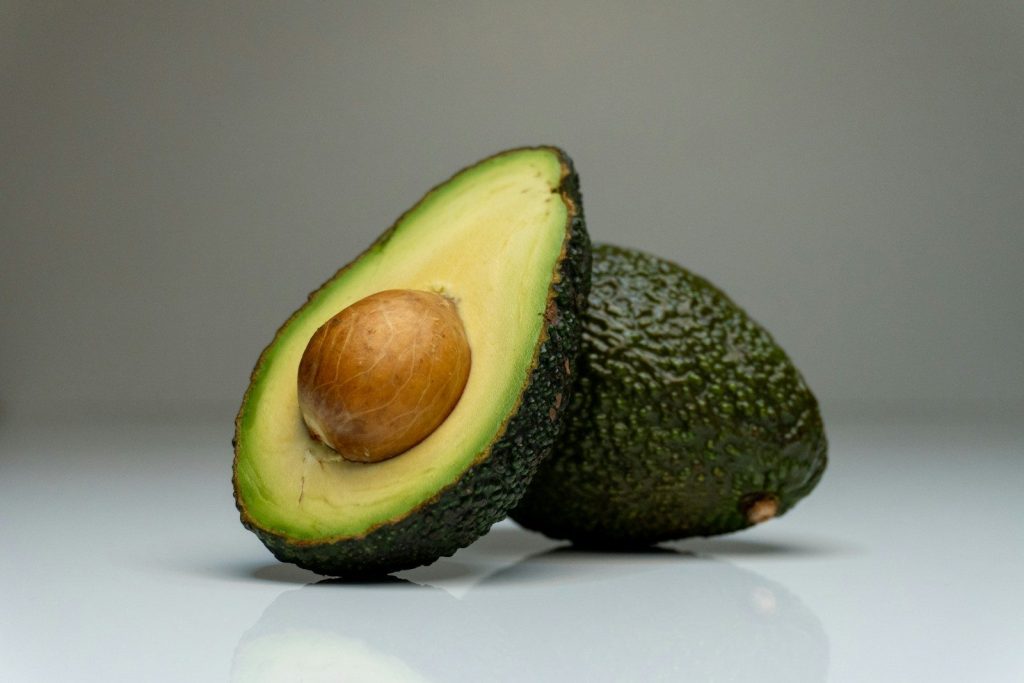
    an avocado cut in half on a white surface
    Photo by John Vid on Unsplash

    Portion control is key. While avocados are incredibly nutritious, their high fat content means calories can pile up quickly. Dietitians suggest eating one-half of a fruit daily. This moderate serving size unlocks all the digestive, cardiac, and brain benefits. You avoid weight gain entirely. Pair your green slices with fresh salads or lean eggs. Adding this superfood to your plate is a simple step toward long-term wellness. Your body will feel the difference.

    Featured Image: Photo by Dilara on Pexels

  • Why scientists are racing to name deep-sea life before it is disturbed

    Why scientists are racing to name deep-sea life before it is disturbed

    The deep ocean still feels like another planet, yet it is part of our own backyard. Far below the waves, tiny worms, shellfish, crustaceans, and other strange animals live in places most people will never see. Many of them do not even have official names yet.

    That is a big problem. A species without a name is harder to study, protect, or even talk about. Researchers say much of marine invertebrate life is still under-described, even after centuries of ocean exploration. New projects like Ocean Species Discoveries are trying to speed up that process with better tools, shared expertise, and shorter, data-rich species reports. The goal is simple but urgent: document ocean life before fast-changing seas disturb it.

    Hidden life needs names

    gray turtle
    Photo by Francesco Ungaro on Unsplash

    The ocean is packed with creatures that science has not fully recorded. Some are tiny, some live miles deep, and some look unlike anything seen on land.

    Naming them is not just a formality. A scientific name gives researchers a way to track a species, compare findings, and understand where it fits in the ocean’s larger story.

    Old methods take too long

    a close up of a structure with a blue background
    Photo by digitale.de on Unsplash

    Describing a new species can take years, and sometimes even decades. Researchers may need special images, expert review, DNA work, and careful comparisons with museum specimens.

    That slow pace is a real challenge. SOSA notes that species description can face delays of 20 to 40 years, which is far too long when ecosystems are changing quickly.

    A faster system is growing

    brown turtle on water
    Photo by NOAA on Unsplash

    Ocean Species Discoveries was created to help scientists publish clear, useful species descriptions faster. It focuses on marine invertebrates such as worms, mollusks, and crustaceans.

    The second issue described 14 new species, two new genera, and one redescription across three major animal groups. That shows how teamwork can turn scattered discoveries into organized science.

    New tools reveal more

    woman in red shirt sitting in front of computer
    Photo by National Cancer Institute on Unsplash

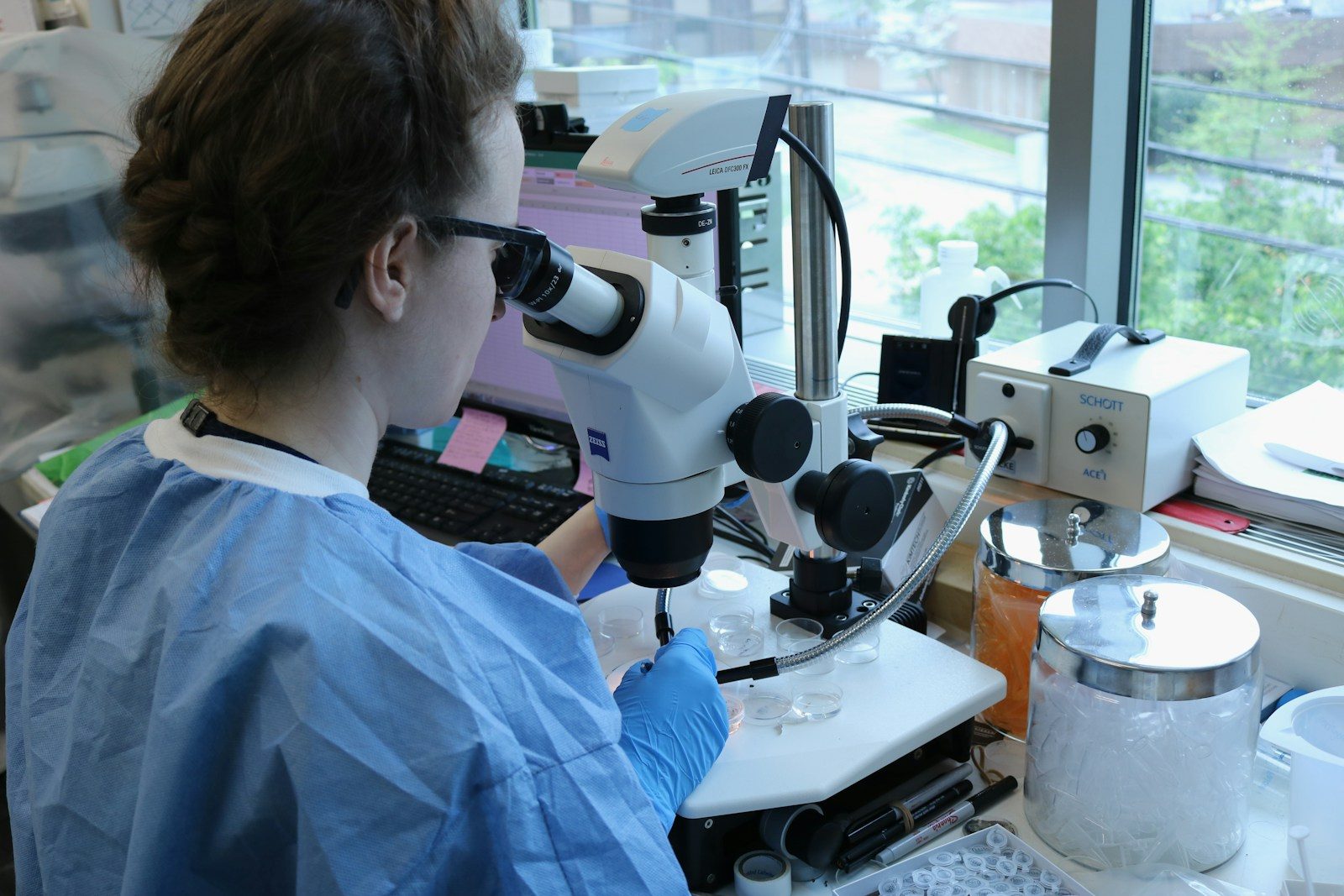
    Modern labs can study ocean animals in ways that were not possible before. Light microscopes, electron microscopes, DNA barcoding, and micro-CT scans can reveal fine details without damaging rare samples.

    That matters because many deep-sea specimens are precious. If scientists can study them carefully and preserve them, other researchers can return to the same material later.

    The deep holds surprises

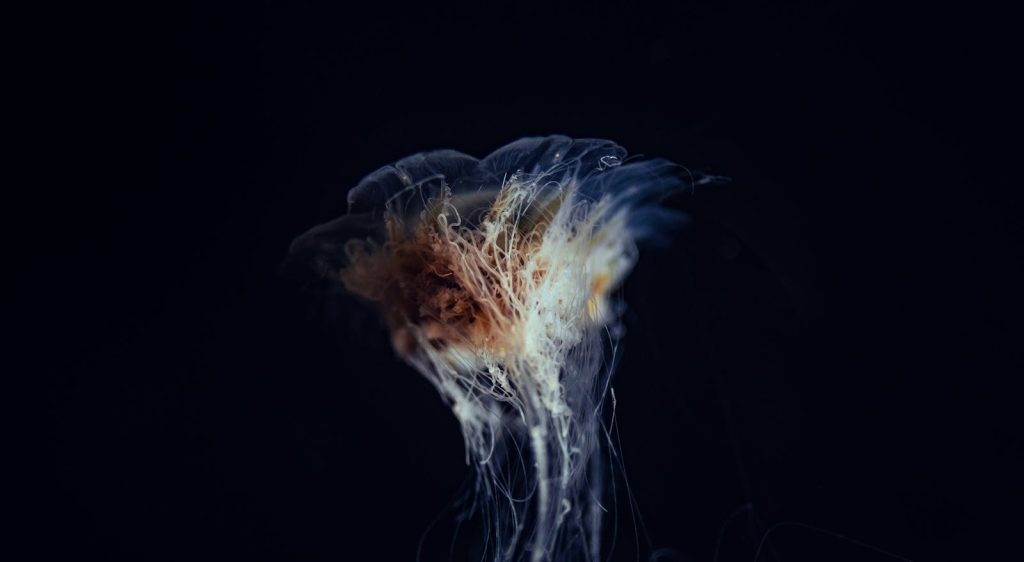
    A mesmerizing close-up of a jellyfish floating gracefully in the dark ocean depths.
    Photo by Benjamin Farren on Pexels

    Some new species came from extreme depths. One mollusk, Veleropilina gretchenae, was collected from the Aleutian Trench at 6,465 meters, or about 21,200 feet.

    Another species, Myonera aleutiana, is a deep-sea bivalve studied with non-invasive micro-CT scanning. The paper notes it is only the second bivalve with an anatomical description using that method.

    Scans protect rare samples

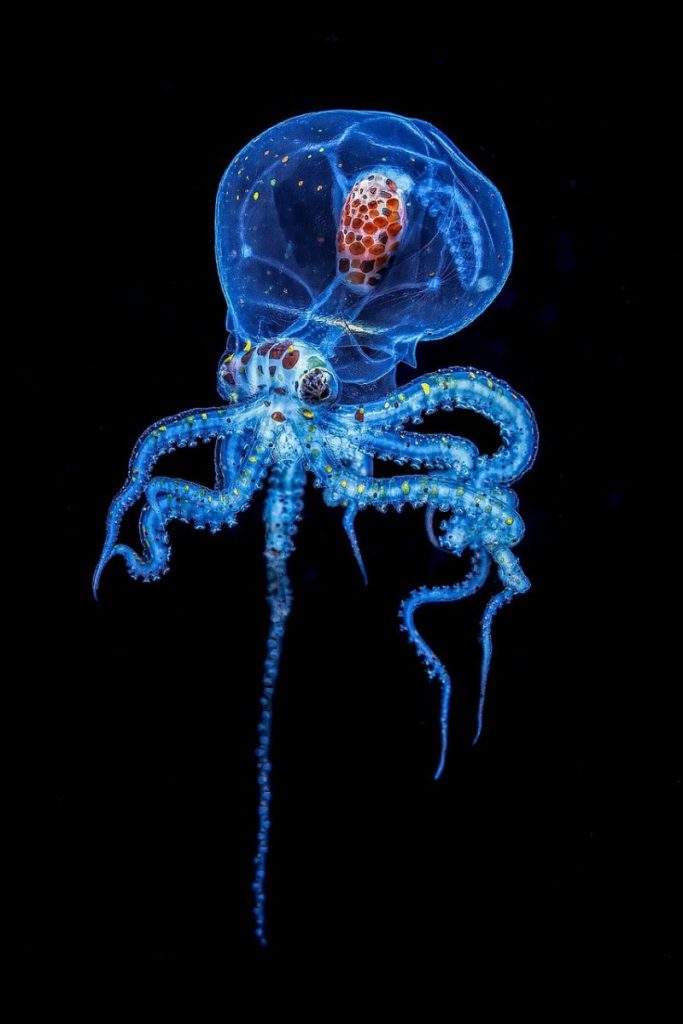
    octopus, glow, bioluminescence, underwater, creature, nature, sea, tentacles, octopus, octopus, octopus, octopus, octopus, tentacles
    Photo by Edgar117 on Pixabay

    In the past, scientists often had to dissect animals to learn what was inside. That can be risky when a specimen is rare, fragile, or one of the only examples found.

    Micro-CT scanning changes that. It creates detailed internal images while leaving the animal intact. For deep-sea research, that can mean more knowledge with less damage.

    Tiny species can matter

    blue and white bird on body of water
    Photo by Mikhail Preobrazhenskiy on Unsplash

    Small ocean animals may look easy to overlook, but they can play major roles in food webs, sediment health, and ecosystem balance. Losing them can affect more than one species.

    That is why naming small life matters. A tiny crustacean, worm, or shellfish may hold clues about evolution, deep-sea survival, or how ocean habitats respond to change.

    Names tell stories

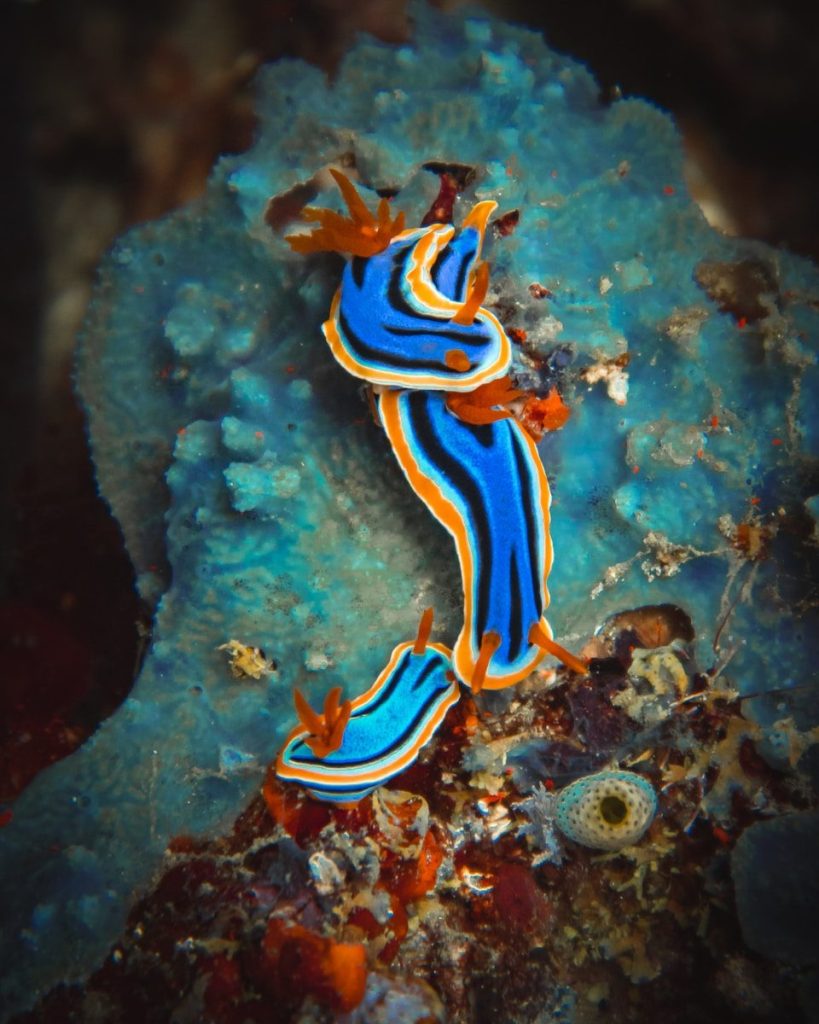
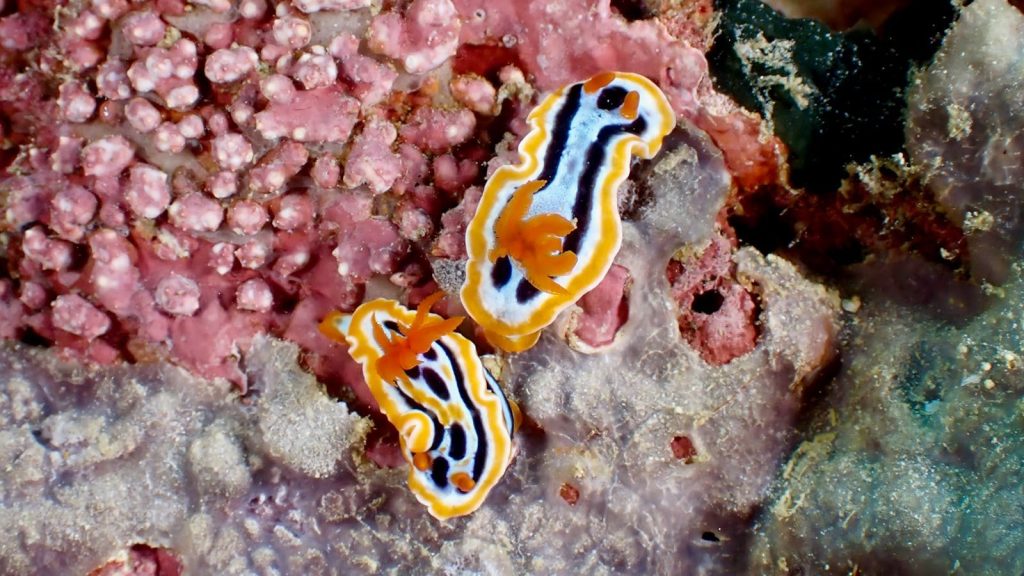
    Two vibrant nudibranchs, Chromodoris annae, on coral in the Philippines.
    Photo by Chris Spain on Pexels

    Some new species names honor people, places, or memorable features. One amphipod, Apotectonia senckenbergae, was named after Johanna Rebecca Senckenberg.

    Another new animal, Zeaione everta, is a parasitic isopod with unusual bumps that reminded researchers of corn. These names help make hidden ocean life easier to remember and discuss.

    Teamwork speeds discovery

    Army scientists energize battery research” by U.S. Army Combat Capabilities Development Command is licensed under CC BY-SA 2.0

    No single scientist can describe every unknown ocean species alone. The work often needs taxonomists, imaging experts, DNA specialists, museum collections, and field researchers.

    That is why shared labs and global networks are so important. SOSA’s Discovery Laboratory gives researchers technical support and tools that can help turn hard-to-study specimens into publishable science faster.

    The race is not over

    photography of sea corals
    Photo by Scott Webb on Unsplash

    New deep-sea discoveries keep showing how much remains unknown. In 2026, researchers announced 24 new amphipod species from the Clarion-Clipperton Zone, including a new superfamily.

    Each discovery is a reminder that the ocean still holds many blank spaces. Naming species cannot solve every threat, but it gives science a stronger starting point before those habitats change further.

  • Mystery creature found in Japan’s deepest ocean trenches

    Mystery creature found in Japan’s deepest ocean trenches

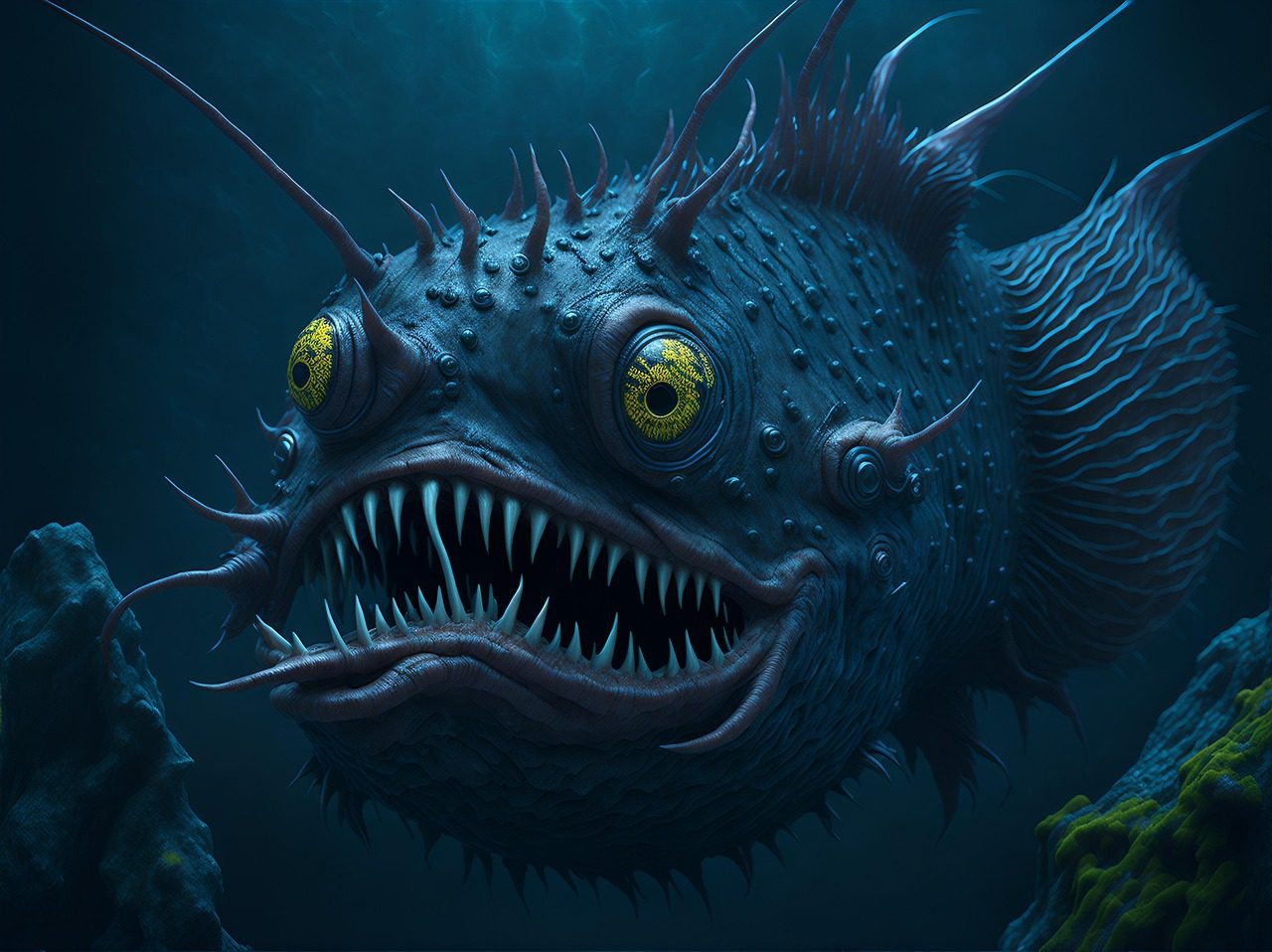
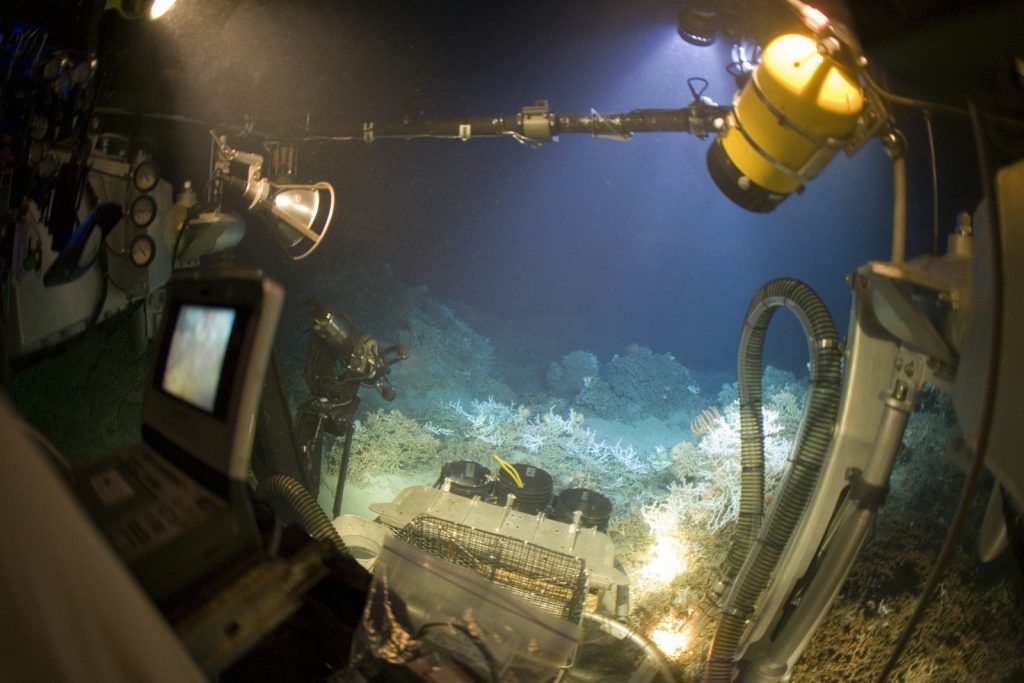
    The ocean is Earth’s final frontier, and Japan just pushed the boundary. A high-tech robotic explorer has just returned from the Izu-Bonin Trench, over five miles beneath the surface. What it found there has left the scientific community in a state of shock. Cameras captured a “mystery creature” that defies every known rule of marine biology. This isn’t just a new fish; it is a totally different form of life that seems to thrive in a world of total darkness and crushing pressure.

    In 2026, we thought we had mapped the basics of our planet, but this discovery proves we have been looking at a “Ghost Map.” The creature, which glows with a soft, pulsing violet light, has no visible eyes and a body that looks like it is made of liquid glass. It survived in conditions that would crush a human-built submarine in seconds. We are looking at a biological miracle that is rewriting the textbooks on how life begins. But the real mystery is how this creature is actually “thinking.”

    The Ghost of the Izu-Bonin Trench

    bloom of jellyfish under water
    Photo by Falco Negenman on Unsplash
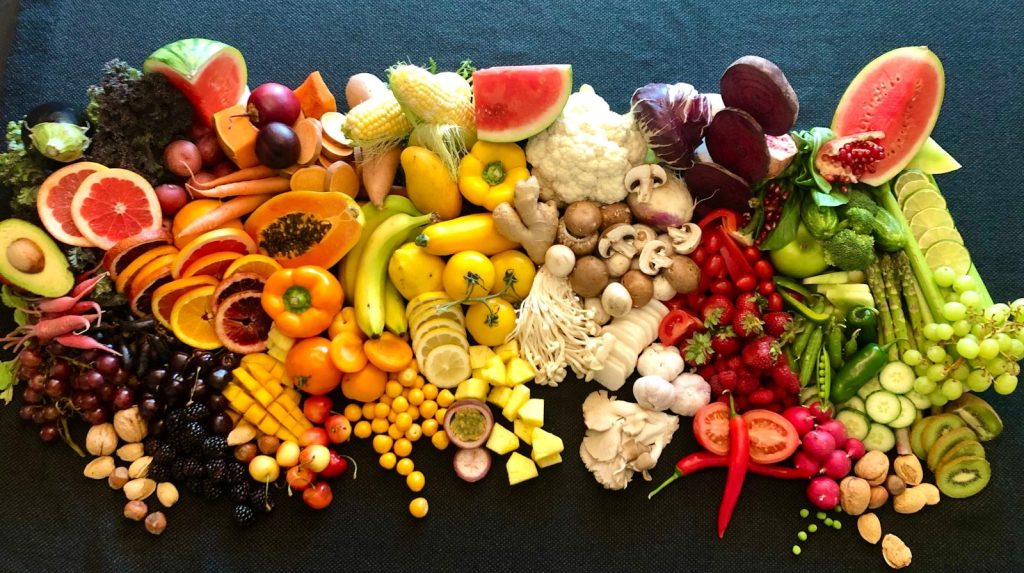
    Researchers have named the creature “The Phantasm” because of its transparent, flickering skin. It was found floating near a hydrothermal vent, where the water is hot enough to melt lead. While most deep-sea animals are small and slow, this creature moved with a fluid, intelligent grace. It appeared to be observing the robotic sub, mimicking the movements of the mechanical arm. Scientists believe this is the first evidence of high-level intelligence at these extreme depths. But wait until you see the “chemical cocktail” that keeps it alive.

    Surviving the Crushing Weight of Miles

    underwater camera capture
    Photo by Tim Marshall on Unsplash
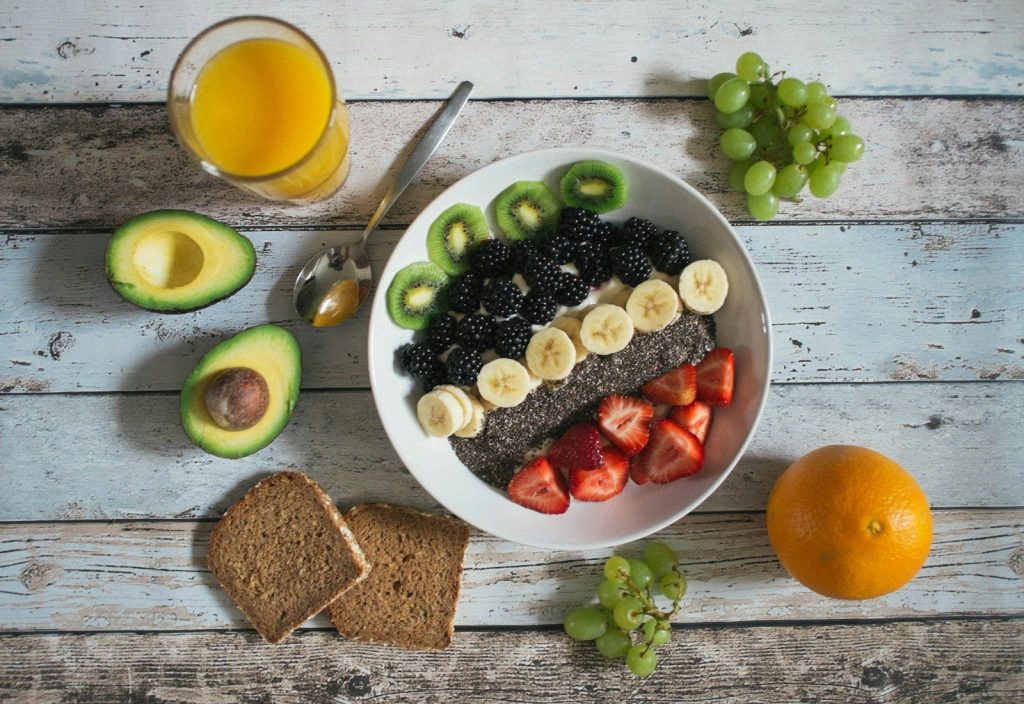
    At five miles down, the pressure is equivalent to having an elephant stand on your thumb. Most biological tissues would be flattened instantly. However, the mystery creature has a unique cellular structure that uses “piezo-proteins.” These proteins actually get stronger as the pressure increases. It is a masterpiece of natural engineering that human materials can’t yet match. The creature essentially “uses” the weight of the ocean to hold its shape together. But its diet is even more shocking than its strength.

    A Creature That Eats Radioactive Silt

    a blue starfish on a coral reef
    Photo by David Clode on Unsplash
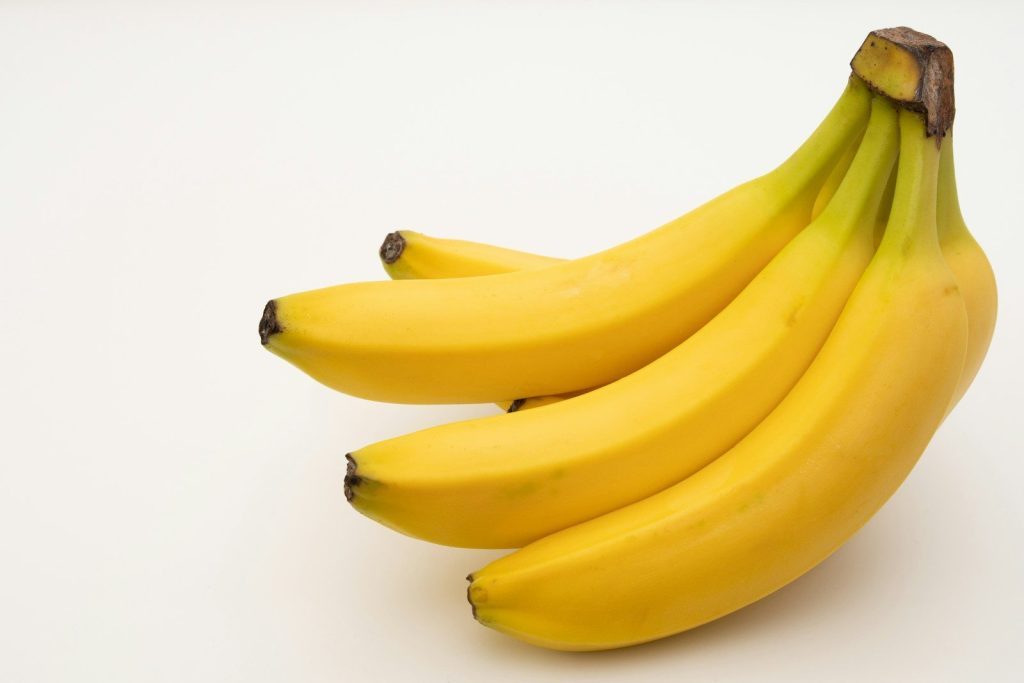
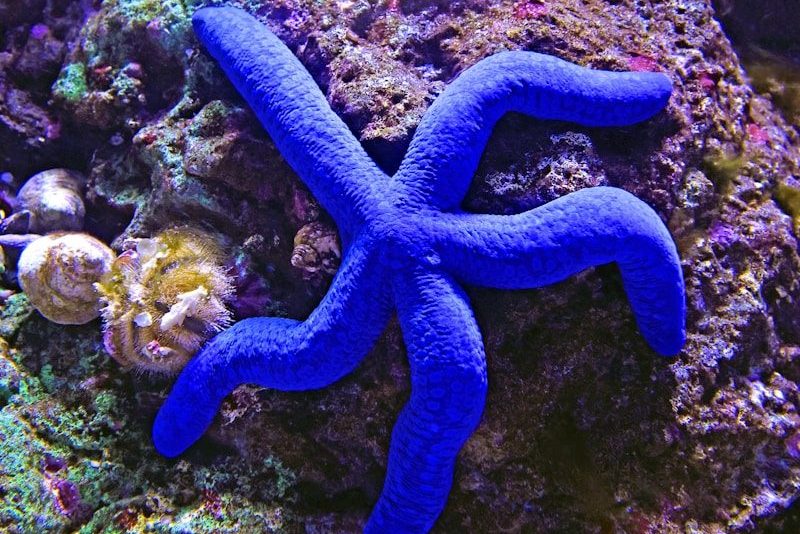
    Unlike animals that hunt fish or eat plants, this mystery creature was seen “grazing” on radioactive silt near the trench wall. Its DNA suggests it has a specialized organ that converts radiation into metabolic energy. It is essentially a living nuclear reactor. This discovery has massive implications for our search for life on other planets, like Jupiter’s moon Europa. If life can thrive on radiation in Japan’s trenches, it could be everywhere in the solar system. But the creature’s tentacles hide a second secret.

    Tentacles That Act Like Neural Cables

    macro shot photography of starfish
    Photo by David Clode on Unsplash

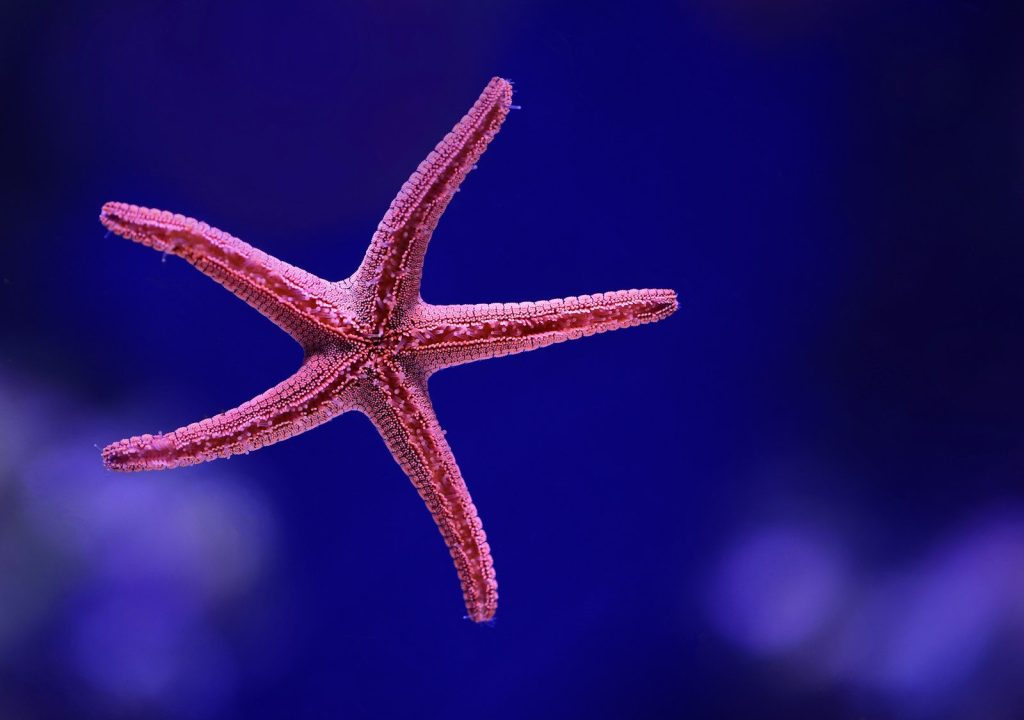
    The creature has hundreds of microscopic filaments that reach out several feet from its body. These aren’t just for grabbing food. Scientists used laser sensors to detect that these tentacles are actually “firing” electrical signals into the water. It appears the creature is creating a massive, invisible web to feel the vibrations of the Earth’s crust. It might be able to “hear” an earthquake days before it happens. It is a biological early warning system that has been silent for millions of years. But is it alone down there?

    The Discovery of a Sunken Nursery

    Captivating image of a glowing blue jellyfish in a dark, mysterious underwater setting.
    Photo by Selvin Esteban on Pexels

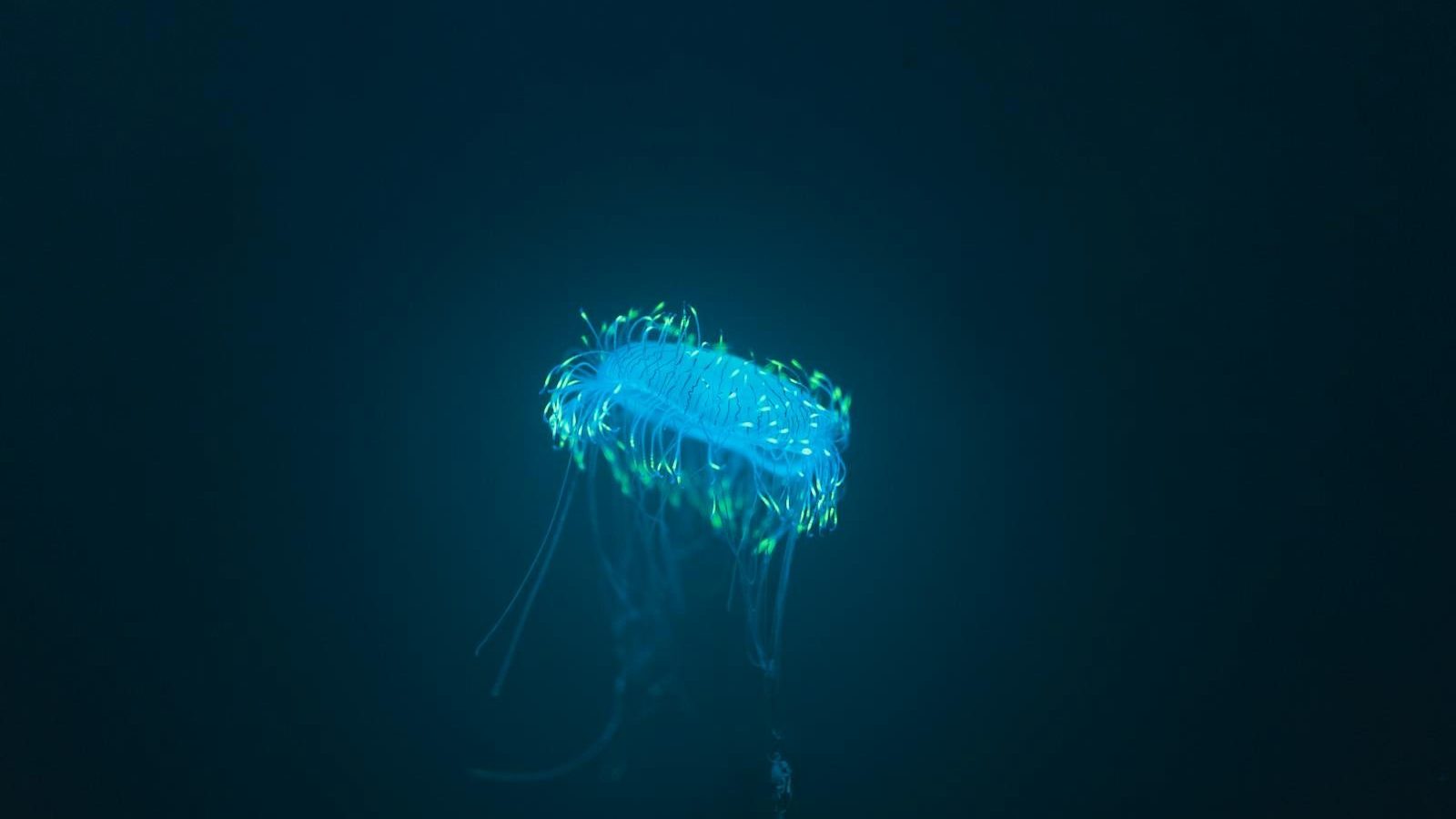
    Following the creature, the robotic sub discovered a hidden cavern in the side of the trench. Inside were thousands of smaller, glowing orbs. It appears to be a communal nursery for the mystery species. The cavern is protected by a natural magnetic field, which suggests the creatures might be using the Earth’s magnetism to navigate and communicate. We aren’t just looking at one weird animal; we are looking at a hidden civilization of the abyss. But what happens if we bring one to the surface?

    The Problem with Bringing Light to the Dark

    yellow and black gas lamp
    Photo by NOAA on Unsplash

    Capturing one of these creatures is nearly impossible. As soon as they are moved into lower pressure or exposed to sunlight, their liquid-glass bodies begin to dissolve. To study them, Japanese scientists had to build a “hyperbaric lab” on the sea floor. This allows them to observe the creatures in their natural habitat without killing them. The 2026 data show that these beings have a genetic memory that dates back to the time of the dinosaurs. But wait until you see the message they are sending.

    A Biological Warning for the Surface

    the sun shines brightly in the blue water
    Photo by Aristos Aristidou on Unsplash
    The electrical pulses from the creature’s tentacles aren’t random. AI researchers have found a repeating pattern that matches the “rhythm” of the ocean currents. It seems the creatures are communicating the “health” of the deep sea to each other. By decoding these signals, we might be able to understand the true impact of climate change from the bottom up. The mystery creature is acting as a silent witness to our world’s transformation. But can we actually learn to “talk” to them?

    The New Bridge Between Worlds

    Aerial view of a chain of islands in the ocean.
    Photo by USGS on Unsplash

    Japan is now planning a permanent “Deep Sea Embassy” in the trench. This facility will use AI-powered sensors to translate the electrical language of the abyss. We are moving from being observers to being participants in this underwater world. The mystery creature is no longer a monster, but a potential partner in our understanding of life. This is the most significant discovery of our time. But what will we find when we finally “crack the code” of their ancient language?

    The Final Countdown for Deep Sea Secrets

    shark, fish, sea, ocean, underwater, aquarium, nature, marine life, sea life, ocean life, animal, wildlife, fauna
    Photo by PublicDomainPictures on Pixabay

    We are standing at the end of a long period of ignorance. The 2026 deep-sea scans have revealed that we are not the only intelligent life on this planet. The mystery creature of the Japan Trench is a reminder that the world is much bigger and stranger than we can imagine. The journey to understand the abyss has just begun. Stay curious, because the next big discovery is just a few miles below your feet.

    Featured Image: Photo by TheDigitalArtist on Pixabay

  • Great cars, everyone should drive at least once

    Great cars, everyone should drive at least once

    Driving is more than just getting from point A to point B. For some, it is an art form. There are certain vehicles that transcend the metal and rubber they are made of to offer a visceral, life-changing experience. Whether it’s the roar of a classic V8 engine or the silent, neck-snapping acceleration of a modern electric motor, these cars represent the peak of human engineering and passion. Everyone who loves the open road should find a way to get behind the wheel of these legends at least once.

    In 2026, the car world is changing fast, but these icons remain the gold standard for enthusiasts. We aren’t just talking about expensive supercars that no one can afford. Some of these are surprisingly accessible, while others are historical masterpieces that defined an era. Each one offers a unique “soul” that you can’t find in a standard commuter vehicle. But which car tops the list for pure, unfiltered driving joy? You might be surprised by the tiny giant that changed everything.

    The Mazda Miata is Pure Driving Joy

    a white sports car parked in a parking garage
    Photo by Darrien Staton on Unsplash
    The Mazda MX-5 Miata is proof that you don’t need a thousand horsepower to have the time of your life. It is lightweight, perfectly balanced, and features one of the best manual shifters ever made. When you drop the top and hit a twisty backroad, the car feels like an extension of your own body. It isn’t about top speed; it’s about how it makes you feel at 40 miles per hour. This car taught the world that “simple” is often better. But if you want to feel the raw power of American history, you need to look at something much louder.

    The Ford Mustang and the V8 Soul

    black Ford Mustang coupe parked near green tree
    Photo by Agustin Segura on Unsplash
    There is a specific vibration you feel in your chest when a Ford Mustang V8 roars to life. It is the sound of freedom and the American dream. Driving a Mustang is a lesson in torque and bravado. It doesn’t care about being subtle; it wants to be noticed. Whether it’s an old 1960s fastback or a modern GT, the experience of a heavy-hitting muscle car is a rite of passage for every driver. It is a machine designed for the drag strip and the boulevard. But what happens when German precision enters the chat?

    Porsche 911 is the Ultimate Precision Tool

    black porsche 911 on road during daytime
    Photo by Josh Berquist on Unsplash
    For over sixty years, the Porsche 911 has been the benchmark for every other sports car on the planet. Its engine sits in the “wrong” place—behind the rear axle—yet it handles with a level of surgical precision that is almost supernatural. Driving a 911 is a lesson in engineering excellence. It is a car that can be driven to the grocery store on Monday and a racetrack on Sunday without missing a beat. It is the thinking man’s sports car. But is there a car that offers this much fun for a fraction of the price?

    The Original Mini Cooper Tiny Legend

    black porsche 911 on road
    Photo by Ivan Didenko on Unsplash

    Don’t let its size fool you. The original Mini Cooper was a giant-killer on the rally circuit. Driving one today feels like riding in a motorized go-kart. It is low to the ground, incredibly agile, and surprisingly spacious inside. It changed the way we think about small cars and urban mobility. You can park it anywhere, but you’ll want to drive it everywhere. It is the ultimate city car with a racing heart. However, the world of speed has a new king that doesn’t use a drop of gasoline.

    Tesla Model S Plaid Silent Speed

    a car parked in a parking lot next to a pile of tires
    Photo by Tobias Flyckt on Unsplash
    The Tesla Model S Plaid is a car that breaks the laws of physics. It can go from zero to sixty in less than two seconds, all in total silence. Driving one is a disorienting experience that feels more like a roller coaster than a car. It represents the “Quantum Leap” of the automotive industry. No gears, no lag, just instant, overwhelming power. It is a glimpse into the future of transportation. But before we go fully electric, we have to respect the luxury of the British countryside.
    Range Rover is the King of Comfort

    A white range rover parked in a parking lot
    Photo by Mohamad Othman on Unsplash

    The Range Rover is a paradox. It is a rugged off-roader that can climb a mountain, yet it is as comfortable as a five-star hotel room inside. Driving one makes you feel invincible and sophisticated at the same time. It is the car that invented the “luxury SUV” segment. Whether you are fording a river or pulling up to a red-carpet event, it never feels out of place. It is the ultimate all-rounder for those who want everything. But there is one car that is simply more “famous” than any other.

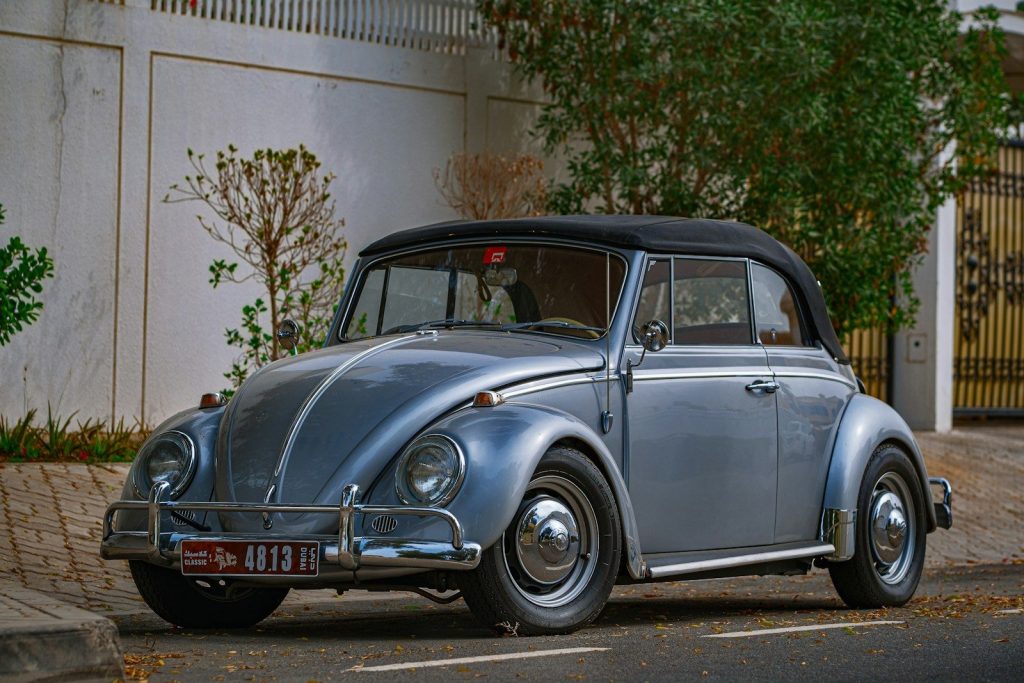
    Volkswagen Beetle, the People’s Car

    blue classic car parked near white building
    Photo by Victor Furtuna on Unsplash

    The Volkswagen Beetle is the most recognizable car ever built. Over 21 million were produced, and driving one is a trip back in time. It is loud, slow, and has no power steering, but it puts a smile on everyone’s face. It represents a simpler era of motoring where the goal was just to get people moving. Owning or driving a “Bug” is about the community and the history, not the performance. It is a cultural icon on wheels. But wait until you see the secret discovery that just happened at the bottom of the sea.

    The Final Verdict on the Drive

    people standing beside blue and yellow cars during daytime
    Photo by Dylan Gillis on Unsplash

    The cars on this list aren’t just machines; they are experiences that define what it means to be a driver. As we move into an era of autonomous pods and AI-controlled traffic, the chance to truly “drive” is becoming rare. We must cherish these mechanical legends while we still can. Find a way to get the keys, find an open road, and see for yourself why these cars are so special. But while we look at the road, a much stranger mystery is rising from the deep in Japan.

    Featured Image: Photo by Baggeb on Pixabay

  • Why Everything You Taught About the “Mandela Effect” Is Psychologically Wrong

    Why Everything You Taught About the “Mandela Effect” Is Psychologically Wrong

    The internet is obsessed with the idea that we are living in a simulation. People point to the “Mandela Effect” as the smoking gun. They swear they remember Nelson Mandela dying in prison, or the Berenstain Bears being spelled with an “e.” They believe these “glitches” prove we have slipped into a parallel universe. But the real science of 2026 is much more terrifying. It turns out our brains are simply designed to lie to us to keep us sane.

    The Mandela Effect is actually a “Social Memory Virus.” We don’t just remember things incorrectly; we “infect” others with our false memories. This article will show you why your brain is the ultimate trickster. It isn’t the universe that’s broken—it’s your biological hardware. We are looking at a total reset of how we trust our own history. But wait until you see the “Looney Tunes” name change that never happened.

    The Case of the Missing “o” in Toons

    a microphone in a dark room with neon lights
    Photo by Chad Stembridge on Unsplash

    Most people remember it as “Looney Tunes” because they are cartoons. But it has always been “Looney Tunes,” as in music. This is a “Semantic Error.” Our brain groups related concepts together. Since cartoons and “Toons” are a perfect match, our brain “corrects” the spelling without us knowing. We are essentially editing the world to make it more logical. But why do we get so angry when someone points it out?

    The Defense Mechanism of the Mind

    Sunlight casts a diagonal shadow on a concrete wall.
    Photo by set.sj on Unsplash

    When our memory is challenged, our brain reacts as if it’s being attacked. We feel a “Threat Response.” To protect our sense of self, we invent wild stories about “Time Travel” or “CERN.” It is a psychological shield against being wrong. We would rather believe the laws of physics failed than admit we forgot a letter. This is why the Mandela Effect is so hard to kill. But the “Fruit of the Loom” logo is the ultimate test.

    Hallucinating the Cornucopia

    A basket filled with fresh cherries on a rustic table with a woven cloth, perfect for vibrant summer themes.
    Photo by Evgeniy Alekseyev on Pexels

    Millions of people “remember” the cornucopia in the Fruit of the Loom logo. Some even claim they learned what the word meant because of that tag. But the company has never used one. This is “Feature Integration.” Because we see fruit and baskets together so often, our brain “fuses” the images. It is a masterpiece of mental error. We are building a world that doesn’t exist out of thin air. But what happens when this happens to world history?

    How News Becomes a Shared Lie

    a small television sitting on top of a wooden dresser
    Photo by Santiago Avila Caro on Unsplash

    The “Mandela” part of the effect comes from people remembering him dying in the 1980s. This is caused by “Source Confusion.” People likely saw news reports about other activists or a similar funeral, and their brains “tagged” it to the most famous name. Once a few people say it out loud, it becomes a “Social Fact.” We are rewriting history through conversation. But wait until you see what the “Smartphone Brain” is doing to these errors.

    Why Memory Is Dying in 2026

    Close-up of a hand typing on a computer keyboard.
    Photo by Alicia Christin Gerald on Unsplash

    As we rely more on Google, our “Recall Accuracy” is dropping. The Mandela Effect is becoming more common because we no longer exercise our memory muscles. We are essentially living in a “Permanent Present” where the past is whatever the top search result says. This is leading to a massive shift in human culture. We are losing our anchor to the truth. But can we actually “fix” the Mandela Effect?

    Training Your Brain to See the Truth

    person using black laptop computer
    Photo by Hillary Black on Unsplash

    The only way to fight these brain lies is “Metacognition”—thinking about how you think. By realizing your memory is a draft, not a recording, you can stay objective. The 2026 “Truth Tests” show that people who are skeptical of their own memories are less likely to fall for the Mandela Effect. We have to learn to be our own detectives. But is the whole world just a simulation after all?

    The Simulation Debate Ends Here

    Green data streams create a digital tunnel.
    Photo by Logan Voss on Unsplash

    The Mandela Effect isn’t proof of a simulation; it’s proof of the brain’s beauty. It shows how creative and flexible our minds really are. We are “Meaning Machines” that would rather see patterns in the noise than admit there’s nothing there. The 2026 psychology reveal is a wake-up call. We are the architects of our own reality. The journey into the human mind is the real “parallel universe.”

    The Final Verdict on Memory

    Rolling hills at dusk with a soft pastel sky
    Photo by R_ INVSCIMENTO on Unsplash

    We have explored the lost library, the lying brain, the shrinking IQ, and the hidden ice cities. These stories remind us that the future isn’t something that happens to us—it’s something we build with our thoughts. Stay curious, stay skeptical, and keep looking for the real connection in your own backyard. The world is just beginning to open up, and the best is yet to come.

    Featured Image: Photo by Matúš Kovačovský on Unsplash

  • There a “Lost” Civilization Preserved Under the Antarctic Ice?

    There a “Lost” Civilization Preserved Under the Antarctic Ice?

    Antarctica is a land of white silence. But beneath two miles of ice lies a “Ghost Continent” that hasn’t seen the sun in 30 million years. In 2026, scientists using new gravity maps have revealed a world of hidden mountain ranges and deep river valleys. This isn’t just a pile of frozen dirt; it is a perfectly preserved landscape from a different era. The question is: was there someone there to see it before it froze?

    These new maps are hitting the news as the “last frontier” of Earth. Researchers are finding that Antarctica was once a lush, green paradise. This discovery is changing everything we know about where our ancestors might have lived. We are looking at a time capsule the size of a continent that is starting to melt. But what exactly is hiding in those sub-glacial lakes? Wait until you see the “Piri Reis” map mystery.

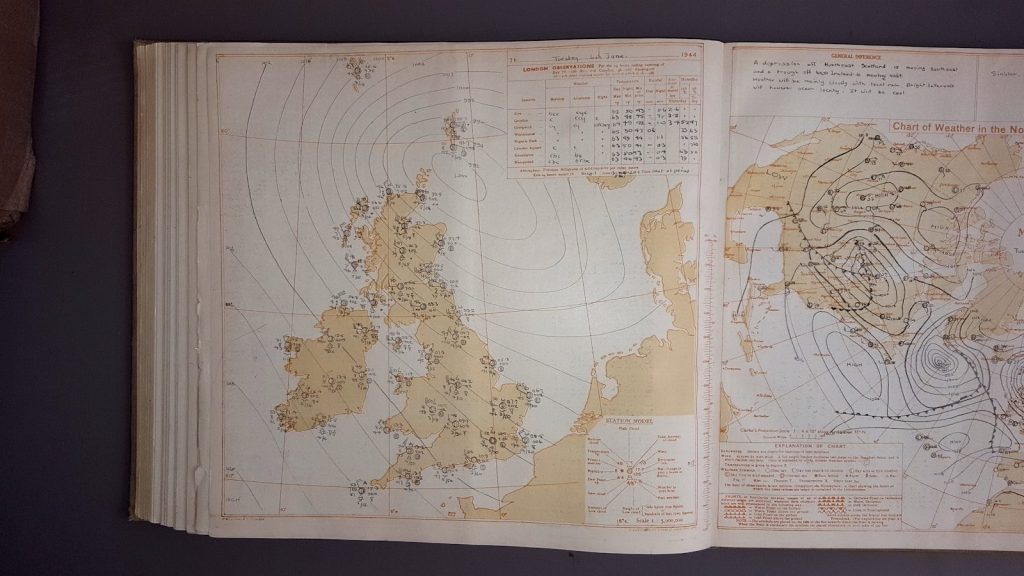
    The Map That Shows Antarctica Without Ice

    political map book page
    Photo by NOAA on Unsplash

    One of the greatest mysteries is the Piri Reis map from 1513. It appears to show the coastline of Antarctica without any ice. For centuries, historians thought it was a mistake. But modern sub-glacial scans prove the map is incredibly accurate. This suggests that a lost civilization might have explored the continent before it froze. We are looking at a history that our textbooks haven’t even written yet. But what did they find in the mud?

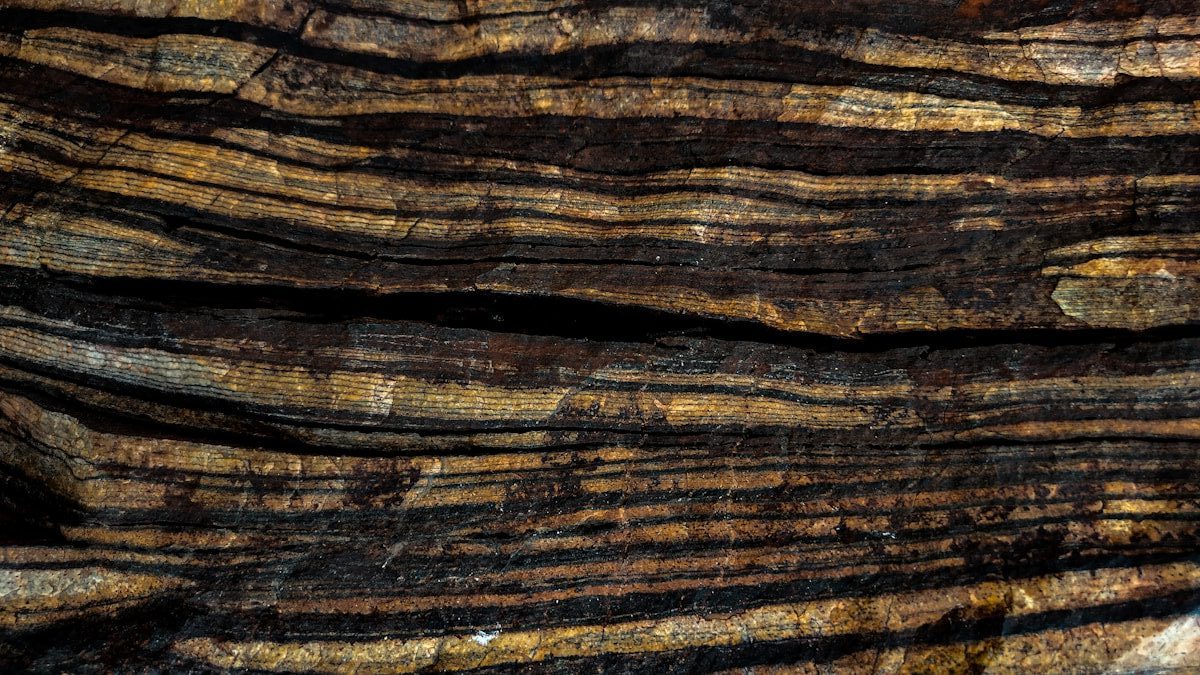
    Fossilized Forests in the Frozen Desert

    a piece of wood that is brown and black
    Photo by Aditya Ghodke on Unsplash

    In 2026, drilling teams pulled up soil samples containing tree roots from 90 million years ago. This proves that Antarctica was once covered in temperate rainforests. Giant reptiles and early mammals once roamed these woods. We are realizing that the South Pole was the “central station” for life on Earth before the continents drifted apart. It was a bridge between the Americas and Australia. But the ice is now telling a secret about our future.

    The Ghost Mountains of the South Pole

    Snow-covered mountains with pine trees below.
    Photo by Ahmet Yüksek ✪ on Unsplash

    Deep inside the ice sheet, there is a mountain range the size of the Alps. They are “pristine” peaks that have been protected from wind and rain by the ice for eons. Scientists believe these mountains hold the secret to how the Ice Age actually began. But the real surprise is the water flowing beneath them. There are over 400 liquid lakes buried under the ice. Some could house “alien” life forms. But could a human city be down there?

    The Mystery of the Anomalous Heat Spots

    earth, continents, land, satellite map, night
    Photo by WikiImages on Pixabay

    Satellite scans have picked up “heat anomalies” deep beneath the ice. While some are volcanoes, others have a shape that looks suspiciously geometric. Some researchers whisper about “buried structures” that generate their own heat. While the mainstream scientific world is skeptical, the data is hard to ignore. We are essentially living on top of a giant pressure cooker. What happens if these “civilization sites” are revealed as the ice melts?

    The “Time Machine” Trapped in Air Bubbles

    Close-up of trapped air bubbles in ice creating a unique texture.
    Photo by Colour Zony on Pexels

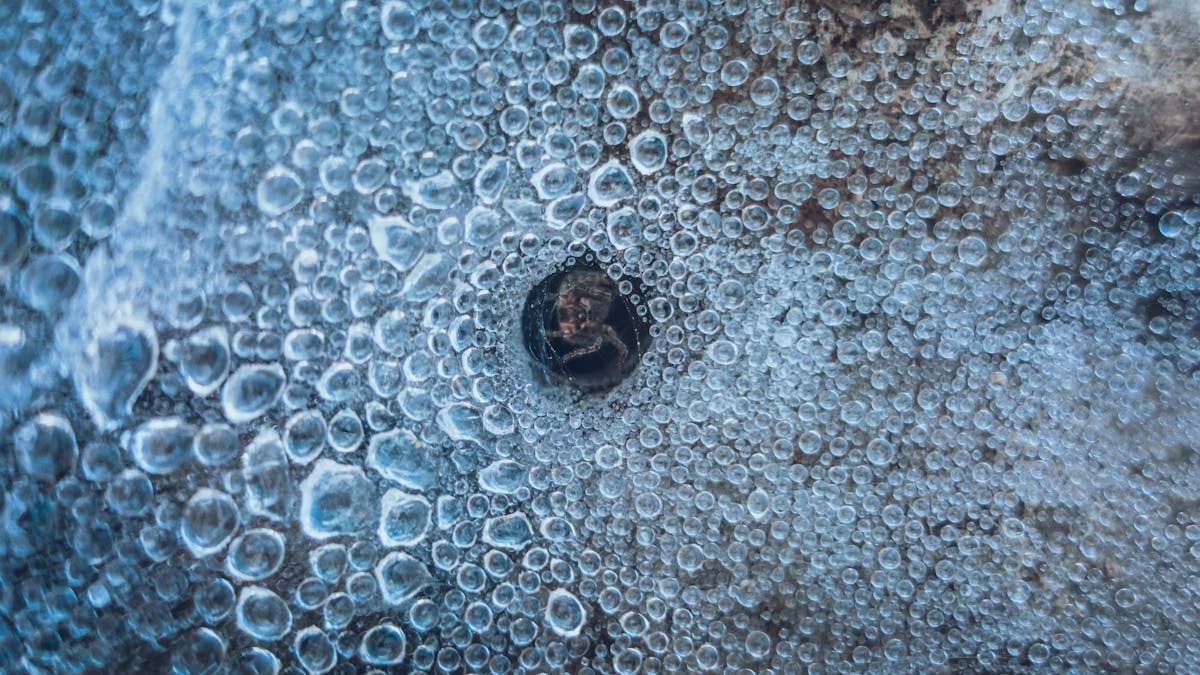
    Every time snow falls, it traps a tiny bit of the atmosphere. By drilling deep into the “lost continent,” scientists can “breathe the air from 800,000 years ago. This ice core data is the most accurate record of our planet’s history. It shows us exactly how much the world has changed. It is a biological ledger of our world’s health. But wait until you see the “red waterfall” that looks like blood.

    Blood Falls and the Iron Secret

    a large waterfall is coming out of the side of a cliff
    Photo by Geronimo Giqueaux on Unsplash

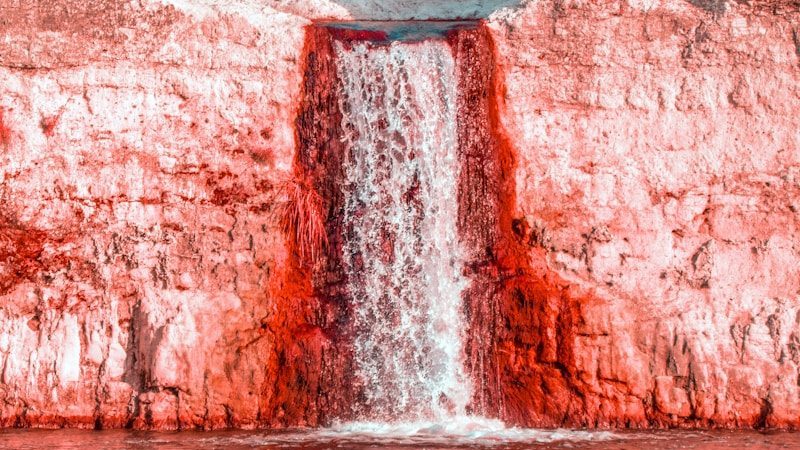
    In the McMurdo Dry Valleys, a glacier is “bleeding.” This is Blood Falls. For a long time, we thought it was algae. However, the 2026 data shows it is saltwater rich in iron from a reservoir that hasn’t seen oxygen in two million years. It “rusts” instantly when it hits the air. This prehistoric soup contains microbes that survive without sunlight. It is the blueprint for how life might exist on other planets. But is the continent about to wake up?

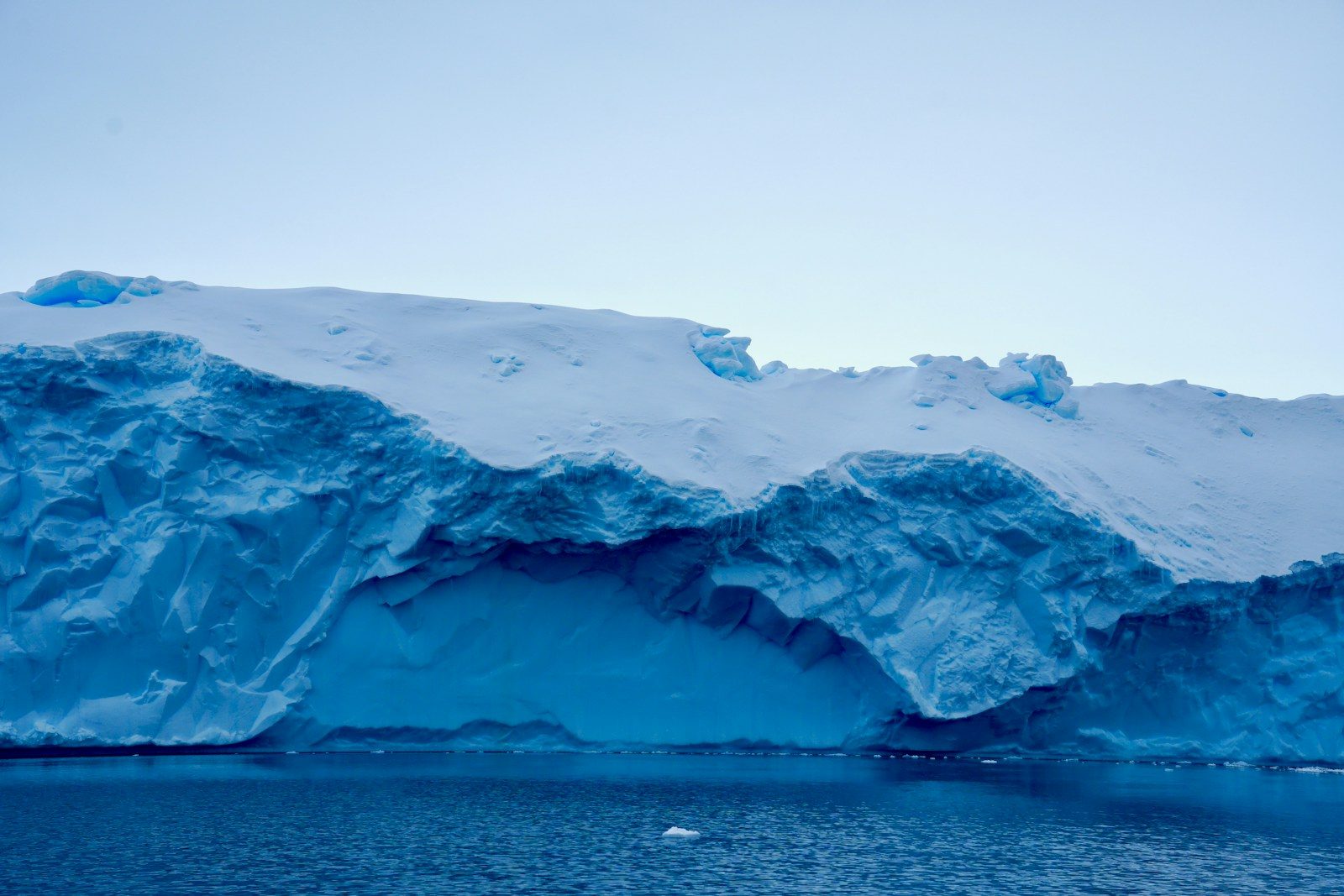
    The Final Countdown for the Lost Continent

    ice berg beside river
    Photo by Annie Spratt on Unsplash

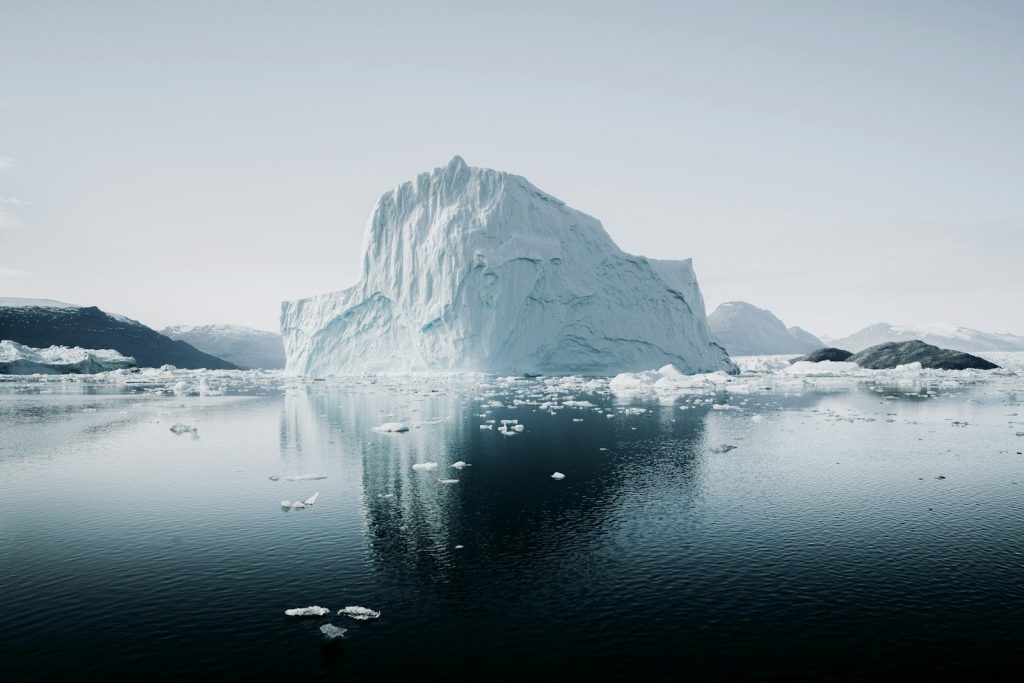
    The race is on to map every inch of the lost continent before the melting accelerates. We are finding that Antarctica is more than just a block of ice; it is a vital organ for our planet. The secrets hidden in the mud could save our future or warn us of our end. It is a story of a world that was, and a world that could be again. But are you ready for the truth about the Library of Alexandria?

    Featured Image: Photo by Jota Van Deiri on Unsplash