Author: Dylan

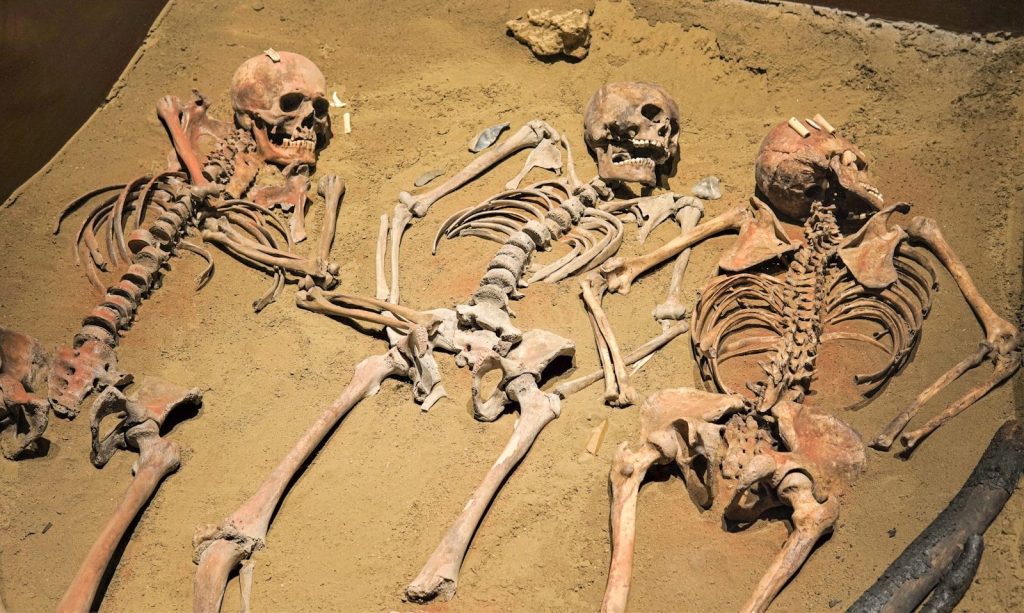
  • What The Real Helen Of Troy Actually Looked Like

    What The Real Helen Of Troy Actually Looked Like

    Most history lovers picture Helen of Troy based on modern cinema castings. We imagine her as a classic European queen with a specific look.

    But ancient DNA and scientific reconstructions are painting a completely different picture of the Bronze Age. Modern discoveries are shattering long-held assumptions about ancient Greece.

    A Mythological Figure In Reality

    Old desk with books, inkwell, and papers.
    Photo by K. K. on Unsplash

    Helen of Troy has captivated human imagination for thousands of years. According to archaeological records, Homer set his stories in the late Bronze Age around twelve hundred BC. This was a legendary era. Researchers have spent centuries trying to separate historical facts from grand mythological storytelling. But finding the physical truth about these ancient people required looking deep inside their bones.

    Decoding Ancient DNA

    a close up of a model of a human cell
    Photo by Ekke Krosing on Unsplash

    Modern geneticists have recently unlocked the secrets of ancient Mediterranean populations. According to a study published in Nature, researchers extracted DNA from Bronze Age skeletons found in Greece and the Aegean islands. The results were highly surprising. The data revealed a complex genetic tapestry that challenges modern ideas of racial categories. This genetic blueprint showed a deep connection to multiple ancient migrations.

    The Mycenaean Genetic Reality
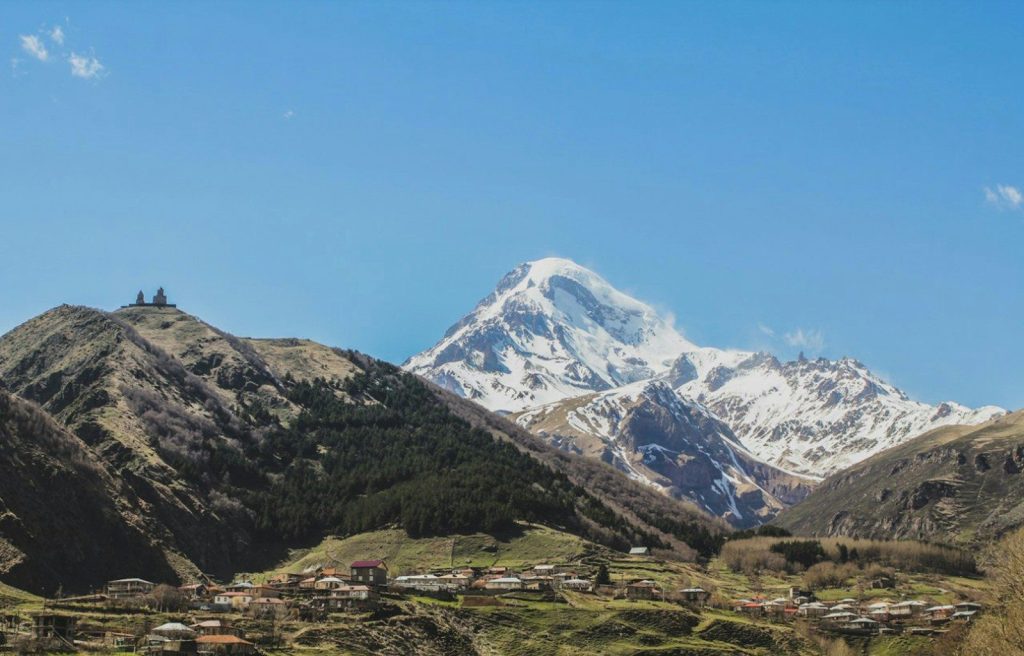
    Snow-capped mountain range above a small village
    Photo by Artem on Unsplash

    Historians refer to the ancient rulers of Bronze Age Greece as the Mycenaeans. According to genetic analysis, these ancient people descended from a mixture of early European farmers and travelers from the Caucasus. They had complex roots. This genetic signature produced a variety of physical traits across the population rather than a single uniform look. But ancient poets described their heroes in a very specific way.

    Poetic License And Golden Hair

    A beautifully written calligraphy page with an intricate marbled background and a carved wooden pen.
    Photo by betül nur akyürek on Pexels

    Classic literature often used symbolic descriptions for beauty. According to classical scholars, Greek writers like Sappho often described Helen as having golden or fair hair to symbolize her divine parentage. It was a poetic device. These descriptions were meant to signal her status as a daughter of Zeus rather than record her literal physical genetics. This literary tradition created a strong cultural image that endured for millennia.

    The True Bronze Age Look
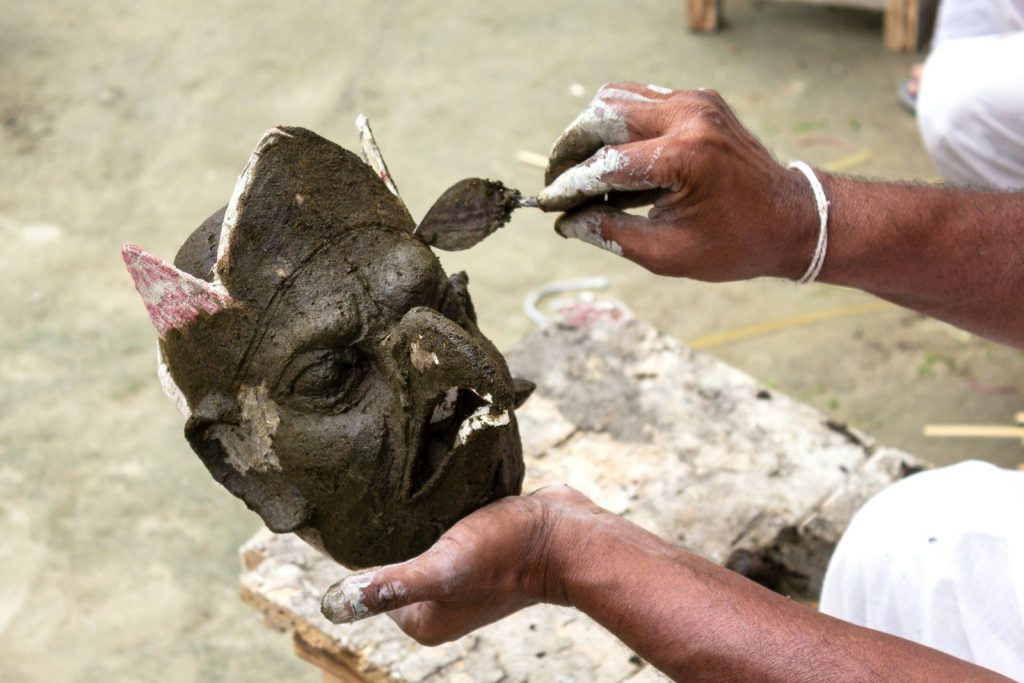
    Hands sculpting a clay mask with intricate details.
    Photo by Rohit Dey on Unsplash

    Forensic facial reconstructions offer a realistic look at these ancient elites. According to forensic anthropologists, Bronze Age Mediterranean people typically had dark hair, dark eyes, and olive or sun-bronzed skin. They were striking figures. The idealized blonde-haired depictions of later European art do not match the physical reality of the Mycenaean period. This scientific evidence shows that beauty in the ancient world was highly diverse.

    A Crossroads Of Civilizations
    A stunning aerial photograph of Srinagar showcasing a central landmark amidst urban sprawl.
    Photo by Imad Clicks on Pexels

    Troy was a thriving center of trade at the edge of Europe and Asia. According to historical research, the city was a multicultural hub where travelers from different continents met and lived together. It was a bustling metropolis. This constant exchange of people and cultures created a diverse community that defies simple modern labels. But modern cultural debates about historical casting often forget this reality.

    Embracing The True History

    a room filled with lots of statues of animals
    Photo by 2H Media on Unsplash

    Archaeology is helping us see the ancient world as it truly was. According to modern historians, understanding the diverse and complex roots of the Bronze Age makes these timeless stories even more captivating. History belongs to everyone. True beauty in ancient Troy transcended simple modern racial definitions. This article is for informational purposes only.

    Featured Image: Photo by Constantinos Kollias on Unsplash

  • The Science Behind Dogs Detecting Human Brain Trauma

    The Science Behind Dogs Detecting Human Brain Trauma

    Most medical experts believe that brain damage recovery requires advanced hospital technology. We assume that machines provide the only reliable signs of neurological changes.

    But a trained therapy dog recently defied all scientific expectations. Her sudden behavior next to a comatose patient revealed a hidden biological connection.

    A Strange Chemical Scent

    white and brown short coated dog
    Photo by Zaur Giyasov on Unsplash

    Humans emit subtle chemical changes when the nervous system suffers a major trauma. According to a study by the University of Florida, canine noses can smell these microscopic shifts in real time. It is a biological marvel. This super scent allows dogs to sense physical distress before machines even register a change. But a deep bond triggers a far more mysterious physical response.

    Hearts Beating In Sync

    A person holds a beagle puppy's head.
    Photo by Max Bvp on Unsplash

    The connection goes far deeper than smell alone. According to research from the canine science laboratory, a dog and their handler can synchronize their heart rates within minutes. They are perfectly matched. This cellular connection allows an animal to calm a patient’s chaotic nervous system. What happened when the dog climbed onto the hospital bed shocked the entire room.

    A Sudden Spike Observed

    white wall mounted flat screen tv
    Photo by Stephen Andrews on Unsplash
    Doctors watched the medical monitors with rising confusion. According to the hospital medical records, the boy’s flat brainwave patterns suddenly spiked when the animal rested her head on his chest. It was shocking. Brain regions associated with touch and comfort began lighting up after months of silence. This unexpected neural activity began to trigger a series of fast physical reactions.

    Redefining Healing Power

    A black and white photo of a brain
    Photo by Bhautik Patel on Unsplash
    The physical contact initiated a massive flood of healing hormones. According to neurobiology reports, the interaction stimulated a heavy release of oxytocin in the boy’s nervous system. The healing began immediately. This chemical surge actively helps damaged brain pathways repair themselves. But the child was about to do something his medical team thought was entirely impossible.

    The Impossible First Movement

    a dog is being petted by a person
    Photo by Benjamin Williams on Unsplash

    The quiet boy slowly moved his fingers to grip the thick dog fur. According to the lead pediatrician, this physical response defied every scientific prediction on his medical chart. The room fell silent. It proved that deep emotional stimulus can sometimes bypass broken neurological pathways. And this small movement was only a preview of what happened next.

    Changing Modern Medicine

    Doctor hands examining and pointing at medical charts in a close-up view.
    Photo by cottonbro studio on Pexels

    Medical communities are now viewing animal therapy through a scientific lens rather than a purely emotional one. According to the National Institutes of Health, animal interactions can lower blood pressure and speed up motor skill recovery. It is a revolution. Researchers are rushing to study how these simple creatures stimulate deep brain tissues. But the ultimate lesson of this miracle remains clear.

    Hope Beyond the Technology

    a dog wearing a baseball glove
    Photo by Anya Prygunova on Unsplash

    This incredible event shows that biological connections can succeed where modern devices fail. According to medical historians, the ancient bond between humans and dogs remains one of our greatest health assets. Nature holds the answers. This article is for informational purposes only.

    Featured Image: Photo by Teresa Sturek on Pexels

  • The Ancient Global Symbols Defying Human History

    The Ancient Global Symbols Defying Human History

    Most historians assume that early humans lived in complete isolation. We believe ancient tribes developed unique languages without any outside contact.

    But a shocking discovery of matching geometric symbols across five continents tells a different story. These signs suggest a unified messaging network existed during the Ice Age.

    A Hidden Stone Network

    A dimly lit cave tunnel with rough textured walls.
    Photo by Yosuke Ota on Unsplash

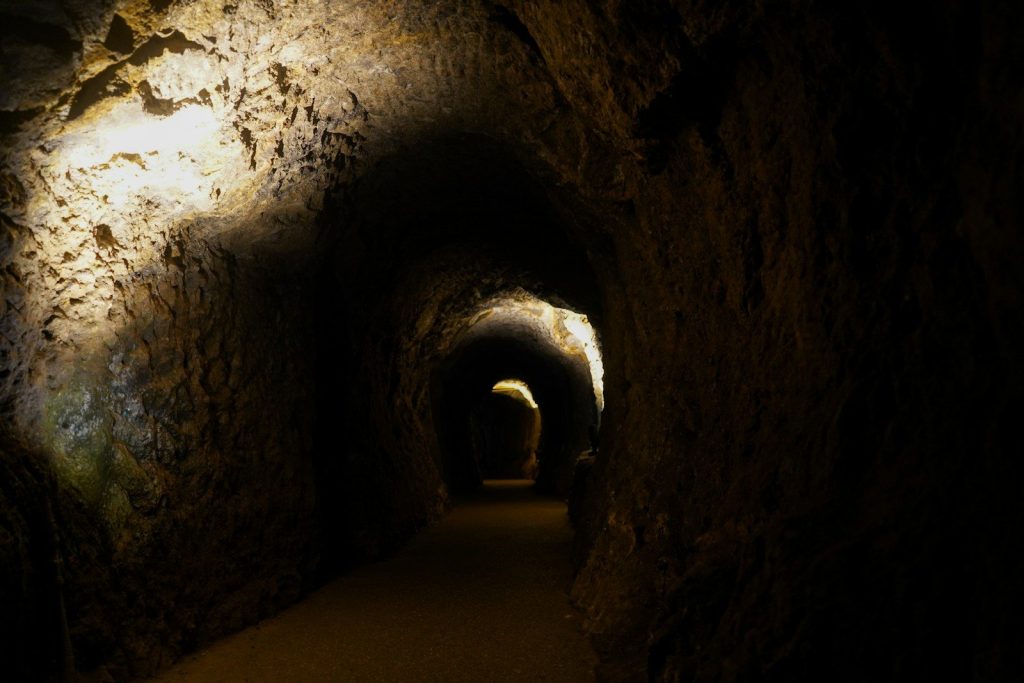
    Deep inside dark caves, researchers are uncovering something highly unusual. According to archaeological reports, exactly thirty-two geometric shapes appear on rock walls across the entire planet. They are identical. This consistent marking pattern spans from Europe to Australia. But the most baffling detail is when these symbols first appeared.

    Reaching Back In Time

    a close up of a rock on a black background
    Photo by Dulcey Lima on Unsplash

    These strange markings are not random graffiti. According to radiocarbon dating tests, the earliest of these symbols was drawn over thirty thousand years ago. This timeline is stunning. It suggests that prehistoric humans were using a shared graphic communication system long before writing was officially invented. Yet scientists still had to prove the designs were not a coincidence.

    Beyond Pure Coincidence

    graphical user interface
    Photo by MW on Unsplash
    Finding the exact same symbols across thousands of miles cannot be accidental. According to statistical modeling studies, the probability of separate cultures inventing these identical designs is nearly zero. It was highly intentional. The creators were clearly sharing a specific message that resonated across diverse clans. But deciphering the meaning of these patterns required looking at human migration.

    Tracking The Ancient Migrants

    a close up of a map of africa
    Photo by Road Ahead on Unsplash

    The symbols seem to have traveled with early groups as they populated the world. According to genetic migration studies, human populations carried these graphic traditions out of Africa during their grand expansions. They were highly organized. This shared knowledge acted as a cultural anchor across distant environments. But one specific location held a treasure trove of these shapes.

    Secrets of the Lascaux Cave

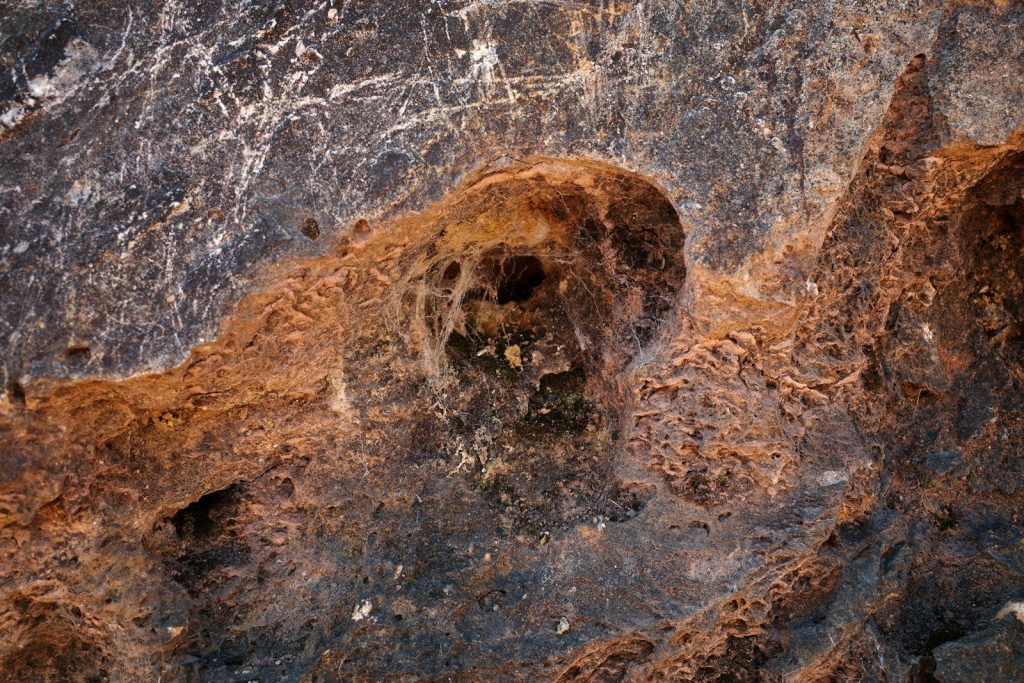
    a large rock with some paintings on it
    Photo by Deb OLIVER on Unsplash
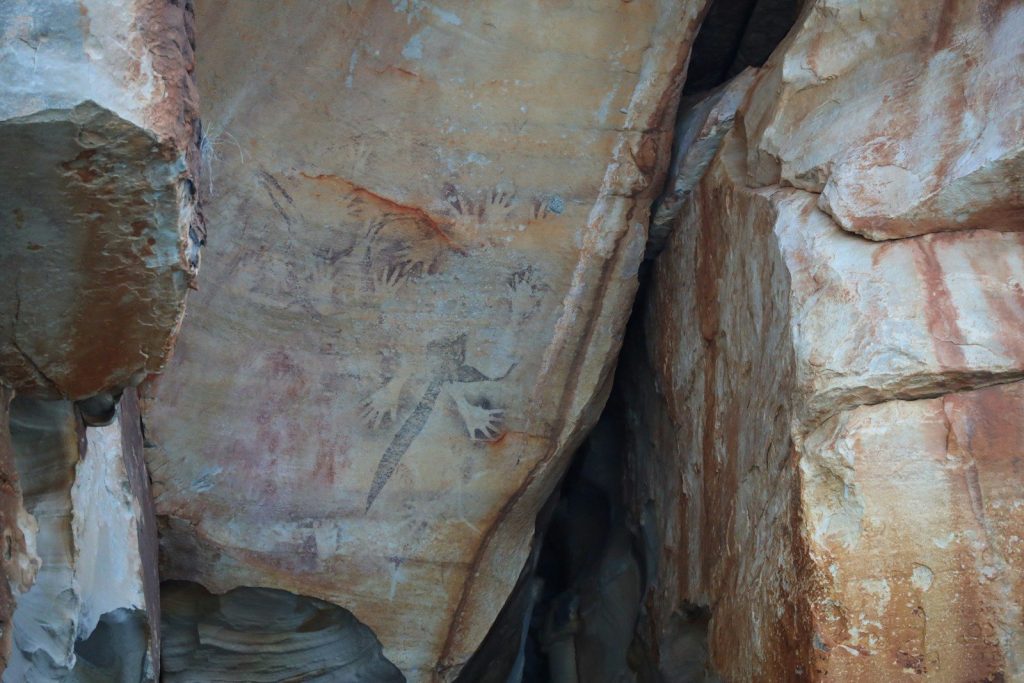
    Famous cave systems contain more than just paintings of animals. According to the French Ministry of Culture, the walls of Lascaux are covered in these mysterious abstract signs. Nobody noticed them before. For decades, experts focused only on the beautiful bulls and horses while ignoring the geometric codes. But these silent symbols may hold the true key to human survival.

    A Code For Survival

    Textured reddish-brown rock surrounded by green grass and dirt.
    Photo by Zoshua Colah on Unsplash
    The shapes likely served a highly practical purpose for survival during extreme weather. According to anthropological research, prehistoric groups used these signs to mark territory or warn others of dangers. This was critical. It was a primitive mapping tool for an increasingly hostile world. But this prehistoric network began to vanish as the glaciers melted.

    The Vanishing Global Code

    a close-up of some ice
    Photo by Martin Sanchez on Unsplash
    As the climate shifted, the ancient connection slowly dissolved. According to evolutionary history reports, rising sea levels and shifting forests forced tribes to develop separate regional identities. The system broke apart. The global symbolic language faded into myth, leaving only these silent rock carvings behind. But modern technology is finally helping us read the messages again.

    Reconnecting Our Ancient Past

    A picture of some rocks and trees in the woods
    Photo by Wolfgang Hasselmann on Unsplash
    Modern scanners are revealing hidden layers of rock art previously invisible to the human eye. According to historical researchers, mapping these symbols shows a deep level of prehistoric intelligence that we are only beginning to appreciate. We are not as different from our ancestors as we think. This article is for informational purposes only.

    Featured Image: Photo by Richard Gabriel Moritz on Unsplash

  • The Dark Physics of Bottomless Underwater Abyss

    The Dark Physics of Bottomless Underwater Abyss

    Most people assume that water-filled sinkholes are simple natural swimming pools. We believe that professional divers can easily navigate these deep flooded caves.

    But a notorious underwater abyss has baffled search teams for decades. Its extreme depths hold a deadly trap that physical laws cannot fully explain.

    Inside The Watery Cave

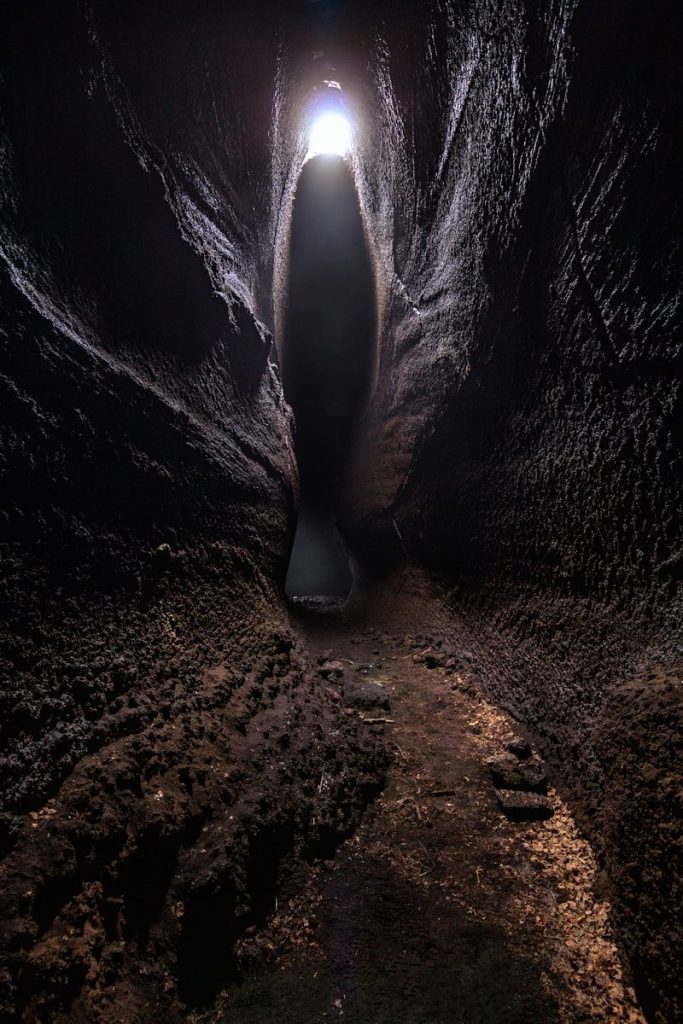
    A dark cave with a light at the end.
    Photo by Marco Grosso on Unsplash

    Deep-water explorers are drawn to mysterious sinkholes despite the obvious risks. According to geographical surveys, these deep formations often drop straight down into completely unexplored aquifer networks. They are incredibly dark. Divers must rely on specialized gear to handle the heavy pressures of the deep water. But a strange physical phenomenon begins to affect the human body at these depths.

    The Nitrogen Gas Trap

    a woman sitting in front of a laptop computer
    Photo by National Cancer Institute on Unsplash

    Surviving in deep water requires more than just oxygen tanks. According to hyperbaric medicine studies, breathing compressed air deep underwater forces nitrogen gas into the diver’s bloodstream. This is extremely dangerous. The sudden chemical shift acts like a heavy narcotic and distorts all human decision-making. And this silent impairment is what leads explorers to a point of no return.

    Losing All Spatial Senses

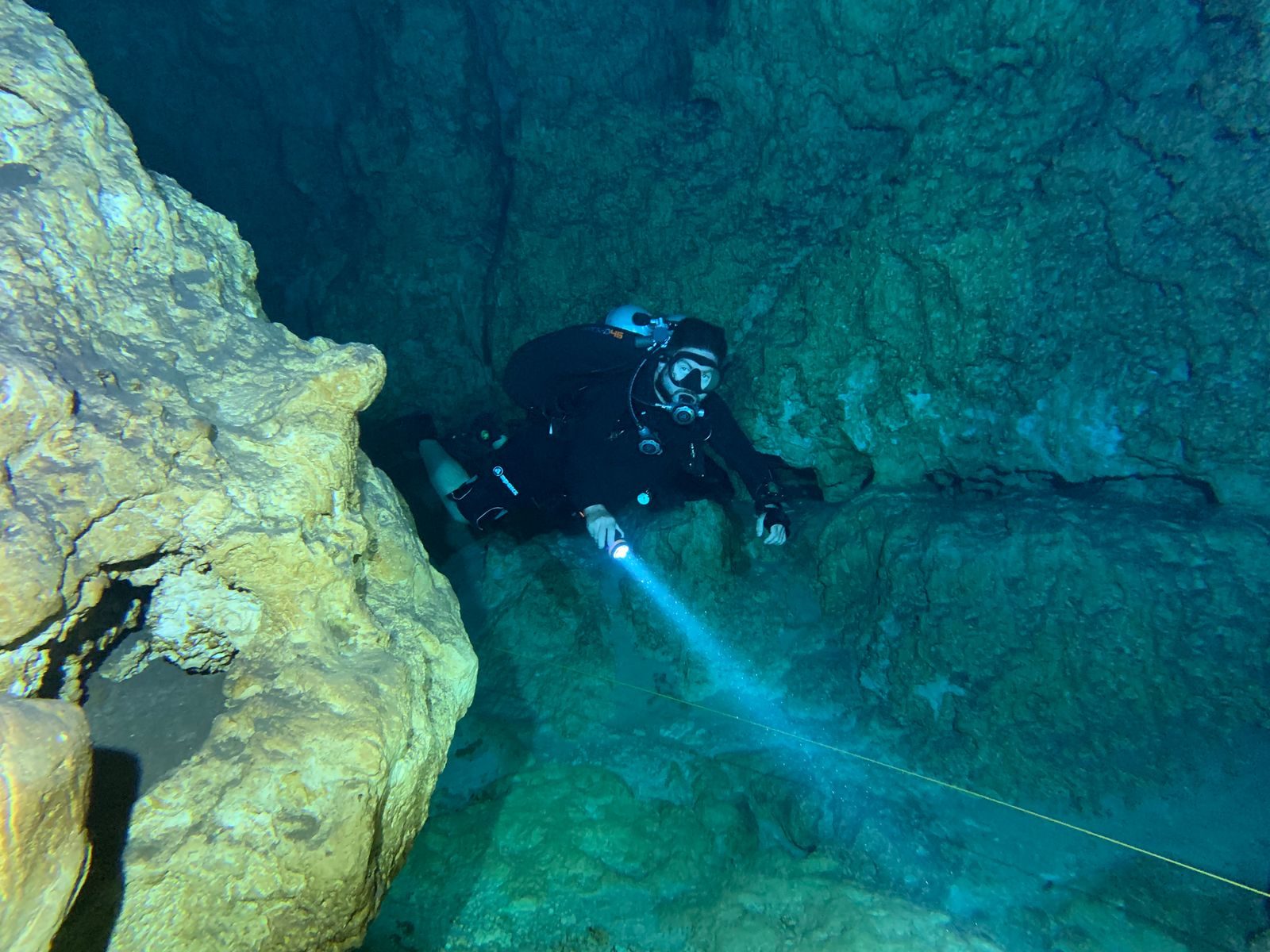
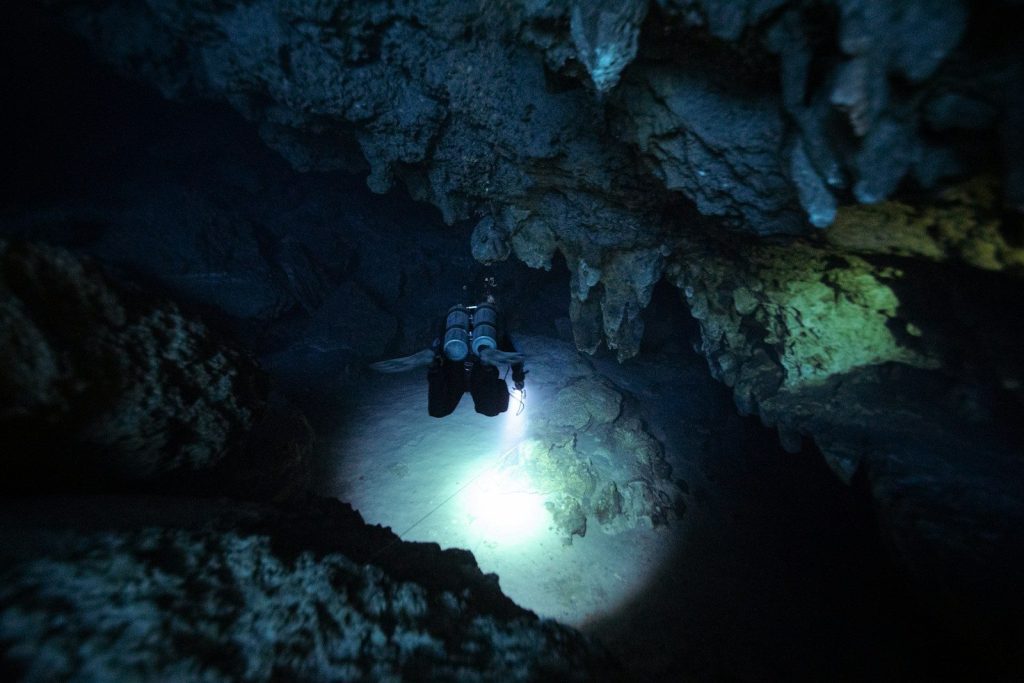
    a person in a cave with a flashlight
    Photo by Thant Aung on Unsplash

    Under high water pressures, human senses quickly begin to fail. According to safety reports from diving associations, explorers in these dark caves often lose their sense of up and down entirely. Fear takes control instantly. Divers can easily swim deeper into the darkness while believing they are heading toward the surface. But this sensory trick is only the first part of the danger.

    A Hidden Silt Wall

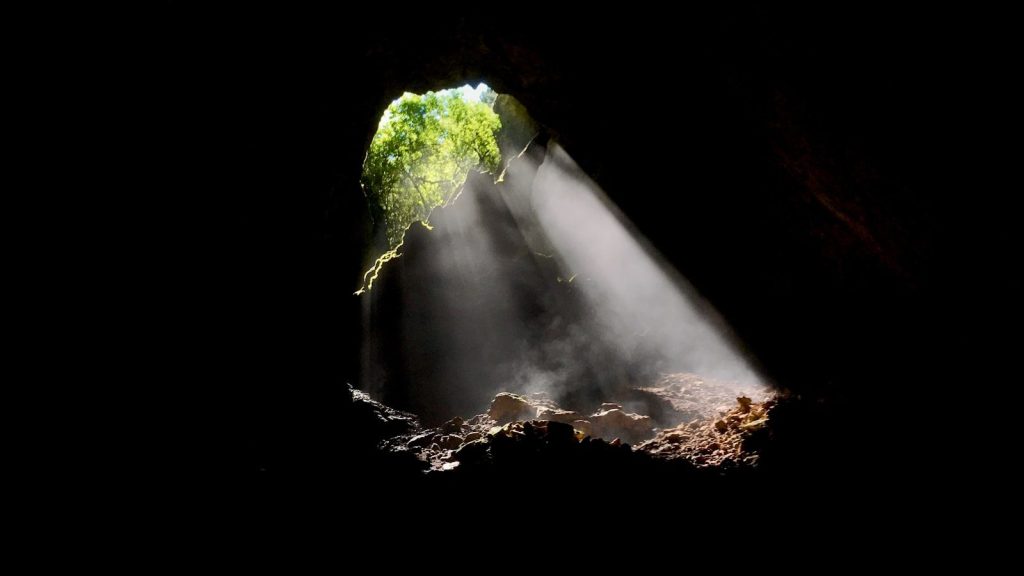
    a light coming from a cave into a body of water
    Photo by Valentin Jorel on Unsplash

    The physical structure of these caves creates another silent hazard. According to sediment studies, the walls of deep underwater caves are coated in a thick layer of fine clay and silt. A single touch can be blind. One small movement can stir up a massive cloud that blocks all light for hours. This sudden darkness is how many experienced divers became permanently lost.

    The Recovery Missions Fail

    A group of people standing in the water
    Photo by Stötzer Balázs on Unsplash

    Rescuing lost divers from these depths is a nearly impossible task. According to search team files, elite rescue divers often refuse to enter these sinkholes due to the high risks of silt collapses. They are highly protective. Many recovery teams have had to abandon their search missions because the environment is simply too hostile. But modern remote technology eventually revealed the dark secrets below.

    What Lies In Darkness

    a black and white photo of a rock formation
    Photo by Bryan Brittos on Unsplash

    Robotic cameras finally descended into the deepest sections of the water column. According to robotic survey reports, searchers located multiple lost bodies resting perfectly preserved on the cavern floor. It was a somber sight. The icy water and lack of oxygen kept the remains intact for years in a frozen capsule. This tragic discovery forced scientists to investigate the strange forces at play inside the pit.

    Learning From The Deep

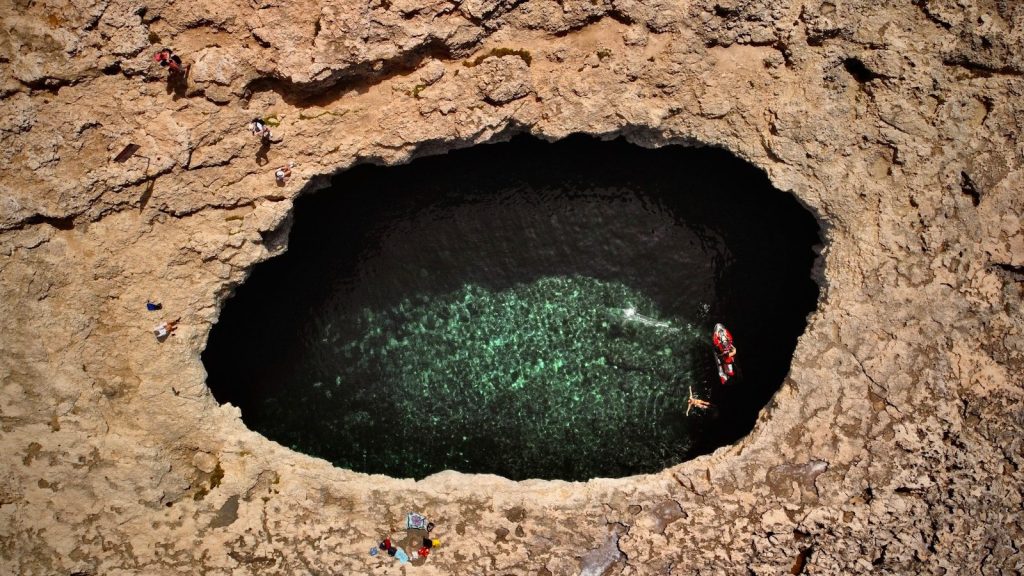
    a hole in the ground
    Photo by Robert Noreiko on Unsplash

    These dangerous underwater caves remain a stern warning about the limits of human exploration. According to environmental geologists, understanding the complex physics of deep sinkholes can prevent future tragedies. Nature demands deep respect. This article is for informational purposes only.

    Featured Image: Photo by Francisco Davids on Pexels

  • The Dark Science of Human Survival Under Extreme Isolation

    The Dark Science of Human Survival Under Extreme Isolation

    Most people believe that modern civilization guarantees our basic moral boundaries. We assume that human empathy remains intact under normal societal conditions.

    But a horrific historical experiment on a remote island revealed a darker truth. It proved how fast human behavior decomposes when survival is completely threatened.

    A Desolate Siberian Exile

    a group of people standing on top of a sandy beach
    Photo by Mehedi Hassan Palash on Unsplash

    It began in the frozen wilderness of Siberia during a brutal political purge. According to state documents, Soviet police abandoned thousands of citizens on a small strip of sand called Nazino Island. It was completely empty. The prisoners had no shelter from the freezing rain and no tools to build a camp. But their situation was about to become far more desperate.

    The Empty Food Barges

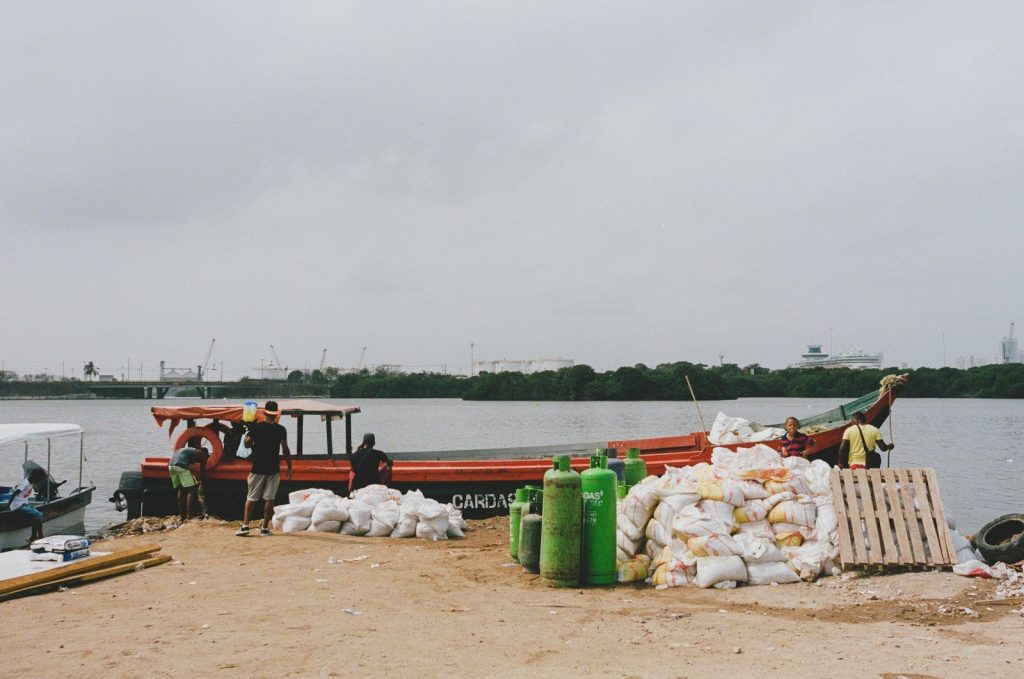
    people in front of orange boat
    Photo by Bobby Yang on Unsplash

    The authorities failed to provide any real supplies to the growing camp. According to official historical reports, the only food delivered was a massive shipment of raw flour. There was no clean water. Without ovens or pans, the prisoners had to mix the flour with dirty river water to survive. This desperate measure quickly triggered a widespread medical catastrophe.

    Disease Sweeps The Island

    Close-up of an aged handwritten journal with focus on ink and texture.
    Photo by Mhayim Miam on Pexels

    Eating raw flour and river water quickly poisoned the isolated population. According to medical historians, typhus and dysentery spread rapidly through the freezing camp. Help never arrived. Hundreds of weakened people died within the first few days as their bodies succumbed to exposure. This sudden wave of deaths pushed the survivors into a state of pure panic.

    The Psychology Of Desperation

    a close up of a human brain on a black background
    Photo by Shawn Day on Unsplash

    Extreme starvation alters the chemistry of the human brain in dangerous ways. According to psychological studies, severe calorie deprivation shuts down the frontal lobe and activates primitive survival instincts. They were desperate. Normal social morals dissolved as individuals fought for their basic existence. And this mental collapse soon led to the darkest behavior imaginable.

    Chaos On The Shores

    a person laying on a beach with a building in the background
    Photo by Eugene Chystiakov on Unsplash

    The island quickly descended into complete lawlessness. According to archive records, armed gangs formed to steal resources from the weak and dying. It was pure chaos. With no guards to maintain order, the beach turned into a violent battleground for daily survival. But a desperate attempt to escape only made their nightmare worse.

    Escaping Into Frozen Rivers

    Weathered wooden deck leading to boats on a calm sea under overcast skies, in black and white.
    Photo by Алексей Виноградов on Pexels

    Prisoners tried to build crude rafts to escape the growing violence. According to regional reports, the freezing currents of the Ob River immediately destroyed these weak boats. The river was unforgiving. Those who did not drown were forced back to the shore with no hope of rescue. But the survivors were about to face an even darker test of endurance.

    The Final Horrific Collapse

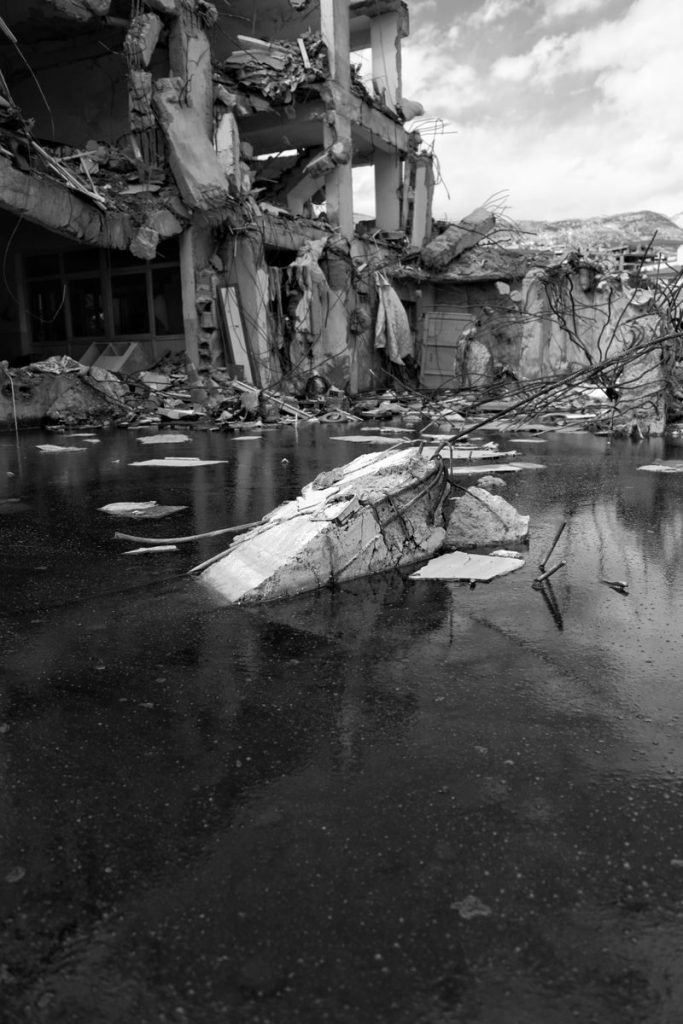
    Black and white photo of a flooded, heavily damaged building in ruins.
    Photo by akın akdağ on Pexels

    With all resources gone, the social structure fully collapsed into horrific violence. According to Soviet investigators who arrived months later, only a small fraction of the original population survived the ordeal. The horror was real. This tragedy remains one of the most chilling examples of political cruelty in modern history. But the ultimate lessons of this event go far beyond politics.

    Understanding Our Fragile Nature

    A bustling overhead view of an urban market with various stalls selling fresh produce and goods.
    Photo by Hanif Ismail on Pexels

    This dark chapter reveals the thin line between civilization and basic survival instincts. According to modern sociologists, extreme resource scarcity can strip away societal norms in a matter of days. We must guard our humanity. This article is for informational purposes only.

    Featured Image: Photo by ArtHouse Studio on Pexels

  • The Truth Behind Nevada Cave Giant Discoveries

    The Truth Behind Nevada Cave Giant Discoveries

    Most history lovers assume that ancient human species were always smaller than modern humans. We believe that stories of prehistoric giants are purely mythological legends.

    But a bizarre discovery in a dusty Nevada cave shattered these scientific assumptions. Modern researchers have finally uncovered the biological reality behind the ancient myths.

    Inside The Dusty Chamber

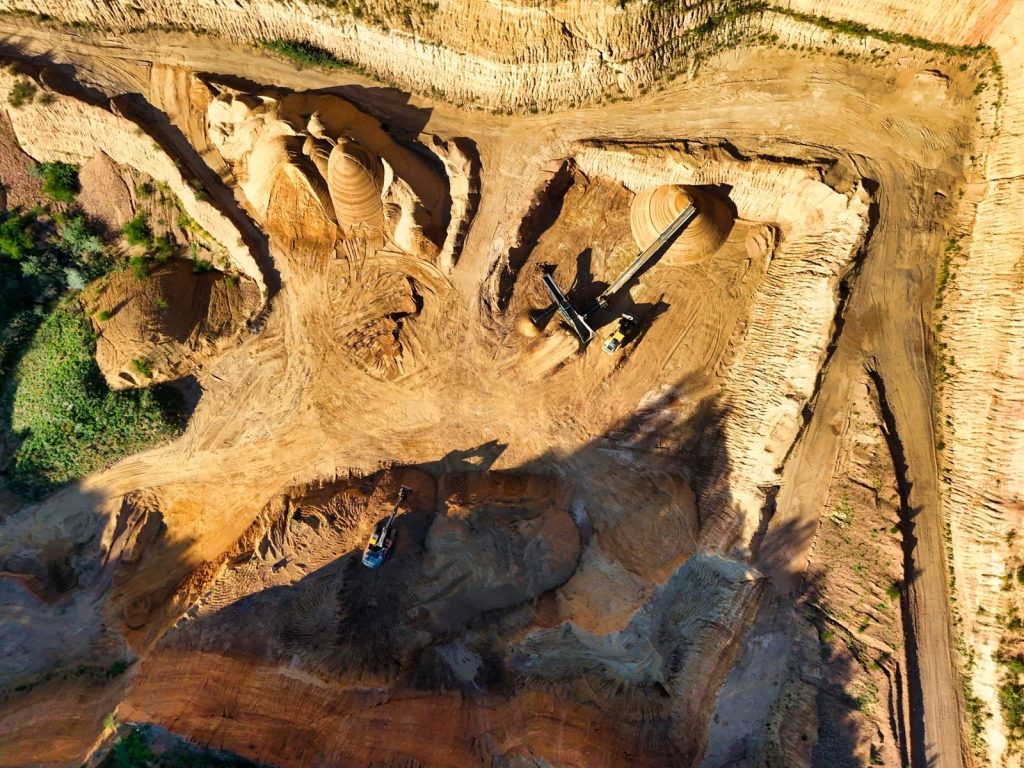
    Stunning aerial photo showcasing a large open pit mining operation under sunny conditions.
    Photo by Volker Braun on Pexels

    It started in Lovelock Cave during a routine mining excavation. According to archaeological records, workers digging for fertilizer uncovered a massive collection of ancient artifacts buried deep in the dirt. It was highly unusual. The site held evidence of a culture that differed from other local tribes in striking ways. But the most shocking find lay buried beneath the heavy sand.

    Unearthing Unusually Large Bones

    a group of skeletons sitting on top of a sandy ground
    Photo by Miguel Collado on Unsplash

    Miners were stunned to find human skeletal remains of incredible size. According to historical files, several skeletons measured nearly ten feet in length from skull to toe. They were massive. The discovery instantly triggered intense debates among scientists who doubted the reports. But the physical evidence was difficult to dismiss without a thorough scientific investigation.

    The Mysterious Red Hair

    A close up of a rock with a bear's paw prints on it
    Photo by Richard Stachmann on Unsplash

    The skeletons possessed another strange feature that baffled the research team. According to local museum records, the ancient skulls still had patches of long red hair clinging to the bone. It was striking. Local indigenous legends had long spoken of a violent race of red-haired giants living in the area. But scientists needed to determine if the hair was naturally red.

    The Science Of Hair Decay

    assorted-color powders
    Photo by Igor Rand on Unsplash

    Laboratory analysis quickly offered a logical explanation for the strange hair color. According to forensic chemistry studies, chemical changes in the soil can cause dark hair to turn red over thousands of years. This is common. The pigment simply breaks down as the body undergoes natural mummification processes. Yet the extreme size of the skeletons remained an unsolved mystery.

    Shifting Fossil Records

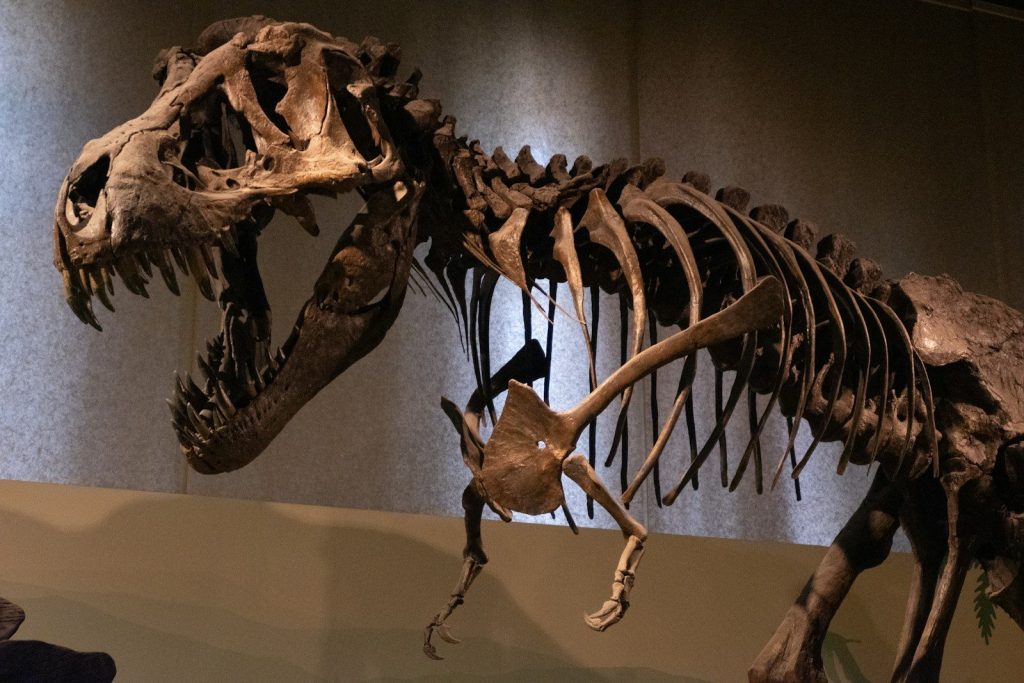
    A dinosaur skeleton in a museum with people looking at it
    Photo by Tofan Teodor on Unsplash

    Scientists began looking at ancient human ancestors to explain the unique measurements. According to paleontology reports, ancient humans frequently experienced physical variations due to isolation and genetic selection. They were diverse. Some regional groups grew significantly taller than average to adapt to harsh environments. But a closer look at the measurements revealed a surprising truth.

    Separating Myth From Fact

    white plastic clothes hanger lot
    Photo by Girl with red hat on Unsplash

    Many of the early reports had been heavily exaggerated by newspapers seeking attention. According to recent scientific audits, the actual bones were closer to seven feet tall rather than ten. They were still giant. While unusually large, these dimensions fit within the upper limits of normal human growth anomalies. But this scientific reality did not diminish the historical importance of the site.

    Preserving Lovelock Legacy

    Detailed view of prehistoric rock carvings depicting animals on a rugged surface.
    Photo by Amanda Martin on Pexels

    The artifacts in the cave continue to offer priceless insights into early American history. According to modern anthropologists, the true story of Lovelock Cave remains a testament to human diversity and survival. History holds many secrets. This article is for informational purposes only.

    Featured Image: Photo by Mike van Schoonderwalt on Pexels

  • The Hidden Water Crisis Threatening The Digital World

    The Hidden Water Crisis Threatening The Digital World

    Most people believe our digital files float in a weightless cloud. We assume our online data has absolutely no physical footprint on the earth.

    But a major water study has revealed a shocking environmental crisis. Huge computing warehouses are quietly drying up vital rivers to keep their machines running.

    The Invisible Water Drain

    A person riding a skateboard down a street
    Photo by U i on Unsplash

    Every search query and streamed video requires massive computing power to process. These systems generate extreme heat that must be cooled. According to a report by the Pacific Institute, large data centers consume millions of gallons of fresh water daily. This resource is vanishing. The heavy water consumption is placing an immediate strain on local communities. But a major regional conflict was about to erupt over this precious liquid.

    Threatening The Desert Basins

    a frog on the ground
    Photo by Josie Weiss on Unsplash

    A new proposal in Utah has sparked immense pushback. According to local state records, a planned technology campus wants to tap into fragile desert aquifers. Water is incredibly scarce. Critics warn that pumping this ancient groundwater could permanently damage the surrounding dry landscape. And this local battle is gaining national attention.

    The Hidden California Connection

    blue red and white textile
    Photo by KOBU Agency on Unsplash

    The crisis reaches far beyond the boundaries of Utah. According to a research study from the University of California, water diversions in one state directly impact the entire regional grid. Everything is connected. Groundwater pumping in the desert can trigger a domino effect that dries up distant valleys. But the sheer volume of water being consumed is what truly terrifies experts.

    Millions Of Gallons Lost

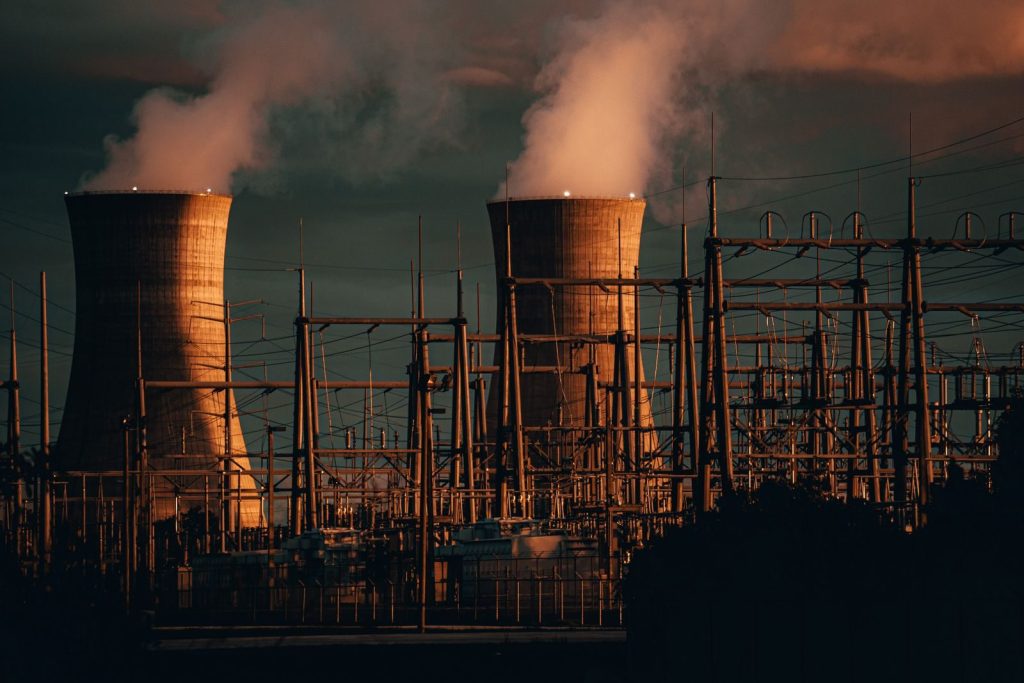
    A nuclear power plant's cooling towers emit steam at sunset, highlighting industrial infrastructure.
    Photo by Kyle Miller on Pexels

    Data centers rely on evaporation systems to keep their massive processors cool. According to a utility audit, a single large facility can use up to half a million gallons every day. The loss is permanent. This water evaporated into the air and is completely lost to the local watershed. But the rapid growth of artificial intelligence is about to multiply these water demands.

    The Artificial Intelligence Surge

    Yellow and green cables are neatly connected.
    Photo by Albert Stoynov on Unsplash

    Modern intelligence models require incredible processing power. According to a study by Virginia Tech, training a single model uses massive amounts of cooling liquid. The demand is skyrocketing. This spike in power usage means data hubs must run their cooling systems constantly. But some forward-thinking engineers are desperately searching for a physical solution.

    Moving Toward Closed Loops

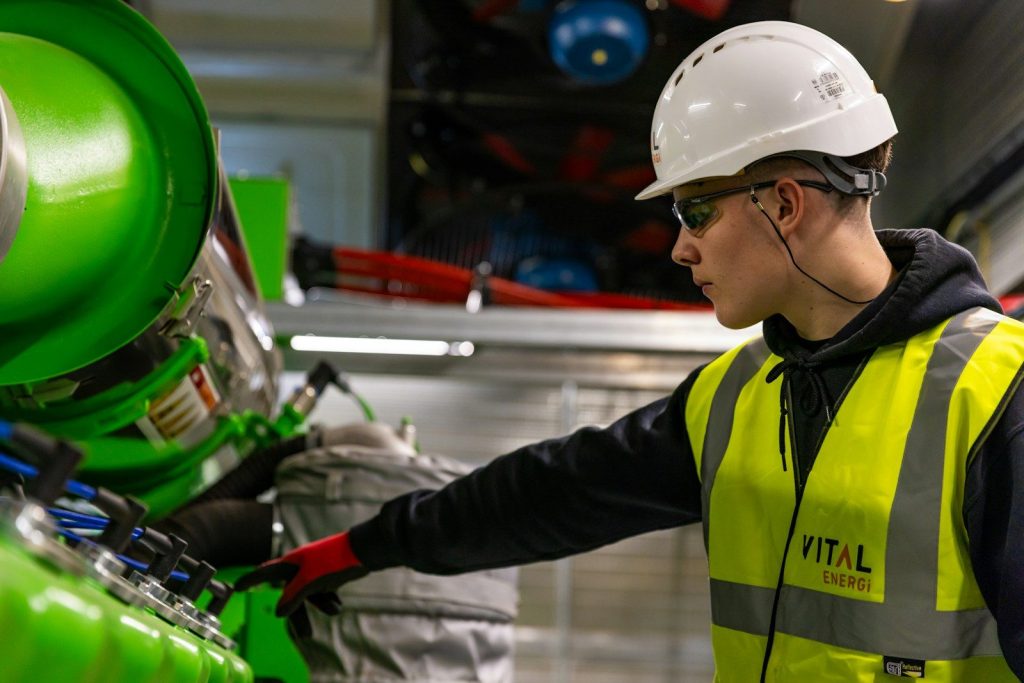
    a man in a hard hat and safety vest working on a machine
    Photo by ThisisEngineering on Unsplash

    Tech corporations are under intense pressure to redesign their cooling infrastructure. According to a report from the Department of Energy, switching to closed-loop air cooling can eliminate water waste entirely. The technology is expensive. Implementing these systems requires rebuilding older centers from the ground up. But the future of our digital world depends on making a major change right now.

    Balancing Technology and Nature

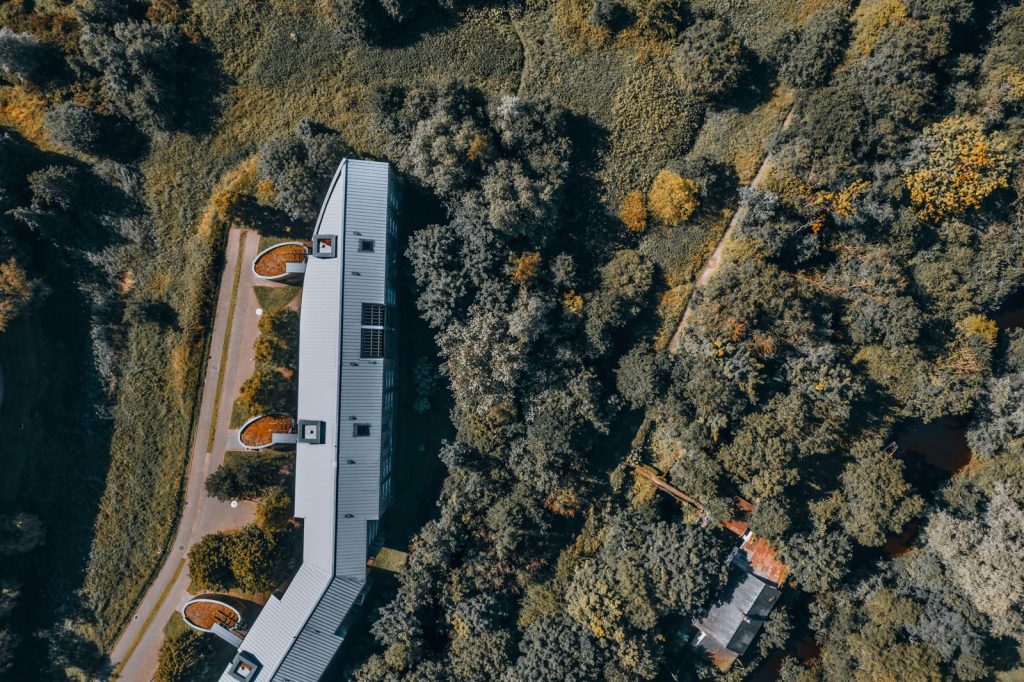
    Aerial photo showcasing a building amidst dense greenery in Limerick, Ireland.
    Photo by Luciann Photography on Pexels

    Our digital lifestyle requires a massive amount of physical resources. According to environmental geologists, we must balance technological growth with water conservation. This effort is vital. This article is for informational purposes only.

    Featured Image: Photo by Sergei A on Unsplash

  • The Forgotten Island Colony Abandoned In Absolute Isolation

    The Forgotten Island Colony Abandoned In Absolute Isolation

    Most history lovers assume that shipwreck survivors are rescued within a few weeks. We believe that naval authorities always launch massive rescue missions to save lost travelers.

    But a tragic shipwreck in the Indian Ocean proved how easily people can be forgotten. Sixty abandoned survivors were forced to build their own tiny society on a completely barren sandbar.

    Shipwreck On Sand Island

    black and white stone on blue and white textile
    Photo by Adam Lisan on Unsplash

    A French cargo ship ran aground on a remote reef in 1761. According to official ship logs, the vessel struck a submerged sandbar far from any major trade routes. The impact was devastating. While the white crew built a makeshift boat to escape, they abandoned sixty enslaved Malagasy people on the beach. But the departing crew left behind a promise they never intended to keep.

    Left Alone to Die

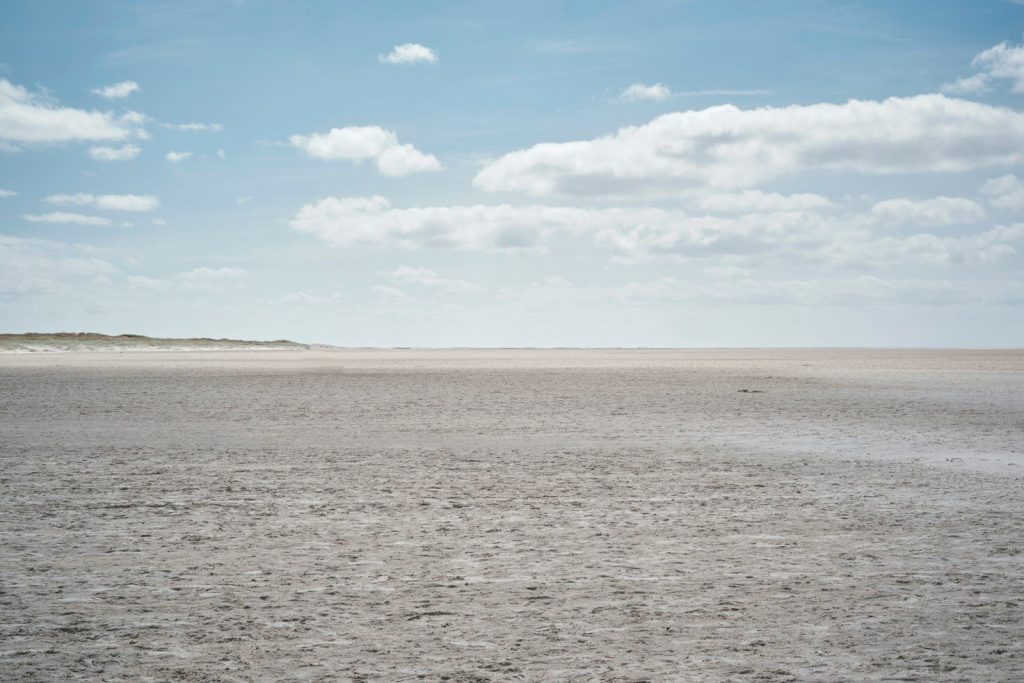
    a large flat area with clouds in the sky
    Photo by Fabian Blank on Unsplash

    The survivors were marooned on a flat speck of land with no trees. According to marine archaeological reports, the flat island was completely exposed to violent ocean storms. Survival seemed completely impossible. With no timber to build shelters, the group had to rely on sheer human ingenuity to stay alive. But they soon discovered a way to protect themselves from the elements.

    Building A Coral Village

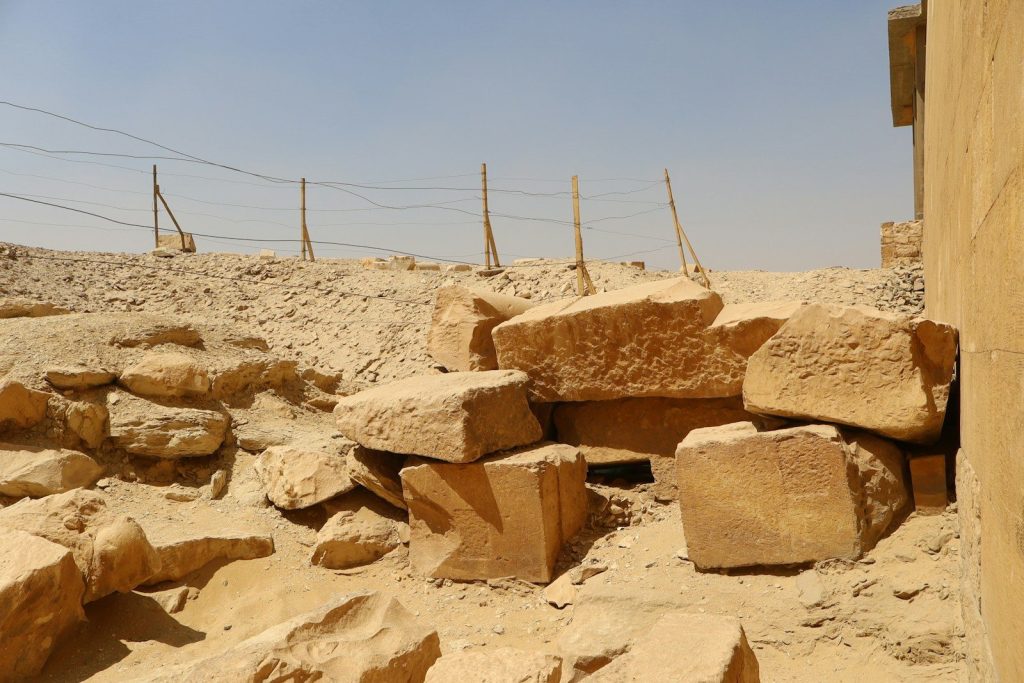
    Large stone blocks piled in a desert landscape.
    Photo by Abdiel Mejia on Unsplash

    The stranded group refused to give up in the face of disaster. According to archaeological excavations led by Max Guerout, the survivors built highly durable houses out of solid coral blocks and sand mortar. They were incredibly resilient. This makeshift village kept them safe from the brutal winds of frequent Indian Ocean cyclones. Yet their most difficult challenge was finding something to eat on a barren sandbar.

    Feasting On the Wild

    Three baby sea turtles making their way across a sandy beach, leaving tracks behind them.
    Photo by Mauricio Carrera on Pexels

    Finding food and fresh water required learning an entirely new coastal lifestyle. According to historical records, the castaways dug a five-meter well to reach fresh drinking water. They adapted quickly. They survived by eating nesting seabirds, shellfish, and green sea turtles that visited the sandy shores. But keeping their hope alive required one final and highly dangerous constant effort.

    The Fifteen-Year Flame

    white smoke coming out from a factory
    Photo by Rob Pumphrey on Unsplash

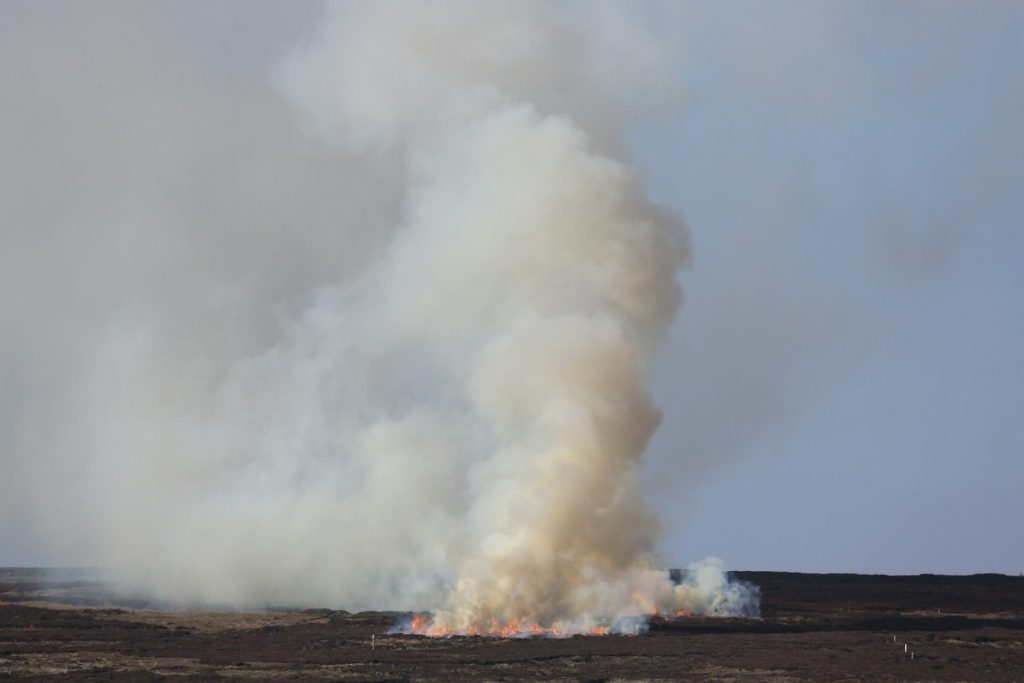
    The group needed a constant signal to attract passing ships. According to archaeological research, the survivors managed to keep a signal fire burning for over five thousand consecutive days. This was a miracle. They had no wood, so they burned turtle fat and dry bird feathers to sustain the flames. But help remained far away as the world ignored them.

    A Heartless Official Denial

    An antique desk with a feather quill.
    Photo by Daria on Unsplash

    A few passing vessels spotted the survivors but could not land. According to French historical archives, the local governor of Mauritius repeatedly refused to send a proper rescue vessel. He was cold. He claimed that risking a ship for abandoned slaves was not worth the financial cost. But public pressure in France was quietly building to force a rescue attempt.

    The Final Rescue Mission

    a small boat in the middle of a body of water
    Photo by teo pruche on Unsplash

    A brave naval captain named Jacques Marie de Tromelin finally took action in 1776. According to colonial files, he successfully navigated his ship through the dangerous reefs to reach the sandbar. The moment was highly emotional. He discovered that most of the original group had perished over the fifteen years of isolation. Yet a small group was still clinging to life.

    Survivors of the Sandbar

    People in a boat on the water
    Photo by Nicolas Chonville on Unsplash

    Only seven women and a baby boy survived the fifteen-year ordeal. According to modern historians, the governor declared them free citizens upon their arrival in Mauritius. They had conquered the impossible. This article is for informational purposes only.

    Featured Image: Photo by Roberto Nickson on Unsplash

  • The Secret Alaskan Pyramid Hidden Deep Under The Earth

    The Secret Alaskan Pyramid Hidden Deep Under The Earth

    Most travelers believe that ancient pyramids exist only in hot desert regions. We assume that these massive stone structures were built only in Egypt or Mexico.

    But a shocking geological discovery has revealed a massive anomaly in the frozen north. An enormous stone pyramid may lie buried deep beneath the frozen Alaskan wilderness.

    The Shocking Seismic Reading

    black and white audio mixer
    Photo by Sebbi Strauch on Unsplash

    A strange seismic event first tipped off researchers in 1992. According to geological reports, scientists were monitoring a massive underground nuclear test in China when their instruments spiked. The data was bizarre. They detected a colossal pyramid-shaped structure buried deep under the Alaskan soil near Mount Denali. But this accidental scientific discovery was quickly swept under a wave of absolute secrecy.

    Larger Than Great Giza

    Majestic view of the Great Sphinx and Pyramid in Egypt, showcasing ancient architecture.
    Photo by Mert Çelik on Pexels

    The sheer scale of the underground anomaly stunned the monitoring team. According to seismic mapping calculations, the buried structure is significantly larger than the Great Pyramid of Giza. It is truly massive. The raw data suggested that the formation was built out of solid stone or highly dense metallic materials. But how such a massive structure could end up buried underground remained a complete mystery.

    The Mysterious Alaska Triangle

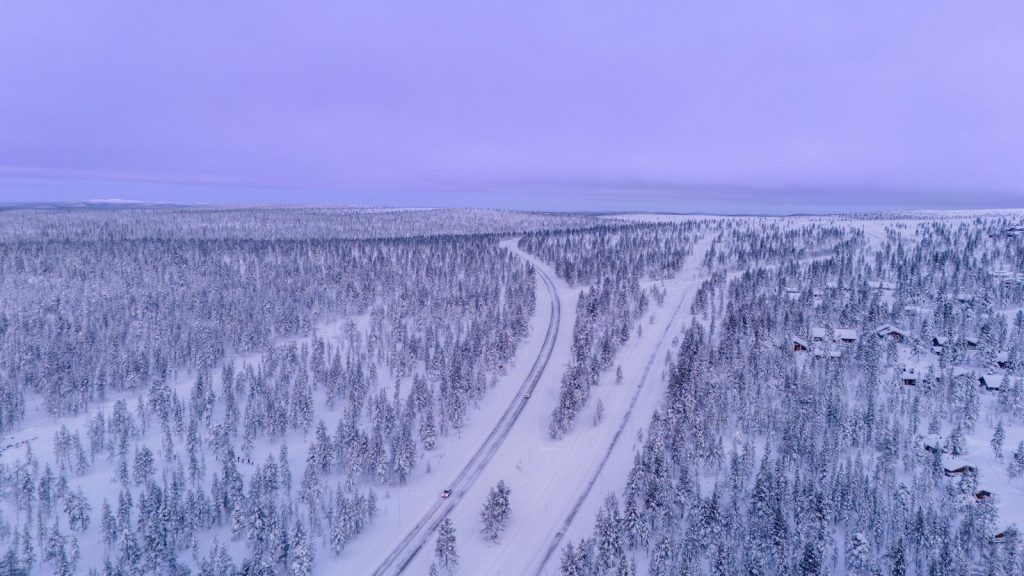
    Snowy forest with a winding road under a purple sky.
    Photo by Himmel S on Unsplash

    The location of the anomaly sits within a highly dangerous region. According to rescue flight logs, the buried pyramid lies dead in the center of the notorious Alaska Triangle. People vanish here constantly. Over twenty thousand individuals have mysteriously gone missing in this desolate area over the last fifty years. And researchers believe the hidden structure might be the actual cause of these disappearances.

    Violent Electromagnetic Disturbances

    black and blue digital device
    Photo by Andrés Dallimonti on Unsplash

    Aircraft flying over the region frequently report complete electronic failures. According to search and rescue pilots, compasses spin wildly, and navigation systems fail without warning near the coordinates. The air is unstable. Scientists believe a massive underground power source is releasing waves of intense electromagnetic energy into the atmosphere. But the source of this ancient energy is what baffles researchers the most.

    An Ancient Power Plant

    blue and black abstract painting
    Photo by Kazuo ota on Unsplash

    Some alternative historians believe the structure was built to harvest planetary forces. According to ancient history researchers, a prehistoric civilization may have used the pyramid to generate enough electricity to power the entire continent. The technology is unknown. These theories suggest our ancestors possessed advanced scientific knowledge that was lost to time. But government agencies have remained silent about the entire discovery.

    The Wall of Silence

    books in shelves in room
    Photo by C M on Unsplash

    Efforts to study the site have faced immediate roadblocks. According to the Freedom of Information files, the military quickly classified all seismic data related to the Mount Denali coordinates. The files were locked. Independent researchers have been repeatedly barred from conducting geological surveys in the immediate area. But the truth about this underground anomaly cannot be hidden forever.

    Unlocking The Subsurface Secrets

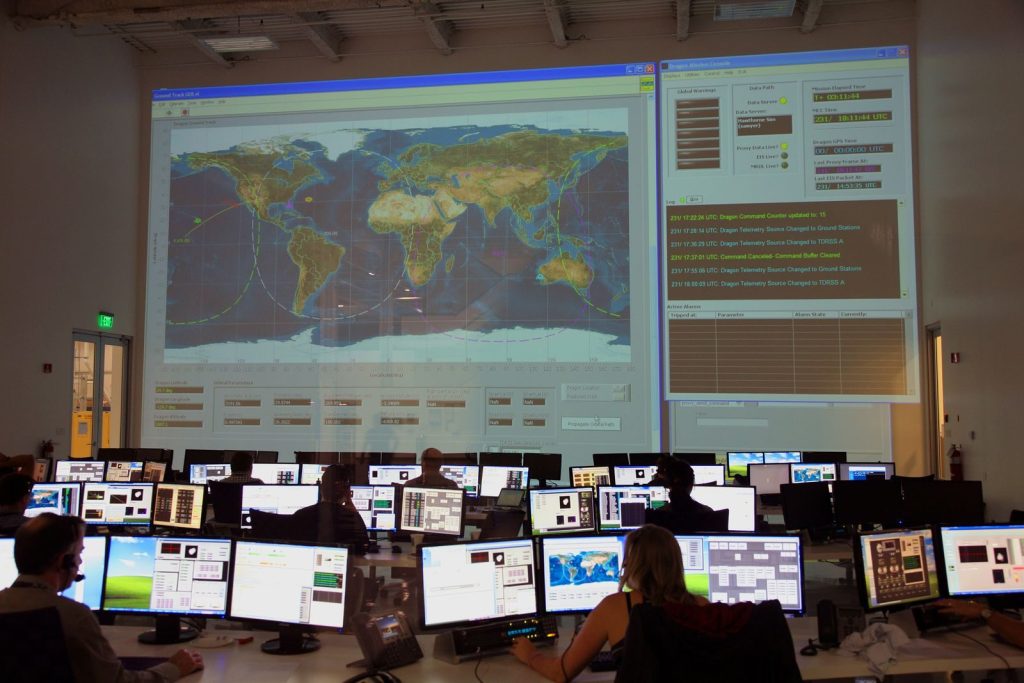
    Back view of unrecognizable employees working on computers in flight control room with big interactive map on wall and analyzing data
    Photo by SpaceX on Pexels

    The mystery of the Alaskan dark pyramid remains an intriguing puzzle for modern geology. According to independent geophysicists, only a fully public scientific expedition can prove whether this massive structure is artificial or a natural stone formation. Nature holds many surprises. This article is for informational purposes only.

    Featured Image: Photo by Ludovic Charlet on Unsplash

  • The Devastating Energy Crisis Powering Our Digital Lives

    The Devastating Energy Crisis Powering Our Digital Lives

    Most internet users assume that our growing digital world is completely clean and weightless. We believe that streaming movies and chatting with artificial intelligence has no real-world cost.

    But the rapid expansion of massive data centers is triggering a severe energy crisis. These giant computer warehouses are demanding far more electricity than the national grid can safely handle.

    The Growing Power Hunger

    Stacked glowing green containers in a dark industrial space.
    Photo by Alto Mezger on Unsplash

    Modern digital platforms require an astronomical amount of electricity to function. According to energy grid analysts, the rise of artificial intelligence has doubled the power demands of new computing hubs. The surge is massive. This sudden growth is pushing existing power plants to their absolute physical limits. But the true scale of this energy drain is starting to alarm grid operators across the nation.

    Straining The National Grid

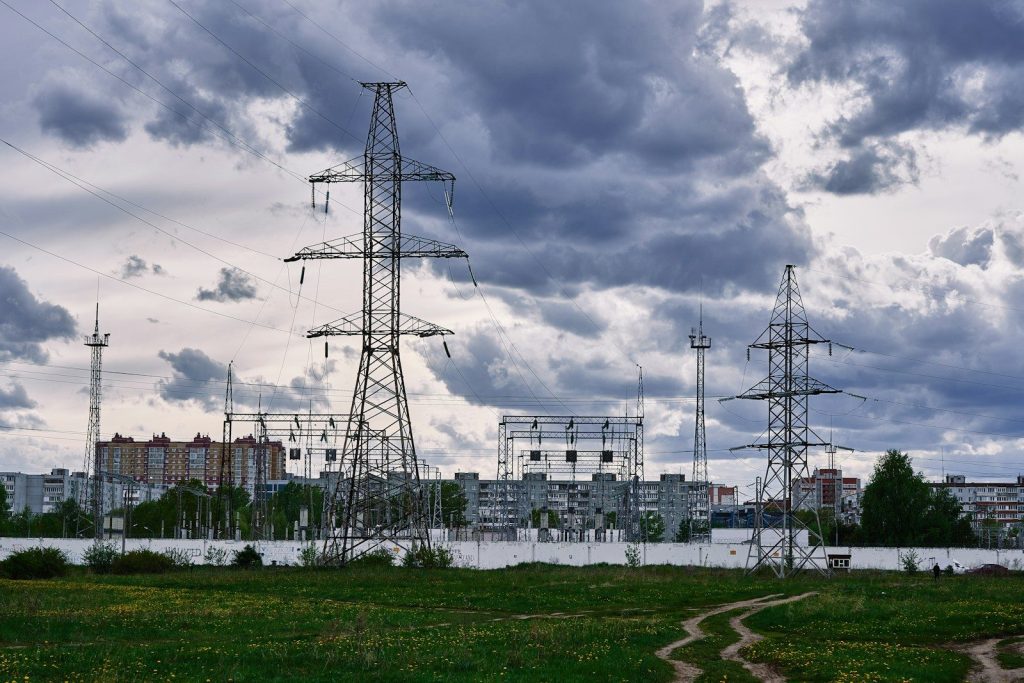
    a field with power lines and buildings in the background
    Photo by Maxim Tolchinskiy on Unsplash

    Electrical grids were never designed to handle such concentrated pockets of intense power demand. According to a report by the Federal Energy Regulatory Commission, multiple states are facing severe risks of rolling blackouts. The system is fragile. This rapid digital expansion is leaving almost no spare power for regular homes and businesses. Yet the tech industry is showing absolutely no signs of slowing down its growth.

    The Carbon Footprint Rebound

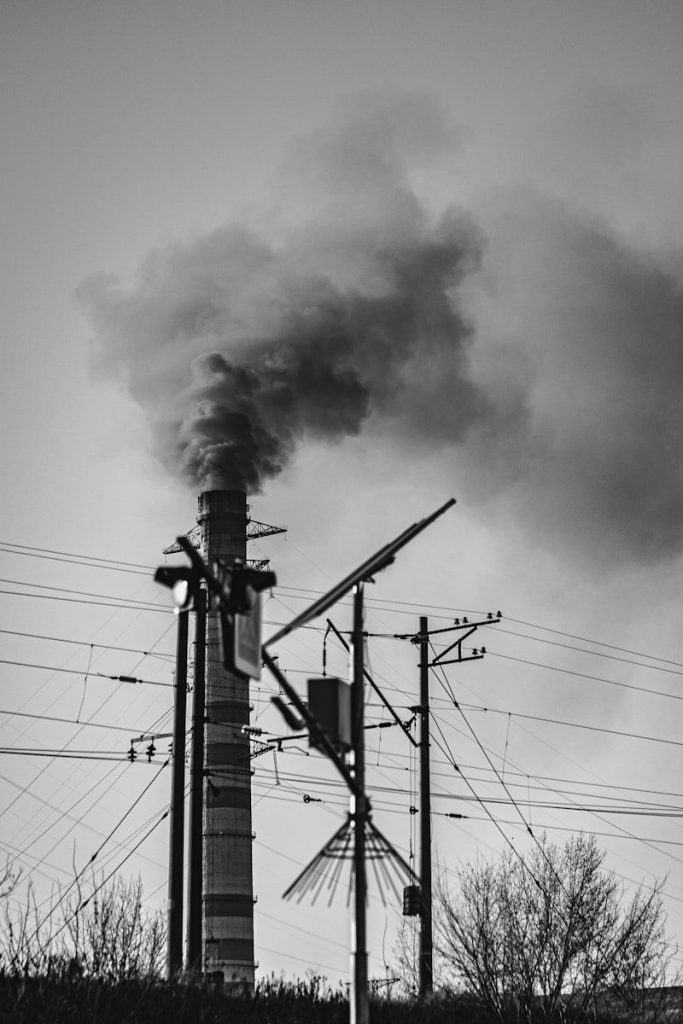
    a black and white photo of a smoke stack
    Photo by Eugene Chystiakov on Unsplash

    Many technology corporations previously promised to operate on one hundred percent clean energy. According to environmental studies, the sheer scale of the power crisis is forcing companies to rely on fossil fuels again. The promises are breaking. Several older coal and natural gas plants are delaying their planned closures just to keep these servers running. But this desperate measure is actively undoing years of climate progress.

    The Rise Of Artificial Intelligence

    worm's eye-view photography of ceiling
    Photo by Joshua Sortino on Unsplash

    Artificial intelligence is a primary driver of this unprecedented surge in energy consumption. According to reports from the International Energy Agency, an AI search query uses ten times more electricity than a standard search. The math is simple. This incredible power demand means that computing hubs are consuming electricity faster than ever before. But a surprising bottleneck is preventing new facilities from even opening.

    Waiting For Power Lines

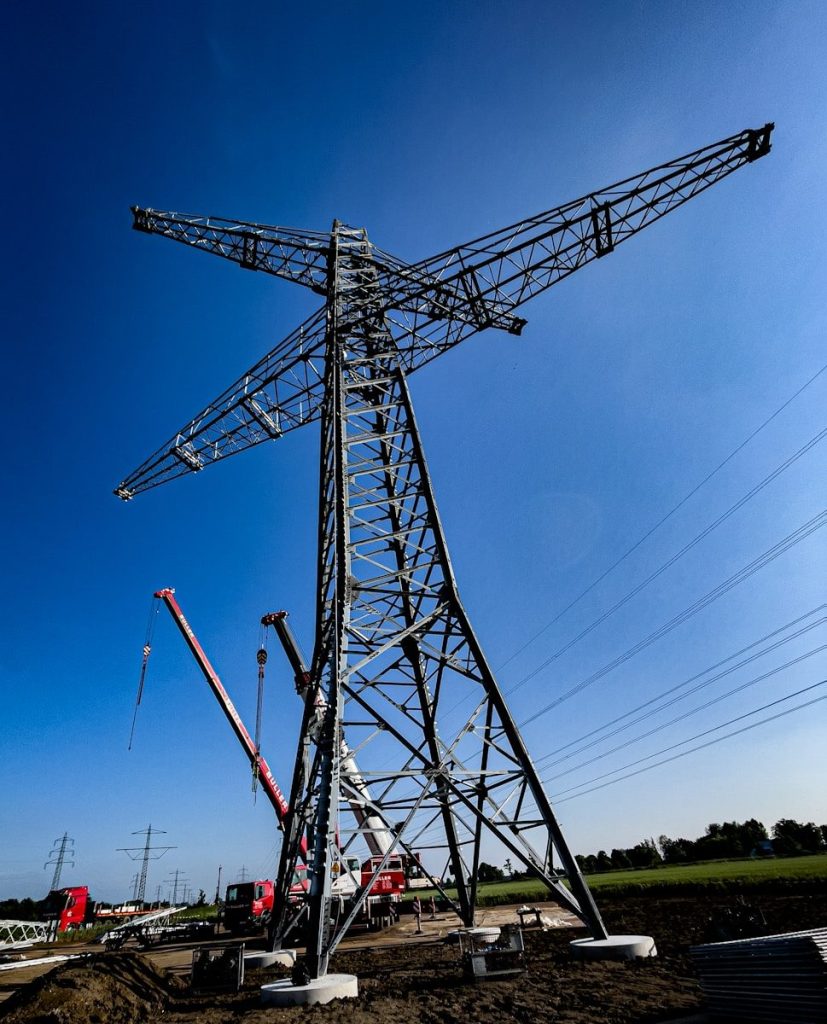
    a large metal tower sitting on top of a dirt field
    Photo by Bernd 📷 Dittrich on Unsplash

    Building a data warehouse is easier than connecting it. According to grid transmission logs, some new facilities must wait up to seven years just to get a physical hookup. The queue is long. This massive delay is forcing technology companies to seek out creative and highly experimental power options. But one of these alternative solutions is taking them back to the atomic age.

    Turning To Nuclear Power

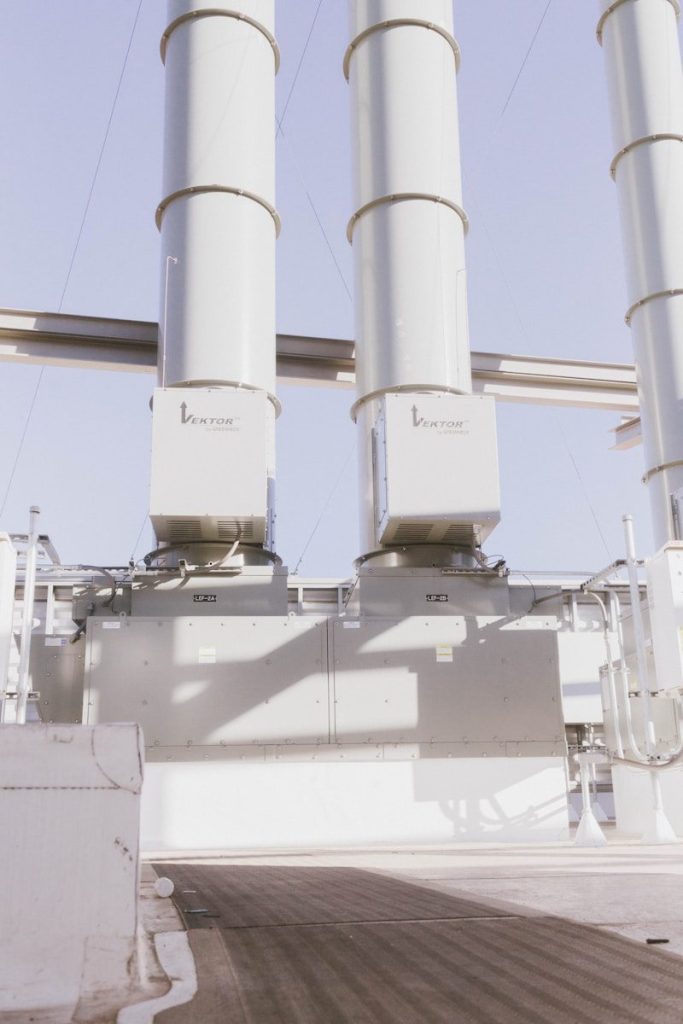
    a couple of large white pipes on top of a building
    Photo by Nicholas Ismael Martinez on Unsplash

    Tech giants are signing historic deals with nuclear power operators to guarantee constant electricity. According to industry statements, companies are trying to restart closed nuclear reactors to run their servers around the clock. The stakes are high. This pivot highlights how desperate the industry has become for reliable and carbon-free base load power. But this sudden rush for nuclear energy is raising serious public safety questions.

    The Rising Cost For Consumers

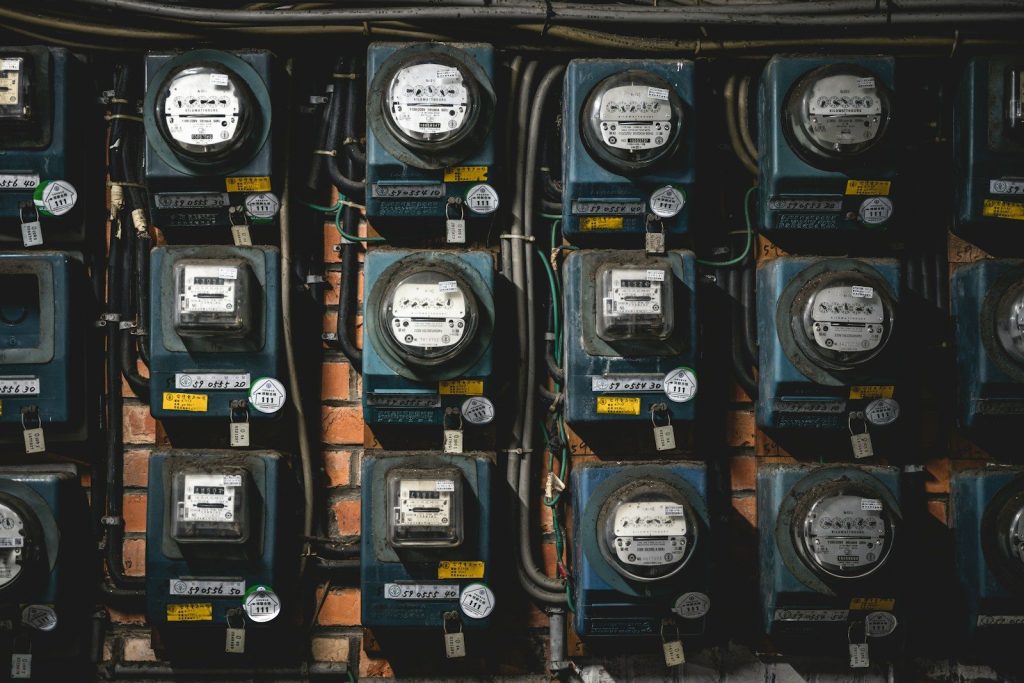
    a bunch of electrical meters are stacked on top of each other
    Photo by Han-Hsing Tu on Unsplash

    The intense competition for electricity is starting to impact regular utility bills. According to consumer advocacy reports, residential electricity rates are climbing fast in areas with high data center concentration. Families are paying more. This trend is sparking a fierce debate over who should pay for upgrading the national grid. But the ultimate resolution of this crisis will require a major technological shift.

    Engineering a Sustainable Future

    A person using a mouse on a mouse pad
    Photo by Yoga Sukma 🇮🇩 on Unsplash

    Balancing our appetite for digital data with grid limits is a major challenge. According to energy engineers, the future of technology relies on developing ultra-efficient processors and local clean power generation. Innovation is key. This article is for informational purposes only.

    Featured Image: Photo by Markus Stickling on Unsplash