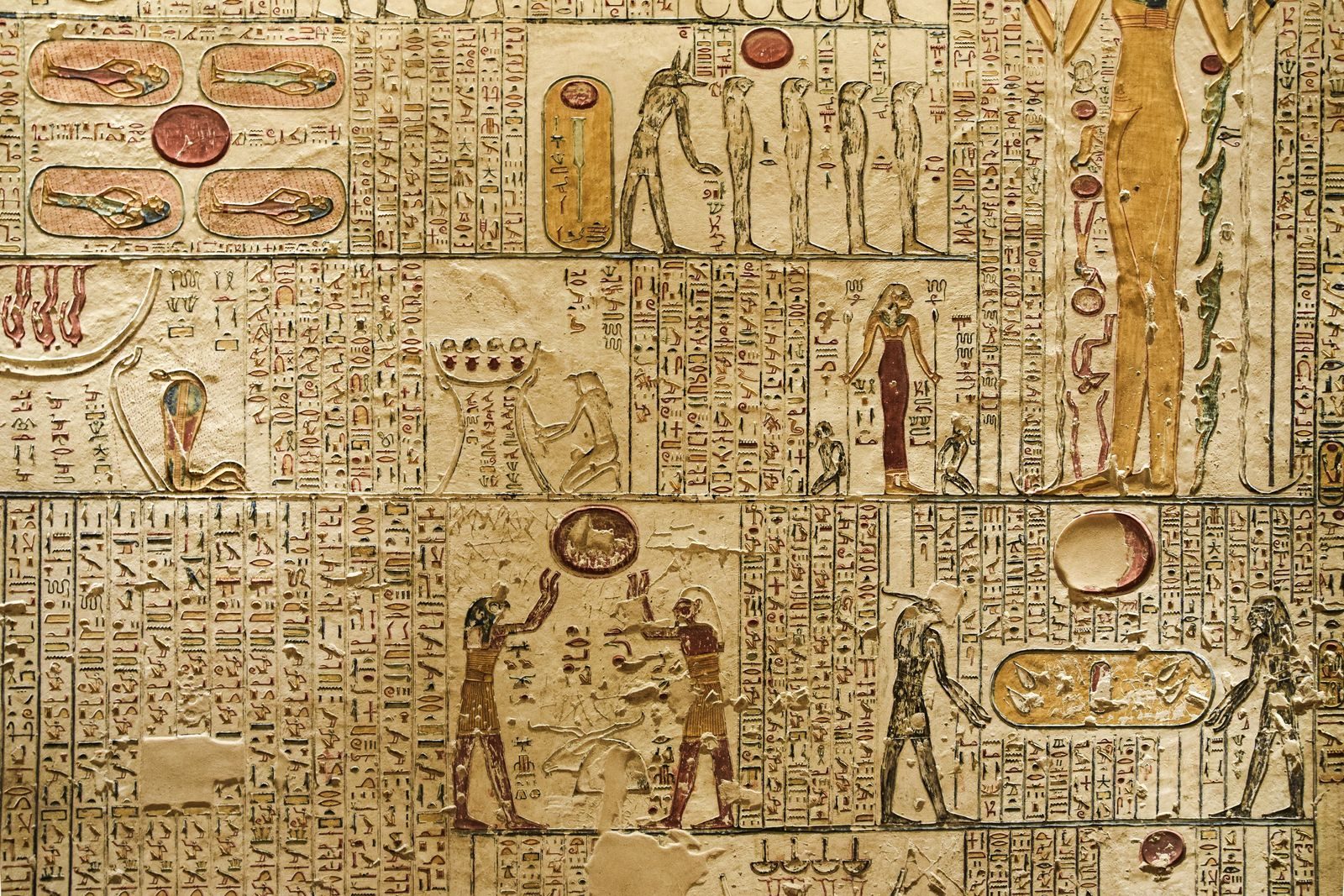
Most people believe ancient tribes lived in total isolation. We assume prehistoric humans only cared about basic daily survival.
But matching cave markings suggest a global communication network existed. This shared code could completely rewrite early human history.
Hidden Markings Deep Underground
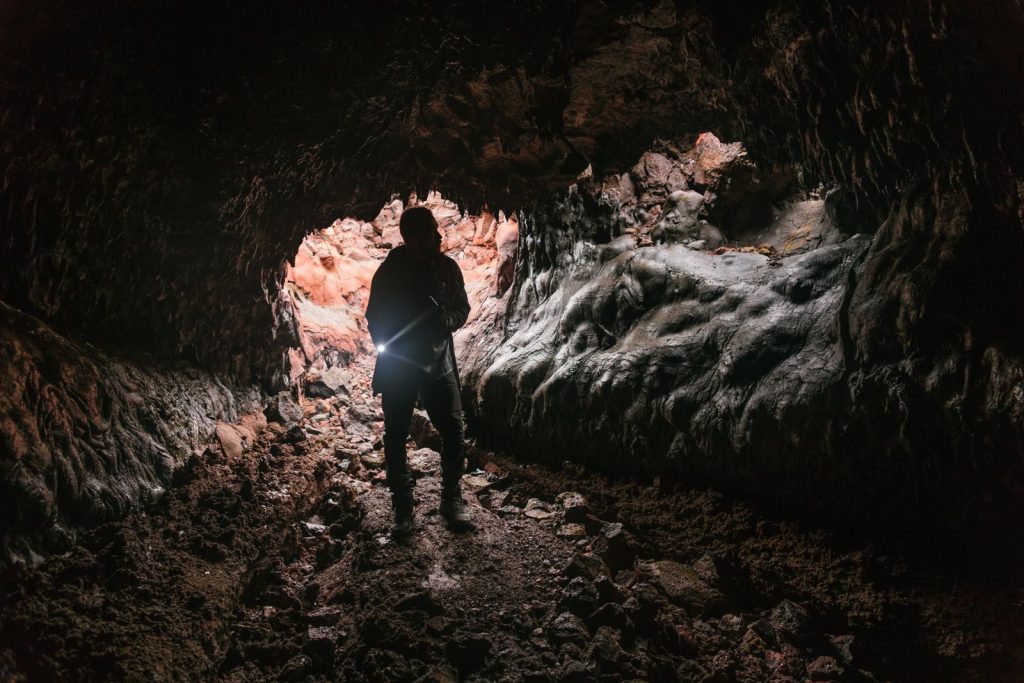
Archeologists exploring remote caves discovered a highly unusual pattern of geometric shapes on stone walls. According to a study by the University of Victoria, exactly thirty-two specific symbols appear repeatedly across the globe. They are completely identical. This consistent layout suggests that prehistoric artists were sharing a unified visual language. But researchers still needed to determine when this mysterious code first appeared.
Reaching Back In Time
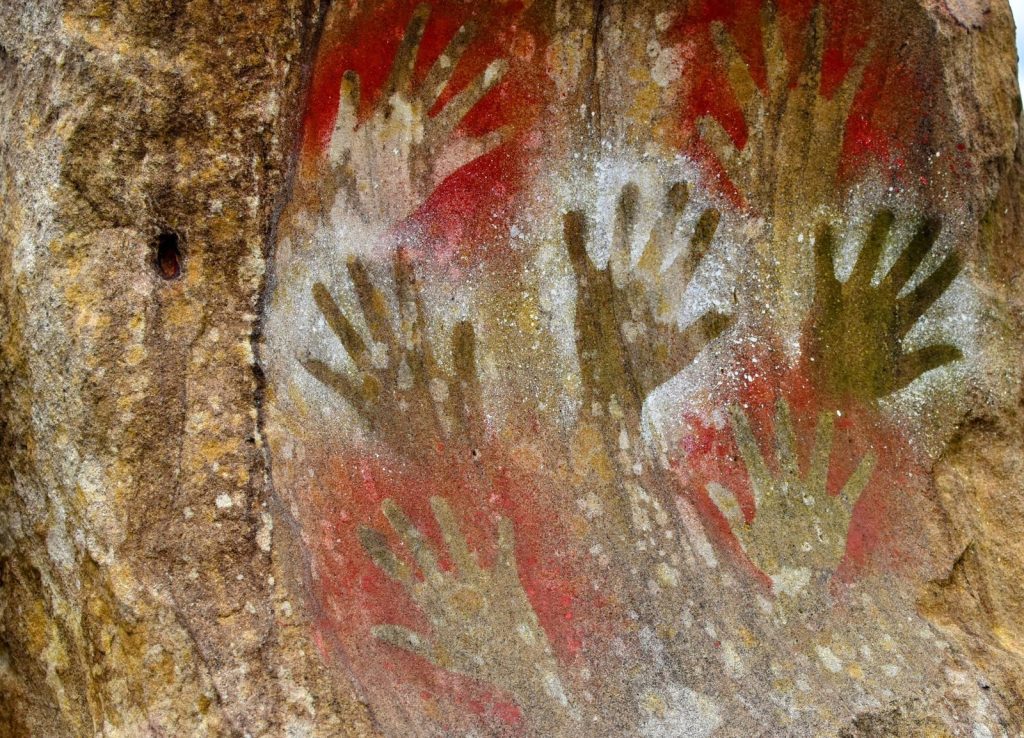
Advanced dating methods reveal that these markings are incredibly ancient. According to research published in Nature, some of the symbols were painted over thirty thousand years ago. The timeline is shocking. This age means that early humans were communicating across vast distances long before traditional writing systems emerged. Yet the discovery of how these symbols traveled would puzzle scientists even more.
Traveling Across Wild Oceans
Finding identical shapes in Europe and Australia seems impossible without global travel. According to migration reports from the Smithsonian Institution, early groups likely carried these graphic traditions during their massive ice age migrations. They were highly organized. This shared knowledge acted as a cultural anchor as humans populated new lands. But one specific cave system held the absolute key to the code.
Secrets of the Lascaux Cave
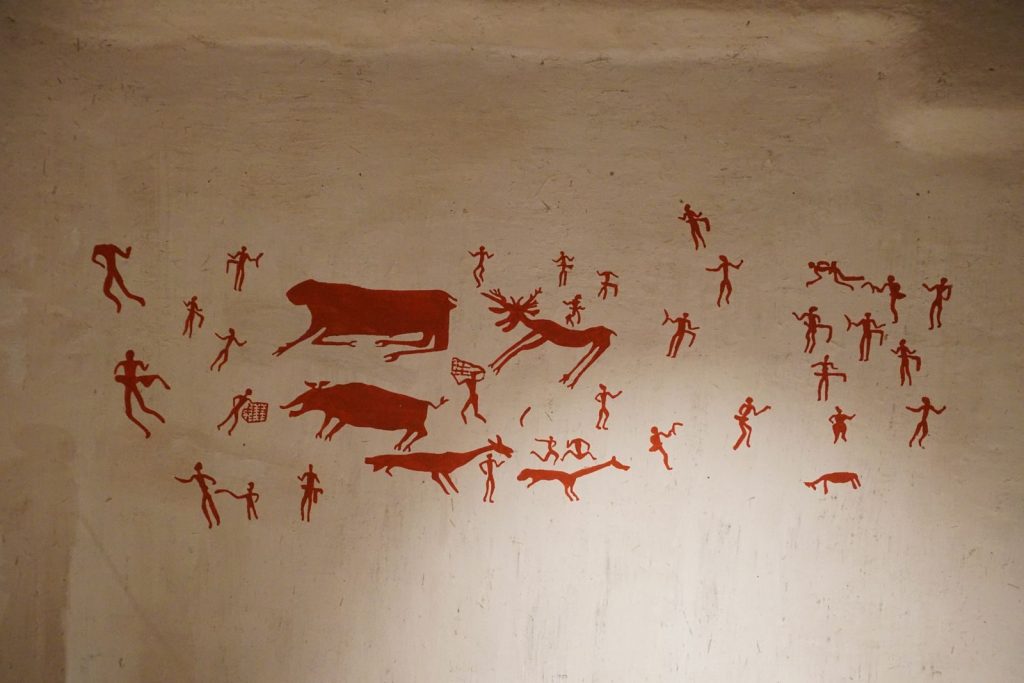
Famous French caves contain more than just paintings of running horses and massive bulls. According to the French Ministry of Culture, abstract geometric signs are scattered all over the walls. Nobody noticed them initially. For decades, experts focused only on the animal art while ignoring these simple geometric patterns. But these forgotten lines may have actually saved our ancestors from extinction.
A Tool For Survival

The abstract shapes likely served a highly practical purpose during times of extreme weather. According to anthropological studies, prehistoric hunters used the symbols to mark territory and share navigation routes. This was critical. The code allowed different clans to cooperate and survive a freezing planet. But this grand global network eventually began to fade away.
The Code Slowly Vanishes

As the great glaciers melted, the ancient connections between these groups began to dissolve. According to climate history reports, rising sea levels isolated different populations and forced them to develop separate languages. The system fractured. The global code slowly disappeared into history, leaving behind only these silent stone whispers. But modern technology is finally helping us read the patterns again.
Reconnecting With Our Ancestors
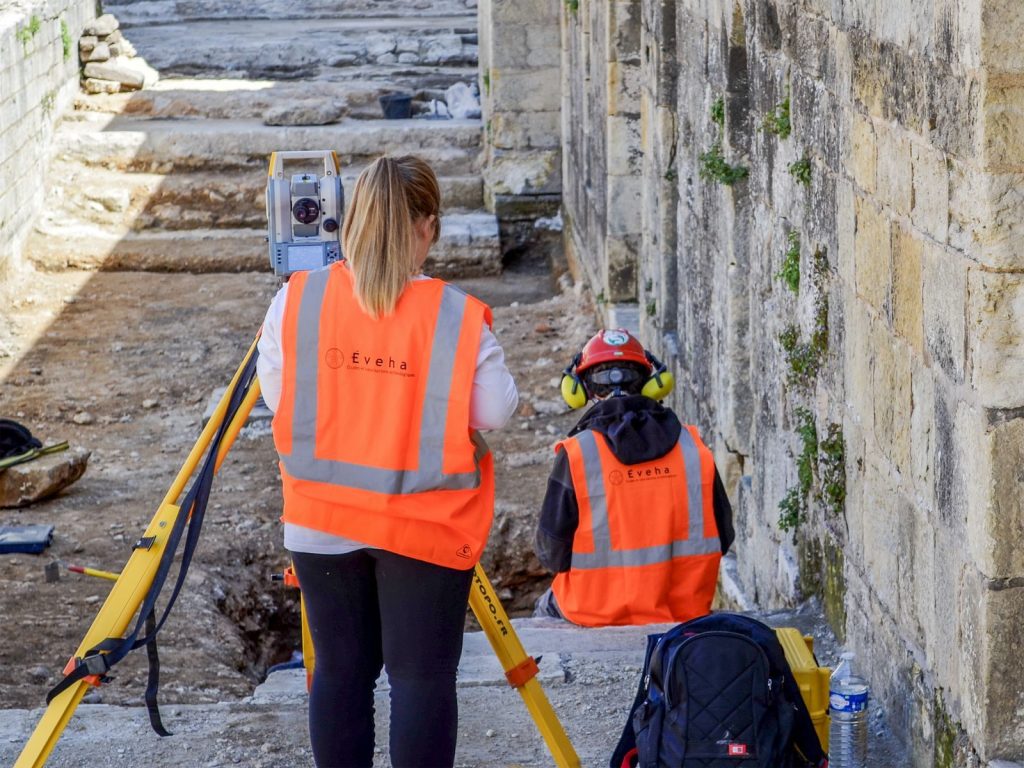
Laser scanning technology is now uncovering hidden layers of cave art previously invisible to the human eye. According to archeologists, these geometric symbols prove that early humans possessed high levels of intelligence. They were brilliant. This article is for informational purposes only.
Featured Image: Photo by AXP Photography on Pexels
Leave a Reply