Author: Dylan

  • How Breaking The Sound Barrier Shook Aeronautical Physics

    How Breaking The Sound Barrier Shook Aeronautical Physics

    Aviation pioneers assumed that the speed of sound was an absolute physical wall for aircraft. We believed that any vehicle attempting to fly faster would instantly shatter in midair.

    But a spectacular breakthrough in aerodynamic design completely proved this old limit wrong. Engineers designed highly streamlined hulls that successfully tamed the violent shockwaves.

    The Invisible Air Wall
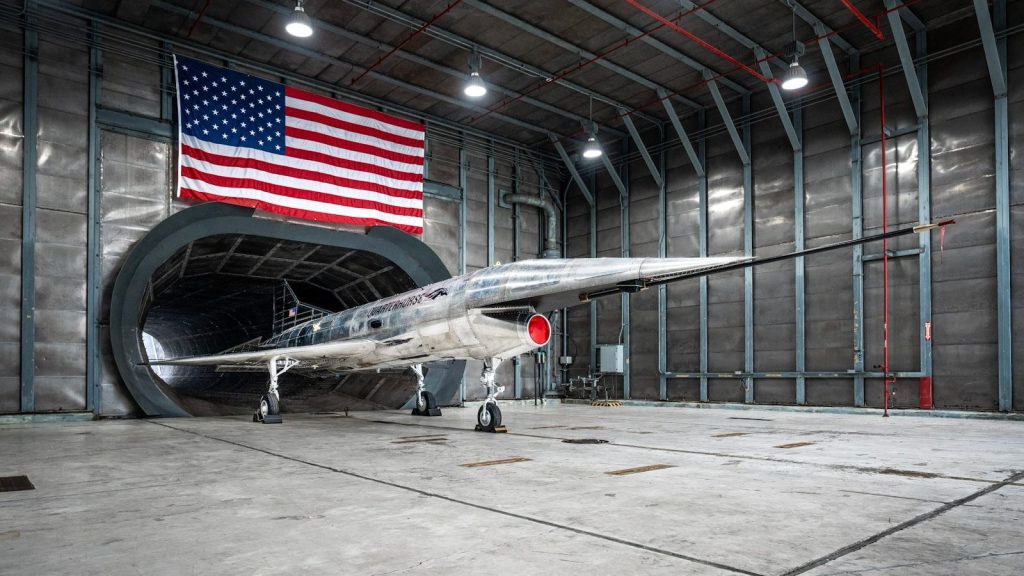
    A small airplane parked inside of a hangar
    Photo by Hermeus on Unsplash

    Traveling near the speed of sound compresses air molecules violently against the front of an aircraft. According to reports from the Federal Railroad Administration, this compression creates a massive physical wall of resistance. The pressure is intense. This air barrier causes extreme vibrations that can easily tear standard metal wings apart. But engineers solved this issue by copying a bullet shape.

    Copying The Bullet Shape

    Detailed view of large airplane propellers with blue sky and clouds in the background.
    Photo by Mike Tyurin on Pexels

    Designers realized that high-velocity ammunition could cross the sound barrier without shattering in flight. According to historical aerospace reports, the first supersonic aircraft copied the exact shape of a fifty-caliber bullet. The design was practical. This sleek metallic hull allowed the vehicle to slide through the air waves cleanly. But guiding this fast vehicle required another major invention.

    Swept Wing Angle Solutions
    white plane during daytime
    Photo by James Lansbury on Unsplash

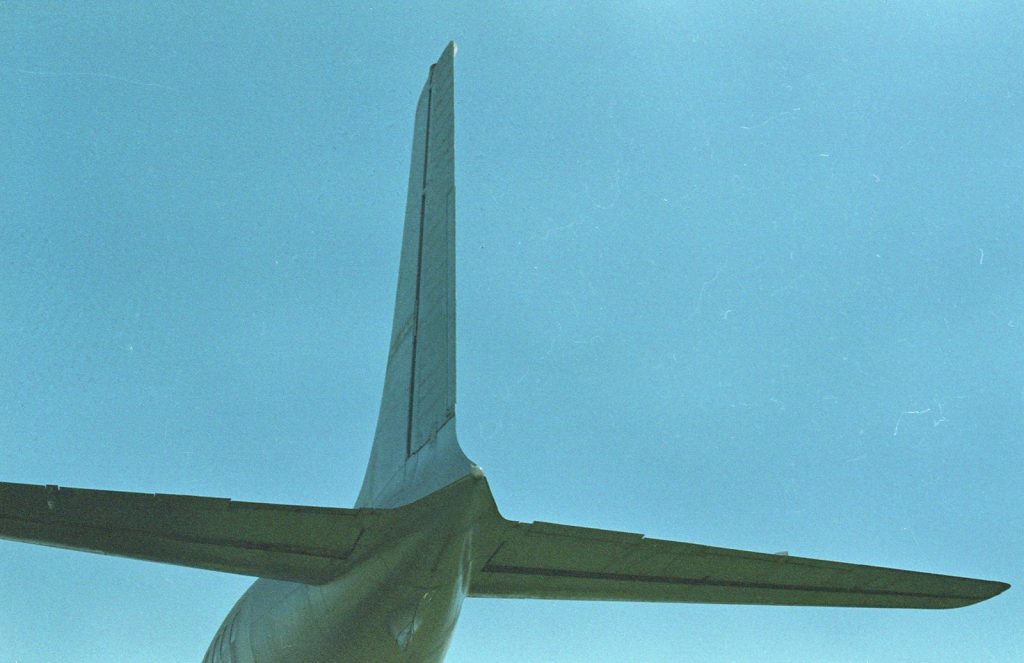
    Straight wings experience intense drag forces when traveling past the speed of sound in the sky. According to wind tunnel test reports, sweeping the wings backward reduces this atmospheric friction significantly. The shift was radical. This angle allows the shockwave to slide off the wing tips without destabilizing the flight path. But breaking this barrier releases a massive acoustic wave.

    The Exploding Sonic Boom

    A jet fighter flies at high speed breaking the sound barrier under a clear blue sky.
    Photo by I Bautista on Pexels

    Crossing the sound barrier releases a massive shockwave of compressed air that travels to the ground. According to environmental geologists, these intense sonic booms can shatter glass windows and terrify local wildlife. The sound is deafening. This severe environmental impact eventually led to a strict government ban on supersonic flights over dry land. But scientists are now working on a quiet solution.

    Silencing The Supersonic Waves
    a close up of a tire
    Photo by Luka Slapnicar on Unsplash

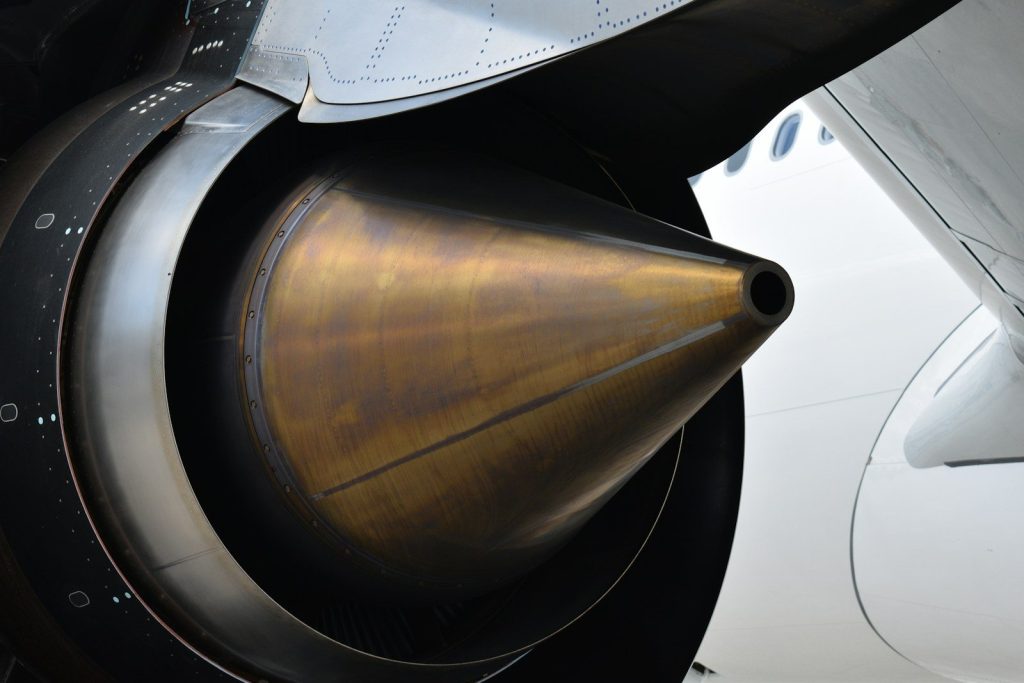
    Aerospace engineers are designing specialized nose cones to disperse the compressed air shockwaves quietly. According to NASA research, new aerodynamic designs can reduce the loud sonic boom to a quiet thump. The future is silent. This breakthrough could soon allow passenger jets to fly supersonic across land once again. But managing these extreme speeds requires highly advanced flight controls.

    Smart Flight Computer Control

    aerial photography of ocean
    Photo by Liv Bruce on Unsplash

    No human pilot can react fast enough to balance an aircraft traveling at supersonic speeds. According to software engineering logs, digital fly-by-wire systems make hundreds of micro-adjustments every single second. The system is smart. This automatic piloting ensures the ride remains perfectly smooth through slight turns in the upper sky. But the ultimate future of flight is heading toward even faster systems.

    Hypersonic Travel Frontiers

    A military fighter jet prepares for takeoff on a runway during sunrise.
    Photo by Khalid aljmman on Pexels

    Modern researchers are already testing unmanned vehicles that can fly five times the speed of sound. According to defense science agencies, these hypersonic machines will soon cross continents in minutes. Speed has no limits. This article is for informational purposes only.

    Featured Image: Photo by Phyllis Lilienthal on Unsplash
  • The Overlooked Physical Blind Spots That Ruined Massive Projects

    The Overlooked Physical Blind Spots That Ruined Massive Projects

    Most taxpayers assume that large building projects are always designed with flawless structural calculations. We believe that professional architects never overlook simple environmental forces.

    But spectacular engineering failures have repeatedly proved how easily a tiny blind spot can ruin a project. These structural errors reveal highly surprising lessons about material science.

    The Wobbling Bridge Disaster

    a large bridge over a body of water
    Photo by Julian Hochgesang on Unsplash

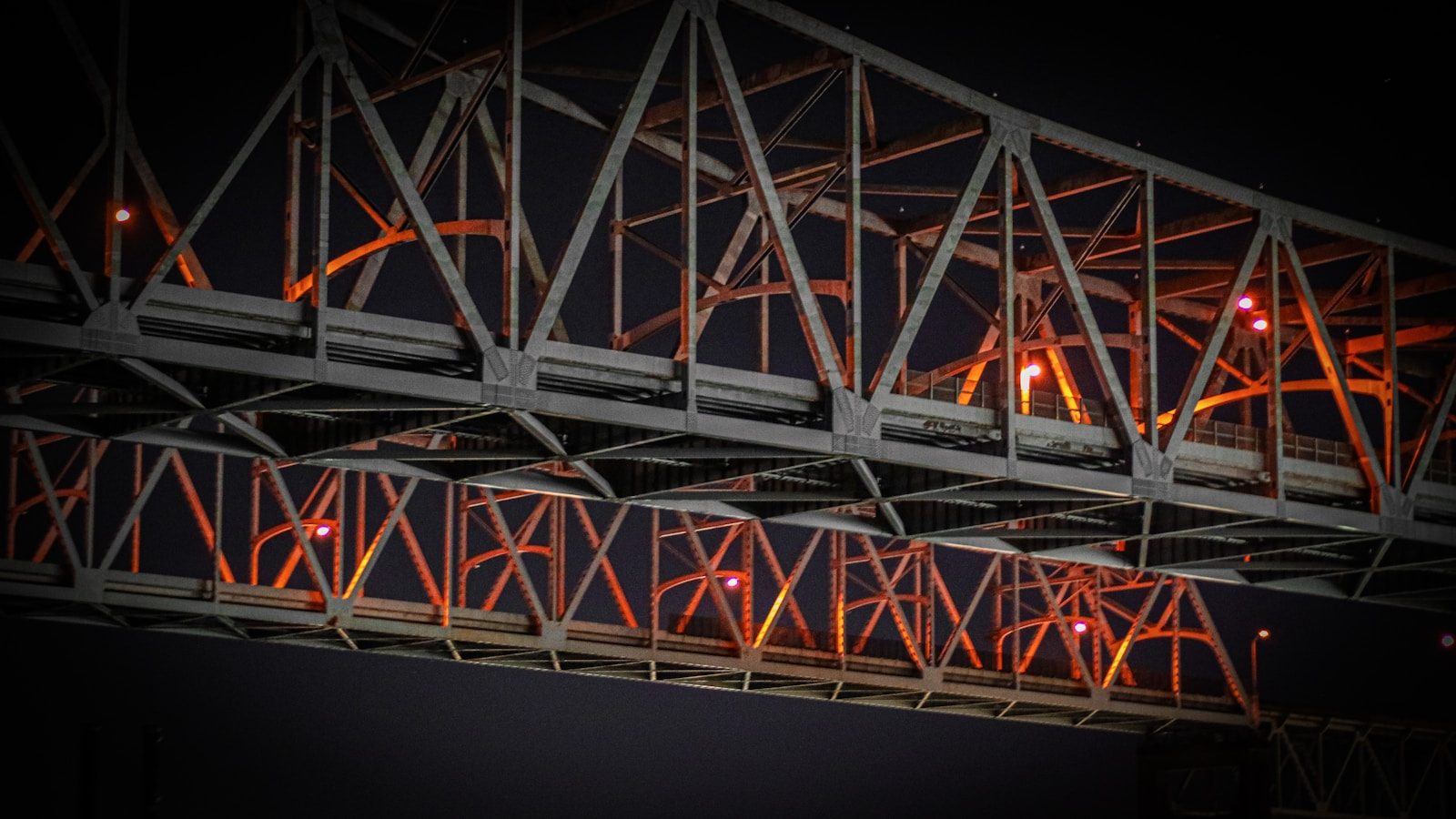
    A famous suspension bridge in Washington collapsed into the river after experiencing moderate wind currents. According to civil engineering reports, the structure lacked aerodynamic vents to let the wind pass through safely. It twisted violently. This physical phenomenon caused the bridge to wobble like a giant ribbon before snapping entirely. But another design flaw was actually caused by a simple shadow.

    The Melting Building Ray

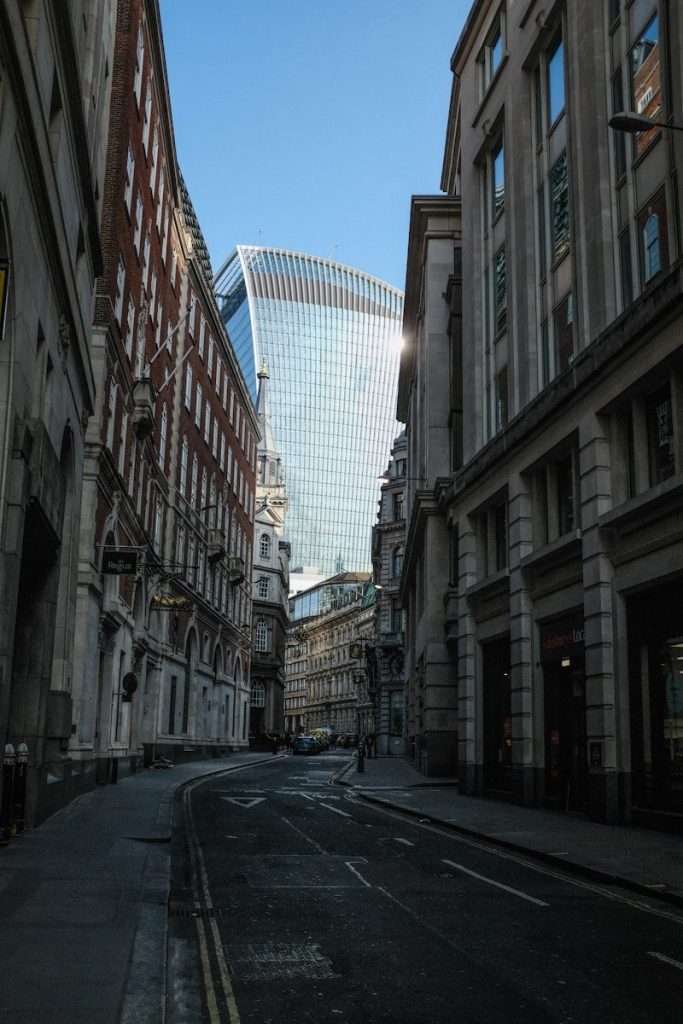
    cars parked on side of the road in between high rise buildings during daytime
    Photo by Flow Clark on Unsplash

    A curved glass skyscraper in London focused sunlight directly onto the streets like a massive mirror. According to optical physics reports, this concentrated beam was hot enough to melt plastic car parts parked below. The light was intense. This architectural mistake forced the builders to install specialized non-reflective screens across the glass facade. But some structural errors happen deep underground.

    Sinking Cities In Mud

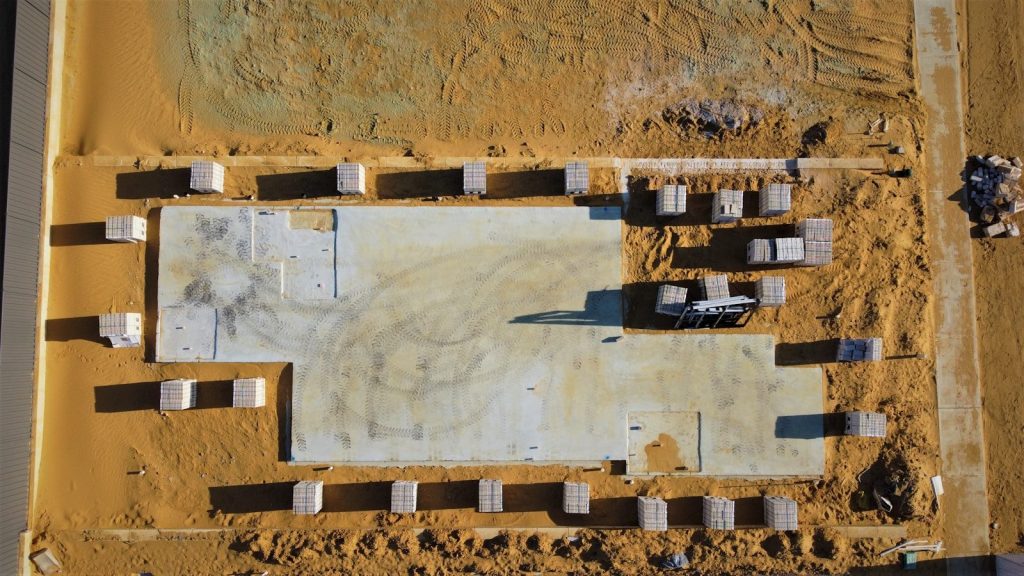
    an aerial view of a construction site in the desert
    Photo by Iain on Unsplash

    Building a massive airport on a soft mud island in Japan led to severe structural settling. According to geological survey logs, the heavy concrete buildings began sinking faster than engineers calculated. The ground gave way. This constant shift forced builders to install massive adjustable jacks beneath the support pillars to level the structures. But managing this heavy load is only the first challenge.

    Slicing Metal With Rust

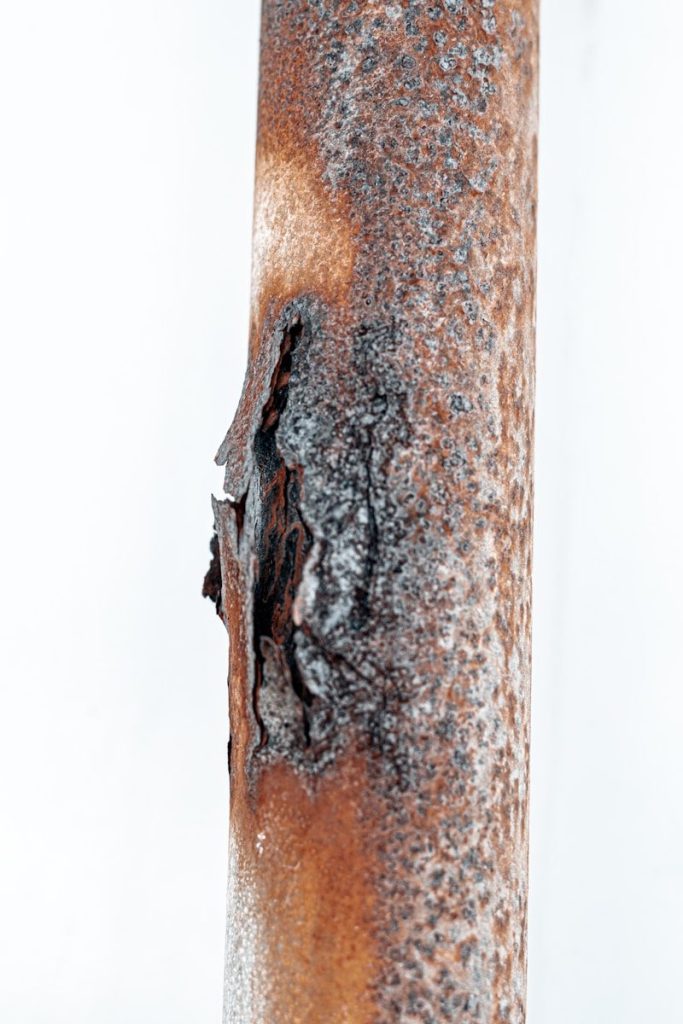
    a close up of a rusted metal pole
    Photo by Vadym Alyekseyenko on Unsplash

    Choosing the wrong metal alloys to build a massive bridge can cause rapid chemical decay. According to metallurgical reports, combining separate metals without protective seals triggers an aggressive process called galvanic corrosion. The joints crumble. This silent chemical reaction can weaken thick steel cables in a few short years. But some failures are driven by simple wind rhythms.

    The Rhythmic Sway Danger

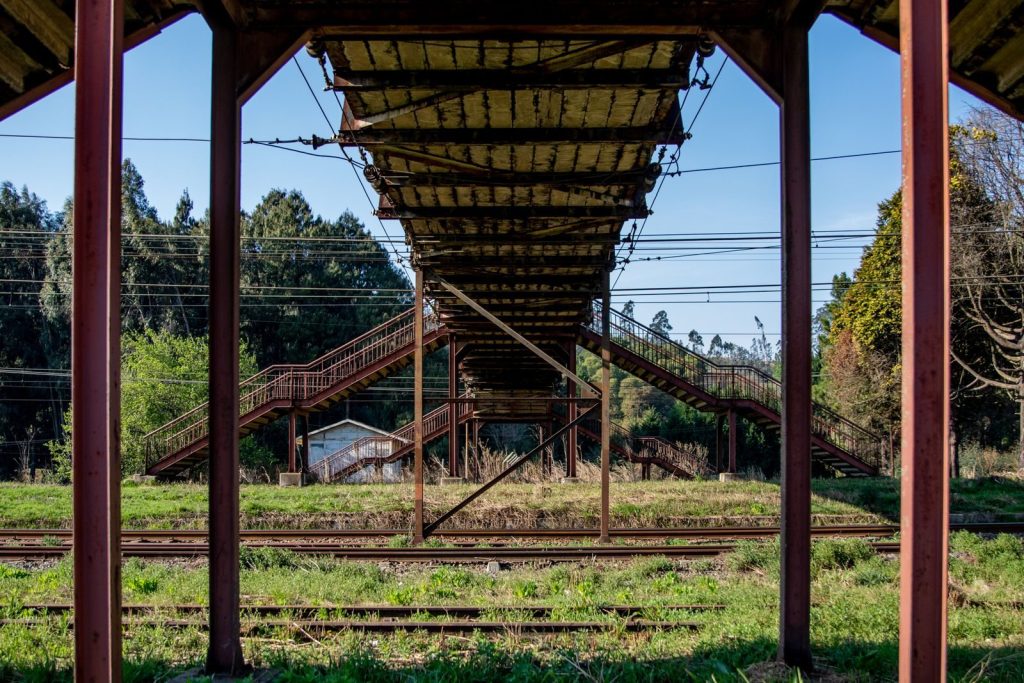
    A rustic footbridge crosses railway tracks amidst lush greenery during a summer day.
    Photo by Magda Ehlers on Pexels

    A modern footbridge in London began swaying violently when thousands of pedestrians walked across it in unison. According to structural engineers, the footsteps matched the natural frequency of the bridge frame. The sway was alarming. This resonance effect forced officials to shut down the bridge and install heavy dampeners to absorb the vibrations. But some design flaws are completely invisible.

    Microscopic Glass Impurities Bursting

    a view of a snowy mountain through a window
    Photo by kimny on Unsplash

    Tempered glass panels on high-rise buildings can suddenly explode without warning due to tiny chemical faults. According to materials science studies, nickel sulfide impurities can expand slowly under solar heat. The glass shatters. This spontaneous breakage has forced developers to replace thousands of expensive windows on modern skyscrapers. But keeping these massive structures safe requires running constant audits.

    Checking Structural Stress Points

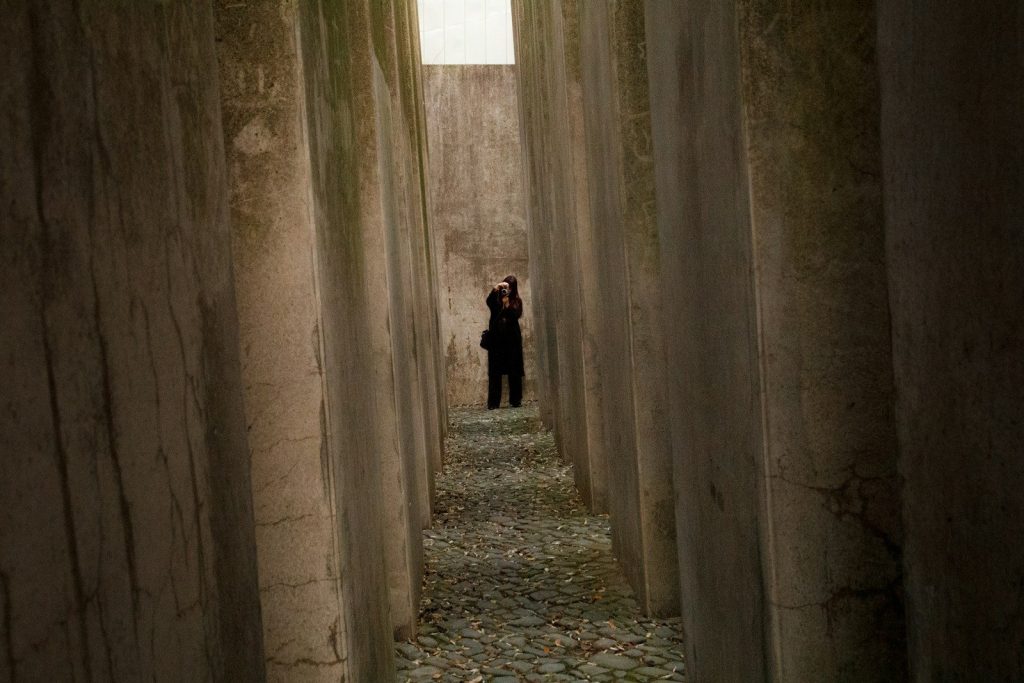
    A solitary figure explores a maze of concrete slabs.
    Photo by Mirco Colosi on Unsplash

    Modern safety inspectors use highly sensitive acoustic sensors to detect microscopic cracks inside concrete pillars. According to public safety logs, these advanced tools can hear the silent groaning of a weak frame. Action is critical. Finding these early signs of fatigue allows teams to repair the damage before a catastrophic collapse occurs. But the legacy of these structural failures continues to change engineering.

    Learning From Structural Failure

    An aerial view of a city at sunset
    Photo by Qi Li on Unsplash

    The history of these engineering mistakes reminds us that natural forces must always be respected. According to historians, analyzing these design blind spots is what allows us to build safer and more resilient cities for tomorrow. Balance is essential. This article is for informational purposes only.

    Featured Image: Photo by iSawRed on Unsplash

  • How Smart Tech Unlocked Secrets of Burnt Roman Scrolls

    How Smart Tech Unlocked Secrets of Burnt Roman Scrolls

    History lovers assume that ancient scrolls carbonized by volcanic eruptions are permanently lost to time. We believe these fragile rolls are far too delicate to ever be read.

    But advanced digital imaging is completely changing what is possible. Scientists have successfully read the hidden text inside these charred ruins without opening them.

    The Ruined Library of Vesuvius

    the inside of a space station with a large screen
    Photo by Hermeus on Unsplash

    A catastrophic volcanic blast buried a wealthy Roman villa filled with priceless library scrolls. According to the Herculaneum Society, the extreme heat carbonized the papyri instantly into fragile lumps of charcoal. They were incredibly delicate. Trying to physically unroll these charred scrolls would only crumble them to dust. But computer scientists designed a brilliant digital alternative.

    Reading Paper With Particle Accelerators

    opened black laptop computer
    Photo by AltumCode on Unsplash

    Researchers transported the fragile scrolls to a specialized particle accelerator facility. According to researchers at the University of Kentucky, high-energy X-rays scanned the internal layers of the rolls without touching them. The scans were massive. This virtual model allowed a custom program to map the shape of the paper. But separating the carbon ink from the burnt paper was another challenge.

    Spotting The Invisible Carbon Ink

    person holding magnifying glass
    Photo by Mick Haupt on Unsplash

    The ancient ink was made of soot, which has almost the same density as the charred paper. According to computer science reports, developers trained neural networks to detect microscopic shifts in the papyrus texture. It was brilliant. The algorithm successfully highlighted letters that are completely invisible to standard human eyes. But the first translated words would shock the team.

    Unlocking Lost Ancient Philosophy Lessons

    Baskets are stacked up against a wall.
    Photo by Tanya Barrow on Unsplash

    The first recovered text revealed a long-lost work from an Epicurean philosopher. According to classical historians, the scroll contains detailed thoughts on pleasure, music, and how to live a peaceful life. The discovery was real. This breakthrough proves that we can retrieve lost texts with absolute precision. But this automated tool is already being used on other historical mysteries.

    Automated Cuneiform Translation Systems

    woman sitting at desk with desktop computer
    Photo by National Cancer Institute on Unsplash

    Thousands of clay tablets from ancient Mesopotamia remain unread because we lack expert translators. According to museum curators, new translation models can now process cuneiform text in a matter of seconds. The speed is unbelievable. This software allows researchers to study the daily lives of regular citizens from thousands of years ago. But some scholars argue that technology has its limits.

    Retaining The Human Cultural Context

    The sun shines through the clouds over a stone bridge
    Photo by zhang kaiyv on Unsplash

    Artificial intelligence still struggles to grasp complex cultural jokes and local idioms in old scripts. According to linguistic experts, automated programs can easily mistranslate regional slang without human guidance. The human touch is vital. Historians must carefully review each digital output to ensure the text makes logical sense. But this partnership is already accelerating new historical discoveries.

    Reclaiming Voices Of The Past

    green and white led light signage
    Photo by Alessandro Venturi on Unsplash

    We are entering a bold new era where lost history is actively being brought back to life. According to researchers, combining advanced imaging with smart software will continue to unlock secret vaults across the globe. The old world is awake. This article is for informational purposes only.

    Featured Image: Photo by Buddha Elemental 3D on Unsplash

  • The Colossal Mountain Treasure Too Dangerous To Dig Up

    The Colossal Mountain Treasure Too Dangerous To Dig Up

    Most mineral geologists assume that the largest and most valuable treasures on Earth have already been mined. We believe that modern exploration has successfully mapped all the colossal metal deposits on the globe.

    But a massive underground discovery deep beneath the Andes mountains has completely disrupted this assumption. Scientists have located a giant reserve of critical metals that some say is too dangerous to excavate.

    Under The High Peaks

    a close up of a tree trunk with a bird perched on top of it
    Photo by Claiton Conto on Unsplash

    A team of geologists conducting deep seismic sweeps along the rugged South American border made a startling discovery. They hit massive anomalies. According to reports from the South American Council, researchers detected an incredibly dense mineral formation buried thousands of feet beneath the mountains. But measuring this underground treasure would soon reveal a staggering potential value.

    Billions Hidden In Stone

    a yellow excavator in a large open pit
    Photo by Abdul Basit on Unsplash

    The subterranean formation contains a colossal concentration of high-grade copper, gold, and silver. According to mining industry analysts, the raw monetary value of this deposit could exceed eighty billion dollars. The scale is monumental. This single find could easily reshape the global metal market and supply clean energy technologies for decades. But the physical location of the treasure creates an extreme mining barrier.

    At Crushing High Altitudes

    cliff covered by snow
    Photo by Theodor Vasile on Unsplash

    The massive mineral deposit sits dead in the center of the Andes mountains under extreme geological conditions. According to operational logs from nearby mines, working at these high altitudes requires specialized equipment to handle thin oxygen. The air is freezing. The brutal wind and frequent snowstorms make building a permanent mining base nearly impossible. But the environmental risks of digging are even more terrifying.

    Threatening Fragile Desert Water

    Green rice fields with a water channel and distant structures.
    Photo by YiChuan Li on Unsplash

    Drying up local water tables is a major risk when operating a massive industrial mining project. According to hydrological impact studies, extracting these metals would require diverting millions of gallons of fresh mountain water. The region is dry. Local communities rely entirely on these delicate water streams to irrigate crops and support livestock operations. But the geology of the mountain holds a secondary hazard.

    Triggering Dangerous Earthquakes

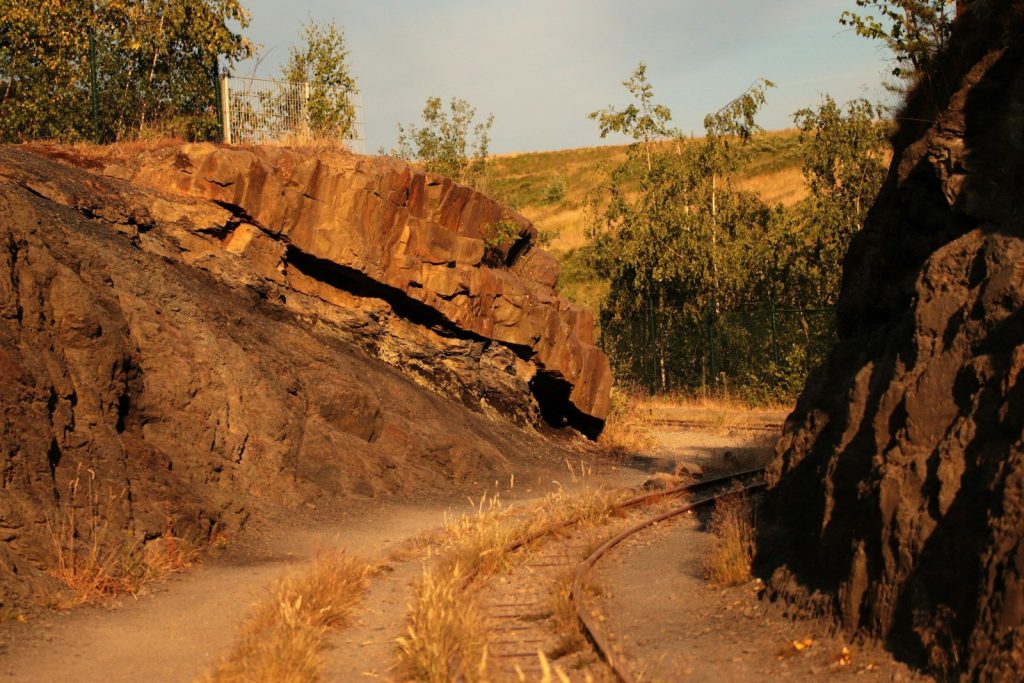
    a train track going through a rocky area
    Photo by Lars Portjanow on Unsplash

    The colossal mineral reserve sits directly on top of active tectonic fault lines that border the continent. According to seismic hazard reports, running heavy drilling machinery and blasting stone can trigger violent underground collapses. The ground is unstable. These sudden shifts could cause devastating landslides that destroy local villages located downwind. But political friction is also building over this mountain wealth.

    The Battle Over Ownership

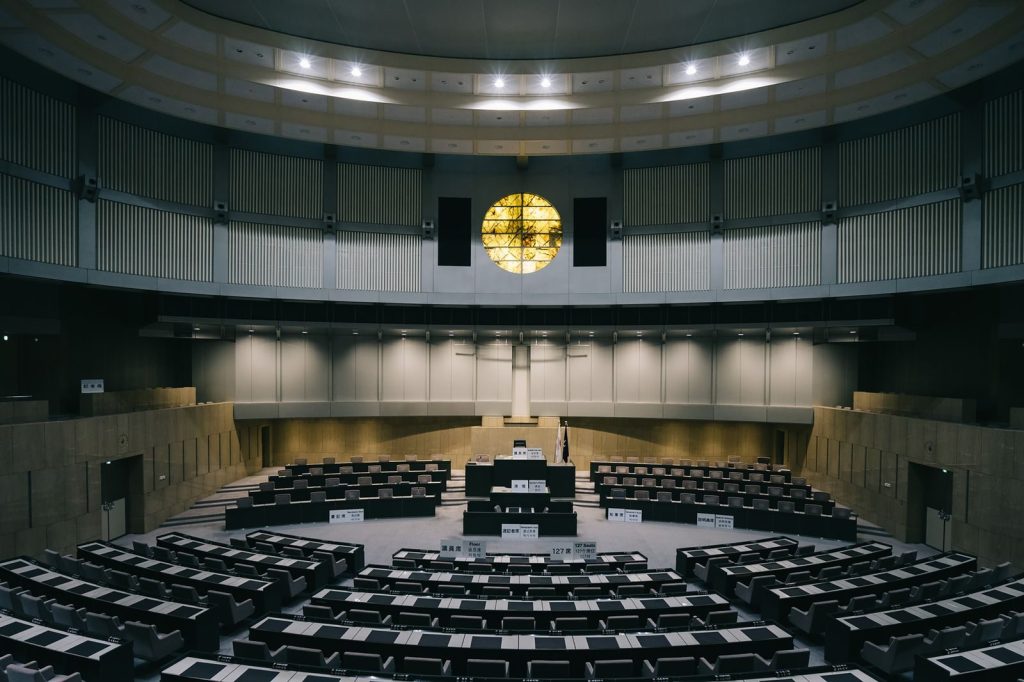
    Interior of a modern legislative chamber with empty seats and a unique architectural design in Tokyo, Japan.
    Photo by Markus Winkler on Pexels

    The enormous deposit lies right along a highly disputed border territory shared by separate nations. According to geopolitical analysts, both governments have claimed legal rights to regulate and tax the underground wealth. It is a stalemate. This intense political friction has forced multiple mining companies to suspend their exploration plans indefinitely. But some advanced robotic solutions could eventually bypass these human disputes.

    Prepping Robotic Drillers

    Robot made with 3d printer with cables and wires against white background
    Photo by Vanessa Loring on Pexels

    Engineers are designing specialized autonomous drilling systems to operate in these high-altitude environments. According to technology development logs, using remote-controlled rovers can eliminate the need for human workers on the mountain. The machines are tough. This robotic setup could allow companies to extract the metals safely without risking human lives. But the ultimate fate of this mountain treasure remains undecided.

    Balancing Wealth and Planet

    brown mountains under white sky during daytime
    Photo by Barna Bartis on Unsplash

    The massive Andes discovery proves that Earth still hides spectacular mineral treasures beneath its crust. According to geologists, balancing our growing demand for metals with environmental safety is the ultimate challenge of modern engineering. Balance is essential. This article is for informational purposes only.

    Featured Image: Photo by Milan Malfait on Unsplash

  • The Hidden Smartphone Features Changing Daily Mobile Life

    The Hidden Smartphone Features Changing Daily Mobile Life

    Most mobile users believe they already know every single tool and option on their handheld devices. We assume that daily scrolling and tapping have revealed all the capabilities of our phones.

    But a deeply buried system of secret settings is quietly recording data and changing performance in the background. Activating these hidden features can transform your smartphone into a highly secure personal assistant.

    The Secret Location Journal

    person using smartphone with nordic walking sticks
    Photo by Antonio Groß on Unsplash

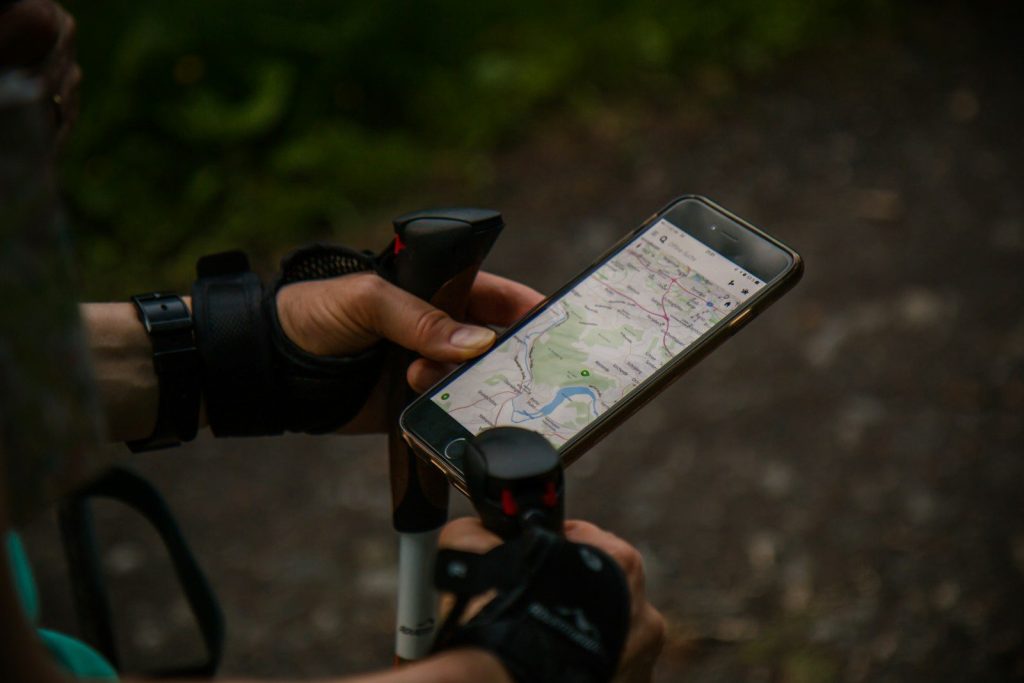
    Our digital devices coordinate dozens of background activities to ensure systems run smoothly. According to mobile security reports, a hidden background system actively logs your precise coordinates at all times. The ledger is detailed. It can tell exactly when you leave your home or arrive at an office. But finding this secret directory requires navigating through several confusing privacy menus.

    Turning Off Background Tracking

    graphical user interface, application
    Photo by Typerium App on Unsplash

    Disabling this background coordinate logging is surprisingly simple once you know where the setting is hidden. According to device support manuals, turning off the tracking does not disrupt your basic map navigation apps. Action is required. Once disabled, the phone stops keeping a local map of your private life. But keeping your personal data truly secure requires taking a few secondary steps.

    Clearing Old Spatial Logs

    A close-up of CDs and disks on a desk, featuring hands in a tech environment.
    Photo by cottonbro studio on Pexels

    Turning off the background location setting does not automatically erase the travel logs already stored in memory. According to network privacy advocates, users must manually select the clear history option to wipe the files. Do not forget. Doing this ensures your past movements are completely deleted from the device forever. But other hidden settings can actively boost your daily signal strength.

    The Hidden Diagnostic Menus

    person holding silver electronic diary
    Photo by Wahyu Setiawan on Unsplash

    Mobile developers build secret testing screens into the operating code to help technicians diagnose hardware faults. According to telecommunication guides, typing specific numeric codes into your phone dialer unlocks these hidden diagnostic menus. They are highly complex. This access allows you to run antenna tests and verify battery health directly. But these diagnostic tools also reveal how much power is being wasted.

    Silencing Hungry Background Apps

    turn-on laptop displaying 97 percent battery
    Photo by Panos Sakalakis on Unsplash

    Dozens of installed apps constantly update their content in the background even when your screen is locked. According to software engineering audits, this silent activity drains battery power and consumes valuable mobile data. The drain is rapid. Disabling background app refresh keeps your processor cool and easily doubles your battery life. But there is another hidden feature designed specifically for emergency situations.

    Activating Your Emergency Beacon

    person holding phone displaying stop complaining text screengrab
    Photo by Omar Prestwich on Unsplash

    Most smartphones contain a hidden shortcut that can instantly contact rescue services and share your coordinates. According to personal security reports, pressing the power button five times rapidly triggers an automated distress signal. It works silently. This feature can send a direct distress message to your chosen contact list during a crisis. But keeping these security settings sharp requires running monthly updates.

    Mastering Your Connected Life

    man in blue dress shirt sitting on rolling chair inside room with monitors
    Photo by Austin Distel on Unsplash

    Taking control of your smartphone privacy and performance options is the easiest way to secure your digital footprint. According to cybersecurity professionals, regular device audits are essential to protect your personal details from corporate tracking. Awareness is vital. This article is for informational purposes only.

    Featured Image: Photo by Rami Al-zayat on Unsplash
  • The Impossible One Off Vehicles Built Only Once

    The Impossible One Off Vehicles Built Only Once

    Most drivers assume that every car on the road is manufactured in massive factories on busy assembly lines. We believe that automotive engineering is strictly a game of copy and paste.

    But a select group of legendary vehicles was constructed only a single time in human history. These impossible machines were designed to push the absolute physical and aesthetic limits of transportation.

    Stamping Out Pure Art

    A sleek red sports car on a red carpet.
    Photo by Zack Otto on Unsplash

    In the golden era of design, manufacturers built spectacular prototypes to capture the public imagination at global motor shows. These cars were magnificent. According to automotive historians, master craftsmen hand-shaped the metal bodies of these vehicles using basic hammer techniques. This bespoke construction meant that duplicate parts did not exist anywhere on the globe. But these sleek shapes were hiding real mechanical power.

    Powering The Experimental Engines

    black and brown metal machine
    Photo by Luca J on Unsplash

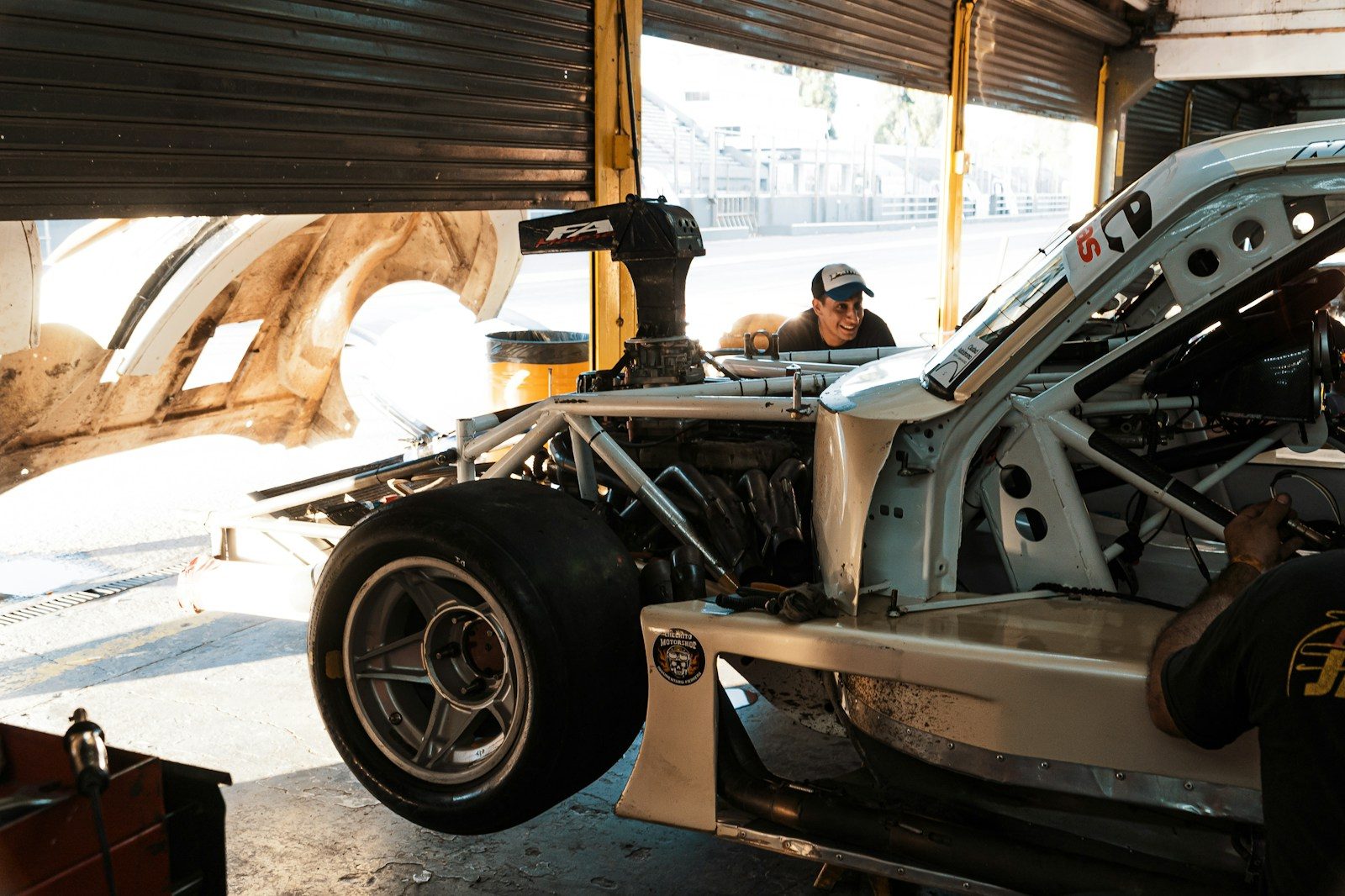
    To match their radical exteriors, engineers designed unique high-performance engines that were never mass-produced. According to testing archives, some prototypes utilized advanced multi-valve configurations that traditional factories could not easily manufacture. The power was immense. These mechanical experiments allowed designers to test the extreme limits of combustion and speed. But managing these fast vehicles required an entirely new suspension.

    Adapting The Active Suspension

    a close up view of the engine of a racing car
    Photo by Francesco Zedda on Unsplash

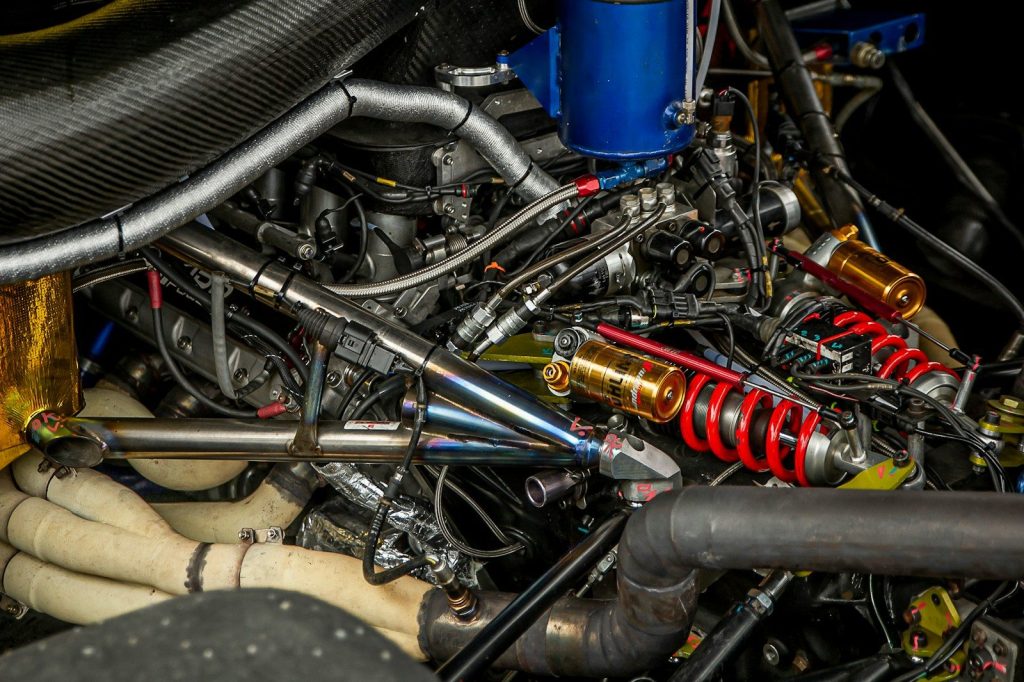
    Carrying such complex and unique frames required a highly reactive suspension setup to handle uneven road surfaces. According to engineering development logs, researchers built adaptive air struts that adjusted the vehicle height automatically. It was a breakthrough. This real-time leveling kept the low-slung prototypes stable during high-speed track runs. But these experimental vehicles were also attracting military attention.

    Tactical Stealth Vehicle Designs

    grayscale photo of a plane
    Photo by Brian McGowan on Unsplash

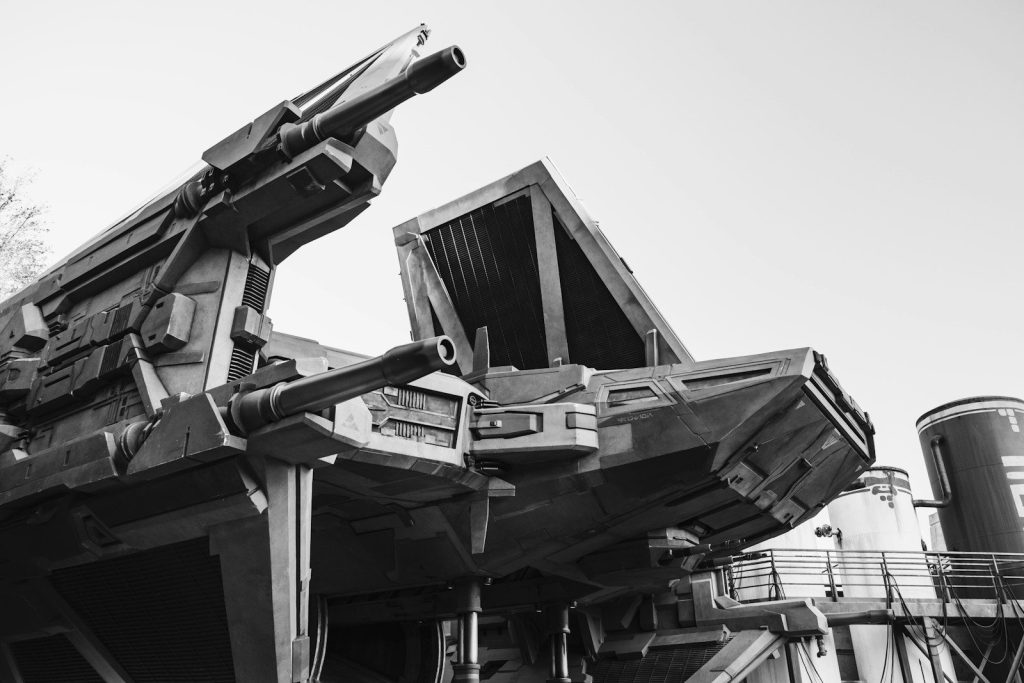
    Defense agencies studied these silent prototypes to see if custom frames could hide vehicles from tracking sensors. According to military evaluation reports, using unique fiberglass panels can reduce radar visibility significantly. The car ran silent. This stealth quality made the vehicle ideal for high-priority transport missions behind closed borders. But transforming these platforms for public roads introduced a major safety puzzle.

    Meeting The Safety Barriers

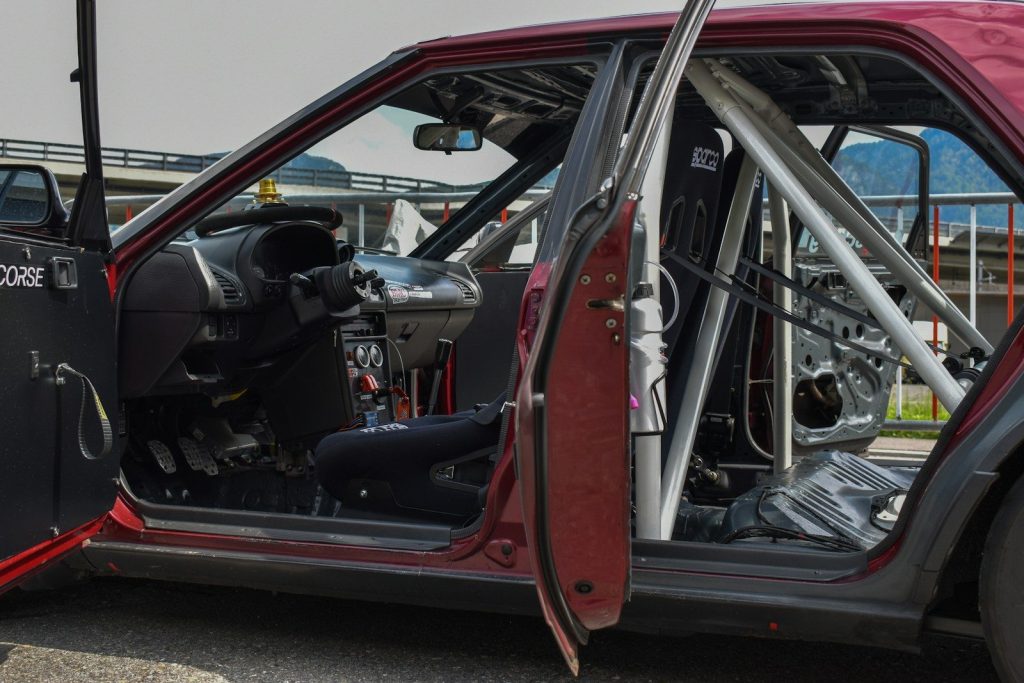
    a red car with its door open and a motorcycle in the back
    Photo by Sascha Pfyl on Unsplash

    Standard cars use predictable crumple zones to protect passengers during a severe head-on collision. According to vehicle safety reviews, these one-off prototypes lacked standard safety frames and were highly vulnerable to impacts. The risk was real. This structural fragility is why most of these cars were banned from public roads entirely. But keeping these rare machines alive required extreme storage protection.

    Safe Inside Climate Vaults

    Beautiful display of a vintage car in a stylish indoor showroom with wooden interior.
    Photo by Tristan Wilson on Pexels

    The delicate aluminum panels and organic leather cabins decay rapidly when exposed to humid climates. According to museum preservation guidelines, these unique vehicles must be stored inside specialized climate-controlled chambers. The air is dry. This protective shield prevents the rare metal from rusting and keeps the original paint bright. But some of these lost treasures vanished in a highly mysterious way.

    Vanishing From All Records

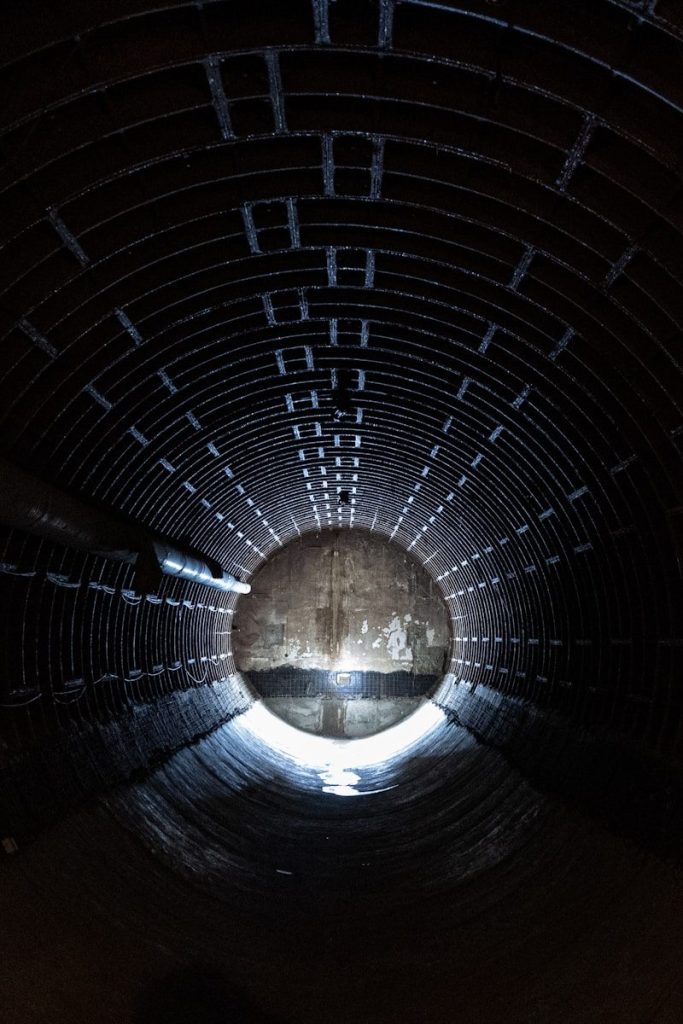
    a dark tunnel with a light at the end
    Photo by Mariia Ilina on Unsplash

    Several legendary one-off machines disappeared from private collections during times of global political conflict. According to recovery files, these mechanical masterpieces were frequently hidden inside secret underground bunkers to protect them from looters. They were lost. Finding these hidden vaults remains a major focus for historical investigators today. But the legacy of these unique machines continues to shape our future.

    Redefining The Automotive Future

    a large metal structure with a ladder
    Photo by Miguel Lindo on Unsplash
    These spectacular single-build vehicles prove that human design is not bound by standard factory limits. According to historians, studying these rare engineering masterpieces helps us appreciate the true art of early transportation. Innovation remains essential. This article is for informational purposes only.

    Featured Image: Photo by Rafael Hoyos Weht on Unsplash

  • The Mind-Bending Discoveries That Unlocked Deep Space

    The Mind-Bending Discoveries That Unlocked Deep Space

    Most stargazers assume that early humans viewed the night sky as a simple ceiling of bright lights. We believe that understanding cosmic movements required highly advanced modern satellites.

    But a series of historical breakthroughs has completely transformed our relationship with the cosmos. These brilliant discoveries have quietly revealed a vast and changing universe beyond our world.

    Turning Glass Toward Stars

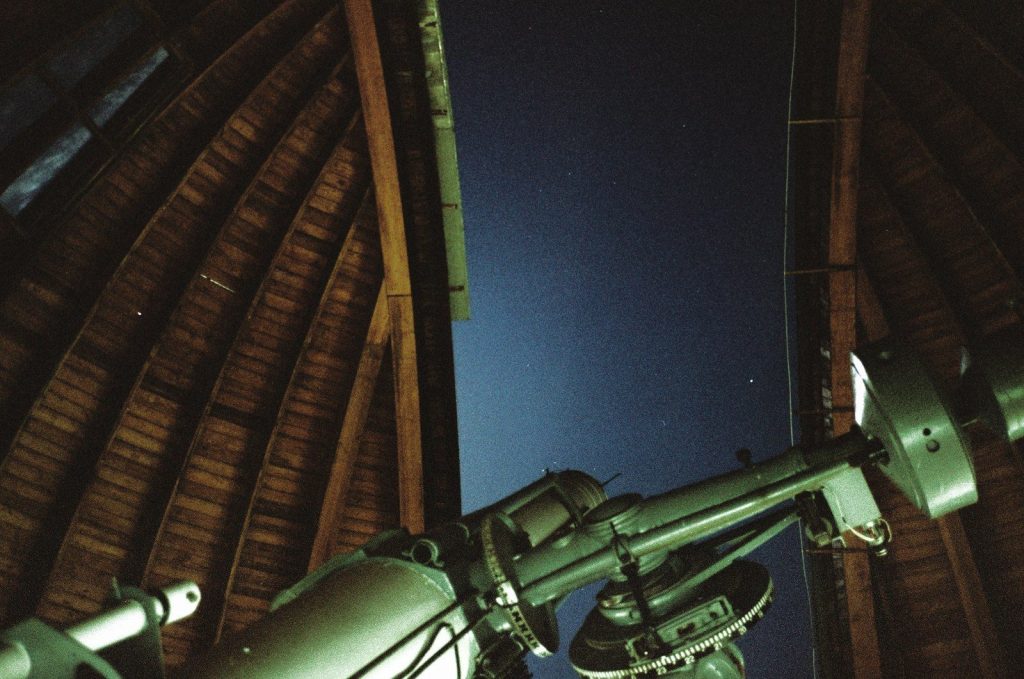
    a telescope mounted to the side of a building
    Photo by Vasily Ledovsky on Unsplash
    The journey to map deep space officially began when a bold inventor turned glass lenses toward the moon. According to historical records, Galileo observed orbiting moons and planetary phases in sixteen ten. It was a revelation. This simple visual proof shattered old beliefs that everything in the cosmos circled Earth. But this optical step was only the beginning of a much larger calculation.

    Calculating Gravity: Cosmic Laws

    water droplets on glass panel
    Photo by Alazar Kassahun on Unsplash
    Understanding why heavy planets remain locked in stable paths required a radical mathematical leap. According to physics publications, Isaac Newton proved that an invisible gravitational force binds the entire universe together. The math was perfect. This gravity calculation allowed astronomers to predict planetary movements with absolute accuracy for generations. But a strange cosmic speed limit would soon disrupt these neat equations.
    Bending Space And Time

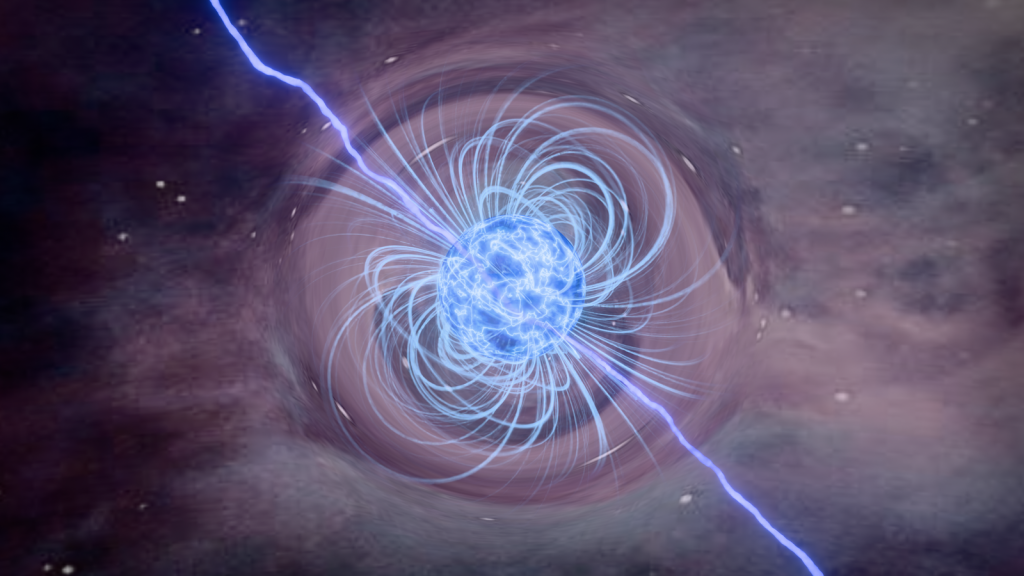
    Artistic depiction of a neutron star surrounded by a glowing magnetic field.
    Photo by Nicola Narracci on Pexels

    A brilliant patent clerk proposed a mind-bending theory that completely reshaped modern physics. According to reports from the Institute for Advanced Study, Albert Einstein showed that gravity actually warps the physical fabric of space and time. Space is flexible. This radical idea explained how massive stars can bend passing starlight during solar eclipses. But tracking these cosmic warps required looking at distant galaxies.

    Discovering The Expanding Void

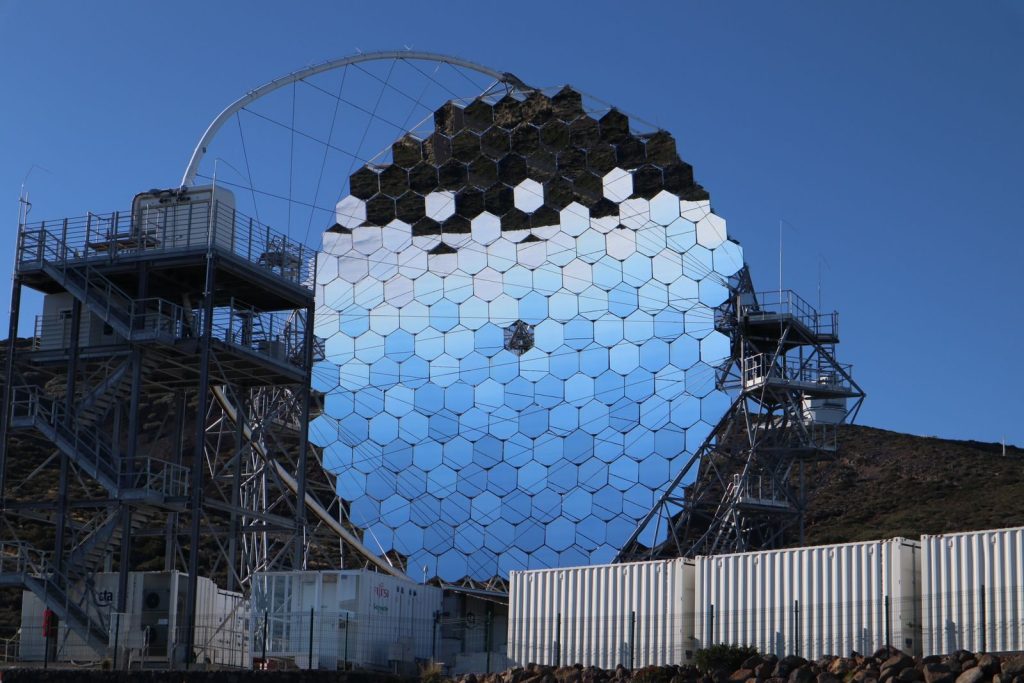
    Futuristic reflective structure with hexagonal mirrors under a clear blue sky. Modern design.
    Photo by Michael Goddard on Pexels

    Astronomers using a massive telescope in California made a shocking discovery about the scale of our universe. According to historical archives, Edwin Hubble proved that distant galaxies are actively rushing away from us. The cosmos is growing. This constant expansion suggested that everything in space originated from a single hot starting point. But capturing the cold echo of this birth required fresh sensors.

    Hearing The Big Bang

    Abstract visualization of light waves interacting with spheres
    Photo by Marek Pavlík on Unsplash

    Two communications engineers accidentally recorded a persistent hum coming from all directions in the sky. According to reports from the Bell Telephone Laboratories, this static noise was the literal thermal echo of the early universe. It was a whisper. This cosmic microwave background provided definitive proof of how our universe began billions of years ago. But deep space still held an invisible energy mystery.

    Hunting For Dark Matter

    A colorful fireworks is lit up in the night sky
    Photo by David Gomez on Unsplash

    Modern telescopes mapping the speed of spinning galaxies discovered that visible matter is not strong enough to hold them together. According to astronomical studies, a mysterious invisible substance must exist to provide extra gravity. The universe is hidden. This dark matter is currently one of the greatest unresolved puzzles in modern astrophysics. But astronomers are already preparing to look even deeper.

    Scanning The Outer Horizons

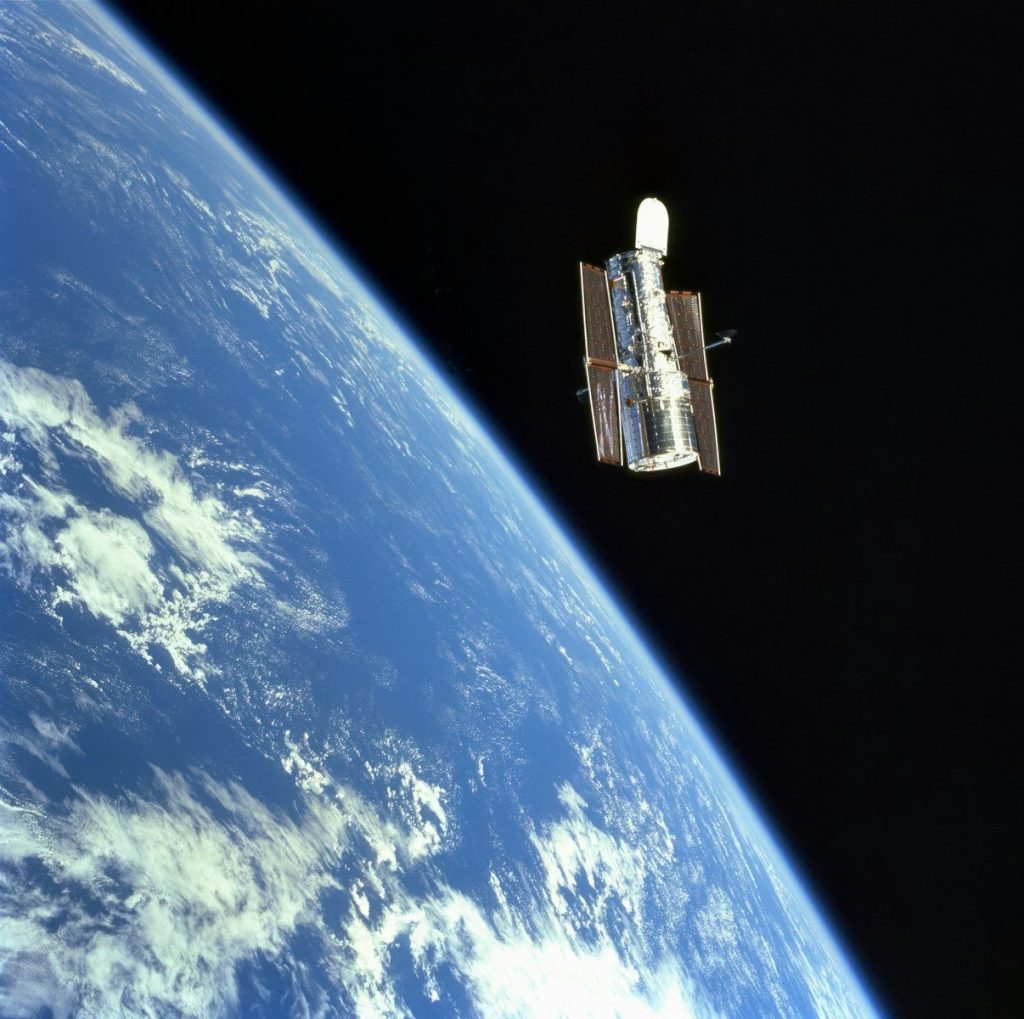
    the space shuttle is flying over the earth
    Photo by NASA Hubble Space Telescope on Unsplash

    Every new telescope discovery expands our understanding of how cosmic matter behaves under extreme physical conditions. According to NASA, using advanced orbital sensors allows humanity to trace the history of all matter back to the stars. We are learning. This article is for informational purposes only.

    Featured Image: Photo by NASA Hubble Space Telescope on Unsplash

  • The Sahara Mummies Redefining The Human Family Tree

    The Sahara Mummies Redefining The Human Family Tree

    Most history lovers assume that ancient Egyptian pharaohs represent the oldest mummified people in the world. We believe that elaborate burials only emerged with the rise of great Nile cities.

    But a stunning find deep beneath the desert sand has challenged this historical timeline. Excavators have uncovered seven-thousand-year-old mummified remains belonging to a completely unknown human lineage.

    Secrets Hidden In Searing Sand

    brown brick wall under blue sky during daytime
    Photo by Jeremiah Del Mar on Unsplash

    A team of archaeologists exploring a remote desert basin in the Sahara made a staggering discovery under the dunes. The sand was deep. According to reports from the National Museum, workers uncovered highly complex burial structures that predated historical records by millennia. But analyzing these ancient bones would quickly reveal a highly bizarre genetic reality.

    Tracing Unseen Human Relatives

    a woman sitting in front of a computer monitor
    Photo by CDC on Unsplash

    Researchers immediately processed bone fragments to extract ancient biological blueprints from the specimens. The results were shocking. According to geneticists at the Max Planck Institute, the DNA of the mummies does not match any known human lineage on our planet. This mysterious group represents a complete ghost branch of our evolution. But their advanced technology would puzzle researchers even more.

    Crafting Impossible Early Tools

    a man is carving a statue out of cement
    Photo by Prasanta Kr Dutta on Unsplash

    Finding such ancient mummies required checking the complex items buried alongside the skeletons in the sand. The tools were beautiful. According to archaeological micro-wear studies, the prehistoric craftsmen used highly advanced grinding methods to shape hard stone weapons. This early technology appeared thousands of years before standard timelines suggest. But tracing where these prehistoric nomads traveled led to another mystery.

    Crossing A Green Landscape

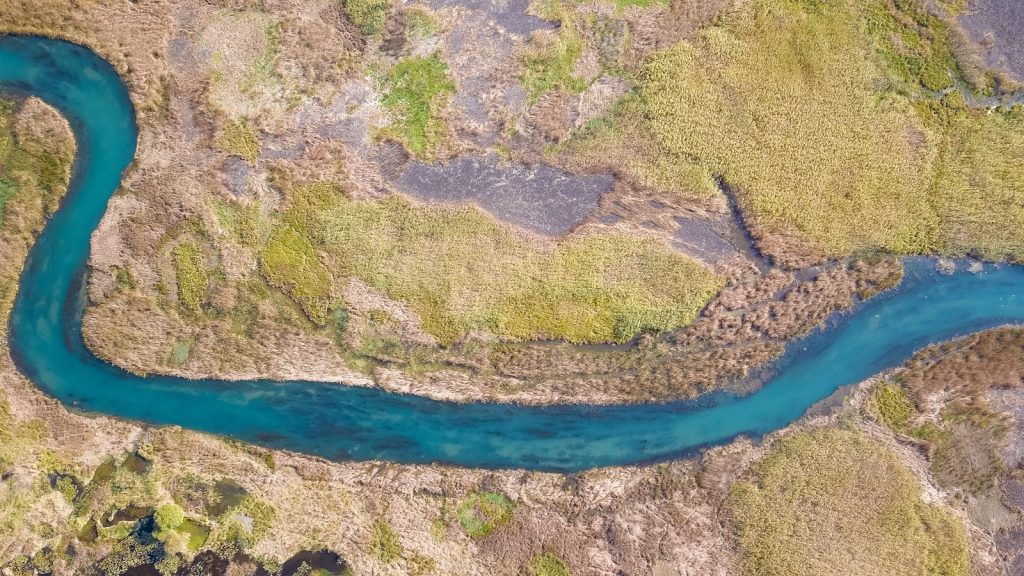
    top view of a winding river
    Photo by Ümit Yıldırım on Unsplash

    The Sahara was once a lush tropical paradise filled with flowing rivers and green grasslands. According to paleoclimatological models, this wet environment supported massive animal herds and thriving human groups. It was a haven. The green landscape allowed this mysterious lineage to travel and settle across vast territories easily. But a sudden planet shift would bring an end to this fertile world.

    Swallowed By Rising Silt

    a dirt road in the middle of a desert
    Photo by Armands Brants on Unsplash

    Severe changes in Earth’s rotation slowly turned the green tropical wetlands into dry sand dunes. According to geological climate reconstructions, the rapid desertification forced many specialized populations to migrate. They had to flee. This climate crisis slowly buried the ancient settlements under deep layers of dust. But the unique preservation of these bodies was not a natural accident.

    Mastering The Drying Art

    gray concrete building
    Photo by Hulki Okan Tabak on Unsplash

    The ancient group possessed a sophisticated understanding of preservation long before the dynastic pharaohs arose. According to anthropological reports, the bodies were treated with specific plant resins and wrapped tightly in animal skins. The work was complex. This careful preparation kept the tissues intact across seven thousand years of desert heat. But opening these delicate chambers required launching a dangerous mission.

    Sifting Deep Dust Safely

    black and gray electric post
    Photo by Scott Blake on Unsplash

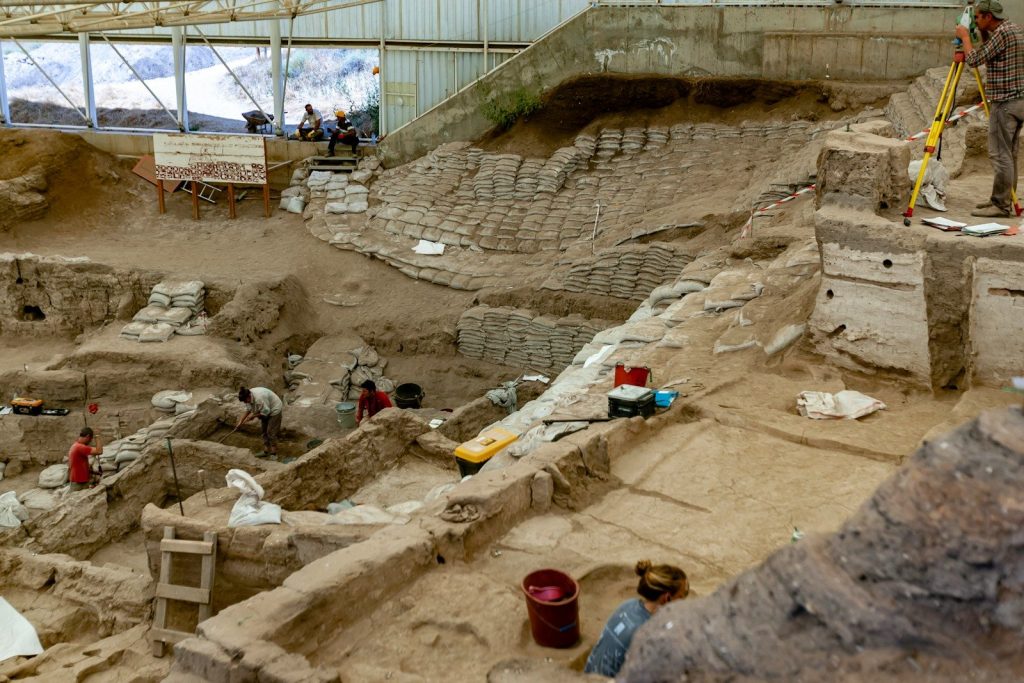
    Excavating inside fragile sand structures requires extreme care and modern digital mapping systems. According to independent geophysicists, researchers used ground-penetrating radar to scan the coordinates before touching the soil. Precision was vital. This radar shield allowed the team to map the tomb layout without collapsing the surrounding dunes. But the ultimate legacy of this ghost lineage continues to divide scholars.

    Redefining Our Deep Past

    a piece of paper with a picture of a mountain on it
    Photo by Google DeepMind on Unsplash

    This spectacular desert discovery proves that our evolutionary tree holds many forgotten branches. According to researchers, studying these ancient Sahara mummies helps us reconstruct the true diversity of early human migrations. The past is active. This article is for informational purposes only.

    Featured Image: Photo by David Vives on Unsplash

  • The Massive Deep Sea Giant Shattering World Records

    The Massive Deep Sea Giant Shattering World Records

    Most ocean lovers believe that the largest creatures in the sea are always mammals like whales. We assume that simple fish can never grow to truly colossal proportions.

    But a spectacular marine discovery has completely shattered this record book. Scientists have located a massive bone-filled fish that dwarfs every other species in existence.

    The Giant Sunfish Discovery

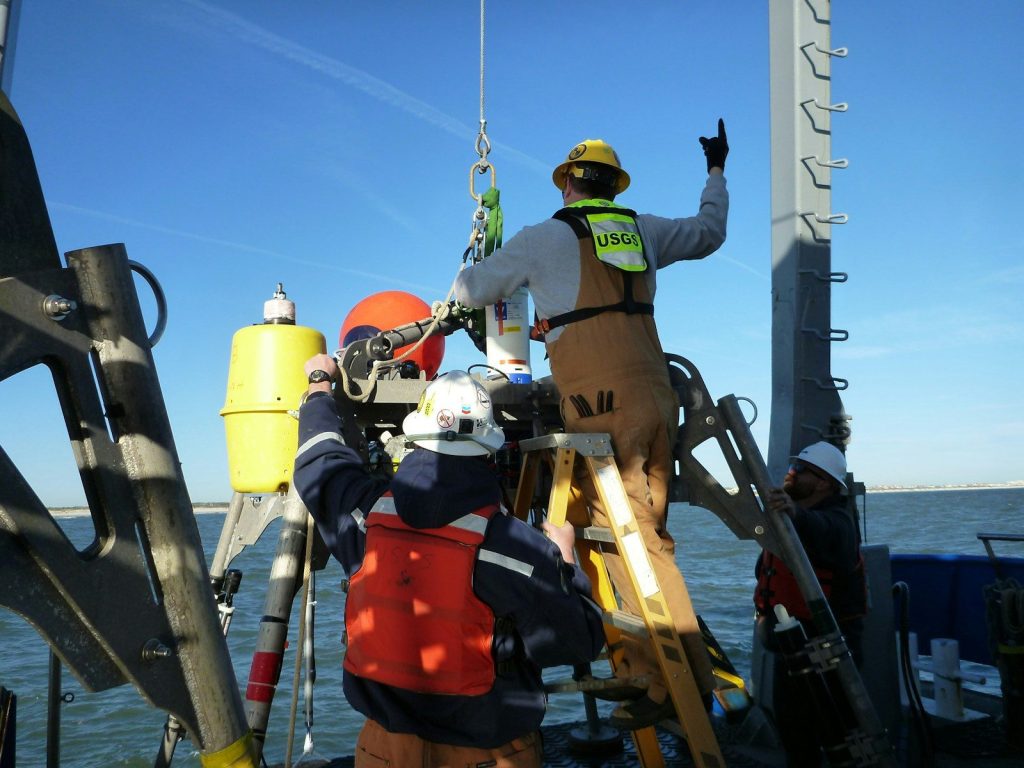
    men working in ship
    Photo by USGS on Unsplash

    A colossal fish recently washed ashore on a remote beach in the Azores. According to marine biologists, this specimen was identified as a giant bump-head sunfish. It was enormous. The heavy creature weighed over six thousand pounds when weighed by local port cranes. But this massive weight represents a brand new milestone for modern biology.

    Shattering Old Weight Records

    black fish swimming near corals
    Photo by David Clode on Unsplash

    This incredible find easily broke the previous record for the heaviest bony fish ever weighed. According to the Guinness World Records, the previous champion was a similar sunfish found in Japan. The gap was massive. This new specimen was hundreds of pounds heavier than any other recorded bony fish. But explaining how these creatures grow so large requires looking at their unique biology.

    Feasting On Simple Jellyfish

    several jellyfish under water
    Photo by naomi tamar on Unsplash

    Unlike heavy sharks, these gentle giants feed almost entirely on low-calorie jellyfish. According to marine biology studies, they must consume thousands of pounds of gelatinous prey daily to survive. The diet is constant. This low-energy food source makes their rapid growth rates incredibly surprising to researchers. But their unique body shape is also built for extreme ocean depths.

    Shaped Like A Giant Disc

    man in black wet suit holding green surfboard on water during daytime
    Photo by Veronica Dudarev on Unsplash

    These massive fish lack a traditional tail fin and look like a giant floating disc. According to structural geologists studying marine shapes, their flat design is ideal for vertical movements. They glide effortlessly. They can dive thousands of feet down to hunt in the freezing dark. But returning to the surface is vital for their survival.

    Basking In The Sun

    photography of seashore during sunset
    Photo by Richard Pasquarella on Unsplash

    After diving into the deep dark, these giants spend hours floating flat on the ocean surface. According to satellite tracking logs, this behavior is a clever way to reheat their massive bodies. They are solar-powered. This sunbathing also attracts helpful birds that clean parasites off their skin. But this surface behavior makes them highly vulnerable to human boats.

    Colliding With Fast Vessels

    Aerial shot of a cargo ship navigating the calm ocean waters under twilight skies.
    Photo by Aleksandr Sochnev on Pexels

    Floating silently on the surface makes the massive fish a primary target for boat strikes. According to marine safety reports, collisions with commercial vessels can easily injure these slow-moving giants. The danger is great. Many specimens are found with deep propeller scars across their thick skin. But scientists are searching for new ways to track their movements.

    Preserving Deep Sea Giants

    boat with black Lowrance GPS turned-on
    Photo by Maël BALLAND on Unsplash

    The discovery of these record-breaking fish reminds us how little we know about our oceans. According to marine conservationists, protecting these gentle giants is vital to maintaining the health of open water ecosystems. We must watch over them. This article is for informational purposes only.

    Featured Image: Photo by David Clode on Unsplash

  • The Hidden Deep Sea Shark Older Than Human History

    The Hidden Deep Sea Shark Older Than Human History

    Most biology lovers believe that large ocean creatures live for only a few decades. We assume that marine animals experience rapid aging patterns similar to land mammals.

    But an incredibly deep-sea shark is completely defying the rules of longevity. This sluggish predator can cruise through the freezing dark for hundreds of years.

    The Frozen Arctic Giant

    A captivating underwater shot of a giant grouper fish showcasing its grace in the deep blue sea.
    Photo by Mariya Klyachko on Pexels

    The Greenland shark lives in the deep, freezing waters of the North Atlantic. According to marine biology reports, these massive predators grow extremely slowly in the absolute cold. They are giant. Some specimens can measure over twenty feet in length when fully grown. But determining the precise age of these ancient creatures required a radical scientific method.

    Scanning Eye Proteins

    Vibrant abstract artwork featuring dynamic colors and geometric shapes.
    Photo by Google DeepMind on Pexels

    Counting bone layers on the soft cartilage of sharks does not work. According to a study published in Science, researchers used radiocarbon dating on the proteins inside the shark eye lenses. The lenses form before birth. This unique chemical analysis allowed scientists to estimate the birth year of the creatures. But the resulting age calculations shocked the entire scientific community.

    Swimming Since The Renaissance

    An image of an object in the dark
    Photo by Akshob Ram Kumar on Unsplash

    One massive female in the study was estimated to be nearly four hundred years old. According to the research team, this massive female was swimming in the cold dark during the reign of Galileo. She is ancient. This incredible lifespan makes the species the longest-lived vertebrate animal on the planet. But achieving this extreme longevity requires a highly sluggish lifestyle.

    Extremely Slow Metabolic Engines

    Close-up view of a vital signs monitor showing various medical readings in a hospital setting.
    Photo by CARLOSCRUZ ARTEGRAFIA on Pexels

    Living in near-freezing water forces the shark to conserve its energy with absolute precision. According to physiological studies, their metabolic systems operate at an incredibly slow pace. They move slowly. Their maximum swimming speed is less than one mile per hour during daily cruises. But this sluggish movement raises a massive question about how they catch prey.

    Hunting Sleeping Prey

    A barracuda swims over a sandy ocean floor.
    Photo by Ekaterina Zlotnikova on Unsplash

    These predators hunt in complete darkness, where fast prey is often resting or sleeping. According to marine ecologists, they scavenge on dead seals and catch sleeping fish on the ocean floor. The strike is silent. They do not rely on speed to capture their meals in the dark. But their eyes are also facing a highly destructive biological threat.

    The Blind Parasite Passengers

    brown insect
    Photo by Peter Boshra on Unsplash

    Most Greenland sharks suffer from a specialized parasite that attaches directly to their corneas. According to zoological studies, these tiny crustaceans slowly destroy the eyesight of the host. They are blind. Yet losing their vision does not impact their survival in the pitch-black deep sea. But this extreme resilience is now inspiring medical researchers.

    Unlocking Longevity Secrets

    Researchers in lab coats performing experiments with advanced equipment in a laboratory.
    Photo by Pavel Danilyuk on Pexels

    Scientists are studying the cellular structures of these sharks to understand how they resist aging. According to genetic research teams, their tissues show almost zero signs of typical age-related cancers. The cells are resilient. Finding these protective genetic segments could lead to revolutionary new treatments for human diseases. But this ancient species is now facing modern environmental threats.

    Protecting Deep Sea Kings

    A solitary blue fish swims in deep ocean water.
    Photo by Natali N on Unsplash

    Rising ocean temperatures and industrial commercial fishing are disrupting the fragile habitats of these ancient giants. According to conservationists, safeguarding these slow-growing creatures is vital to protecting the balance of deep marine ecosystems. We must act. This article is for informational purposes only.

    Featured Image: Photo by GEORGE DESIPRIS on Pexels