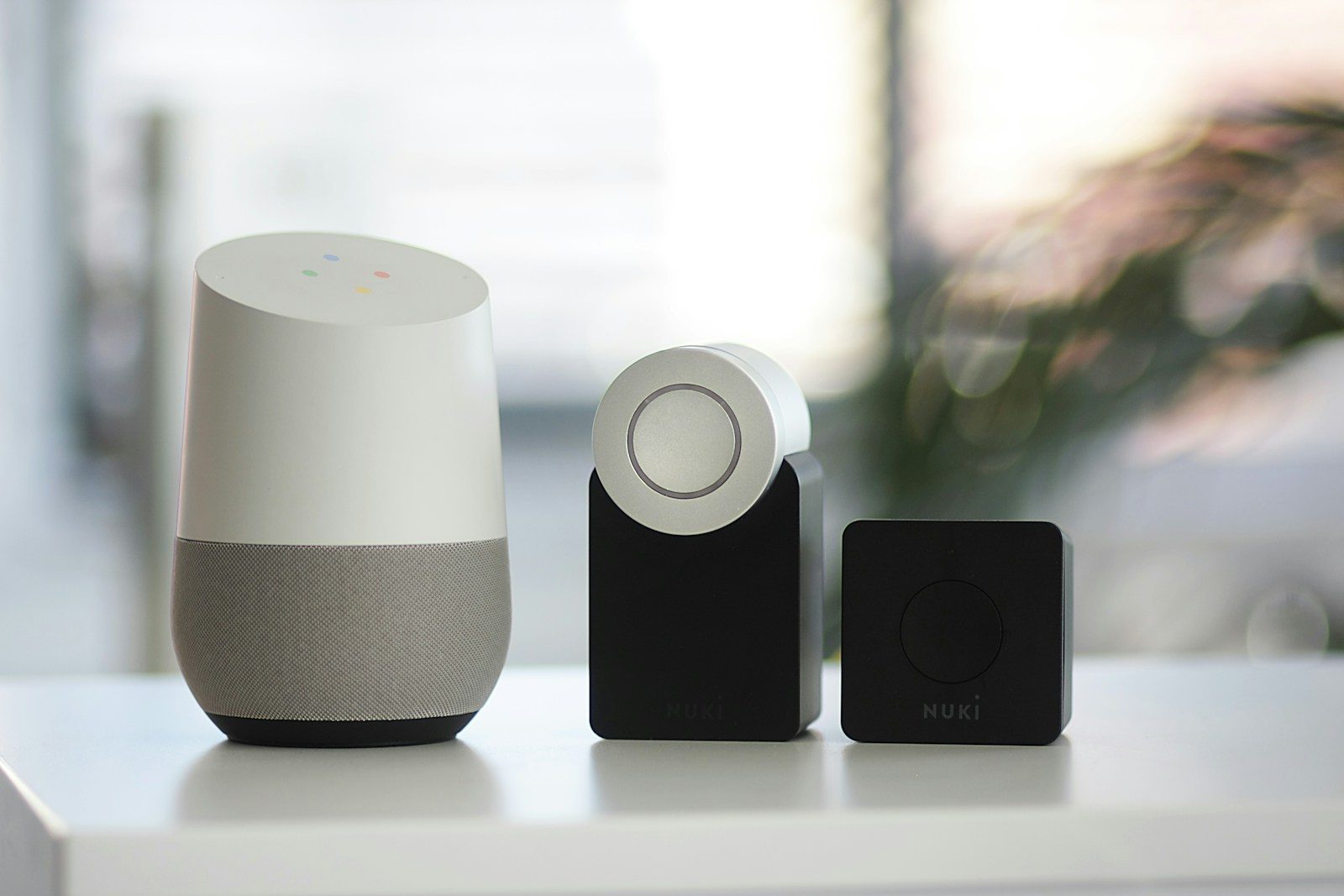
Smart homes sound simple until you start choosing the system that will run them. One person may care most about voice commands. Another may want better routines, smoother camera controls, or devices that work together without constant fixing. That is why the Amazon Alexa vs Google Home question is really about daily habits, not just smart speakers.
Both platforms can control lights, plugs, thermostats, cameras, and other connected devices. Alexa has long been tied closely to Echo devices and Amazon’s smart home tools, while Google Home is now moving deeper into Gemini-powered home features. Matter support also matters because it helps compatible devices work across different smart home ecosystems.
Voice control still leads
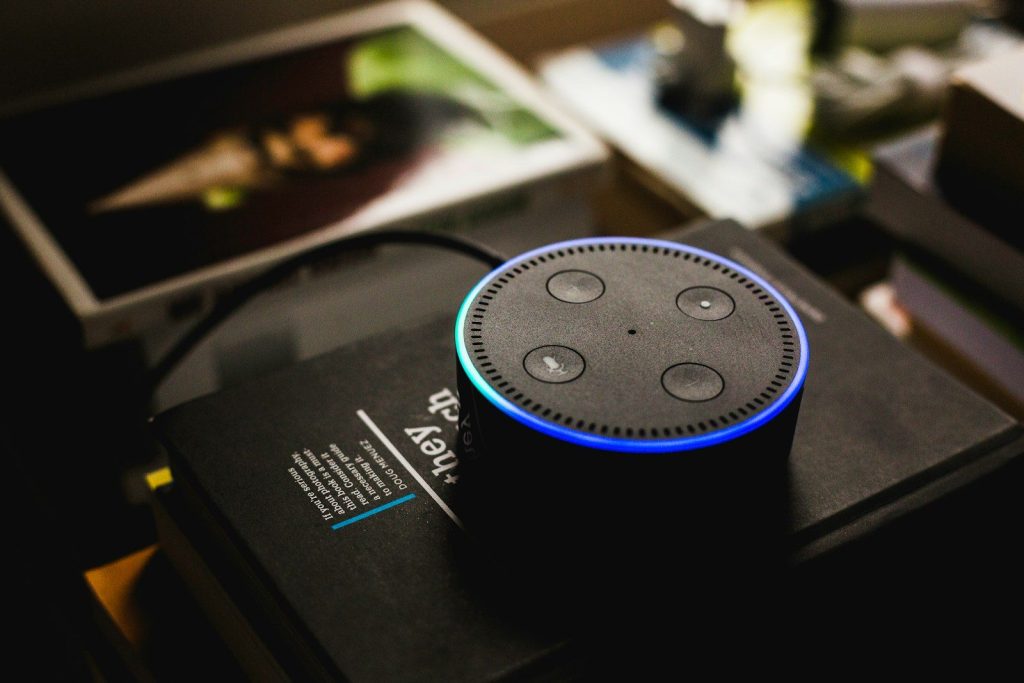
Voice commands are still the first thing many people think about when comparing Alexa and Google Home. Turning on lights, checking the weather, setting timers, or controlling a thermostat should feel quick and natural.
Alexa is known for wide smart home support through Echo devices and Alexa-compatible products. Google Home connects closely with Google Assistant and newer Gemini features, which may appeal to people already using Google services every day.
Device support matters most
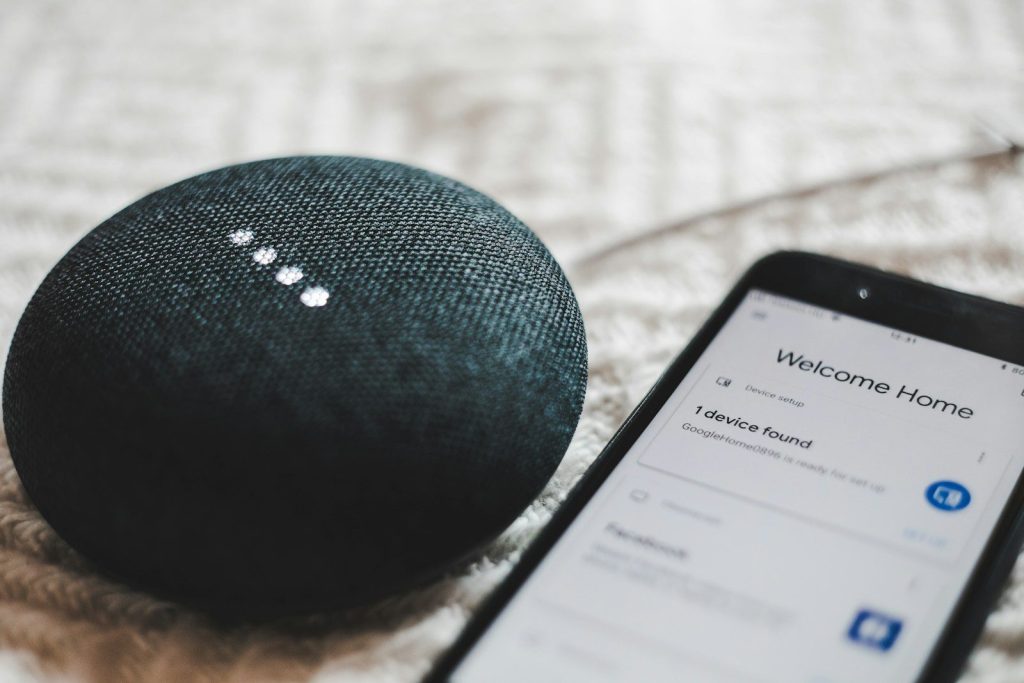
A smart home works best when your devices actually connect. Before picking a platform, shoppers should check lights, plugs, cameras, locks, speakers, and thermostats for Alexa or Google Home compatibility.
Amazon says Alexa can help automate everyday routines with compatible lights, plugs, thermostats, and cameras. Google’s Home device page also highlights Nest products and compatible smart devices, which makes device support a key part of the choice.
Routines save daily effort
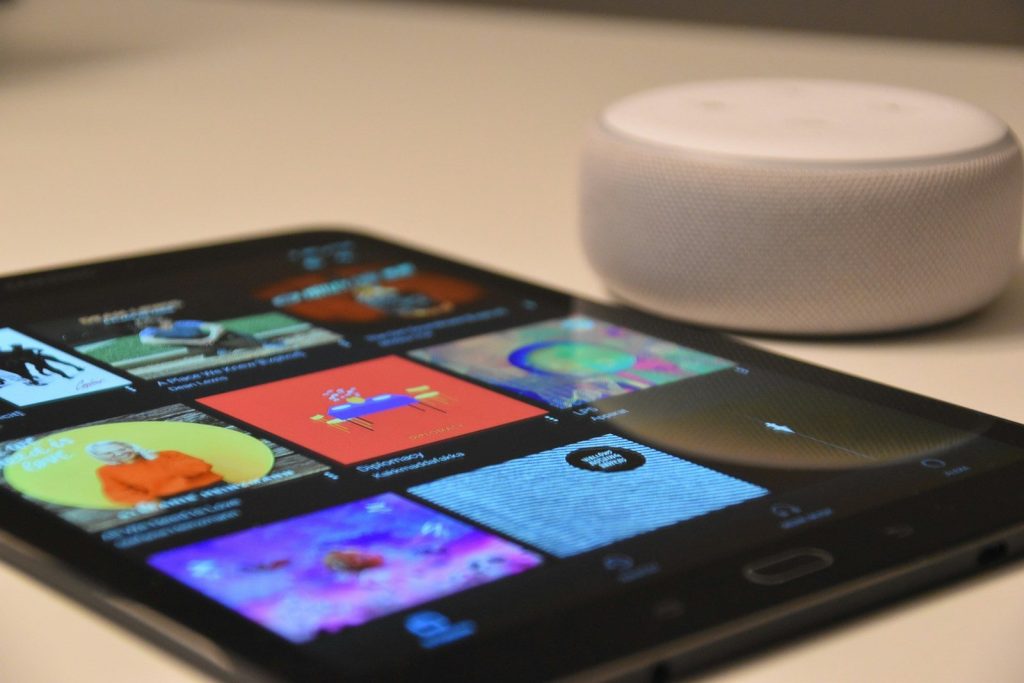
The best smart home systems do not just answer commands. They handle small tasks automatically, like turning off lights at night or starting a morning routine.
Alexa routines can connect different actions across compatible devices. Google Home has also been improving routine behavior, including updates meant to make custom routines run more consistently. For most homes, reliable routines matter more than flashy features.
Matter reduces confusion
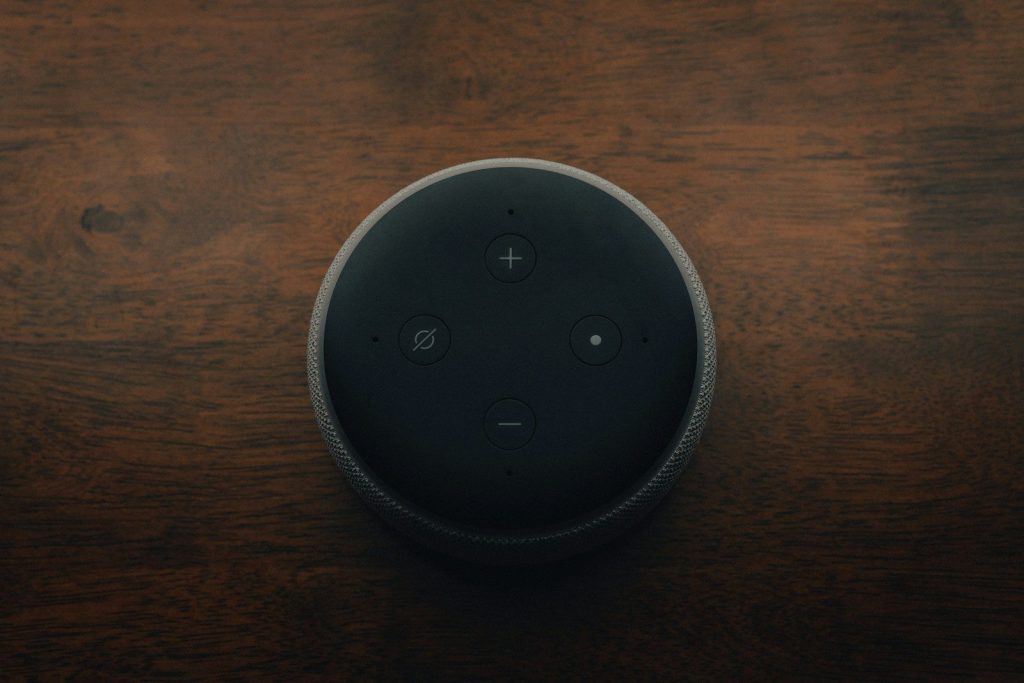
Matter is one of the biggest smart home changes because it aims to make devices work across different ecosystems. That can help buyers avoid feeling locked into only one brand.
The Connectivity Standards Alliance describes Matter as an IP-based standard built to help smart devices connect reliably and securely. Google also explains Matter as an open smart home standard that lets certified devices work with certified ecosystems through one protocol.
Alexa fits Amazon homes
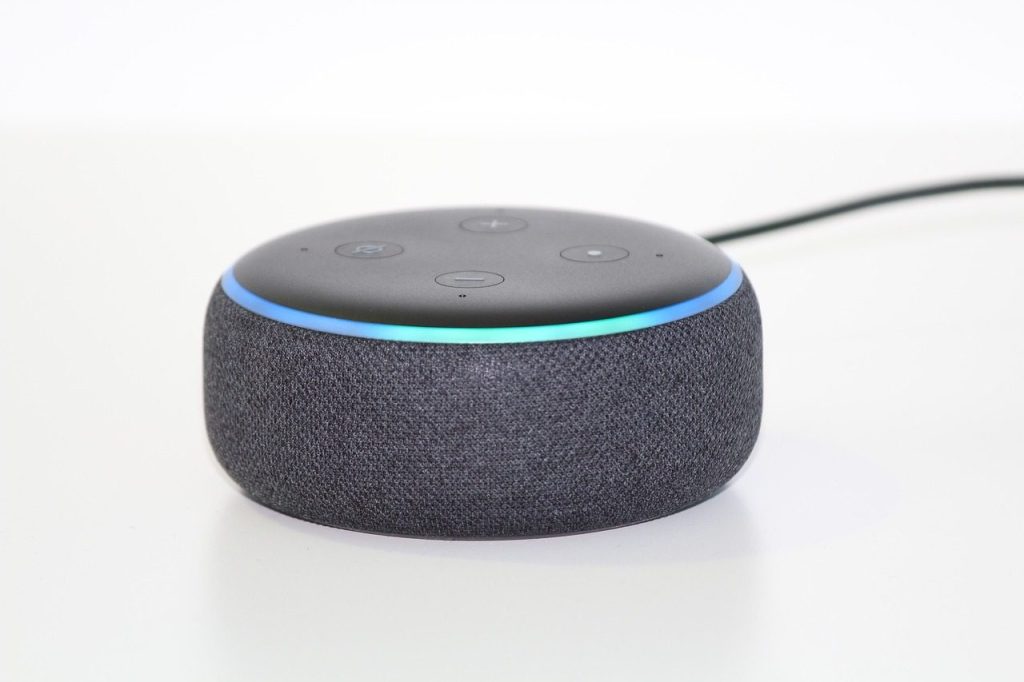
Alexa can make a lot of sense for homes already using Echo speakers, Fire TV devices, Ring products, or Amazon shopping tools. The setup feels especially useful when voice control is spread across several rooms.
For many families, Alexa’s appeal is convenience. It can handle common tasks like lights, plugs, reminders, music, and simple routines. That makes it feel approachable for people who want smart home control without overthinking every device.
Google fits Google users
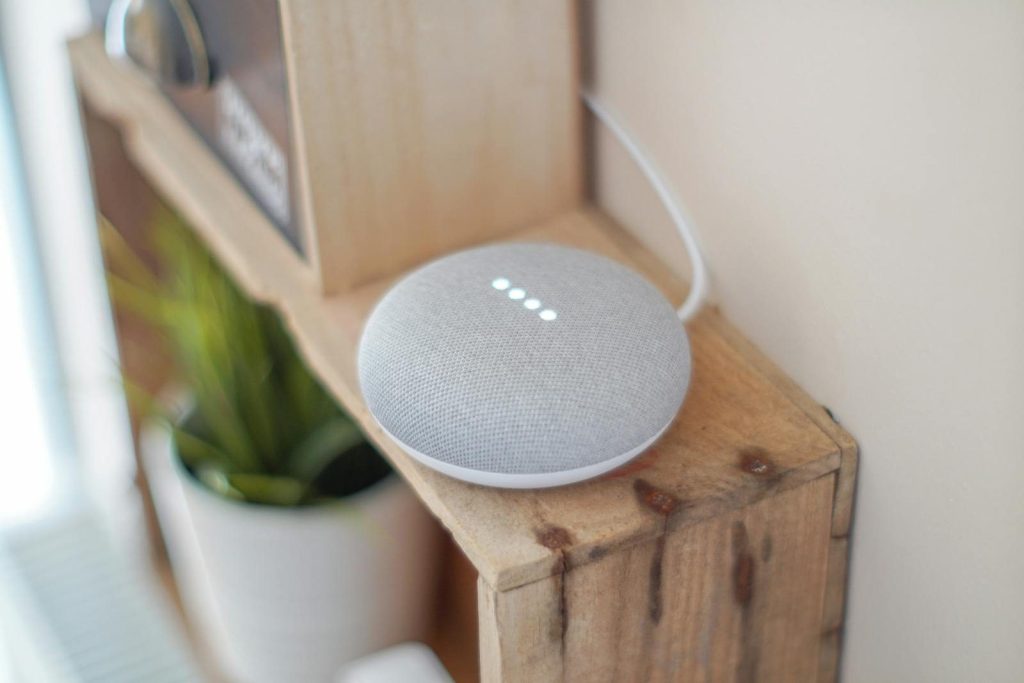
Google Home may feel more natural for people who already use Gmail, Google Calendar, Nest devices, Android phones, or Chromecast. The system works best when it connects with habits already built around Google.
Google has also been moving toward Gemini for Home, with early access features and updates shown on its Google Home pages. That shift could make the platform feel more conversational over time, especially for users who want smarter home commands.
Privacy settings need attention
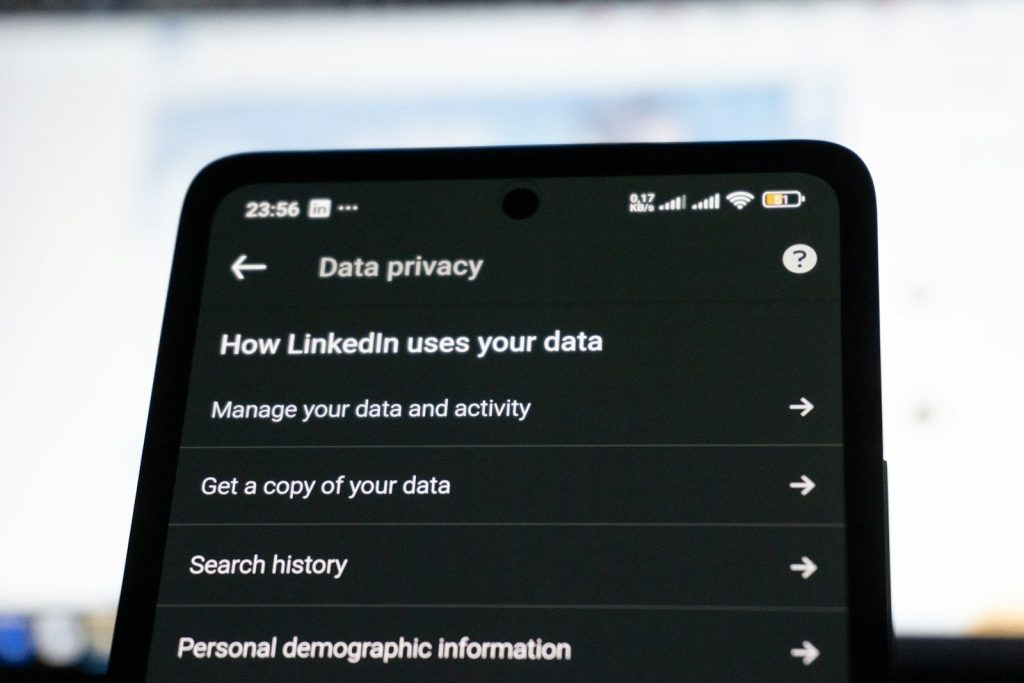
Smart speakers and home devices often use microphones, cameras, cloud accounts, and app permissions. That means privacy settings should be part of the setup, not an afterthought.
No platform is “set and forget” for everyone. Users should review voice history, camera access, household member permissions, and device sharing. A smart home feels better when everyone in the house understands what is connected and why.
Cameras change the choice
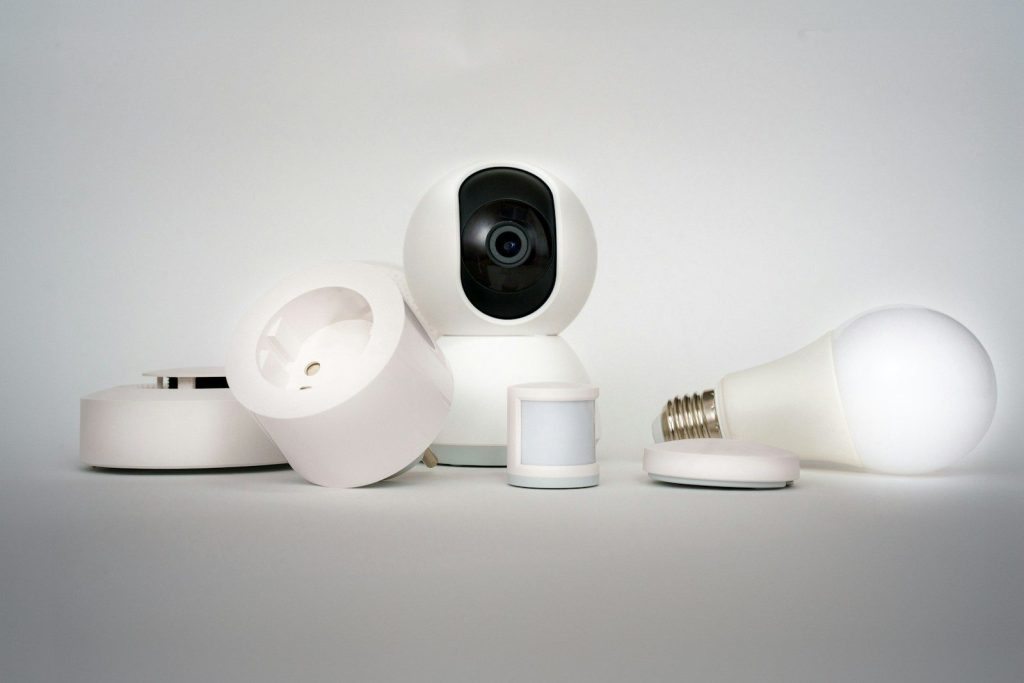
Smart cameras, doorbells, and displays can strongly influence which platform feels better. A home with several Nest devices may lean toward Google Home, while a home with Ring or Echo Show devices may lean toward Alexa.
This is where the comparison becomes personal. The best choice may depend less on the assistant’s name and more on which cameras, screens, and speakers are already installed around the home.
Reliability beats extra features

A smart home can have many features, but reliability is what people notice every day. If lights respond slowly or routines fail often, the system quickly feels annoying.
Matter, local control, stronger Wi-Fi, and better device support all help. Amazon says Matter can let compatible devices connect locally to Alexa, which can reduce delay and improve reliability in supported setups.
The best pick depends
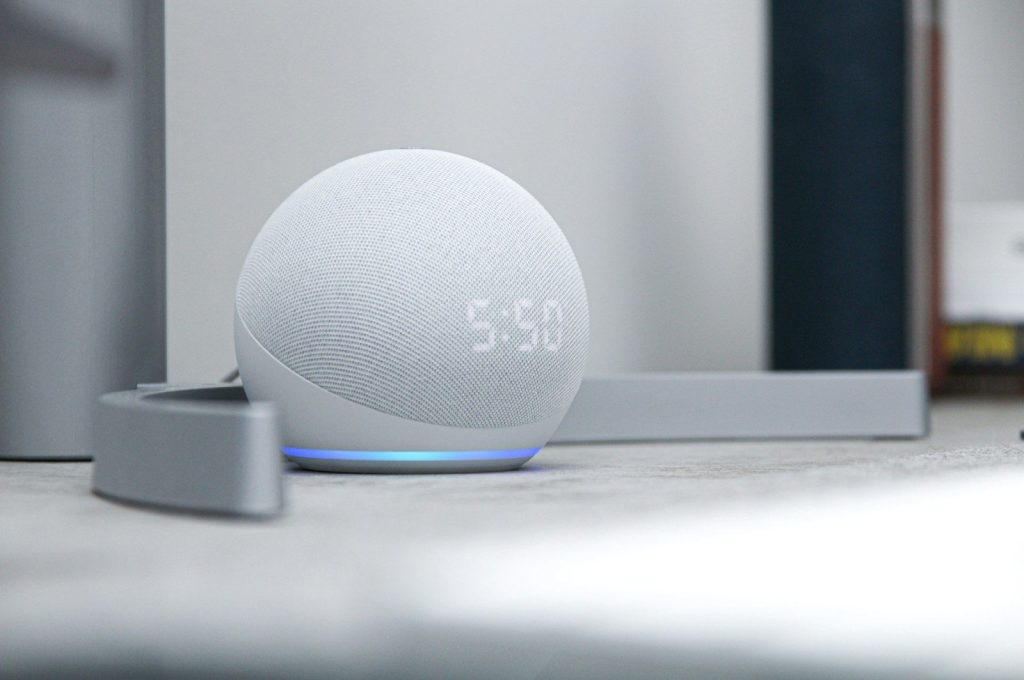
Alexa and Google Home both make sense, but for different homes. Alexa may fit people who want broad Echo-based control, while Google Home may fit users who already live inside Google and Nest products.
The smartest move is to start with the devices you already own. Then compare voice control, routines, privacy settings, Matter support, and future upgrades. The winner is the system that makes your home easier to manage every day.
Leave a Reply