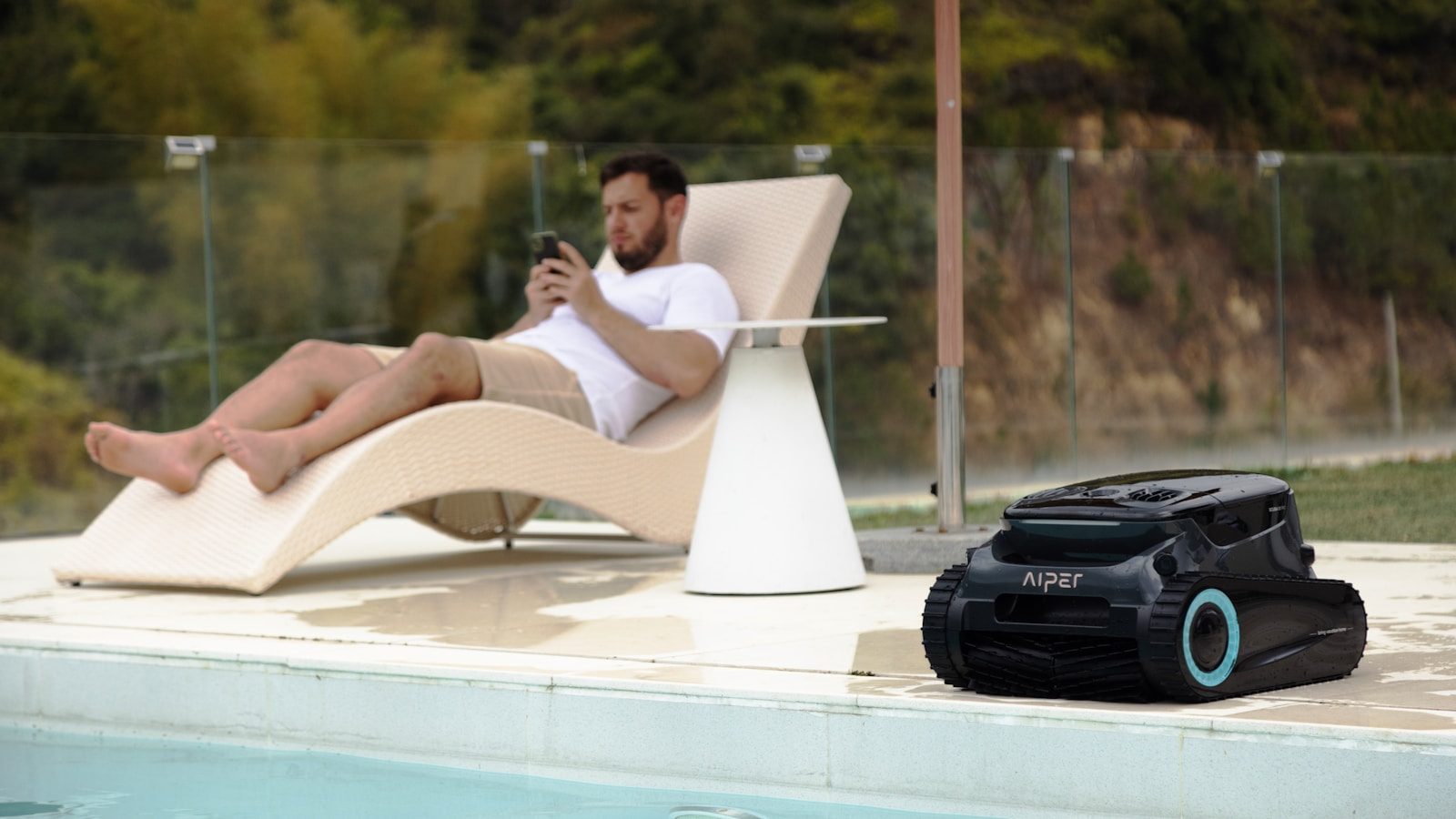
Backyard work used to mean giving up a big part of the weekend to mowing, sweeping, watering, skimming, trimming, and cleaning. Now outdoor robots are starting to take over some of those repeat jobs. Robot lawn mowers can map yards with wires, cameras, GPS-style tools, LiDAR, or other sensors. Robotic pool cleaners can scrub floors, walls, and waterlines with less hands-on effort.
Smart irrigation controllers can adjust watering based on weather or soil needs, helping reduce wasted water. The EPA says outdoor residential water use in the U.S. is nearly 8 billion gallons a day, mostly for landscape irrigation, and much of it can be wasted through overwatering. These machines are not perfect, but they are changing what “yard work” means.
Mowing gets more automatic
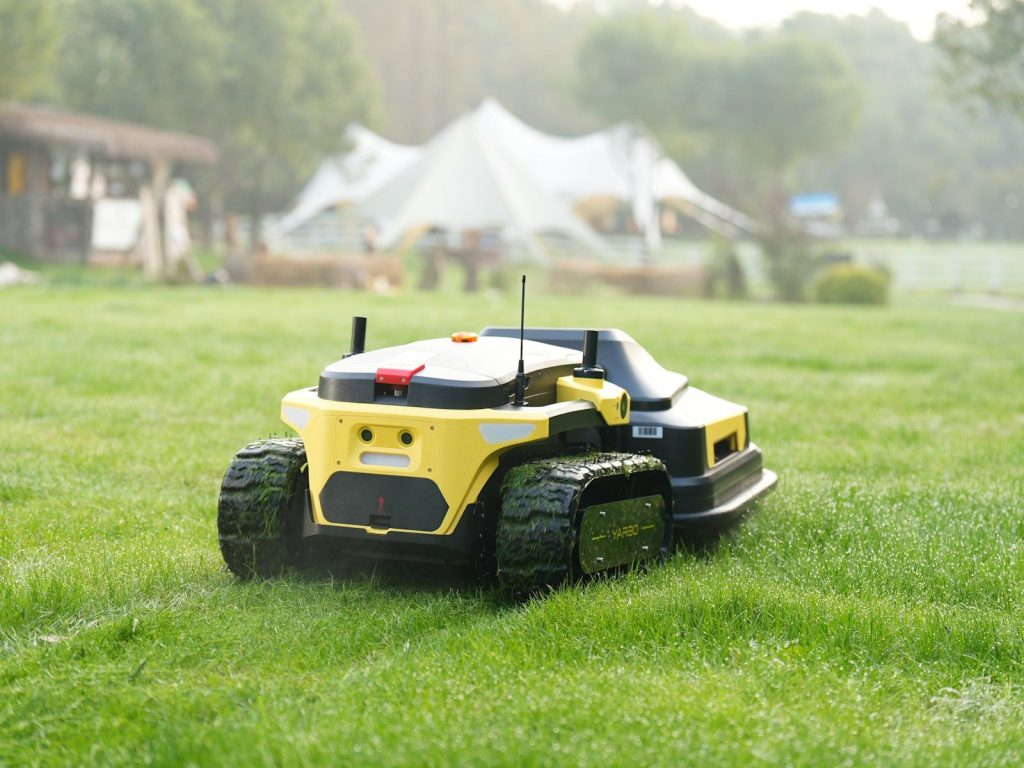
Robot lawn mowers are one of the clearest signs of change. Instead of pushing a mower every week, homeowners can set a schedule and let the machine trim grass in smaller, regular passes.
Many newer models use app controls, sensors, and mapped mowing zones. Some still rely on boundary wires, while others use cameras, RTK satellite positioning, LiDAR, or virtual maps to stay inside the lawn.
Yards are getting mapped

Outdoor robots work better when they understand the space. Mapping helps them learn where grass, patios, flower beds, fences, slopes, and narrow paths are located.
This matters because backyards are rarely simple rectangles. A good map can help a robot avoid wasting time, missing corners, or wandering into places where it should not go.
Pool cleaning is less manual
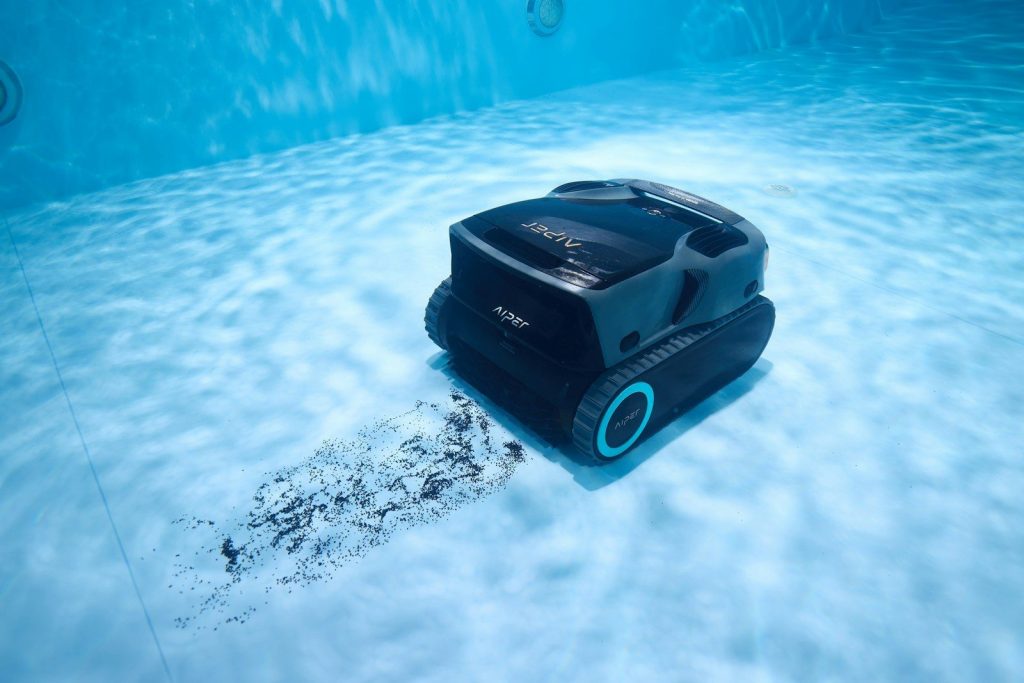
Robotic pool cleaners are making pool care feel less like a chore. Many models can move across pool floors, climb walls, scrub surfaces, and collect debris without a person guiding every step.
Some newer pool robots also offer app controls, cleaning modes, and smart navigation. That can help owners schedule cleanings and check progress without standing beside the pool.
Watering can get smarter
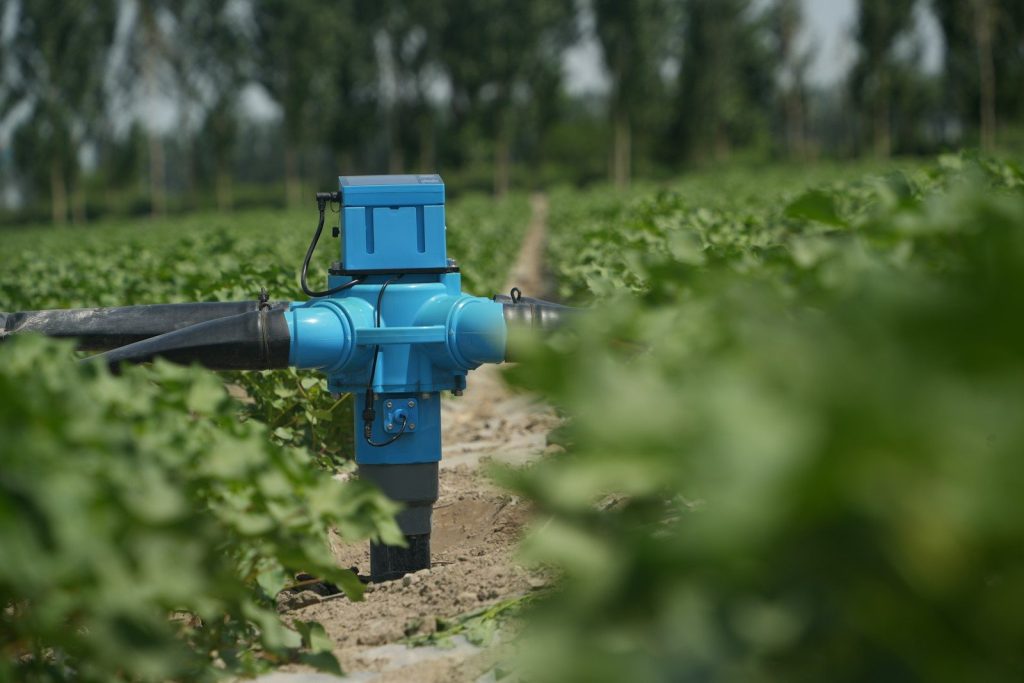
Smart irrigation controllers are another quiet backyard upgrade. Instead of watering on the same timer every day, they can adjust based on weather, soil moisture, or local conditions.
The EPA says WaterSense labeled irrigation controllers can reduce overwatering by applying water only when plants need it. That can help lawns and gardens stay healthy while cutting waste.
Apps put control nearby
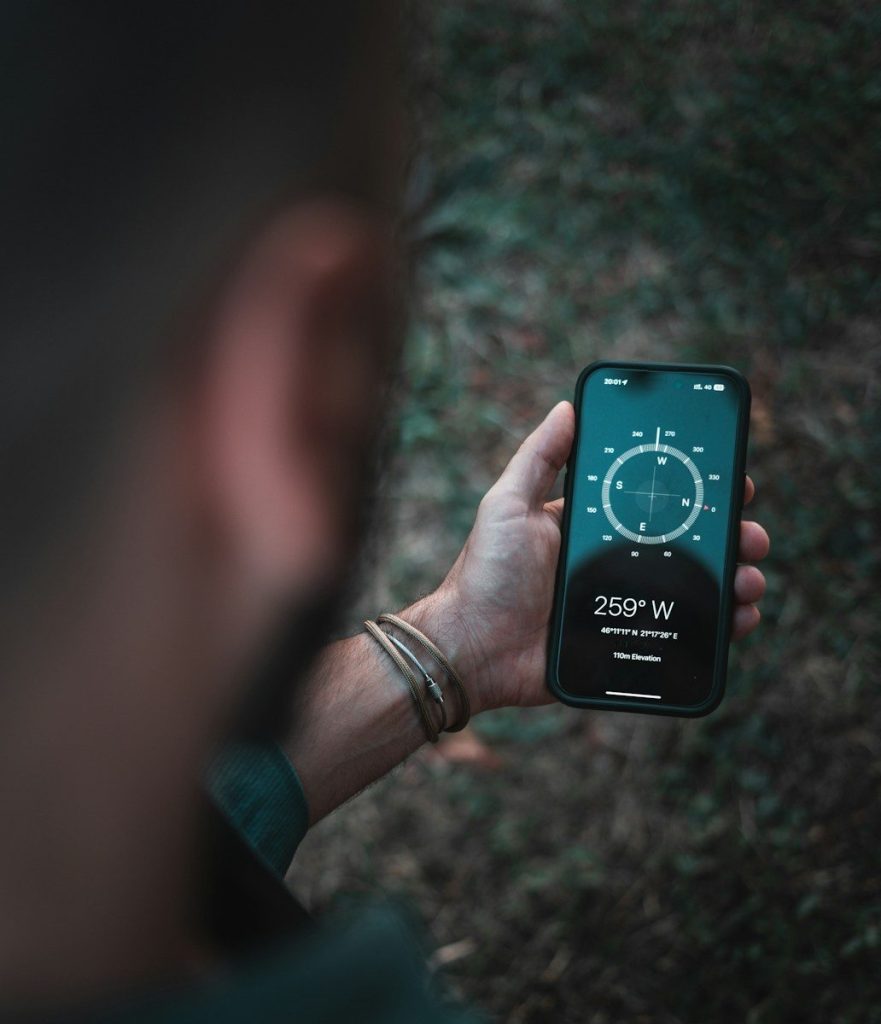
Many outdoor robots now connect to phone apps. That gives homeowners a simple way to change schedules, set zones, pause cleaning, or check battery status without walking outside.
Apps are especially useful for yards with more than one work area. A mower can handle separate zones, while a pool cleaner or irrigation system can run on a schedule that fits the day.
Electric tools cut fuel chores
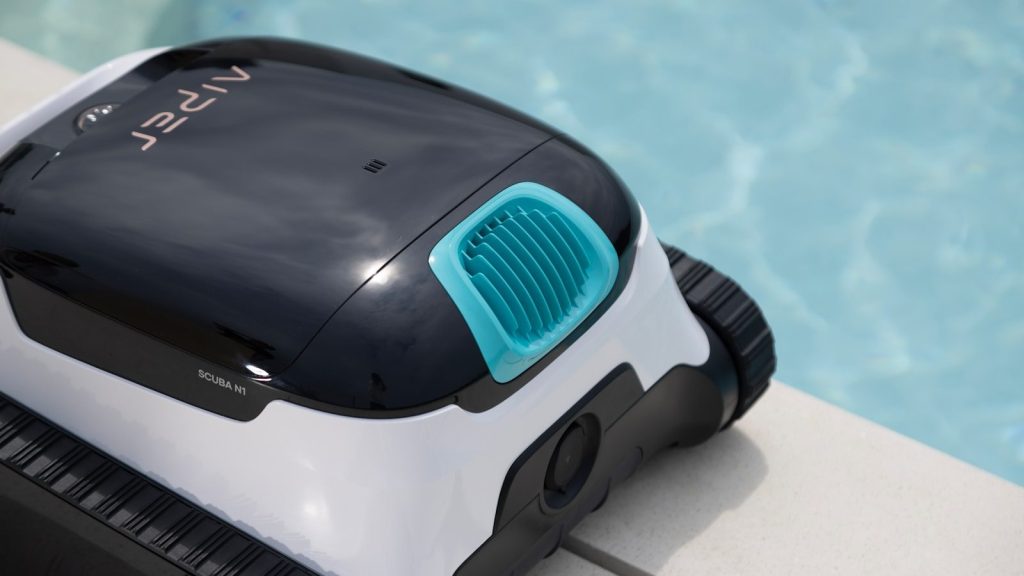
Many outdoor robots run on rechargeable batteries, which means no gas cans, pull cords, or engine oil for those jobs. That can make maintenance feel cleaner and simpler.
Electric outdoor equipment also avoids tailpipe emissions during use. EPA-related research has reported that gasoline lawn and garden equipment produces several air pollutants, including carbon monoxide, nitrogen oxides, and carbon dioxide.
They still need supervision
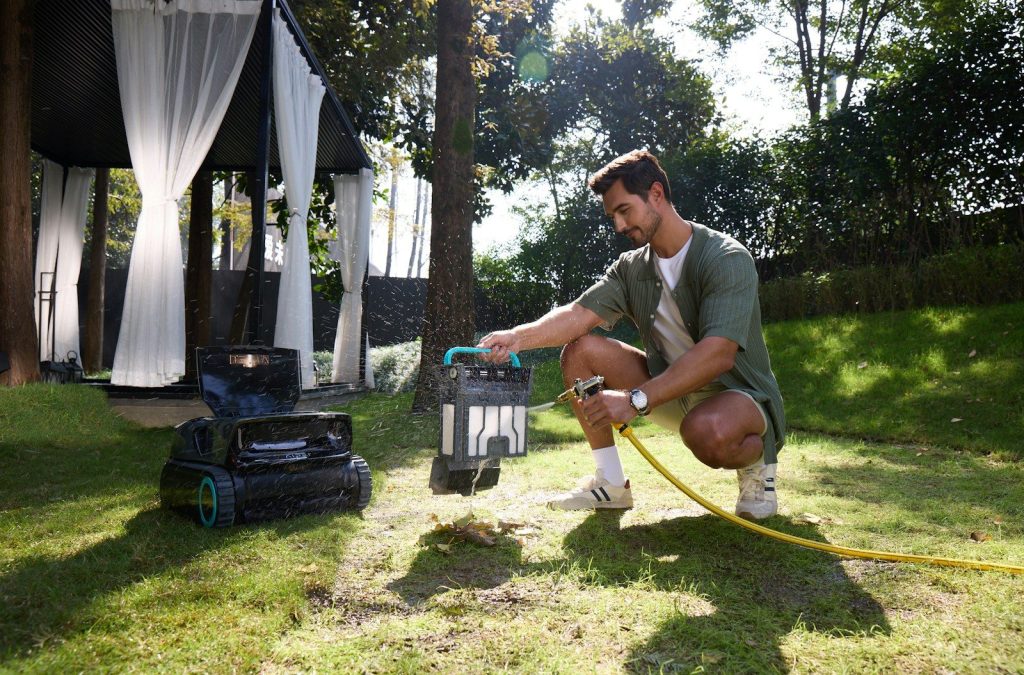
Outdoor robots are helpful, but they are not magic. Reviews of some new robot mowers still show issues with setup, mapping, and object detection in certain yards.
That means owners should keep expectations realistic. A robot can reduce work, but people still need to clear problem areas, check blades or filters, and make sure safety settings are used correctly.
Modular robots are emerging

Some companies are trying to turn one outdoor robot into a multi-season helper. Modular yard robots can be designed to swap attachments for jobs like mowing, leaf moving, or snow clearing.
This idea could make backyard automation more useful year-round. Instead of buying a separate machine for every chore, one base robot may eventually handle several outdoor tasks.
Leave a Reply