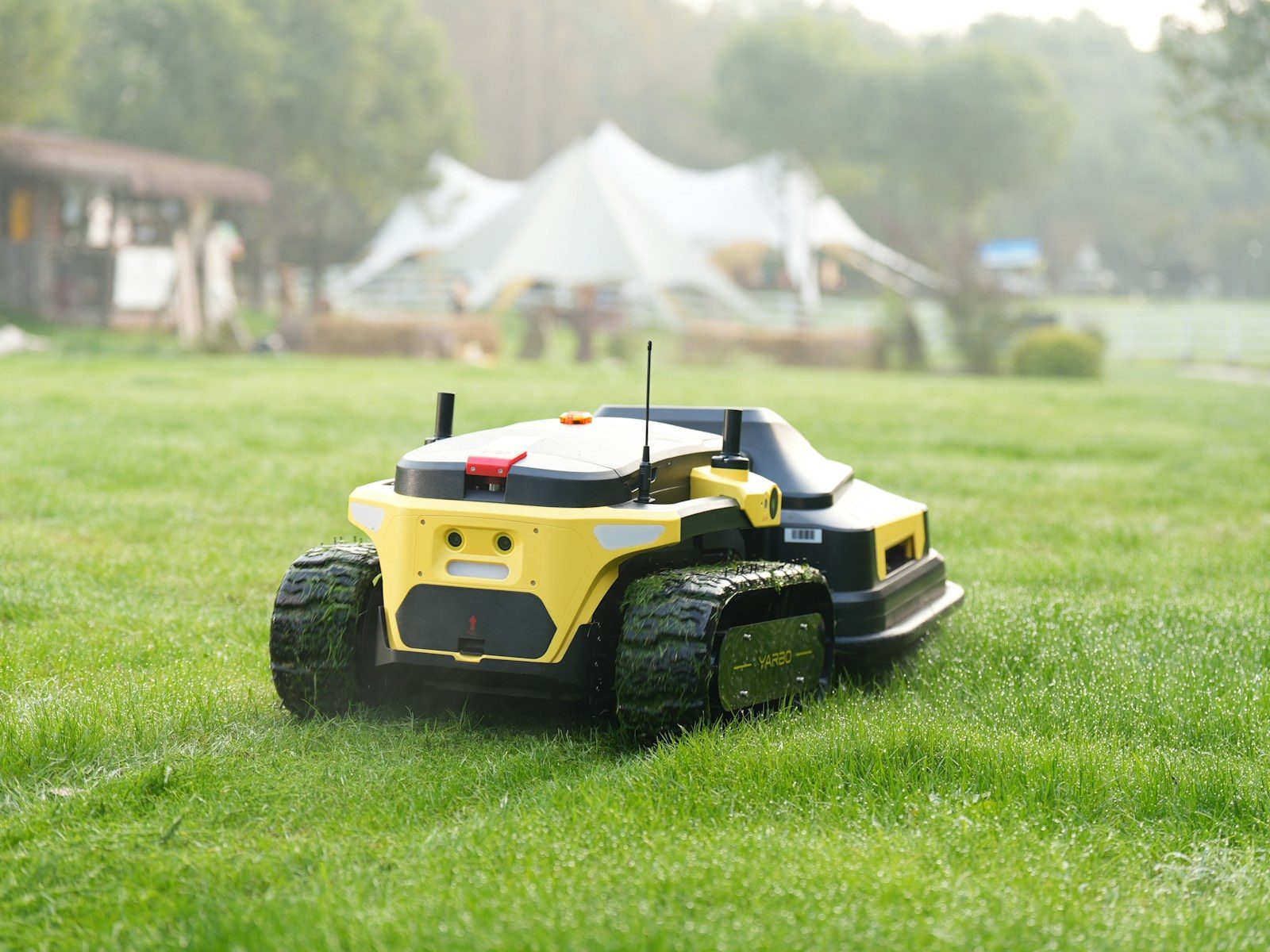
Robotic lawn mowers used to feel like simple outdoor gadgets. Many early models followed boundary wires, bounced around, and hoped to cover the whole lawn before returning to charge. Now the category is getting much smarter. Newer models from brands like Husqvarna, Segway Navimow, Mammotion, Roborock, Dreame, and EGO use tools such as RTK positioning, vision systems, lidar, app maps, object detection, and multi-zone planning. Some can mow in neat lines, avoid toys, handle slopes, and work without buried perimeter wires.
Husqvarna’s EPOS system supports wire-free mowing and systematic cutting patterns, while newer Navimow and Mammotion models combine positioning with camera or lidar-based sensing.
Yards are not simple rooms
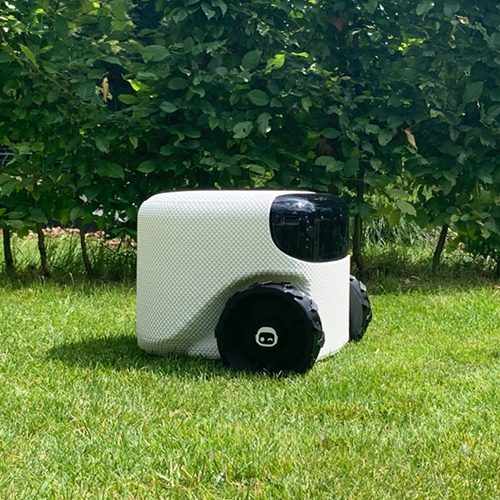
A yard may look open, but it can be tricky for a robot. There are trees, flower beds, slopes, toys, pets, narrow paths, wet patches, and uneven edges.
That is why robotic lawn mowers need more than spinning blades. They must understand where they are, where they should cut, and what they should avoid. Smarter yard awareness is becoming the big upgrade.
Wires are fading away
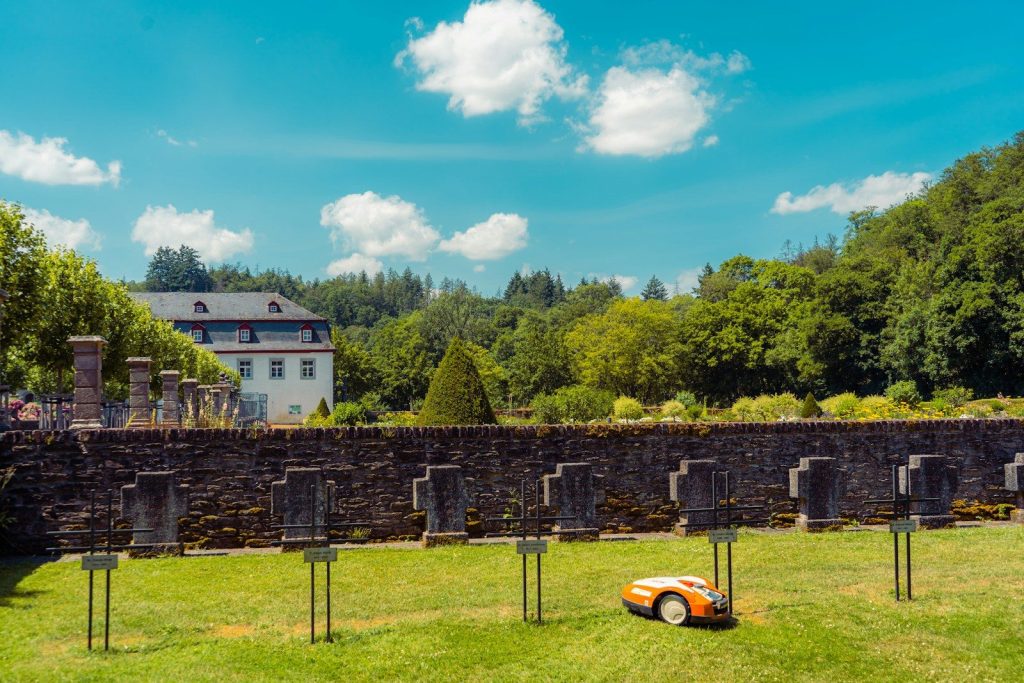
Older robot mowers often needed a perimeter wire buried or pinned around the lawn. That worked, but setup could be slow, messy, and hard to change later.
Newer models are moving toward virtual boundaries. Husqvarna’s EPOS technology supports wire-free mowing, while Segway Navimow promotes wire-free navigation using positioning and smart sensing.
Mapping is getting better
Modern robotic mowers are learning to map yards more like robot vacuums map rooms. The owner can often mark zones, paths, no-go areas, and schedules in an app.
That makes mowing feel less random. Instead of simply roaming around, a mower can understand which areas need attention and how the yard is divided. This is especially helpful for larger or oddly shaped lawns.
Vision helps them notice objects
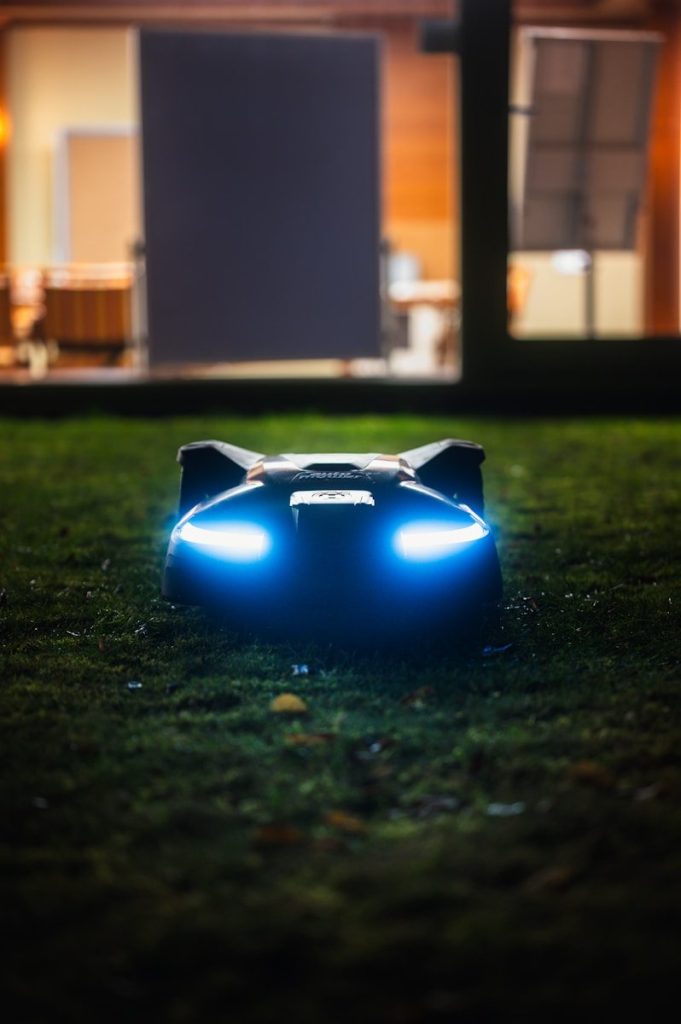
A smarter mower needs to see what is in front of it. Cameras and AI systems can help recognize common yard items like toys, tools, furniture, and small obstacles.
Mammotion’s newer Luba 3 AWD, shown at CES 2026, uses lidar, dual cameras, and AI vision to recognize many obstacle types and build a detailed yard map.
Lidar adds another layer
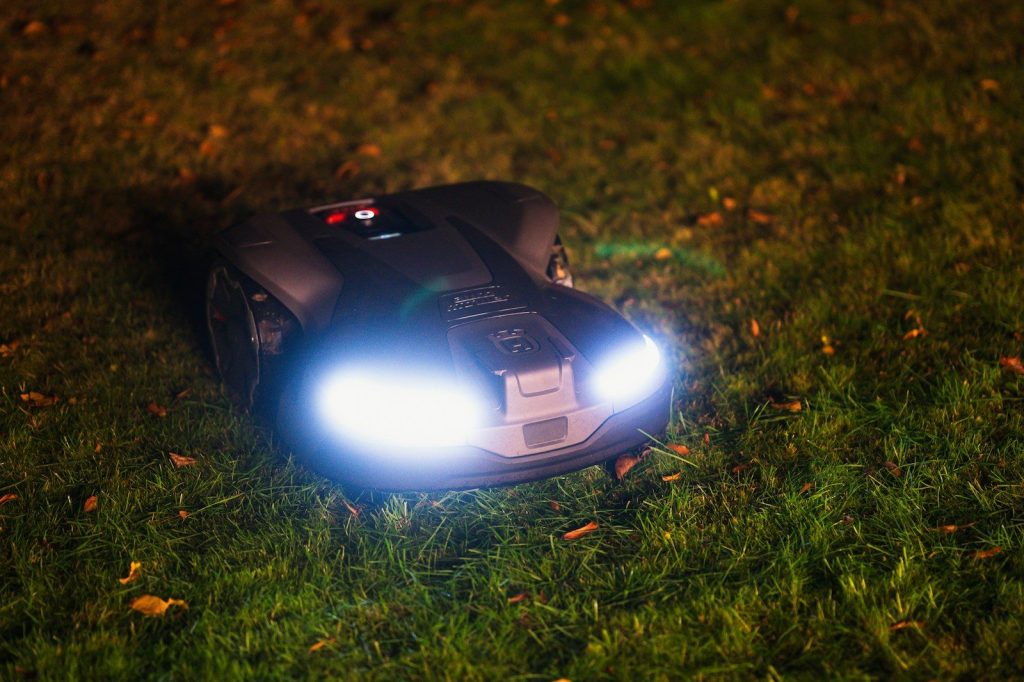
Lidar helps a machine measure its surroundings by scanning space around it. In a yard, that can help a mower understand shape, distance, and obstacles with more detail.
This matters because lawns change. A chair may move, a toy may appear, or a branch may fall. Better sensing helps the mower adjust instead of blindly following a fixed path.
Slopes are a new challenge
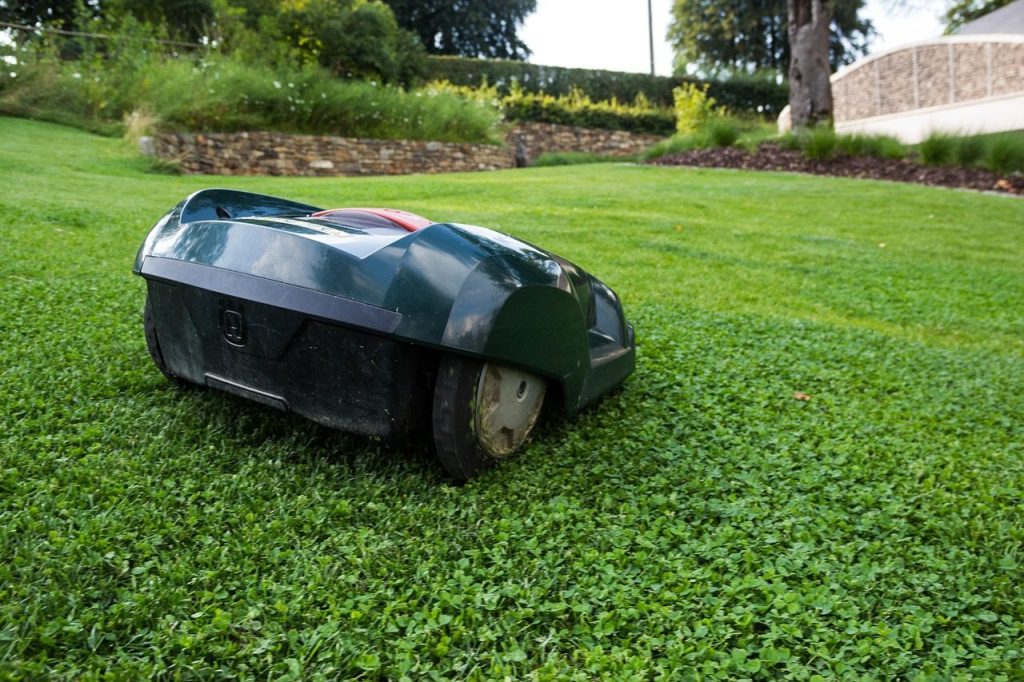
Some yards are flat and easy. Others have hills, dips, and rough ground that can stop a weaker mower. That is why brands are improving wheels, tracks, steering, and traction.
Roborock’s RockMow Z1 was introduced with all-wheel drive and slope handling up to 80%, while Mammotion’s Luba models also focus on tougher lawns and steep areas.
Neat stripes are now possible
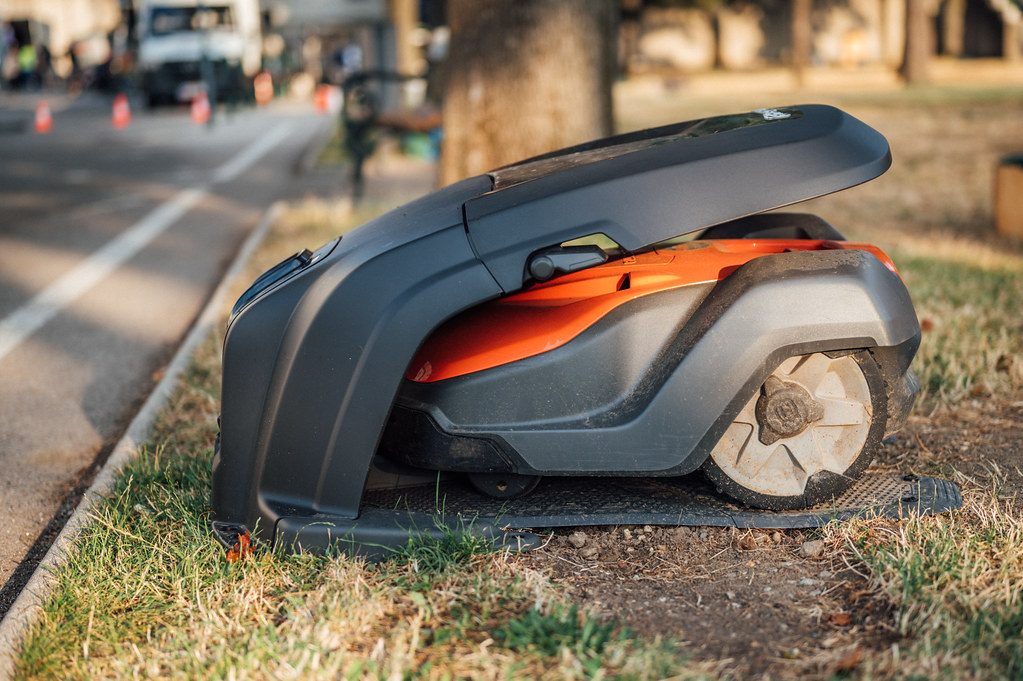
Many early robot mowers cut in a random-looking pattern. The lawn still got trimmed, but it did not always look like a tidy, freshly striped yard.
Newer systems can mow in planned lines. Husqvarna says systematic mowing lets supported Automower models with EPOS wire-free technology cut in parallel tracks and create a striped effect.
Apps give owners control
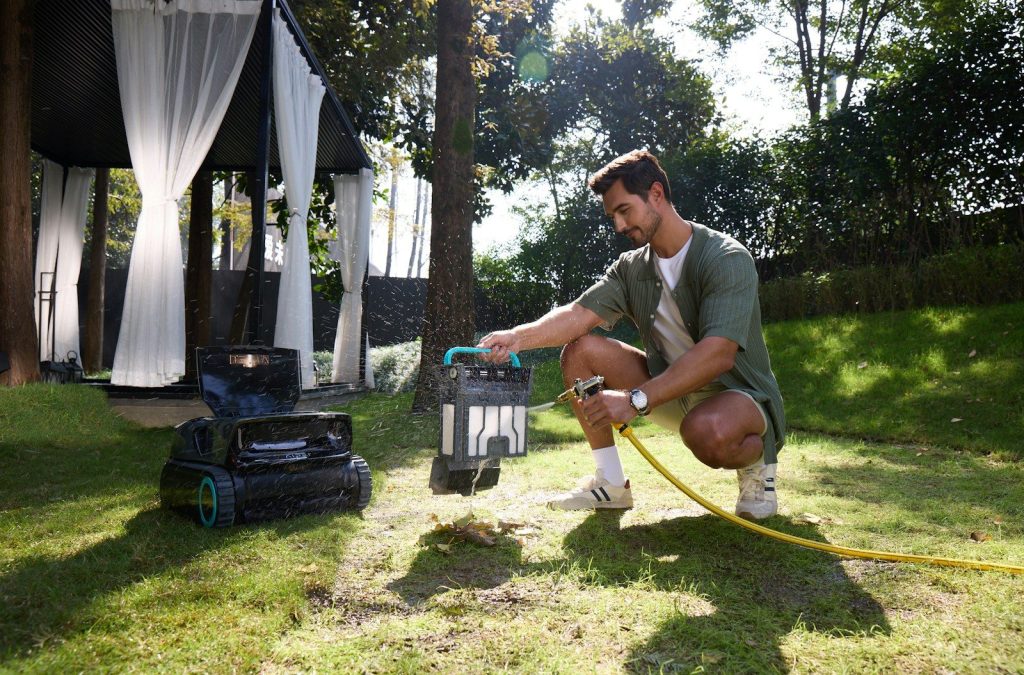
A smart mower is not only about hardware. The app matters too. Owners want to set schedules, divide zones, change cutting height, pause mowing, and protect certain areas.
That kind of control makes the mower feel more useful day to day. A user can treat the front yard, backyard, and side yard differently instead of using one basic setting for everything.
Safety is a bigger focus
Smarter yard awareness can also support safer operation. A mower that recognizes objects better may be less likely to bump into things or get stuck in the wrong place.
Still, no mower should be treated as perfect. Owners should keep lawns clear, follow the brand’s safety guidance, and avoid running mowers when children, pets, or wildlife may be nearby.
The smart-yard race is growing
Robotic lawn mowers are no longer just about saving time. Brands are competing on mapping, vision, slope handling, wire-free setup, edge cutting, app control, and smarter movement.
That is why the yard itself has become the real test. The best robotic mower is not only the one that cuts grass. It is the one that understands the lawn well enough to work with fewer headaches.
Leave a Reply