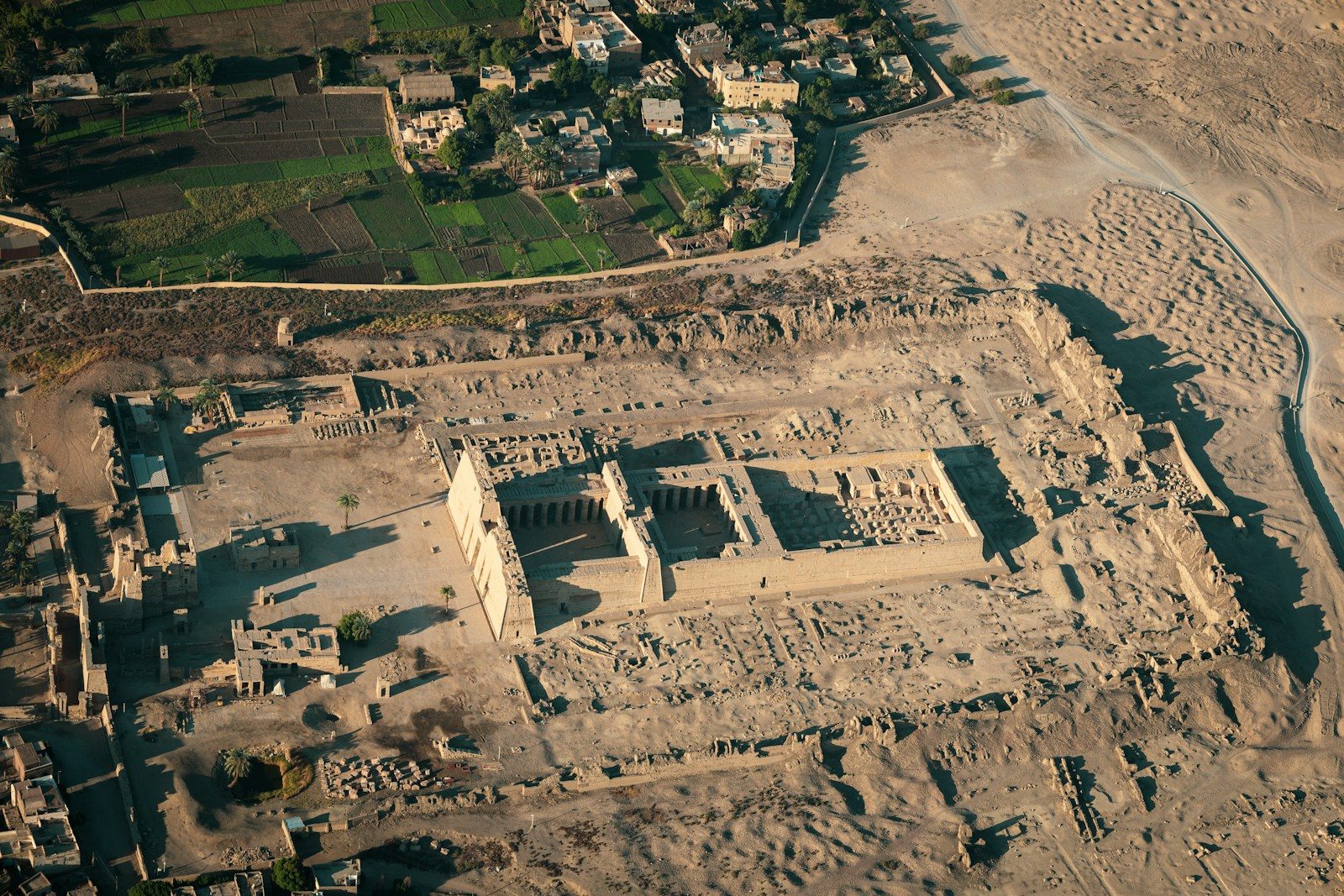
Archaeologists in Egypt have just uncovered a building that is leaving them speechless. It is a 4th-century Christian church, but it has one massive problem: there are no doors. The stone walls are completely solid on all sides. For over 1,600 years, this structure has sat in the desert, hiding its secrets from the world. Usually, churches are built to welcome people in, with large entrances and open hallways.
This one was built like a stone fortress. There is no evidence that doors were ever filled in or removed later. It was designed from the very first brick to be a “closed” system. This discovery is shaking our understanding of early religious life. Why would a community build a house of worship that no one could walk into? The answer might lie in a secret entrance that was hidden from the human eye.
Entry From Above? The Sky Passage Theory
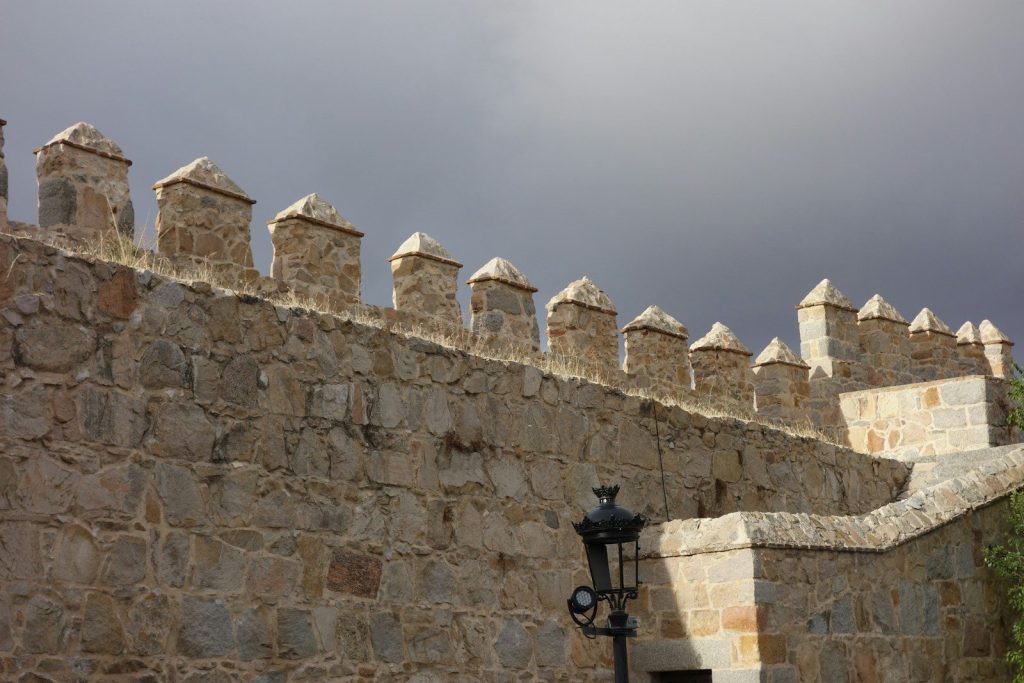
One of the leading theories is that the church was entered through the roof. Archaeologists found remnants of what might have been wooden ladders or stairs leading to the top of the walls. In the 4th century, many religious groups felt they needed to be closer to the sky.
By entering from above, the worshippers were making a symbolic journey toward heaven every time they went to church. It was a way to keep the “sacred” space separate from the “dirty” ground. But this wasn’t just a religious choice—it might have been a survival tactic.
A Secret Fortress Against Desert Raiders
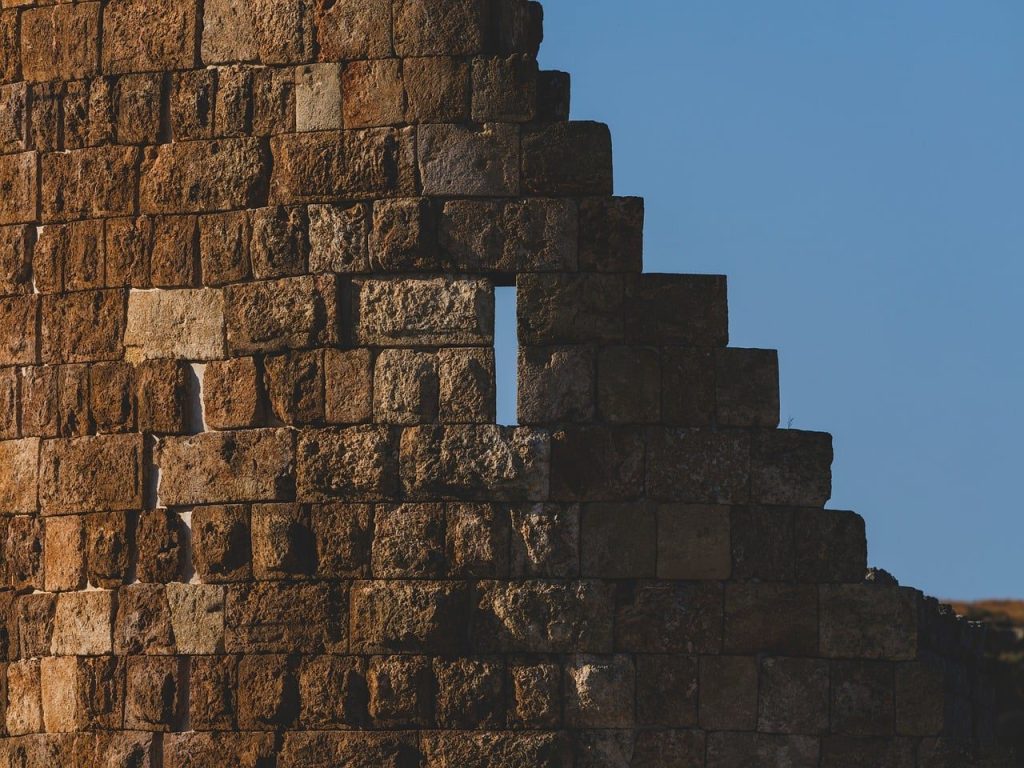
The 4th century was a violent time in the Egyptian desert. Bandit groups and rival tribes often raided small communities. A church with no doors is the perfect defense. If there is no door to break down, the treasure inside stays safe.
The people could pull up their ladders and hide inside until the danger passed. It was a “safe house” that doubled as a temple. But the things they were protecting inside were more valuable than gold. Wait until you see what was carved into the inner walls.
The Mysterious Murals Hidden in Darkness
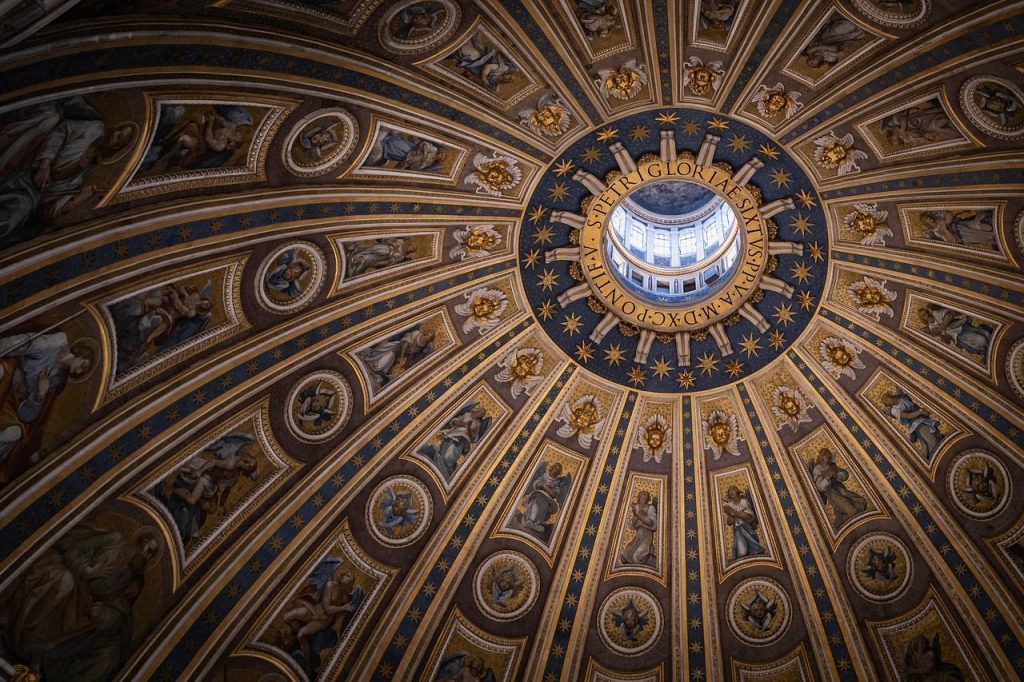
Once the researchers finally got inside the structure, they found incredible artwork. Because there were no doors or low windows, the paintings have been perfectly preserved for centuries. The walls are covered in bright blue and gold images of saints and strange symbols.
These symbols aren’t found in any other church from this time period. It suggests this group had a very different set of beliefs from the mainstream church. They were “encoded” messages that were only meant for the eyes of the followers. But why were they so afraid of outsiders seeing their art?
A Place for the “Quiet Ones”

Some historians believe this church belonged to a group of monks who took a vow of total silence. By building a church with no doors, they were creating a physical boundary between them and the loud world. They didn’t want anyone to knock or walk in unannounced.
Inside the church, they found tiny cells where the monks would sleep and pray for days without ever seeing sunlight. It was a life of total isolation and focus. But if they never left, how did they get food and water?
The Delivery Hatch Discovery

Archaeologists eventually found a small, square opening high up on one of the walls. It was too small for a human to fit through, but it was perfect for a basket. Local villagers would likely bring food and water to the wall and leave it in the hatch.
The monks would pull the basket inside without ever having to talk to the outsider. It was a 4th-century version of “contactless delivery.” It allowed the monks to stay pure and focused. But something happened that forced them to leave their “doorless” home forever.
Why the Church Was Eventually Buried

The soil around the church shows signs of a massive sandstorm that lasted for weeks. The monks likely couldn’t get their food deliveries, and the sand eventually reached the roof entrance. Instead of digging their way out, it seems they abandoned the site or died inside.
The church was swallowed by the desert and forgotten until a satellite scan picked up the square outline under the sand. It is a time capsule of a lost way of life. But as we unlock the secrets of this building, we are finding even stranger secrets inside our own heads.
The Mystery of the Missing Entrance Continues

Even with all the theories, the “No Door” church remains one of the weirdest buildings in Egypt. It reminds us that ancient people had reasons for their designs that we are still trying to understand. Every stone we move brings us closer to the truth.
It is a hopeful time for archaeology, as technology lets us see through the walls without breaking them. The past is finally opening up, even if it doesn’t have a door. But wait until you see how brain scans are proving that we are not the first “humans” to think this way.
Featured Image: Photo by Martijn Vonk on Unsplash
Leave a Reply