Have you ever had a “gut feeling” about a person or a situation? It turns out that this is more than just a metaphor. Science is now discovering that your digestive system is basically your “second brain.” There is a massive network of nerves and bacteria in your gut that communicates with your head every second of the day. This “Gut-Brain Axis” is responsible for more than just your digestion. It can actually change how you think, how you react to stress, and even your basic personality traits.
Researchers are finding that the tiny microbes living inside you might be the ones making your decisions. If your gut is unhappy, you might feel anxious or depressed for no apparent reason. By changing what you eat, you could potentially unlock a “newer” version of yourself. This is a total revolution in how we look at mental health and psychology. But wait until you see how much of your “happiness chemical” actually comes from your stomach instead of your brain.
The 90 Percent Rule for Serotonin and Happiness
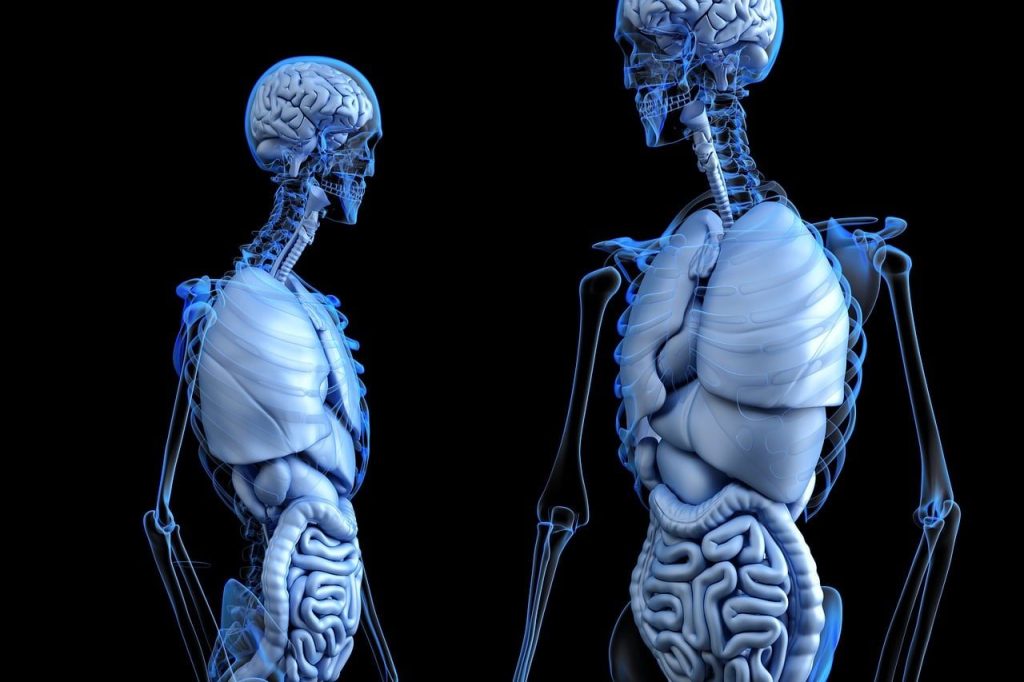
Most people think serotonin is a brain chemical. While it is true that serotonin helps regulate your mood, 90 percent of it is actually produced in your gut. If your gut bacteria are out of balance, your serotonin levels can drop. This often leads to feelings of sadness, irritability, and low energy. Scientists have found that people with high levels of certain “good” bacteria tend to be more outgoing and optimistic. It is not just in your head; it is in your belly. But how can tiny bacteria influence your social life?
Why Your Microbes Want You to Be More Social
Believe it or not, your gut microbes might be pushing you to meet new people. Some researchers believe that bacteria benefit when we interact with others because it allows them to spread to new hosts. In studies, animals with healthy gut microbiomes were much more social and curious than those with poor gut health. If you find yourself wanting to stay home and avoid people, it might be time to look at your diet. Your internal “garden” needs the right fuel to keep you connected. But what happens when your gut gets stressed out?
The Vagus Nerve and the Stress Connection

The Vagus Nerve is like a super-highway that connects your gut directly to your brain. When you feel stressed, your brain sends a signal down to your gut, which can cause that “butterflies” feeling or even pain. But it works both ways. If your gut is inflamed, it sends a “danger” signal up to your brain. This can make you feel constantly on edge or unable to focus. Understanding this connection is the first step to staying calm in a busy world. But wait until you see how your cravings are actually a form of mind control.
How Bacteria Trick You Into Craving Sugar
We often blame our “lack of willpower” for eating junk food. However, it might not be you making that choice. Different types of bacteria thrive on different foods. Some love sugar, while others love fiber. The sugar-loving bacteria can release chemicals that change your taste buds and trigger intense cravings. They are essentially hacking your brain to get the food they need to grow. By feeding the good bacteria, you can actually shut down these cravings for good. But how does this affect your memory?
The Link Between Gut Health and Brain Fog
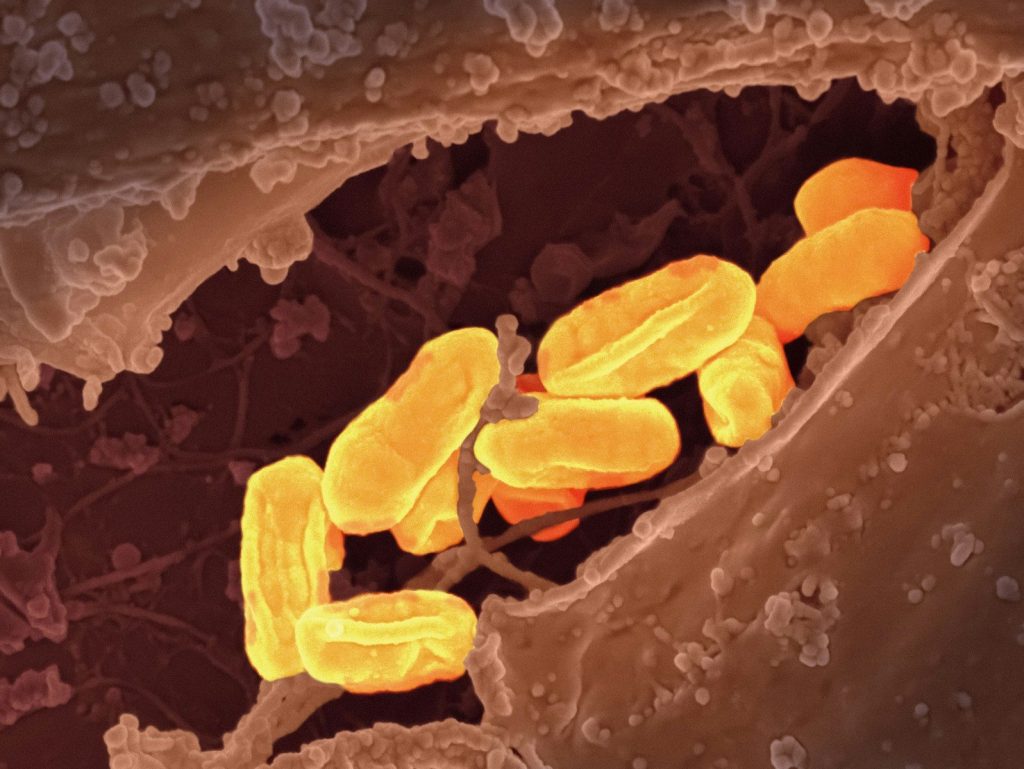
Have you ever felt like your brain is “cloudy” after a big, unhealthy meal? This is known as brain fog, and it is directly linked to gut inflammation. When the lining of your gut becomes weak, toxins can leak into your bloodstream and affect your brain. This can lead to memory problems and a slow reaction time. People who switch to a gut-friendly diet often report that their thinking becomes much sharper and faster. It is like giving your brain a high-tech upgrade. But wait, can your gut also make you braver?
Probiotics and the Secret to Unstoppable Confidence

Recent studies have shown that certain probiotics can reduce the physical symptoms of anxiety. By calming the gut, these supplements help people feel more confident in social situations. They are less likely to overthink their actions or feel embarrassed. This “liquid courage” from healthy bacteria is changing how we look at self-improvement. You do not just need to think positively; you need to eat positively. As we learn to master our inner microbes, we realize that ancient humans had their own “super-tech” secrets.
Why Some People Are Naturally Immune to Fear
Some people seem to have “nerves of steel” in dangerous situations. Science suggests that these individuals may have a very specific balance of gut bacteria that dampens the brain’s fear response. While genetics plays a role, your microbiome is a massive part of the puzzle. We are just beginning to scratch the surface of how our bodies determine our destiny. While we look at the future of health, some are looking at the past for technology that seems impossible.
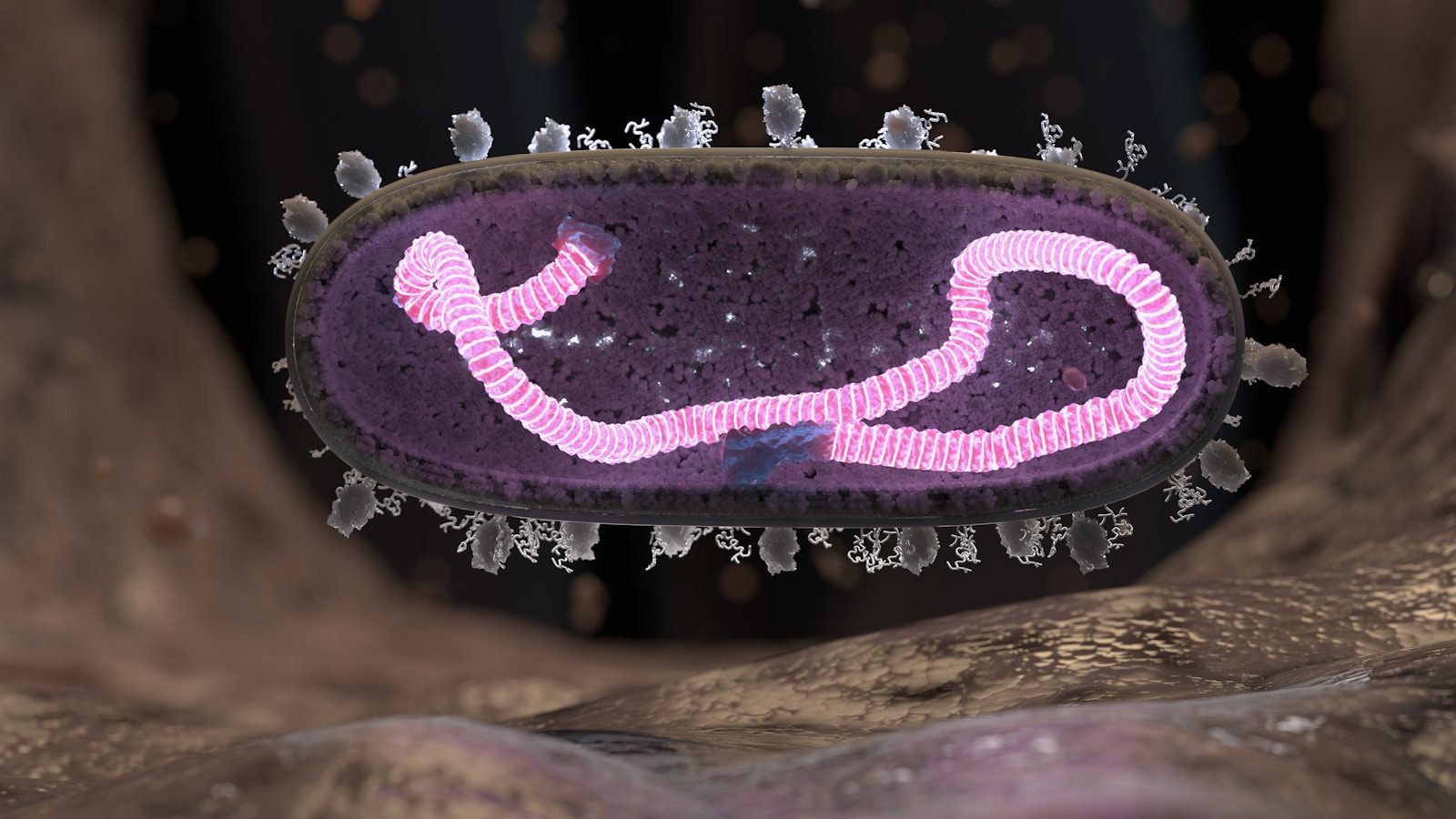
Featured Image: Photo by National Institute of Allergy and Infectious Diseases on Unsplash
Leave a Reply