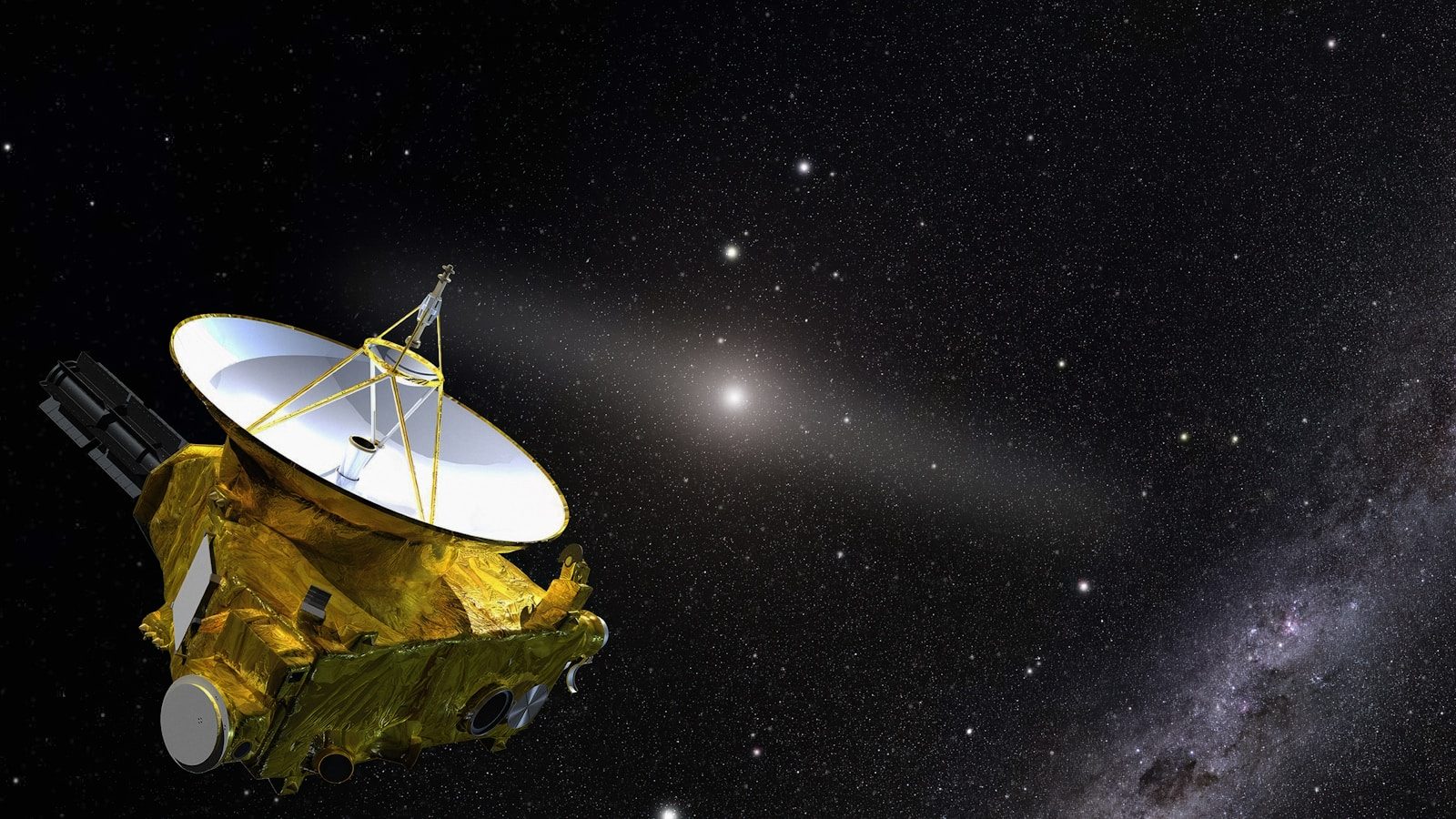
Most people think we will only find alien life if an extraterrestrial spaceship lands on Earth. We assume that confirming cosmic neighbors requires a dramatic and visual close encounter.
But astronomers are bypassing physical contact altogether to scan the light of distant star systems. Their advanced telescopes are tracing specific planetary chemicals that should not exist in empty space.
Reading Cosmic Atmosphere Barcodes
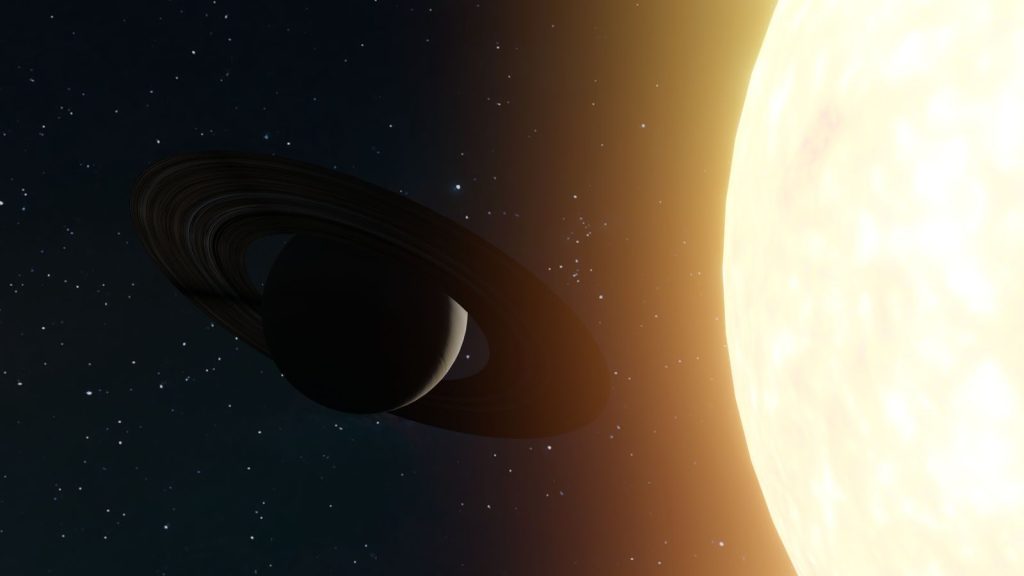
Modern telescopes do not look for physical green monsters on distant worlds. According to NASA, instruments analyze stellar light passing through planetary air layers to capture chemical signatures. The process is flawless. Each gas molecule leaves a distinct shadow on the incoming starlight. But one specific substance has caused major scientific shockwaves.
The Dimethyl Sulfide Enigma
Researchers mapping a distant exoplanet detected traces of a volatile gas called dimethyl sulfide. According to reports from the European Space Agency, this chemical on Earth is only produced by active biological organisms. It is extremely rare. No known natural geological event can generate this molecule on its own. But proving its organic origin requires looking at the planet’s host star.
The Red Dwarf Flare Threat
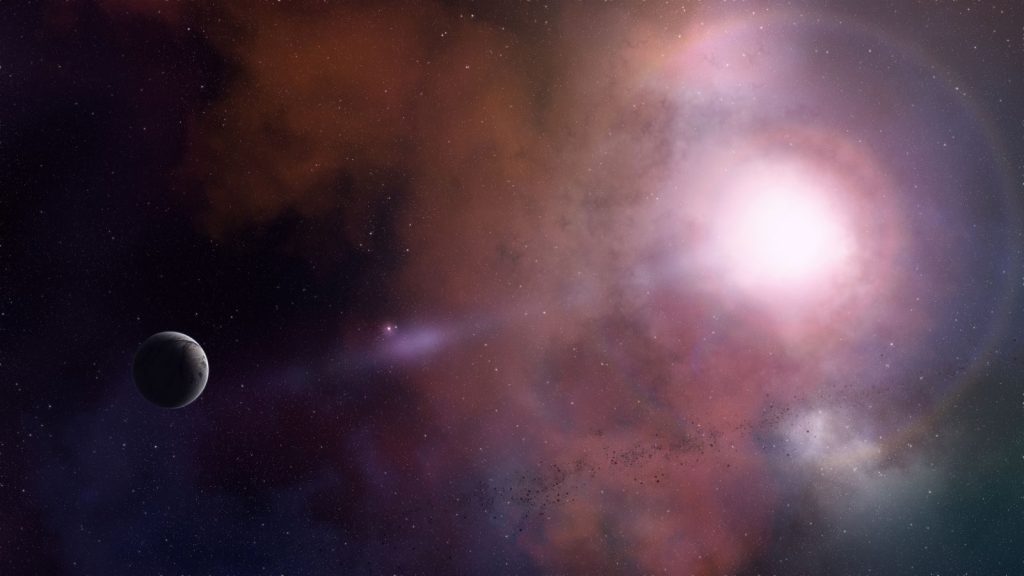
Planet candidates orbiting dwarf stars face extreme environmental challenges. According to studies from the Massachusetts Institute of Technology, intense stellar radiation regularly strips away fragile planetary atmospheres. The void is harsh. Scientists must determine if life can actually survive under such a brutal cosmic bombardment. But liquid oceans on these distant worlds present another puzzle.
Specular Reflection Ocean Glint
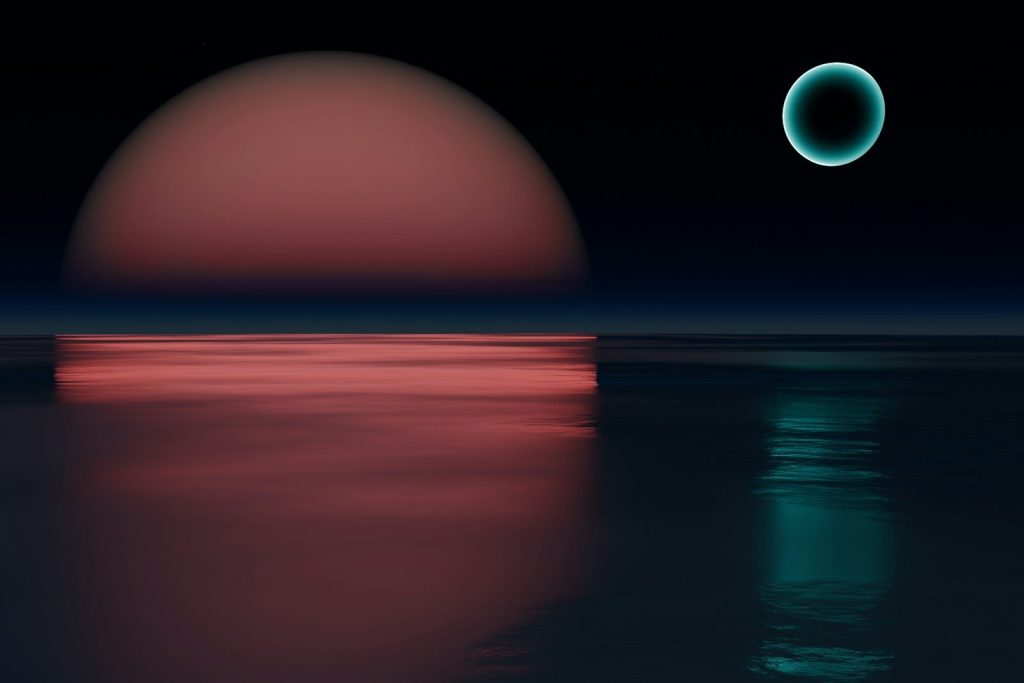
Capturing the presence of liquid water across light-years requires tracking star reflection. According to space agency physicists, oceans glint under stellar glare to create a noticeable speculum effect. Water glistens in space. Isolating this subtle planetary shine helps map out continental layouts and giant oceans. But confirming these chemical traces demands much stronger orbital hardware.
Next Generation Space Shields
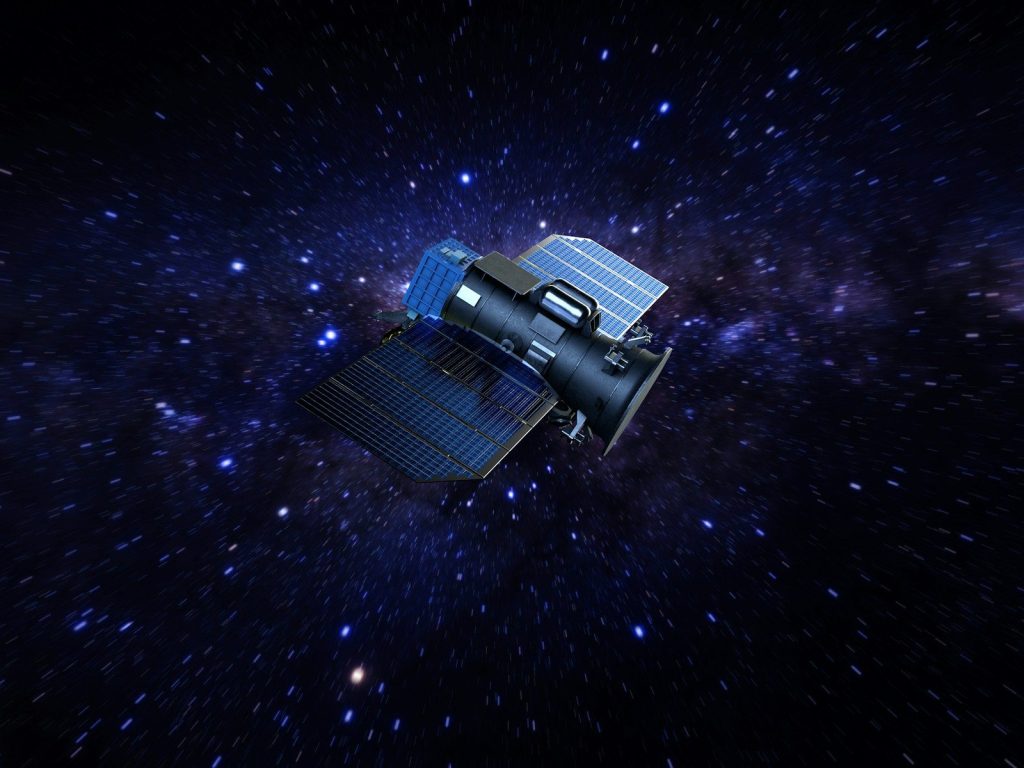
Agencies are designing massive starshade screens to block out overwhelming parent star glare. According to project engineers, this physical barrier allows instruments to photograph small rocky worlds clearly. It is highly advanced. Isolating the actual planetary colors can reveal true surface activity and vegetation shifts. But scientists remain incredibly cautious about announcing any final alien findings.
Eliminating Non-Biological Mimics

Natural planetary geological actions can occasionally mimic the chemicals produced by living things. According to astrobiologists, volcanic heat and intense pressure can form complex carbon molecules naturally. Accuracy is absolutely vital. Researchers must run extensive computer models to eliminate all non-organic possibilities first. But the search is already changing our understanding of the universe.
The Organic Cosmic Blueprint
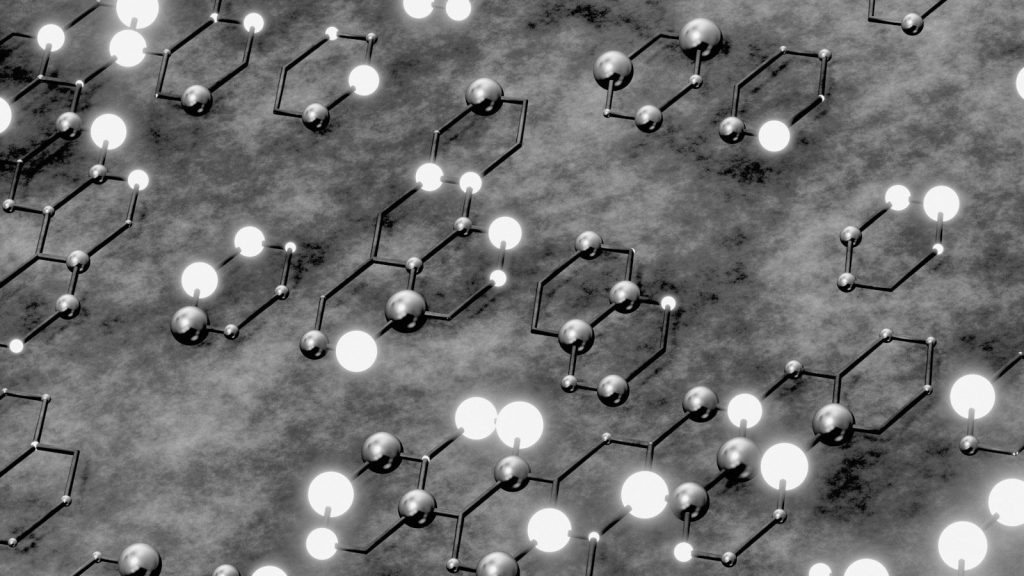
Finding chemicals like dimethyl sulfide on other worlds suggests that the basic blocks of biology are universal. According to research teams, organic chemistry seems to flourish wherever the right physical parameters align. The universe is active. Confirming even primitive cellular activity would completely rewrite our evolutionary textbooks. But finding these signs is only the beginning of a larger cosmic shift.
The Planetary Paradigm Shift
Discovering biological evidence on another world will permanently alter our view of the night sky. According to space historians, it proves that the spark of life is not unique to Earth. We are not alone. This article is for informational purposes only and does not constitute professional scientific advice.
Featured Image: Photo by NASA Hubble Space Telescope on Unsplash
Leave a Reply