Most space enthusiasts assume that deep space probes are constantly guided by real-time human commands. We believe that mission controllers can easily steer spacecraft from their desks on Earth.
But a brief communication glitch with Voyager Two revealed the extreme reality of cosmic distance. The tiny spacecraft had to rely entirely on its own internal programming to survive in the dark.
Shouting Into The Void
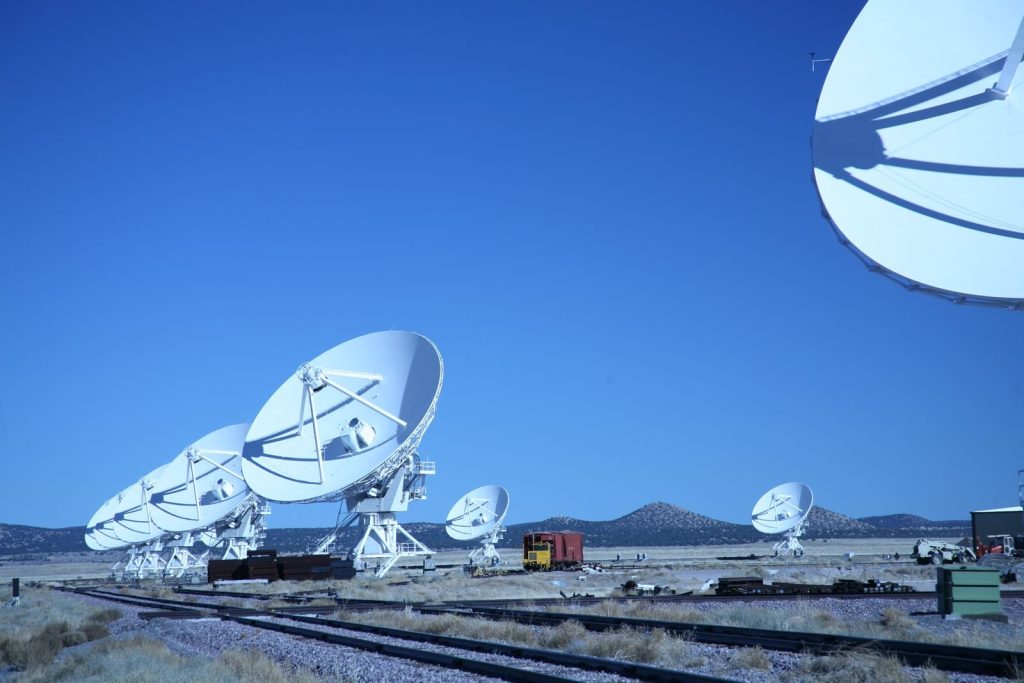
The aging spacecraft is currently traveling billions of miles away from our planet. According to NASA, sending a radio command to the probe takes over eighteen hours to travel one way. The distance is staggering. Even at the speed of light, communication has become an incredibly slow and difficult process. But a tiny human error was about to cut this fragile connection entirely.
The Misaligned Antenna
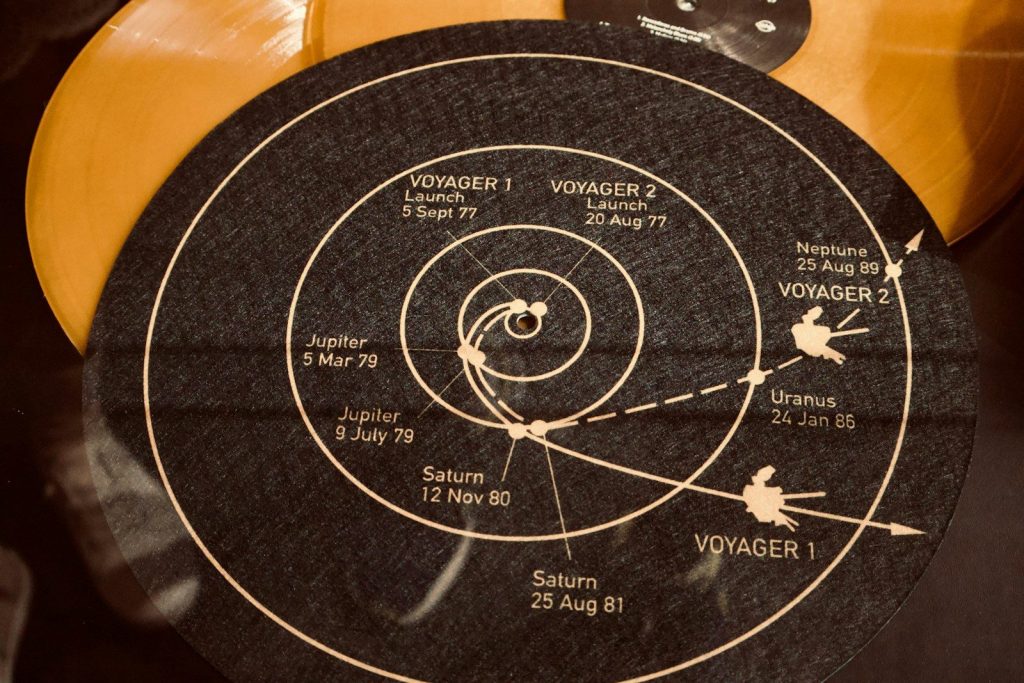
A routine software command accidentally pointed the spacecraft antenna away from Earth. According to mission logs, the tiny shift of just two degrees broke the direct line of communication. The silence was absolute. Controllers could no longer send instructions or receive health data from the silent probe. But the spacecraft had a highly clever backup plan written in its source code.
The Automatic Reset Trigger
The probe is programmed to reset its pointing system automatically several times each year. According to spacecraft engineers, this autonomous routine forces the vehicle to locate Earth and realign its main dish. It was highly reliable. This automated safeguard ensures that the probe can recover from communication losses without any human help. But waiting for this reset required immense patience from the ground team.
The Silent Deep Transit

While the connection was broken, Voyager Two continued its endless cruise through the absolute cold. According to astrophysics models, the probe is traveling through interstellar space beyond the protective bubble of our sun. The environment is pitch black. No human creation has ever traveled so far while remaining functional. But scientists were still desperately searching the skies for any faint signals.
Catching The Heartbeat
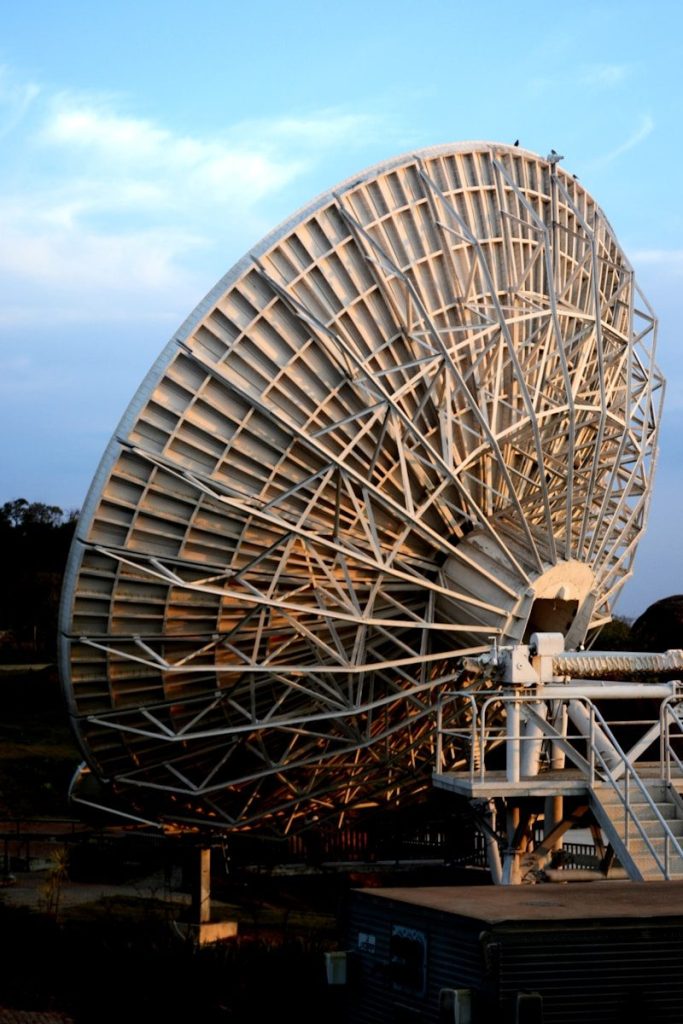
A powerful network of ground antennas finally detected a faint carrier signal from the probe. According to reports from the Deep Space Network, engineers used massive dishes to capture the weak electronic hum. It was incredibly faint. This successful catch proved that the spacecraft was still operating normally despite the silence. But establishing complete control required sending a highly powerful radio blast.
Reconnecting The Star Traveler
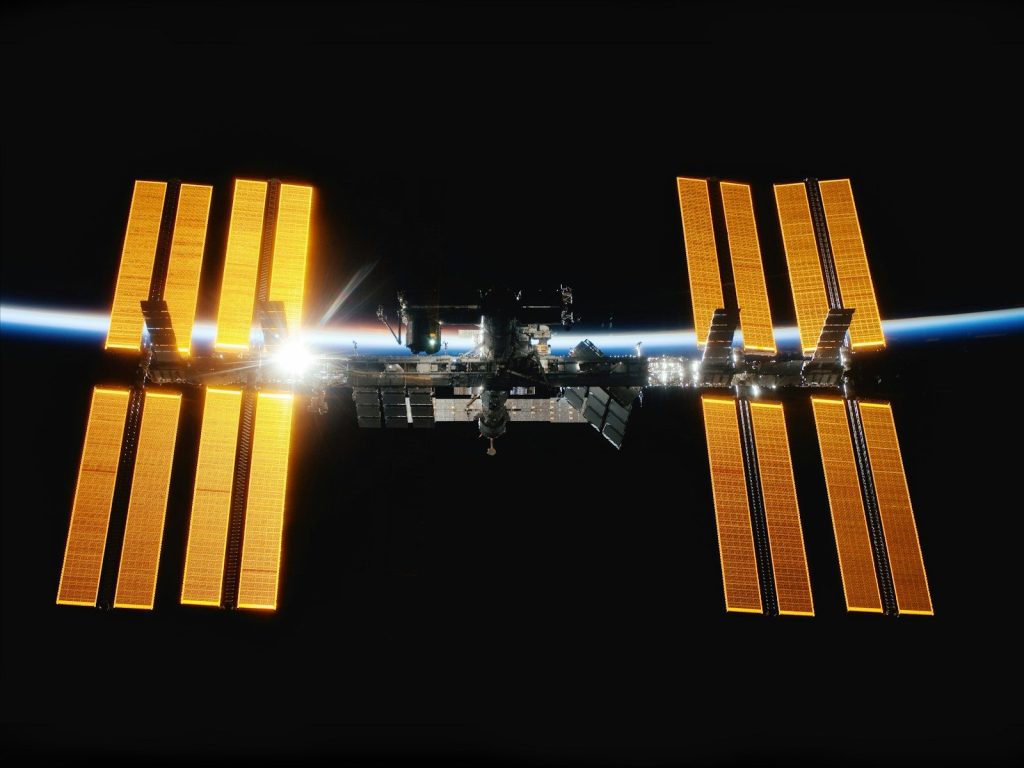
Controllers beamed a high-power command directly toward the estimated coordinates of the probe. According to mission reports, the signal successfully forced the spacecraft to realign its antenna ahead of schedule. The connection was restored. Voyager Two is once again transmitting valuable scientific data about the deep space environment back to Earth. But the true end of its historic journey remains far away.
Endless Flight Into Darkness
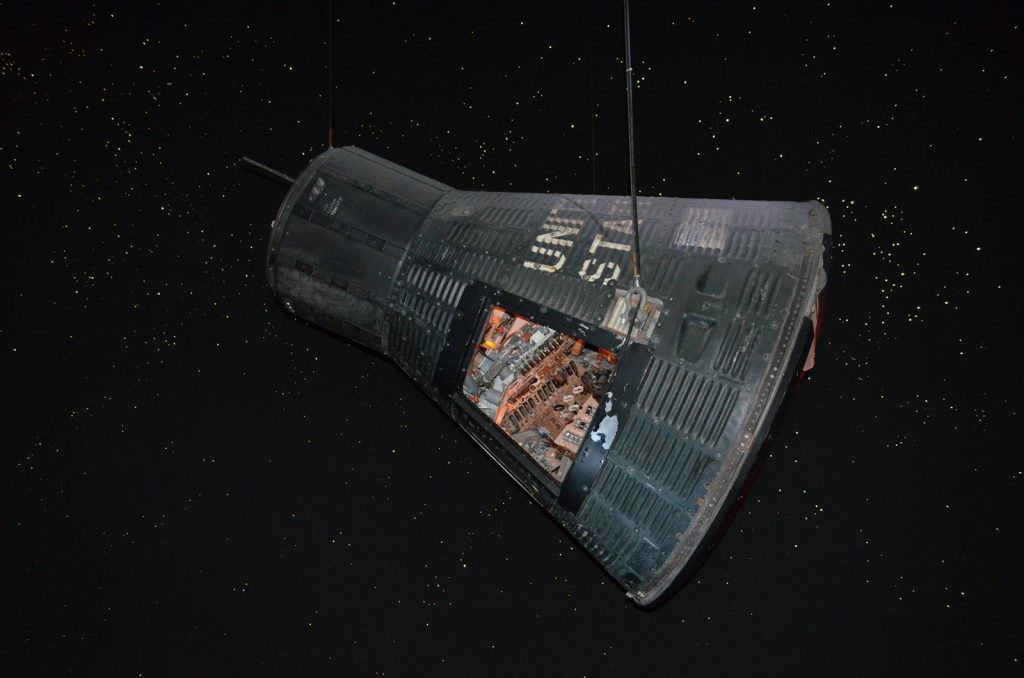
Voyager Two will eventually lose all battery power and become a silent metallic wanderer. According to astrobiologists, the probe will carry our messages across the galaxy for millions of years after we are gone. The journey never ends. This article is for informational purposes only.
Featured Image: Photo by NASA Hubble Space Telescope on Unsplash
Leave a Reply