
Most local residents assume that the large concrete warehouses built near their towns are simple shipping hubs. We believe these silent structures hold nothing but retail packages.
But a wave of citizen photography is revealing a highly different reality. These massive buildings are actually high-power data centers that are quietly straining the local environment.
The Concrete Giants
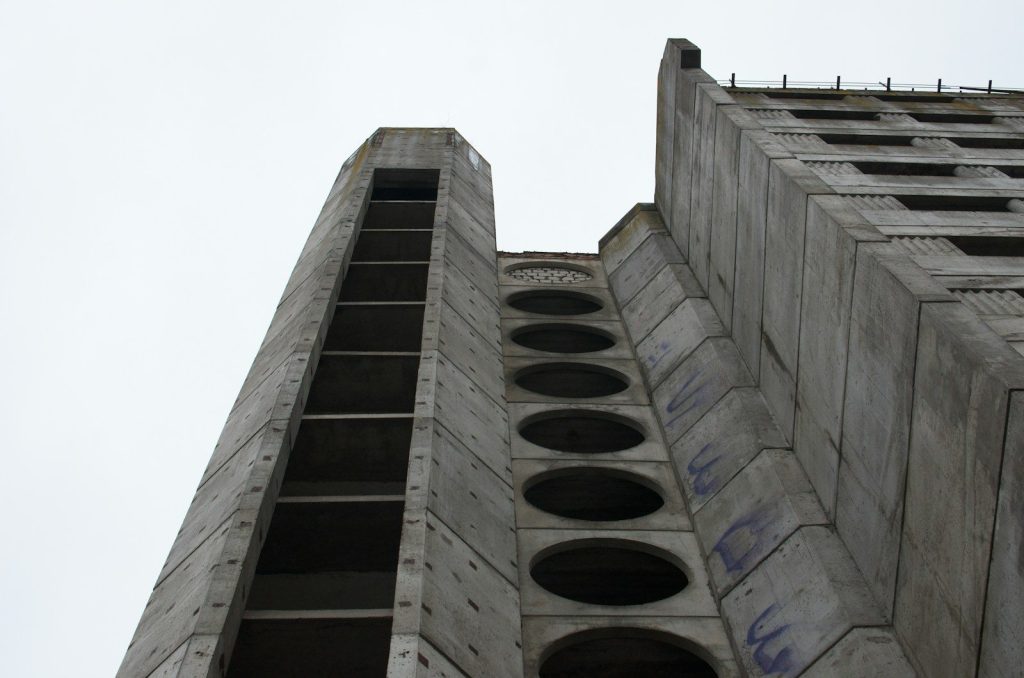
Regular citizens began documenting the rapid expansion of windowless concrete complexes in their neighborhoods. According to reports from local conservation groups, these structures can span the size of several sports stadiums. They are highly quiet. Yet the constant hum of heavy cooling fans is raising immediate questions among nearby homeowners. But tracking down the true purpose of these buildings required a collaborative effort.
A National Movement
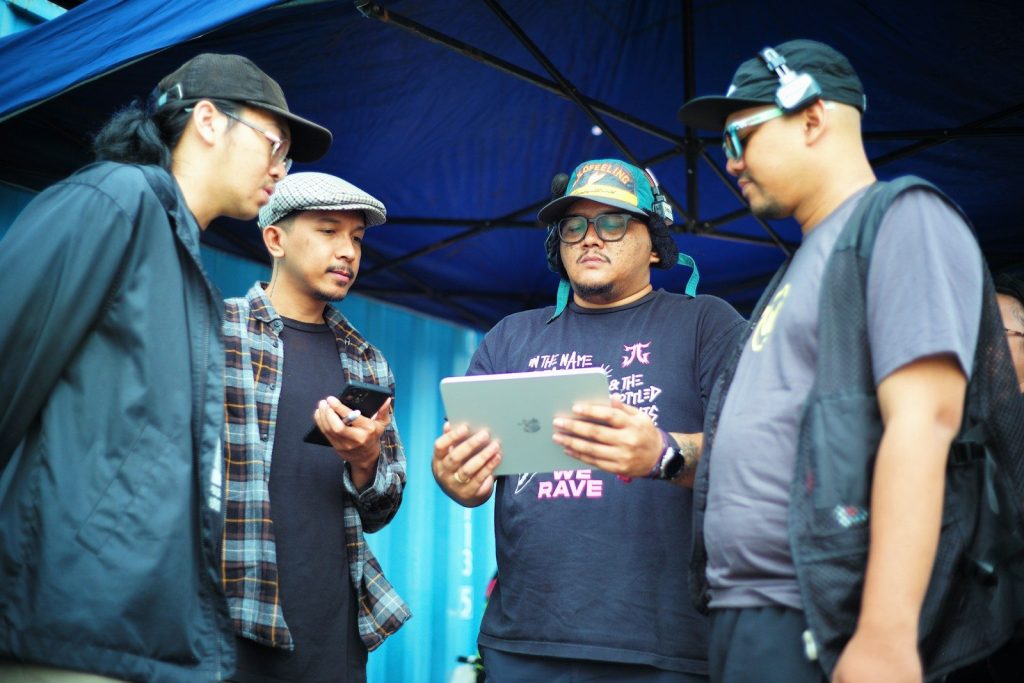
Activists are now using online databases to share photos of these massive computing warehouses. According to environmental advocate Erin Brockovich, citizen documentation is vital for unmasking the physical scale of the digital cloud. She thanked Americans. These photos help map out where computing hubs are placing the heaviest strain on public utilities. But the sheer scale of the power demand is shocking.
The Power Surge
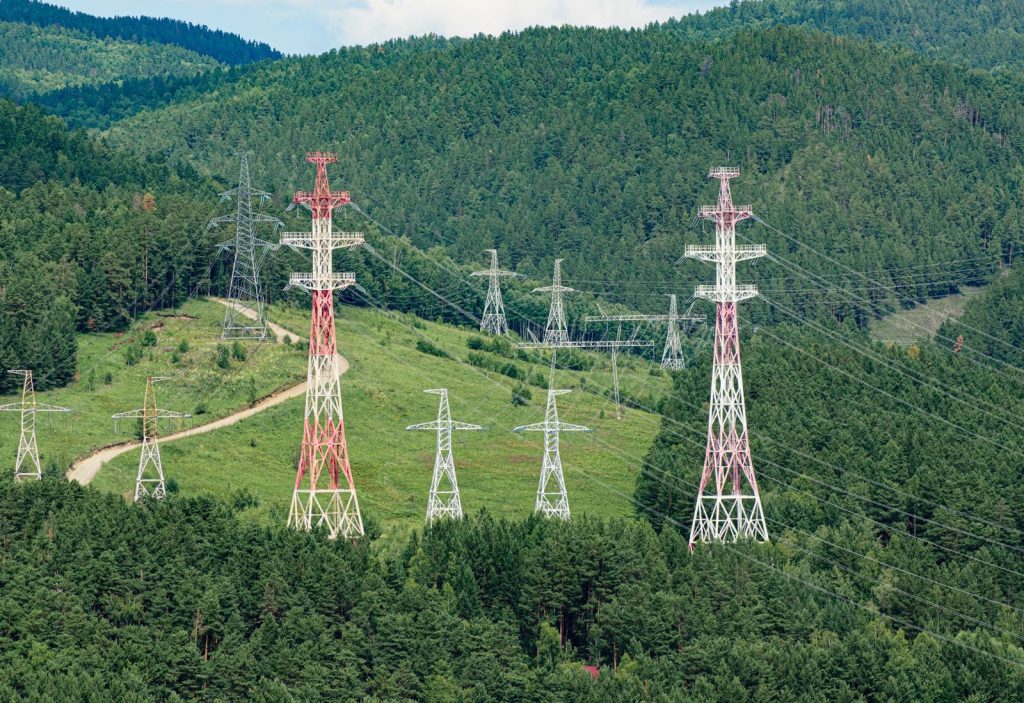
Running thousands of active servers requires more electricity than a small city consumes. According to energy grid studies, a single large facility can drain enough power to cause regional voltage drops. The system is fragile. This massive energy consumption is forcing utility companies to burn more fossil fuels to keep up. But water is another critical resource threatened by these hubs.
Invisible Water Traps
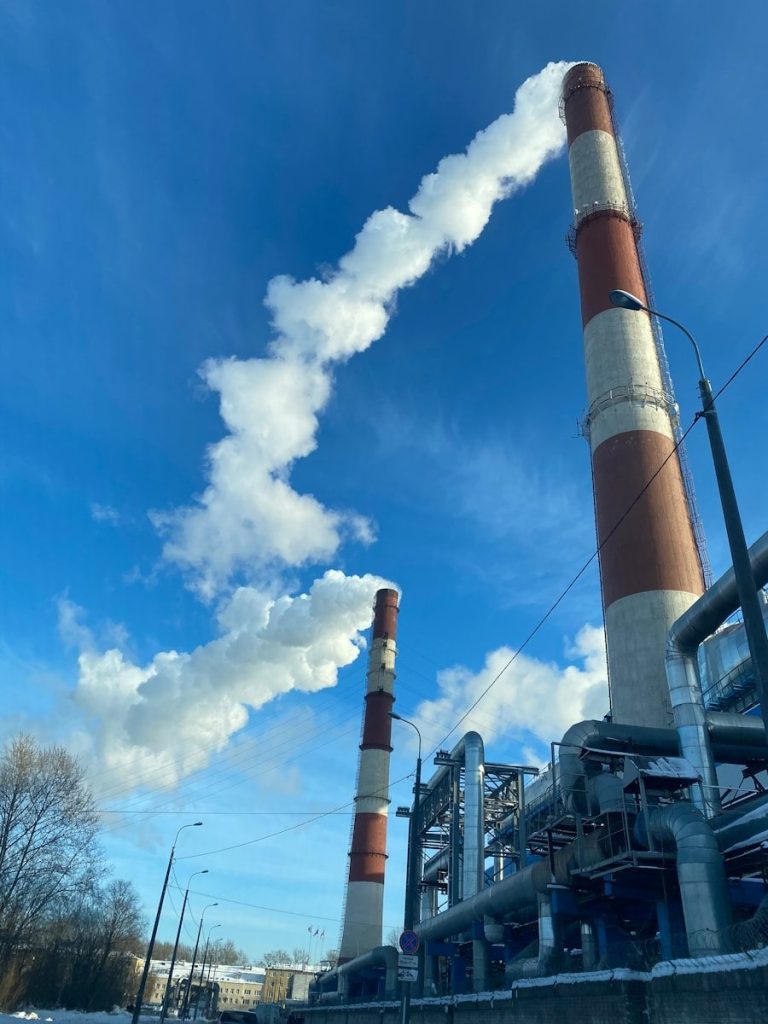
Keeping these server warehouses cool requires diverting millions of gallons of fresh water. According to local utility audits, some facilities evaporate half a million gallons of water every single day. This loss is permanent. The massive consumption is placing an immediate strain on fragile underground aquifers. But community groups are fighting back against these water allocations in court.
Farming Communities Alarm
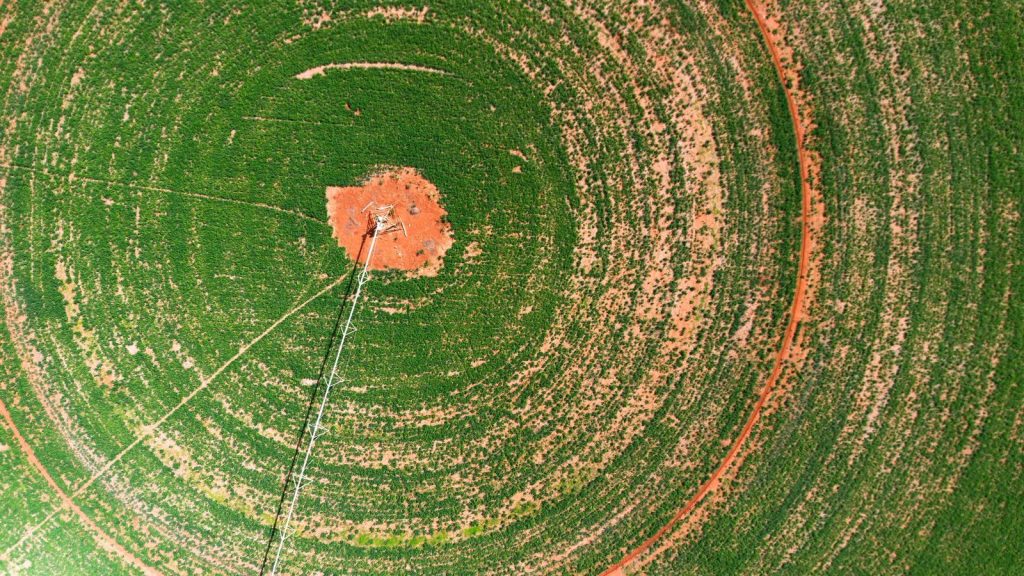
Agricultural regions are particularly vulnerable to the heavy water demands of nearby computing hubs. According to agricultural geologists, lowering the local water table directly threatens crop yields and livestock operations. The wells are drying. Farmers are organizing public protests to demand strict environmental audits for all future developments. But technology companies are scrambling to find alternative solutions to this crisis.
Moving Toward Accountability
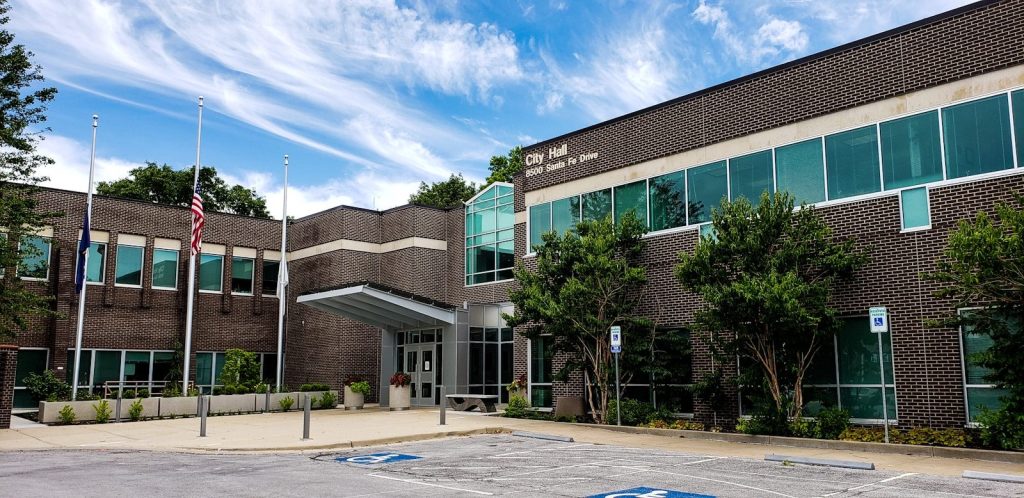
Pressure from citizens is forcing local governments to pass strict new zoning laws. According to public policy reports, several counties have paused new developments until they can verify the long-term resource impact. Change is happening. This regulatory shift is forcing tech conglomerates to design more sustainable computing models. But the final success of this movement will depend on constant public watchfulness.
Preserving Our Communities
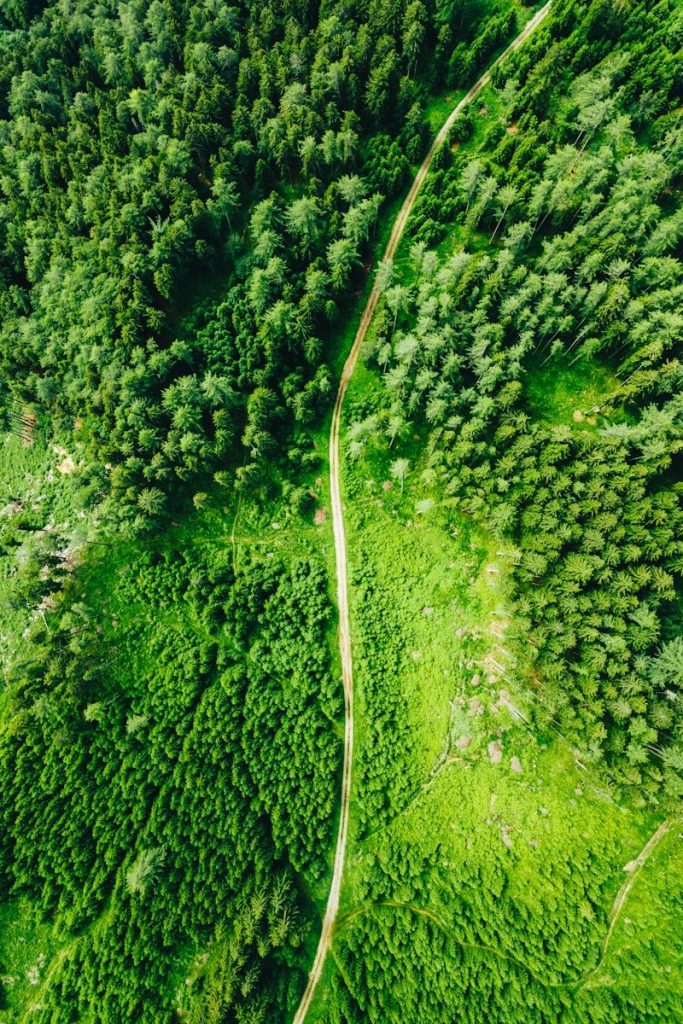
Unmasking the physical reality of the internet allows us to make conscious choices about our resources. According to environmental researchers, balancing technological growth with natural conservation remains vital for our future. Curiosity is key. This article is for informational purposes only.
Featured Image: Photo by Nick Fewings on Unsplash
Leave a Reply