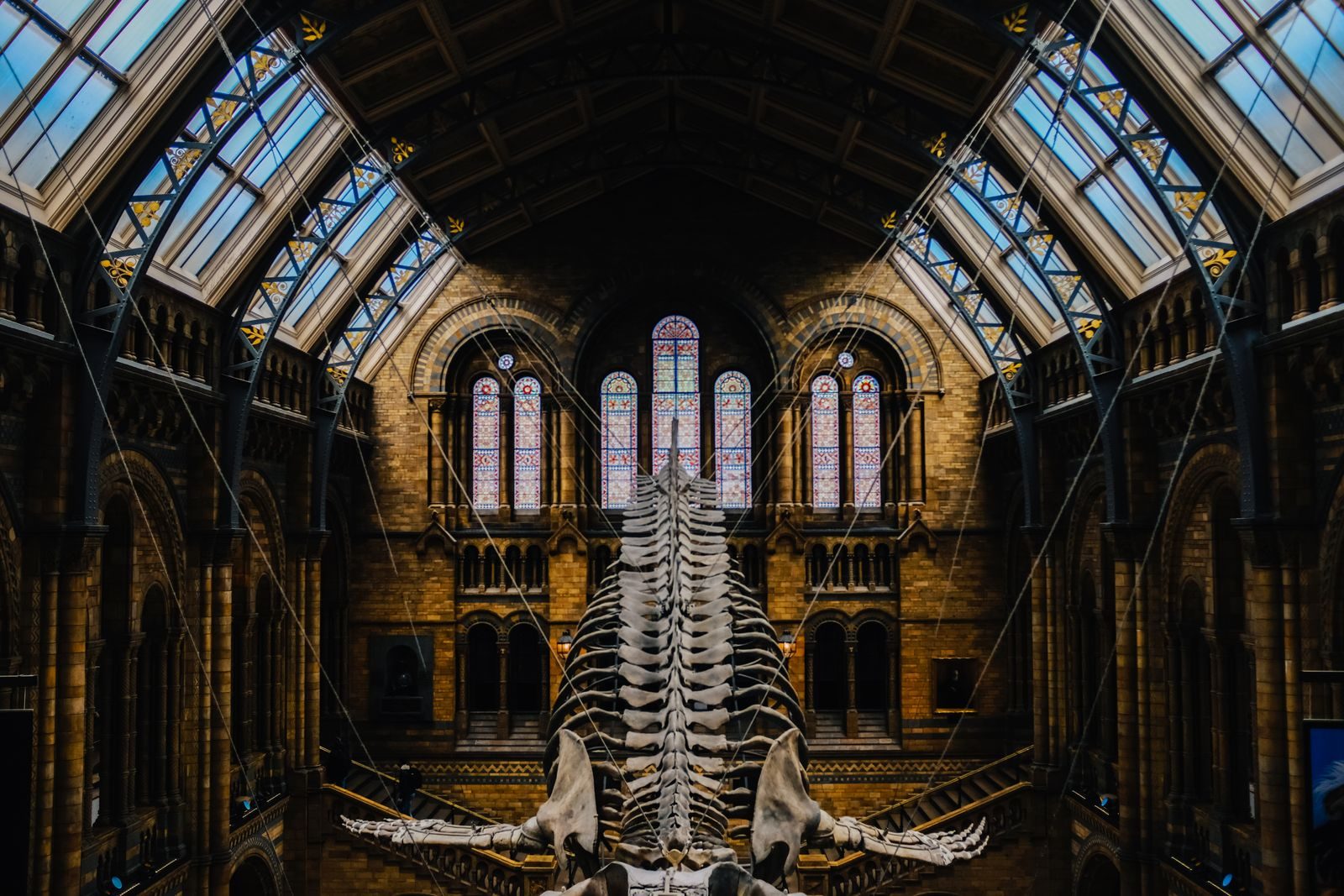
Most animal lovers believe the blue whale is the heaviest creature to ever exist. We assume no prehistoric beast could surpass its massive weight.
But a mind-bending fossil discovery in Peru has challenged this biological truth. Scientists have unearthed the bones of a legendary ocean giant that defies imagination.
Unearthing Cosmic Scales
Digging in the dry Peruvian desert revealed something completely impossible. According to a study published in Nature, paleontologists recovered massive skeletal remains belonging to an ancient whale. The bones were unbelievably heavy. This prehistoric beast lived nearly thirty-nine million years ago. But the sheer density of the skeleton pointed to a creature that was far larger than anyone expected.
Beyond Blue Whales
Measuring the heavy bones allowed researchers to estimate the total body mass. According to scientific measurements, this newly discovered species likely weighed up to three hundred and forty metric tons. It was incredibly massive. That potential weight easily doubles the size of any modern blue whale. But this extreme weight raised deep questions about how the beast could move through water.
Deep In The Sand
Excavating the massive specimen required years of careful labor in a hostile environment. According to reports from the University of Pisa, the fossils were buried deep under steep desert dunes. The work was grueling. Each individual vertebra weighed over one hundred kilograms. But lifting these giant stone-like bones out of the earth was only the first major challenge.
The Heavy Bone Mystery
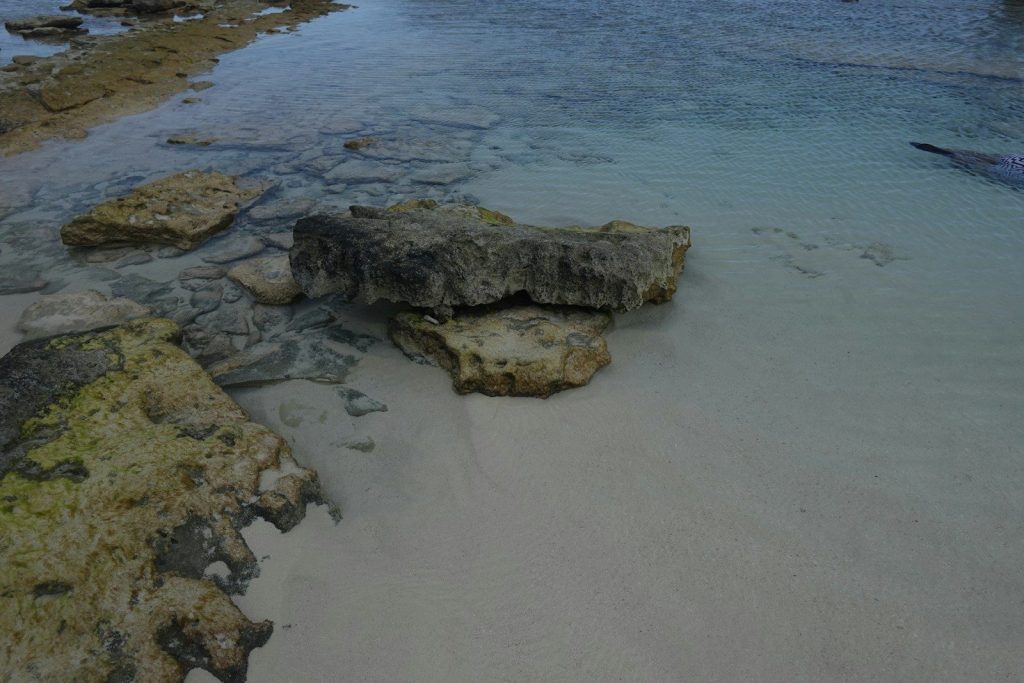
Living in shallow coastal waters required unique physical traits. According to evolutionary biologists, the creature possessed extremely dense, solid bones to act as a natural ballast. It was a submarine. This unique skeletal structure helped the massive mammal stay submerged while feeding on the ocean floor. But their specific diet remains a highly debated mystery among modern researchers.
Reconstructed Sea Giants
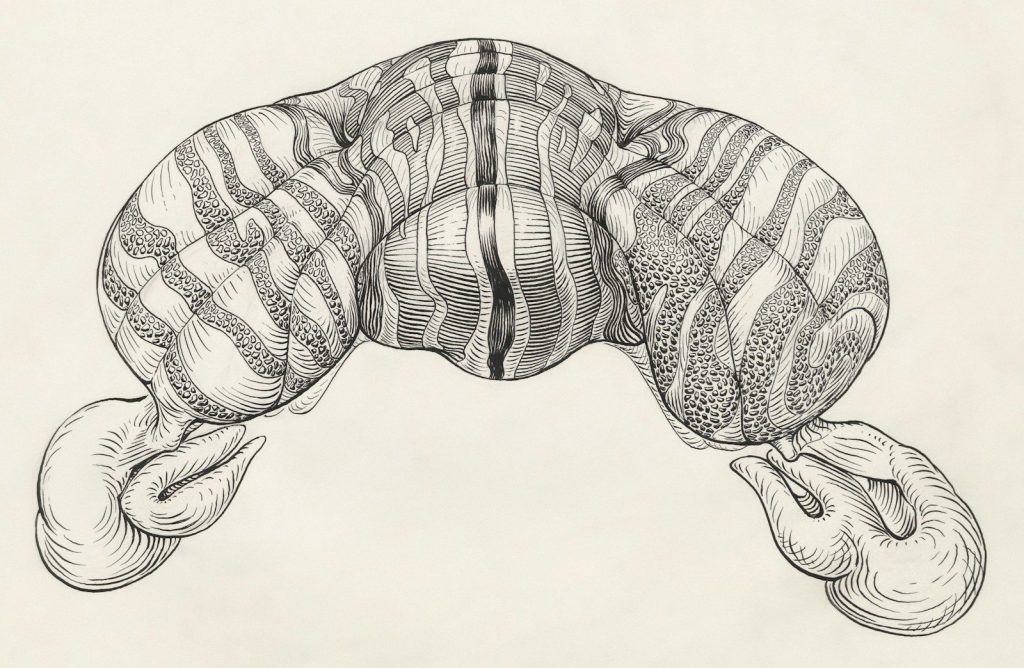
Creating accurate 3D models of the whale revealed its strange, bloated shape. According to paleontologists, the beast had relatively small limbs and a huge barrel-shaped body. It looked completely bizarre. This unusual anatomy suggests the giant moved very slowly through the prehistoric coastal shallows. But this slow lifestyle may have made the species highly vulnerable to sudden environmental changes.
Rewriting Marine Biology

Finding such an enormous creature completely alters our understanding of marine life evolution. According to evolutionary studies, ocean giants achieved maximum body mass millions of years earlier than previously assumed. The timeline was wrong. This revelation is forcing scientists to rethink how coastal ecosystems supported such massive energy demands. But the true scale of this beast might be even greater than current models show.
The Ultimate Ocean King
This spectacular Peruvian discovery permanently changes our view of prehistoric life. According to researchers, nature has always pushed the physical limits of biology in surprising ways. Our planet still hides ancient giants beneath the desert sands. This article is for informational purposes only.
Featured Image: Photo by Adrien Olichon on Pexels
Leave a Reply