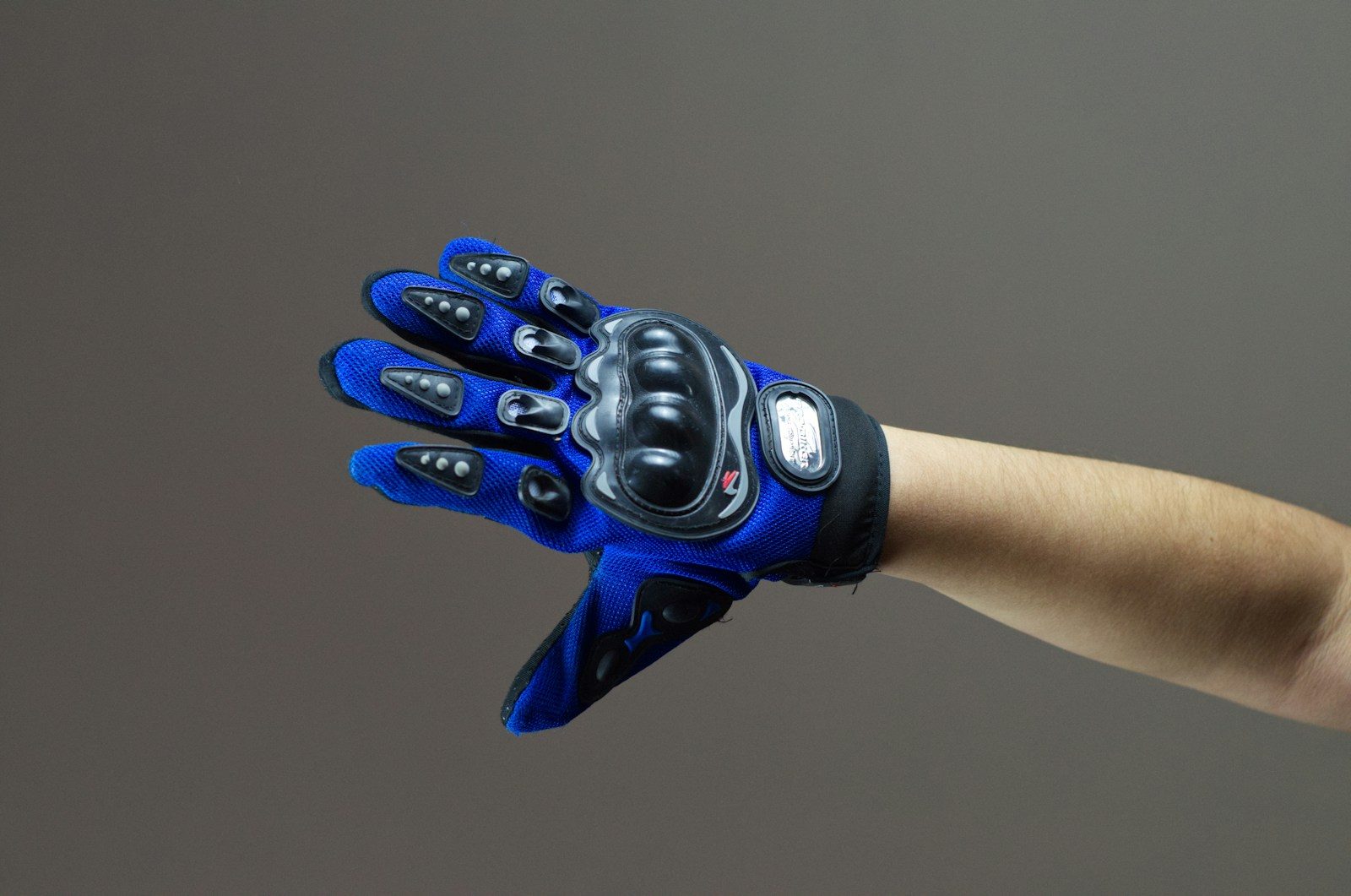
We have spent decades looking at screens and listening to speakers, but the digital world has always been “flat.” You could see a rose, but you couldn’t smell it. You could see a velvet curtain, but you couldn’t feel its texture. That is about to change forever. A new wave of “haptic” and “olfactory” technology is breaking the barrier between the screen and your senses. Scientists have developed thin, wearable devices that use ultrasound and chemical emitters to mimic the real world.
Imagine shopping online and feeling the exact fabric of a shirt before you buy it. Or watching a cooking show and actually smelling the garlic as it hits the pan. This isn’t just for fun; it is a revolution for medicine, gaming, and even long-distance relationships. We are moving toward a “Full Immersion” internet where your brain can’t tell the difference between a pixel and reality. But wait until you see how these devices can make you feel things that aren’t even there.
The Gloves That Give You “Ghost” Hands
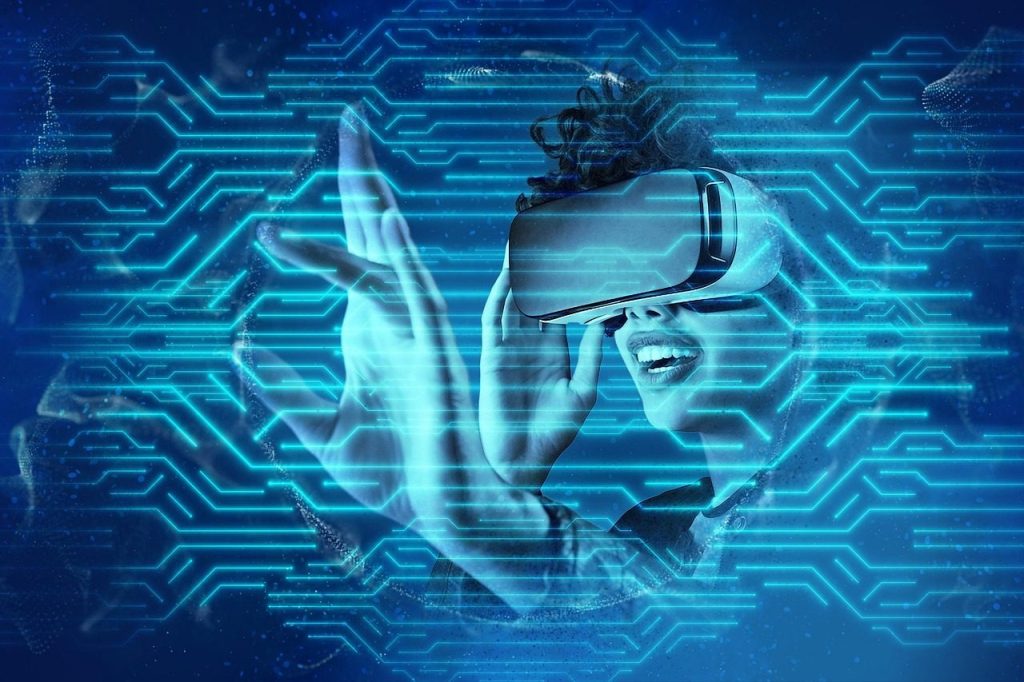
Haptic gloves are the first step in this sensory revolution. These gloves use hundreds of tiny actuators that push against your skin when you touch a digital object. If you pick up a virtual ball, the glove gets tighter to mimic the ball’s weight and shape. Some versions use “thermal pads” to let you feel the heat of a virtual fire or the chill of digital ice. It is a hauntingly realistic experience. But how do you smell something that exists only in code?
Digital Perfume and the “E-Nose” Revolution
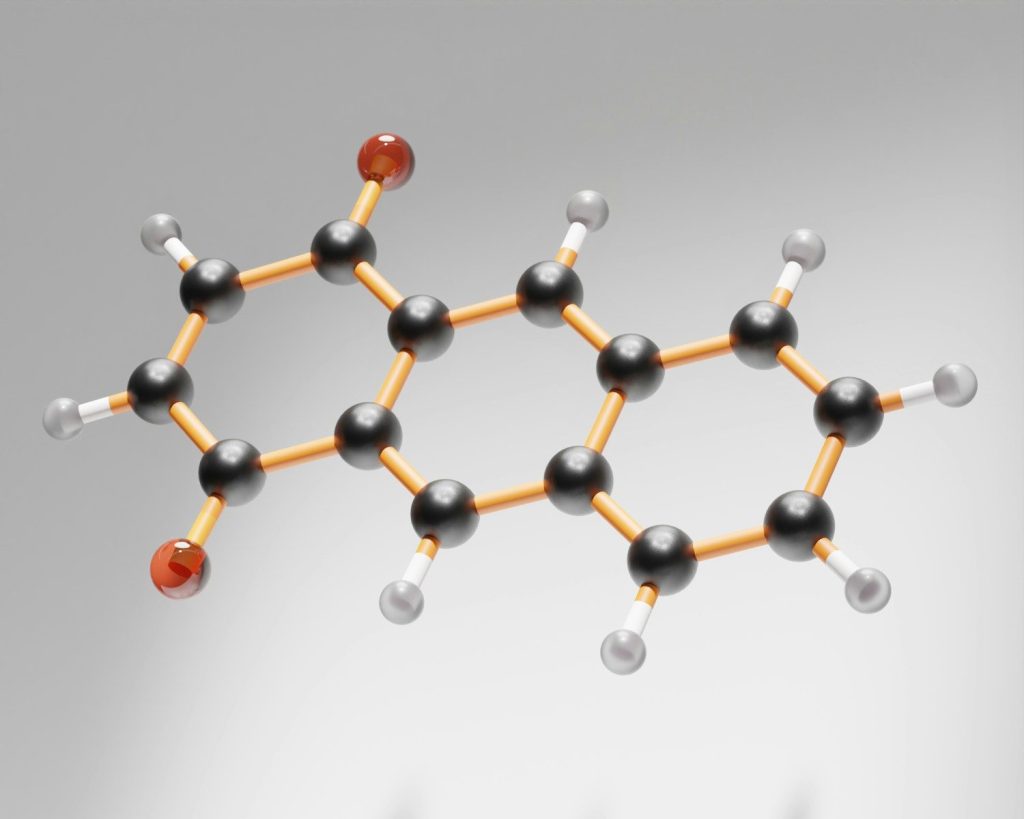
Adding smell to a screen is much harder than adding touch. Researchers have created a “digital nose” that uses cartridges filled with basic scent molecules. By mixing these chemicals in different ratios, the device can recreate thousands of unique smells. When you see a forest on your screen, the device releases a tiny puff of “pine” and “damp earth.” It happens so fast that your brain instantly connects the image to the aroma. But there is a secret use for this tech in the world of medicine.
Healing the Mind with Sensory Therapy

Doctors are starting to use these “sensory screens” to treat PTSD and anxiety. By recreating calming environments that the patient can actually touch and smell, the therapy becomes much more effective. It can transport a patient from a stressful hospital room to a peaceful beach in seconds. The brain reacts to these digital sensations as if they were real, releasing “feel-good” chemicals like dopamine. But wait, could this technology be used to trick us into buying things we don’t need?
The Future of Digital Advertising

Advertisers are already dreaming of “Scent-O-Vision” ads. Imagine walking past a digital billboard that releases the smell of fresh coffee right as you look at it. Or a perfume ad that lets you sample the fragrance through your phone. This level of engagement would be impossible to ignore. It targets the most primitive part of the human brain—the olfactory bulb. It could make digital products feel more “real” than ever before. But wait, what happens if the tech gets hacked?
The Danger of “Sensory Hacking”

If a device can send signals to your senses, it can also send “pain” or “unpleasant” sensations. Cybersecurity experts are worried about hackers who could send “digital shocks” through haptic gloves or “rotten” smells through olfactory devices. There is even a risk of “sensory overload” where the brain gets confused by too many digital inputs. We will need new laws to protect our physical senses from digital intruders. But the benefits for the disabled community might outweigh the risks.
Giving the Gift of Touch to Everyone

For people who are visually impaired, this technology is a life-changer. High-tech screens can now use “electro-vibration” to create textures on a flat glass surface. This allows users to “feel” images, buttons, and even Braille text that changes in real-time. It turns a standard tablet into a dynamic, tactile map of the world. It is the most significant leap in accessibility since the invention of the screen. But wait until you see the “Full Suit” that is coming next.
Walking into the Meta-Verse for Real
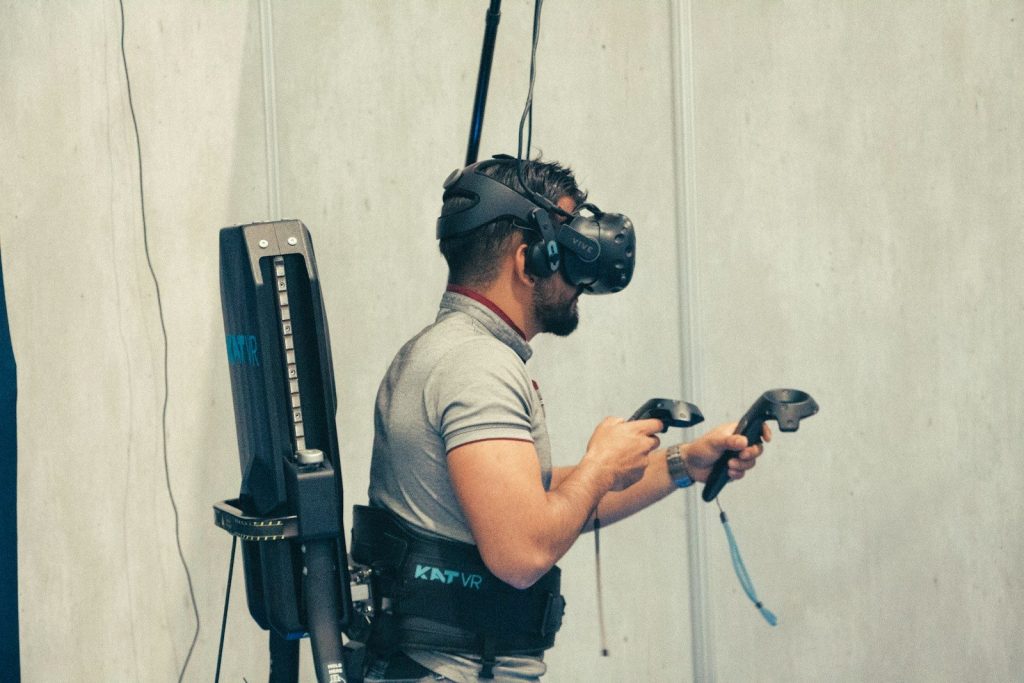
The ultimate goal is a full-body haptic suit. This would allow you to “enter” a digital world where every step you take and every object you brush against feels solid. You could hug a family member on the other side of the planet and actually feel their presence. We are erasing the distance between people using pure data. If you think digital touch is wild, wait until you see the robots exploring the darkest parts of our ocean to find “battery gold.”
Featured Image
Photo by Marcos Ramírez on Unsplash
Leave a Reply