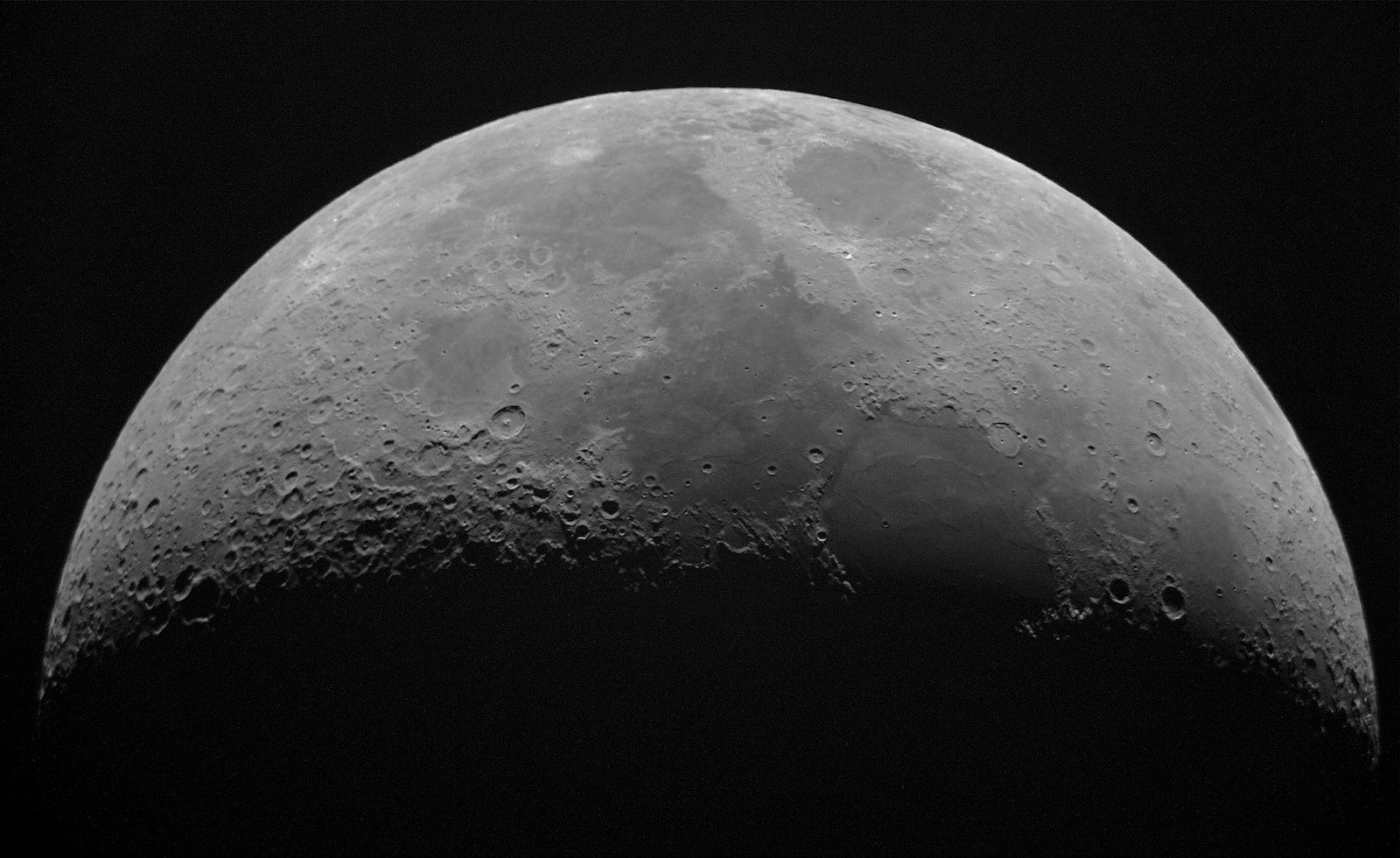
Most citizens believe that the moon is an unchanging and dead piece of space rock. We assume it has remained physically identical since the dawn of humanity.
But the latest satellite data reveals that our lunar neighbor is actively undergoing a massive physical change. Its surface is currently fracturing and shrinking from deep within.
The Moon Is Shrinking
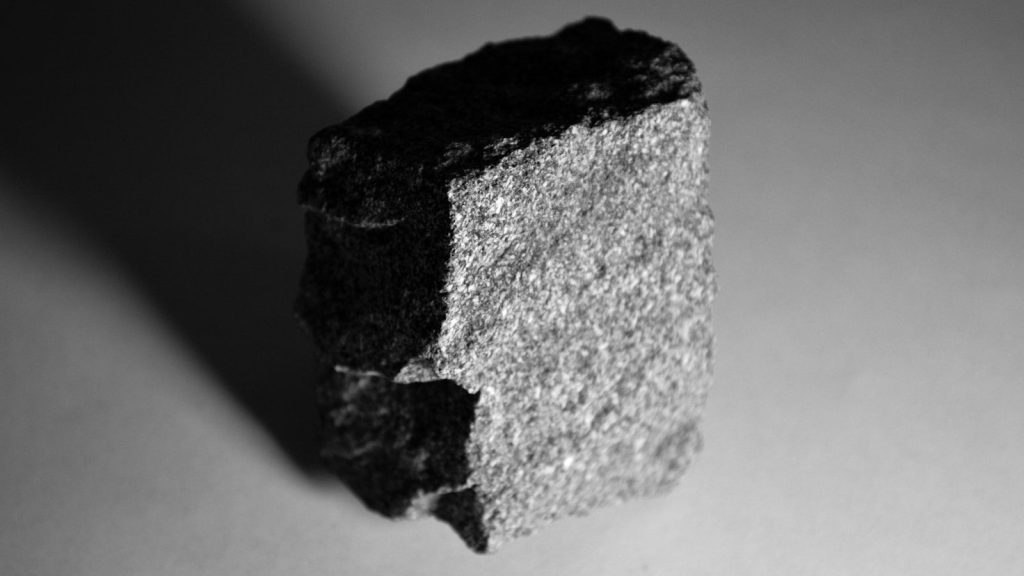
Our lunar neighbor is actually getting smaller as its hot interior slowly cools over time. The solid rock is contracting. It is a slow change. According to NASA satellite data, the moon has lost over one hundred and fifty feet of its width. This physical shrinking is creating major structural damage across the surface, but scientists soon noticed a far more immediate threat.
The Surface Is Cracking
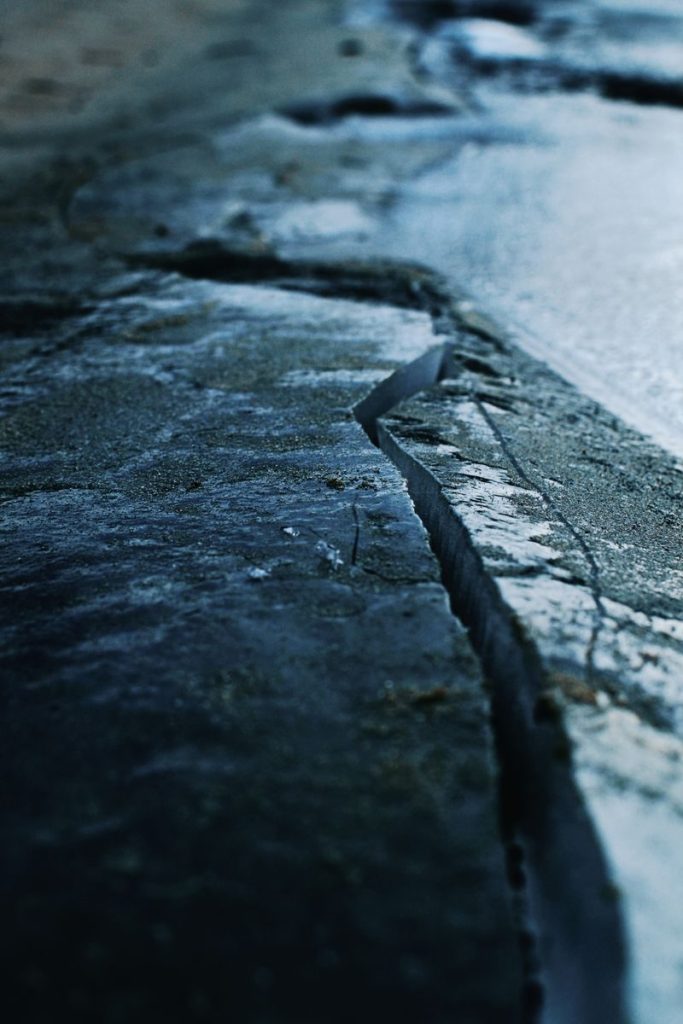
Because the moon’s surface is brittle, it does not stretch or bend as the interior shrinks. Instead, the crust actively breaks apart. The destruction is real. According to researchers at the Smithsonian Institution, this pressure has created massive fault lines across the lunar landscape. But these growing cracks are triggering a highly dangerous physical reaction.
Constant Shaking Lunar Quakes

The active fault lines frequently slide past each other, triggering powerful seismic tremors called moonquakes. These quakes can last for hours at a time. They are violent. According to seismic data from the Apollo missions, these tremors are strong enough to destroy artificial structures. But scientists soon discovered that these quakes are centered around a highly critical area.
Threatening The South Pole
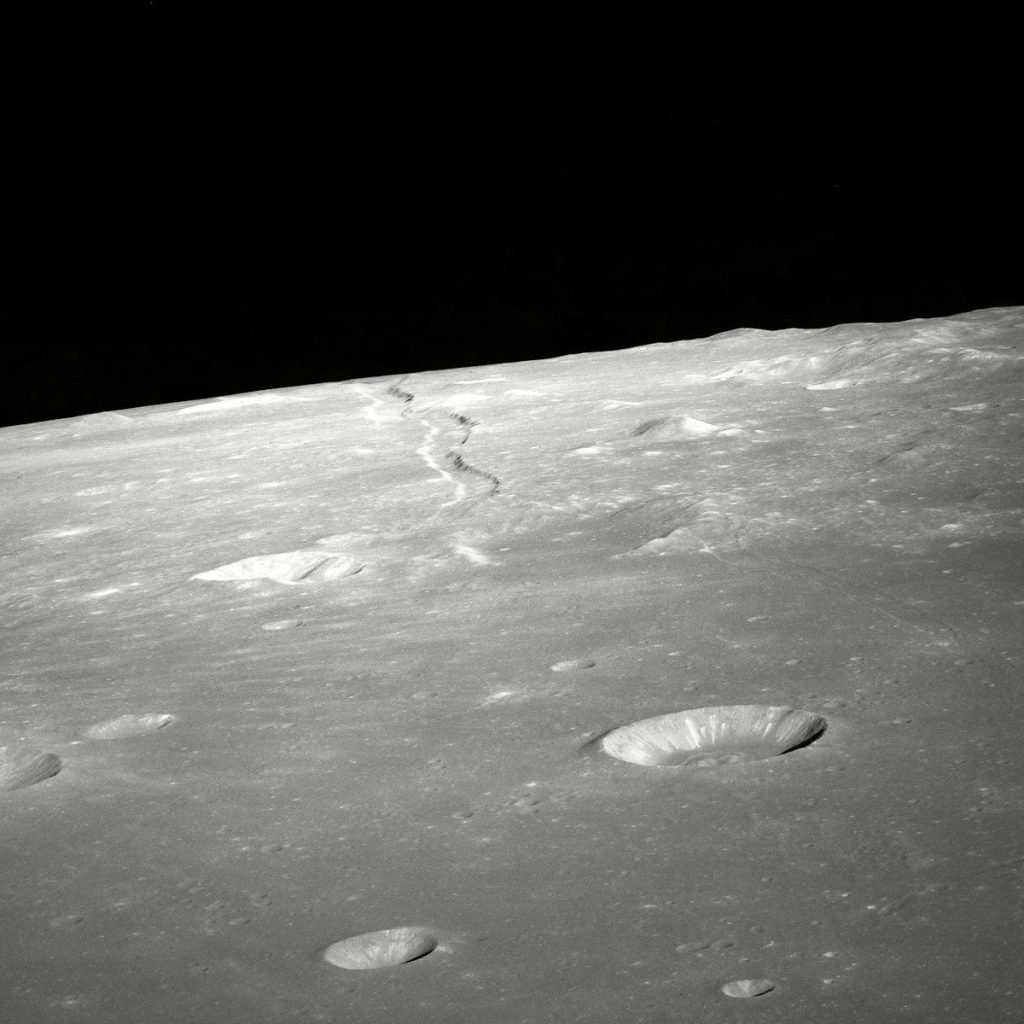
Geologists are worried because the seismic activity is centered directly around the lunar south pole, which is our top target for future space exploration. NASA plans to send astronauts to this exact region. This is critical. According to aerospace engineering reports, these severe moonquakes could trigger dangerous landslides in the deep craters. But the risk extends to our future lunar bases, too.
Landslides In The Dark
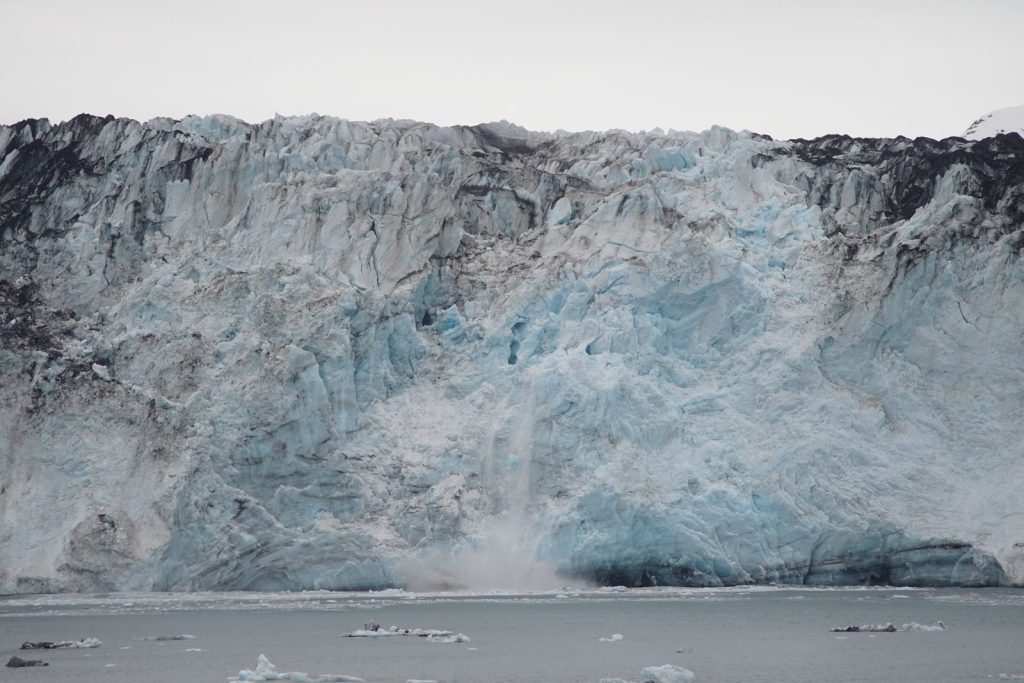
The steep crater walls are covered in loose dust and dry ice that can easily slide during a tremor. These dust slides happen in complete silence. They are massive. According to lunar geology studies, these slides can bury equipment and destroy solar arrays in a second. But researchers must find a safe way to protect our astronauts before they land.
Mapping The Safe Zones
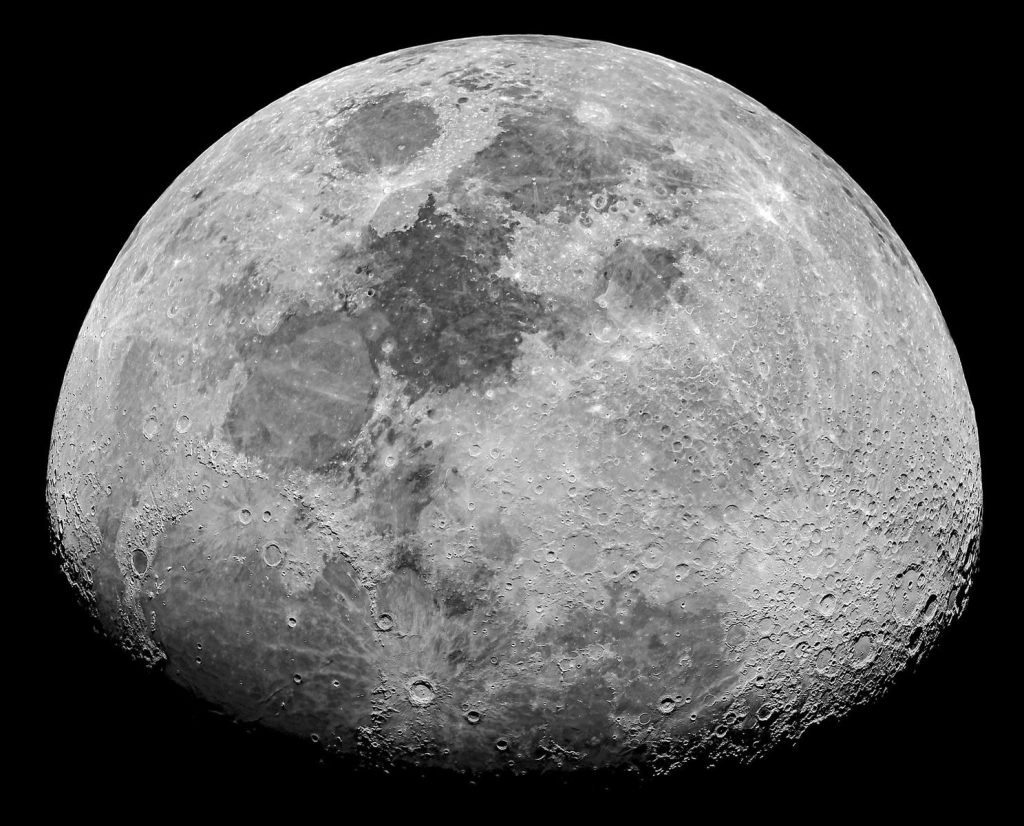
Geologists are currently using lunar satellites to map every active fault line across the south pole. They want to find safe flat zones. This data is vital. According to reports from the Planetary Science Institute, choosing stable ground is the only way to build a permanent colony. But we must still prepare our technology for the shaking.
Securing The Lunar Future
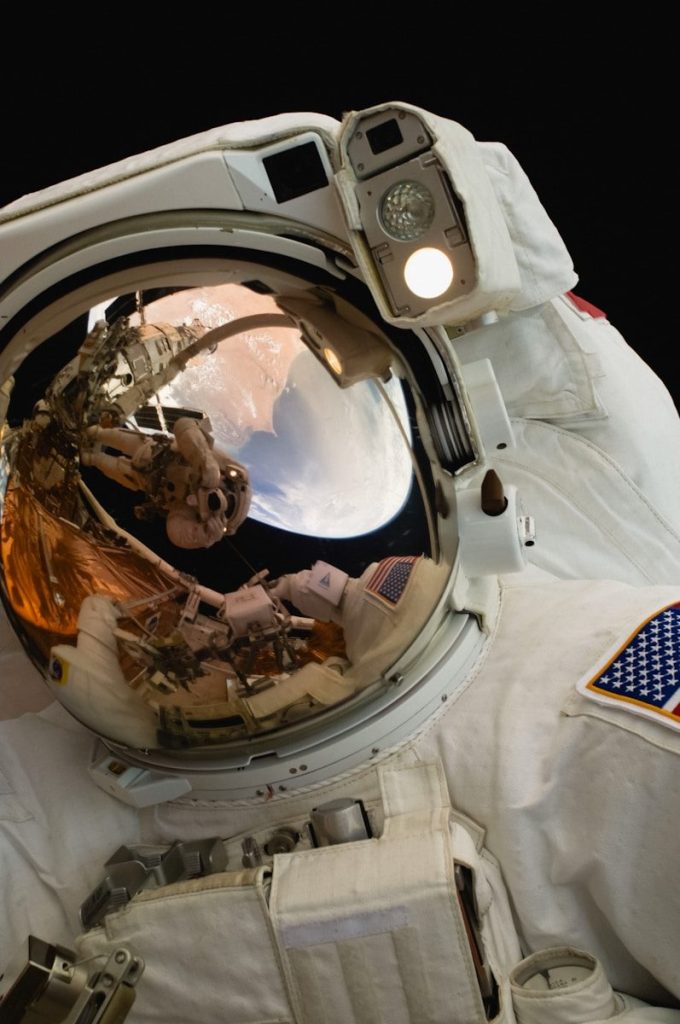
According to the latest space agency consensus, we must design flexible and shock-absorbent buildings to survive the moonquakes. Technology can protect our astronauts from these natural hazards. This article is for informational purposes only and does not constitute scientific or professional advice. By understanding the active geology of our lunar neighbor, we can safely expand our civilization into the deep cosmos.
Featured Image: Photo by Nicolas Thomas on Unsplash
Leave a Reply