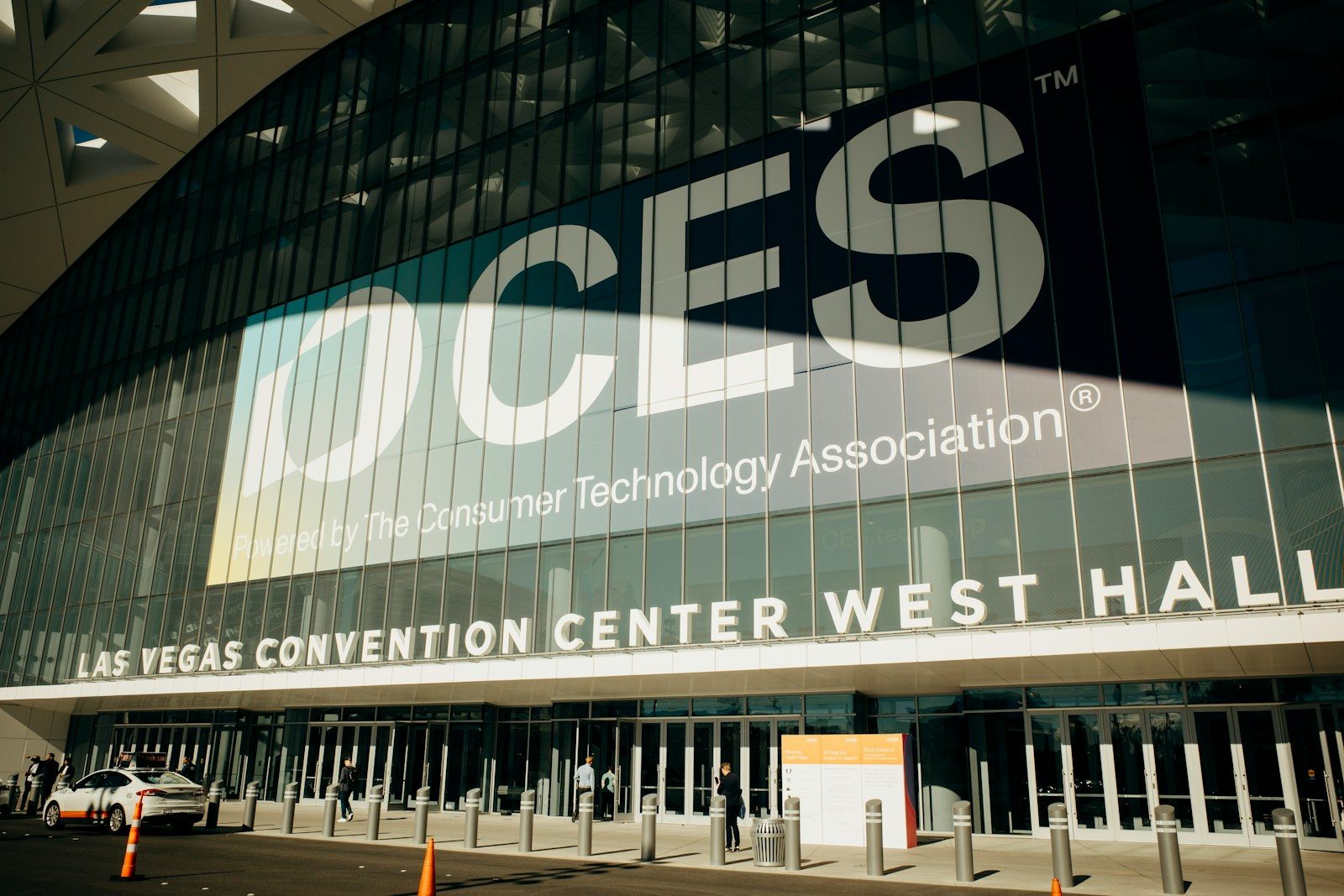
CES is where future tech often gets its first big spotlight, but the most interesting gadgets are not always the flashiest ones. The best ideas are the ones that point to small changes people may actually notice at home, at work, in the car, or on the go. Recent CES coverage showed a clear direction: devices are getting more personal, more connected, and more aware of what people need in the moment.
AI showed up in wearables, smart home tools, health devices, robots, computers, and entertainment gear. Some products are still early concepts, while others feel much closer to daily use. Together, they suggest a future where tech does less showing off and more quiet helping. CES 2026 highlighted growth across AI, robotics, digital health, mobility, immersive entertainment, accessibility, and smart home technology.
Smart glasses move forward
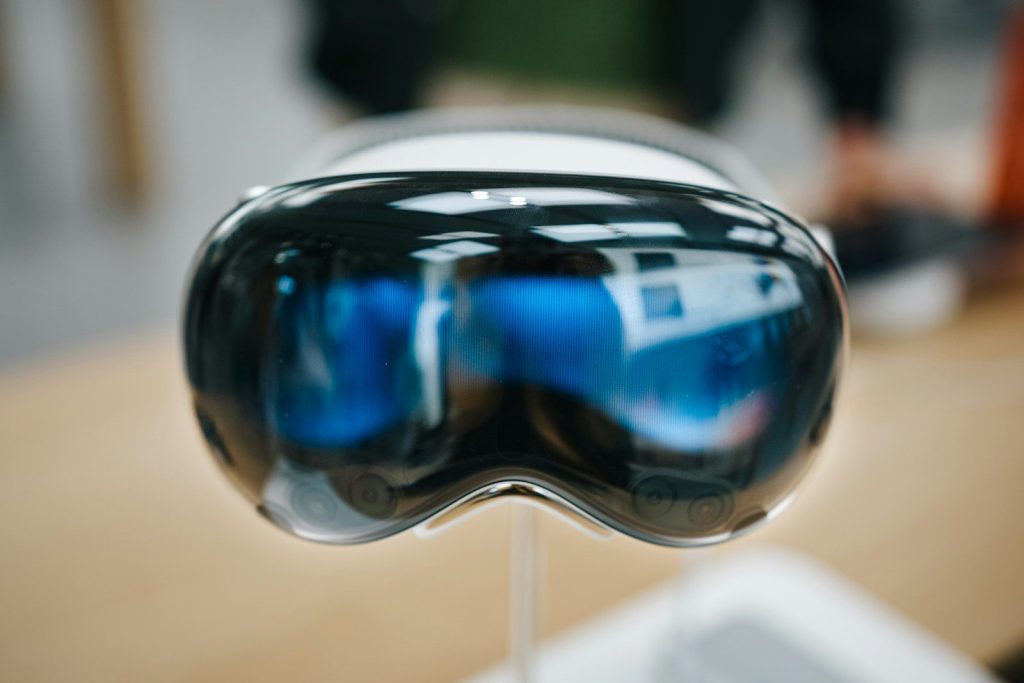
Smart glasses are starting to look less like a novelty and more like a daily helper. CES 2026 showed glasses with AI voice tools, real-time translation, recording features, and hands-free assistance.
That points to a future where people may check directions, translate signs, capture quick clips, or get reminders without pulling out a phone. The big idea is simple: useful information could appear closer to where people already look.
AI wearables get more personal
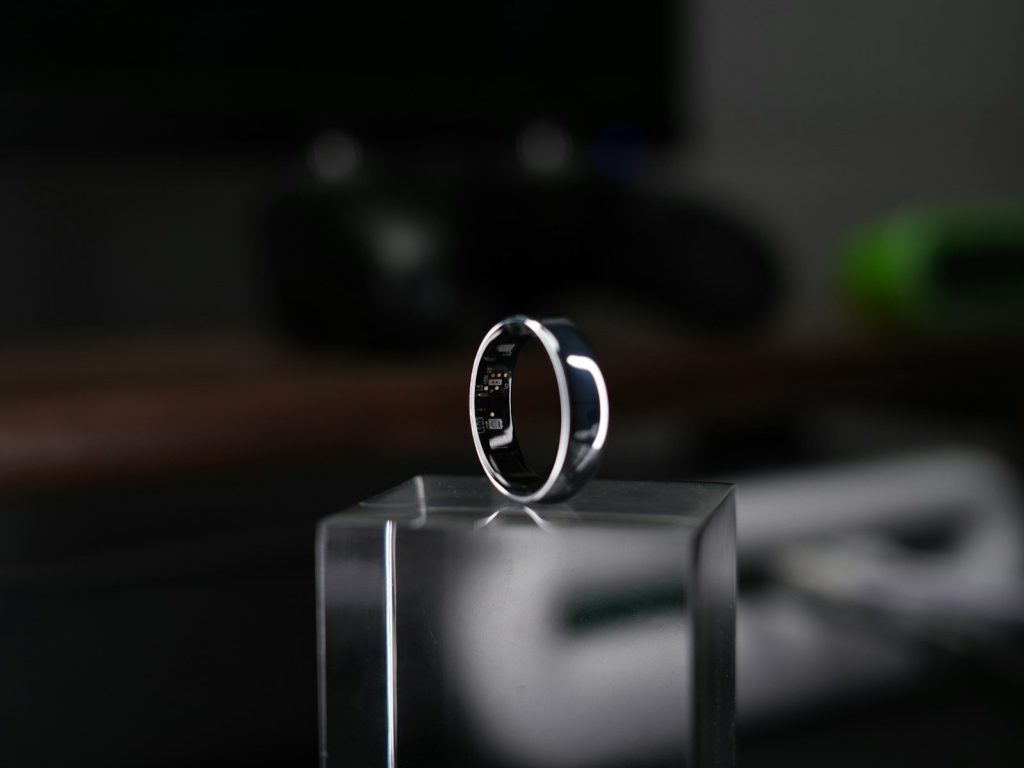
Wearables are moving beyond steps and basic alerts. CES coverage pointed to smart rings, watches, pins, and other small devices that can track health, fitness, habits, and daily routines in more personal ways.
This could make everyday tech feel more like a quiet assistant. Instead of only showing numbers, future wearables may help people notice patterns, manage schedules, and understand their day with less effort.
Robot vacuums become helpers
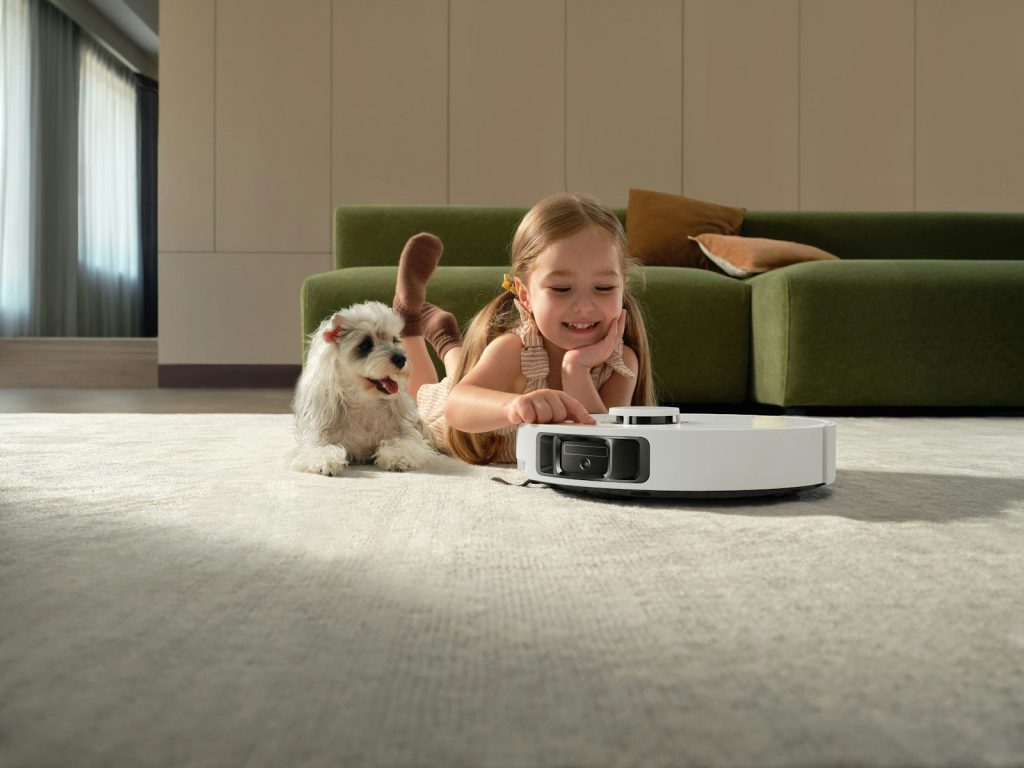
Robot vacuums have been around for years, but newer models are becoming more capable. CES 2026 coverage highlighted robot cleaners with better object recognition, liquid detection, improved movement, and even designs built to handle small height changes.
That matters because home robots are slowly moving from simple cleaning tools toward smarter household helpers. The future may bring devices that understand rooms better and need less babysitting.
Health mirrors enter the home
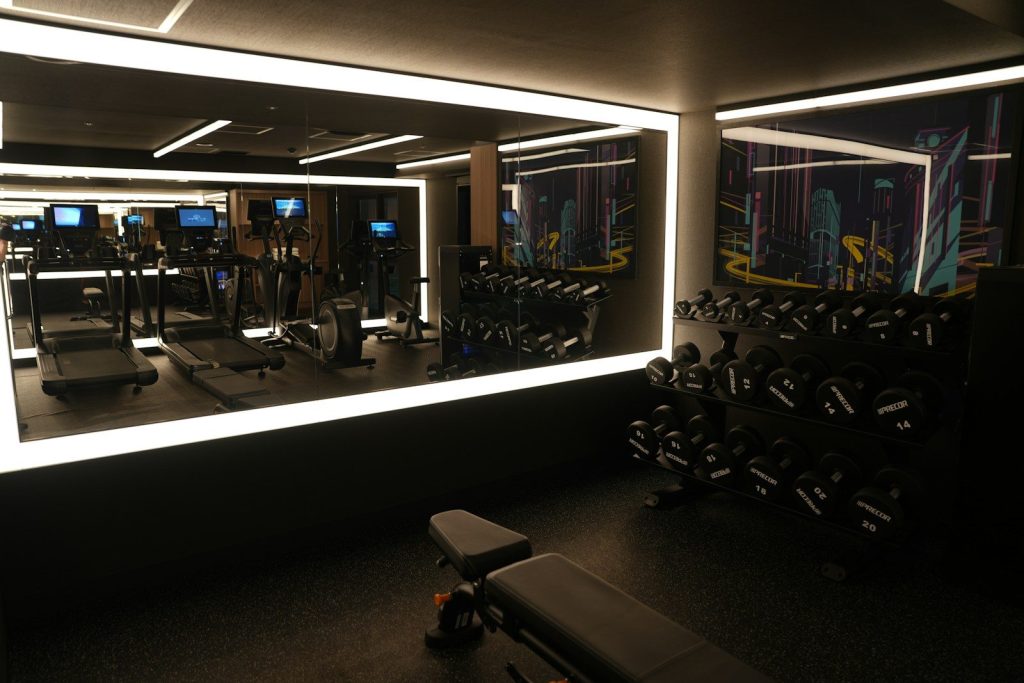
Health tech was a major CES theme, and smart mirrors were part of that shift. Some new wellness devices aim to use cameras, sensors, or AI-style analysis to help people track health-related signals from home.
The larger trend is not about replacing doctors. It is about making everyday check-ins easier. Future home tech may help people notice changes earlier and bring better information to wellness conversations.
Smart appliances get quieter
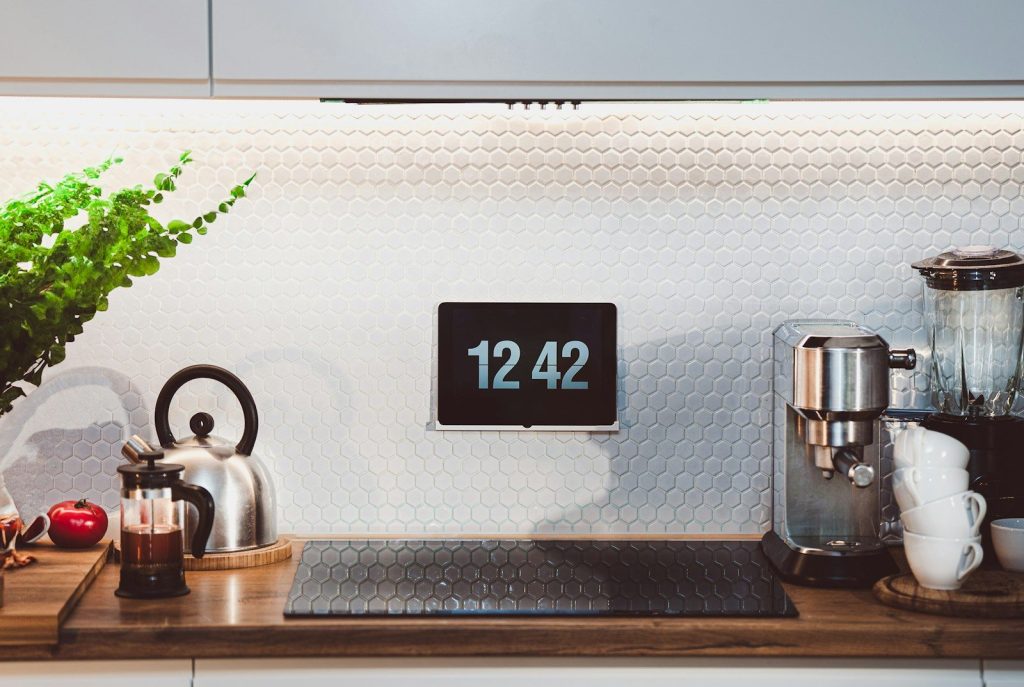
Smart home appliances are becoming more focused on useful help instead of flashy screens. CES 2026 coverage included laundry, garment care, cooling, and cleaning devices that use sensors and AI features to adjust how they work.
This hints at homes where appliances make fewer demands on people. A washer may better sense fabric needs, a cleaner may avoid messes, and cooling systems may respond more smoothly to room conditions.
Rollable screens add flexibility
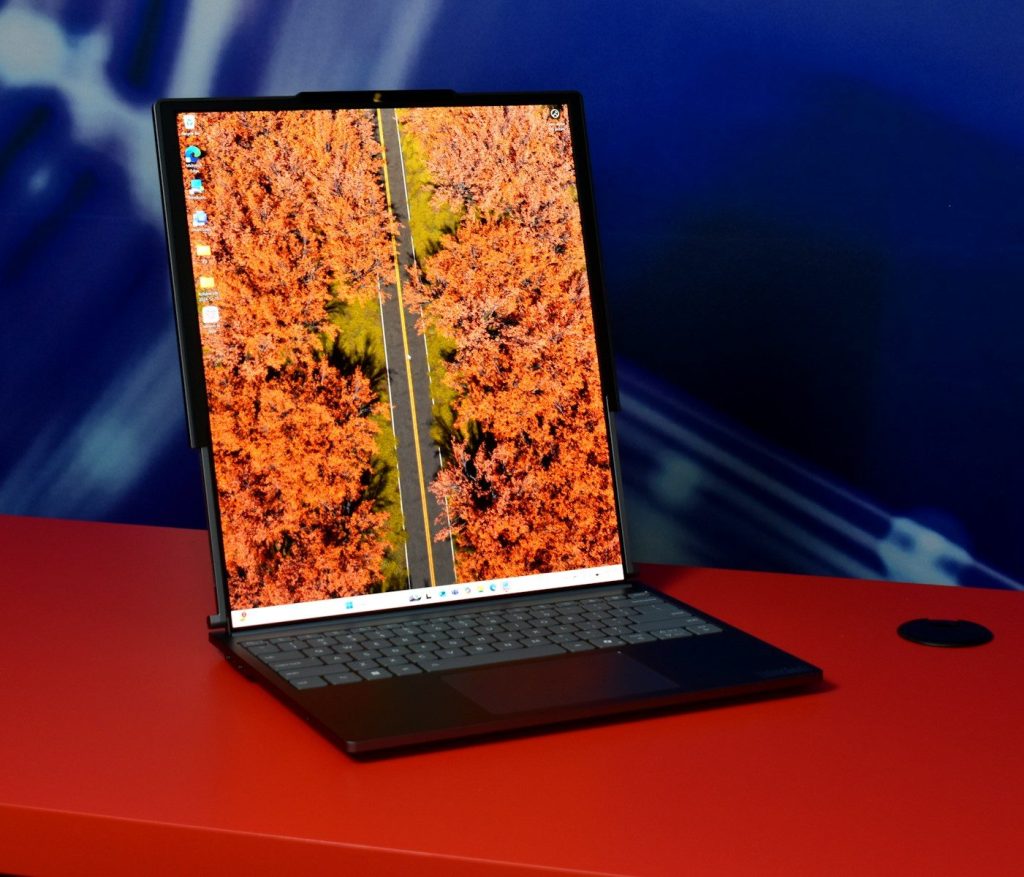
Computers and displays are also changing shape. CES coverage highlighted rollable, foldable, and dual-screen ideas across laptops, phones, and portable devices.
That trend could make daily tech more flexible. A compact device may open into a larger workspace, while a laptop could offer more screen room without needing a full desk setup. Portability and productivity are starting to meet.
Home entertainment gets slimmer
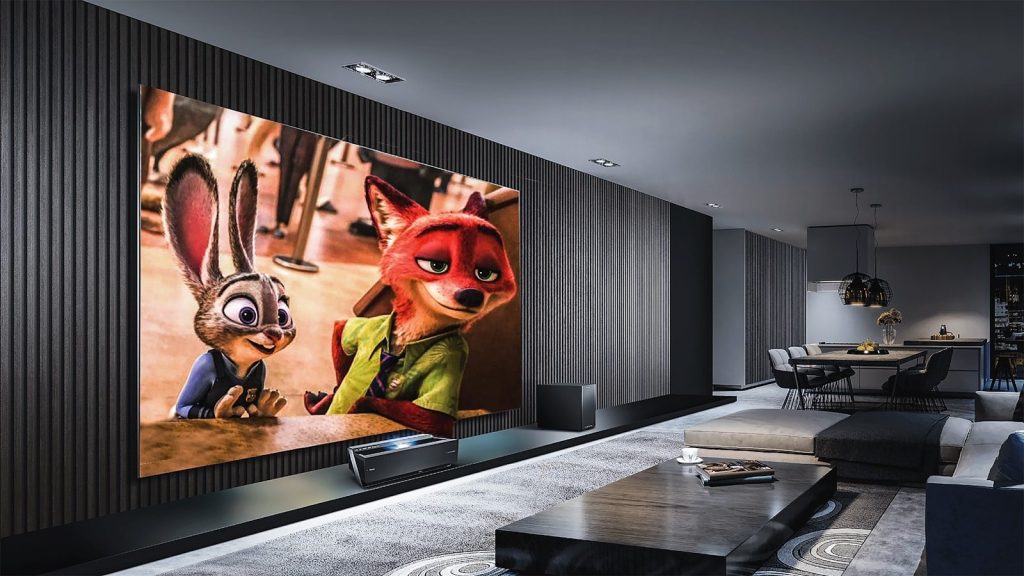
TVs and projectors keep pushing toward bigger pictures with cleaner designs. CES 2026 coverage highlighted ultra-thin OLED ideas, advanced mini-LED TVs, compact projectors, and stronger home audio setups.
This shows where living room tech is heading. People may get brighter pictures, better sound, and more theater-like setups without needing bulky equipment or complicated installation.
Pet tech becomes connected
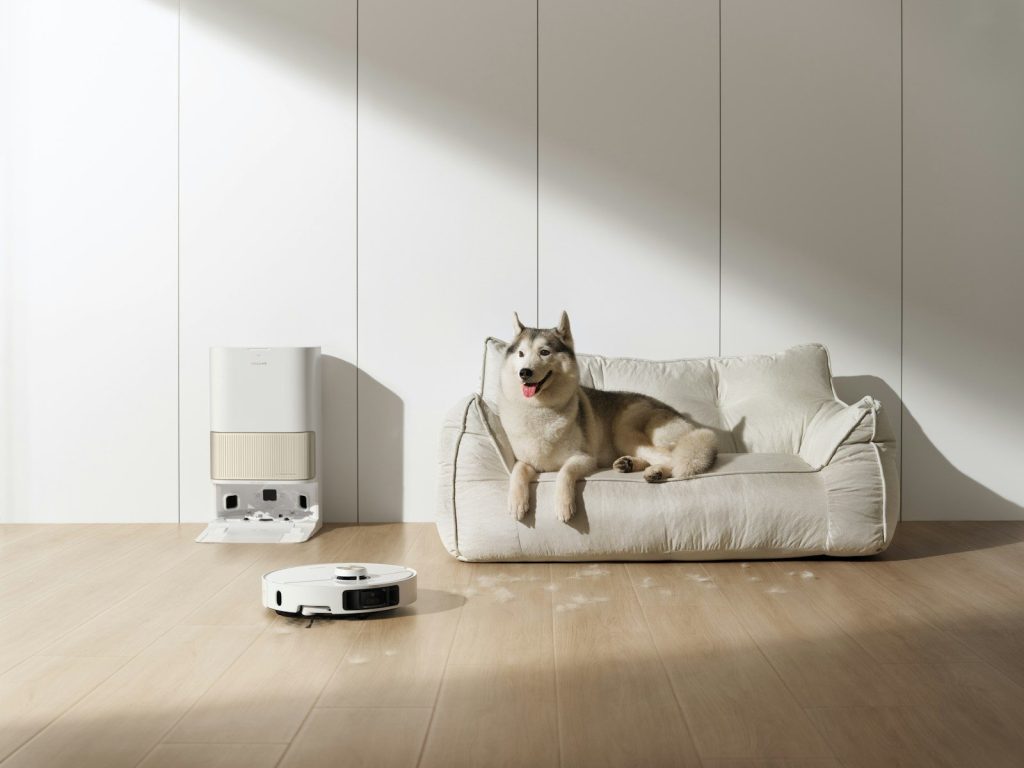
Connected pet gadgets also stood out in CES coverage, including smart collars and home devices built around pet care. Some products focus on tracking, comfort, monitoring, or making pet routines easier for owners.
That points to a wider smart home future. Devices are not only being made for people anymore. They are being designed around whole households, including pets, daily habits, and shared spaces.
Mobility tech gets lighter

CES often shows big vehicle ideas, but some daily mobility gadgets are more practical. Coverage included compact e-bike conversion kits and wearable mobility gear designed to make movement easier or more flexible.
This suggests a future where transportation tech becomes more personal. Instead of only focusing on new cars, companies are exploring tools that can improve bikes, walking, commuting, and short everyday trips.
AI becomes the common layer
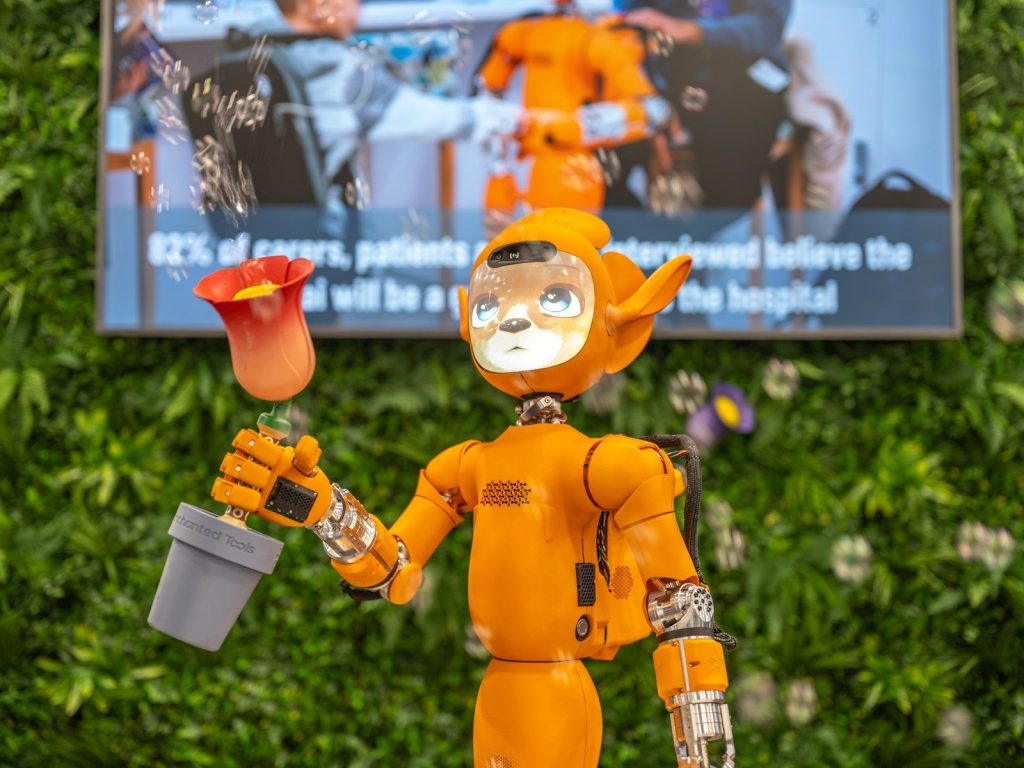
The biggest CES message may be that AI is becoming less of a single product and more of a layer inside many devices. It appeared across wearables, robots, smart homes, computers, entertainment, and health tech.
That could shape daily life in a quiet way. The next wave of gadgets may not feel futuristic because they look strange. They may feel futuristic because they understand context, respond faster, and handle small tasks more smoothly.
Leave a Reply