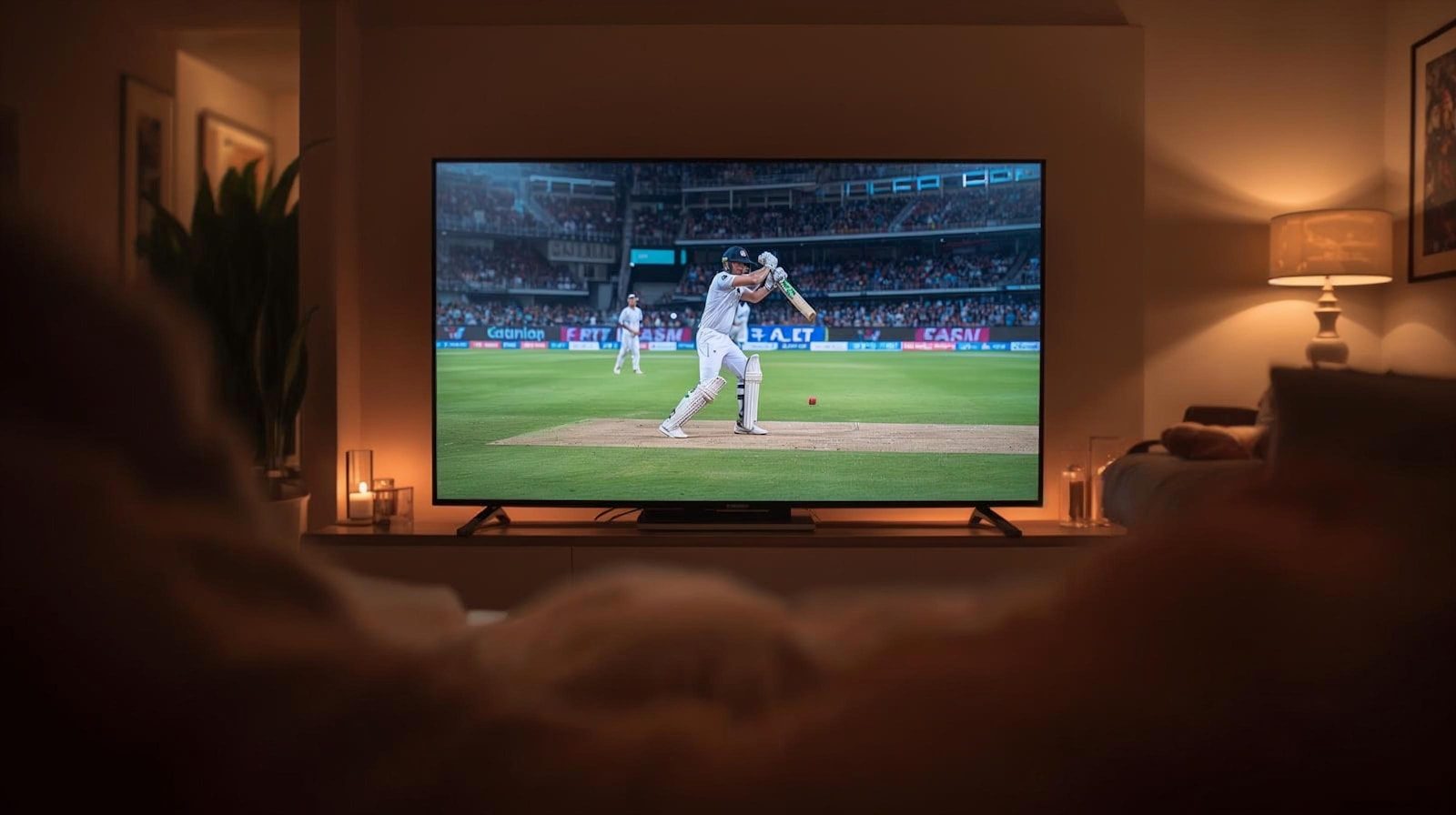
TV makers are no longer competing only on screen size, thin designs, or smart apps. Brightness has become one of the biggest selling points because more people watch TV in bright living rooms, open kitchens, and spaces with sunlight coming through windows. It also matters for HDR, the picture format that makes highlights look more lifelike, from shiny car paint to sunlight on water.
Mini-LED TVs often push brightness hard for daytime viewing, while OLED models keep improving so they can stay competitive in brighter rooms. Still, brightness is not just about the biggest number on a box. Real picture quality also depends on contrast, local dimming, tone mapping, glare control, and how the TV handles real scenes.
Bright rooms changed the race
Many families do not watch TV in a dark theater-style room. They watch during the day, with lamps on, or in rooms where sunlight hits the screen.
That makes brightness more important than ever. A brighter TV can help the picture stay clear, colorful, and easier to see when the room is full of light.
HDR needs stronger highlights
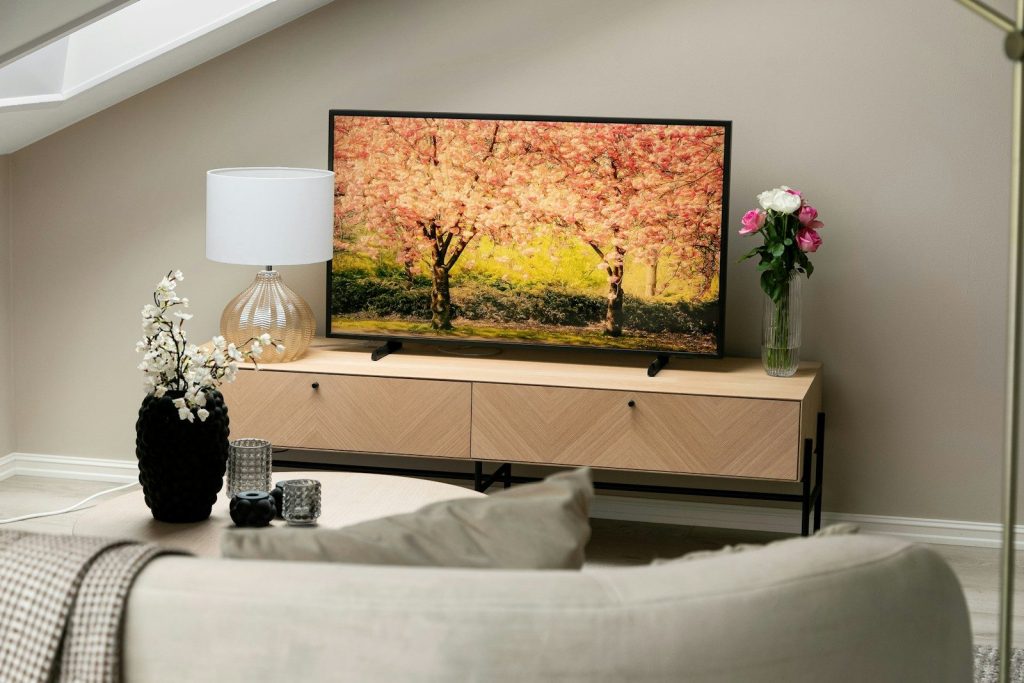
HDR is designed to show brighter whites, deeper shadows, and more range between light and dark areas. That extra range can make movies, shows, and games feel more realistic.
A brighter TV can show HDR highlights with more punch. Still, the best result depends on how well the screen controls brightness without washing out the rest of the picture.
Mini-LED is pushing hard
Mini-LED TVs use many tiny backlights behind the screen. These lights can be grouped into zones that brighten or dim different parts of the picture.
That helps Mini-LED models deliver strong brightness, especially in sunny rooms. When local dimming works well, the screen can look bold without losing too much shadow detail.
OLED is fighting back
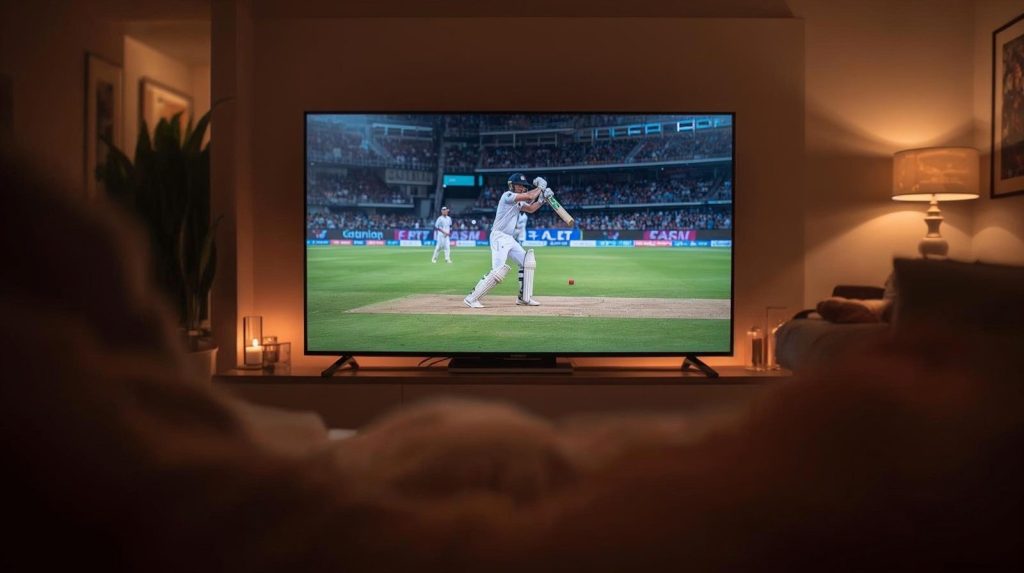
OLED TVs are known for deep black levels because each pixel can control its own light. That gives them strong contrast, especially in darker rooms.
Brightness used to be a bigger weakness for OLED, but newer models are improving. This is why the screen battle now feels closer, especially as premium OLED TVs aim for brighter HDR and better glare control.
Peak nits can mislead buyers

TV brands often talk about peak brightness, usually measured in nits. That number can sound impressive, but it may only apply to a small bright area for a short time.
Real-world brightness matters more. A TV should stay clear during actual movies, sports, and streaming shows, not just perform well on a simple test pattern.
Glare control matters too
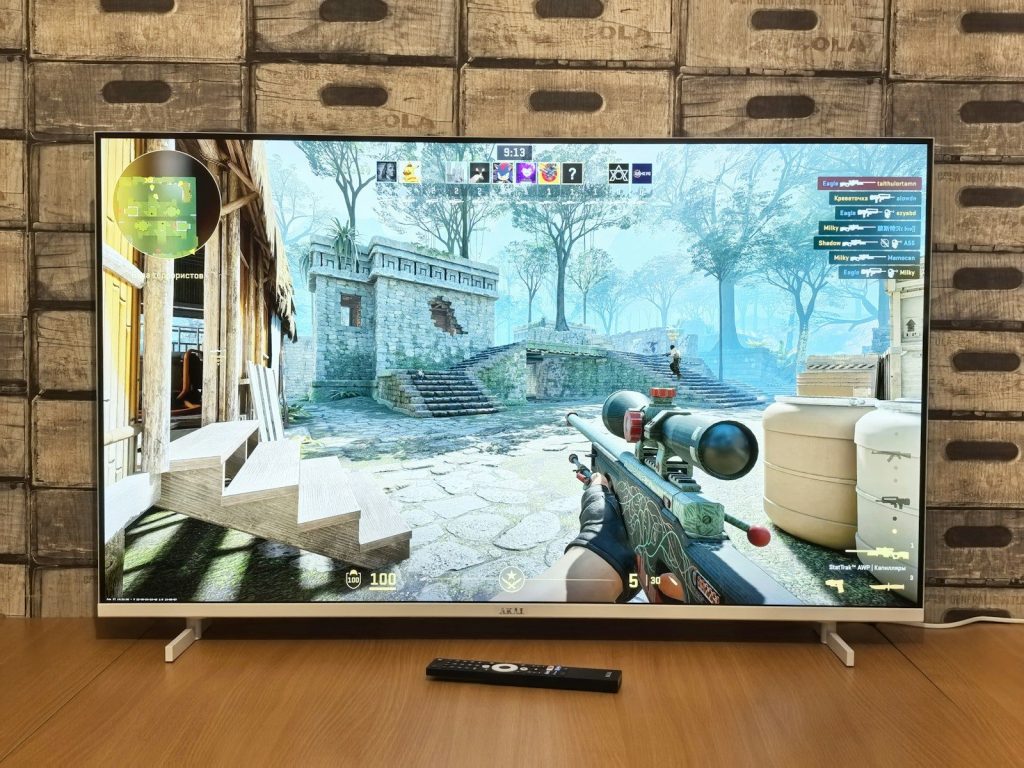
A very bright TV can still struggle if the screen reflects lamps, windows, or daylight. That is why anti-glare screens are becoming more important.
Good glare control helps viewers see details without raising brightness too much. For many living rooms, the best TV is not only the brightest one, but the one that handles reflections well.
Leave a Reply