
Waiting for a game to load used to feel normal. You would start a mission, enter a new area, or fast-travel across the map, then sit through a loading screen while the system caught up. That is changing fast.
Modern consoles and PCs no longer rely solely on raw power. They are using faster SSDs, smarter data streaming, hardware decompression, and new tools that help games prepare files before players even press start. Microsoft’s DirectStorage is built to move game data more efficiently, while Xbox Velocity Architecture and the PS5’s custom SSD setup were designed around faster asset loading.
The result could be a future where games open faster, worlds feel smoother, and loading screens become shorter, rarer, or easier to hide.
Faster SSDs change everything
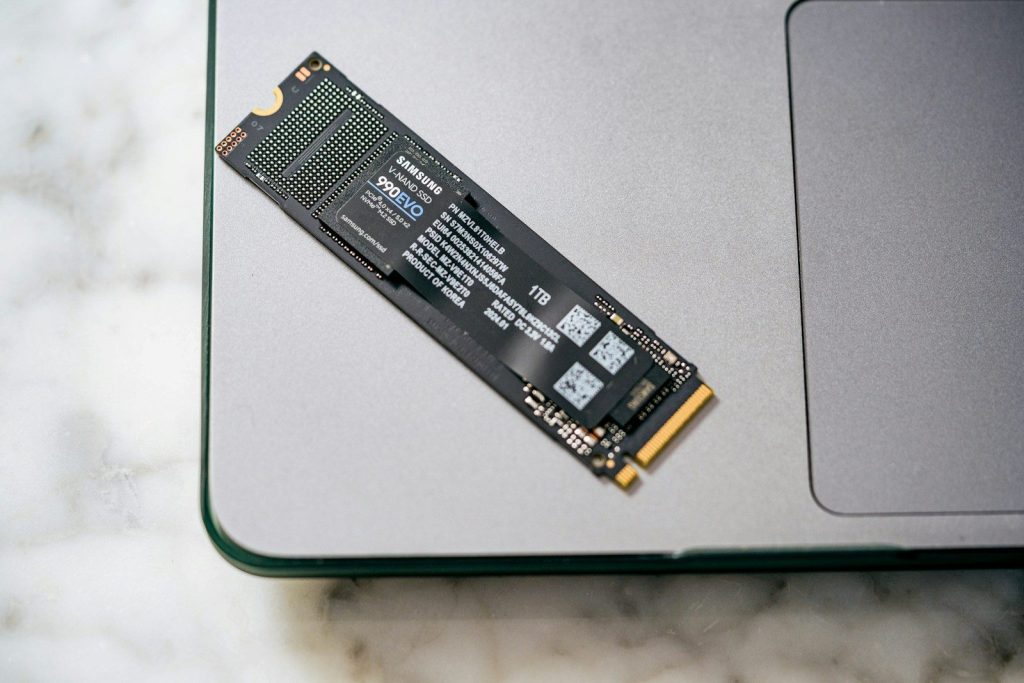
Old game systems often used hard drives, which had moving parts. That made them slower at finding and loading the many small files games need.
Modern SSDs can reach data much faster. That matters because games are packed with textures, sounds, maps, characters, and effects. When storage gets faster, games can pull in those pieces with less waiting.
Games can stream worlds better

Many big games no longer load one full level and stop there. They stream parts of the world as the player moves.
That means the game keeps pulling in new data in the background. Faster storage helps this feel smoother. Players may notice fewer long pauses when entering cities, crossing maps, or switching scenes.
DirectStorage helps PCs catch up
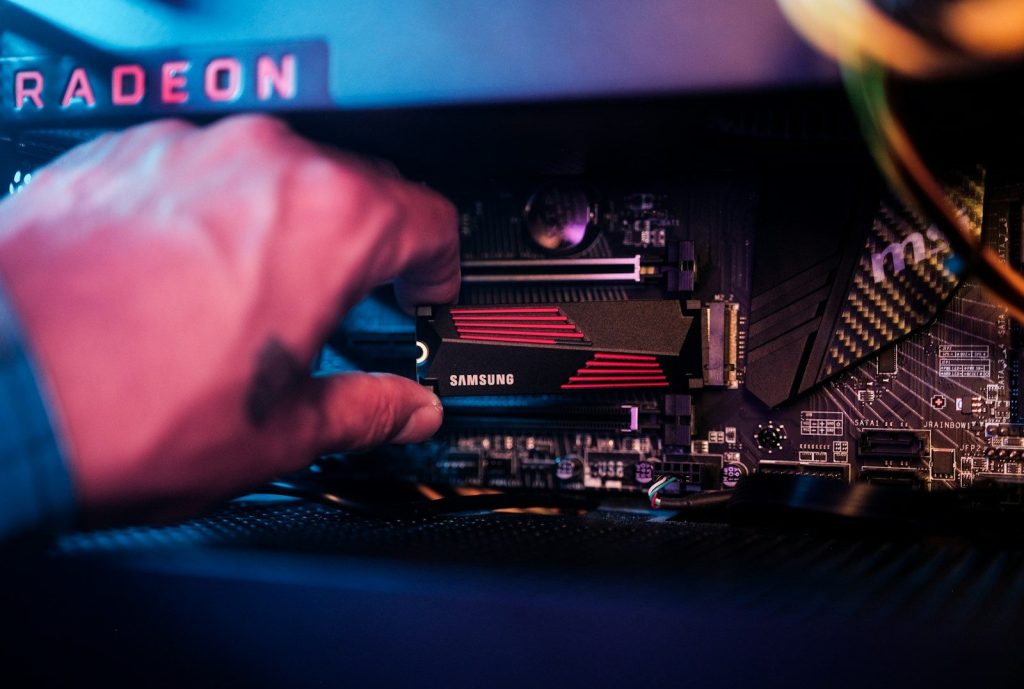
DirectStorage is Microsoft’s technology for helping games move data from storage more efficiently. It is especially useful with NVMe SSDs and modern graphics hardware.
Instead of making the CPU handle too much storage work, newer systems can shift more of that job elsewhere. That can reduce bottlenecks and help games load assets faster.
Decompression is a hidden key

Game files are often compressed to save space. Before the game can use them, those files must be unpacked.
That unpacking step can slow things down. Hardware decompression helps by handling that work more efficiently. Microsoft says DirectStorage supports hardware decompression, which can reduce the need for games to spend CPU power on that task.
Consoles were built for this

The PS5 and Xbox Series X|S were designed with fast storage in mind, not just better graphics.
Sony says the PS5 uses an ultra-high-speed SSD with integrated I/O for fast loading. Microsoft’s Xbox Velocity Architecture combines SSD speed, hardware decompression, and DirectStorage-style features to help games access data faster.
Shaders can slow first launches
Sometimes a game does not feel slow because of storage alone. It may be preparing shaders, which help the game display lighting, materials, and visual effects correctly.
New shader delivery systems can reduce that wait. Recent reports say Microsoft’s Advanced Shader Delivery can use precompiled shaders to cut first-launch delays in supported games and setups.
Smaller files can help too

Load times are not only about speed. File size and file structure matter as well.
Microsoft’s DirectStorage 1.4 added support for Zstandard compression and a Game Asset Conditioning Library, according to reports from GDC 2026. These tools are meant to improve compression, better organize assets, and support faster-loading pipelines.
Loading screens may fade away

The biggest change may be how load times feel. Instead of stopping players with a long screen, games may hide loading during elevators, doors, camera moves, or quick transitions.
That does not mean every wait will disappear. But as SSDs, DirectStorage, shader delivery, and compression tools improve, the old “sit and wait” loading screen could become much less common.
Leave a Reply