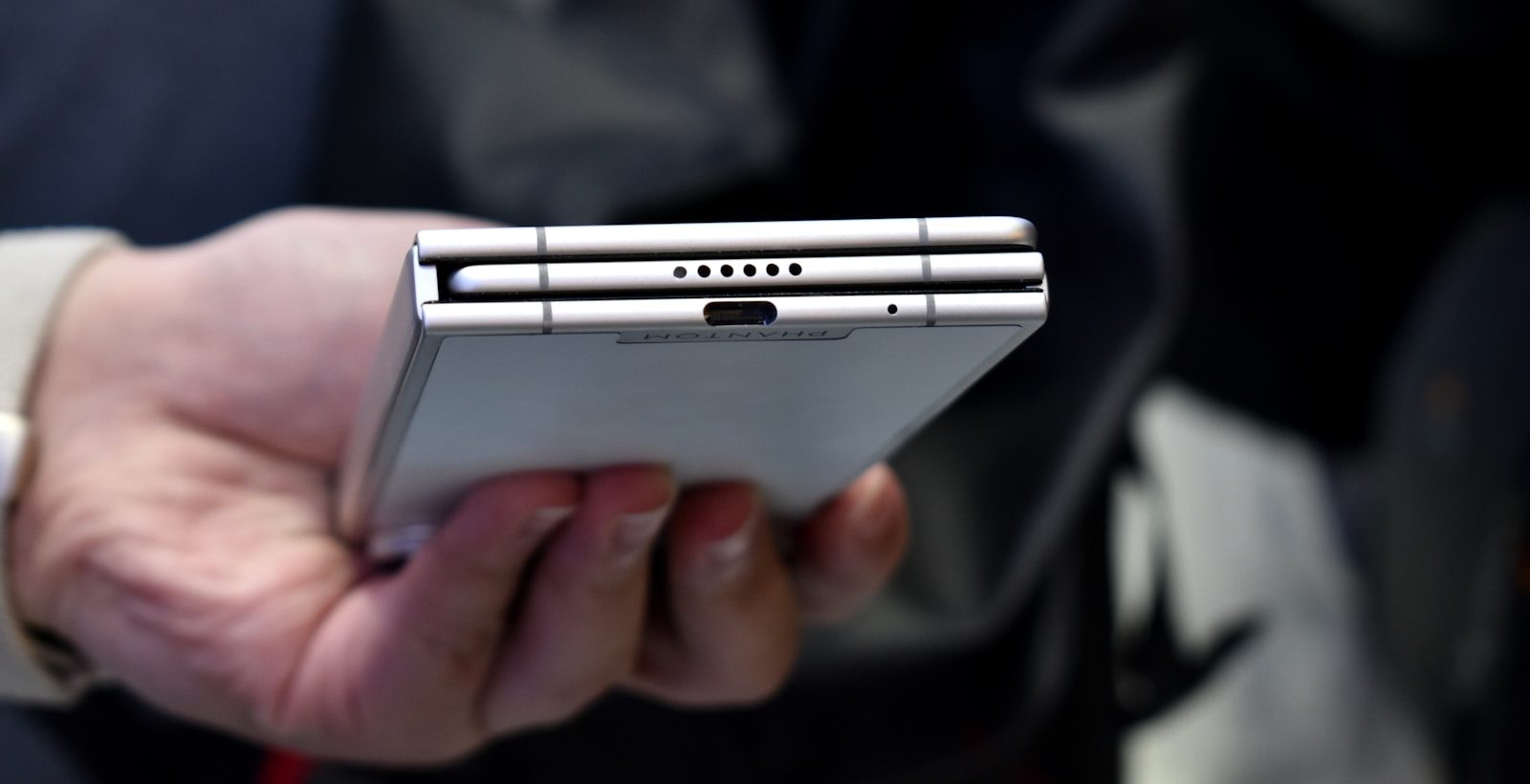
Foldable phones used to feel like a risky idea. They were exciting, but many people worried about thick bodies, delicate screens, and hinges that might not last. That picture is changing fast. Newer foldables are shaving down the bulk while adding stronger frames, tougher glass, better hinges, and improved resistance to everyday dust and splashes.
Brands are now racing to make foldables feel closer to regular phones when closed. Honor lists the Magic V5 at just 8.8mm folded, while Oppo promotes the Find N5 as an 8.93mm ultra-slim book-style foldable. Samsung also says the Galaxy Z Fold7 uses stronger materials, including upgraded Armor Aluminum and tougher cover glass.
Foldables are losing bulk

Early foldable phones often looked thick because they had two screens, a hinge, and extra layers packed into one body. That made them feel more like a gadget than a daily phone.
New models are much slimmer. When closed, some now come close to the feel of a normal smartphone. That matters because most people still carry their phone in a pocket, purse, or backpack every day.
Hinges are getting smarter
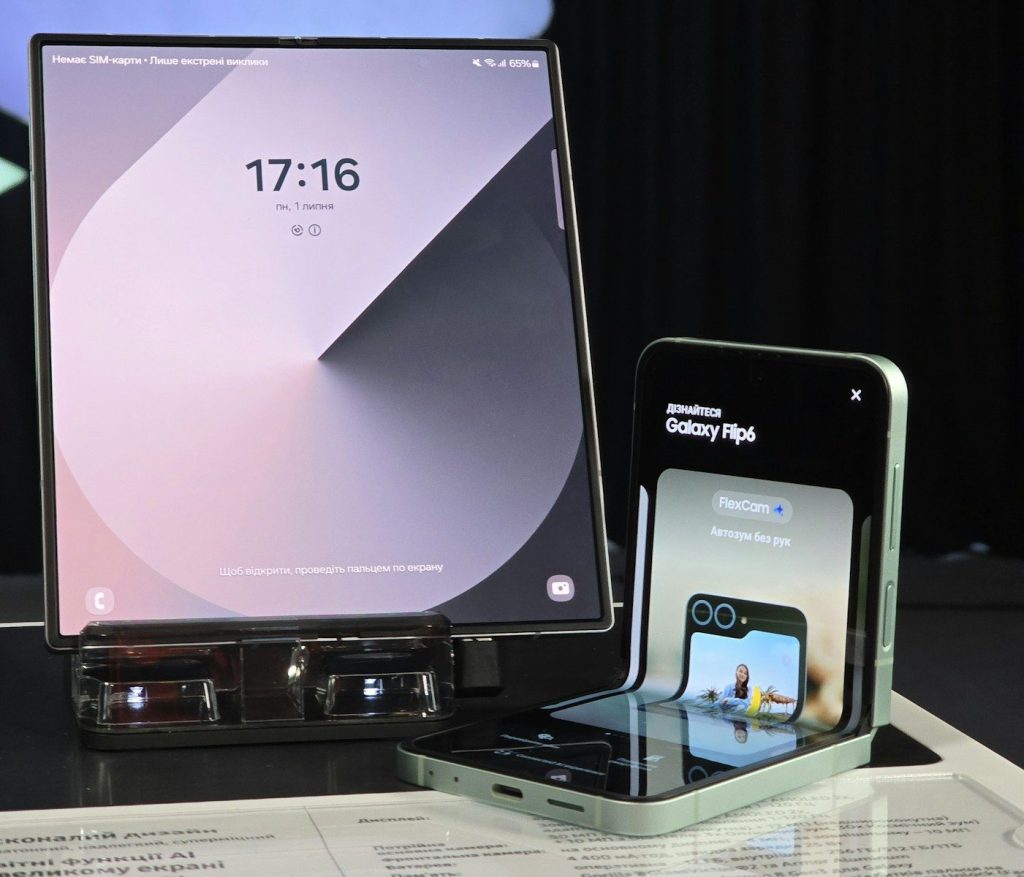
The hinge is the heart of any foldable phone. If it feels loose, stiff, or weak, the whole phone feels less trustworthy. That is why companies are putting more work into hinge design.
Samsung says its Galaxy Z Fold7 uses an enhanced Armor FlexHinge that closes thinner and is more durable than before. A better hinge can also help the phone fold flatter, which makes the whole design feel cleaner.
Stronger frames help a lot
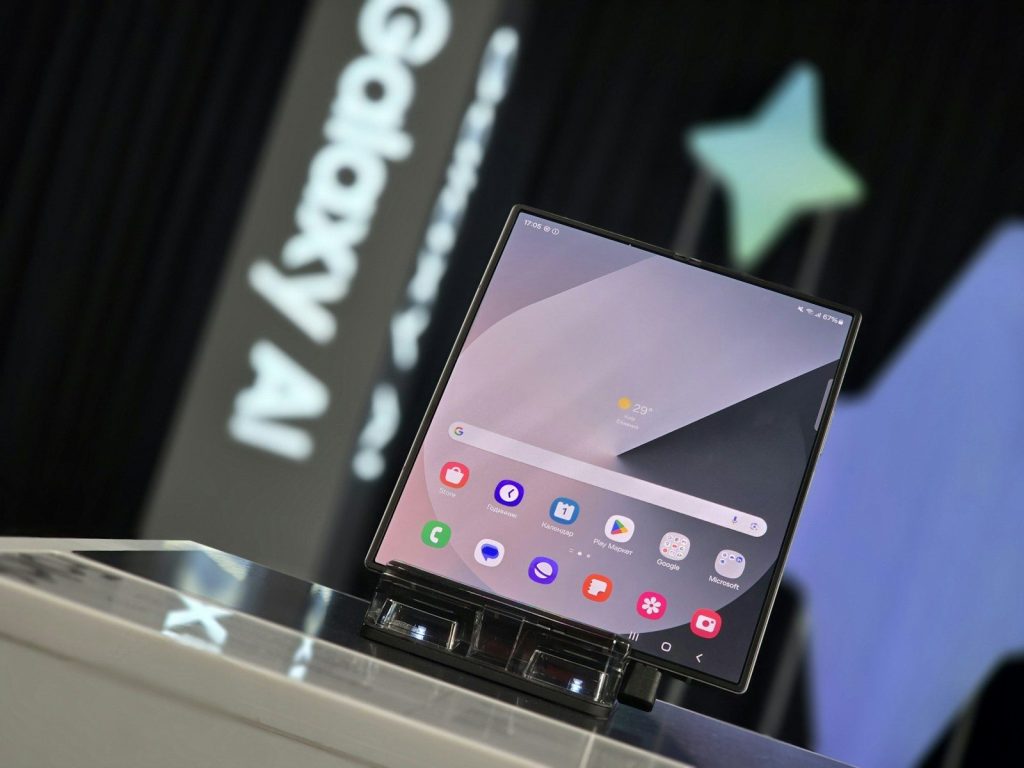
A thin phone still needs a strong body. Foldables are built with more moving parts than regular phones, so the frame has to protect the screen, hinge, and internal parts.
Samsung says the Galaxy Z Fold7 uses Advanced Armor Aluminum for its frame and hinge cover. The company says this material is tougher than the previous Armor Aluminum used in the Galaxy Z Fold6, helping support the thinner design.
Cover screens feel tougher
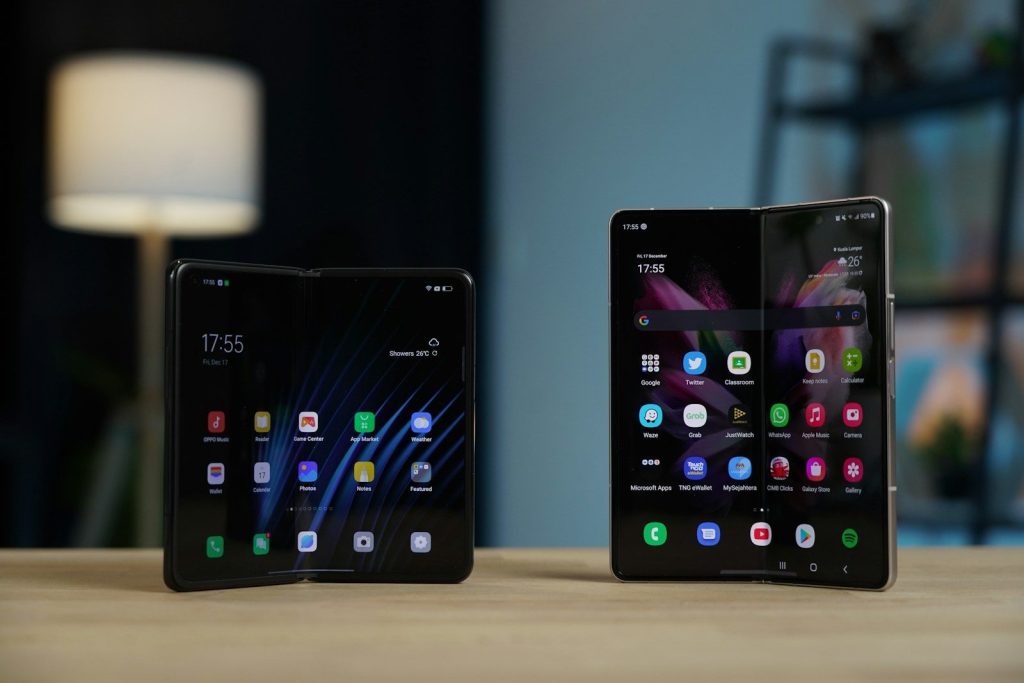
Most foldable phones have a cover screen that gets used all day. People check texts, maps, calls, and apps without opening the device. That front screen needs to handle normal bumps and scratches.
Samsung says the Galaxy Z Fold7 cover screen uses Corning Gorilla Glass Ceramic 2. The company says it offers stronger material strength than the previous generation, which helps make the phone feel less delicate.
Batteries are changing shape
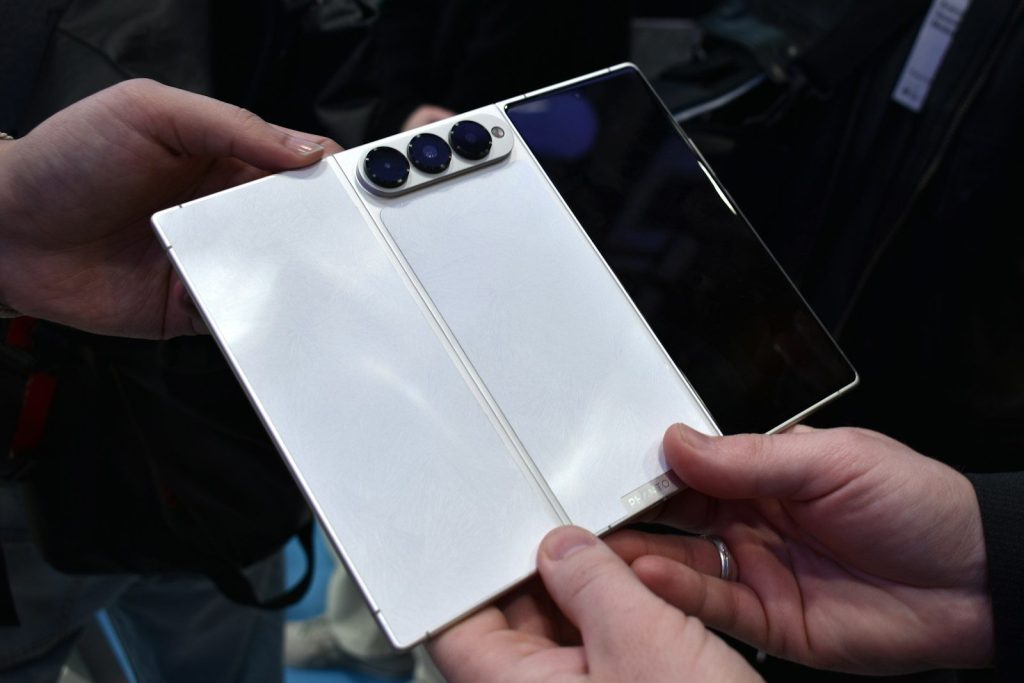
One challenge with foldables is space. A phone that opens like a small tablet needs enough battery power, but it cannot become too heavy or thick.
Some brands are using silicon-carbon battery designs to fit more power into slimmer bodies. Oppo lists a 5600mAh silicon-carbon battery in the Find N5, while Honor says the Magic V5 uses silicon-carbon battery tech to support its thin build.
Thin does not mean tiny
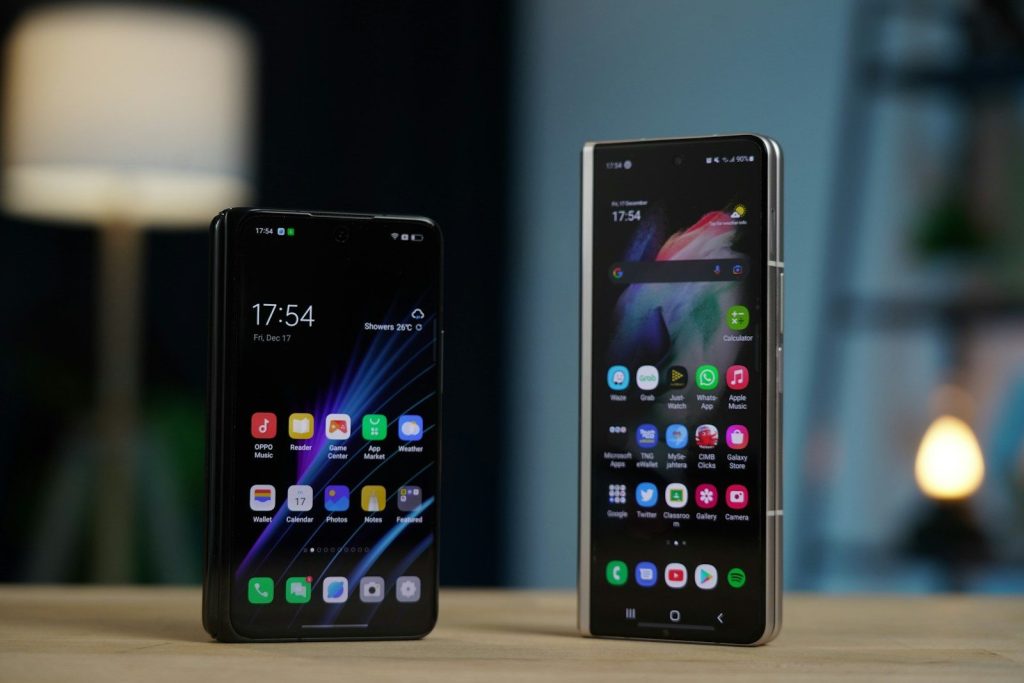
Foldables are not just getting slimmer for looks. The goal is to make a big-screen phone feel easier to carry. That balance is what makes newer models more appealing.
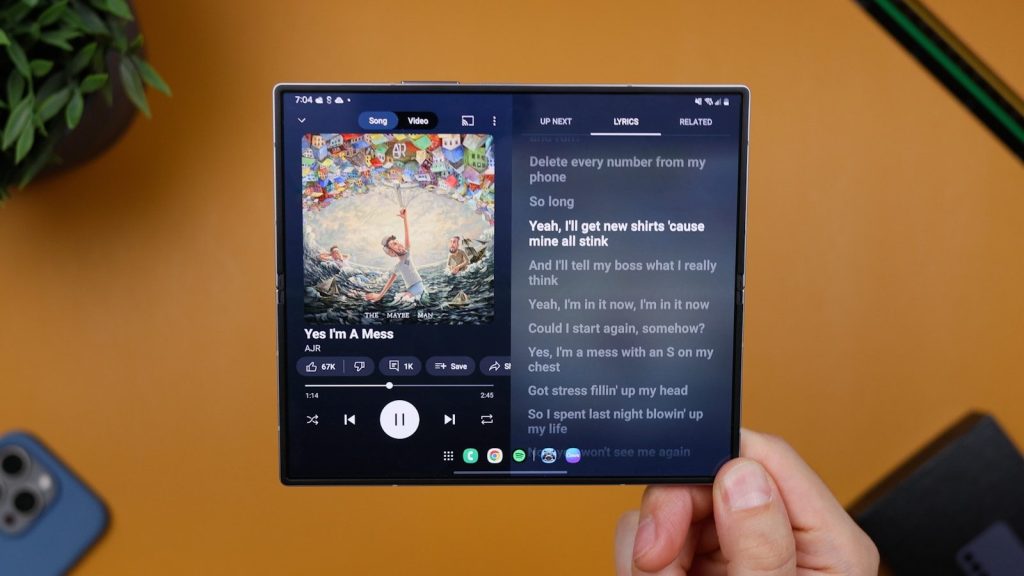
A book-style foldable can still open into a large display for reading, gaming, video calls, or multitasking. The difference is that the same device can now feel less bulky when it is folded shut.
Water resistance is improving
Durability is not only about drops. Phones also face rain, wet hands, dusty pockets, and messy bags. Foldables need better protection because the hinge leaves more room for worry.
Samsung lists IP48 water and dust resistance for the Galaxy Z Fold7. That does not mean people should treat it like a rugged outdoor tool, but it does show how foldables are becoming more practical.
Creases are less distracting
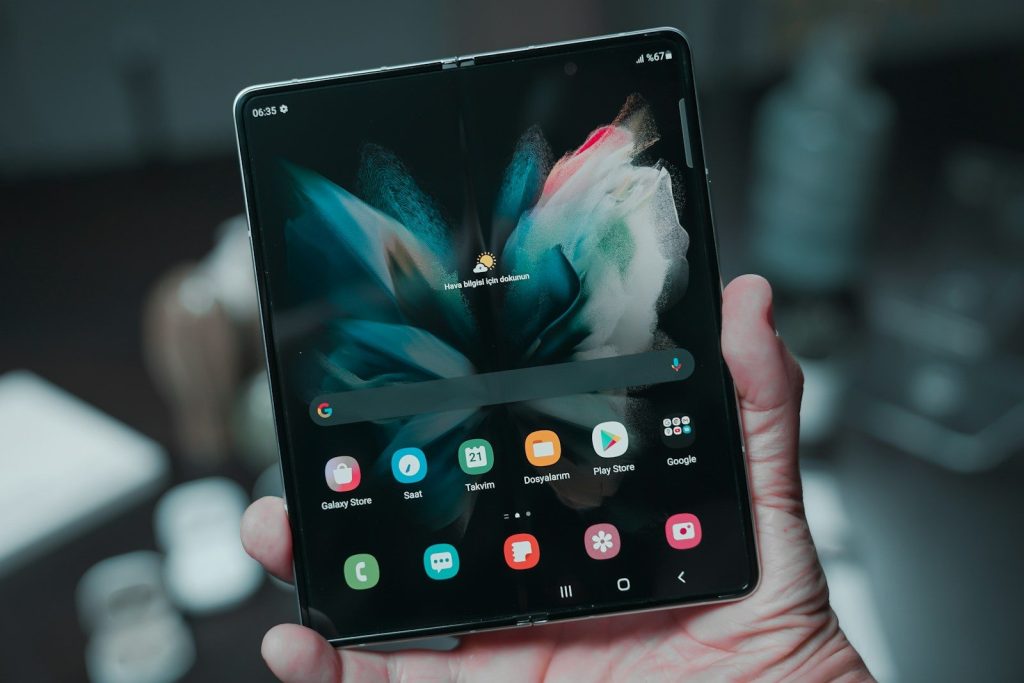
The fold line is one of the biggest things people notice on a foldable screen. It can still be there, but newer designs are working to make it less distracting during normal use.
Better hinge systems and improved display layers can help the screen open more smoothly. For many users, the crease becomes easier to ignore once they are watching videos, reading, or using apps.
Camera bumps still matter
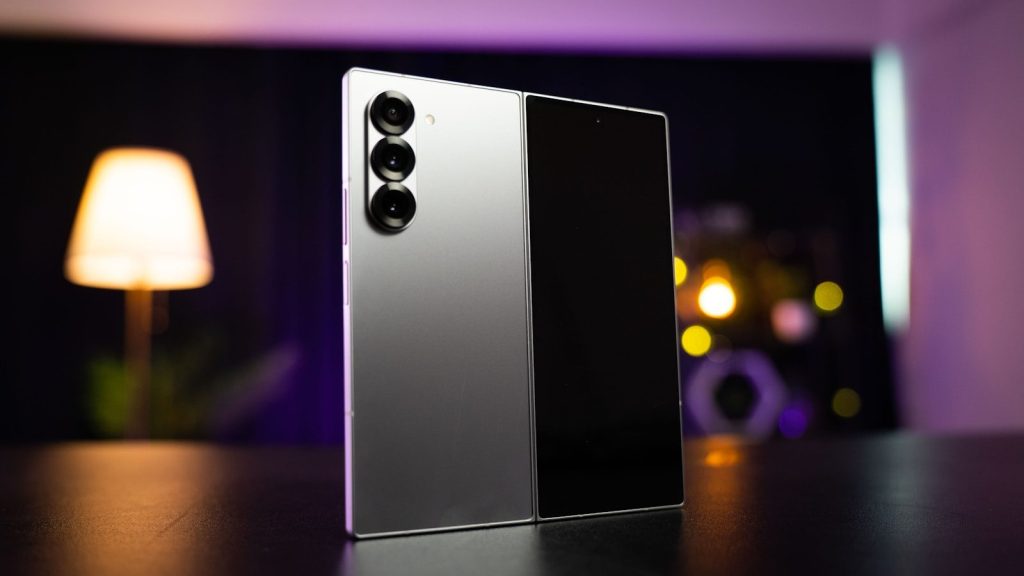
Phone makers can make the body thinner, but cameras can still add thickness. A slim foldable may feel sleek in the hand, yet the camera area can stick out on the back.
That is one reason real-world thickness can feel different from official numbers. TechRadar measured several 2025 foldables and found tiny differences between Samsung, Honor, and Oppo, while noting that camera bumps affect the feel.
The future looks lighter
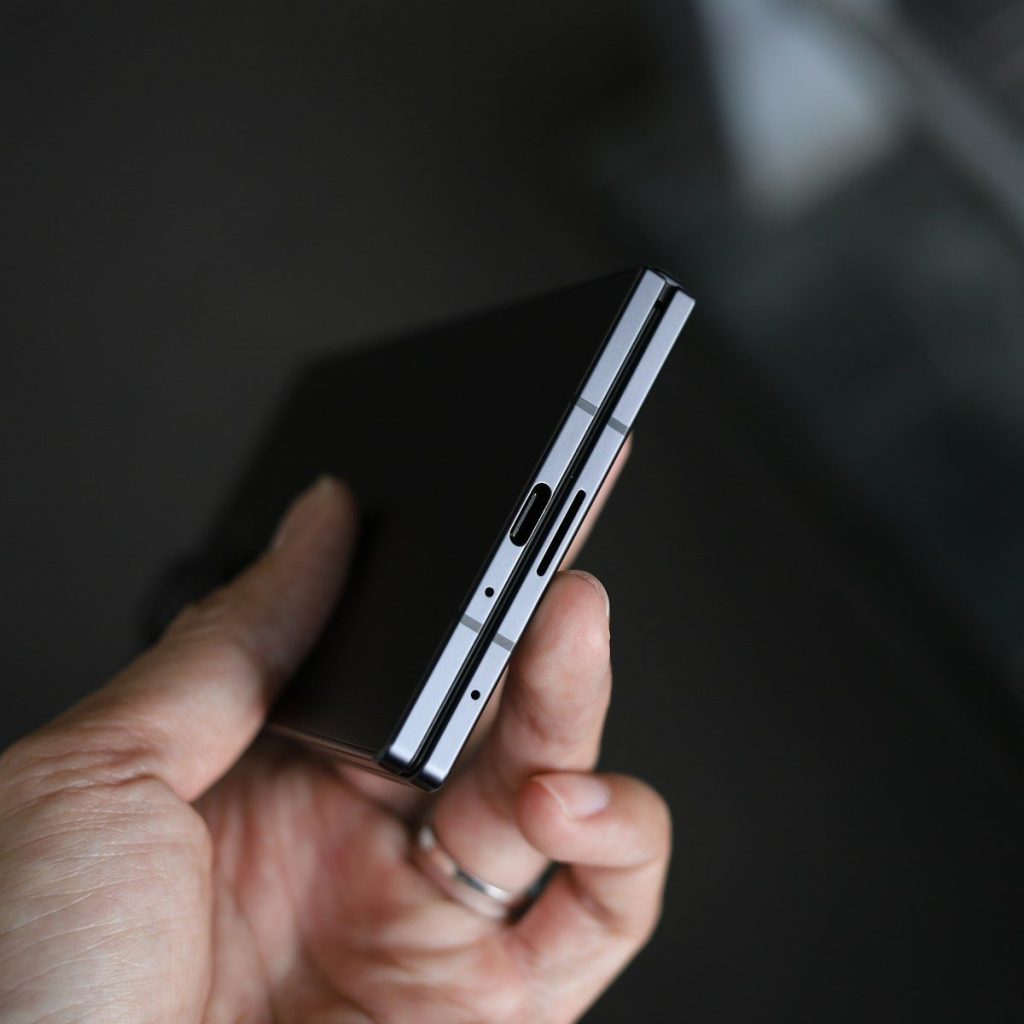
Foldable phones are moving away from the “cool but fragile” image. They are becoming thinner, lighter, and easier to use as regular daily phones.
The biggest change is confidence. Stronger frames, improved hinges, tougher glass, and better batteries all work together. Foldables may still cost more than many phones, but the design is starting to feel much more ready for everyday life.
Leave a Reply