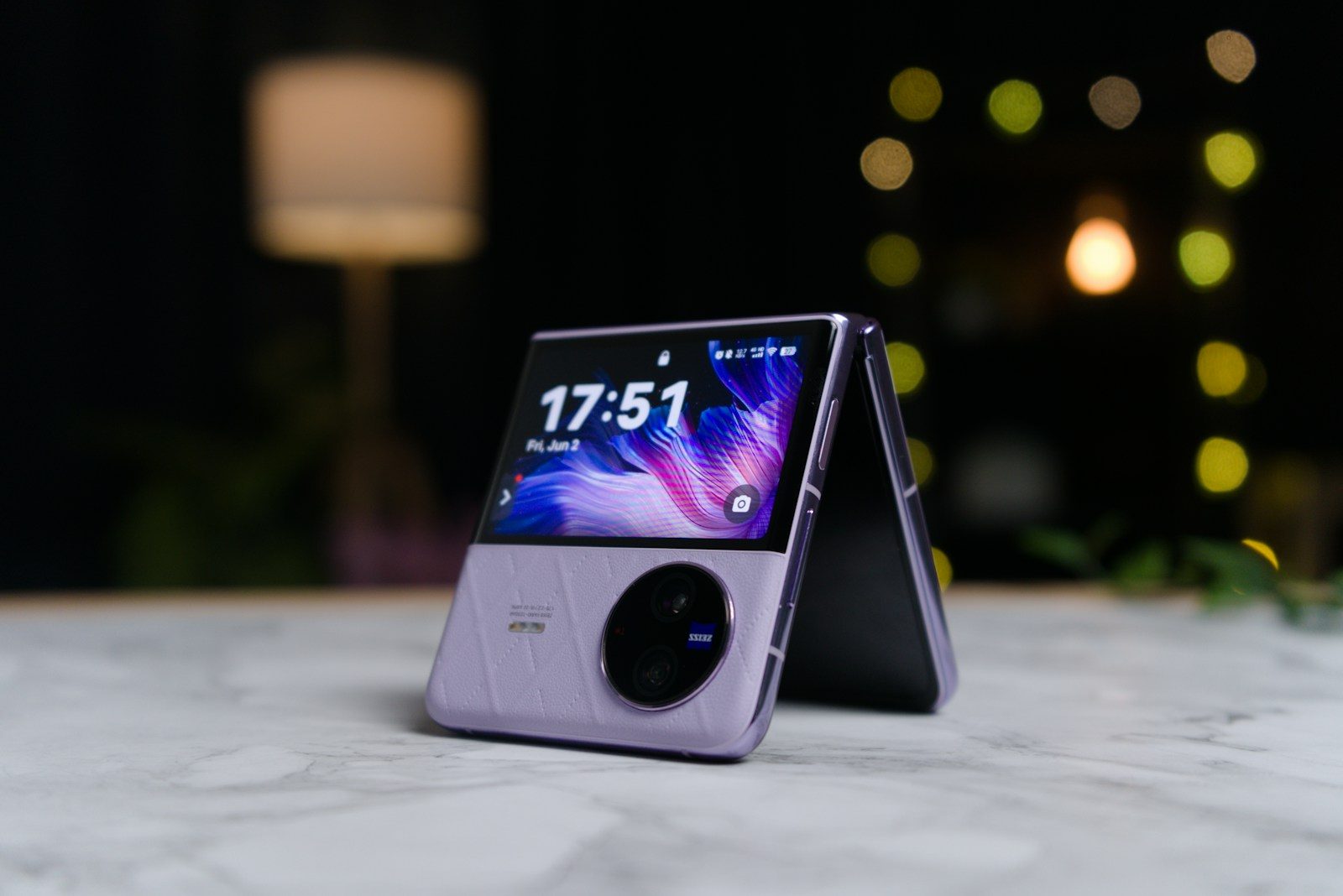
A phone that opens into a tablet still sounds a little unreal. Now imagine one with two hinges and three folding sections. That is why tri-fold phones can feel odd at first glance. They look like a gadget from a demo booth, not something made for pockets, bags, and daily life. But the idea is not just for attention.
Huawei’s Mate XT showed how one device can shift from a regular phone screen to a larger tablet-style display, while Samsung’s Galaxy Z TriFold brought the format into a more familiar Galaxy lineup. These phones are expensive, limited, and still early, but they point to a serious goal: giving people more screen space without asking them to carry a second device.
Big screens, small pockets
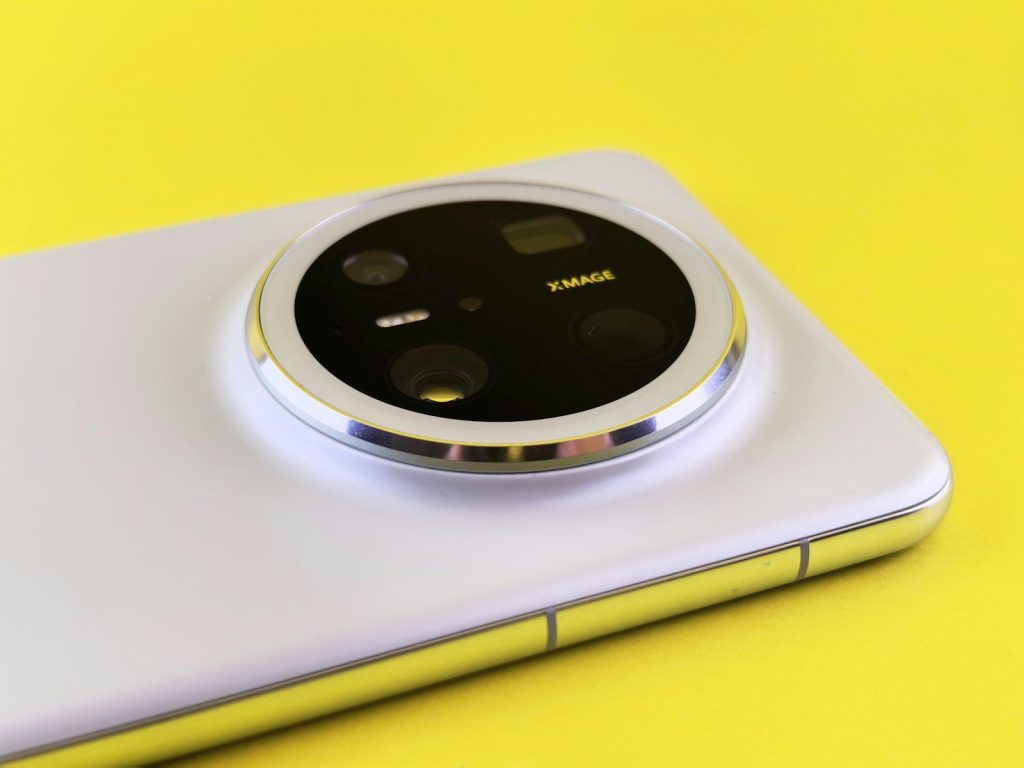
Tri-fold phones are built around one simple promise: more screen when you need it, less bulk when you do not. A device like Huawei’s Mate XT can work as a 6.4-inch phone, a 7.9-inch middle-sized screen, or a 10.2-inch tablet-style display.
That flexibility is the main reason the design feels serious. It is not only about looking futuristic. It is about turning one pocket device into a reading screen, work screen, or video screen in seconds.
The shape feels unusual
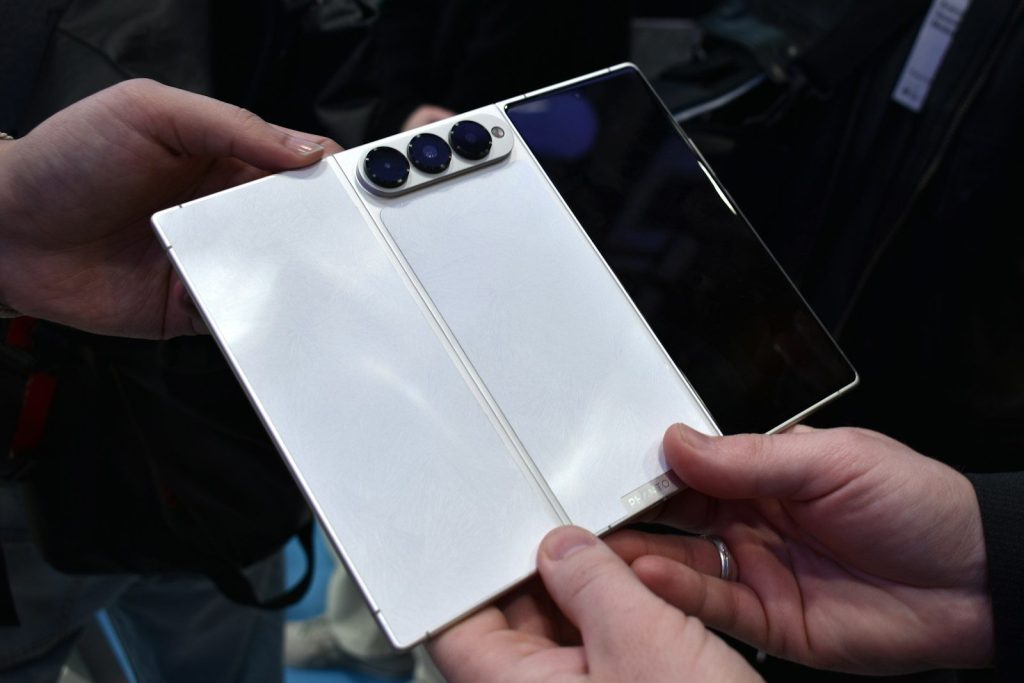
Most people are used to phones being flat slabs. Even book-style foldables took time to feel normal. A tri-fold design adds another hinge, another fold line, and a wider open shape that may look strange in public.
That odd feeling matters because phones are personal objects. People hold them all day, pull them out around others, and expect them to feel natural. A new shape has to win comfort, not just attention.
The tablet idea is clearer
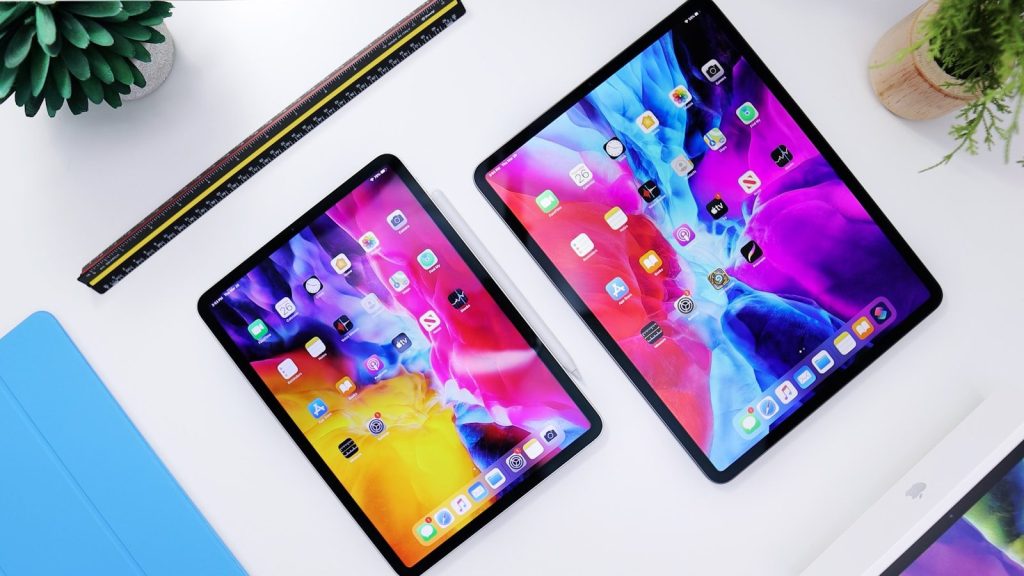
A regular foldable phone can feel like a phone that opens wider. A tri-fold phone feels closer to a tablet that can shrink. That small difference changes how people may think about it.
The larger inside screen can make maps, documents, web pages, and videos easier to use. Instead of pinching and zooming, users get more room. That is a real use case, not just a flashy design trick.
Two hinges raise trust questions
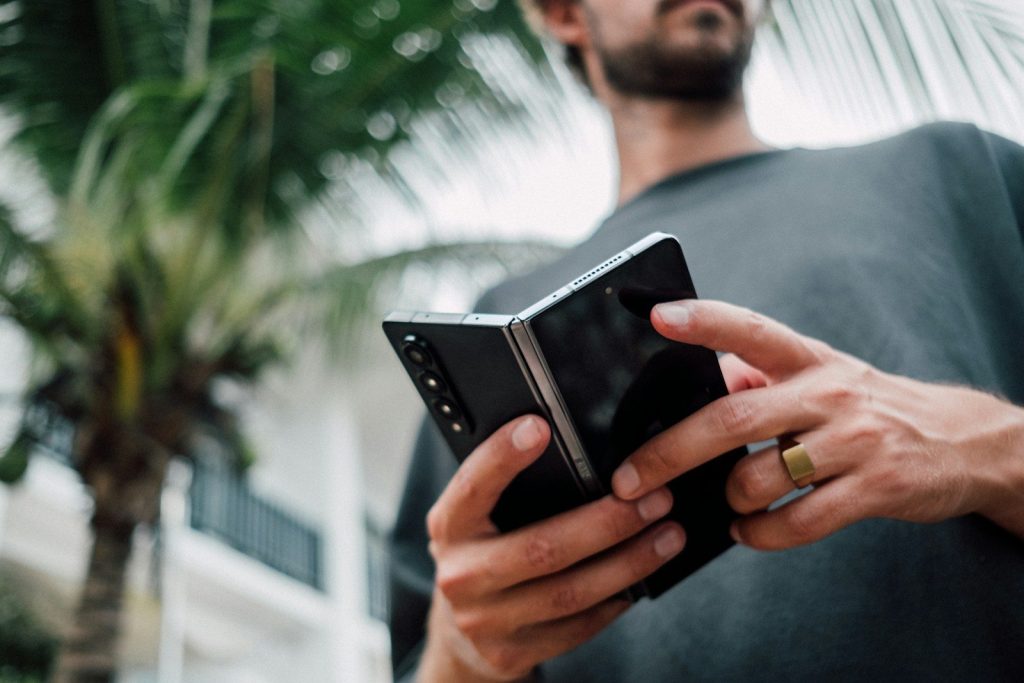
The biggest concern is not the screen size. It is trust. A tri-fold phone has more moving parts than a standard phone and even more than a regular foldable. More moving parts can make buyers wonder about strength.
That does not mean the design is weak. It means companies have to prove the hinges, screens, and software can handle daily use. For many shoppers, durability will matter more than the wow factor.
The price makes it niche

Tri-fold phones are not trying to be budget devices right now. Samsung said the Galaxy Z TriFold would start at $2,899 in the U.S., while Huawei’s Mate XT global launch was reported at about €3,499.
Those prices keep the audience small. Early buyers are more likely to be tech fans, mobile workers, or people who want the newest form factor. For everyone else, the idea may need time to become affordable.
Software has to keep up
A bigger screen only helps if apps use it well. Tri-fold phones need smart layouts, smooth resizing, and simple ways to move between folded, partly open, and fully open modes.
This is where the format becomes more than hardware. Email, notes, photos, browsers, and video apps all need to feel natural. A strange device can become useful fast when the software makes the shape feel easy.
Work use is a strong pitch
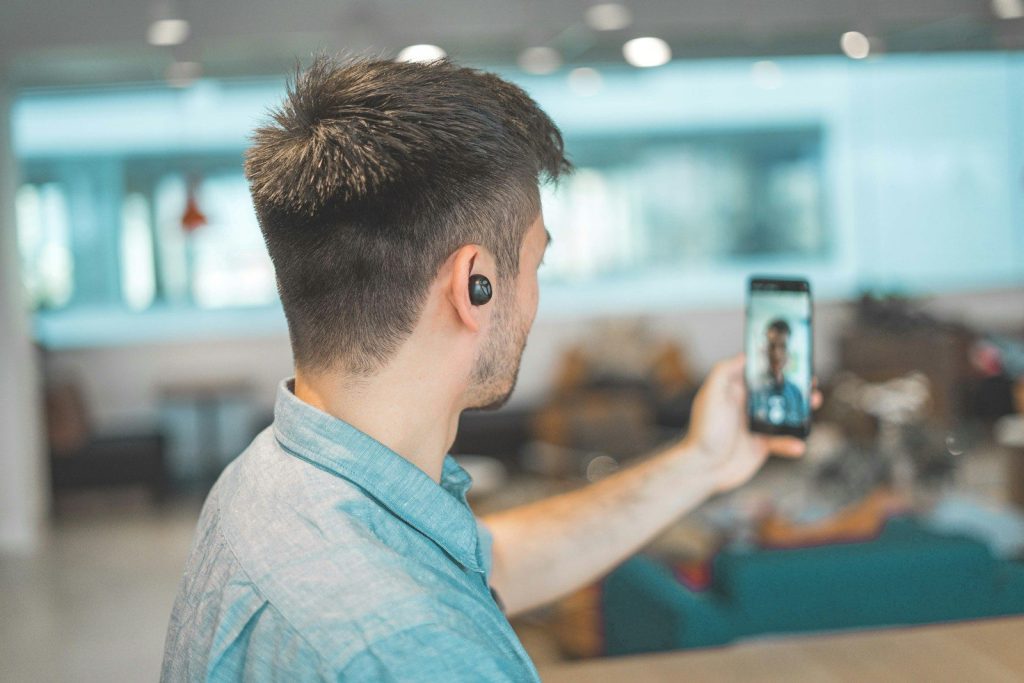
Tri-fold phones make the most sense when people imagine doing more than scrolling. A larger display can help with reading files, checking calendars, comparing pages, or joining a video call while viewing notes.
That gives the design a business-friendly angle. It may not replace a laptop for heavy work, but it could reduce how often some users need a tablet. That makes the format feel practical, even if it still looks unusual.
Entertainment gets more room
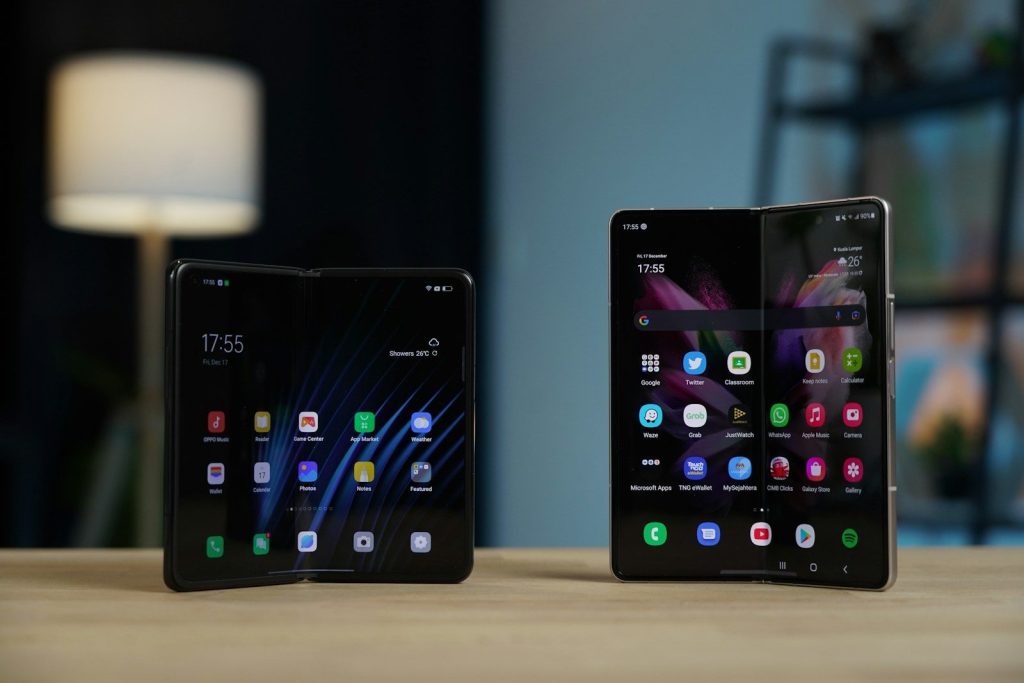
Videos, games, photos, and comics all benefit from extra screen space. A tri-fold phone can offer a more relaxed viewing experience without making users carry a separate tablet.
The challenge is comfort. A larger unfolded screen may be great on a table, couch, or plane seat, but less ideal while walking around. The best uses may happen when people stop and settle in.
Foldables are still growing
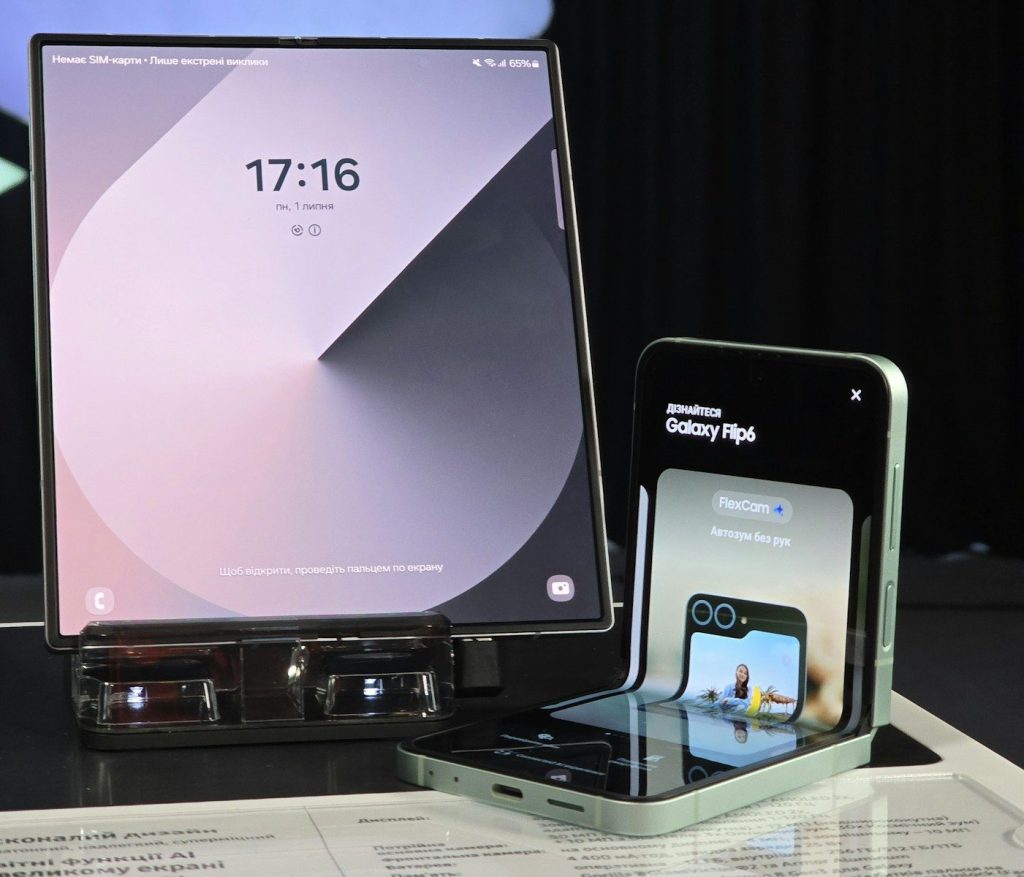
Tri-fold phones are arriving as the wider foldable market keeps gaining interest. Counterpoint Research reported record global foldable shipments in the third quarter of 2025 and projected stronger growth for 2026. IDC also forecast year-over-year foldable shipment growth for 2025.
That matters because tri-fold phones need a larger foldable market around them. Better screens, stronger hinges, and improved apps can help the strange new shape feel less risky over time.
Strange can become normal
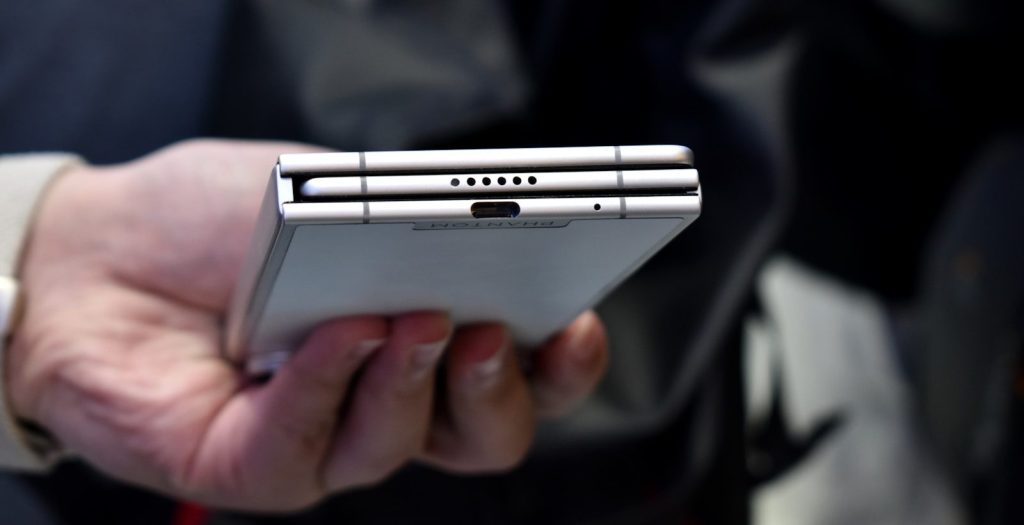
Many phone ideas seemed odd before people got used to them. Large screens, camera bumps, face unlock, and folding displays all faced early doubts. Tri-fold phones are going through that same awkward stage.
Their future depends on more than being impressive. They need to become thinner, cheaper, tougher, and easier to use. For now, they feel strange because they are new. They feel serious because the problem they solve is real.
Leave a Reply