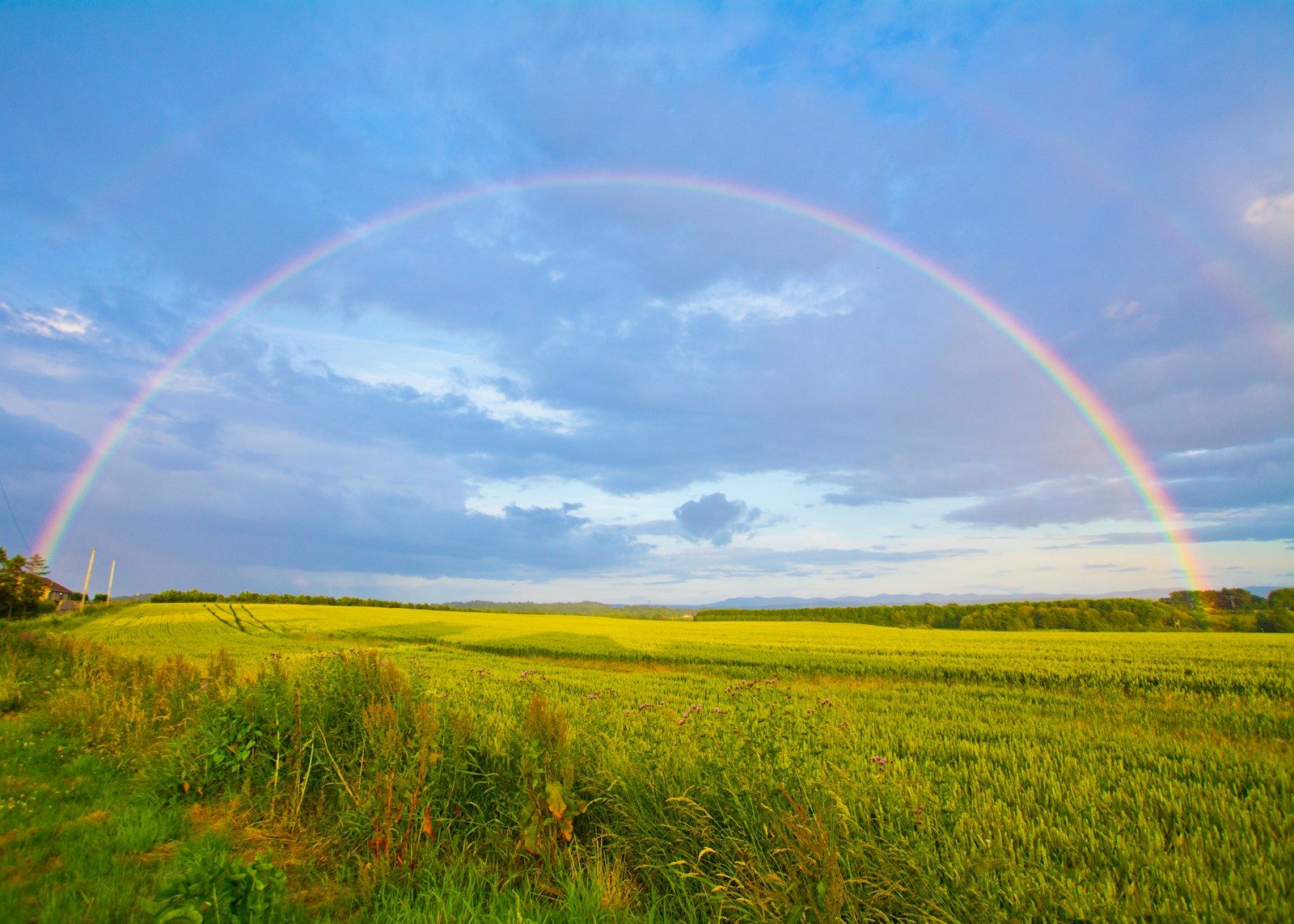
Nature’s color shows can feel like pure magic: a rainbow after rain, glowing waves at night, red leaves in fall, or a bird feather that seems to change color as it moves. But behind those beautiful moments is real science. Some colors come from pigments that absorb certain wavelengths of light and reflect the rest.
Others come from tiny structures that bend, scatter, or reflect light in special ways. Some displays are even made by living things through chemical reactions. Rainbows form when sunlight bends and reflects inside water droplets, while auroras happen when energetic particles from the Sun interact with Earth’s magnetic field and atmosphere.
Rainbows bend sunlight
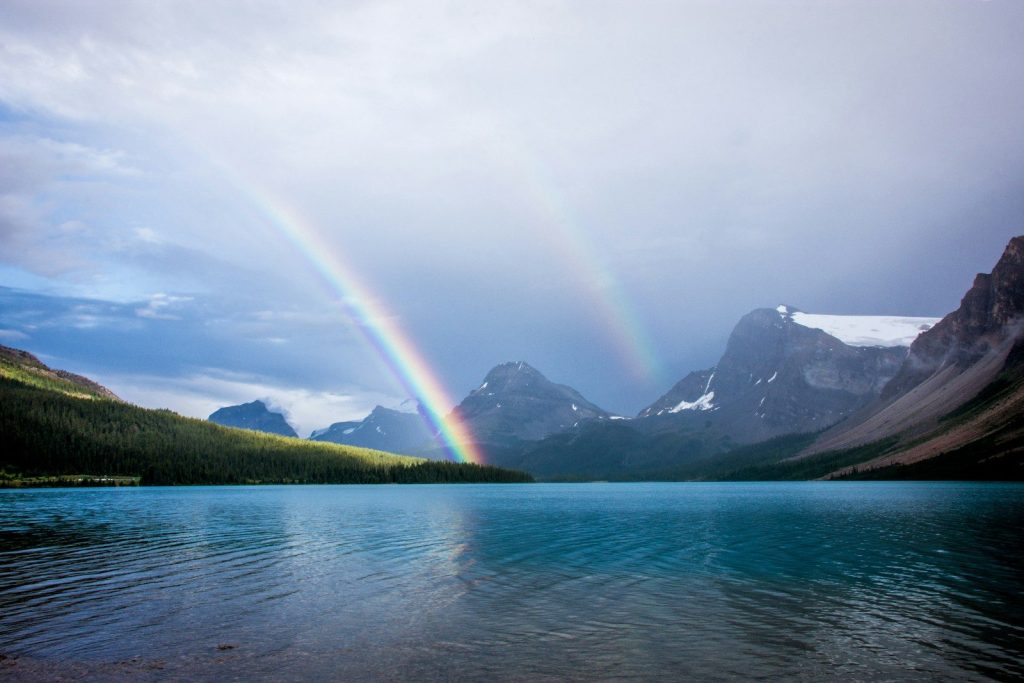
A rainbow starts when sunlight enters raindrops in the air. The light bends, reflects inside the drop, and bends again as it leaves, spreading into different colors.
That spread happens because colors of light do not bend by the exact same amount. Red, orange, yellow, green, blue, indigo, and violet separate, creating the curved band we see after rain.
Auroras light the poles
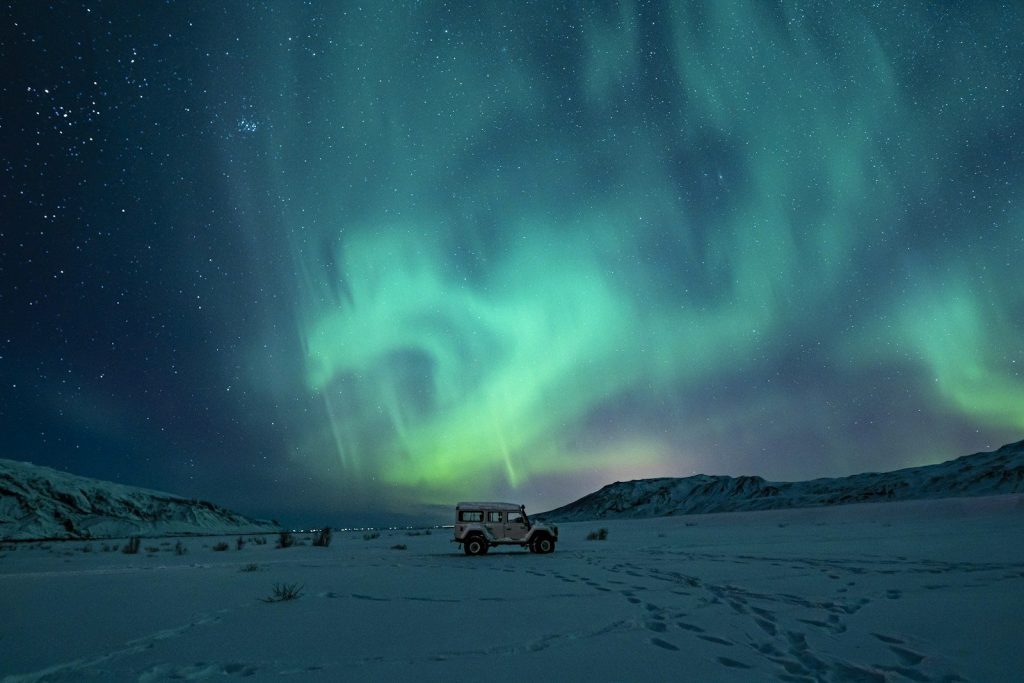
Auroras are colorful curtains of light near Earth’s polar regions. They happen when energetic particles from the Sun interact with Earth’s magnetic field and upper atmosphere.
These glowing displays can appear green, red, purple, or blue depending on which gases are excited and how high the activity happens. It is one of the clearest signs that the Sun can paint the night sky.
Leaves reveal hidden color
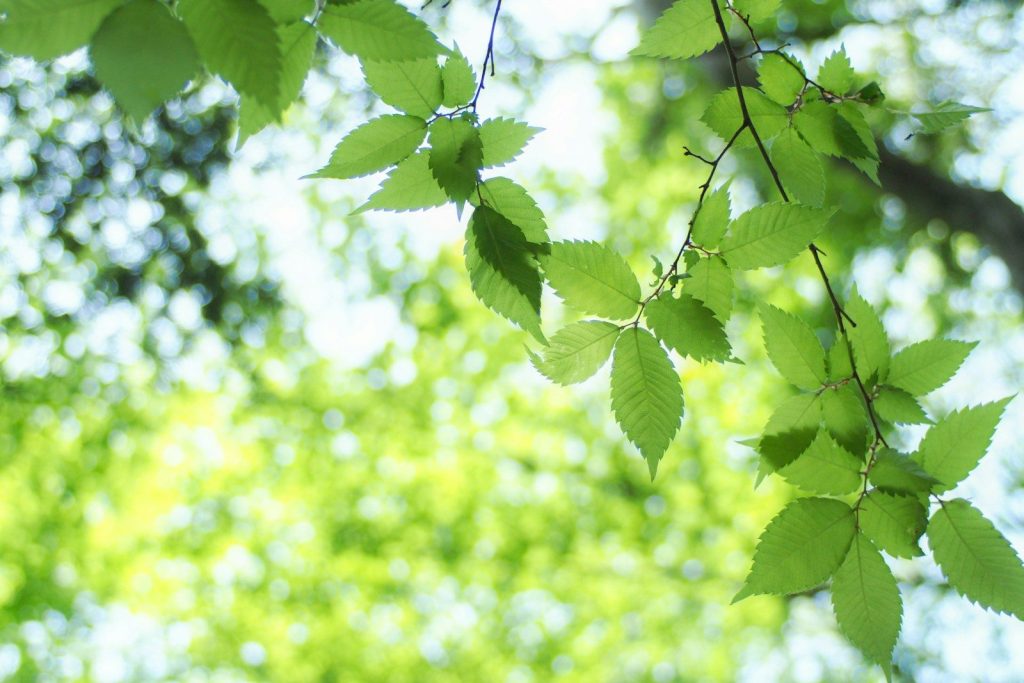
Green leaves are full of chlorophyll, the pigment plants use to help turn sunlight into food. During the growing season, that green color often hides other pigments inside the leaf.
As days shorten and chlorophyll breaks down, yellows and oranges from other pigments become easier to see. Red colors can also appear when sugars build up in some leaves during fall.
Flowers guide pollinators
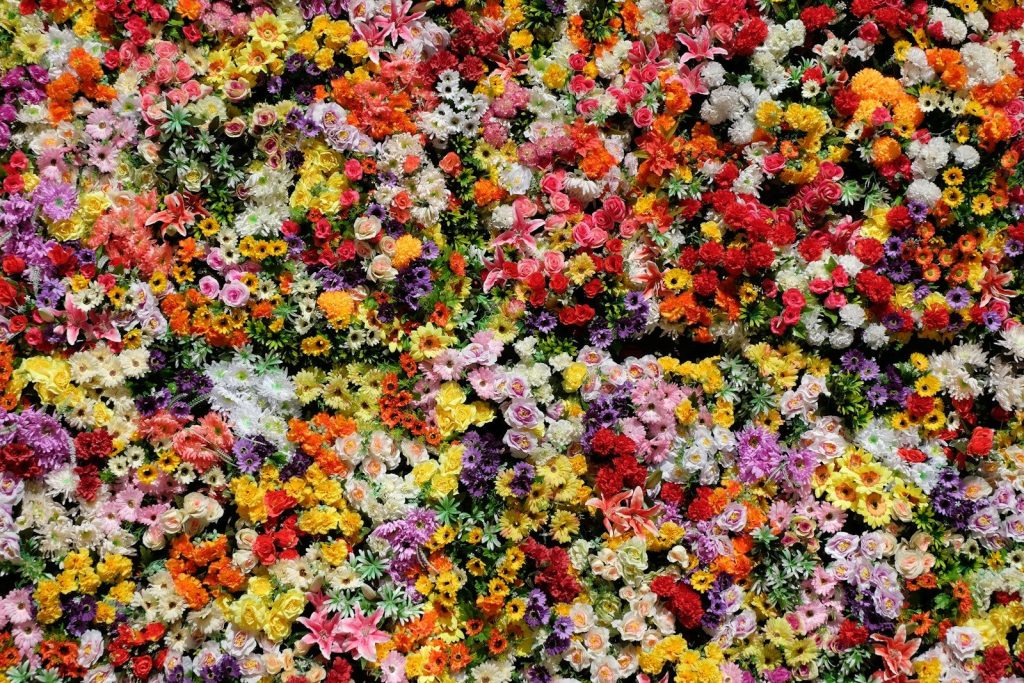
Flower colors are not just pretty decorations. Many plants use bright petals, patterns, and color clues to attract pollinators like bees, butterflies, and hummingbirds.
Some flowers even have “nectar guides,” which are markings that help pollinators find the reward inside. These visual cues can help plants reproduce while giving gardens and wild spaces their bright color.
Butterflies use tiny structures
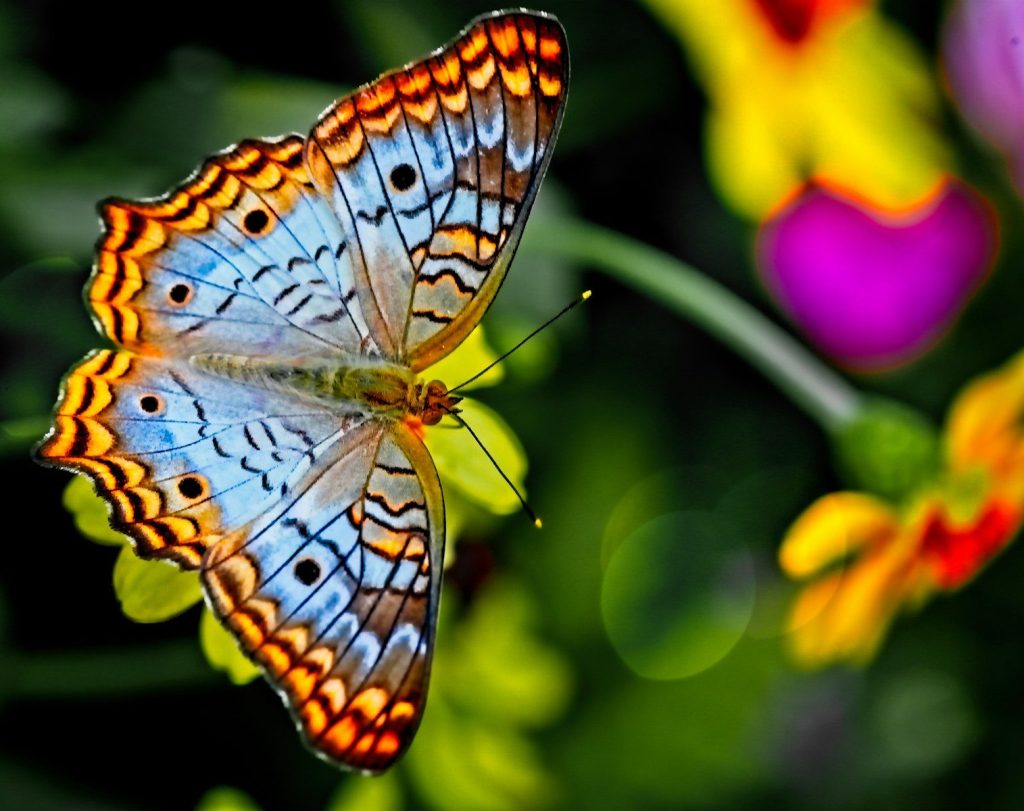
Some butterfly wings look colorful because of pigment. Others shine because of microscopic structures that shape how light bounces back to our eyes.
The blue morpho is a famous example. Its wings may look bright blue, but Smithsonian explains that tiny light-bending structures create much of that color effect, while the actual pigment can be brown.
Bird feathers scatter light
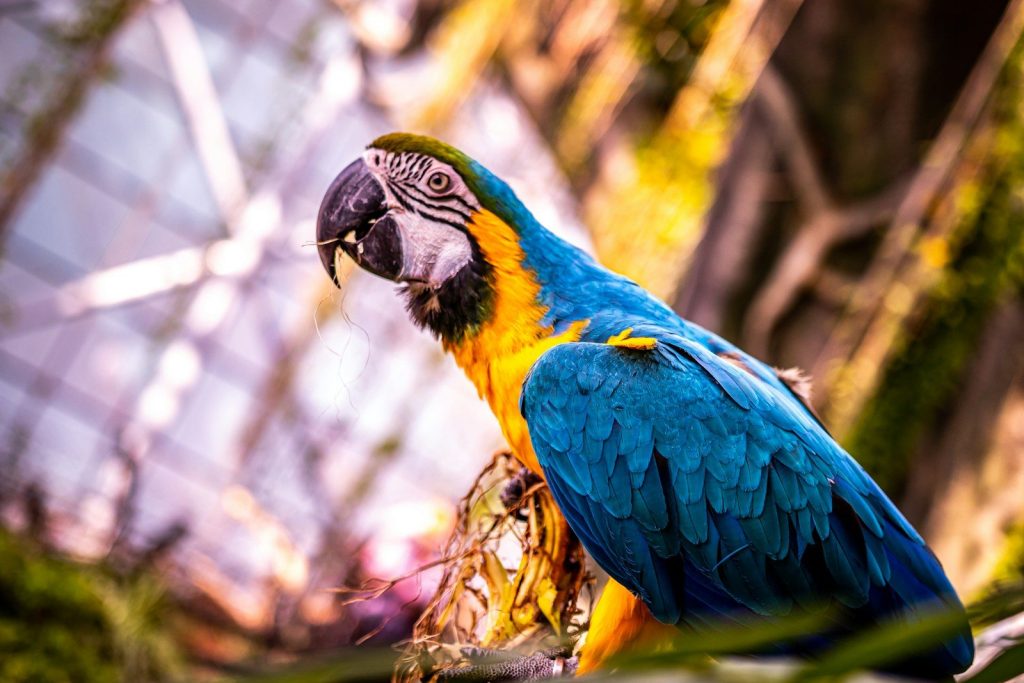
Blue birds are not always blue because of blue pigment. In many cases, their feathers have tiny structures that scatter light in a way our eyes read as blue.
The Smithsonian explains that blue in some birds is structural color, created when feather structures reflect light in certain ways. That is why nature can make bold blues without using a simple blue dye.
Oceans can glow at night
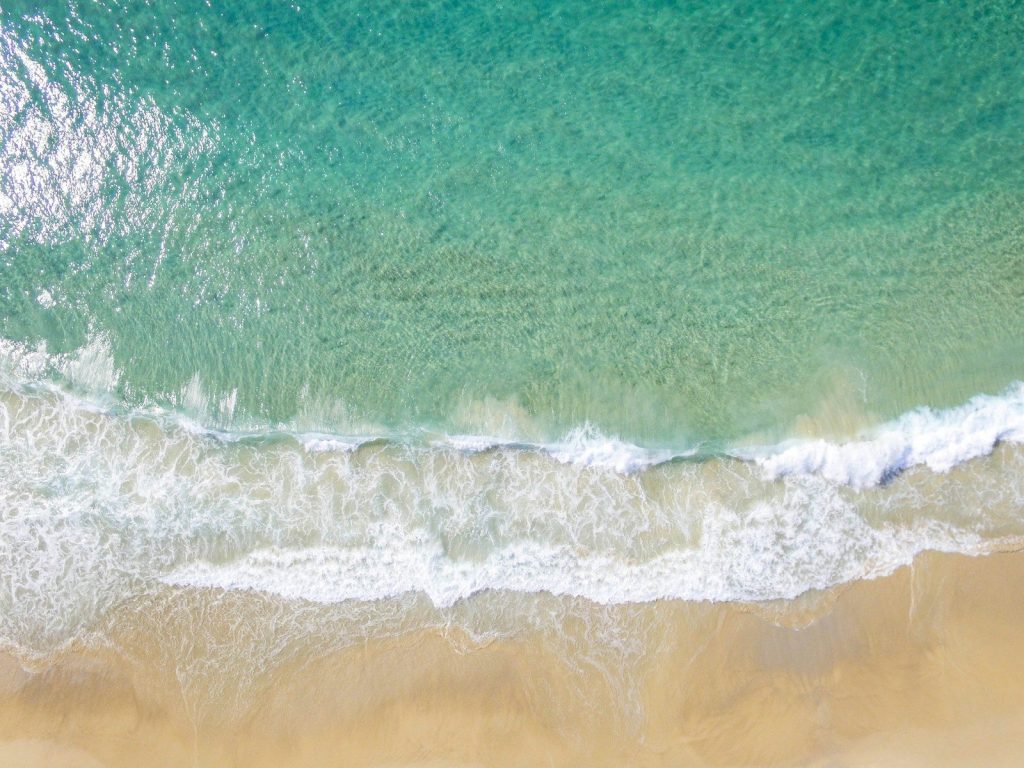
Some ocean life can make its own light through a chemical reaction called bioluminescence. NOAA explains that this light is often blue or blue-green because those colors travel well through water.
Tiny organisms, fish, and other sea creatures may glow to attract prey, confuse predators, or communicate. On some beaches, moving waves can sparkle because small organisms flash when disturbed.
Color helps life survive
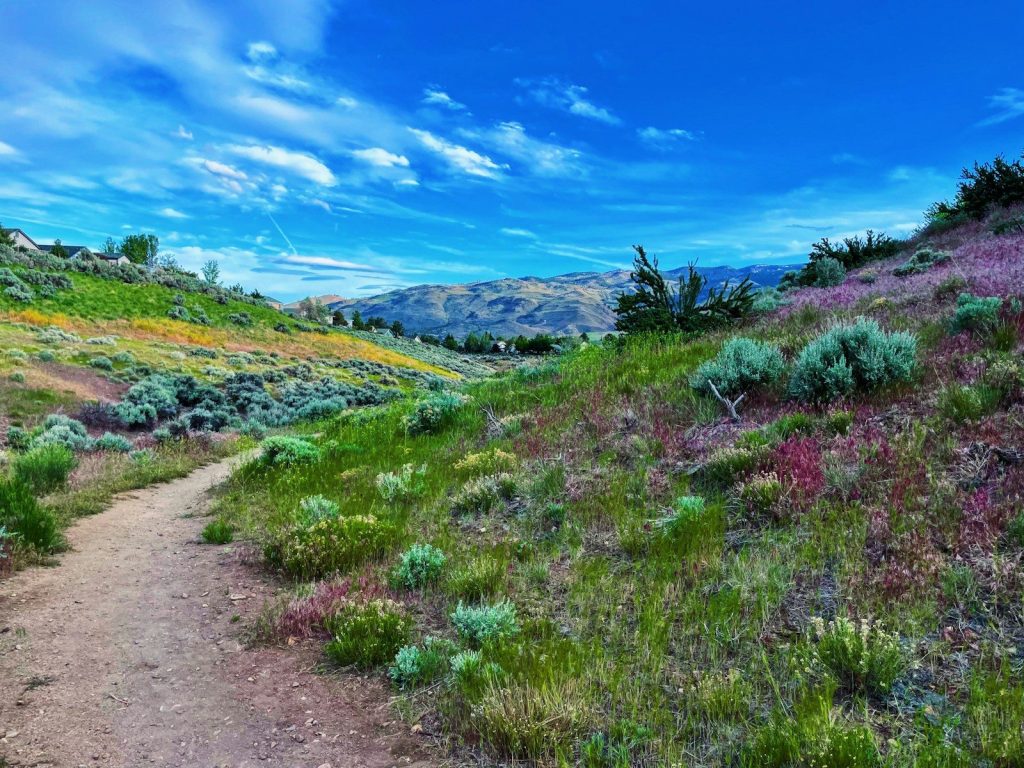
Nature’s colors are not only for beauty. They can help animals hide, warn predators, attract mates, find food, or guide pollinators to flowers.
That is what makes colorful displays so interesting. A bright wing, glowing sea, red leaf, or rainbow may look simple at first, but each one is shaped by light, chemistry, structure, and survival.
Leave a Reply