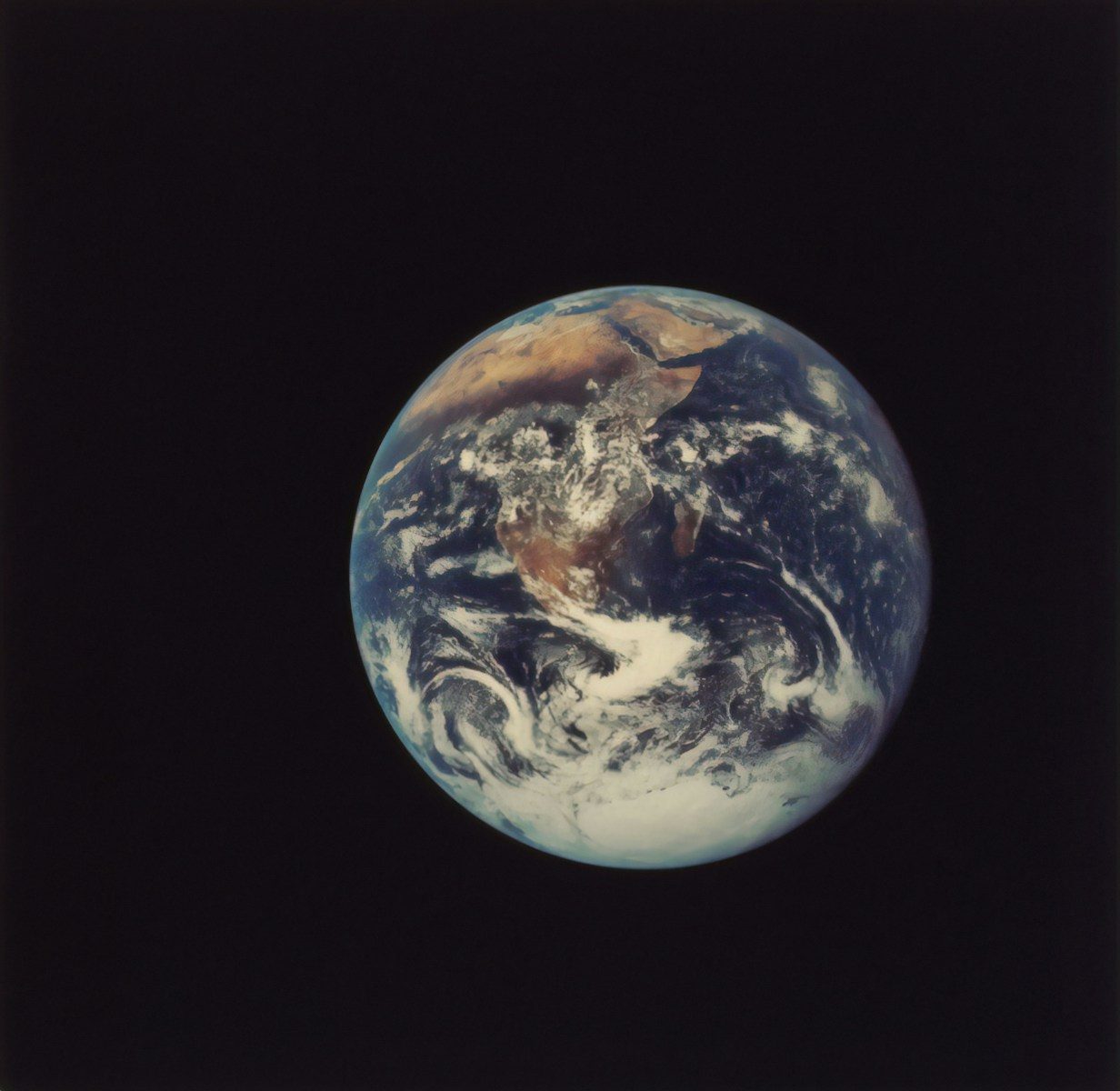
Earth was not always the blue, breathable world we enjoy today. For much of its early history, the air held little to no free oxygen, the oceans had very different chemistry, and life was mostly tiny, simple, and hidden from view. Then microbes began changing the rules.
Some early organisms learned to use sunlight for energy, and cyanobacteria released oxygen as a byproduct. Over huge stretches of time, that oxygen altered the air, oceans, rocks, climate, and future of life itself. Scientists connect this shift to the Great Oxidation Event, which happened roughly between 2.4 and 2.1 billion years ago.
Life began small
The first life on Earth was not made of plants, animals, or anything with a face. It was microscopic, simple, and built for a planet that would feel strange to us today.
These early organisms lived in water and survived without the oxygen-rich air modern animals need. They may have looked tiny, but their long-term impact was huge. Over time, life became a force that could reshape the whole planet.
The air was very different
Early Earth’s atmosphere did not have the steady oxygen supply we depend on now. Many early microbes lived in low-oxygen or oxygen-free settings, which suited them just fine.
That made ancient Earth feel less like today’s home and more like a world still under construction. Before oxygen built up, the planet’s air, seas, and surface chemistry followed a different set of rules.
Sunlight changed everything
A major turning point came when some microbes learned to capture energy from sunlight. Cyanobacteria used water and sunlight to make food, releasing oxygen as part of the process.
That may sound simple, but it was one of the biggest upgrades in Earth’s history. Tiny cells were turning sunlight into a planet-changing chemical engine, one bubble of oxygen at a time.
Oxygen did not rise overnight
Cyanobacteria likely made oxygen long before the air became rich in it. At first, much of that oxygen reacted with minerals, volcanic gases, and ocean chemistry instead of staying in the atmosphere.
So the change was slow, messy, and uneven. Earth had to “fill up” many oxygen sinks before oxygen could collect in the air in a lasting way.
Rocks recorded the shift

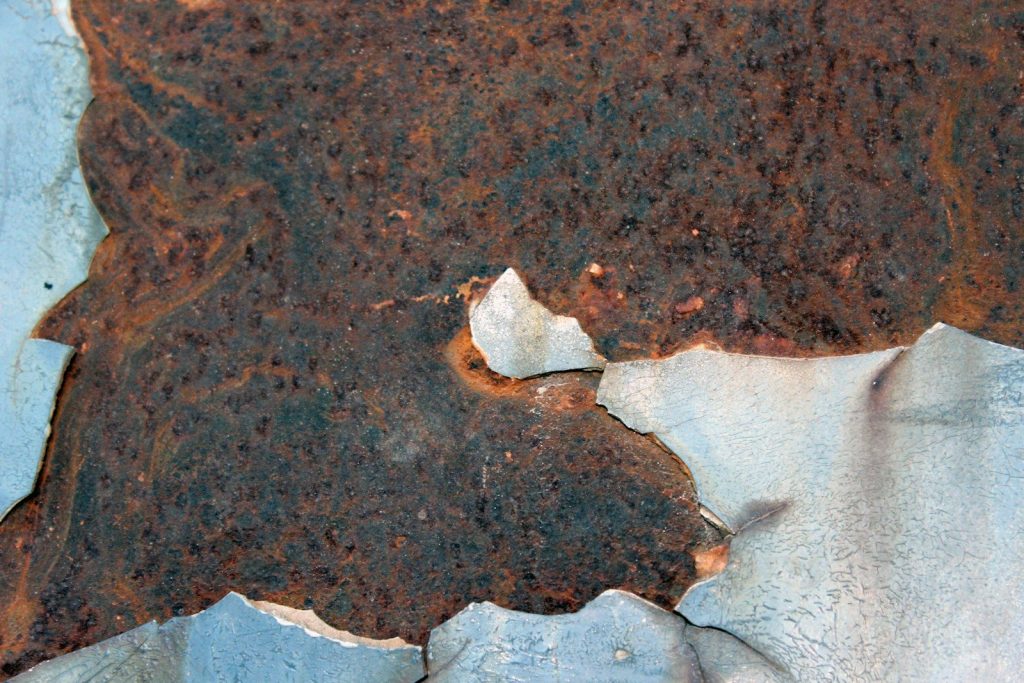
Ancient rocks hold clues to this deep change. As oxygen reacted with iron and other materials, it left chemical fingerprints that scientists can still study today.
These clues help show that life was not just living on Earth. It was changing Earth from the inside out, altering oceans, minerals, and the air above them across enormous spans of time.
The Great Oxidation arrived
The Great Oxidation Event marked a major rise in atmospheric oxygen. NASA describes it as a powerful turning point because large and complex organisms need oxygen to function.
This did not instantly create animals, forests, or people. But it opened the door. Once oxygen became a stable part of the atmosphere, Earth had new possibilities for energy, metabolism, and future evolution.
Some life faced trouble
Oxygen was helpful for later life, but it was not friendly to every early microbe. For organisms built for oxygen-free environments, rising oxygen could be stressful or even dangerous.
That means Earth’s upgrade came with winners and losers. Some microbes stayed in low-oxygen places, while others adapted to the changing world and found new ways to survive.
Climate may have shifted too
Oxygen also affected the atmosphere’s chemistry. Some research links rising oxygen with a drop in methane, a strong greenhouse gas, which may have helped cool the planet.
That shows how closely life, air, and climate can connect. Tiny microbes did not just change what animals could breathe. They may have also helped push Earth through major climate swings.
Oxygen powered bigger life
Oxygen made it possible for many organisms to get more energy from food. That extra energy helped support larger bodies, more active lifestyles, and eventually more complex living things.
This was a slow road, not a quick jump. Still, the oxygen made by ancient microbes helped set the stage for animals, ecosystems, and the living world people recognize today.
Tiny microbes made home
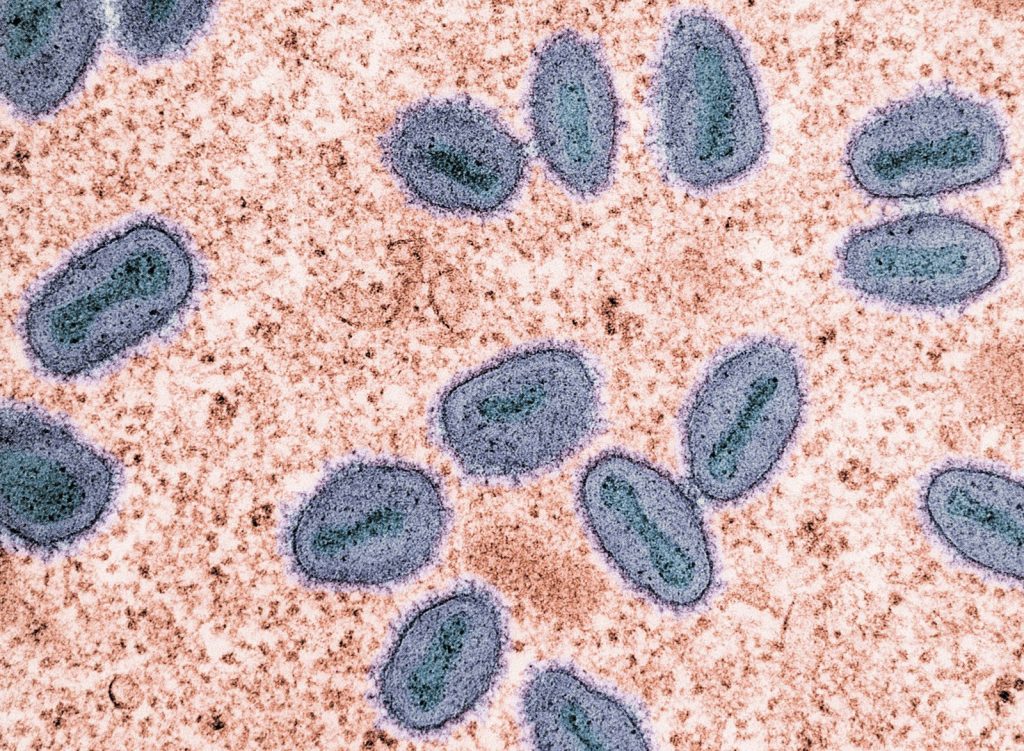
The biggest lesson is easy to miss: small life can make planet-sized changes. Early microbes helped build the oxygen-rich world that later life would depend on.
Earth became familiar because life kept interacting with air, water, rock, and sunlight. The planet we know was not simply given to life. In many ways, life helped create it.
Leave a Reply