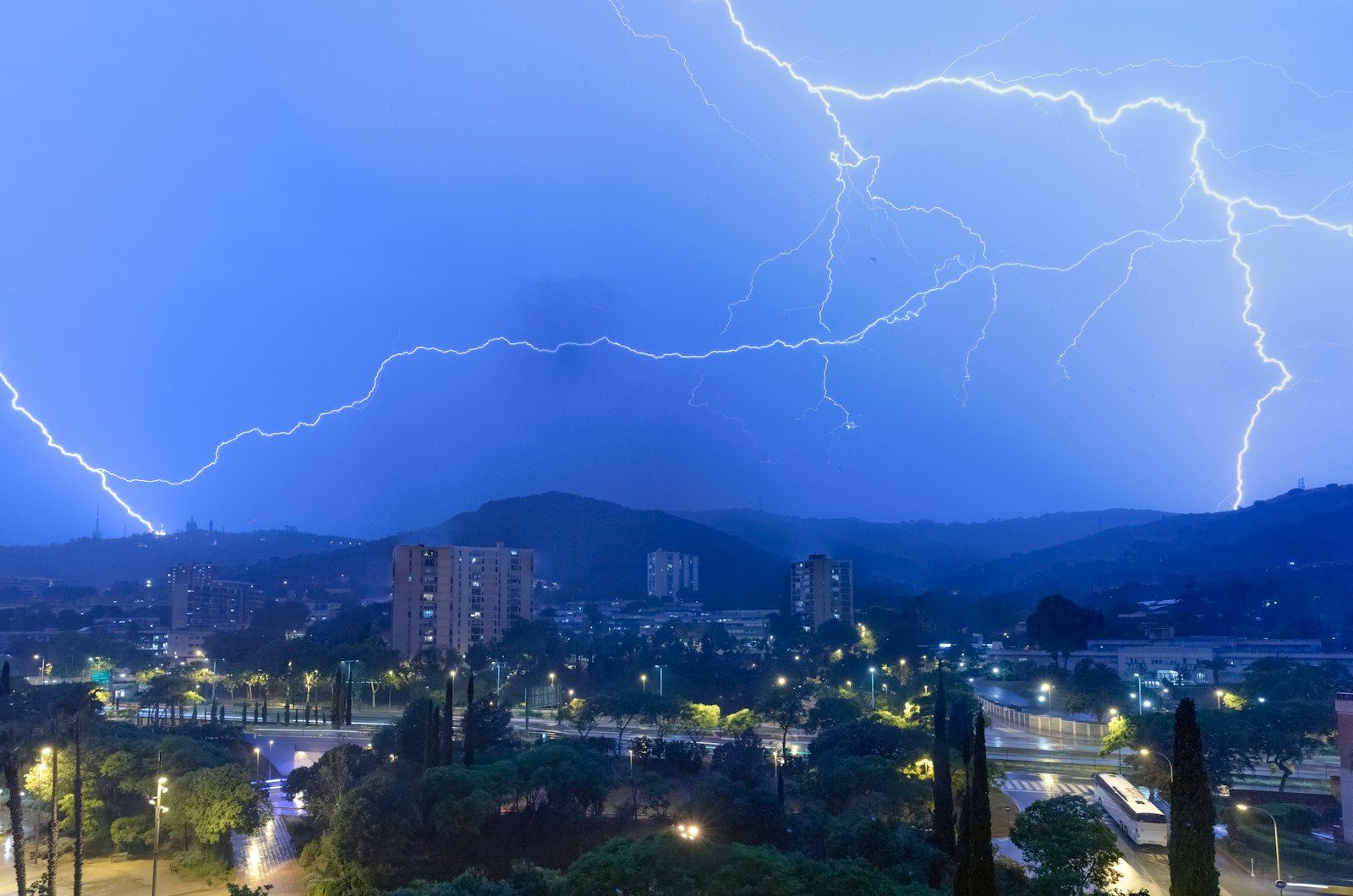
A thunderstorm can feel like pure chaos. The sky darkens, wind picks up, rain starts hitting the windows, and then a flash of lightning cuts across the clouds. But behind that dramatic scene is a set of powerful natural processes. Warm air rises, moisture builds, ice particles collide, electric charges separate, and the atmosphere turns into a giant energy machine.
Lightning and storms are not random magic tricks in the sky. They follow patterns scientists study closely with satellites, radar, weather balloons, and ground sensors. Some storms bring only brief rain and thunder. Others can grow into dangerous systems with strong winds, hail, flooding, or frequent lightning. The more we understand what is happening inside the clouds, the easier it becomes to respect storms and stay safer when they arrive.
Storms start with rising air
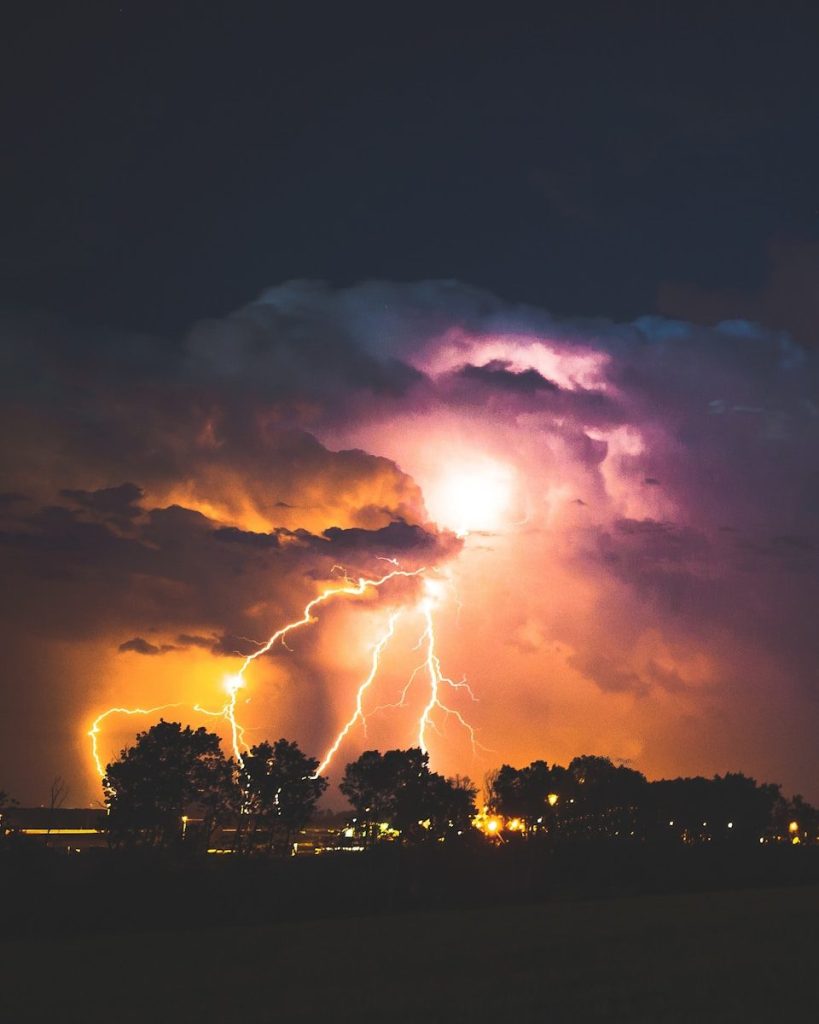
Thunderstorms often begin when warm, moist air near the ground rises into cooler air above. As that air climbs, it cools and the moisture inside it can turn into cloud droplets. This rising motion is called convection.
If enough warm air keeps rising, the cloud can grow taller and stronger. UCAR explains that thunderstorms need moisture, rising air, and unstable conditions to form. That is why hot, humid days can sometimes turn stormy fast.
Clouds become towering engines
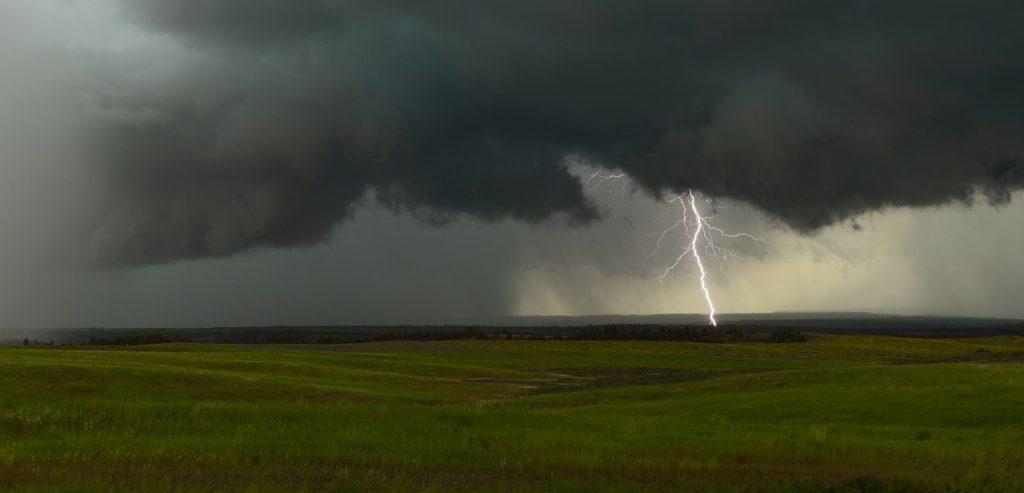
A thunderstorm cloud is not just a gray blanket in the sky. Strong storms often grow into tall cumulonimbus clouds, which can stretch high into the atmosphere and hold powerful winds inside them.
Inside these clouds, air moves up and down quickly. Water droplets, ice crystals, and small hail-like particles get tossed around. That busy motion helps create heavy rain, thunder, lightning, and sometimes hail. The storm is basically running on heat, moisture, and motion.
Ice helps charge the cloud

Lightning begins with tiny particles inside a storm. Ice crystals, graupel, and water droplets collide as strong air currents move them around. Those collisions help separate electric charges inside the cloud.
NOAA says leading theories focus on charge separation and an electric field inside thunderstorms, with ice and graupel playing an important role. Once the charge difference gets strong enough, the atmosphere looks for a way to balance it.
Lightning finds a path
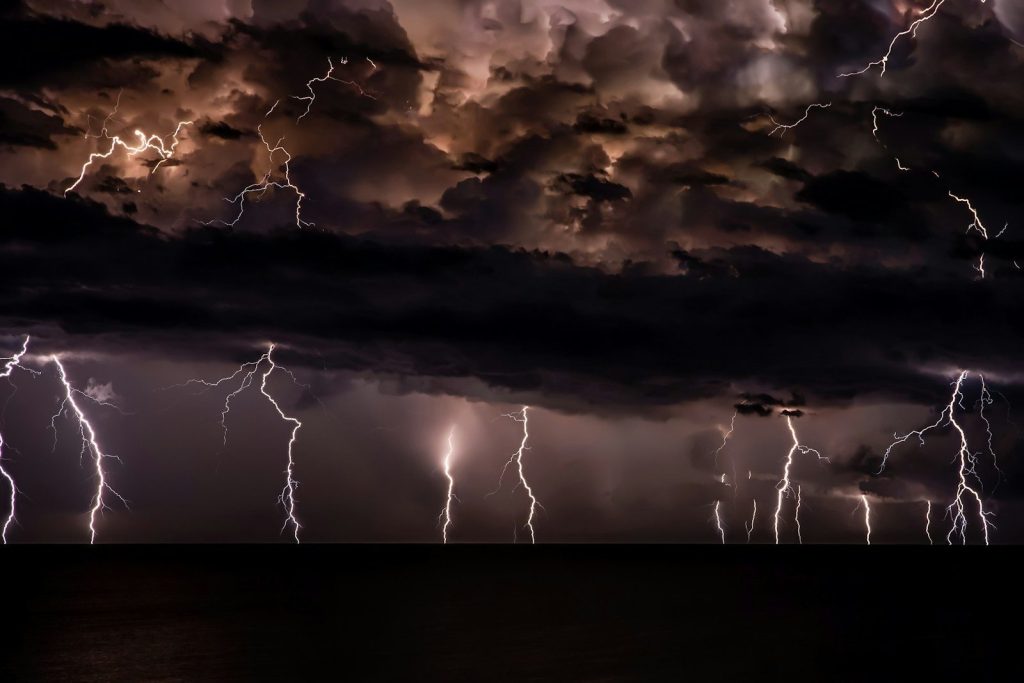
A lightning bolt is a huge electrical discharge. It can happen inside one cloud, between clouds, or between a cloud and the ground. The bright flash appears when built-up electrical energy finally moves through the air.
NOAA’s National Severe Storms Laboratory explains that lightning can occur between opposite charges within a thunderstorm or between the cloud and the ground. That is why some flashes stay hidden in the clouds while others strike downward.
Thunder is heated air
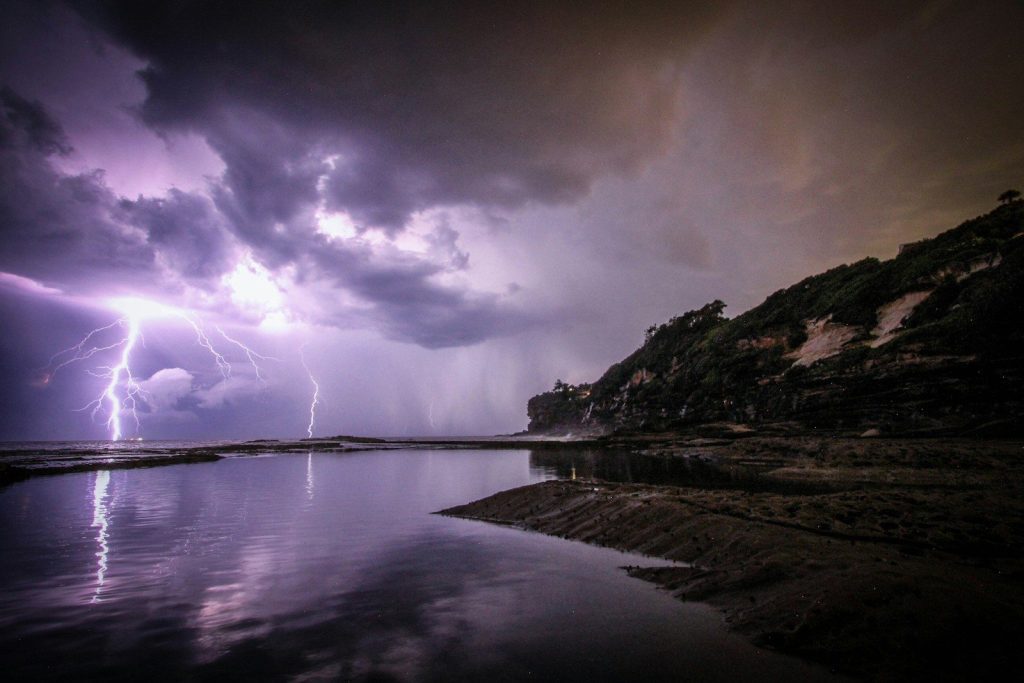
Thunder is not separate from lightning. It is the sound created when lightning heats the air around it extremely fast. That sudden heating makes the air expand quickly, creating a sound wave.
You usually see lightning before you hear thunder because light travels faster than sound. UCAR explains that the rumble comes after the flash for that reason. The longer the delay, the farther away the lightning likely is.
Some bolts strike far away
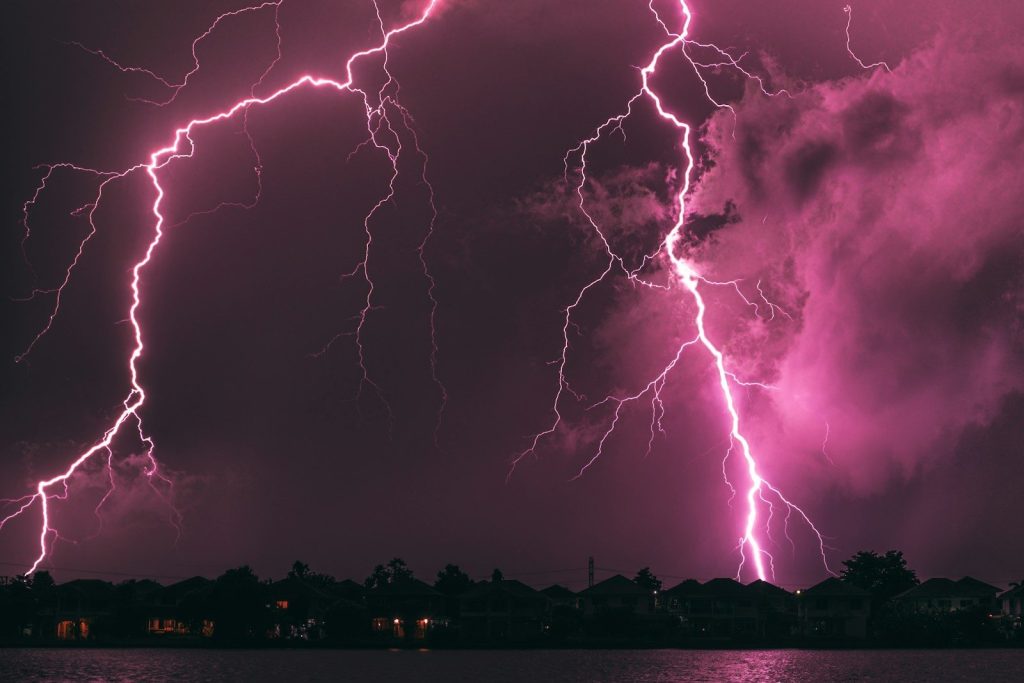
Lightning does not always hit where rain is falling. Some bolts can reach outside the main storm area and strike under clearer skies nearby. That is why a storm can still be dangerous even before heavy rain arrives.
The National Weather Service warns that if you can hear thunder, you are close enough to be at risk from lightning. A safe building or hard-topped vehicle is much better than staying outside to “wait it out.”
Storms can organize fast

Not every thunderstorm is a small, short event. Some storms join together and form larger systems. UCAR notes that multi-cell storms can contain several storm cells at different stages, and some can form long lines called squall lines.
These organized storms can cover wide areas and last longer than a single pop-up storm. They may bring strong wind, heavy rain, and frequent lightning. That is why weather alerts matter, even if the sky near you still looks calm.
Hail forms in strong clouds

Hail forms when small pieces of ice are carried up and down inside a thunderstorm. Each trip through freezing parts of the cloud can add another layer of ice, almost like a tiny frozen shell.
Strong updrafts can keep hailstones floating long enough for them to grow. When they become too heavy for the rising air to hold, they fall to the ground. Bigger hail usually points to a stronger storm with more powerful internal winds.
Storms reshape the air

A thunderstorm can cool the air quickly once rain starts falling. Downdrafts drag cooler air toward the ground, and that air can spread out as gusty wind. This is why a storm may feel close before the rain arrives.
That rush of wind can lift dust, move leaves, and make temperatures drop. It is one of the signs that the storm’s internal engine is changing. Even a brief storm can shift the feel of the entire afternoon.
Safety starts with respect
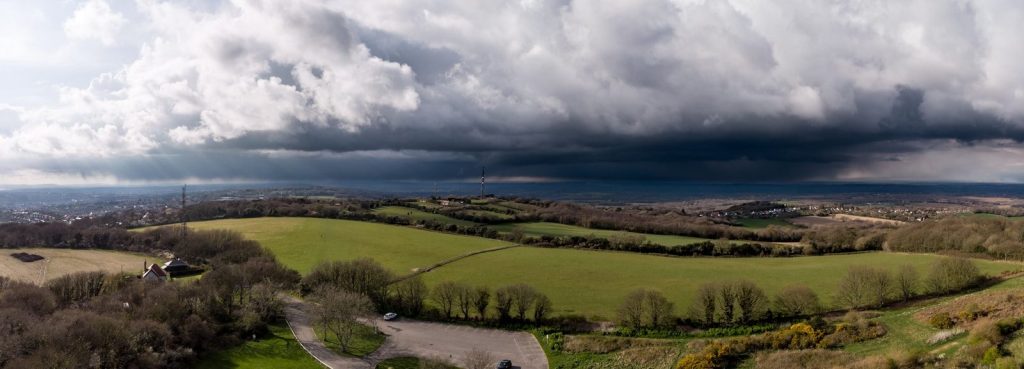
Storm science is fascinating, but safety matters most. Lightning can be dangerous even when a storm seems distant. The National Weather Service recommends waiting 30 minutes after the last thunder or lightning before going back outside.
The safest plan is simple: head indoors early, avoid open spaces, and stay away from tall isolated objects. Storms are part of nature’s power system, but they are not something to challenge. A little caution can prevent a scary moment from becoming much worse.
Leave a Reply