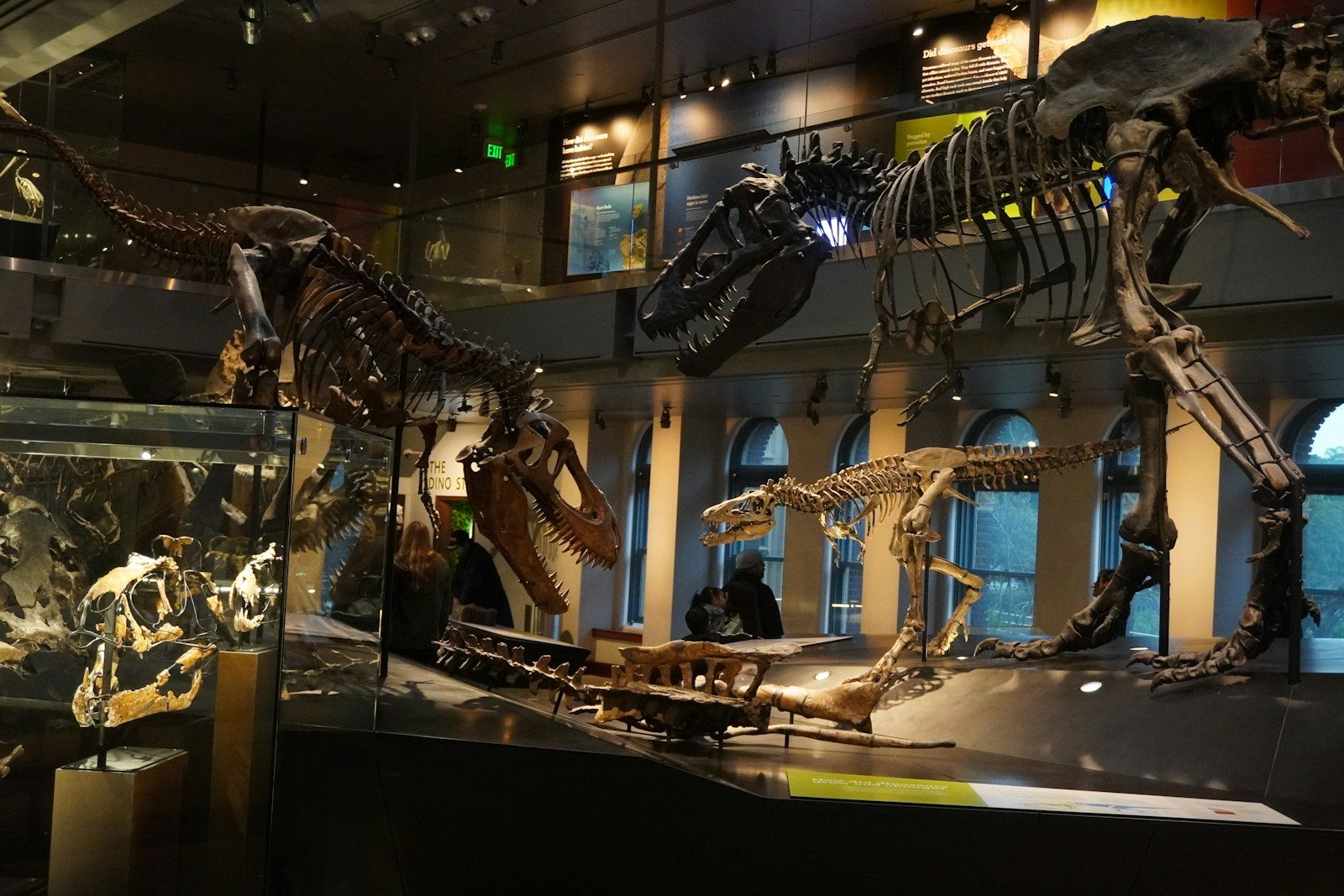
A fossil can look simple at first, then become a surprise under better tools. That is what happened with some 540-million-year-old fossils from Brazil. Scientists once thought the tiny shapes were tracks or burrows made by very small seafloor animals. A newer study found something different: they were likely ancient communities of bacteria and algae, preserved in unusual detail.
The fossils were recovered from rocks in Mato Grosso do Sul and studied using high-resolution imaging and chemical analyses. The change matters because it affects how scientists read the early timeline of animal life, especially just before the Cambrian Period, when many complex animals became easier to spot in the fossil record.
Tiny marks fooled experts
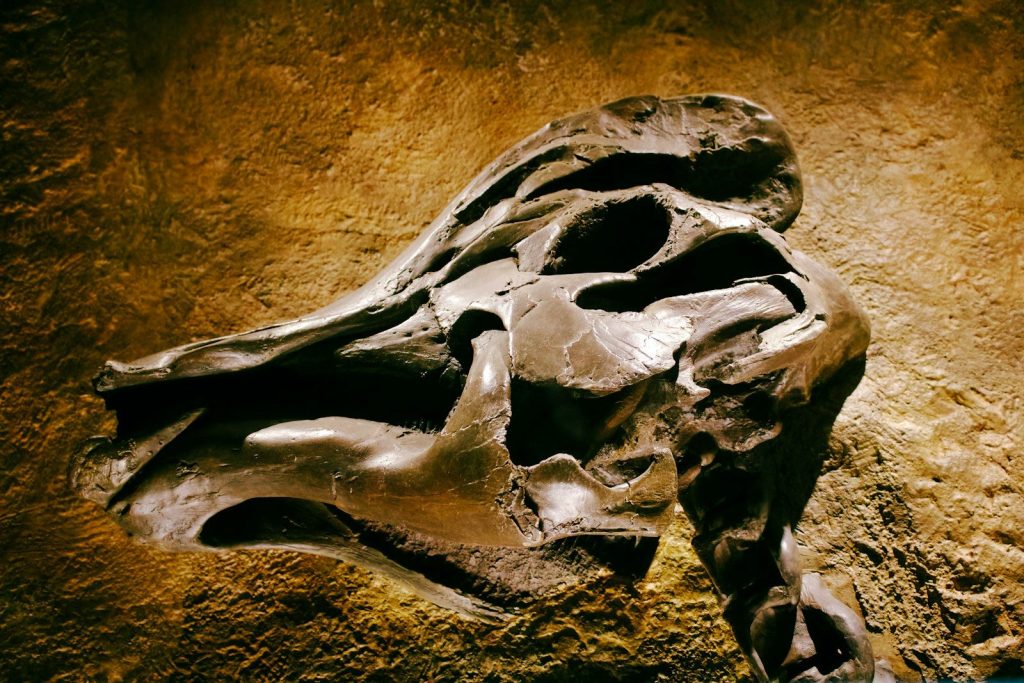
At first, the fossils looked like signs of movement. That made some researchers think tiny wormlike animals had crawled through soft seafloor mud long ago.
That idea was exciting because it could have pushed certain small animals deeper into Earth’s past. But fossils can be tricky. A shape that looks like a track may sometimes be something that grew in place.
A closer look changed things
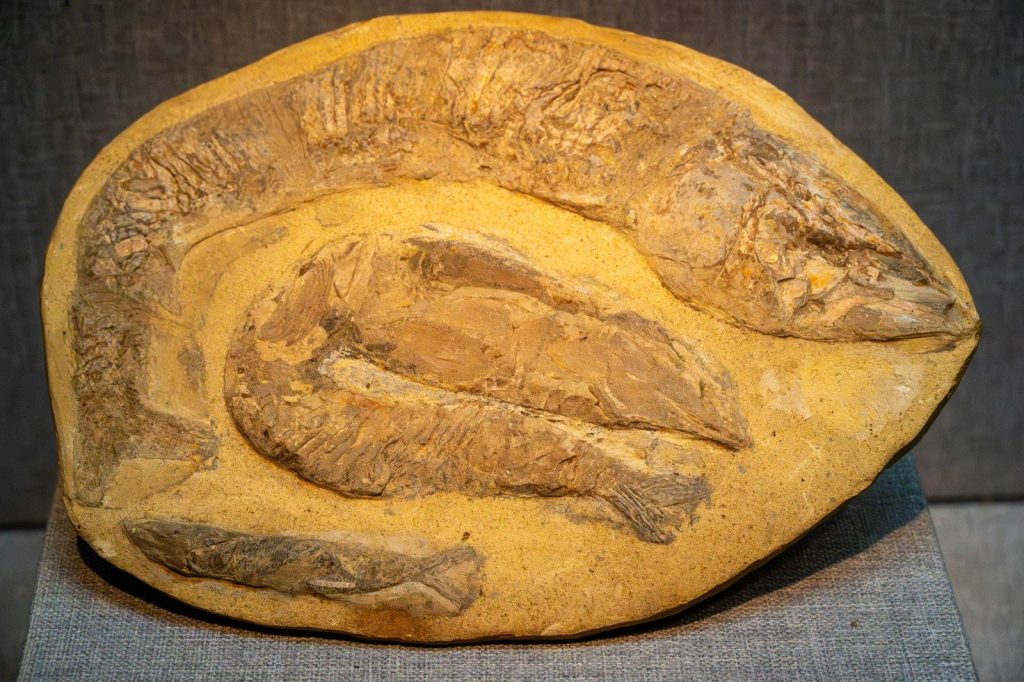
The newer study used powerful imaging to see inside the fossils without breaking them apart. That gave researchers a much better look at their hidden structure.
Instead of simple marks left behind by moving animals, the team found cell-like details. Some samples also showed organic material inside fossil walls, which fit better with ancient microbes than with empty trails.
They came from Brazil
The fossils were studied from sites in Mato Grosso do Sul, Brazil. These rocks belong to the Tamengo Formation, which formed in a shallow marine setting.
That ancient seafloor was part of a very different world. The study connects these fossils to the late Ediacaran Period, shortly before the Cambrian Period began around 541 million years ago.
Microbes can leave fossils
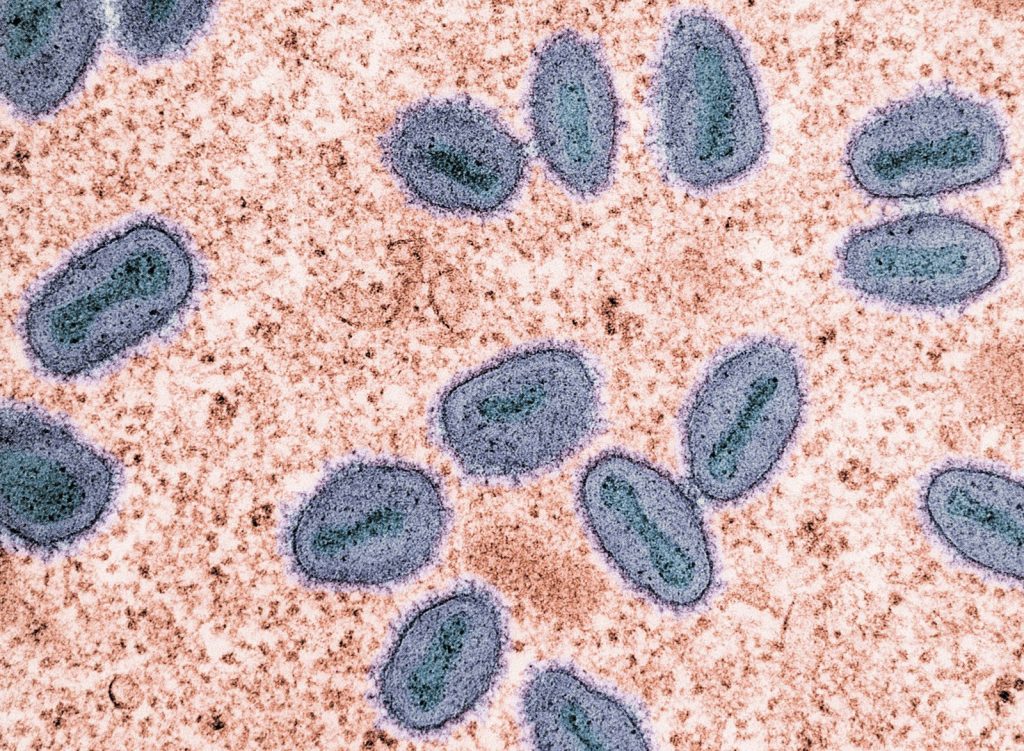
It may sound strange, but microbes can fossilize. Some bacteria and algae form mats, filaments, or layered structures that can become preserved in rock.
The University of California Museum of Paleontology notes that cyanobacteria have a fossil record going far back into the Precambrian. Microbial mats can also trap sediment, helping create structures that last.
Better tools found cells
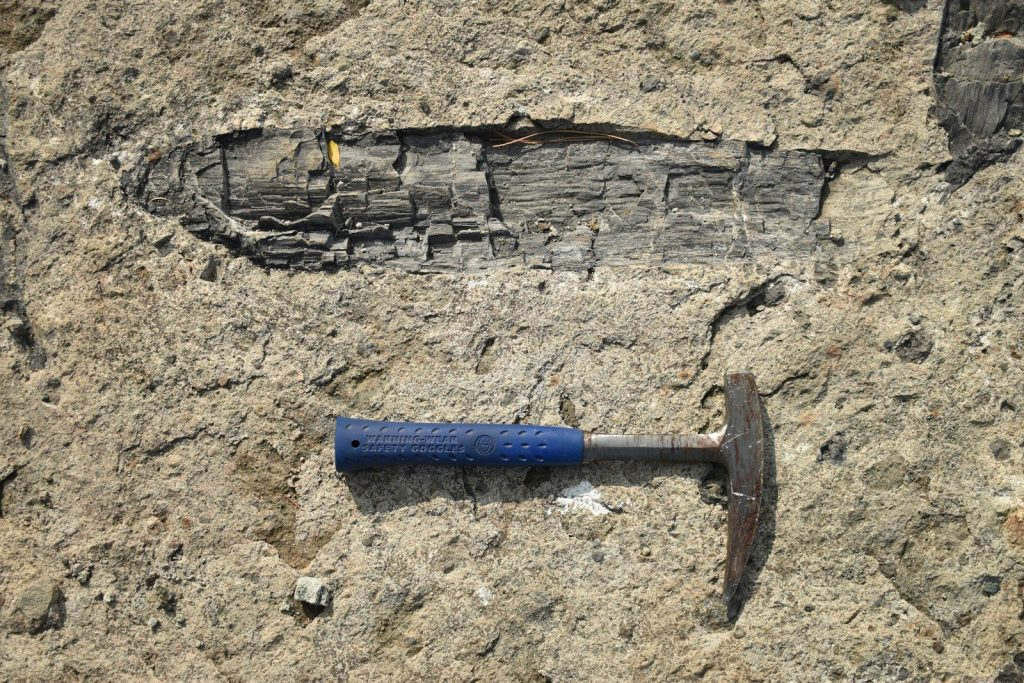
Older studies did not have the same level of imaging used in the new research. The team used microtomography, nanotomography, and Raman spectroscopy to study the fossils.
Those tools helped reveal tiny features, including preserved cell walls and chemical clues. That made the fossils look less like animal-made marks and more like preserved bodies of bacteria or algae.
Some were surprisingly large
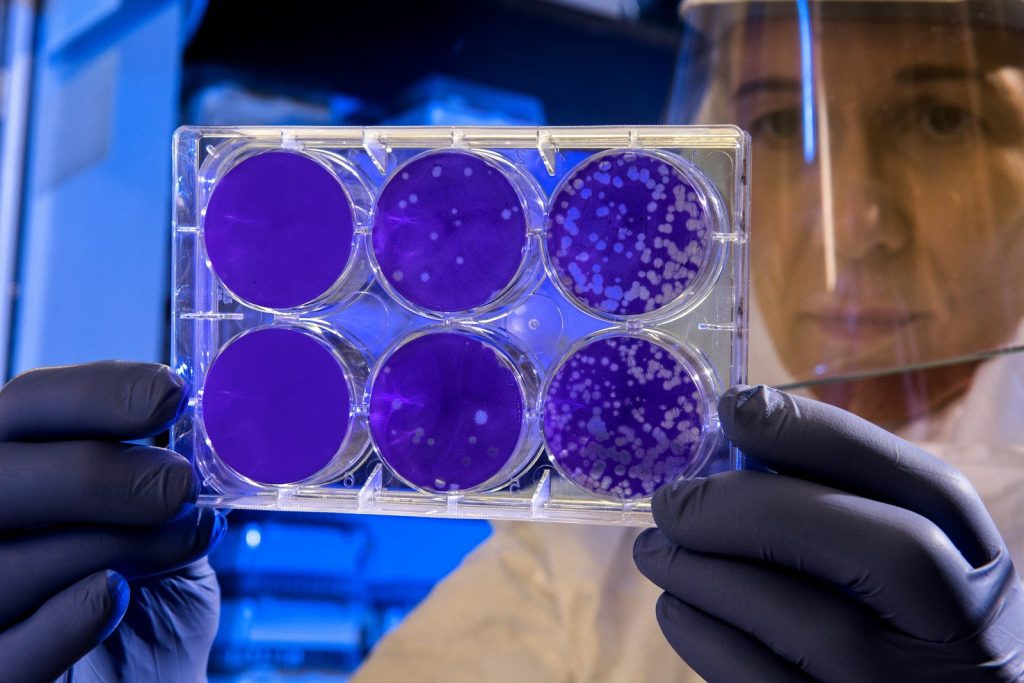
Not all bacteria are too small to notice easily. Some modern sulfur-using bacteria can grow larger than people might expect, and the study considered that kind of possibility.
The fossils included forms that may represent algae, cyanobacteria, or sulfur-oxidizing bacteria. The exact species remain uncertain, but the overall evidence points strongly toward microbial communities.
Oxygen levels mattered
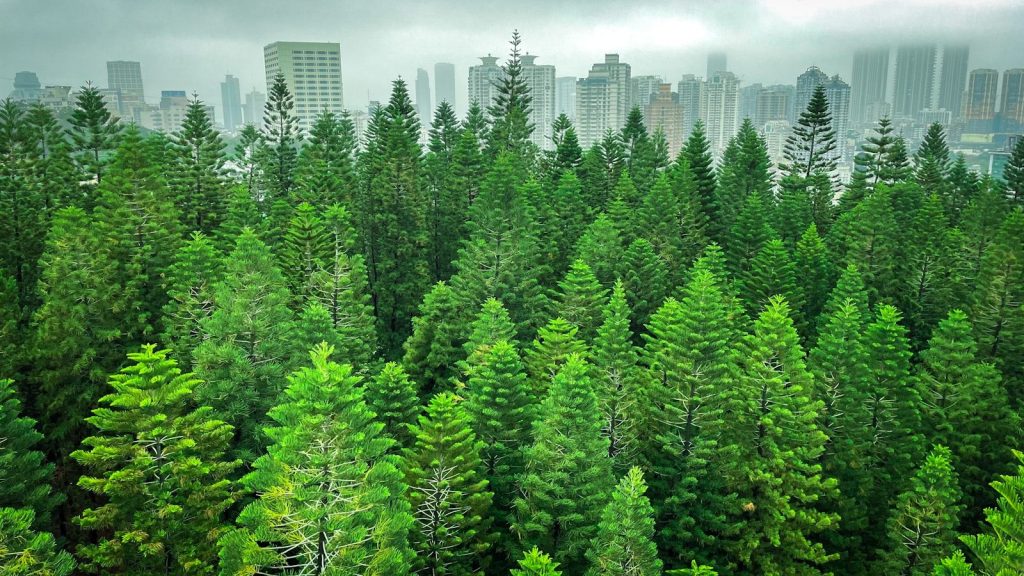
Animals need oxygen, but Earth’s early oceans did not always have enough for active, complex life. That is one reason the timing of early animal fossils matters so much.
The Smithsonian explains that Earth was not friendly to animals for much of its history, and oxygen levels changed over a very long time. The new fossil reading fits a world where some animal groups may not have been ready yet.
The Cambrian still stands out
The Cambrian Period is famous because many animal groups became easier to find in the fossil record. Hard parts, active movement, and burrowing all left clearer clues.
The new study does not erase early animal life. It simply suggests that these particular Brazilian fossils were not the tiny animal traces some scientists once thought they were. That keeps the Cambrian shift important.
Science corrects itself
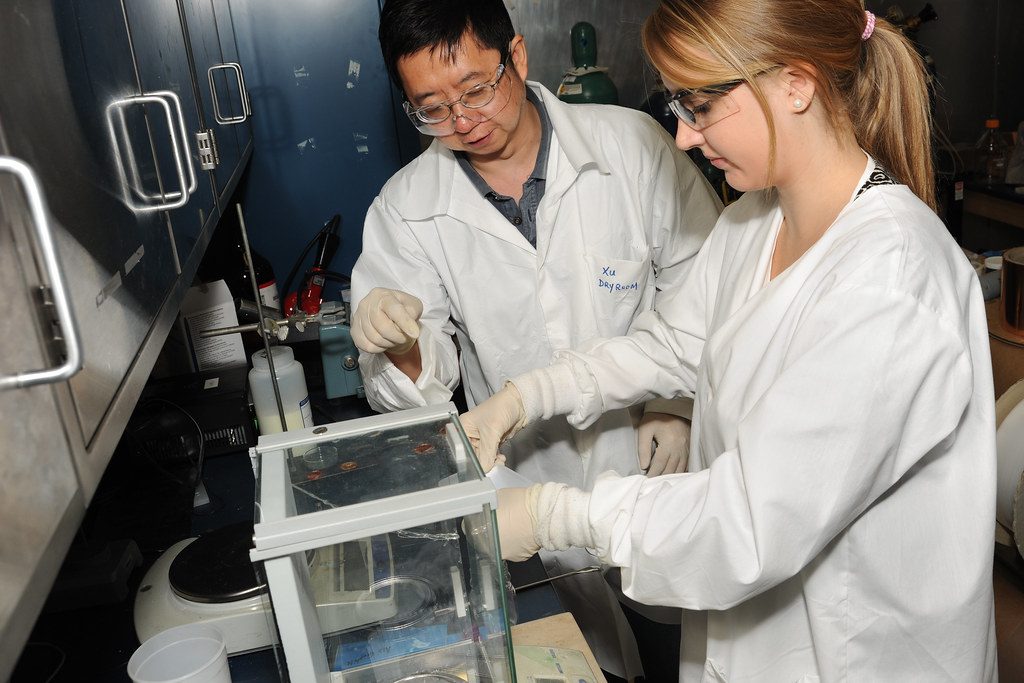
This story is a good reminder that science is not about never being wrong. It is about testing ideas again when better evidence appears.
Fossils are often incomplete, flattened, or changed by minerals. When new tools reveal fresh details, scientists may update old labels. That is not a failure. It is how the picture gets sharper.
The past got clearer
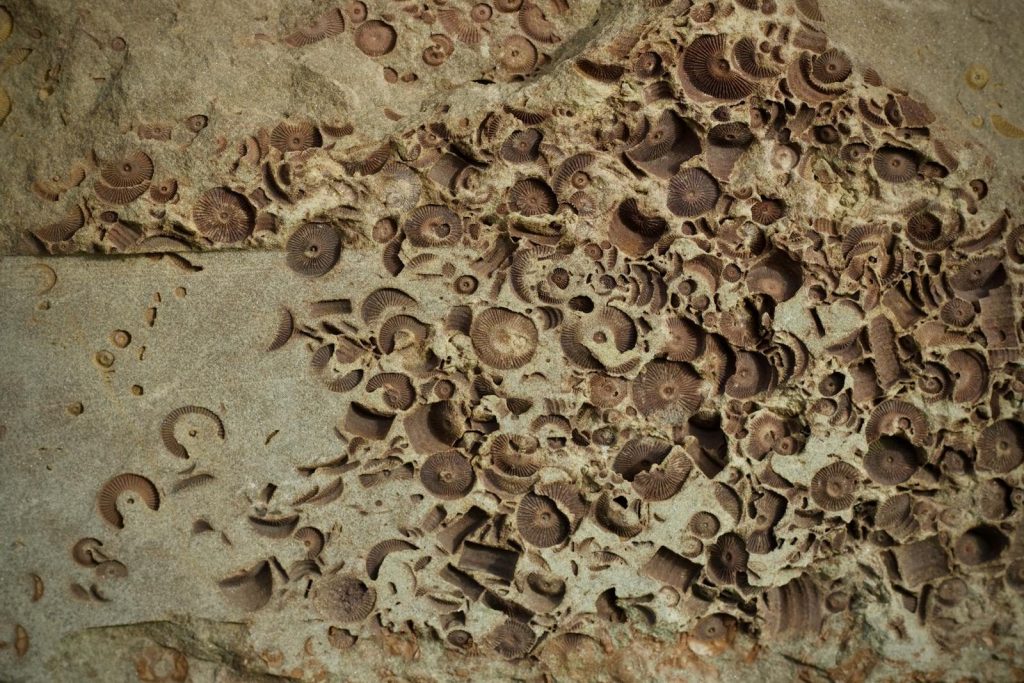
The big takeaway is simple: some fossils that looked like animal activity were likely ancient microbial life. That changes one piece of the early animal timeline.
It also makes microbes look even more important. Long before familiar animals filled the seas, bacteria and algae were already shaping Earth’s environments and leaving clues for scientists to find millions of years later.
Leave a Reply