
Basic laptops have always had one clear job: open the web, run simple apps, handle schoolwork, and keep the price low. But Google’s next laptop push could make that formula feel a little old. Reports around the new “Googlebook” idea point to a more premium Google laptop platform with stronger AI features, deeper Android ties, and more powerful chips from partners like Qualcomm and MediaTek.
Even before that arrives, Chromebook Plus already shows where Google is heading. Google says Chromebook Plus offers stronger performance, built-in Google apps, AI features, long battery life, and built-in security. That mix could challenge plain budget laptops that still rely mostly on price alone.
A simpler laptop idea
Many basic laptops are sold on low cost and familiar software. That can be enough for browsing, email, homework, and streaming.
Googlebooks could challenge that by making the laptop feel simpler from the start. If the device is built around Google apps, Android tools, cloud storage, and AI help, buyers may see less setup work and fewer confusing choices.
AI could feel built in
A lot of laptops now advertise AI, but the features can feel scattered. Some tools live in the browser, some in apps, and some need separate accounts.
Google has already added Gemini and other AI features to Chromebook Plus laptops. A Googlebook-style device could make that feel more natural by placing AI help closer to writing, searching, editing, and daily tasks.
Android ties could matter
One reason Googlebooks could stand out is Android integration. Reports suggest the platform may connect more deeply with Android phone apps, files, and services.
That could be a big deal for people who already use Android phones. Instead of treating the laptop and phone like separate worlds, Google could make them feel more connected for photos, messages, apps, and quick sharing.
Basic laptops may feel plain
A budget laptop can still be useful, but many of them feel very ordinary. They may offer a browser, office apps, and storage, but not much that feels new.
If Googlebooks focus on smarter search, cleaner app access, and helpful AI tools, they could make a basic laptop feel less exciting. The challenge is proving those extras are useful, not just flashy.
Price will shape the fight

Price is where basic laptops still have a strong advantage. Many shoppers choose them because they are affordable, easy to replace, and good enough for simple work.
Googlebooks may not win if they cost too much. Reports suggest the platform may aim higher than traditional budget Chromebooks. That means Google will need to show clear value beyond the name.
Chromebook Plus paved the way
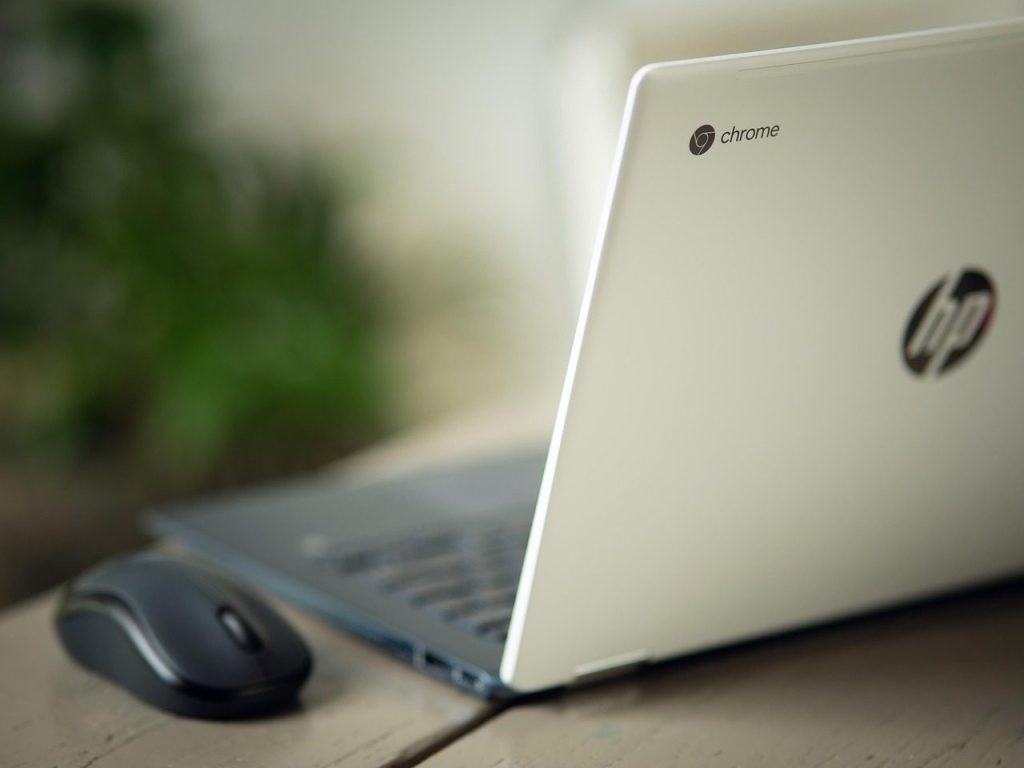
Google has already used Chromebook Plus to raise expectations. When it launched the category, Google said it offered double the performance, built-in Google apps, AI tools, and a starting price of $399.
That matters because Googlebook may not appear out of nowhere. It could build on years of Chromebook changes while aiming for buyers who want more power and polish.
Updates are a quiet advantage
Long support can make a laptop feel like a safer buy. Google says Chromebooks receive automatic updates for 10 years from the platform release date.
That could help Googlebooks challenge basic laptops, especially for families and schools. A device that stays updated longer can feel less risky, even if the first price is not the lowest.
Security stays important
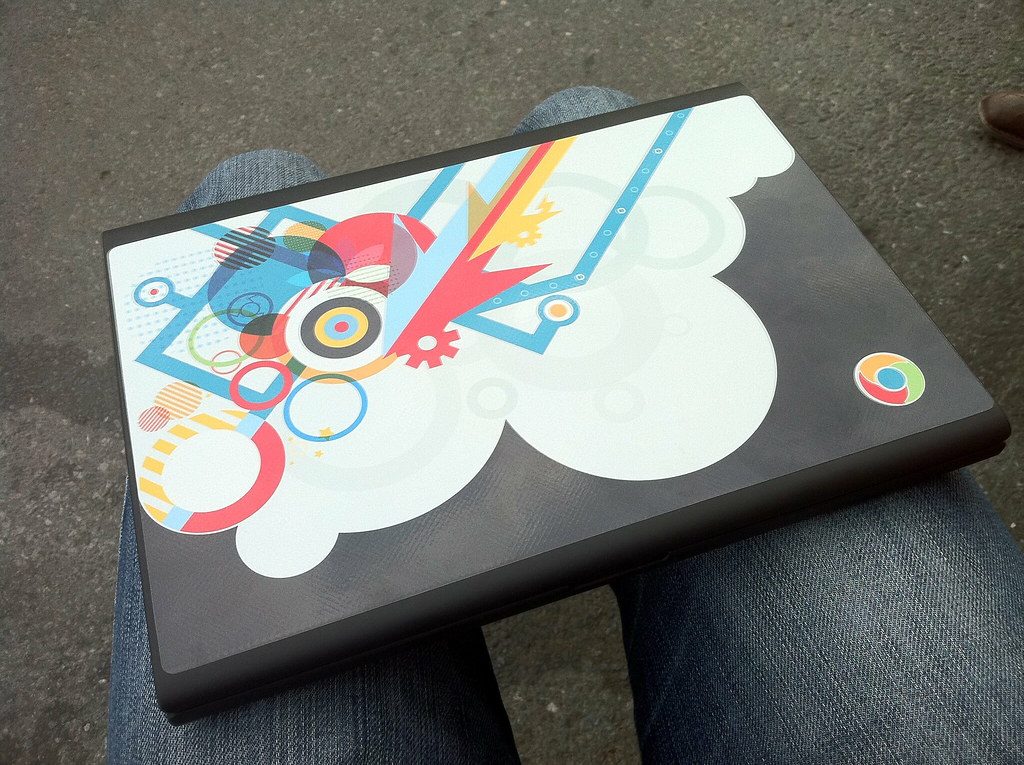
Many people want a laptop that feels safe without a lot of extra work. Google promotes Chromebooks as fast, secure, and affordable devices for daily needs.
That security message could carry into Googlebooks. If buyers believe the laptop is easier to maintain, safer to use, and less stressful, it could stand out from cheap laptops that need more hands-on care.
The app story is bigger
Basic laptops often rely on traditional desktop programs or browser tabs. That works, but it can feel limited for people who live across phones, apps, and cloud services.
A Googlebook could lean harder into Android apps, web apps, and Google services in one place. If that mix works smoothly, it could feel more modern than a low-cost laptop built only around older desktop habits.
Success depends on clarity
Googlebooks could challenge basic laptops, but only if the message is clear. Buyers need to understand what they are getting: better AI, stronger phone ties, longer support, or a smoother daily experience.
The danger is confusion. If Googlebooks sound like expensive Chromebooks with a new label, people may ignore them. But if they solve real daily problems, basic laptops could suddenly look less future-ready.
Leave a Reply