History books tell a very simple story. Christopher Columbus reached the New World in 1492. But a tiny terracotta artifact found in a sealed Mexican tomb threatens to shatter this timeline. This is the Tecaxic-Calixtlahuaca Head. It is a small bearded clay face. Curiously, it does not resemble any indigenous Mesoamerican art style. It has European features and a classic Roman beard. For decades, archaeologists have debated its origin. Some believe it proves ancient Roman voyages across the Atlantic. Others smell a hoax. The scientific evidence is highly controversial. It raises questions that mainstream historians struggle to answer. The mystery began during a routine excavation in central Mexico.
Archaeologists Uncover an Unlikely Bearded Face
José García Payón excavated a pyramid site in 1933. This was in the Toluca Valley. He was clearing a sealed burial tomb. Among the pre-Columbian pottery, he found something shocking. It was a tiny terracotta head. The figure had a thick beard. Mesoamerican artists rarely depicted facial hair. This style was completely foreign. Payón documented the find immediately. A European art specialist would later identify the exact origin of this face.
Artistic Styles Match the Ancient Roman Empire
German archaeologist Bernard Andreae examined the artifact. He was a leading expert on classical Roman art. Andreae concluded the head was, without a doubt, Roman. He analyzed the hair and beard. They matched the fashion of the Severan Dynasty around 200 AD. The execution was identical to Mediterranean art. But style is not physical proof. Scientists needed to test the clay itself to verify its true age.
Physics Testing Verifies the Artifact is Ancient
Researchers sent clay samples to a lab in Germany. They performed thermoluminescence testing. This scientific method measures light energy to date pottery. The results shocked the team. The test dated the head to between 900 BCE and 1200 CE. This range is wide. However, it officially proved the artifact was ancient. It existed before any European contact. The mystery of its burial location was about to deepen.
Intact Clay Layers Prove No Modern Interference
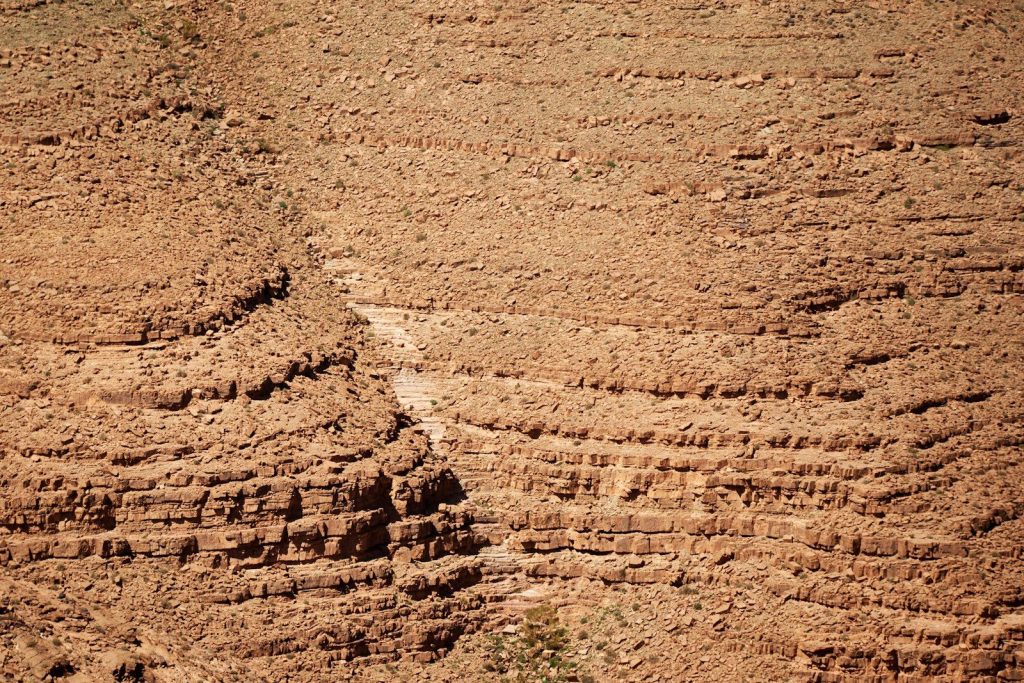
The tomb was sealed. Payón found the head beneath three intact layers of clay. These layers were completely undisturbed. This indicates that nobody could have sneaked the head into the grave in modern times. The burial took place around 1500. This was just before Cortés arrived. So how did a Roman object cross the ocean? One theory involves the power of the sea.
Atlantic Currents May Have Carried Ancient Ships

Ancient Mediterranean ships were highly durable. Roman, Phoenician, and Berber vessels routinely traveled the African coast. Sometimes storms struck. A ship blown off course could get caught in powerful Atlantic currents. These currents flow directly toward South America. A drifting vessel might have crossed the sea accidentally. Local people would have scavenged the shipwreck. They could have traded the terracotta head inland. But critics point to a darker possibility.
A Historic Hoax or Excavation Prank

Mainstream archaeologists remain highly skeptical. They point out a major problem. No other Roman coins, weapons, or ruins have ever been found in the Americas. This makes a full voyage unlikely. Some scholars suggest a hoax. They believe an excavation worker may have planted the artifact as a prank. Payón was not always supervising the trenches. However, the sealed clay layers make a modern prank nearly impossible. This bizarre scientific standoff continues to puzzle researchers today.
The Mystery Remains Unsolved in Mesoamerica
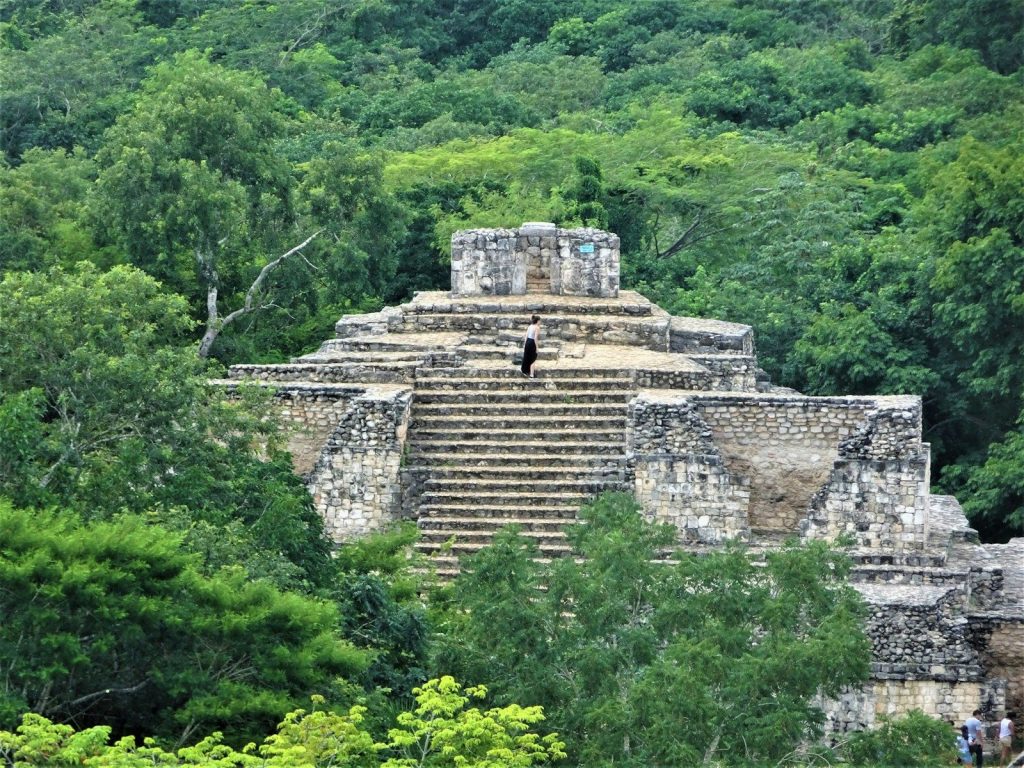
The terracotta head is an archaeological anomaly. It defies explanation. Without further discoveries, we cannot prove ancient contact. Yet, we cannot easily dismiss the physical evidence either. The artifact rests silently in a Mexican museum. It remains a fascinating puzzle. Perhaps future excavations will finally solve the riddle of its transatlantic journey. Until then, history keeps its secrets.
Featured Image: Photo by Marv Watson on Unsplash
Leave a Reply