
Criticism of artificial intelligence is no longer limited to online arguments about chatbots. Communities are opposing data centers, workers are questioning automation plans, creators are challenging the use of their work, and politicians are proposing new restrictions. These disputes are beginning to affect where AI infrastructure can be built and how quickly companies can introduce new systems.
The backlash does not mean that the AI industry is collapsing. Technology companies continue investing heavily in models, chips, power generation and computing facilities. What has changed is the amount of resistance they face. AI developers must increasingly address electricity costs, water use, employment concerns, copyright disputes, safety questions and public demands for greater local control.
Modern AI Server Data Center

Training and operating advanced AI models requires large numbers of specialized computer chips housed inside data centers. The facilities also need electricity, cooling equipment, water or alternative cooling systems, network connections, and backup power. Technology companies have proposed enormous construction programs to meet growing demand. Local residents often see the projects differently, questioning whether temporary construction work and tax revenue will compensate for permanent noise, land use and pressure on public infrastructure.
New York State Data Center
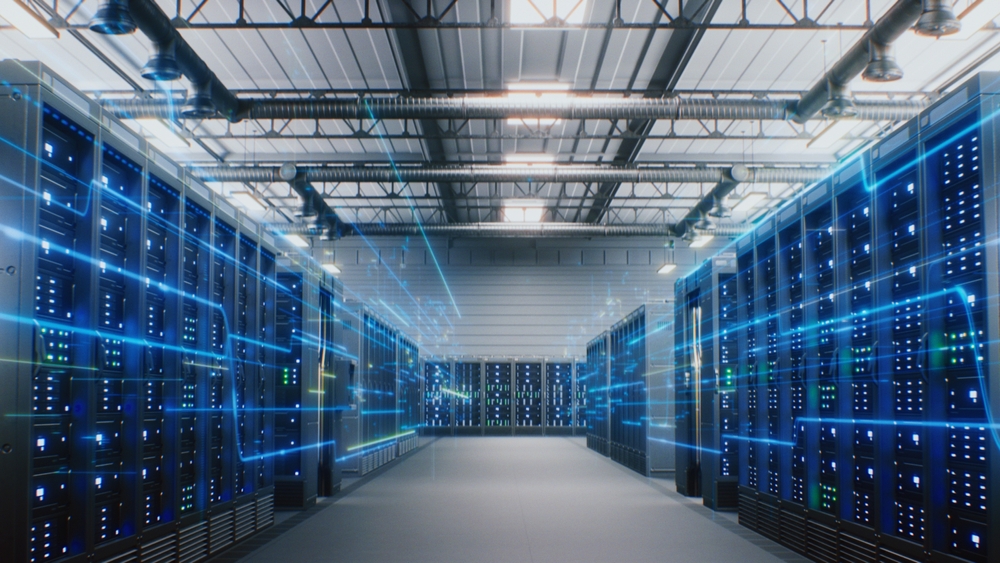
In July 2026, New York became the first U.S. state to impose a temporary statewide moratorium on permits for new hyperscale data centers using at least 50 megawatts of power. The one-year pause allows officials to develop stronger environmental standards and a framework for community benefits. The order does not permanently prohibit every data center or stop existing facilities. It shows that concerns about utility bills, natural resources and grid capacity have become powerful enough to delay major projects.
Community Meeting Local Protests
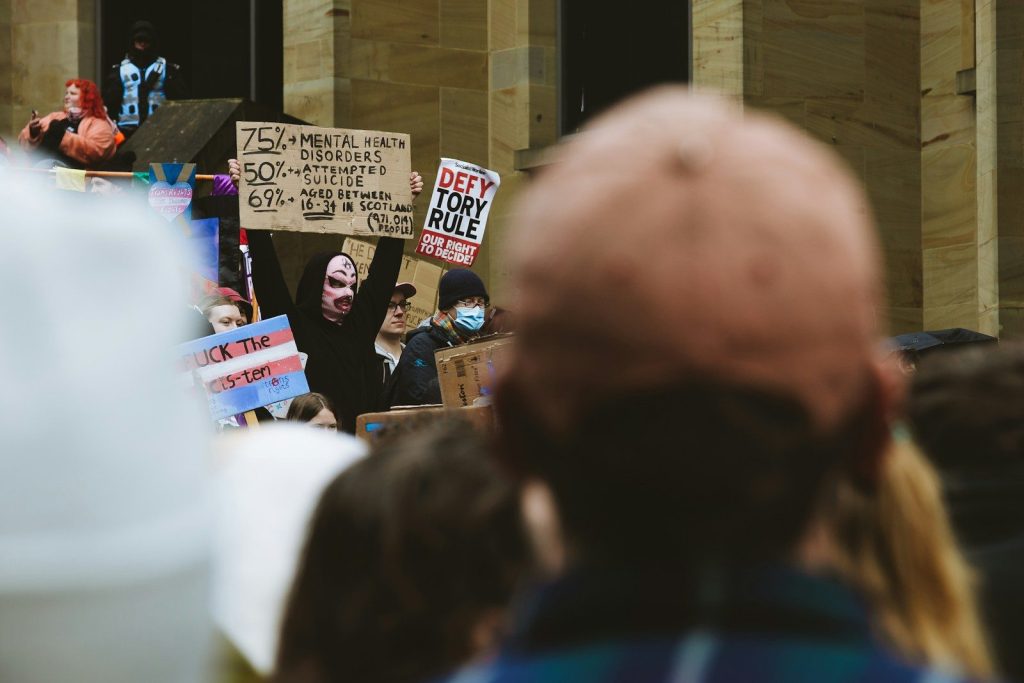
Opposition is also developing at the municipal level. Residents in Monterey Park, California, voted to prohibit data centers after a local campaign raised concerns about electricity demand, noise and community impact. Other towns have delayed projects, introduced zoning restrictions or demanded more detailed environmental reviews. These movements differ from place to place, but they share one argument: decisions about large computing facilities should not be made without considering the people who live near them.
Electrical Power Grid Substation
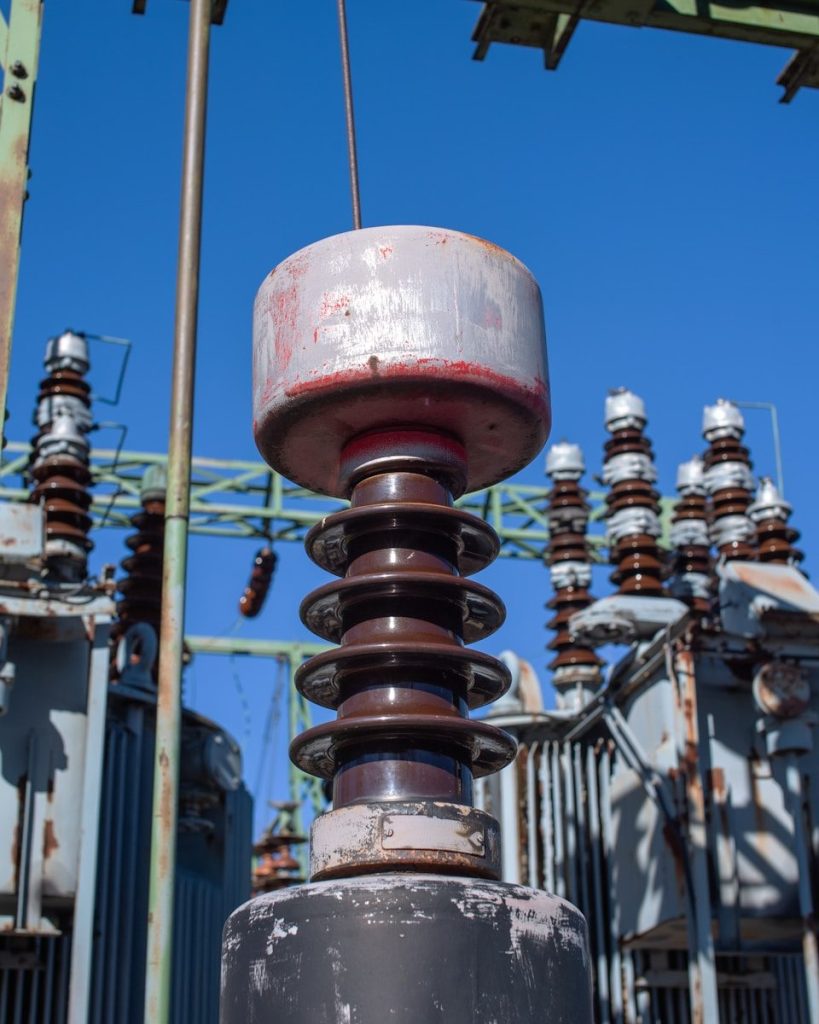
Data centers can require substantial electrical capacity, particularly when they contain thousands of high-performance AI chips. New power plants, transmission lines and substations may be needed to serve them. Residents worry that infrastructure costs could appear on household utility bills or delay clean-energy goals. Cooling can also require water, although designs vary widely. Companies are responding with promises to fund their own infrastructure, use cleaner energy and reduce water consumption, but communities increasingly want enforceable commitments rather than voluntary assurances.
Factory Industrial Automation Robot
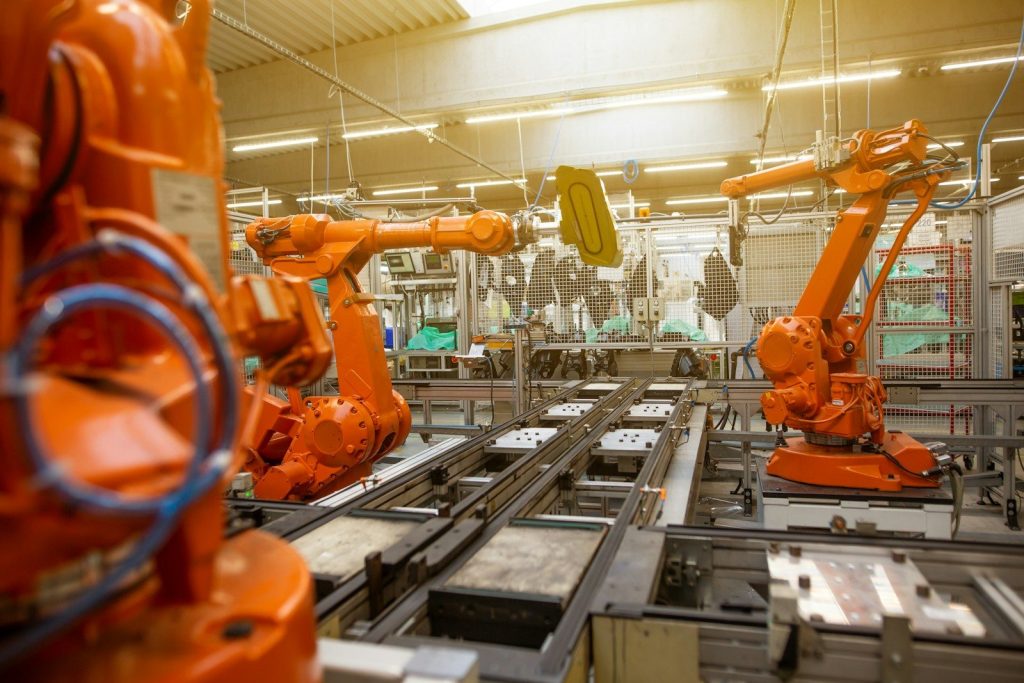
Labor resistance is another part of the backlash. Hyundai workers in South Korea objected to plans involving humanoid robots and demanded that new automation not enter production lines without union agreement. Partial strikes in 2026 also involved wages, profit sharing and job security, so robots were not the only cause. The dispute nevertheless showed how quickly experimental machines can become a workplace issue when employees believe automation may reduce staffing, weaken bargaining power or change jobs without adequate consultation.
Copyright Artist Creative Rights

Authors, artists, musicians, publishers and other creators have challenged the use of copyrighted material in AI training. Some have filed lawsuits, negotiated licensing agreements or demanded systems that allow rights holders to exclude their work. Developers argue that large datasets are necessary for building useful models and may be protected under existing legal principles. Courts and lawmakers are still resolving many of these questions. The conflict has made access to high-quality training data more expensive and legally complicated.
Future Technology Infrastructure Planning

AI investment remains enormous, and the technology continues spreading through business, research, education and consumer products. The backlash is unlikely to stop development completely. It may instead change where facilities are built, who pays for infrastructure, how workers are protected and what data companies can use. Firms that treat public resistance as ignorance may face longer delays. Those that provide transparent plans, measurable benefits and enforceable safeguards may have a better chance of maintaining public support.
Featured Image: Shutterstock
Leave a Reply