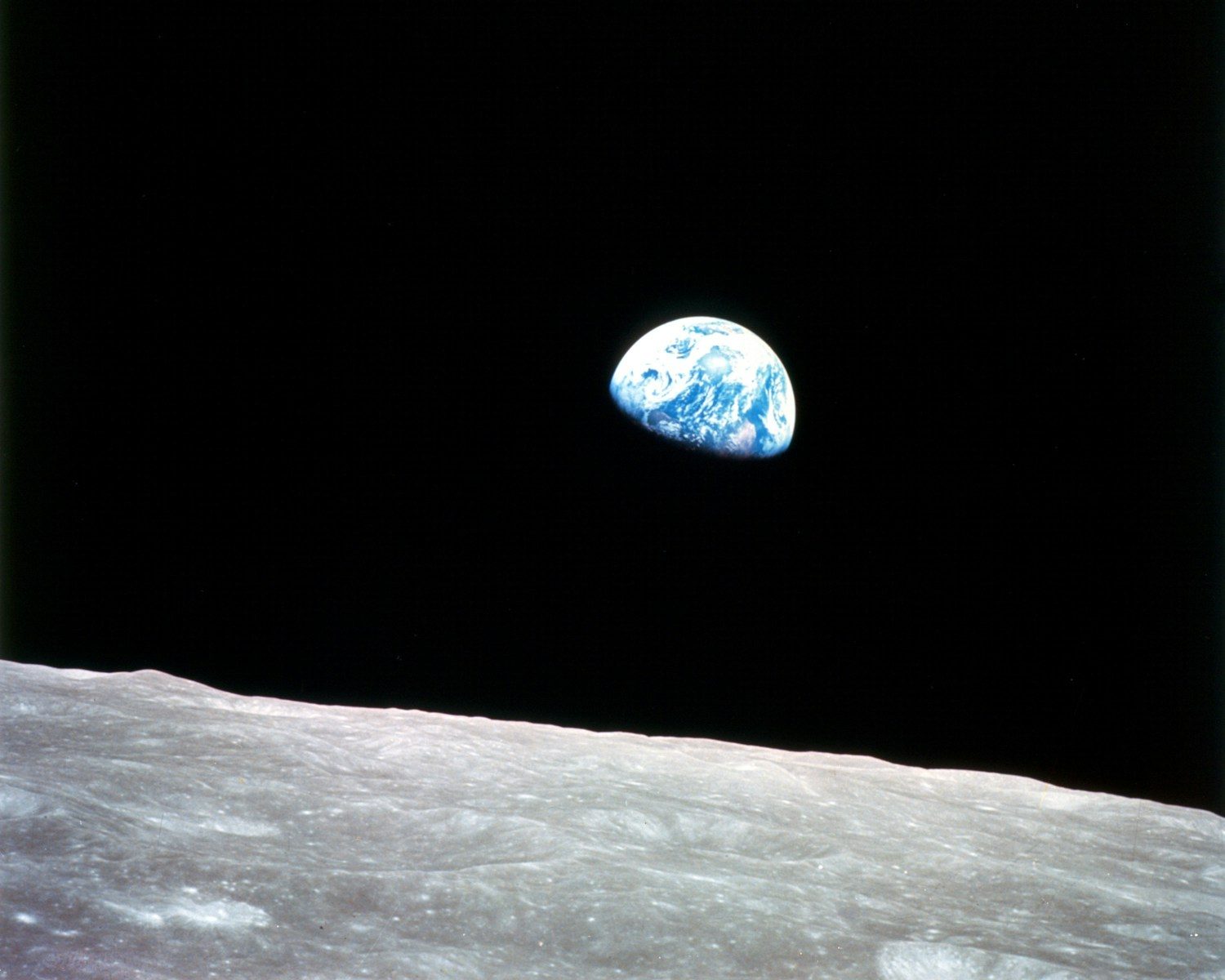
We often view our world as an endless landscape filled with continents, oceans, and soaring mountain ranges. We assume that our planet appears massive and fixed from any perspective.
But photographs taken by astronauts and space probes reveal Earth as a fragile blue oasis floating in a dark void. These iconic space images completely transformed how humanity views home.
Apollo 8 Earthrise Photograph
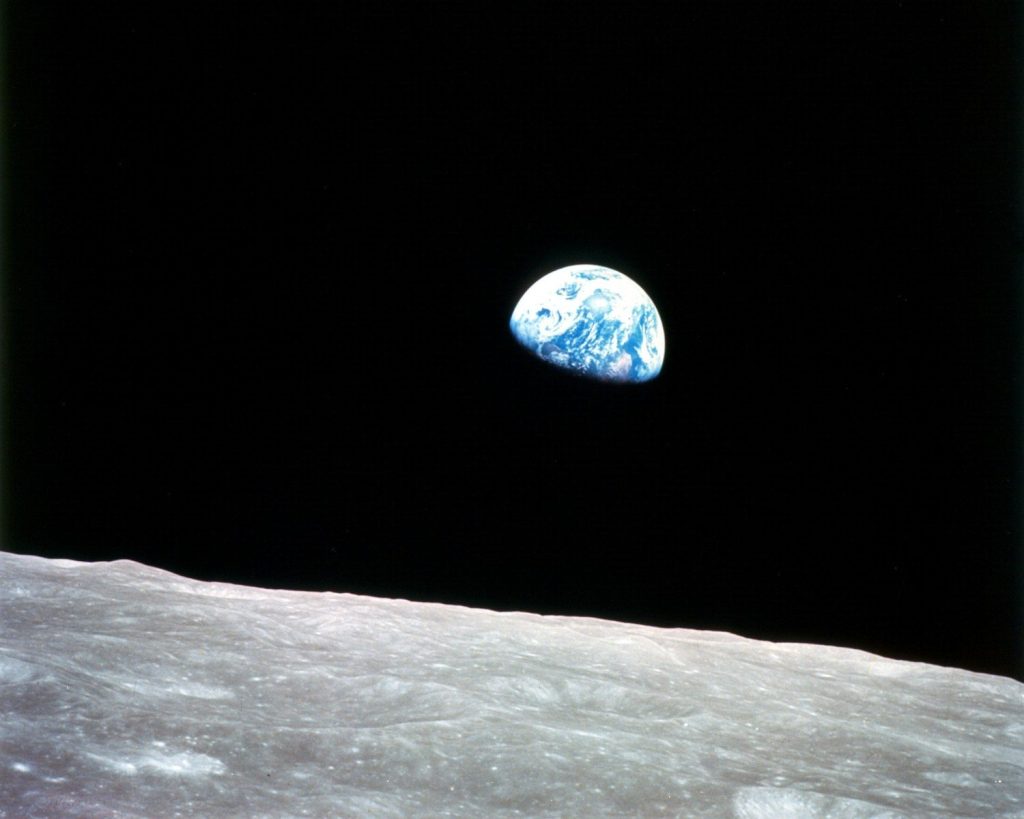
During the Apollo 8 mission in 1968, astronaut William Anders captured a stunning photo of Earth rising over the lunar horizon. According to NASA history archives, this image marked the first time human eyes witnessed our home planet from deep space. Earth looked fragile. The swirling blue marble contrasted sharply with the grey, barren surface of the Moon below. But another Apollo mission would capture a full disc view.
Apollo 17 Blue Marble Earth
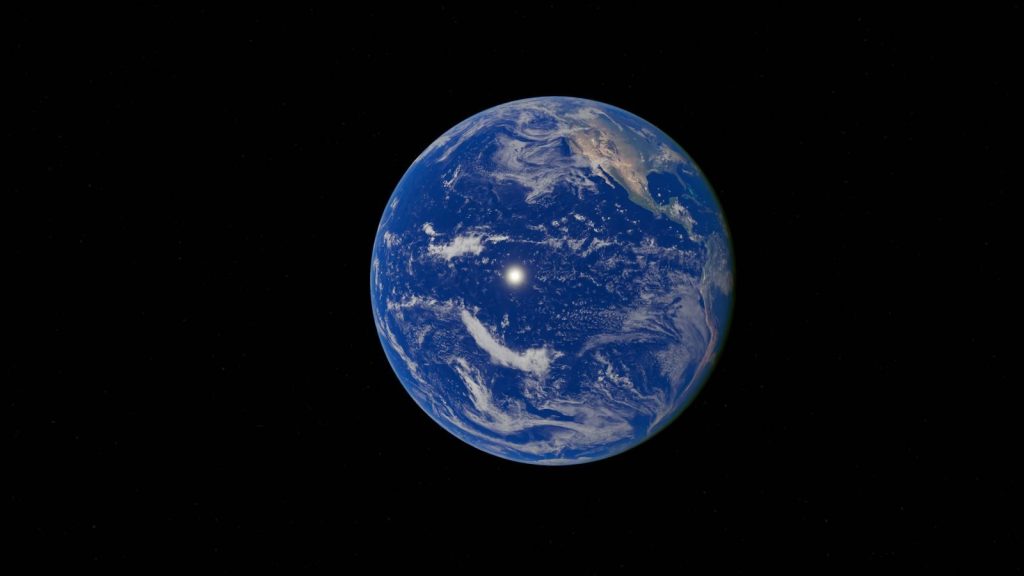
In 1972, the crew of Apollo 17 snapped an iconic photograph showing Earth illuminated entirely by the sun behind them. According to the Smithsonian National Air and Space Museum, this photograph became one of the most reproduced images in human history. Details were incredible. Weather systems, Antarctica, and the African coastline stood out vividly in clear color. Yet deep space probes captured even more distant perspectives.
Voyager 1 Pale Blue Dot
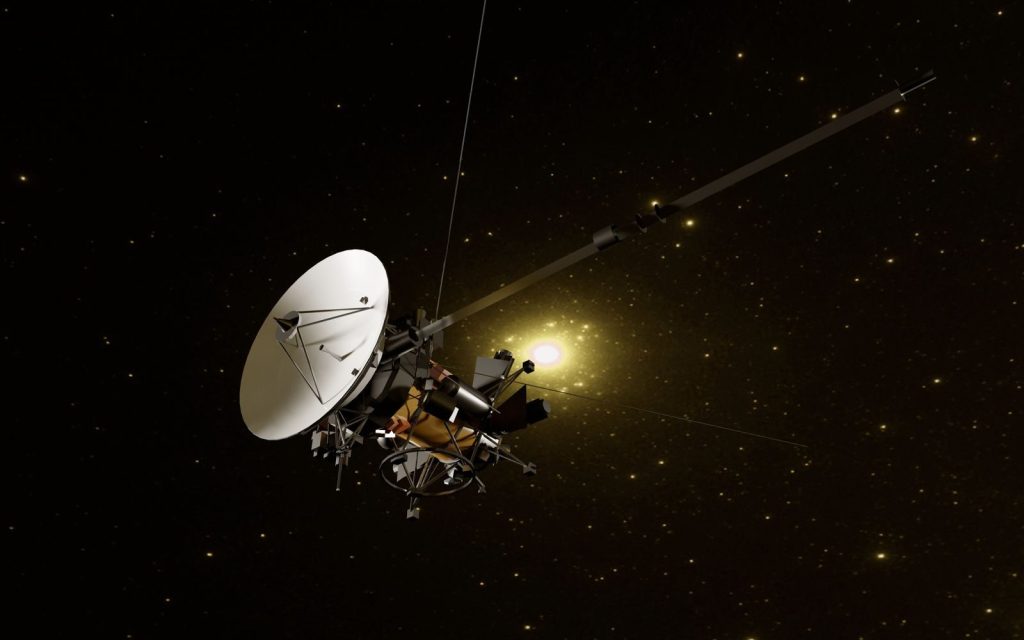
Voyager 1 turned its camera back toward Earth in 1990 at a distance of roughly 3.7 billion miles away. According to astronomer Carl Sagan, our entire planet appeared as a tiny speck of light caught in a sunbeam. Home was tiny. The photograph reminded humanity of our shared presence on a fragile world. And space telescopes continued gathering breathtaking views.
DSCOVR Satellite View Of Earth
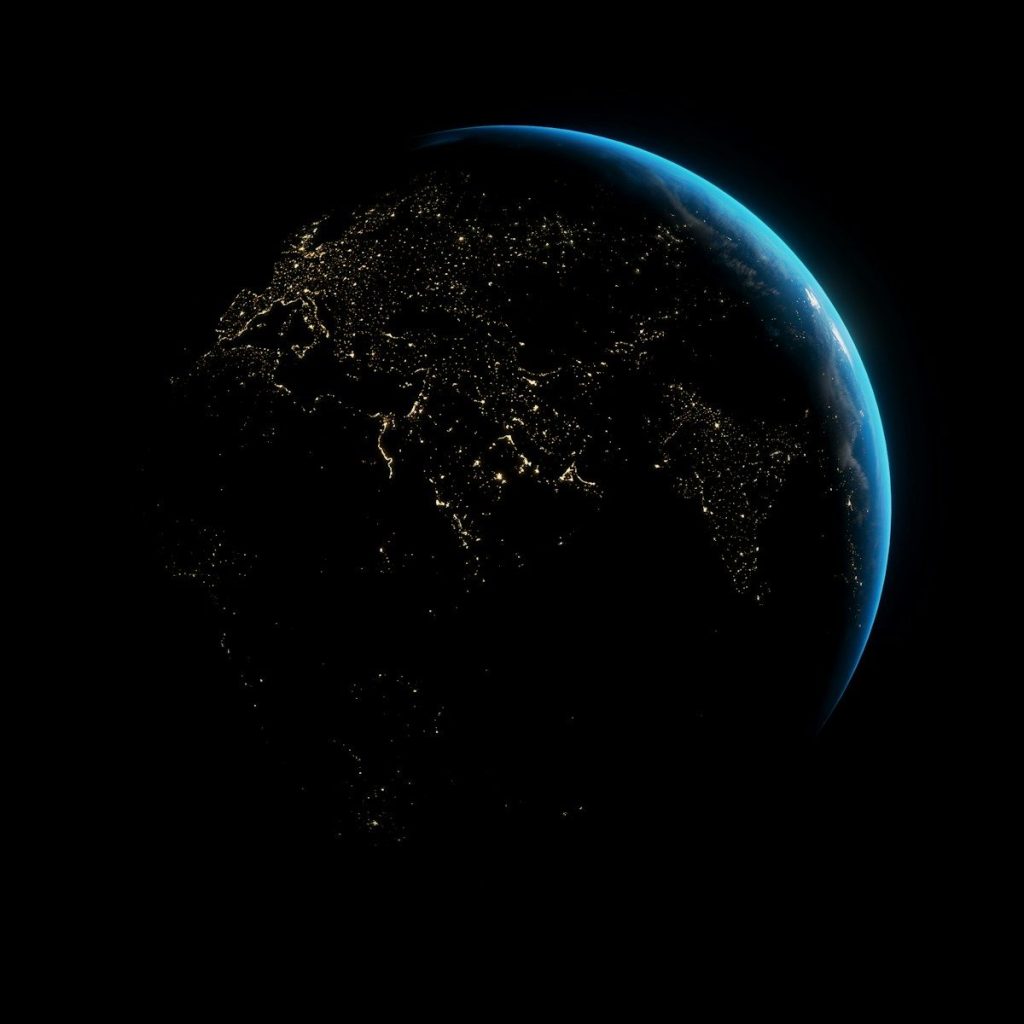
Modern climate monitoring satellites like DSCOVR take full disc images of Earth every single day from a million miles out. According to NOAA imagery teams, these continuous pictures track global cloud patterns and solar radiation in real time. Technology improves constantly. Satellites allow us to monitor environmental changes across continents simultaneously. But views from lower orbit offer unique intimacy.
Earth Night City Lights From ISS
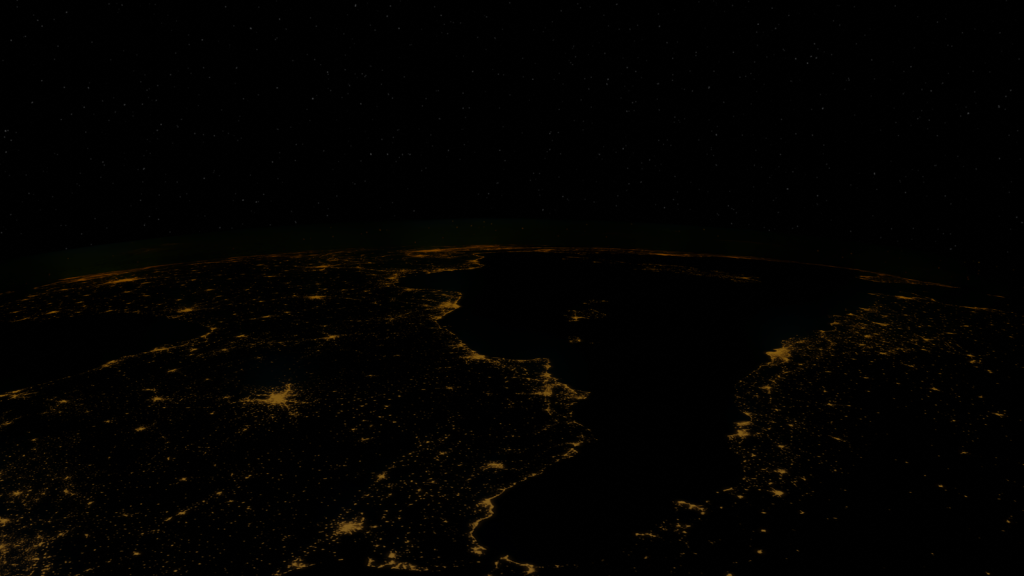
Astronauts aboard the International Space Station capture mesmerizing nighttime photographs of urban light networks spread across dark landmasses. According to European Space Agency flight logs, these images show human activity and electrical grids clearly from above. Gold networks glow. Rivers and coastlines shape where human settlements built their brightest cities. And atmospheric phenomena look equally spectacular from space.
Aurora Borealis From Space Station
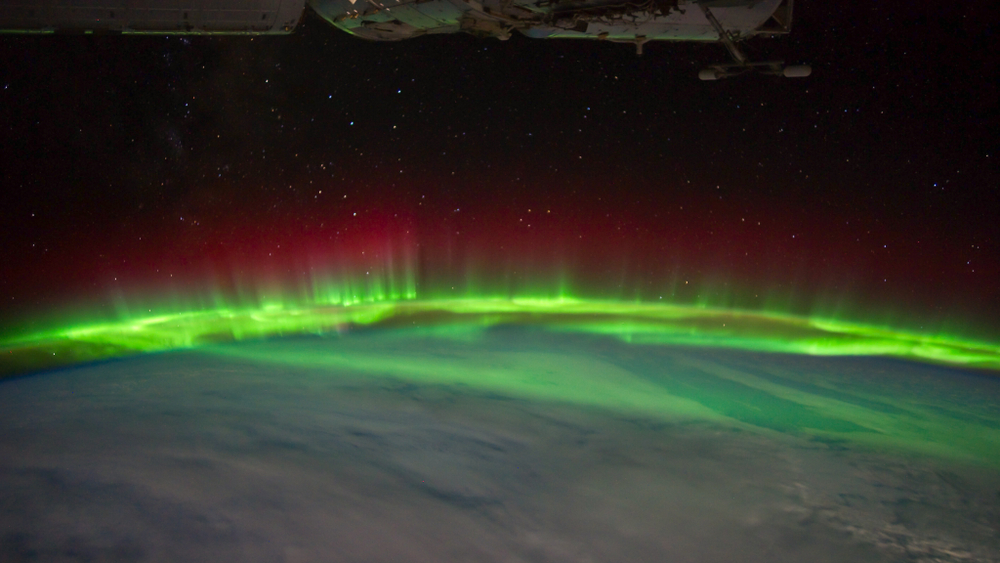
Space station cameras frequently record vivid green and violet aurora ribbons glowing across polar upper atmospheric layers. According to space weather scientists, these light displays occur when solar particles collide with atmospheric oxygen and nitrogen atoms. Colors dance brightly. Seeing these atmospheric shields from above offers a rare perspective on planetary defense mechanisms. But images also capture natural disasters clearly.
Satellite Hurricane Space View
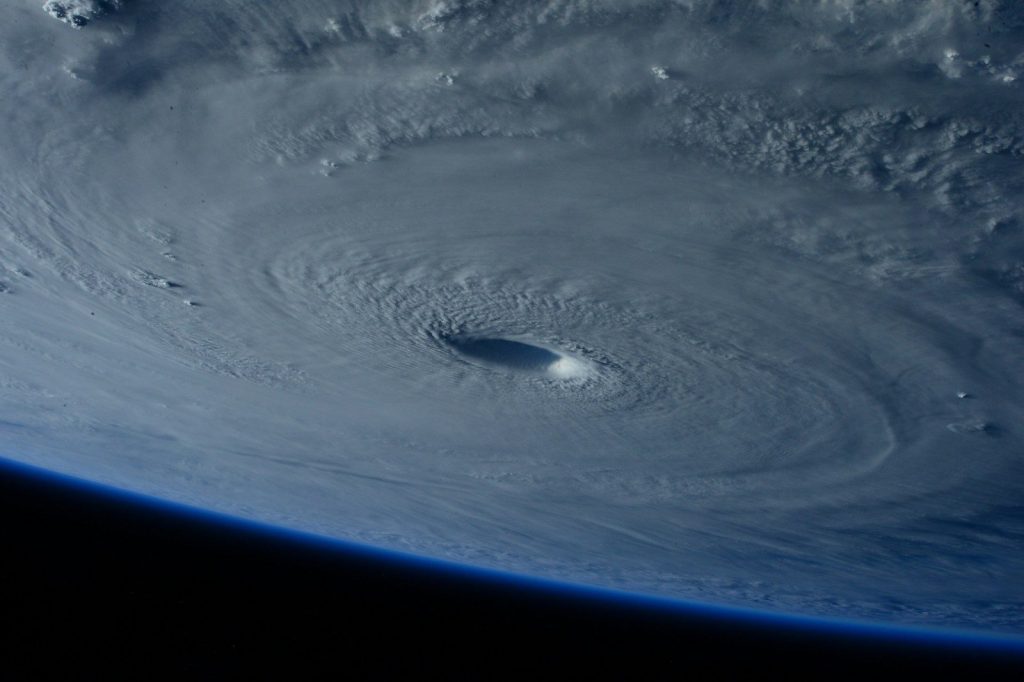
Orbital photography tracks the eyewalls of massive hurricanes, volcanic ash plumes, and seasonal wildfire smoke trails. According to planetary scientists, space imagery provides essential data for disaster response teams on the ground. Science saves lives. Observing storm dynamics from space improves evacuation warnings for vulnerable coastal communities. And space exploration continues expanding our vision.
Earth Atmosphere Outer Space View
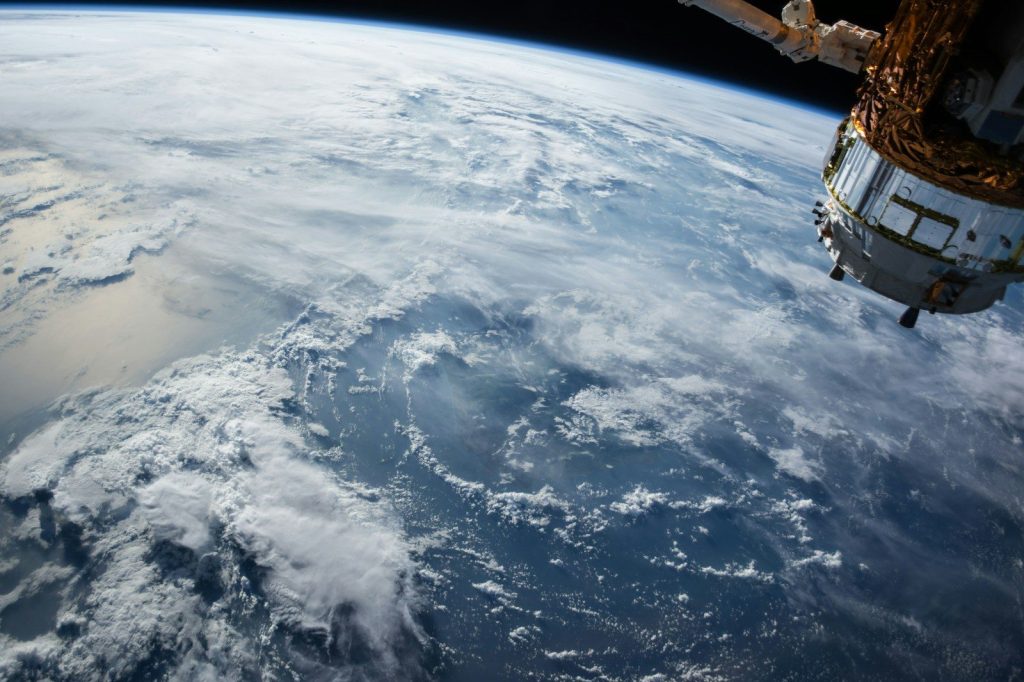
Looking down at Earth from space reminds humanity that our atmosphere is a thin, protective blanket keeping us alive. According to planetary scientists, space photography inspires global environmental stewardship across every culture. Our planet is precious. These unforgettable images encourage us to preserve our living oasis for future generations. This article is for informational purposes only.
Leave a Reply