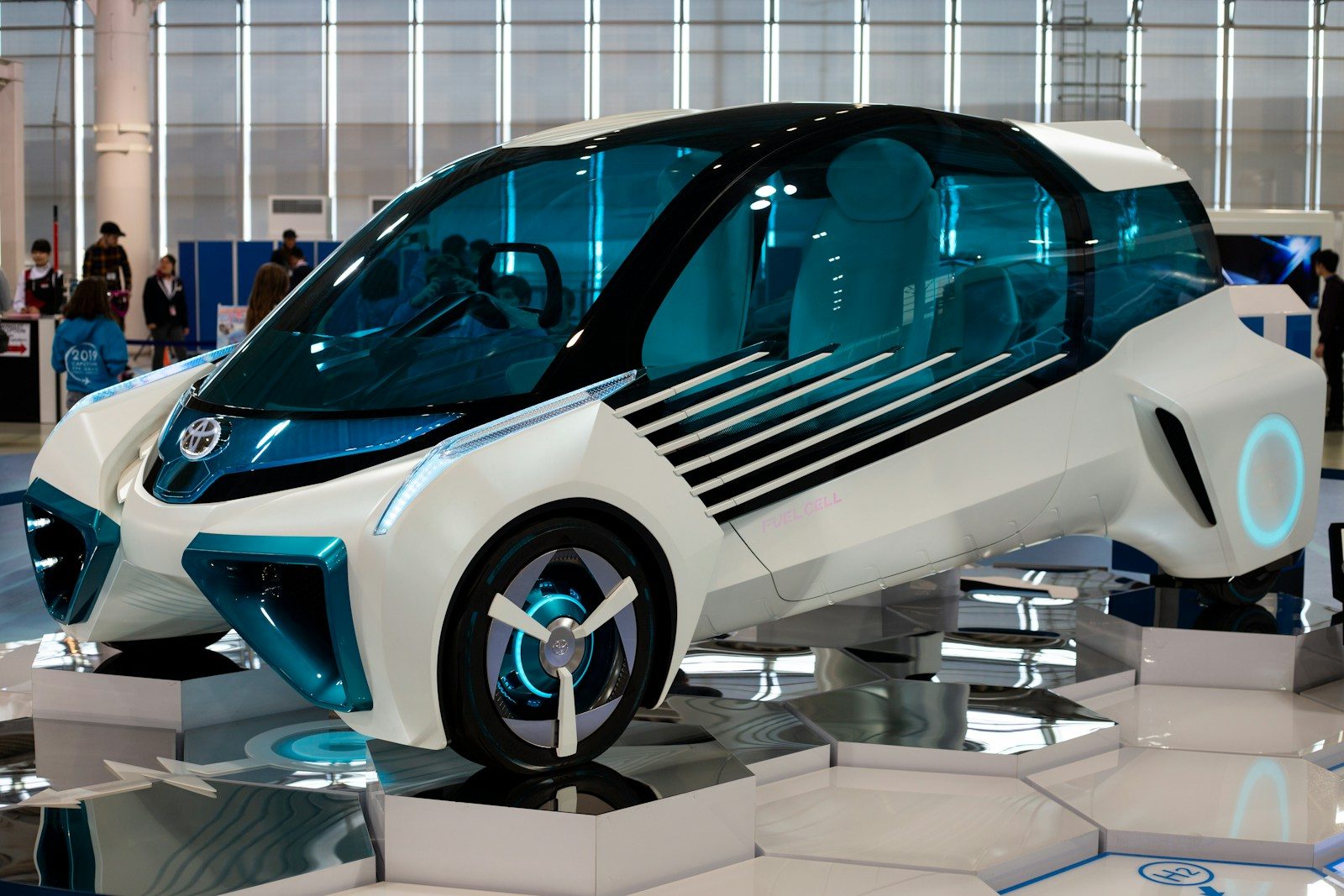
Most drivers expect future electric vehicles to be simple upgrades of today’s battery-powered cars. We imagine slightly longer driving ranges and faster charging times at standard highway stations.
But automotive analysts predict that transportation technology will undergo a complete transformation by the year 2050. The shift will replace human drivers and rethink entire energy grids.
EV Solid State Battery Cell

Battery technology will transition away from traditional lithium-ion cells toward advanced solid-state designs. According to energy analysts at BloombergNEF, solid-state batteries offer double the energy density while charging in minutes. Charging becomes nearly instant. These power units reduce fire risks and operate efficiently in extreme weather conditions. But battery chemistry is only one part of the shift.
Self Driving Autonomous Electric Car
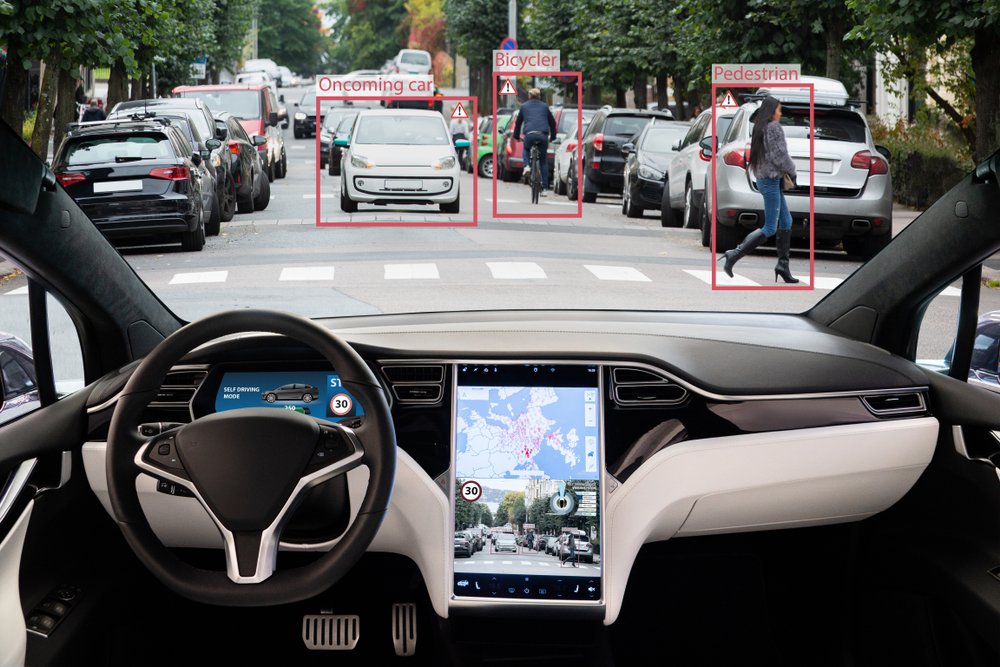
By 2050, individual car ownership could give way to massive autonomous vehicle networks operating continuously. According to transportation researchers, artificial intelligence will control vehicle routing and traffic coordination seamlessly. Drivers become passive passengers. Removing human error will dramatically reduce traffic accidents across major urban centers. Yet urban infrastructure must adapt to support autonomous networks.
Wireless Charging Highway Road
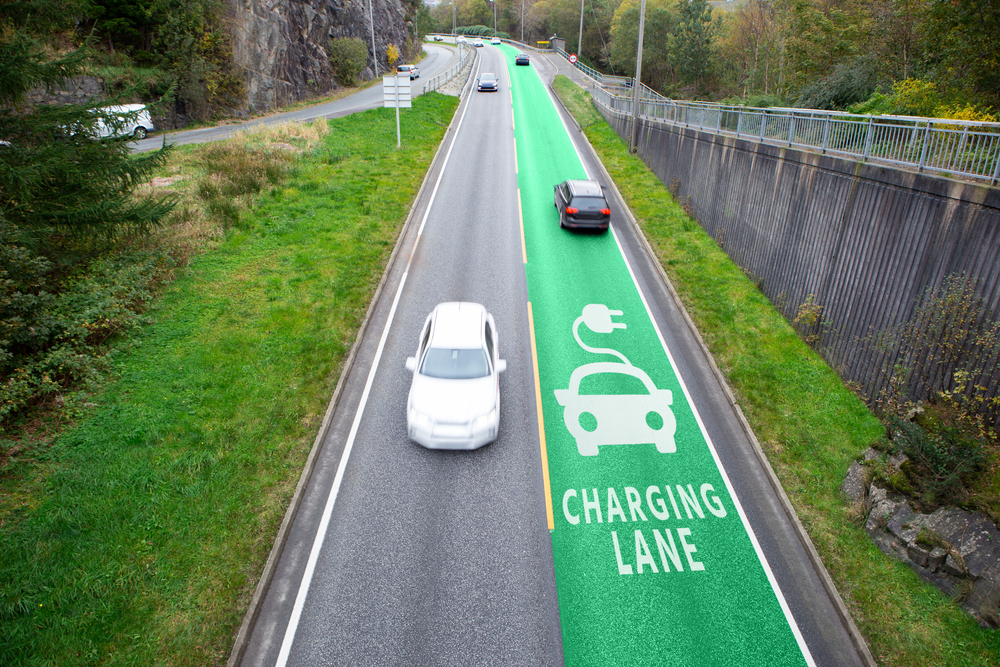
Roadways will incorporate dynamic inductive charging pads that power electric vehicles while they are driving. According to smart city engineering studies, wireless charging roads eliminate the need to plug vehicles in manually. Power flows through roads. Vehicles can travel indefinitely without stopping at traditional charging stations. But managing this energy demand requires a smarter electrical grid.
Electric Car Smart Power Grid
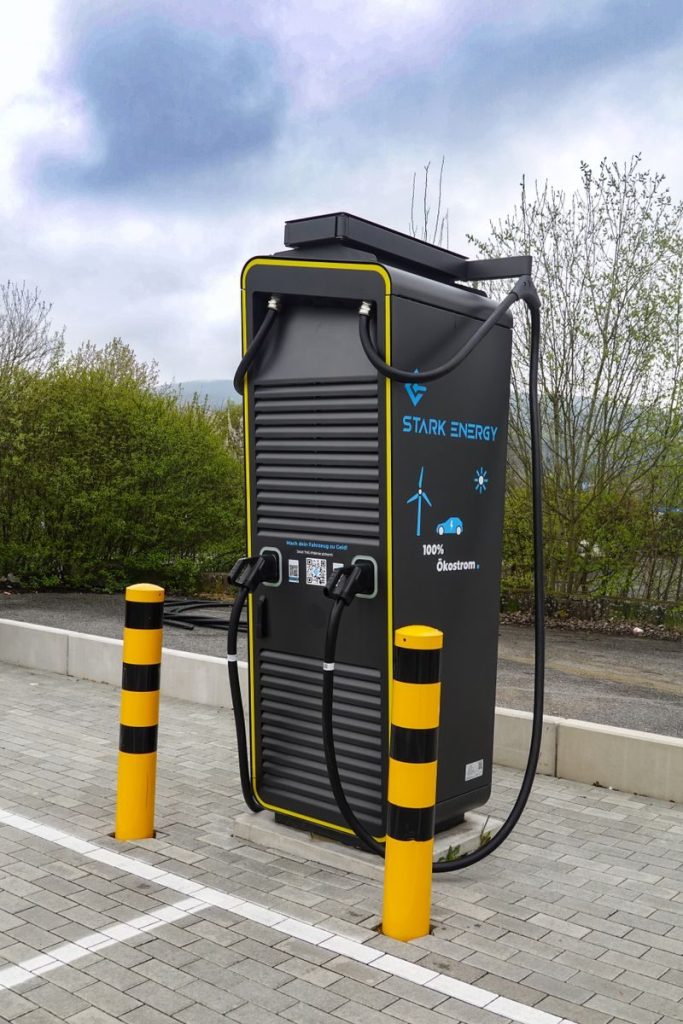
Future electric vehicle fleets will function as a giant decentralized battery storage system for municipal grids. According to International Energy Agency reports, bidirectional charging lets parked cars send power back during peak hours. Storage becomes shared energy. This capability balances renewable solar and wind power generation automatically. Yet manufacturing millions of advanced vehicles demands new materials.
EV Battery Recycling Factory

Automakers are developing completely recyclable vehicle components to create a zero-waste manufacturing loop. According to sustainable industrial engineers, old battery metals will be recycled into new batteries with zero loss. Recycling saves essential resources. This circular production model prevents toxic mining waste and secures raw material supplies. But artificial intelligence will also change vehicle manufacturing itself.
Humanoid Robots Automotive Factory
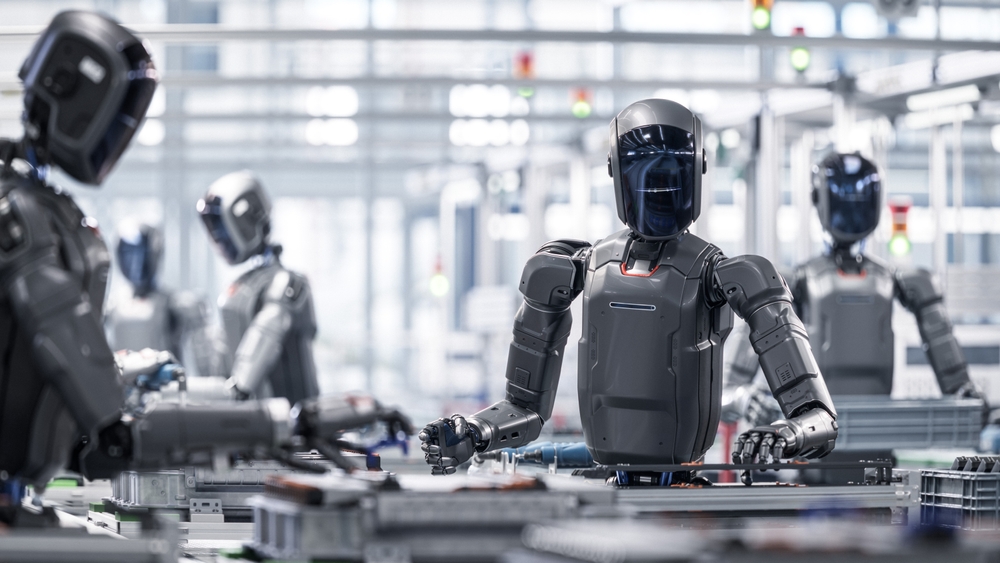
Advanced humanoid robots will work alongside automated assembly lines to build cars without human intervention. According to industrial robotics forecasts, AI-driven workers will handle dangerous and repetitive manufacturing tasks safely. Efficiency reaches peak levels. Factory output will increase while production costs drop significantly. Yet the broadest impact will be felt across human society.
Futuristic Eco City Green Transportation

The rise of autonomous electric transportation will clean city air and reclaim parking spaces for green parks. According to urban planning studies, future transportation will make cities quieter and far more sustainable for everyone. Cities will breathe again. Technology will reshape how humanity moves across the globe. This article is for informational purposes only.
Featured Image: Photo by Darren Halstead on Unsplash
Leave a Reply