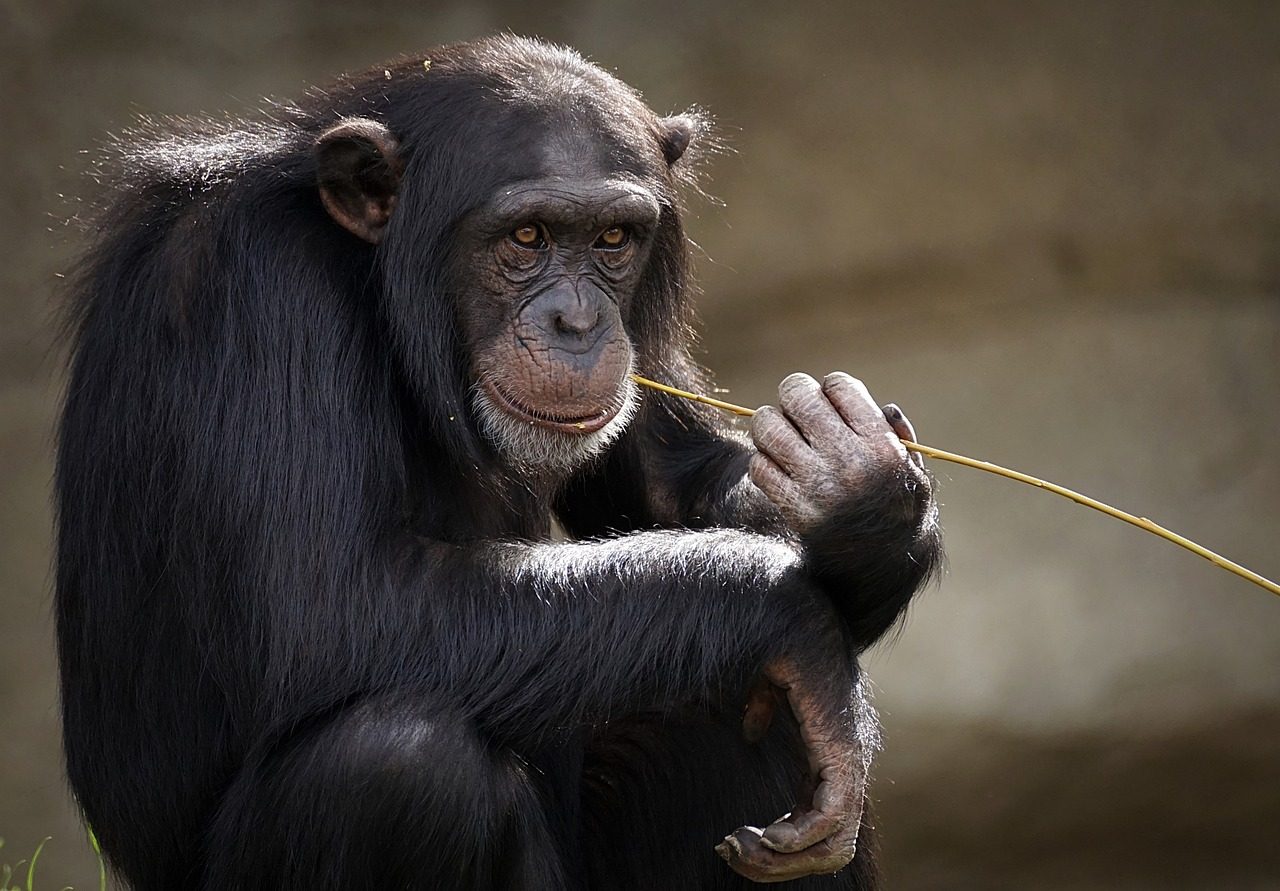
The supplied headline does not identify the video, location, date, or animals involved. It is therefore not possible to confirm that authentic footage shows a chimpanzee causing lions to retreat.
Scientific field observations present a more complicated relationship. Chimpanzees can behave aggressively and cooperate in groups, but lions are also documented predators of wild chimpanzees. Neither species automatically dominates every encounter, and behavior depends on group size, terrain, surprise, and opportunities to escape.
Chimpanzee Threat Displays Include Charges, Calls, and Branch Shaking
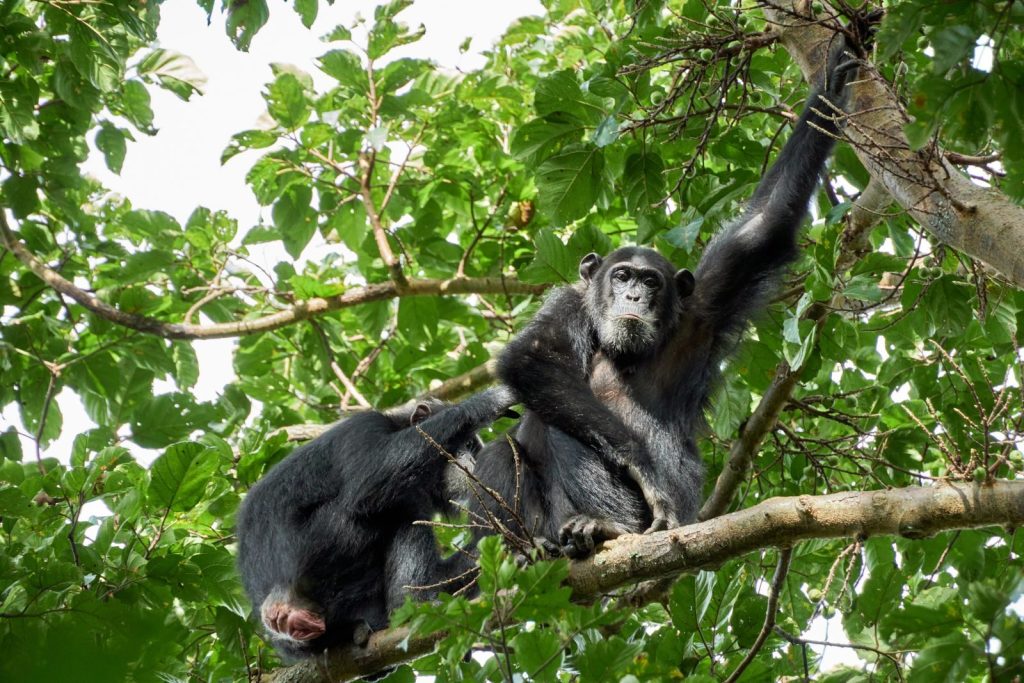
Chimpanzee aggression is often described in human emotional language, but researchers examine specific actions and contexts. Displays may include charging, vocalizing, branch shaking, chasing, striking or joining a coalition. Such behavior can involve social rank, territorial defense, competition, fear or hunting. Calling every intense display a sudden “snap” can hide the decision-making, communication and social relationships that influence what the animals actually do.
Chimpanzees Hunt and Defend Territory in Cooperative Groups
Long-term research at Gombe documented chimpanzees hunting colobus monkeys and sharing meat. The same research revealed close social bonds, cooperation, and conflict between individuals and communities. Chimpanzees may form coalitions that give them a numerical advantage, particularly during territorial encounters. Their strength is therefore not simply the power of one enraged animal; it often comes from coordinated behavior within a social group.
Chimpanzees May Climb Trees or Give Alarm Calls When Lions Appear
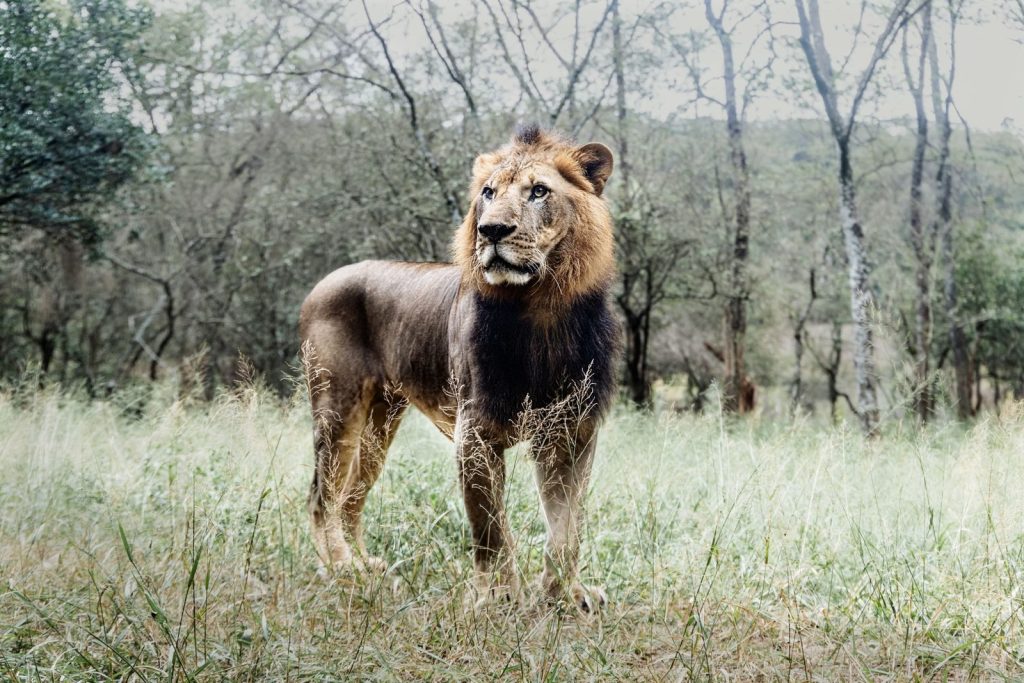
A 1993 study from Tanzania’s Mahale Mountains reported chimpanzee hairs, bones and a tooth in four samples of lion feces collected in 1989. The evidence represented the first documented confirmation of lion predation on wild chimpanzees. It does not show that lions frequently hunt them across Africa, but it directly contradicts the broad suggestion that lions always retreat when confronted by a chimpanzee.
Chimpanzee Attacks Often Depend on Coalition Size
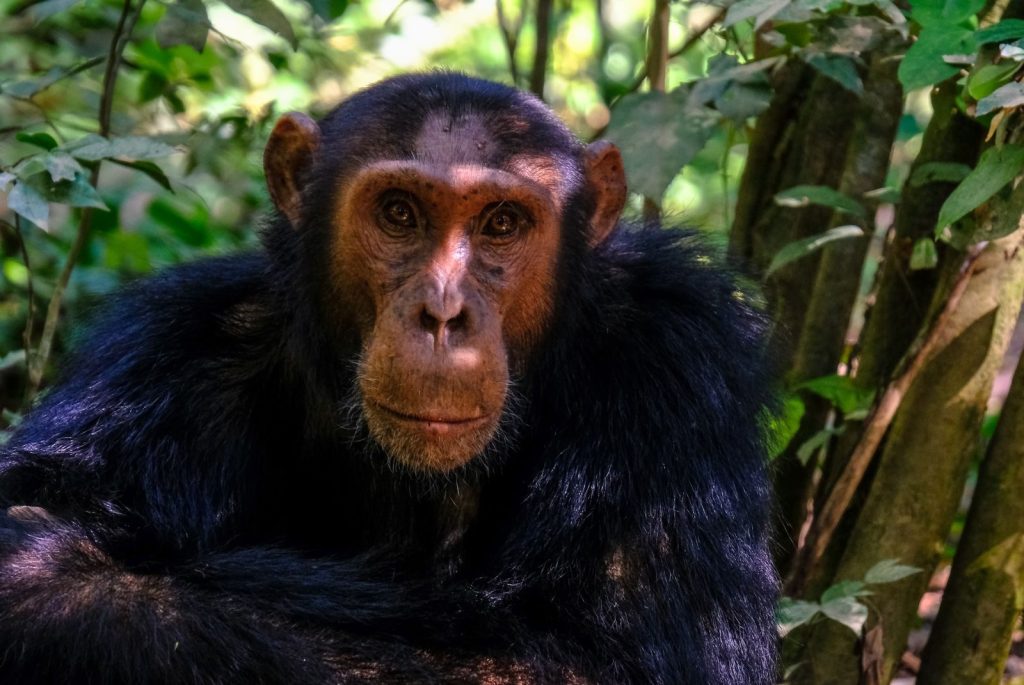
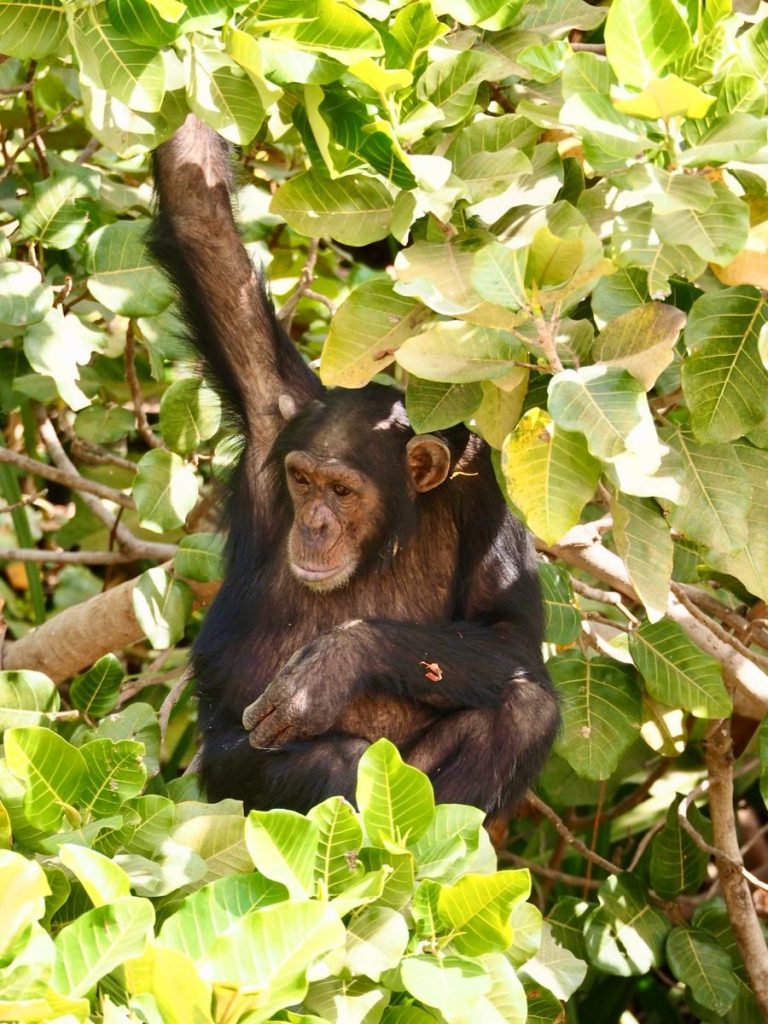
Field researchers documented chimpanzees reacting to lions with alarm calls, whimpers, climbing into trees, and remaining silent. These responses indicate caution and avoidance rather than a single automatic counterattack. Trees can provide a refuge, while silence may prevent a predator from locating the group. Loud calls may warn other chimpanzees or communicate the danger. The response selected in any encounter can change with distance, visibility, and the number of animals present.
Chimpanzee aggression is often coalitionary
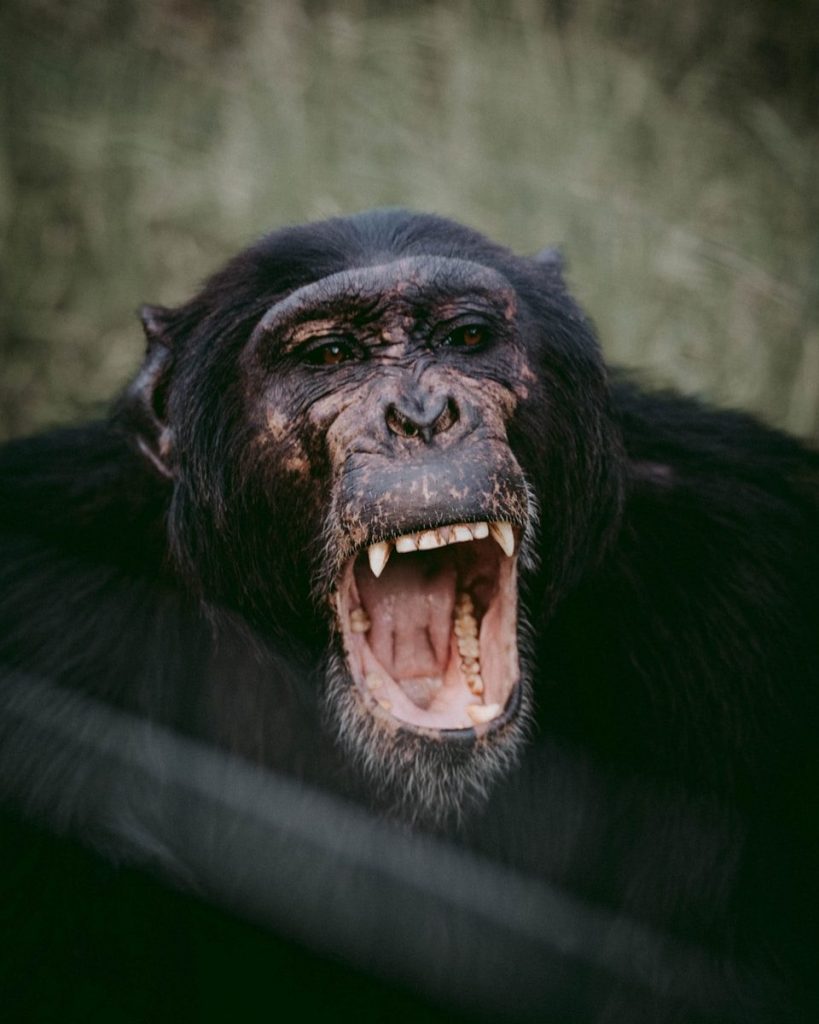
Studies of wild chimpanzees show that serious aggression frequently occurs between neighboring communities. Adult males may patrol territorial boundaries and attack isolated individuals when they possess a strong numerical advantage. This pattern demonstrates strategic group behavior rather than uncontrolled violence toward every nearby animal. Chimpanzees can be dangerous, but their willingness to attack is influenced by the likely costs, the number of allies available, and the vulnerability of the opponent.
Encounters with gorillas show why numbers matter
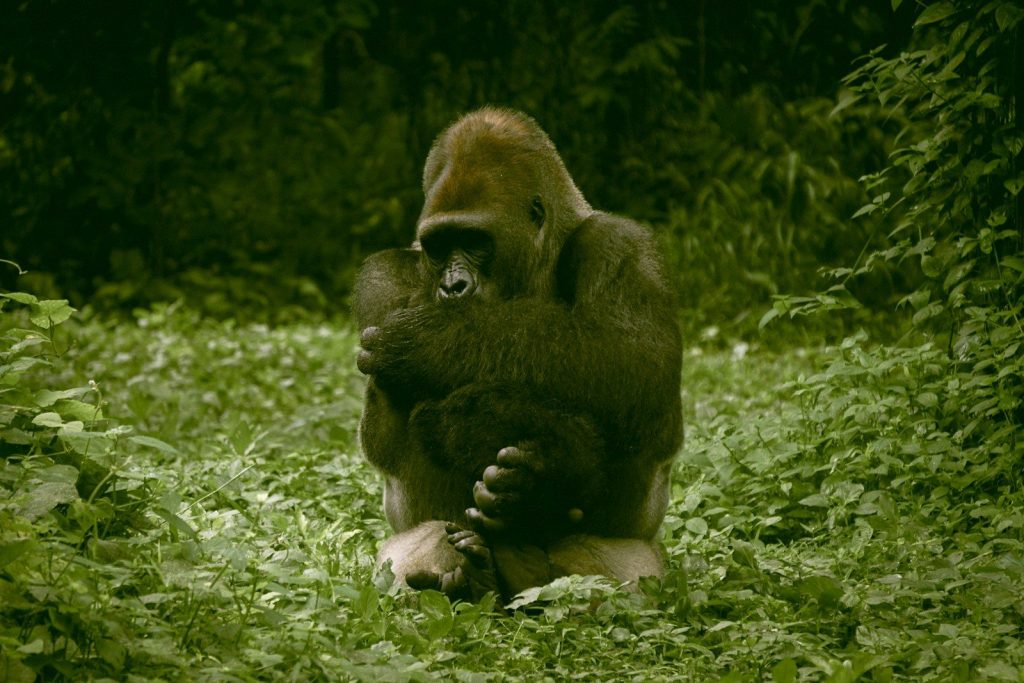
Researchers documented two lethal coalitionary attacks by chimpanzees on western lowland gorillas in Gabon. In both events, the chimpanzees significantly outnumbered the gorillas, and the victims were infants. These exceptional observations show that chimpanzees can attack another powerful ape species, but they do not prove that an individual chimpanzee can routinely overpower large predators. The balance of numbers and the vulnerability of the target were central to the recorded events.
Real wildlife behavior is more complex than a viral caption
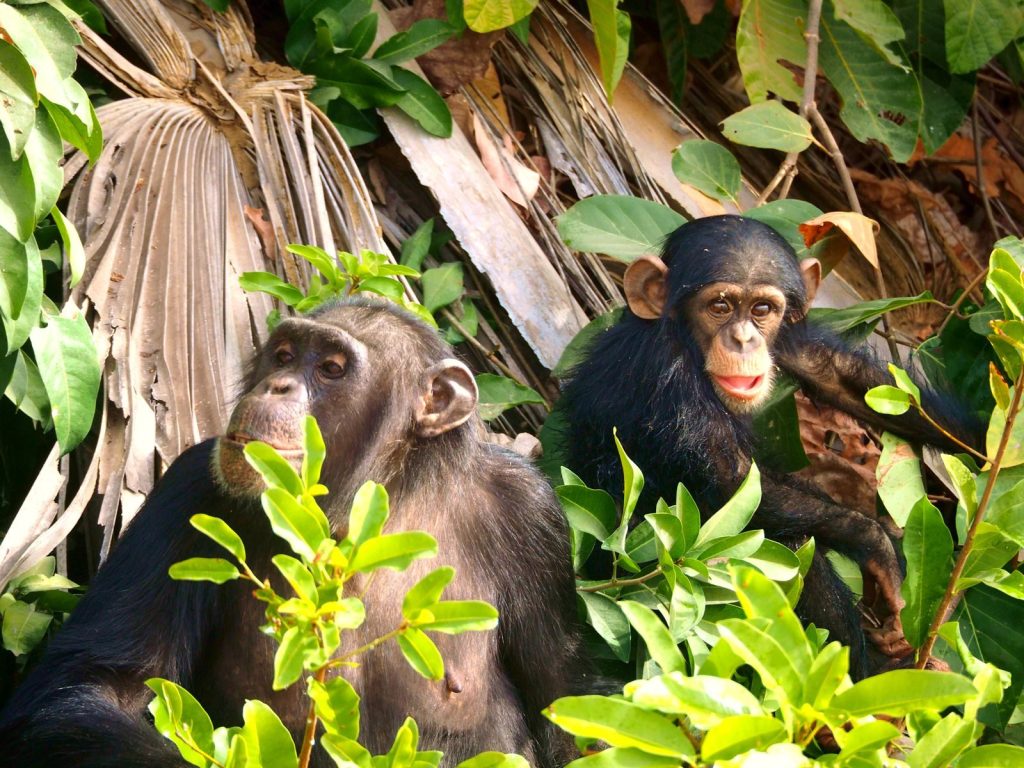
Chimpanzees possess strength, intelligence and sophisticated cooperation, while lions are large social carnivores capable of killing them. A lion may withdraw when an encounter appears costly, just as chimpanzees may climb, hide or flee when threatened. Without authenticated footage, no specific confrontation should be presented as fact. The defensible conclusion is that both animals evaluate risk, and the outcome of a rare encounter cannot be predicted from species reputation alone.
Leave a Reply