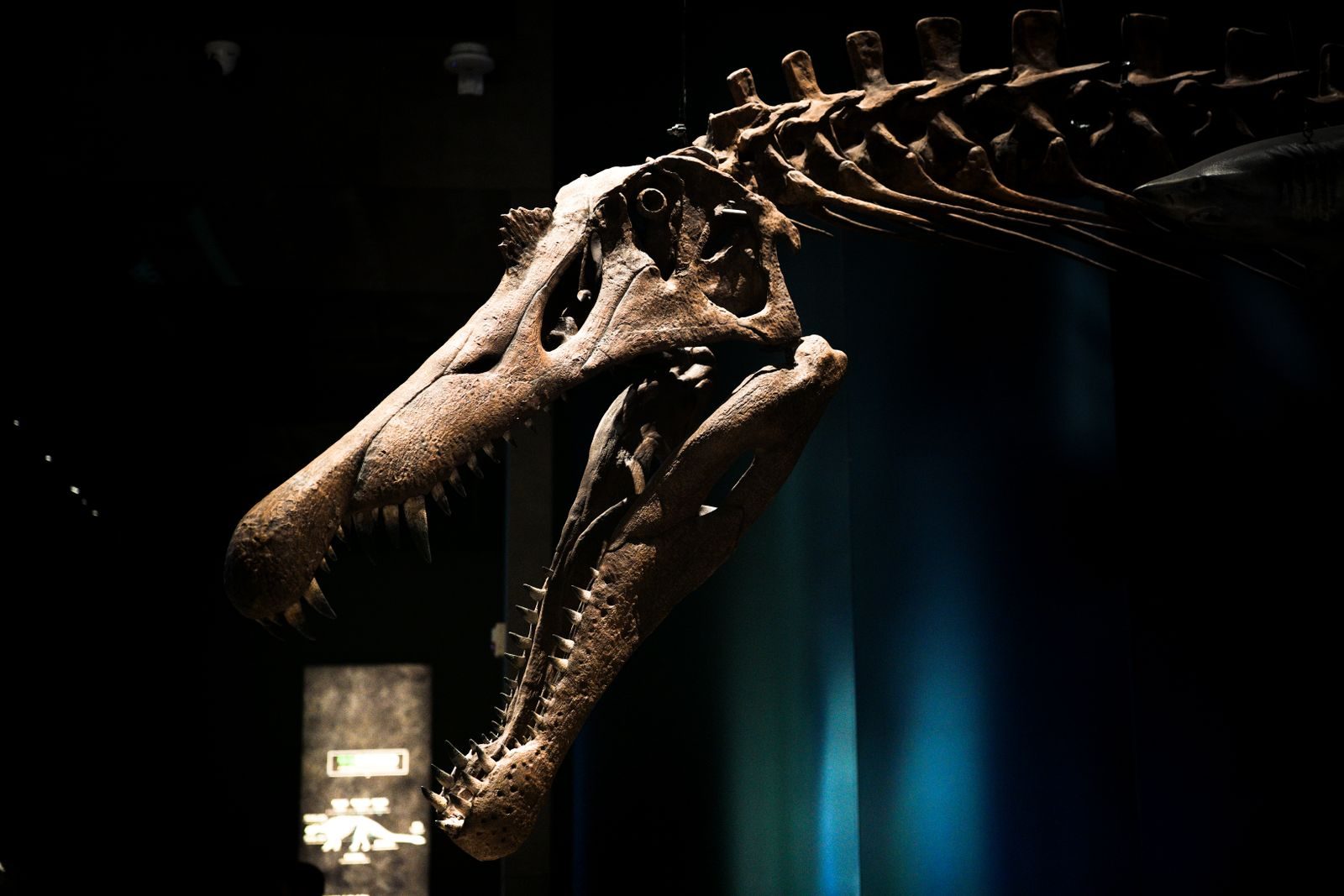
The new findings did not come from one newly unearthed T. rex. Researchers examined microscopic growth records in the leg bones of 17 tyrannosaur specimens ranging from juveniles to large adults. The team described it as the largest dataset assembled for reconstructing the growth of the Tyrannosaurus rex species group.
Dinosaur Bones Preserved Annual Records
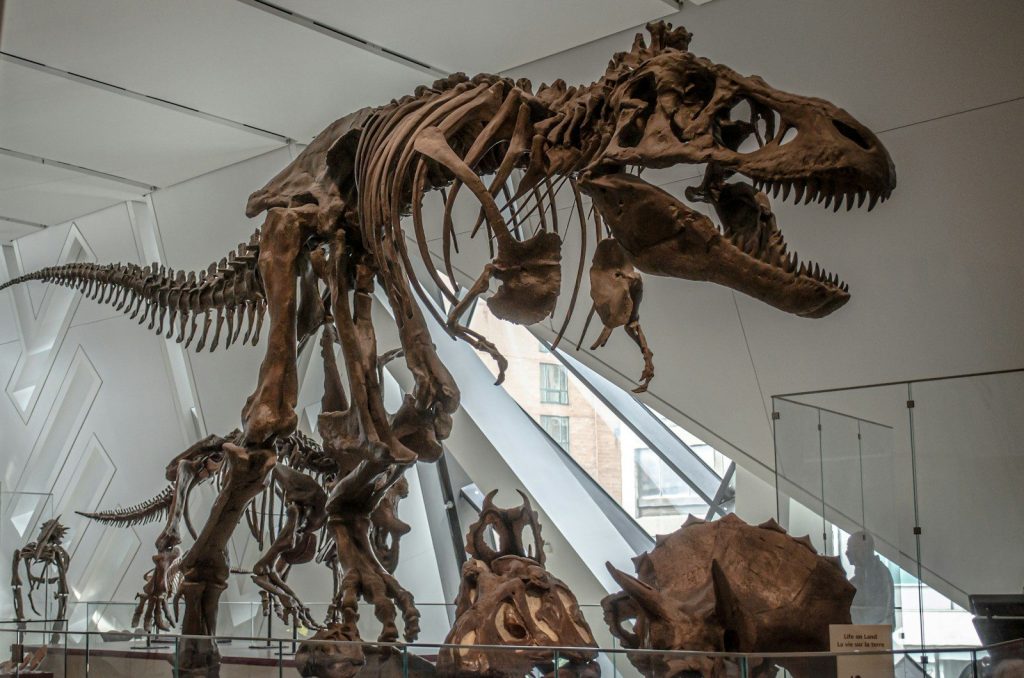
Like tree trunks, dinosaur bones can contain growth marks produced during periods when development slowed. Scientists analyze thin cross-sections of fossilized bone to estimate an animal’s age and growth rate. However, a T. rex leg bone may preserve only the final 10 to 20 years clearly because earlier tissue was remodeled as the bone expanded.
Polarized Light Revealed Overlooked Rings
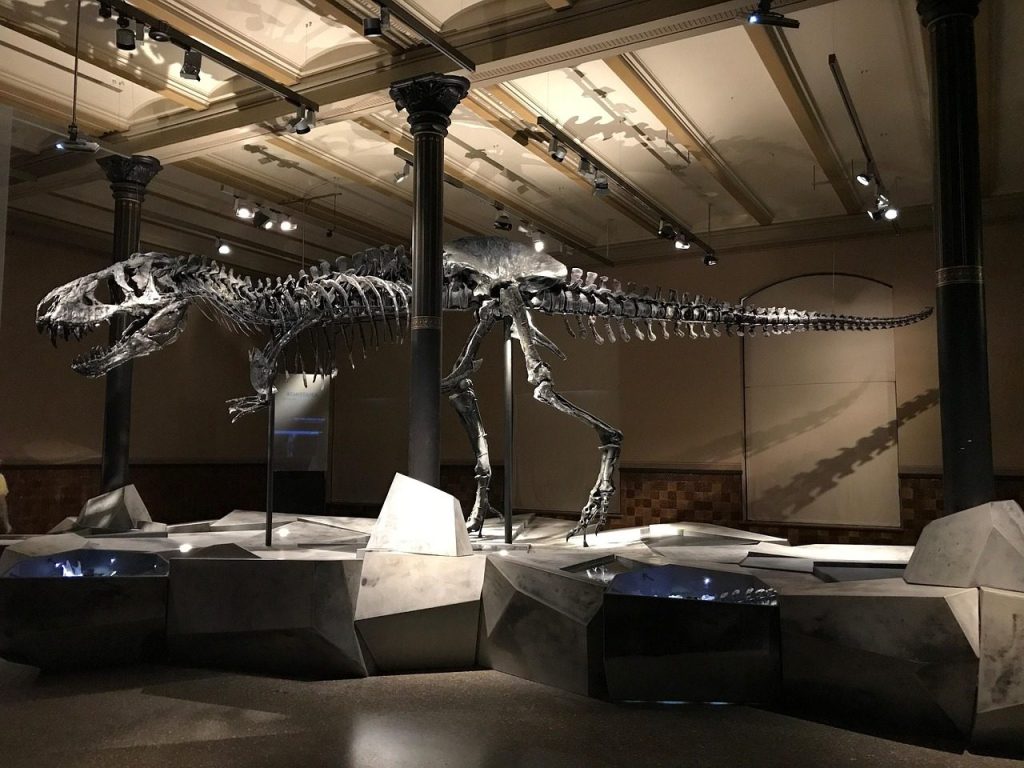
The researchers used polarized light to identify subtle growth marks that had been difficult or impossible to see using ordinary illumination. These previously overlooked bands changed the estimated ages of several specimens. The results suggest that earlier studies may have underestimated the time required for T. rex to approach its maximum adult size.
Full Size May Have Taken About 40 Years
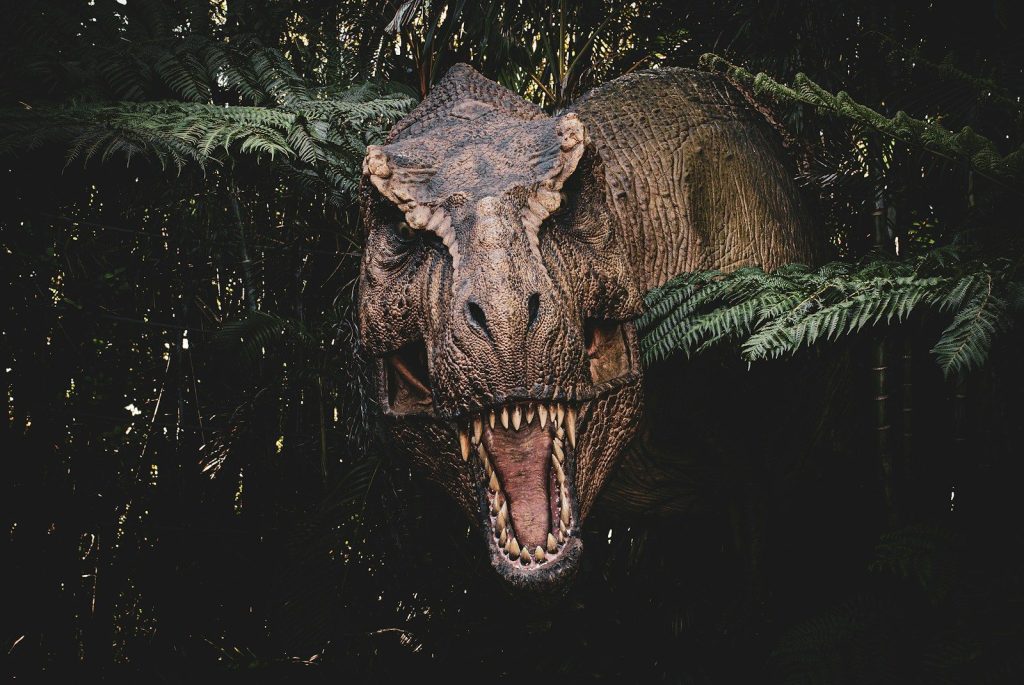
Previous growth models often suggested that T. rex reached its maximum dimensions by around age 25. The new composite curve indicates a slower process, with maximum size approached closer to 35 or 40 years. Instead of racing through adolescence, many individuals may have remained juveniles or subadults for a substantial portion of their lives.
Growth Changed From Year to Year

The spacing between bone rings showed that individual tyrannosaurs did not grow at a perfectly consistent rate. Some years produced little growth, while favorable periods produced larger increases. Researchers suggested that food availability and environmental conditions could have influenced how much energy an animal devoted to increasing its body size.
Adults Could Still Reach Around Eight Tons
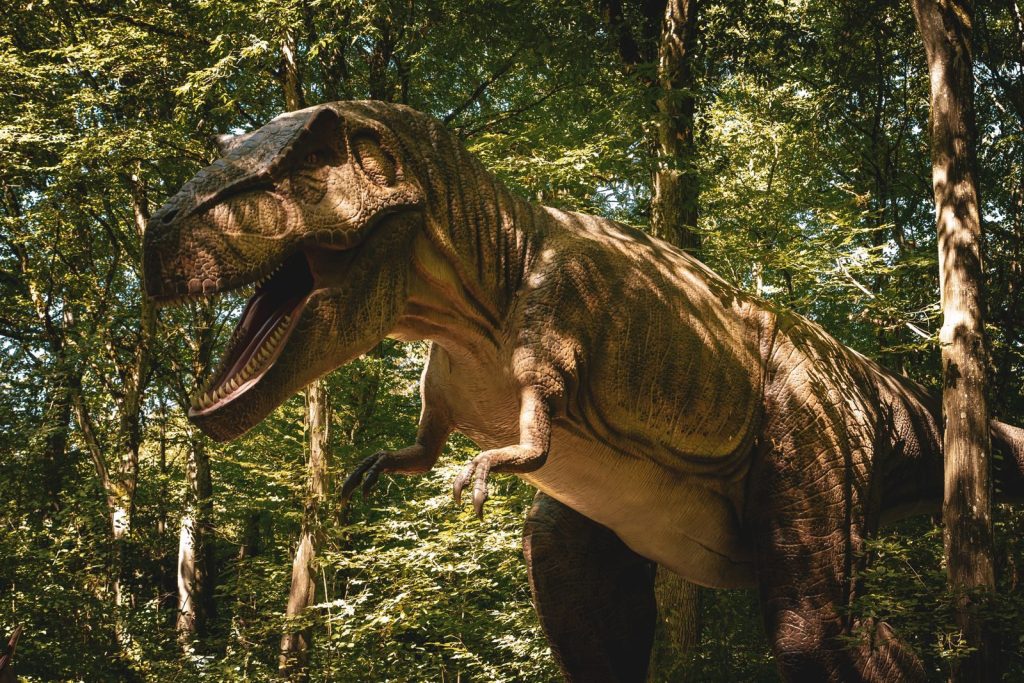
The slower growth model does not make T. rex smaller. Mature individuals could still reach more than 12 meters in length and roughly eight metric tons. The change concerns how long the animals took to reach those dimensions, not whether enormous adults existed. A long growth period would also mean that ecosystems contained tyrannosaurs of many sizes occupying potentially different ecological roles.
Their Lifespan May Have Reached 45 to 50 Years

Earlier research often placed the T. rex lifespan near 30 years. One study co-author said the revised growth curve suggests that some individuals may instead have lived approximately 45 to 50 years. This remains an inference rather than a precisely measured maximum because scientists cannot observe living tyrannosaurs or know the oldest possible age from the limited fossil sample.
Some Small Fossils May Not Be Young T. rex
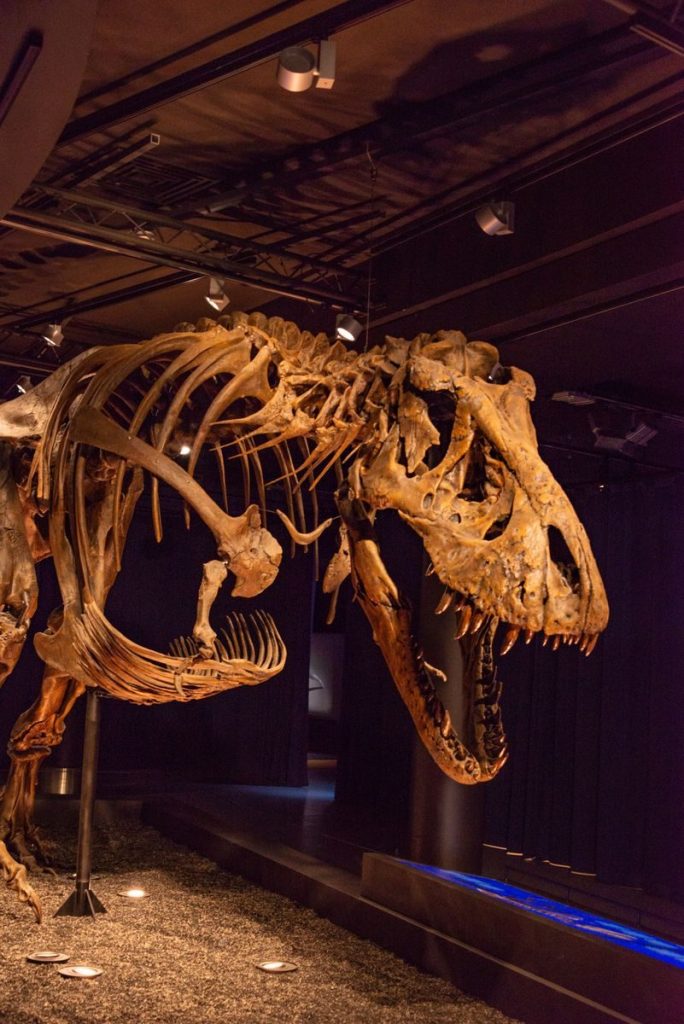
The study included specimens from the broader Tyrannosaurus species group because researchers acknowledge that some fossils historically labeled as juvenile T. rex may belong to related animals. A separate 2025 Nature study argued that Nanotyrannus was a distinct tyrannosaur that lived alongside T. rex. The classification remains an active area of research rather than a universally settled issue.
The Discovery Rewrites a Life Story, Not All Dinosaur History
The findings substantially revise the leading model for how T. rex developed. A longer juvenile stage changes how paleontologists interpret small fossils, predator populations, and competition at different ages. However, the study does not reveal exactly how long every T. rex lived. It presents a stronger estimate built from a larger sample and newly visible growth evidence.
Featured Image: Photo by Jaqor Q.I. on Pexels
Leave a Reply