Most people think that modern civilization is too massive and strong to ever collapse. We assume our technological progress guarantees a stable future.
But a powerful computer simulation designed in the seventies reached a terrifying conclusion. It projected that our current way of life could end very soon.
The Forgotten Cold War Supercomputer
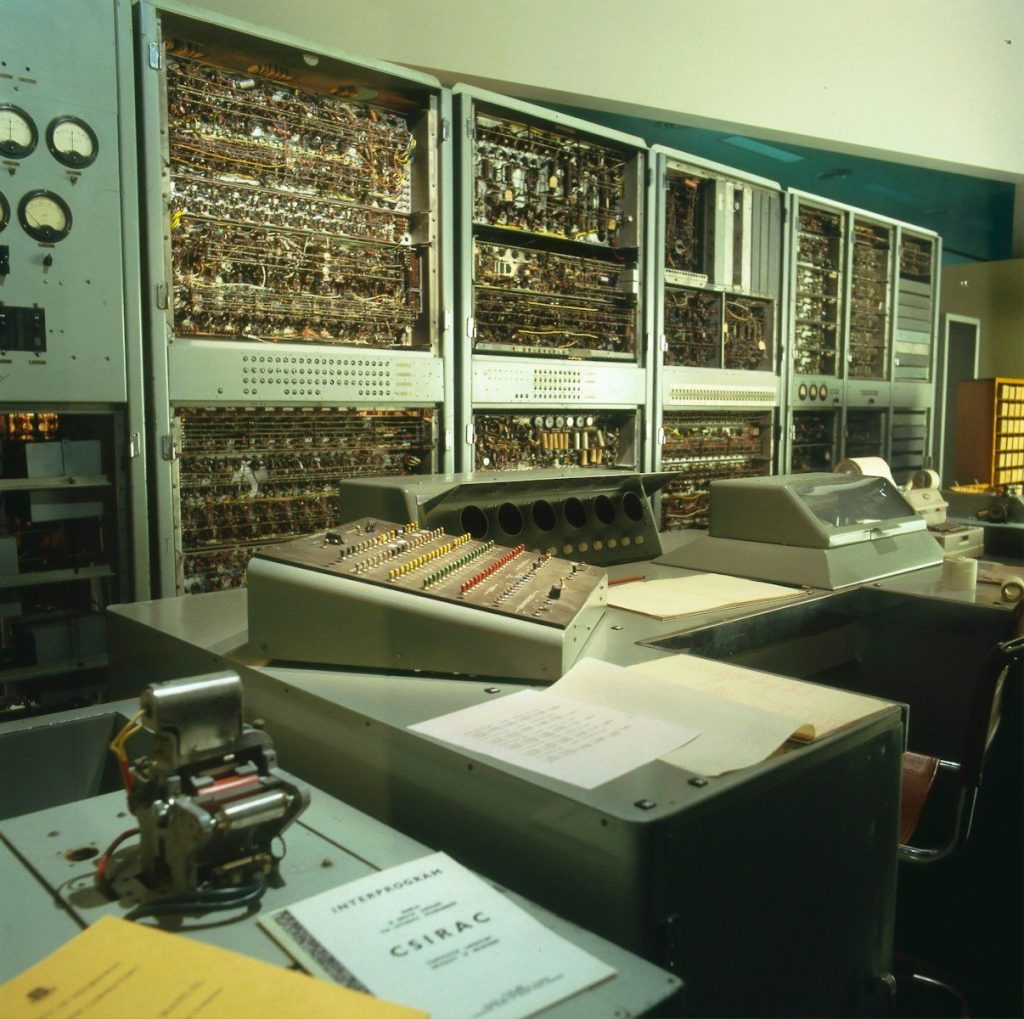
In nineteen seventy-three, researchers set up a massive mainframe computer called World One. It was huge. According to archival records, the machine was commissioned by an elite group of global thinkers to map the future of our planet. No one expected the computer to deliver such a dark and specific warning. The shocking results of this simulation would soon spark global headlines.
How The Program Calculated Destiny
This revolutionary software looked at global growth trends as interconnected loops rather than isolated issues. This was revolutionary. According to systems engineers at MIT, the program tracked population levels, industrial output, and natural resources simultaneously. By projecting these patterns forward, the system could see where our growth would crash into physical limits. But the timeline the computer generated was incredibly urgent.
The Looming Midcentury Crisis Date

Programmers targeted the year twenty-forty as the ultimate tipping point. Panic was real. According to the original published report, the model showed a sharp decline in human living standards starting around twenty-twenty. If resources fell too low, the system predicted a rapid and uncontrolled collapse of global infrastructure. Yet the accuracy of this ancient code is what truly terrifies modern researchers.
The Shocking Accuracy Of Progress
Modern scientists have compared our actual progress against those decades-old digital projections. They match closely. According to a follow-up study by Australian researchers, our current global resource consumption is running almost exactly on track with the original seventy-three model. This disturbing alignment suggests the system was incredibly accurate. However, this formula did not account for some major modern changes.
Where The Code Missed Mark

Technology has evolved in ways that those early programmers could never have imagined. We adapted fast. According to environmental economists, advancements in renewable energy and agricultural tech have helped delay some resource shortages. These innovations give us more time to solve our biggest global problems. But relying solely on technology to save us could be a very dangerous gamble.
The Threat Of Resource Exhaustion
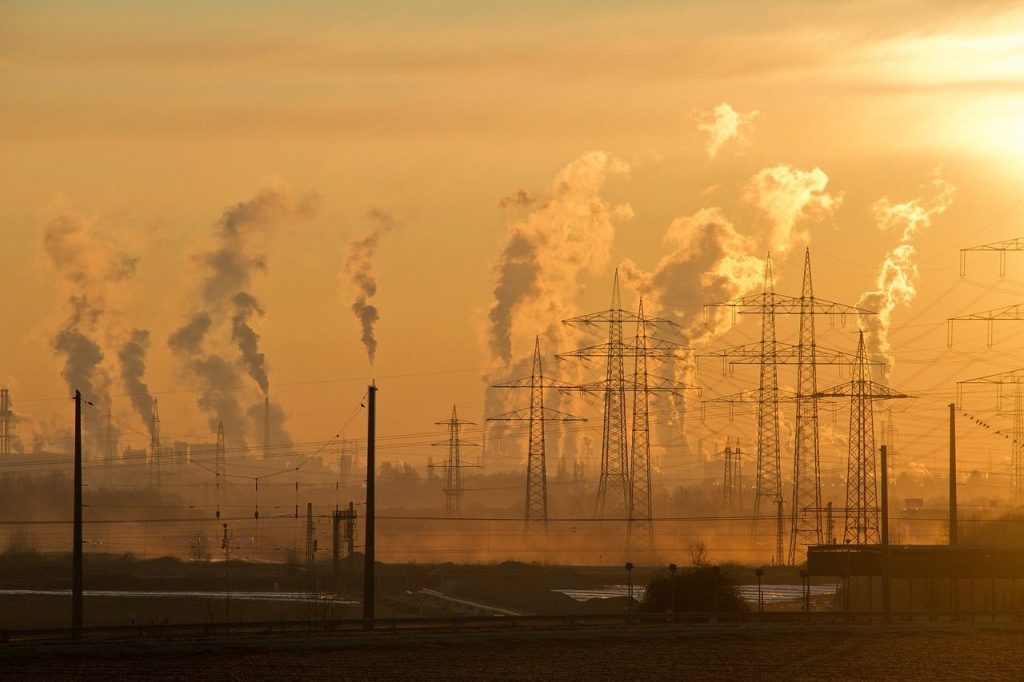
Even with great tech, our consumption of finite materials continues to rise. This is unsustainable. According to reports from the United Nations, global waste and pollution are putting massive stress on natural ecosystems. The basic warnings of the MIT computer remain highly relevant to our current situation. But changing our path requires making a few difficult choices on a global scale.
Rewriting The Predictable Collapse Scenario

Original researchers never intended their work to be a definitive prophecy. They wanted action. According to environmental scholars, the World One project was designed to inspire nations to transition toward sustainable development goals. By taking action today, we can easily prove the seventies supercomputer wrong. Yet the ultimate test of our resilience is happening right now in this decade.
Building A Sustainable Tomorrow

Global cooperation and modern technology offer a real path to secure our world. We can choose a stable and balanced future. Paying attention to these historical warnings helps us protect the planet for the next generation. This article is for informational purposes only and does not constitute professional scientific or economic advice.
Featured Image: Photo by Ruben Boekeloo on Pexels
Leave a Reply